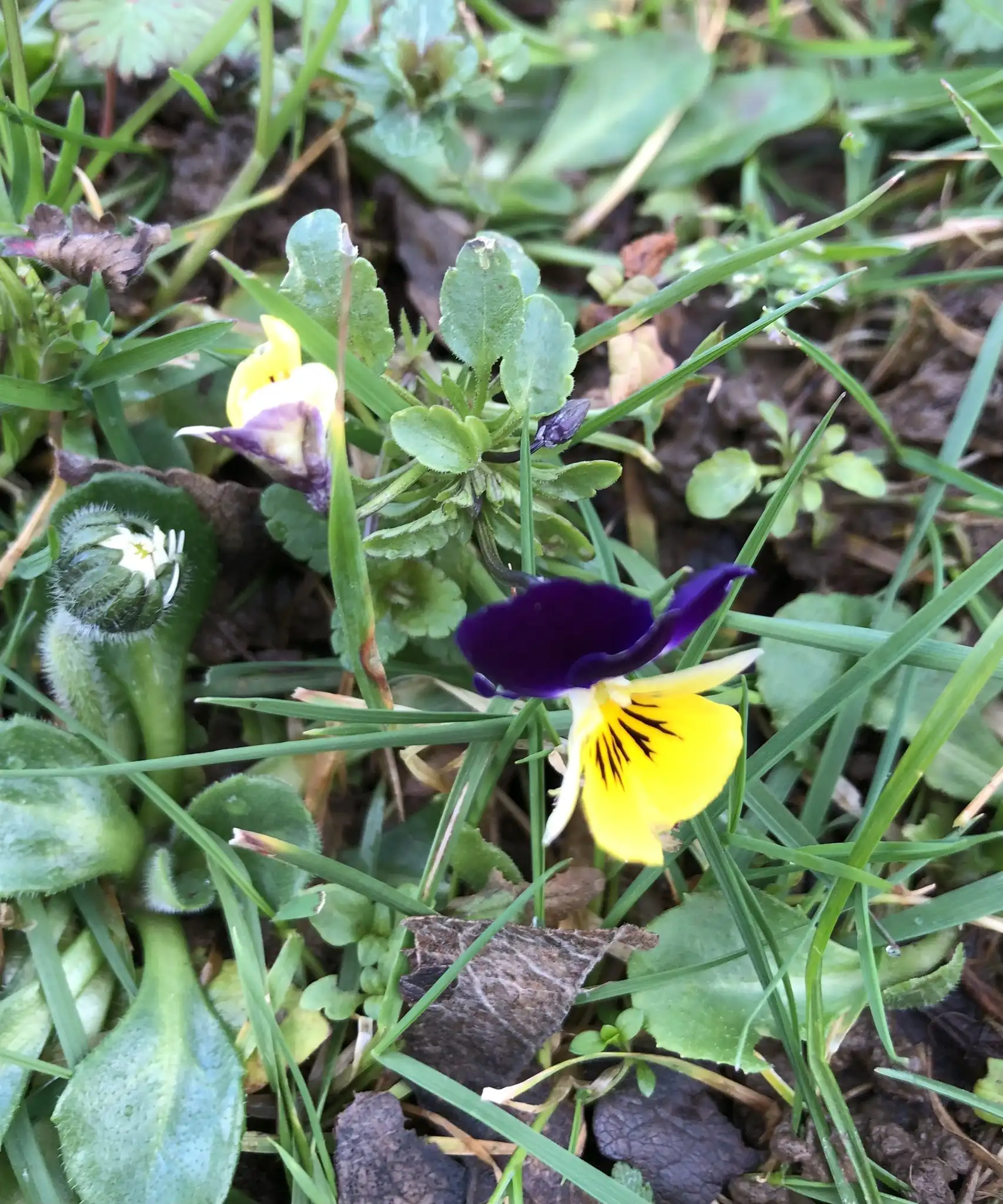
The Story
Plant Bio
Viola × williamsii is a low-growing, clump-forming to semi-trailing herbaceous perennial, often grown as a cool-season annual. It features alternate, ovate to cordate leaves with crenate margins and bears zygomorphic, solitary flowers on axillary peduncles in spring and fall.
This hybrid species arises from a cross between Viola wittrockiana and Viola cornuta, producing highly variable flower colors that often feature dark center rays or distinct faces. It tolerates light to moderate freezes well but declines rapidly under high heat and humidity.
Uses & Benefits:
Essentials
At a Glance
Plant Type
Perennial
Height
12"
Width
16"
Light
Full Sun, Partial Sun
Zones
4, 5, 6, 7, 8, 9
Water
Consistent moisture
Humidity
Low to moderate
Lifespan
Short-lived perennial or annual
Native To
Garden origin (parents native to Europe)
Toxicity
Non-toxic
Bloom period
Spring – Fall
In flower about 9 months of the year
Planting
How to Grow
- Select a planting site with full sun to partial shade, ensuring protection from hot afternoon sun.
- Amend the soil with organic matter to create a rich, moist, well-draining loam with a pH between 6.0 and 7.0.
- Space plants to allow adequate air circulation, which prevents powdery mildew and botrytis blight.
- Water consistently to keep the soil evenly moist, avoiding overhead watering to protect the foliage.
Pro Tip
Pair these plants with organic-rich, highly draining media and maintain rigorous weekly deadheading; allowing seed set triggers a hormonal signal that terminates the blooming cycle.
Keep It Thriving
Care Guide
Do
- Deadhead spent blooms weekly to prolong the flowering season.
- Shear back leggy growth by half mid-season to encourage fresh basal branching.
- Apply a balanced, water-soluble fertilizer monthly during the active growing season.
Don't
- Do not plant in heavy clay or poorly draining soils where waterlogged conditions cause root rot.
- Do not allow the soil to dry out completely, as drought tolerance is low.
- Avoid overhead watering to minimize the risk of fungal leaf spots and powdery mildew.
Seasonal Care Calendar
| Task | Jan | Feb | Mar | Apr | May | Jun | Jul | Aug | Sep | Oct | Nov | Dec |
|---|---|---|---|---|---|---|---|---|---|---|---|---|
| Deadhead | ||||||||||||
| Fertilize | ||||||||||||
| Pest Check | ||||||||||||
| Prune |
Watch Out For
Pests & Diseases
Common Pests
Common Diseases
In the Garden
Landscape Uses & Companions
Landscape Uses
Multiply
Propagation Methods
Good to Know
Common Questions
Bedding Viola questions
What zones can Bedding Viola grow in?
Bedding Viola is hardy in USDA Zones 4–9. Inside that range it survives winter in the ground; outside it, grow it as an annual or a container plant you protect.
Is Bedding Viola deer resistant?
Not reliably. Deer may browse Bedding Viola, especially tender spring growth — plan on repellents or fencing where pressure is high.
When does Bedding Viola bloom?
Bedding Viola typically blooms in spring through fall. Exact timing shifts a week or two with your zone — Sow's bloom calendar maps it to your garden.
Does Bedding Viola need full sun?
Bedding Viola does best in full sun to part shade. In hot climates, afternoon shade keeps blooms fresher longer.
More Viola to compare
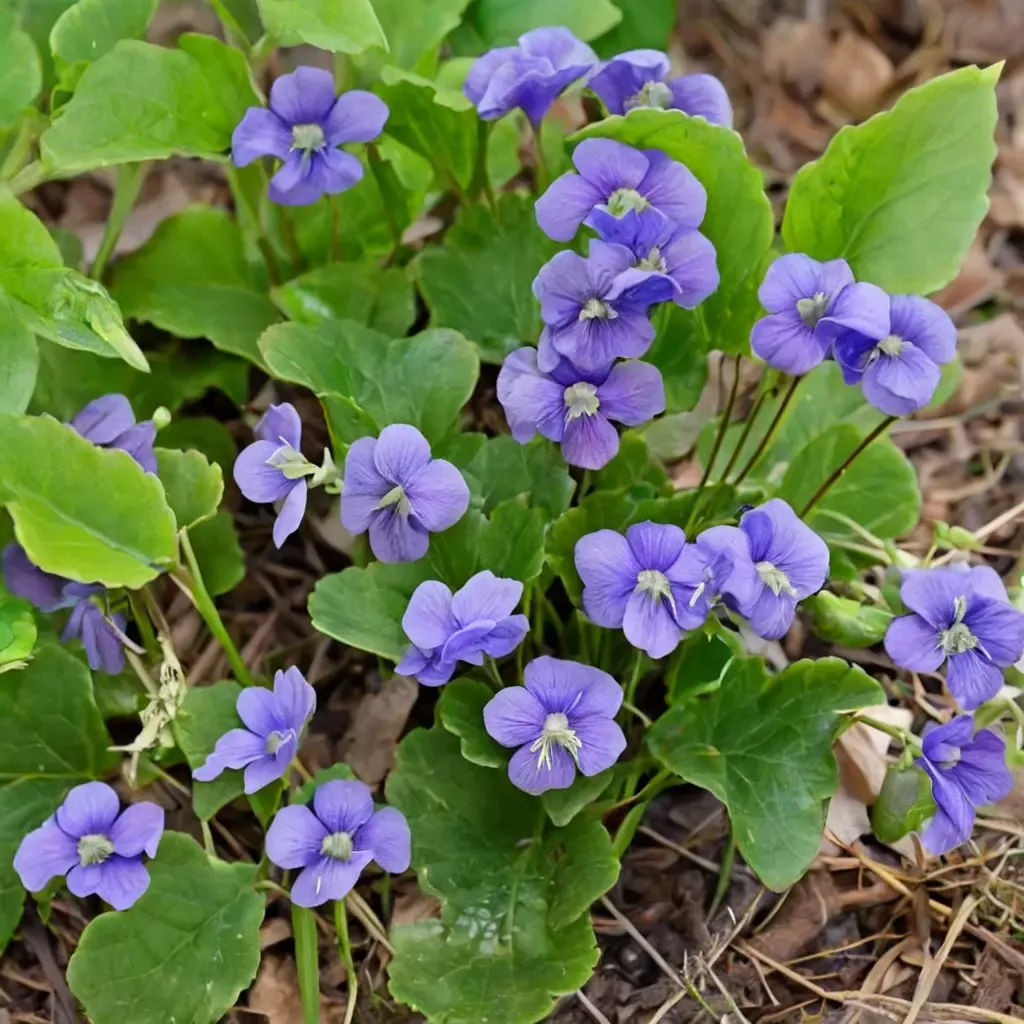
Common Blue Violet
Viola sororia
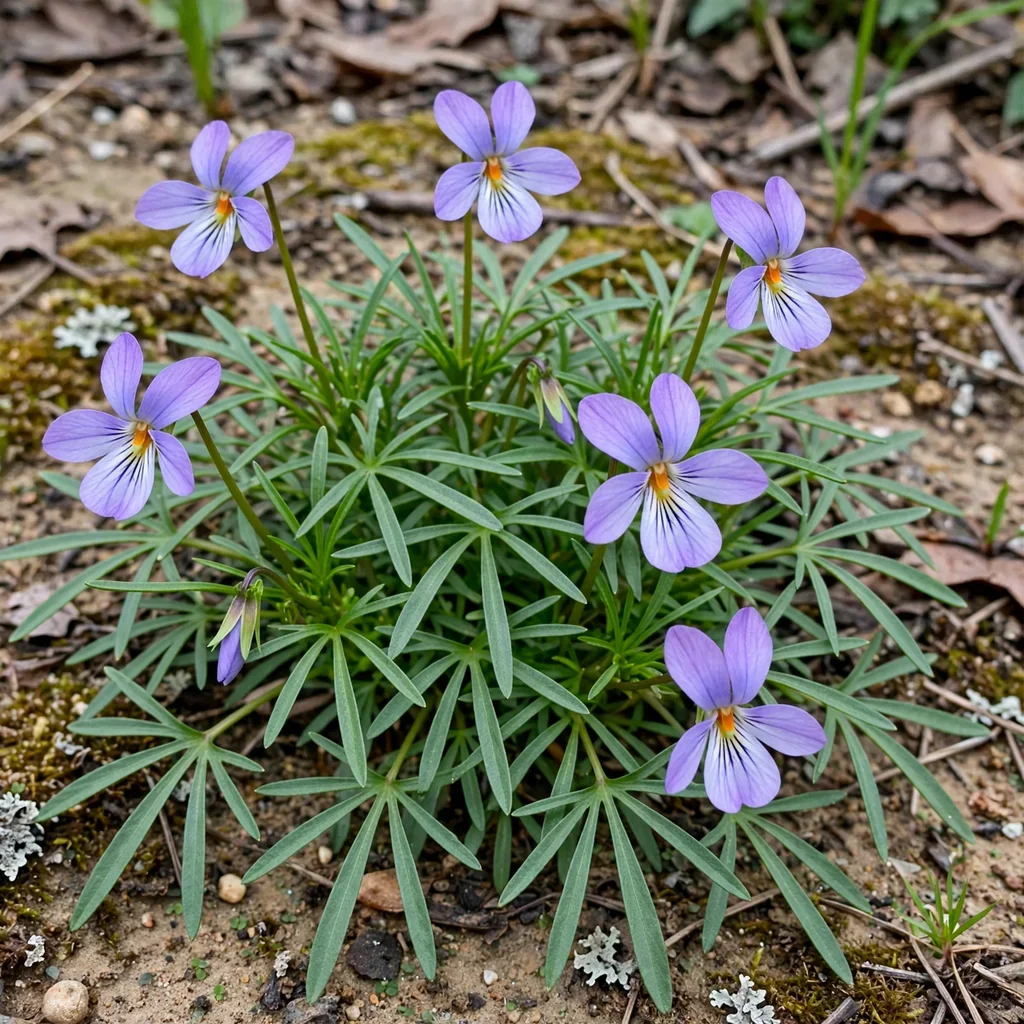
Bird's Foot Violet
Viola pedata
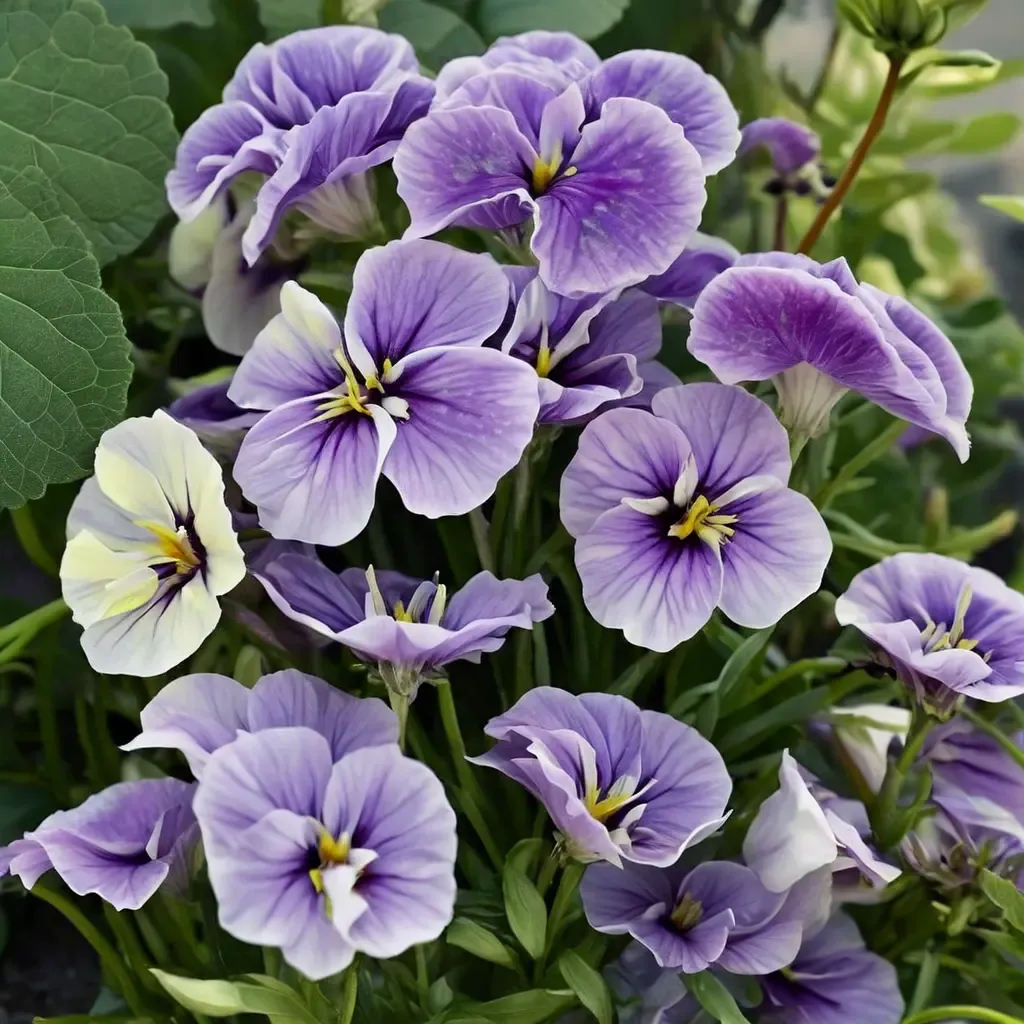
Painted Porcelain Pansy
Viola x wittrockiana 'Painted Porcelain'
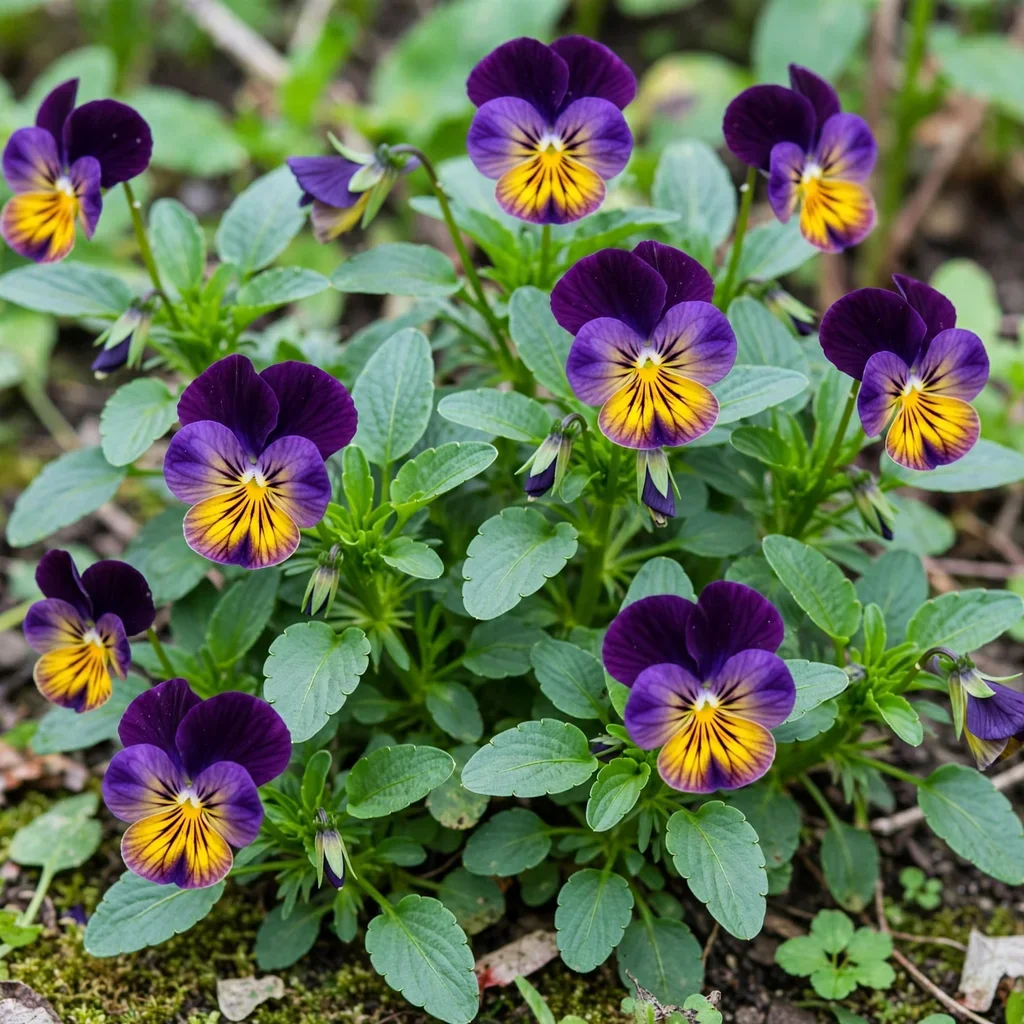
Northern Lights Horned Violet
Viola cornuta 'Northern Lights'
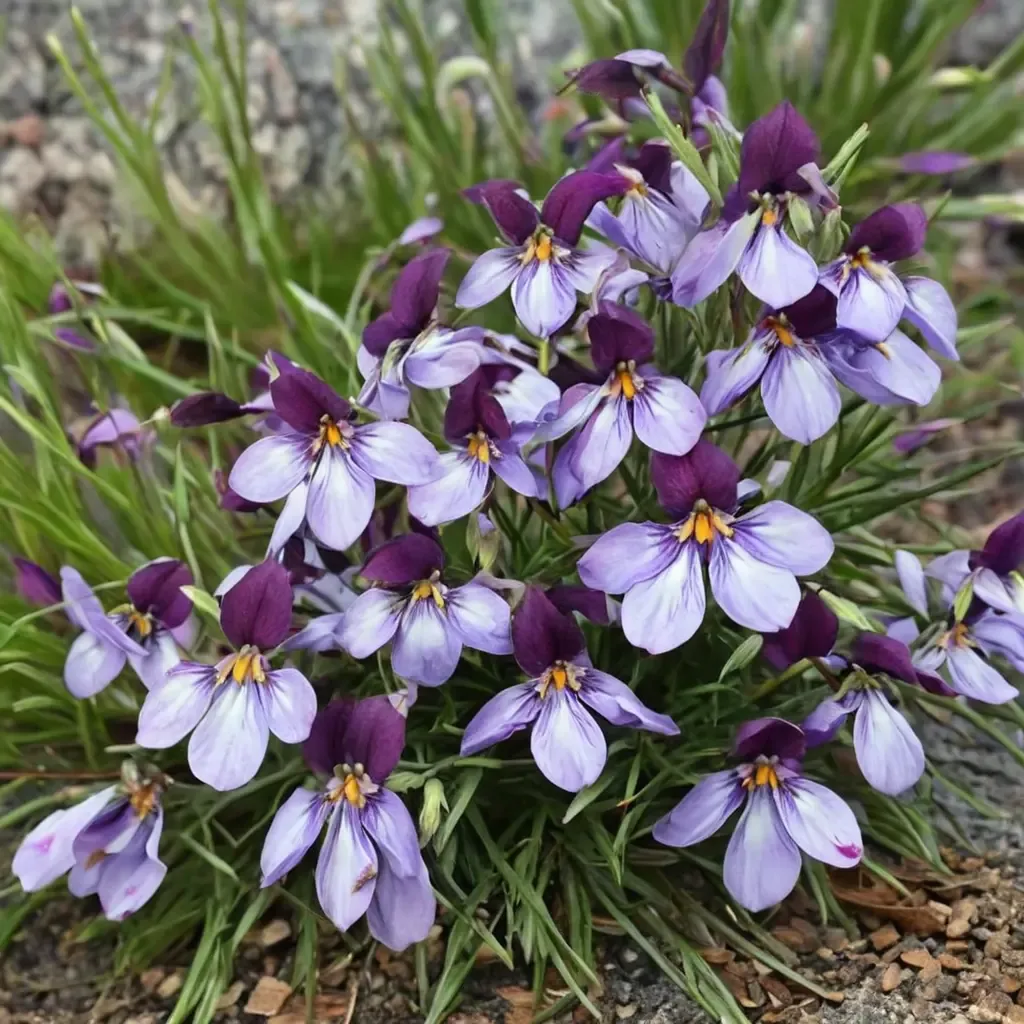
Birdfoot Violet
Viola pedata 'Eco Artist Palette'
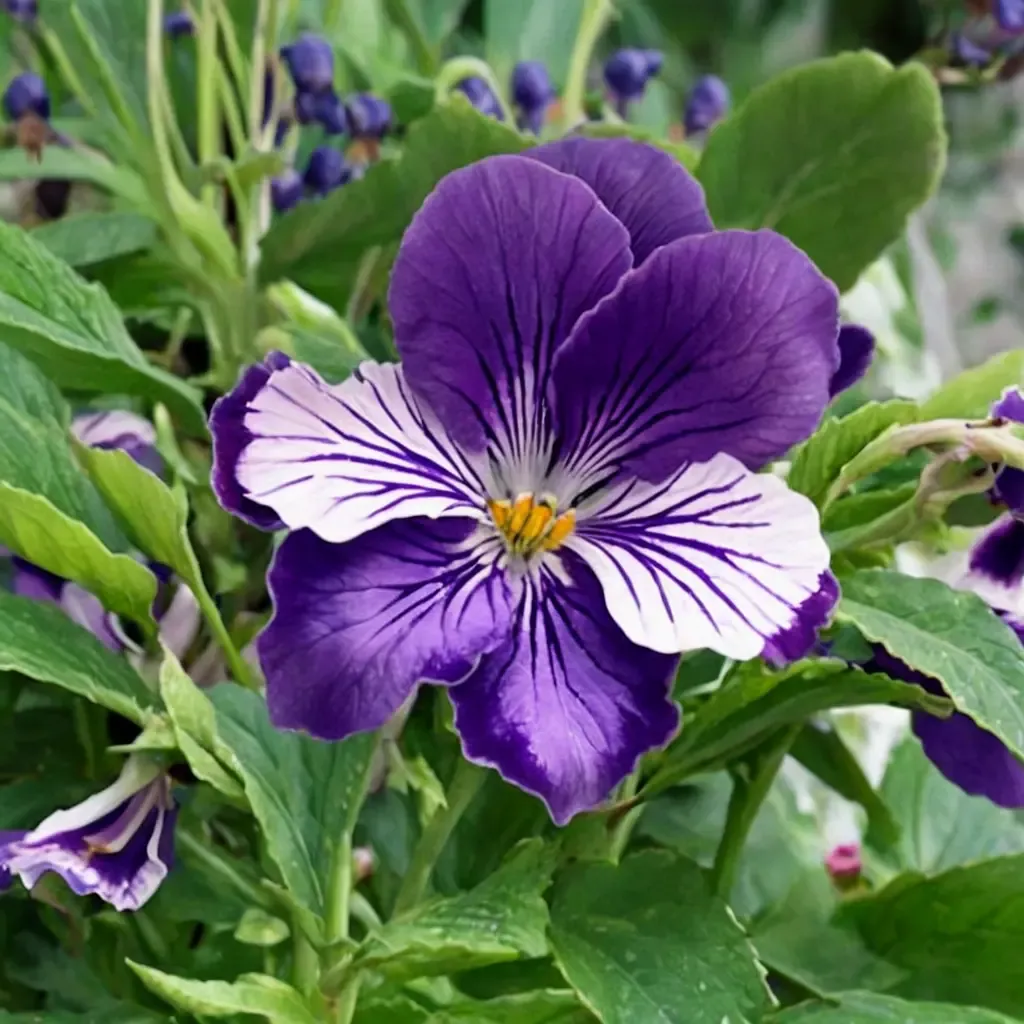
Whopping Purple Whiskers Pansy
Viola tricolor 'Whopping Purple Whiskers'
Keep exploring
Explore the genus
Grow Bedding Viola with confidence
See it in a design of your actual yard, get zone-matched care reminders, and track it season by season in your garden journal.