The Story
Plant Bio
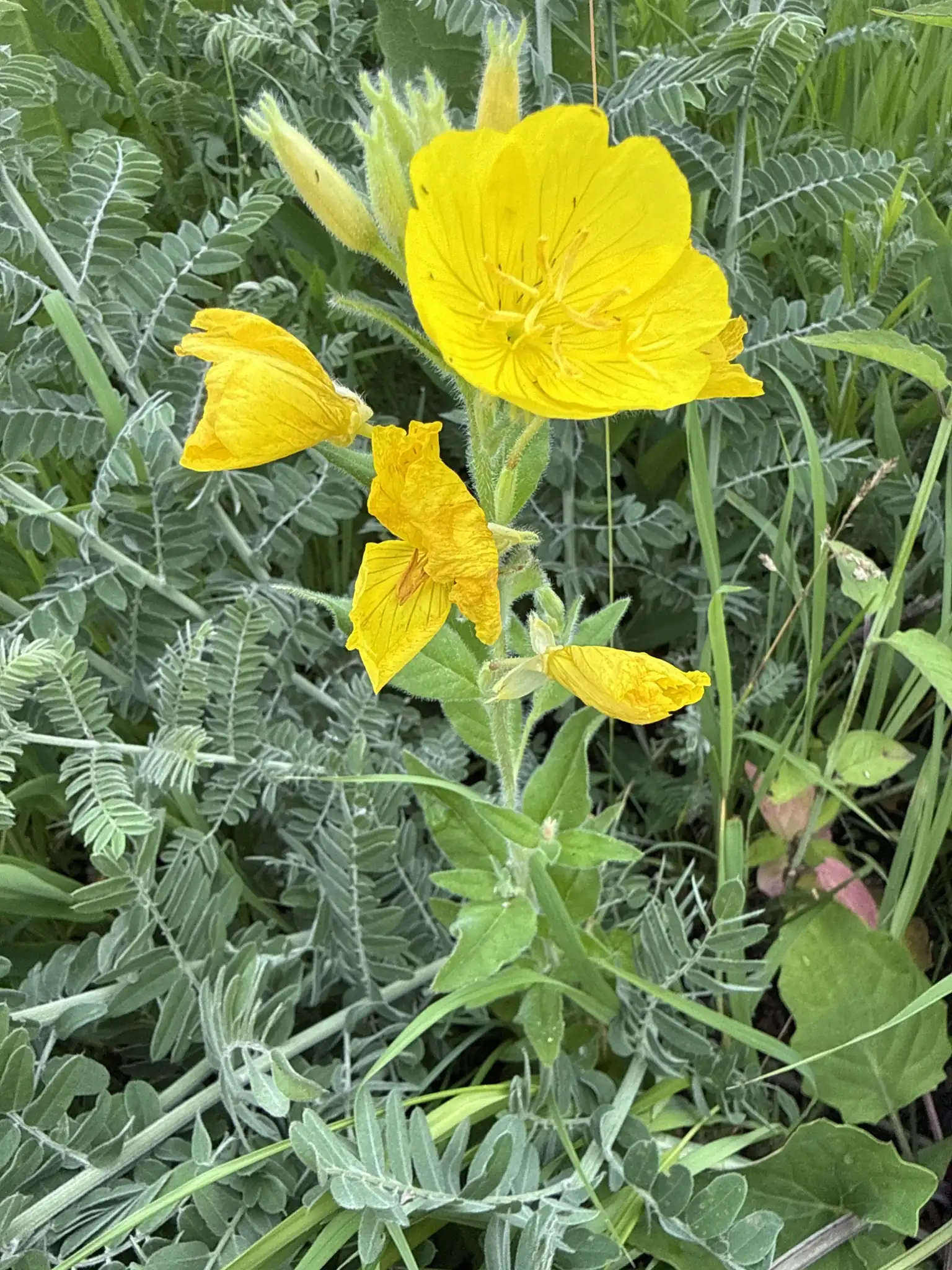
Oenothera pilosella, commonly known as prairie sundrops, is a rhizomatous herbaceous perennial native to central and eastern North America. Unlike night-blooming members of the genus, this species opens its bright yellow, saucer-shaped flowers during the day from late spring into early summer.
The erect flowering stems and lance-shaped leaves are covered in soft, spreading, non-glandular hairs that give the foliage a fuzzy appearance. Spreading basal rosettes form a dense vegetative mat that helps suppress weeds in moist, open sites.
Uses & Benefits:
Essentials
At a Glance
Plant Type
Perennial
Height
24"
Width
24"
Light
Full Sun, Partial Sun
Zones
4, 5, 6, 7, 8
Water
Medium to wet
Humidity
Medium
Lifespan
Perennial
Native To
North America
Toxicity
Non-toxic
Bloom period
Late spring – Early summer
In flower about 2 months of the year
Planting
How to Grow
- Select a site in full sun or very light shade with moist, slightly acidic loam or clay soil.
- Space plants 18 to 24 inches apart to allow the rhizomatous mat room to expand.
- Water regularly after planting to maintain medium-wet soil conditions until the root system establishes.
- Apply a light organic mulch around the base to retain moisture and suppress competing weeds.
Pro Tip
Do not panic if the rhizomes spread beyond their allotted space; the root system is exceptionally shallow, making manual extraction and containment simple.
Keep It Thriving
Care Guide
Do
- Divide the clumps every three to four years to prevent overcrowding and maintain vigor.
- Grow in clay or loam soils that retain moisture to mimic its natural wet prairie habitat.
- Pull unwanted spreading shoots from the edges of the clump by hand to easily control its footprint.
Don't
- Do not plant in dry, highly alkaline soils where the plant will struggle to establish.
- Never prune into old, woody, lifeless stems at the base of the plant.
- Avoid heavy supplemental fertilizing, as this species thrives in average to poor soils.
Seasonal Care Calendar
| Task | Jan | Feb | Mar | Apr | May | Jun | Jul | Aug | Sep | Oct | Nov | Dec |
|---|---|---|---|---|---|---|---|---|---|---|---|---|
| Divide | ||||||||||||
| Pest Check | ||||||||||||
| Prune | ||||||||||||
| Spring Cleanup |
Watch Out For
Pests & Diseases
Common Pests
Common Diseases
In the Garden
Landscape Uses & Companions
Landscape Uses
Companion Plants
Multiply
Propagation Methods
Good to Know
Common Questions
Prairie Sundrops questions
What zones can Prairie Sundrops grow in?
Prairie Sundrops is hardy in USDA Zones 4–8. Inside that range it survives winter in the ground; outside it, grow it as an annual or a container plant you protect.
When does Prairie Sundrops bloom?
Prairie Sundrops typically blooms in late spring through early summer. Exact timing shifts a week or two with your zone — Sow's bloom calendar maps it to your garden.
Does Prairie Sundrops need full sun?
Prairie Sundrops does best in full sun to part shade. In hot climates, afternoon shade keeps blooms fresher longer.
Is Prairie Sundrops drought tolerant?
Yes — once established (usually after the first full season), Prairie Sundrops handles dry spells with minimal watering. Water deeply its first year to build the root system that makes that possible.
More Oenothera to compare
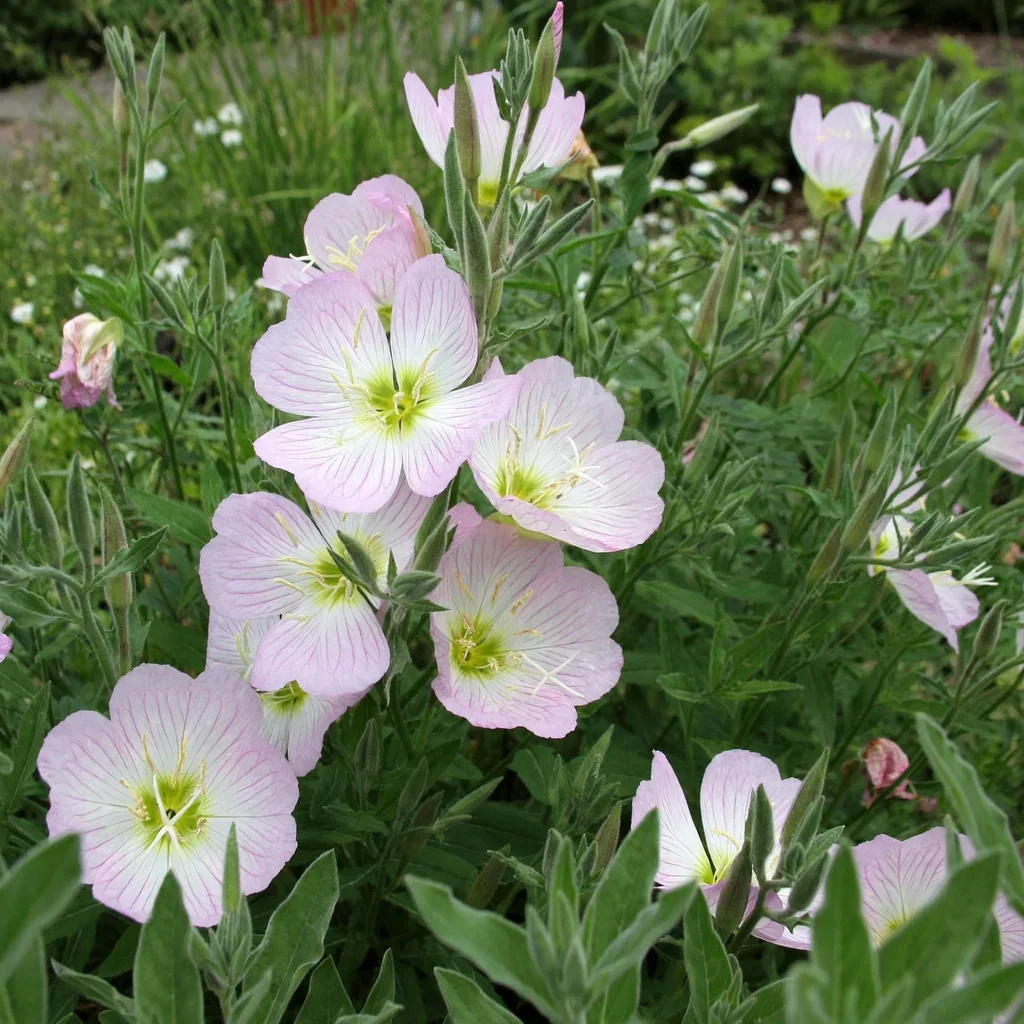
Pink Evening Primrose
Oenothera speciosa
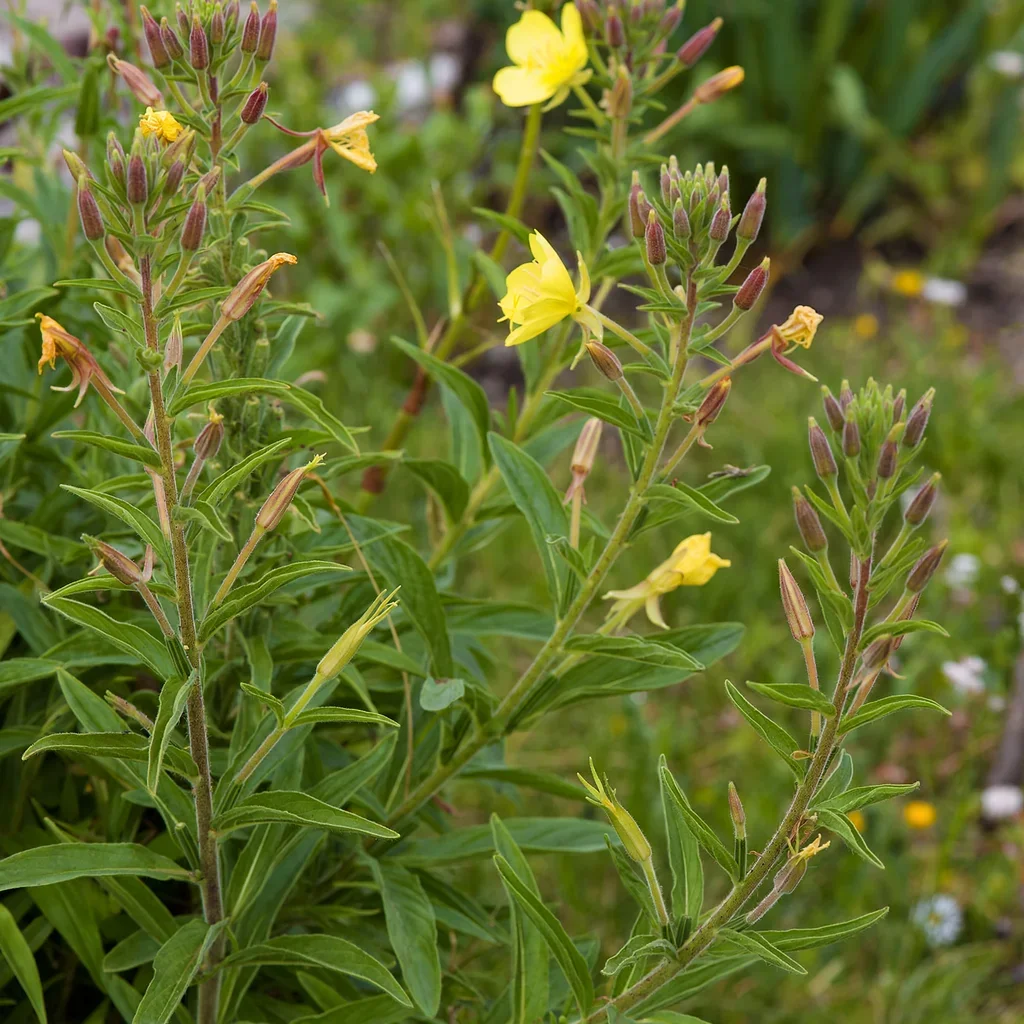
Evening Primrose
Oenothera biennis
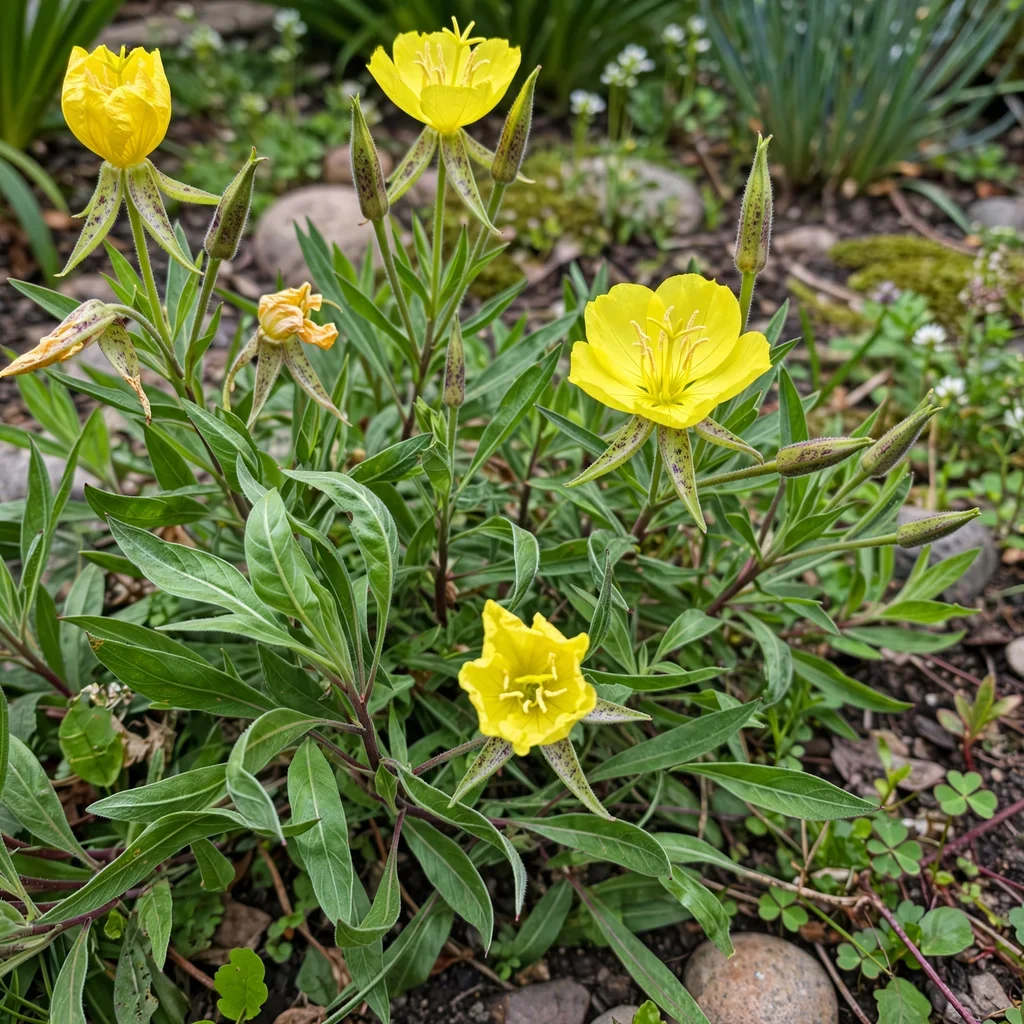
Missouri Evening Primrose Giant Evening Primrose
Oenothera macrocarpa
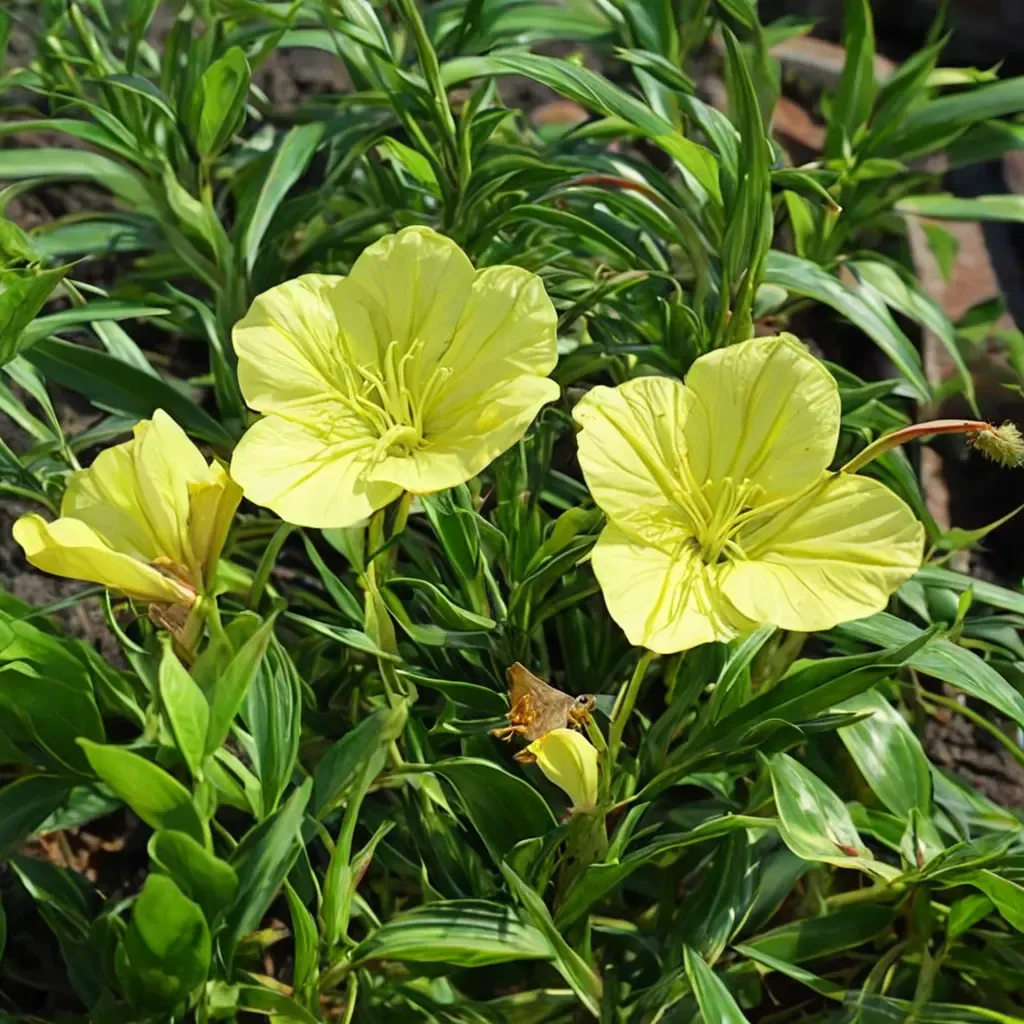
Ozark Sundrop
Oenothera missouriensis 'Ozark Sundrop'
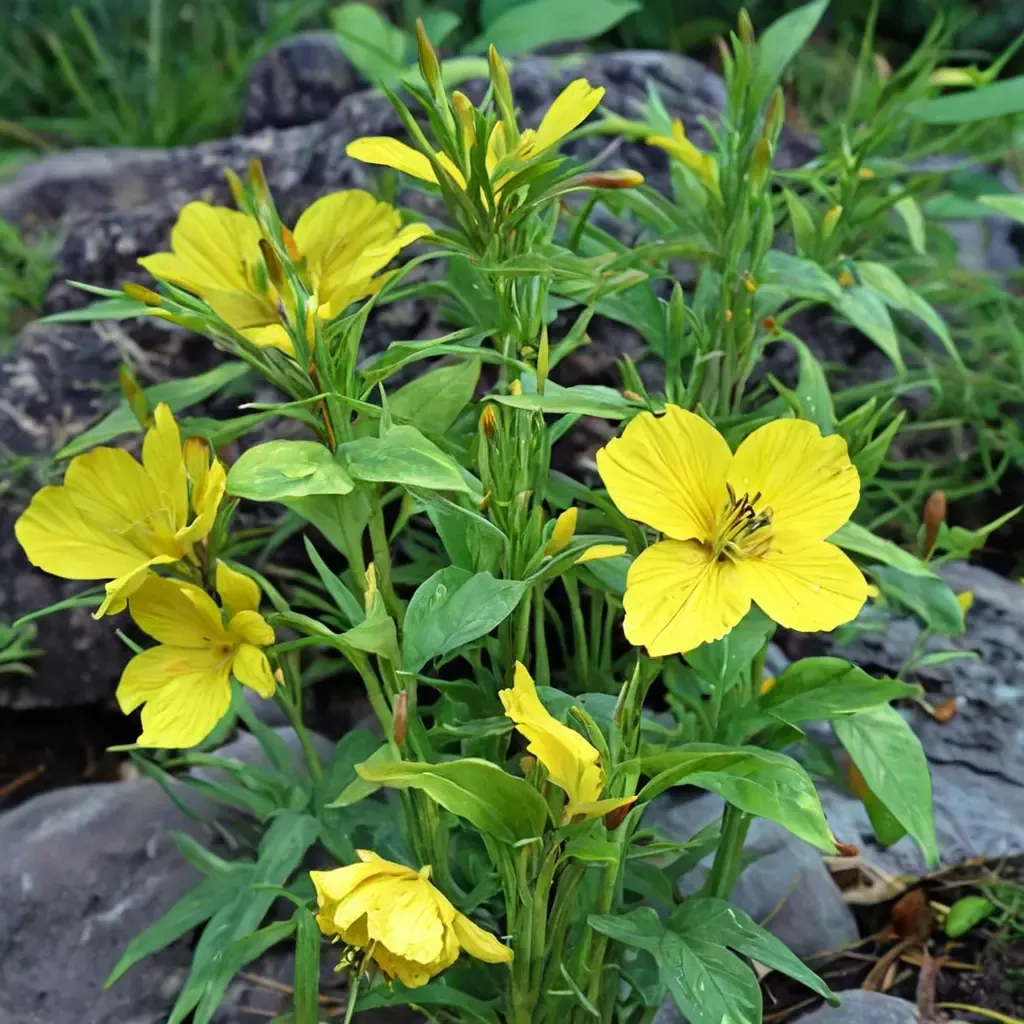
Native Yellow Sundrops
Oenothera fruticosa 'Native Yellow Bellflower'
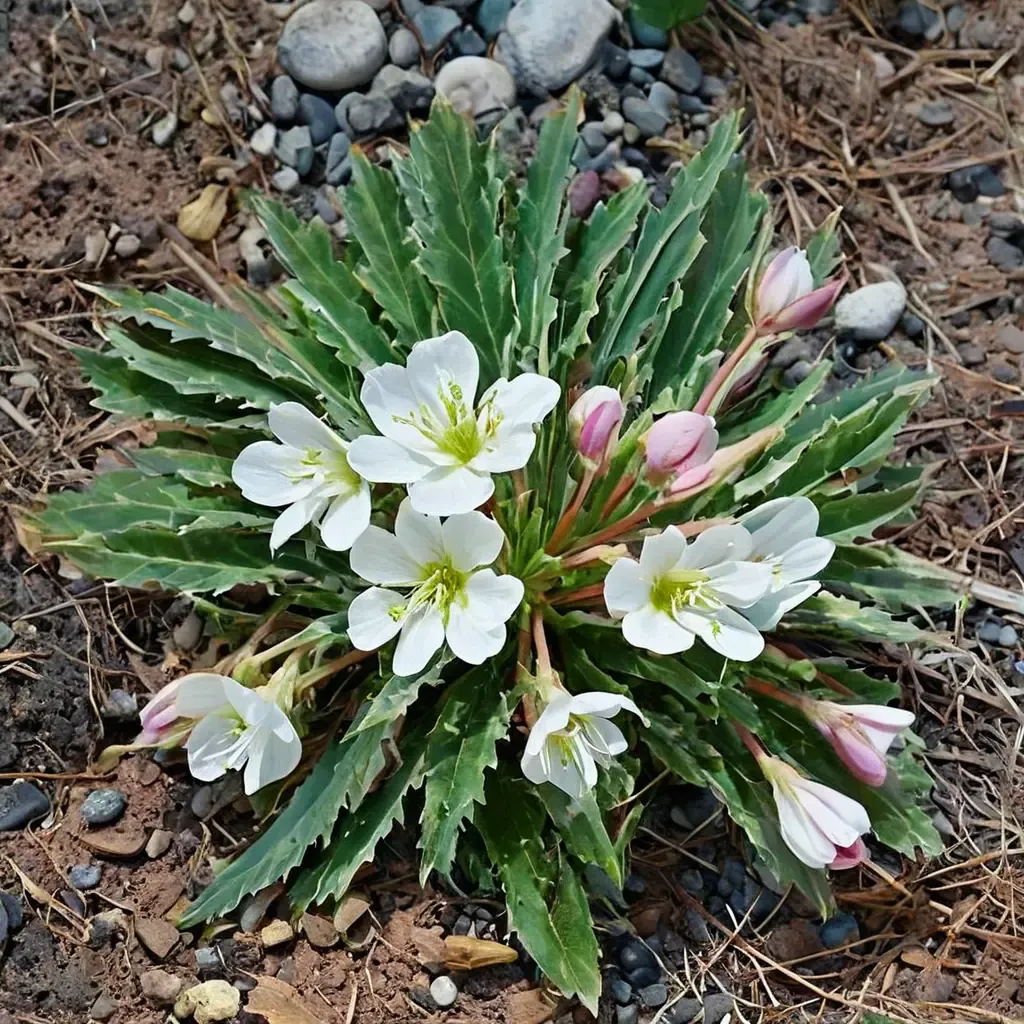
Tufted Evening Primrose
Oenothera caespitosa
Keep exploring
Explore the genus
Hardy in your zone?
Grow Prairie Sundrops with confidence
See it in a design of your actual yard, get zone-matched care reminders, and track it season by season in your garden journal.