The Story
Plant Bio
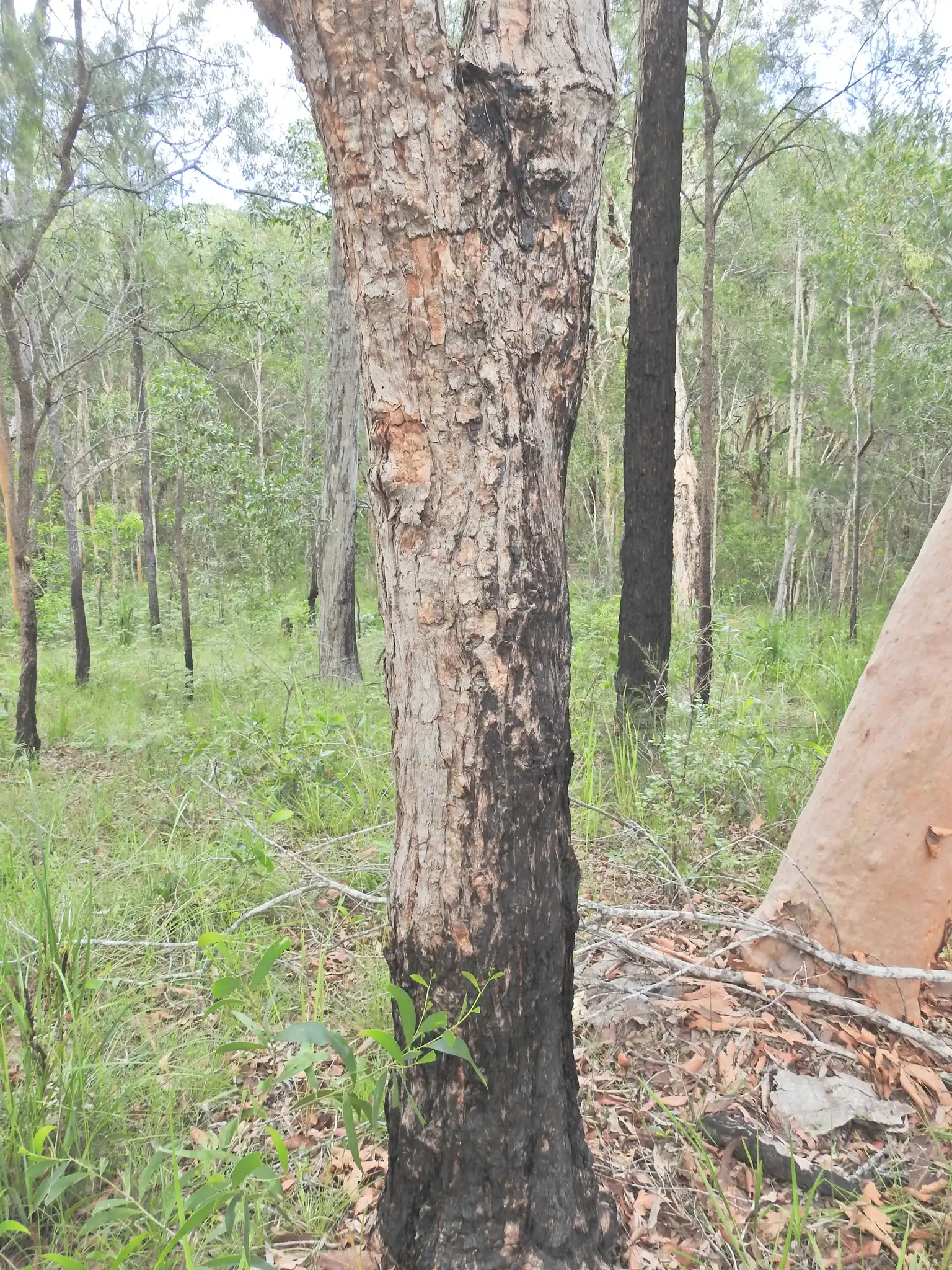
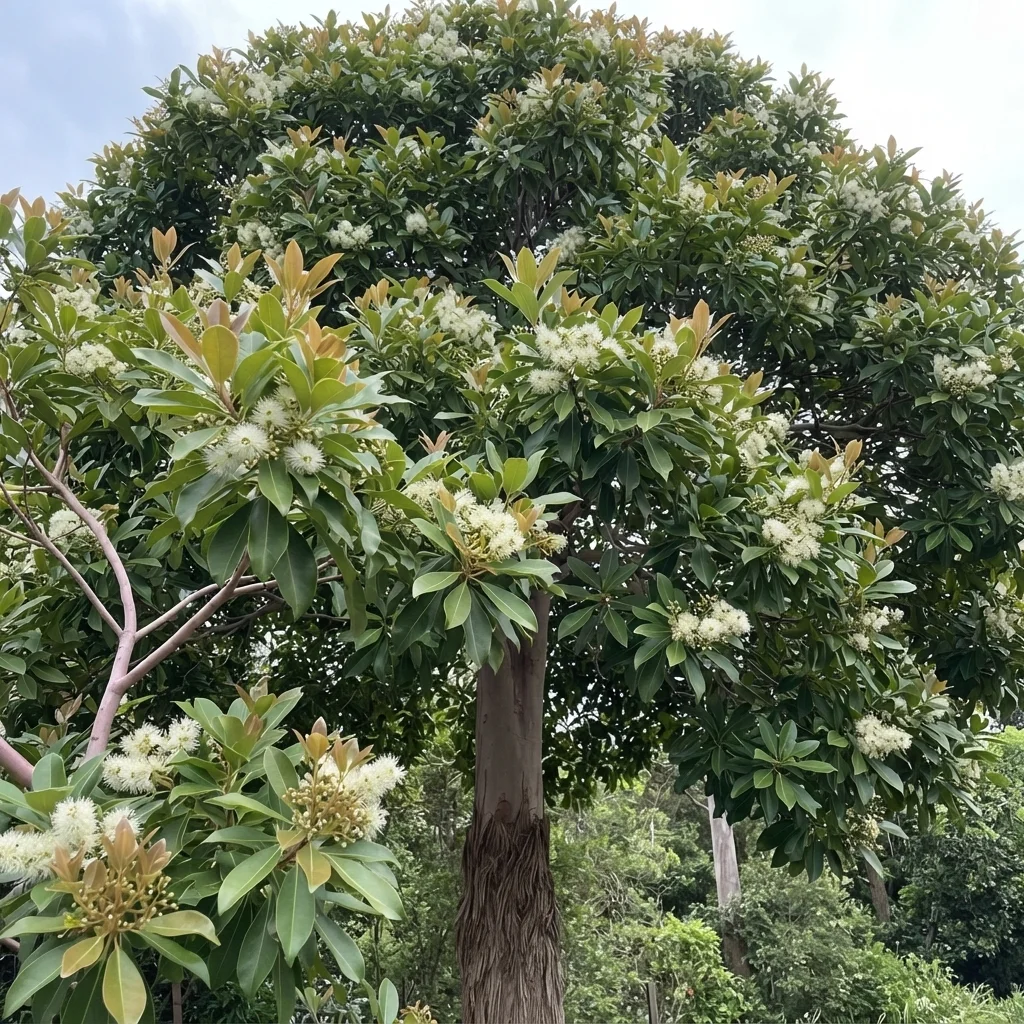
Lophostemon suaveolens is an evergreen tree native to eastern Australia and New Guinea, characterized by a spreading, weeping canopy and distinctive red-brown, fibrous, papery bark. The leathery, light to dull green leaves are arranged in false whorls of three to four at the ends of the branchlets.
This species is distinguished by its high tolerance for poorly drained, wet soils and periodic flooding, far exceeding most other members of the Myrtaceae family. In spring and summer, it produces small, white to cream-colored flowers in axillary clusters, featuring numerous prominent stamens grouped in bundles.
Uses & Benefits:
Essentials
At a Glance
Plant Type
Tree
Height
984"
Width
590"
Light
Full Sun, Partial Sun
Zones
9, 10
Water
High
Humidity
High
Lifespan
Long
Native To
Australia, New Guinea
Toxicity
Non-toxic
Bloom period
Spring – Summer
In flower about 6 months of the year
Planting
How to Grow
- Select a planting site in full sun to partial shade with moist, heavy, or alluvial soil.
- Dig a hole twice the width of the root ball and set the plant at its original container depth.
- Water thoroughly after planting and maintain consistent moisture, especially during the establishment phase.
- Apply a standard slow-release fertilizer in spring if growing in containers or poor soils.
Pro Tip
Avoid cutting back into old, leafless wood during pruning, as recovery from bare branches is poor and patchy.
Keep It Thriving
Care Guide
Do
- Keep the soil consistently moist to wet, as this species thrives in damp conditions.
- Protect young containerized plants from hard freezes, as frost tolerance is low.
- Prune minimally, removing only dead, damaged, or low-hanging branches.
Don't
- Do not prune heavily into old, bare wood, which limits the tree's ability to regenerate.
- Do not allow container media to dry out completely between waterings.
Seasonal Care Calendar
| Task | Jan | Feb | Mar | Apr | May | Jun | Jul | Aug | Sep | Oct | Nov | Dec |
|---|---|---|---|---|---|---|---|---|---|---|---|---|
| Fertilize | ||||||||||||
| Pest Check | ||||||||||||
| Prune | ||||||||||||
| Winter Prep |
Watch Out For
Pests & Diseases
Common Pests
Common Diseases
In the Garden
Landscape Uses & Companions
Landscape Uses
Multiply
Propagation Methods
Good to Know
Common Questions
Swamp Box questions
What zones can Swamp Box grow in?
Swamp Box is hardy in USDA Zones 9–10. Inside that range it survives winter in the ground; outside it, grow it as an annual or a container plant you protect.
Is Swamp Box deer resistant?
Not reliably. Deer may browse Swamp Box, especially tender spring growth — plan on repellents or fencing where pressure is high.
When does Swamp Box bloom?
Swamp Box typically blooms in spring through summer. Exact timing shifts a week or two with your zone — Sow's bloom calendar maps it to your garden.
Does Swamp Box need full sun?
Swamp Box does best in full sun to part shade. In hot climates, afternoon shade keeps blooms fresher longer.
Is Swamp Box drought tolerant?
Yes — once established (usually after the first full season), Swamp Box handles dry spells with minimal watering. Water deeply its first year to build the root system that makes that possible.
More Lophostemon to compare
Keep exploring
Explore the genus
Hardy in your zone?
Grow Swamp Box with confidence
See it in a design of your actual yard, get zone-matched care reminders, and track it season by season in your garden journal.