



The Story
Plant Bio
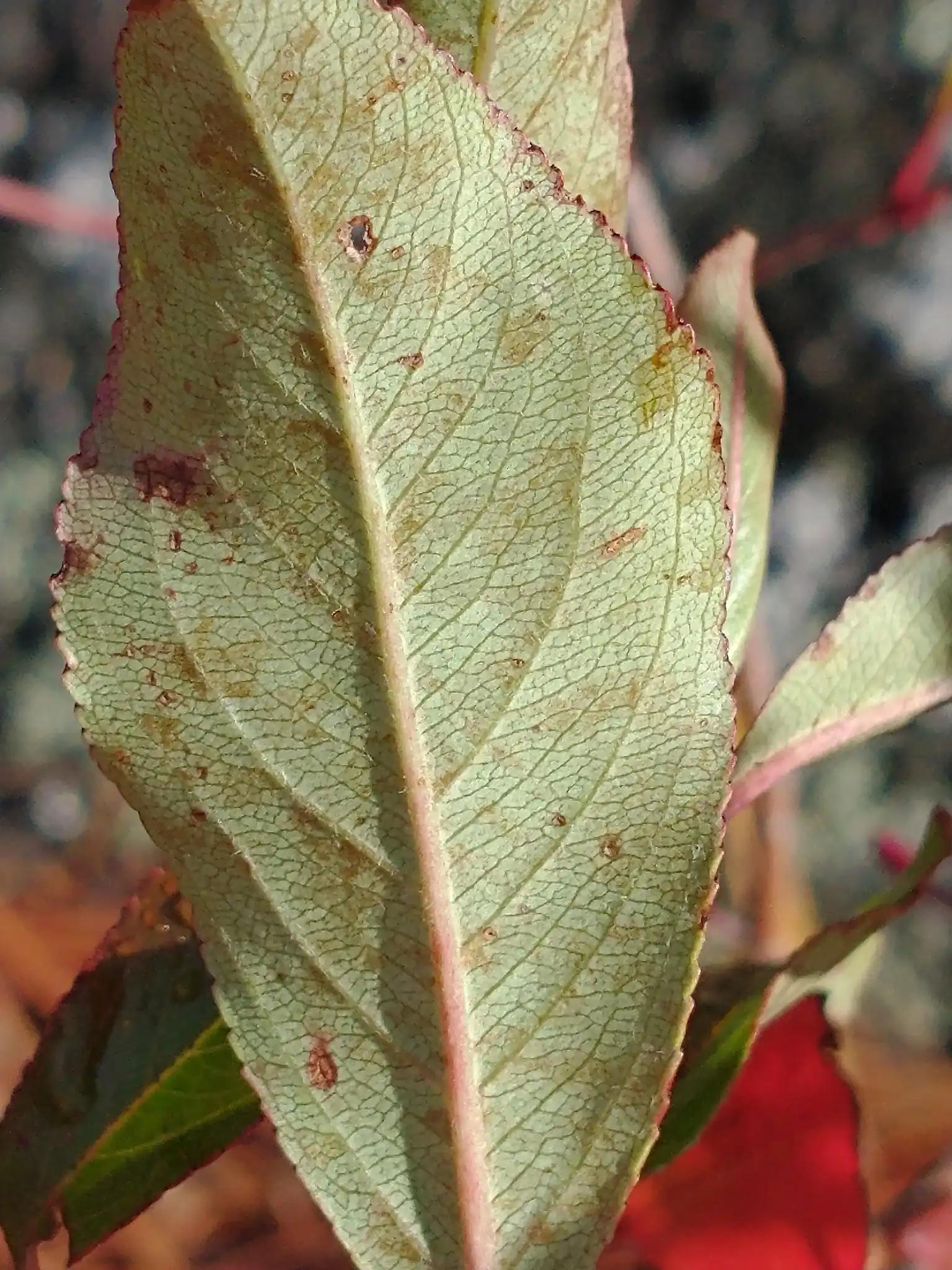
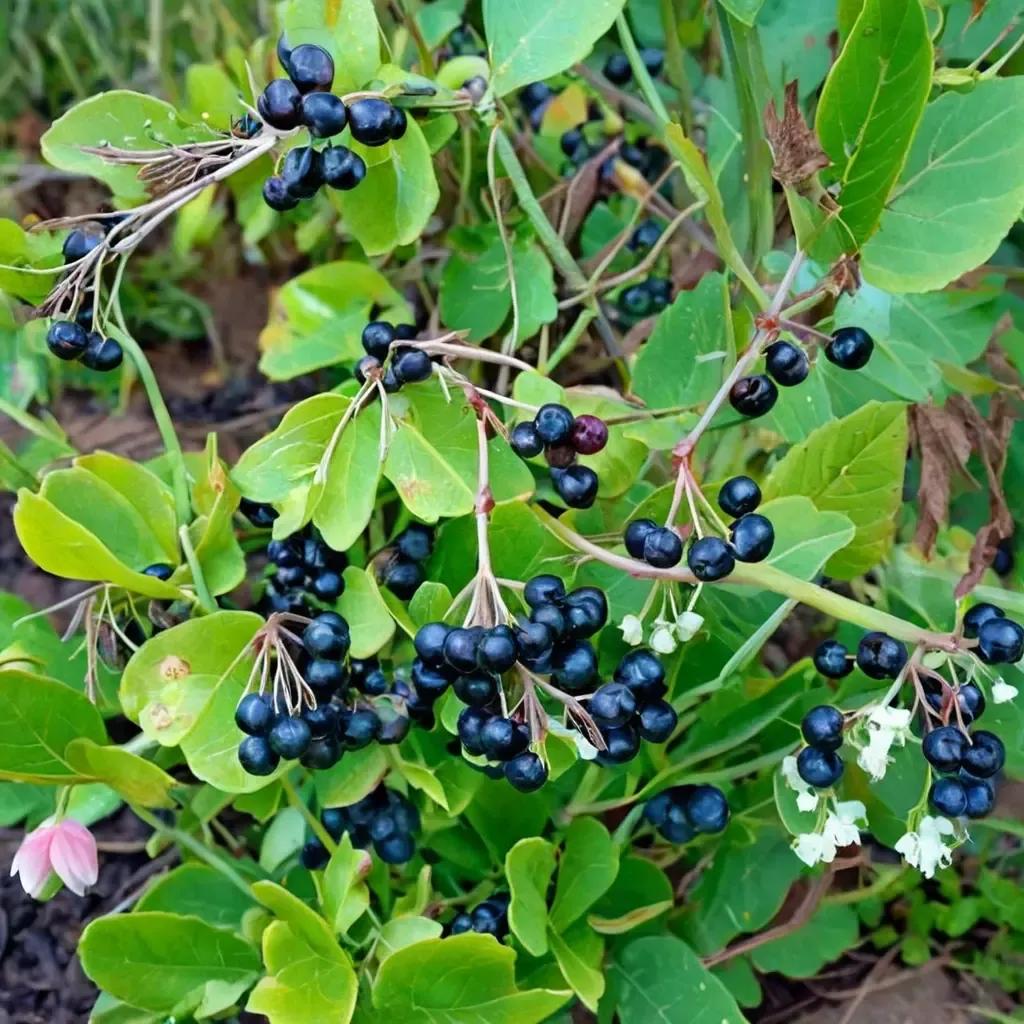
Aronia melanocarpa is a multi-stemmed deciduous shrub native to eastern North America, valued for its three-season interest: spring flowers, summer/fall fruit, and brilliant autumn foliage.
'Morton', sold as Iroquois Beauty™, is a compact, denser selection of the species, making it more suitable for smaller landscapes and residential gardens. It still produces abundant flowers and fruit.
Uses & Benefits:
Essentials
At a Glance
Plant Type
Shrub
Height
48"
Width
60"
Light
Full Sun, Partial Sun
Zones
4, 5, 6, 7, 8
Water
Adaptable
Humidity
Adaptable
Lifespan
Long-lived deciduous shrub
Native To
Eastern North America
Toxicity
Non-toxic
Bloom period
Mid-spring – Late spring
In flower about 2 months of the year
Planting
How to Grow
- Select a site in full sun or partial shade.
- It is highly adaptable to a wide range of soils, including wet or dry.
- Dig a hole as deep and twice as wide as the root ball.
- Plant at the same depth as it was growing in the container.
- Water well after planting; it is very tolerant once established.
- Remove suckers from the base annually if you wish to prevent it from colonizing.
Pro Tip
For best fruit production and most brilliant fall color, plant in full sun. The fruit's astringency is reduced after cooking or freezing.
Keep It Thriving
Care Guide
Do
- Allow it to naturalize in informal settings by leaving the suckers.
- Provide full sun for the best fruit set and fall color.
- Harvest berries after they turn a deep purple-black for use in cooking.
- Use it in tough spots where other shrubs might fail.
Don't
- Don't worry about poor or wet soil; it is extremely tolerant.
- Don't expect sweet fruit right off the bush; it is very astringent raw.
- Don't plant it in a formal border if you dislike its suckering habit.
- Don't plant in deep shade, as it will become leggy with poor fruiting.
Seasonal Care Calendar
| Task | Jan | Feb | Mar | Apr | May | Jun | Jul | Aug | Sep | Oct | Nov | Dec |
|---|---|---|---|---|---|---|---|---|---|---|---|---|
| Harvest | ||||||||||||
| Prune |
Watch Out For
Pests & Diseases
Common Pests
Common Diseases
In the Garden
Landscape Uses & Companions
Landscape Uses
Multiply
Propagation Methods
Good to Know
Common Questions
Iroquois Beauty Black Chokeberry questions
What zones can Iroquois Beauty Black Chokeberry grow in?
Iroquois Beauty Black Chokeberry is hardy in USDA Zones 4–8. Inside that range it survives winter in the ground; outside it, grow it as an annual or a container plant you protect.
Is Iroquois Beauty Black Chokeberry deer resistant?
Yes — Iroquois Beauty Black Chokeberry is rated deer-resistant. Deer typically pass it over, though extreme hunger can override any plant's defenses.
When does Iroquois Beauty Black Chokeberry bloom?
Iroquois Beauty Black Chokeberry typically blooms in mid-spring through late spring. Exact timing shifts a week or two with your zone — Sow's bloom calendar maps it to your garden.
Does Iroquois Beauty Black Chokeberry need full sun?
Iroquois Beauty Black Chokeberry does best in full sun to part shade. In hot climates, afternoon shade keeps blooms fresher longer.
Is Iroquois Beauty Black Chokeberry drought tolerant?
Yes — once established (usually after the first full season), Iroquois Beauty Black Chokeberry handles dry spells with minimal watering. Water deeply its first year to build the root system that makes that possible.
More Aronia to compare
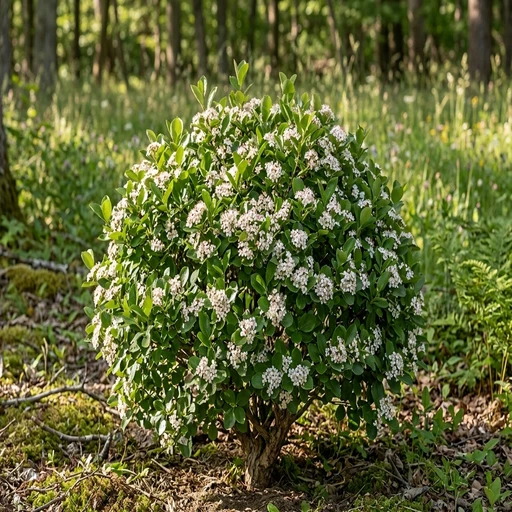
Low Scape Mound Chokeberry
Aronia melanocarpa 'Low Scape Mound'
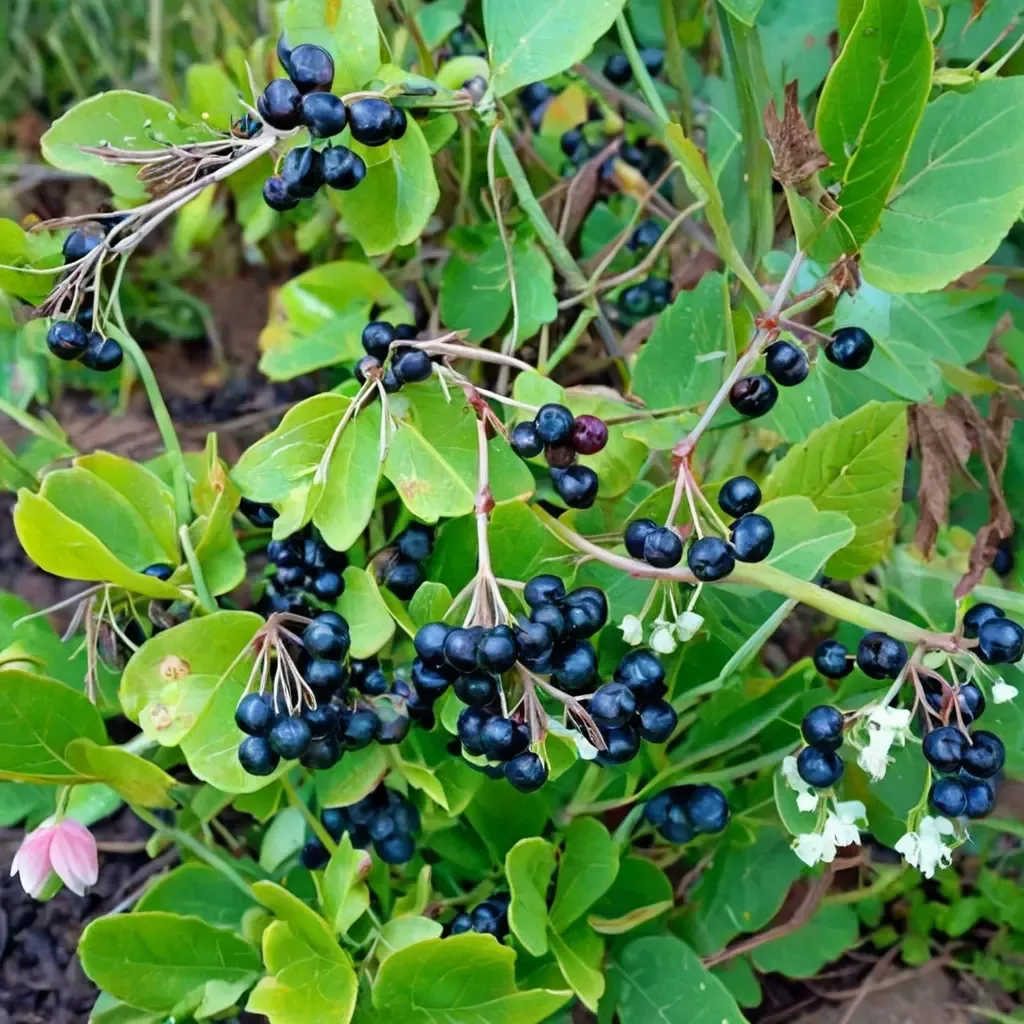
Viking Chokeberry
Aronia melanocarpa 'Viking'
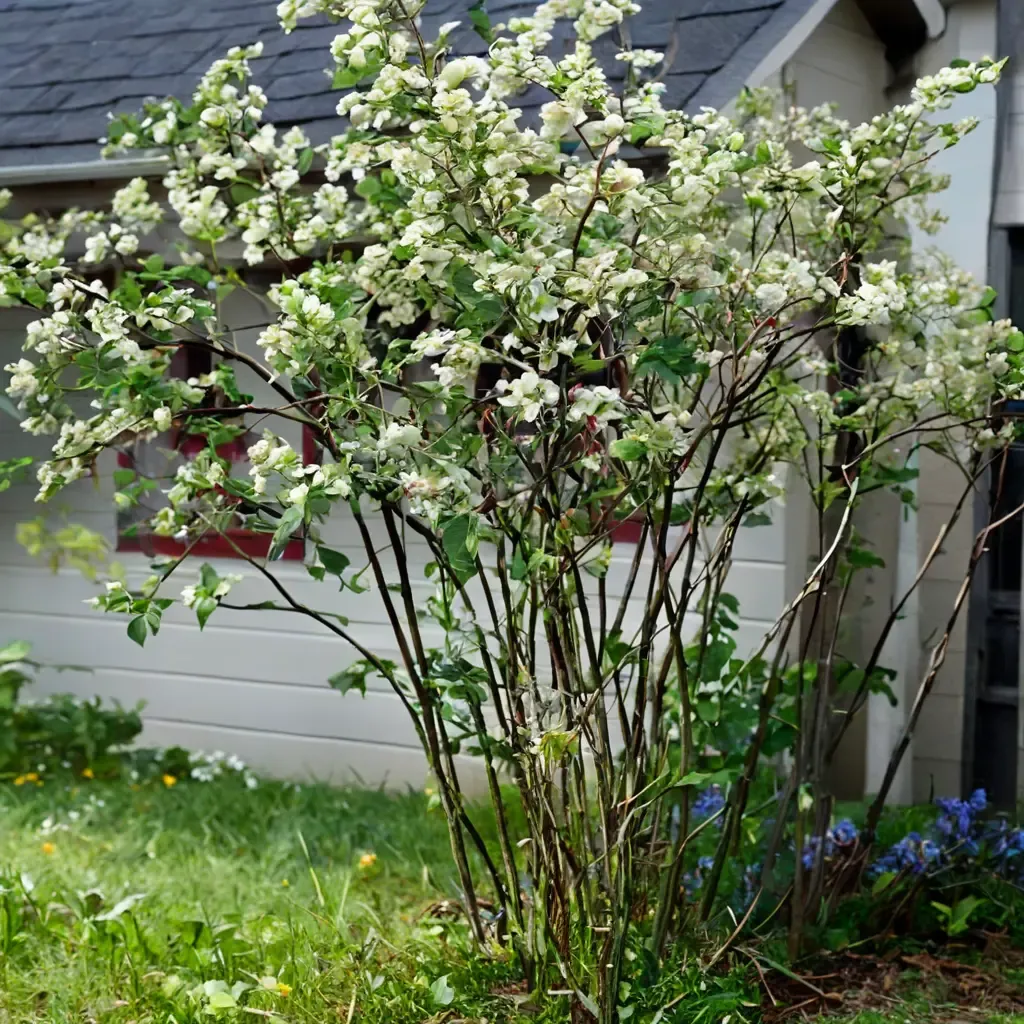
Brilliant Red Chokeberry
Aronia arbutifolia 'Brilliantissima'
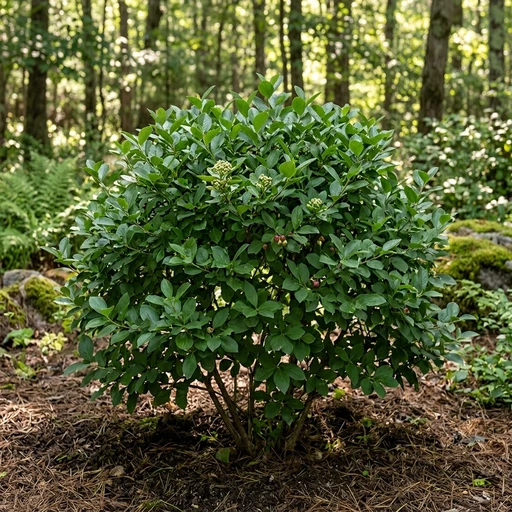
Low Scape Hedger Chokeberry
Aronia melanocarpa 'Low Scape Hedger'
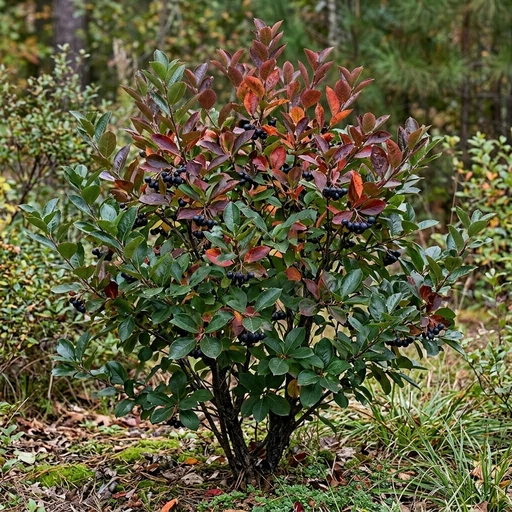
Autumn Magic Black Chokeberry
Aronia melanocarpa 'Autumn Magic'
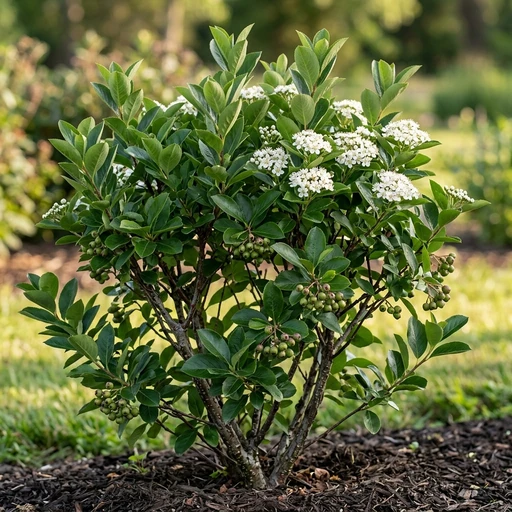
Low Scape Snowfire Chokeberry
Aronia melanocarpa 'Low Scape Snowfire'
Keep exploring
Explore the genus
Hardy in your zone?
Grow Iroquois Beauty Black Chokeberry with confidence
See it in a design of your actual yard, get zone-matched care reminders, and track it season by season in your garden journal.