Also known as Chokeberry · 362 saves
Aronia
Aronia, the genus most gardeners know as chokeberry. We track 10 varieties; the ones most used by real gardeners.
The 10 most-saved Aronia varieties
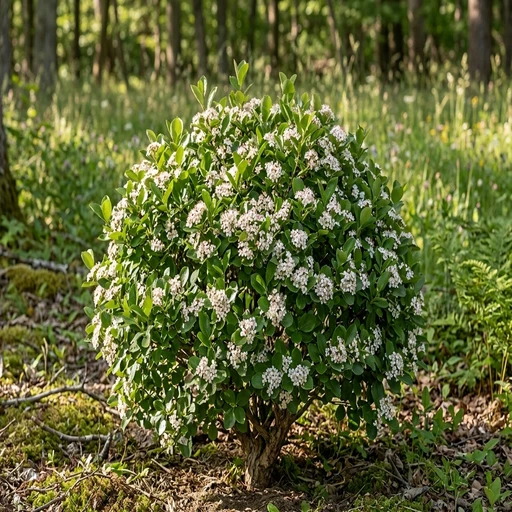
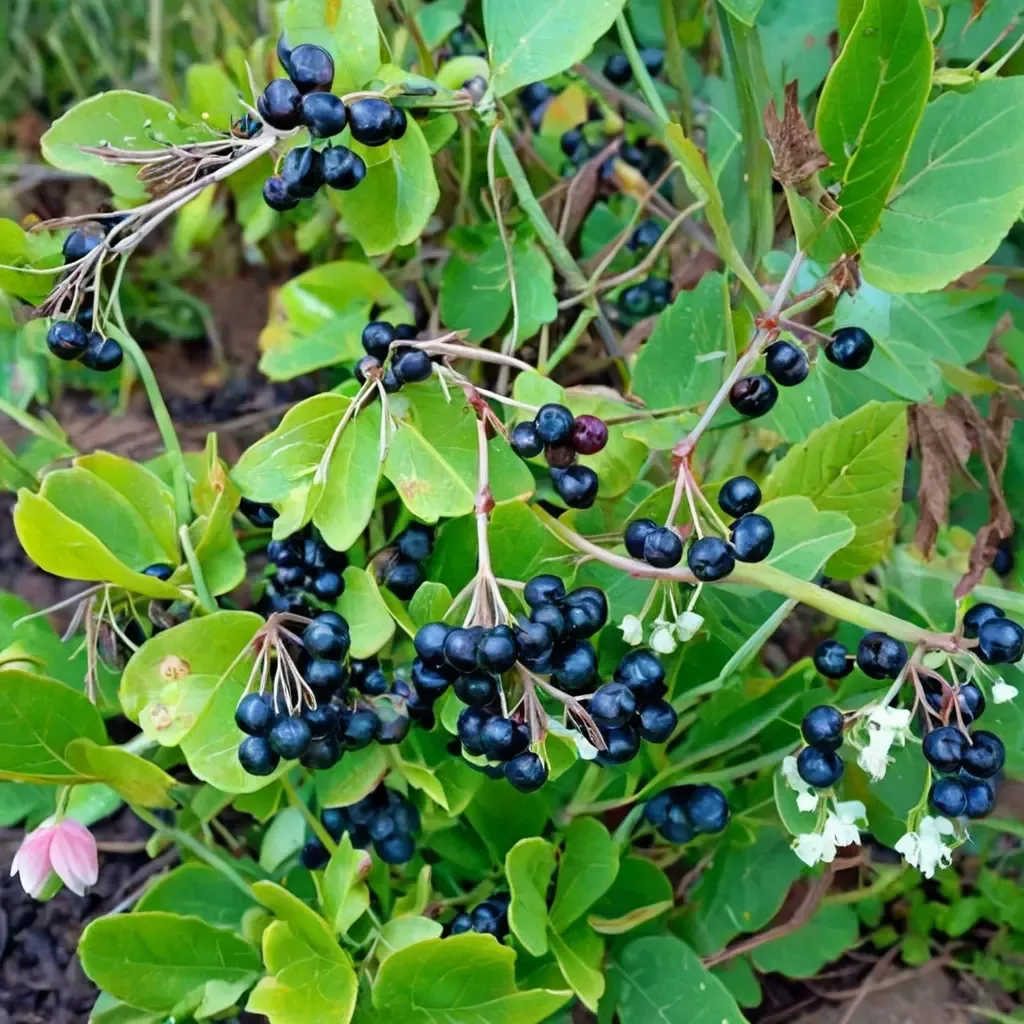
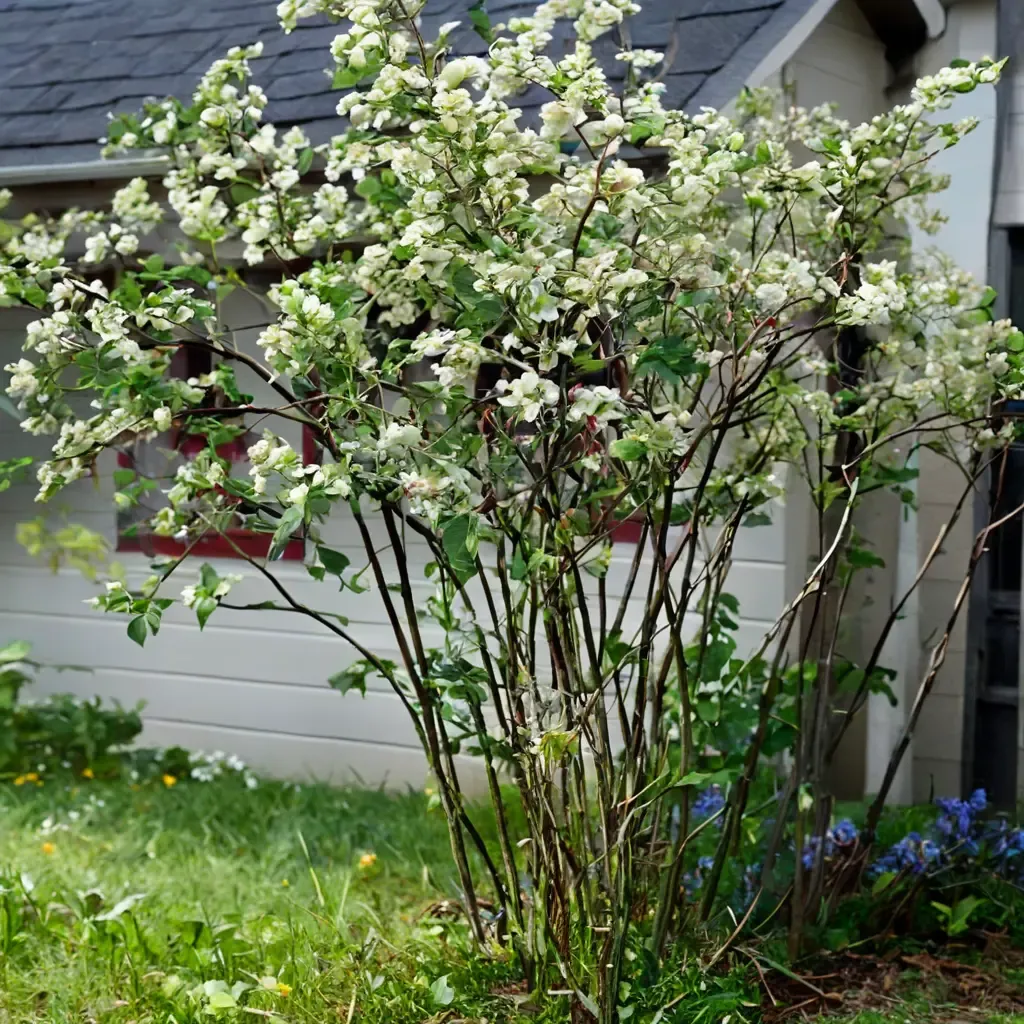
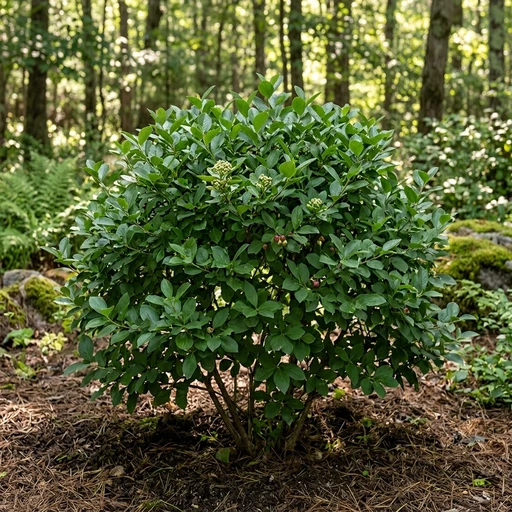
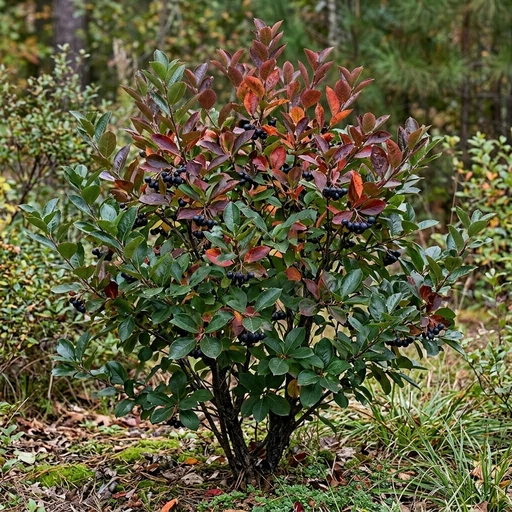
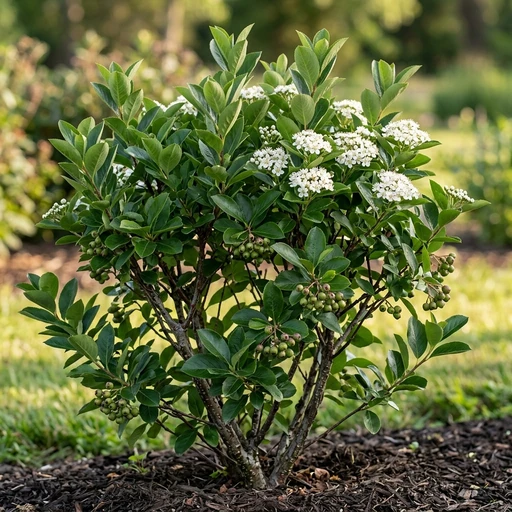
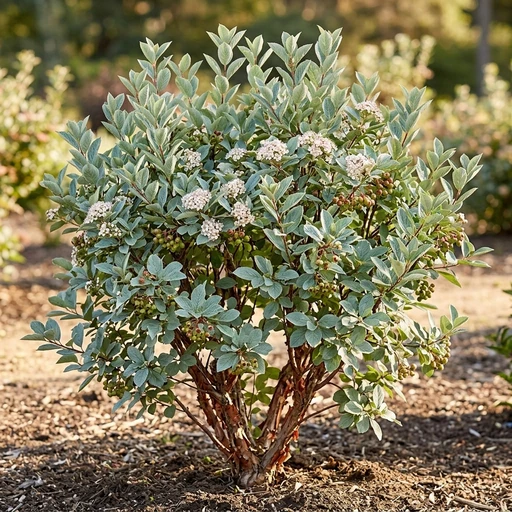
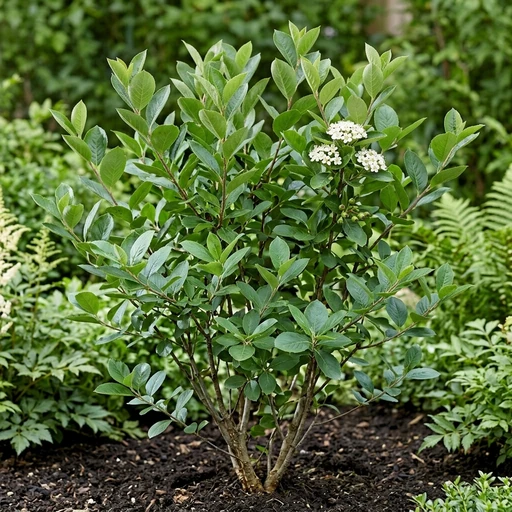
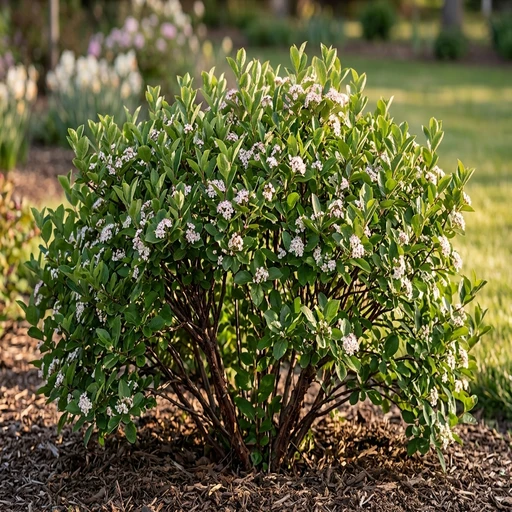
Species of Aronia
Each one is a parent of the varieties above.
Track your Aronia in Sow
Save the Aronia you grow and get care reminders timed to your zone.
How to grow Aronia
Whats common across all Aronia varieties in our catalog — drawn from the care records of the 10 most-grown of them.
The Aronia year
- PruneFebruary and March100% of varieties
Requires little to no pruning. Remove any dead branches in late winter.
- PlantApril, May, October and November60% of varieties
Plant in spring or fall in a wide range of soil types.
- HarvestSeptember and October60% of varieties
Harvest dark purple-black berries in late summer for jams or juices.
- MulchMay40% of varieties
Mulch after planting to conserve moisture until established.


Do
- Water regularly during the first year to establish a strong root system.
- Plant it and forget it; this is a very low-maintenance shrub.
- Use it in tough spots like rain gardens or clay soil areas.
- Allow it to sucker and form a dense colony if using as a groundcover.
- Enjoy the four-season interest it provides.
Avoid
- Don't worry about perfect soil; it tolerates a wide range of conditions.
- Avoid excessive fertilization, which is unnecessary.
- Don't prune heavily, as this will ruin its natural mounding form.
- Don't be afraid to plant it in wet areas.
What goes wrong with Aronia
| Problem | What you'll see | What to do |
|---|---|---|
| Aphids | Small insects on new growth, but rarely a serious problem. | A strong spray of water is usually sufficient. Natural predators typically keep them in check. |
| Japanese beetles | Chewed foliage and skeletonized leaves | Apply organic beetle traps or handpick |
| None significant | This plant is remarkably pest-free. | No action is typically required. |
| Generally pest-free | No significant insect damage is typical | No treatment needed |
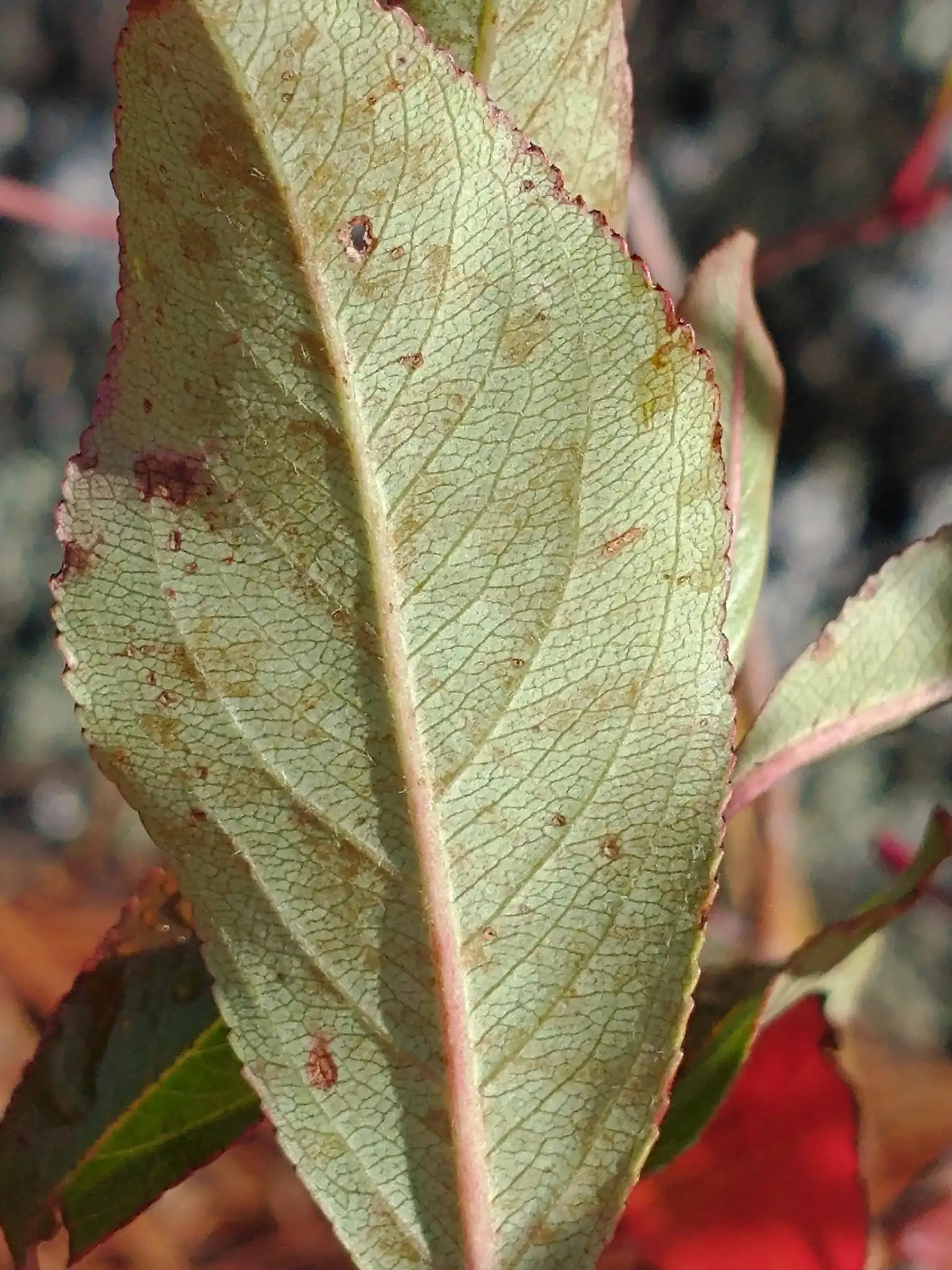
| Leaf Spot | Small, dark spots on leaves, usually cosmetic. | Ensure good air circulation. Rake up and dispose of fallen leaves in autumn. Fungicides are not necessary. |
| Fire blight | Blackened, wilted shoots | Prune infected branches and apply copper fungicide |
| Generally disease-free | No significant disease issues reported | Provide reasonable air circulation |
Making more Aronia
Division
- In early spring, dig up the entire plant clump.
- Use a sharp spade or knife to divide the clump into smaller sections.
- Ensure each division has a good mass of roots and shoots.
- Replant the divisions immediately and water them in well.
Softwood Cuttings
- Take 6-inch cuttings from new growth in early summer.
- Remove lower leaves and dip end in rooting hormone.
- Stick in a moist mix of perlite and peat.
- Keep humid; roots form in 6-8 weeks.
Aronia questions
How many types of Aronia are there?
The Sow catalog tracks 10 distinct Aronia varieties. The most popular — ranked by 362 real gardeners — are shown first above.
What zones does Aronia grow in?
Across its varieties, Aronia covers USDA Zones 4–9. Individual varieties differ — each plant page lists its exact range, and Sow filters the catalog to your zone automatically.
When does Aronia bloom?
Most Aronia varieties bloom in mid-spring, late spring. Staggering early, mid, and late varieties extends the genus's season in one bed.
Which Aronia should I choose?
Start from the most-saved varieties above — popularity across thousands of gardens is a strong signal of reliability — then filter by your zone and sun. In the Sow app you can preview any of them in a photo of your actual yard before you buy.