

The Story
Plant Bio
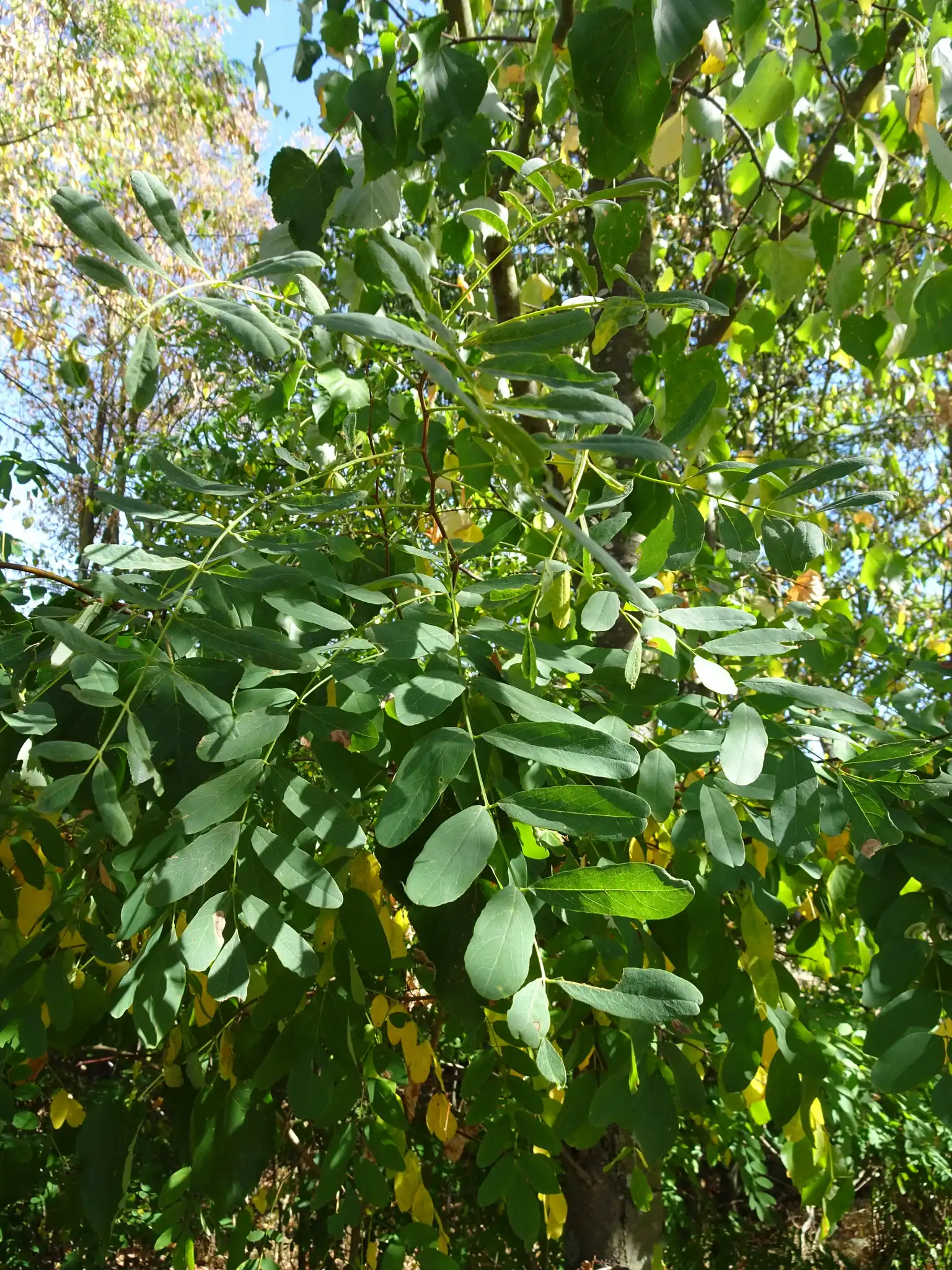
A fast-growing, medium-sized deciduous tree native to the southeastern US, but widely naturalized. It features pinnately compound leaves and produces intensely fragrant, pea-like white flowers in drooping racemes.
The wood is famously durable and rot-resistant. The tree is a nitrogen-fixer, improving the soil where it grows, but it can be aggressive, spreading by root suckers. It has sharp thorns on its branches.
Uses & Benefits:
Essentials
At a Glance
Plant Type
Tree
Height
600"
Width
360"
Light
Full Sun
Zones
4, 5, 6, 7, 8
Water
Low
Humidity
Adaptable
Lifespan
Medium
Native To
Southeastern United States
Toxicity
All parts (bark, leaves, seeds) are toxic if ingested, except for the flowers.
Planting
How to Grow
- Choose a full sun site with any well-drained soil.
- Dig a hole two to three times the root ball width.
- Place the tree in the hole, ensuring the root flare is visible.
- Backfill with existing soil and water deeply to settle.
- Monitor for locust borers, especially on young, stressed trees.
- Remove suckers from the base as they appear to control spread.
Pro Tip
Be mindful of its aggressive suckering habit; site it where this won't be a problem, or use root barriers.
Keep It Thriving
Care Guide
Do
- Use it for difficult, poor-soil sites where other trees fail.
- Wear gloves when pruning to protect against sharp thorns.
- Plant it for its valuable, rot-resistant wood.
Don't
- Don't plant it in small gardens or near foundations due to suckering.
- Avoid wounding the trunk, as this can attract borers.
- Don't plant it where its brittle branches could fall on structures.
Seasonal Care Calendar
| Task | Jan | Feb | Mar | Apr | May | Jun | Jul | Aug | Sep | Oct | Nov | Dec |
|---|---|---|---|---|---|---|---|---|---|---|---|---|
| Pest Check | ||||||||||||
| Prune |
Watch Out For
Pests & Diseases
Common Pests
Common Diseases
In the Garden
Landscape Uses & Companions
Landscape Uses
Multiply
Propagation Methods
Good to Know
Common Questions
Black Locust questions
What zones can Black Locust grow in?
Black Locust is hardy in USDA Zones 4–8. Inside that range it survives winter in the ground; outside it, grow it as an annual or a container plant you protect.
Is Black Locust deer resistant?
Yes — Black Locust is rated deer-resistant. Deer typically pass it over, though extreme hunger can override any plant's defenses.
When does Black Locust bloom?
Black Locust typically blooms in late spring through early summer. Exact timing shifts a week or two with your zone — Sow's bloom calendar maps it to your garden.
Does Black Locust need full sun?
Black Locust does best in full sun (6+ hours).
Is Black Locust drought tolerant?
Yes — once established (usually after the first full season), Black Locust handles dry spells with minimal watering. Water deeply its first year to build the root system that makes that possible.
More Robinia to compare
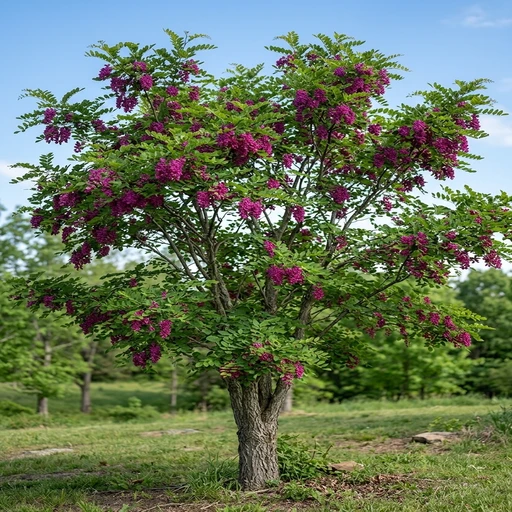
Purple Robe Black Locust
Robinia pseudoacacia 'Purple Robe'
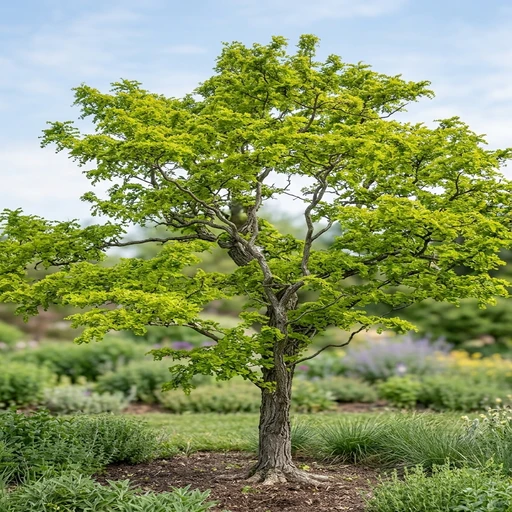
Twisty Baby Black Locust
Robinia pseudoacacia 'Lace Lady'
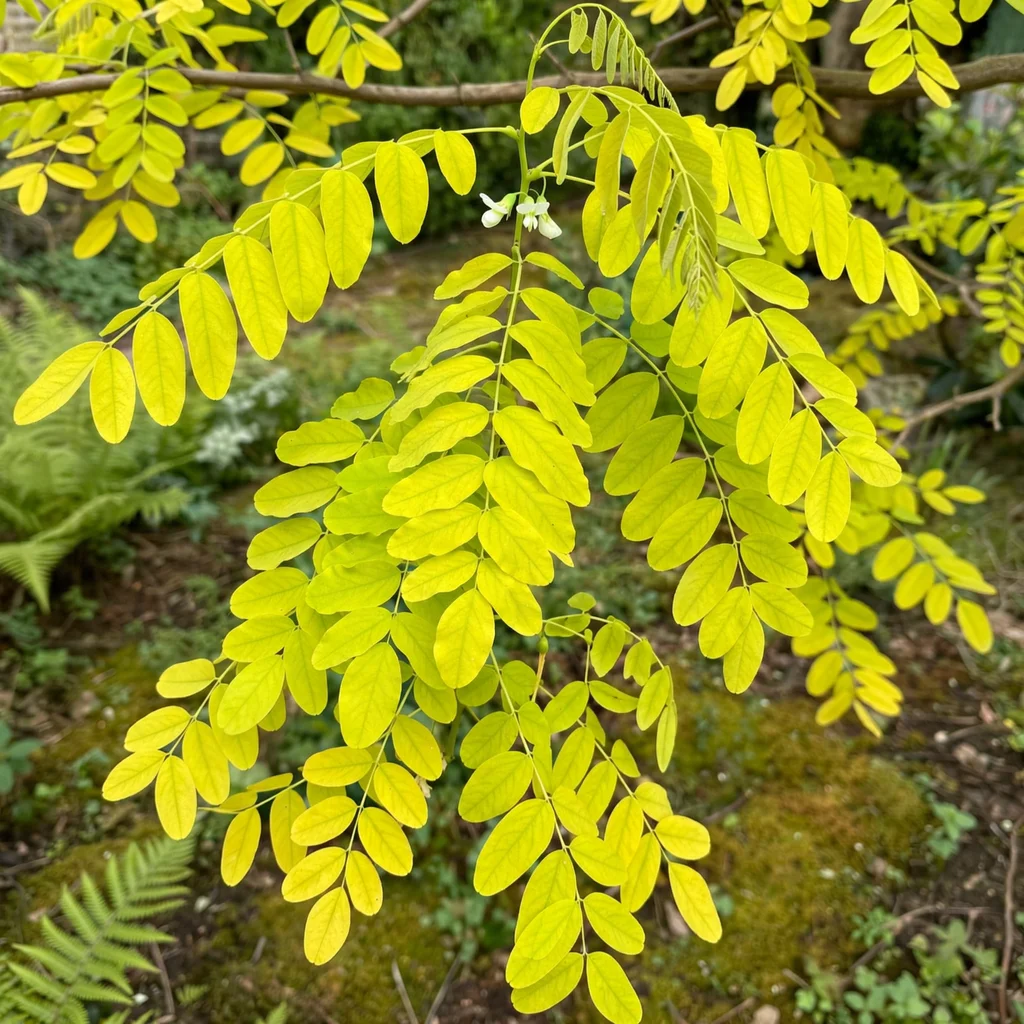
Golden Robinia
Robinia pseudoacacia 'Frisia'
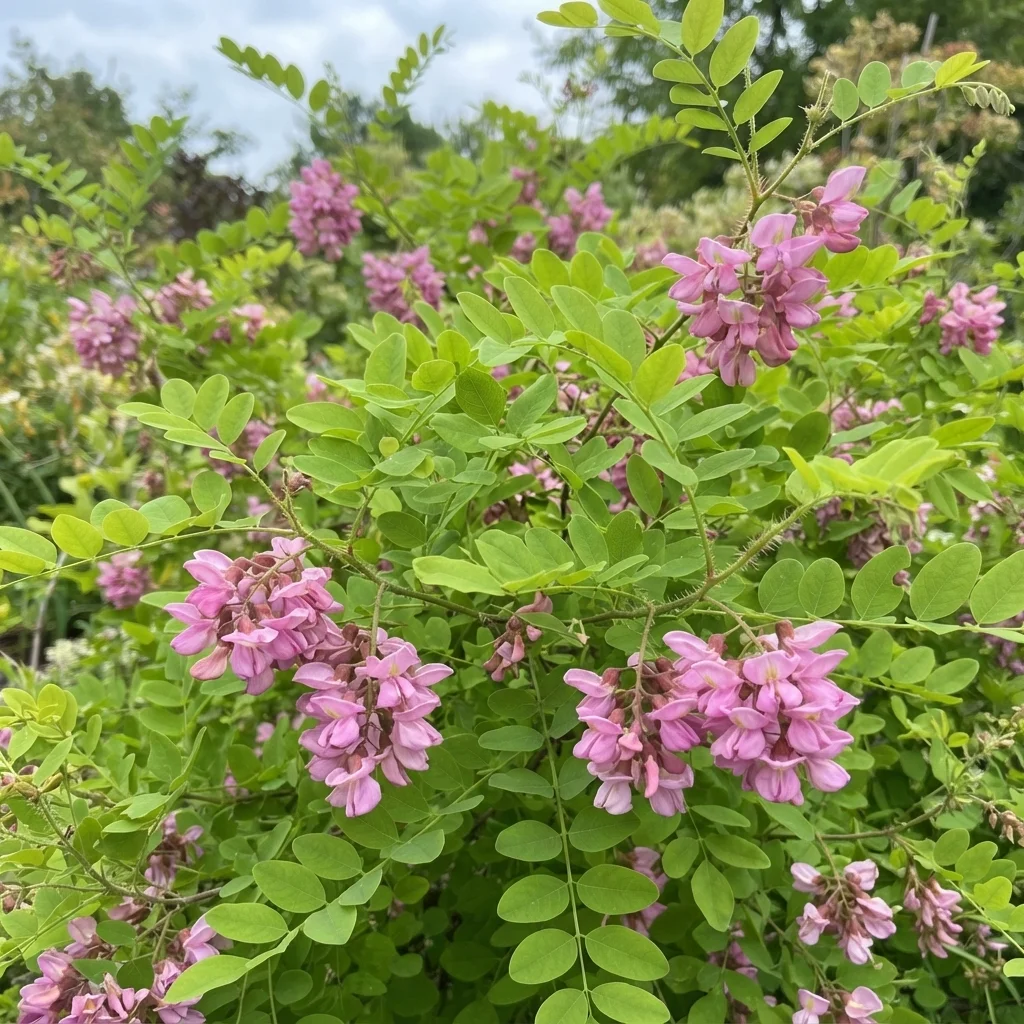
Bristly Locust
Robinia hispida
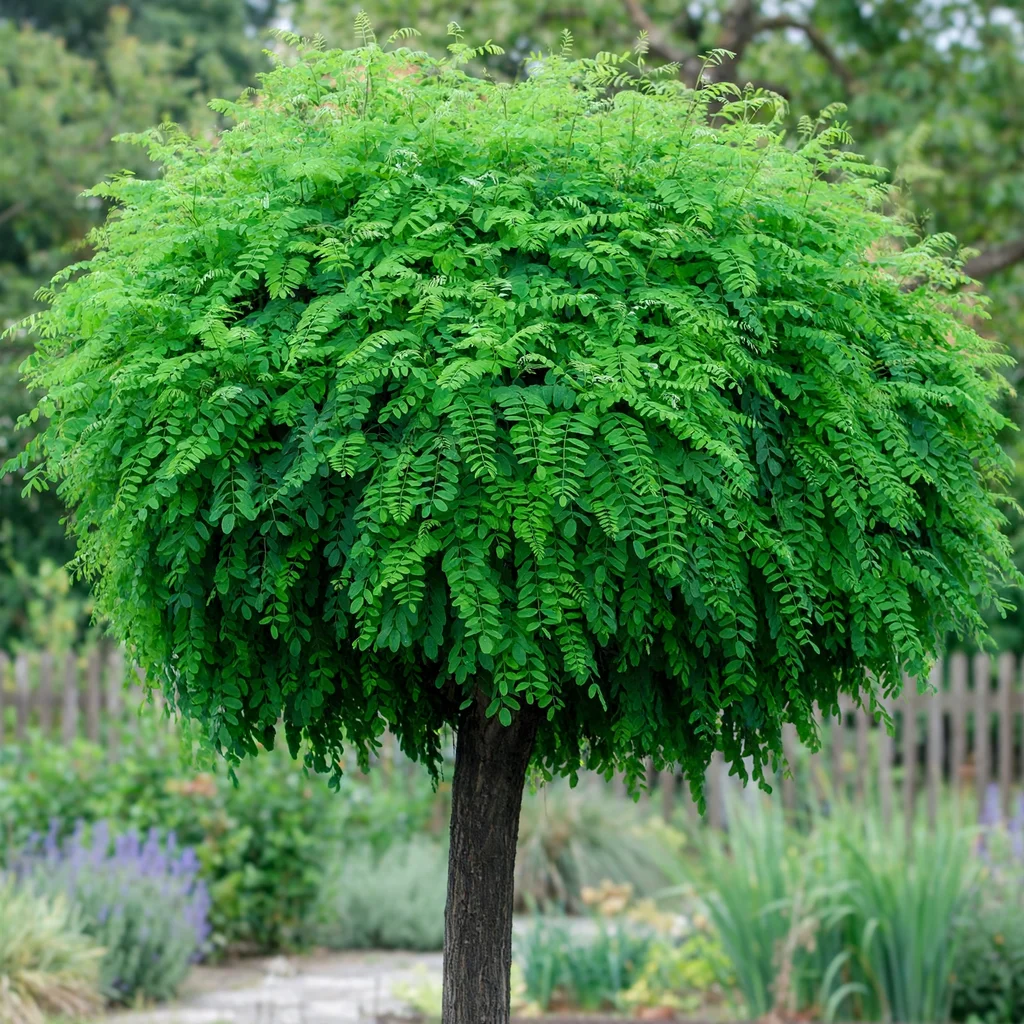
Globe Locust
Robinia pseudoacacia 'Umbraculifera'
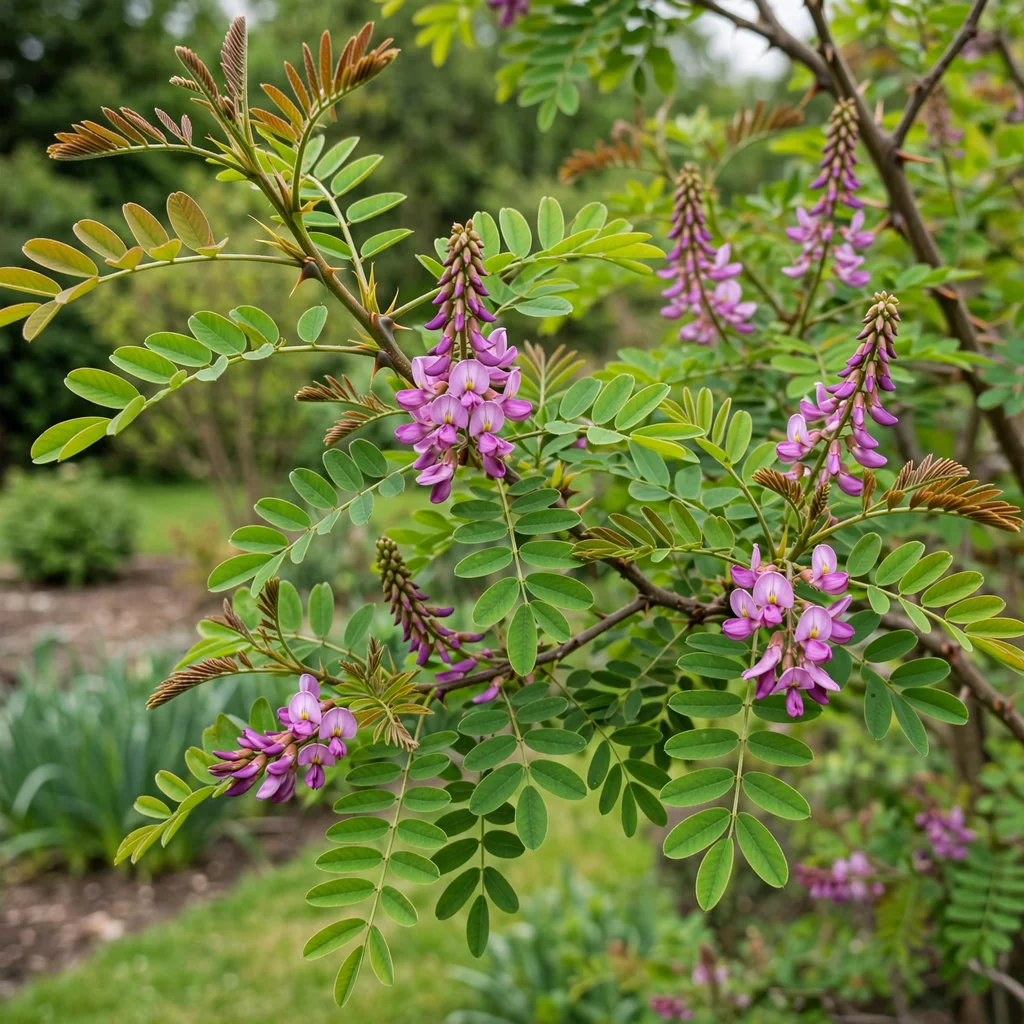
Idaho Locust
Robinia x margaretta 'Casque Rouge'
Keep exploring
Explore the genus
Hardy in your zone?
Grow Black Locust with confidence
See it in a design of your actual yard, get zone-matched care reminders, and track it season by season in your garden journal.