Also known as Locust · 79 saves
Robinia
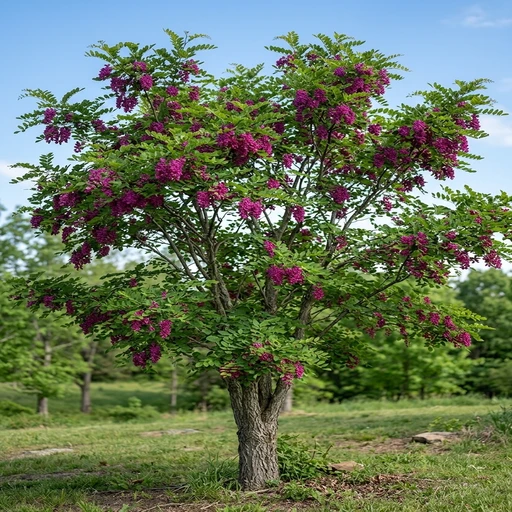
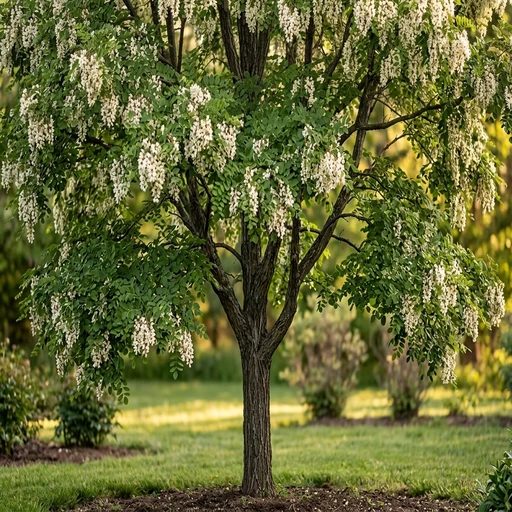
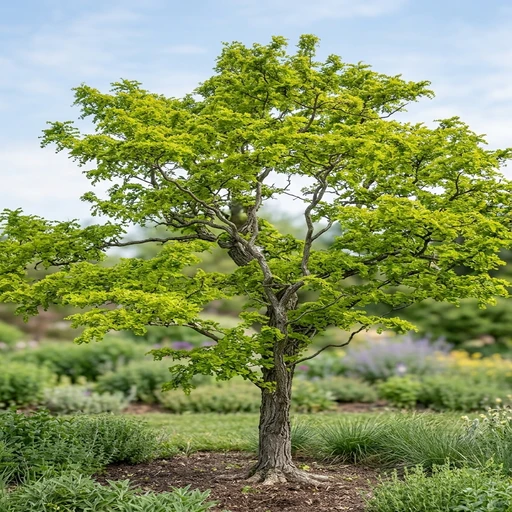
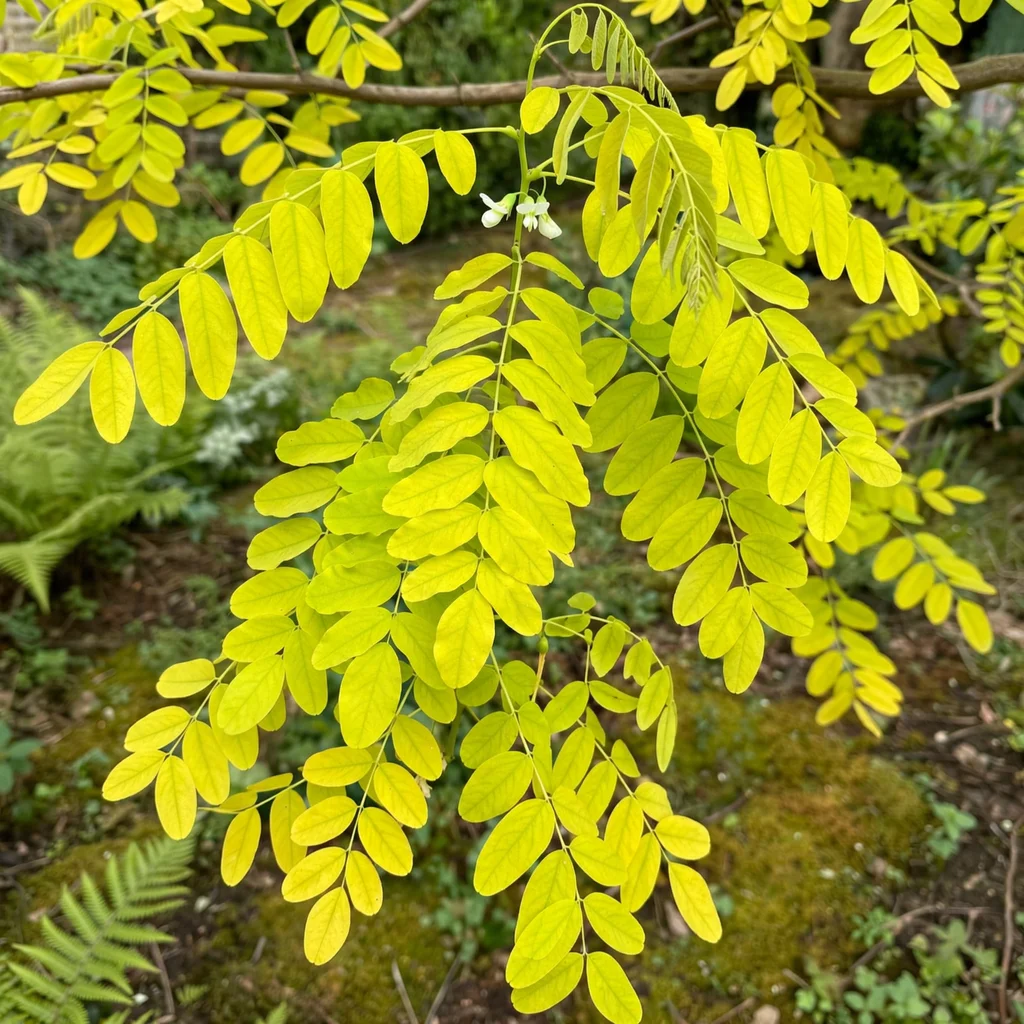
Robinia, the genus most gardeners know as locust. We track 8 varieties; the ones most used by real gardeners.
The 8 most-saved Robinia varieties
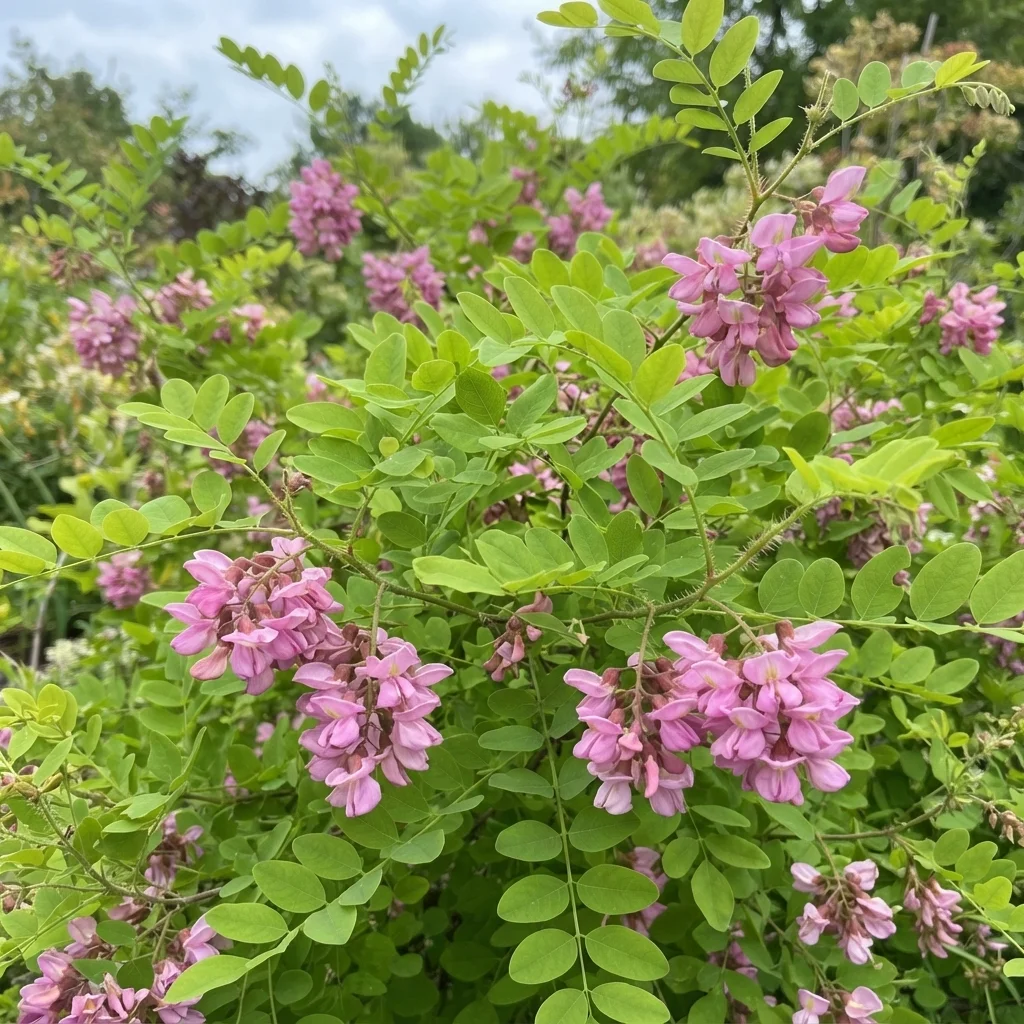
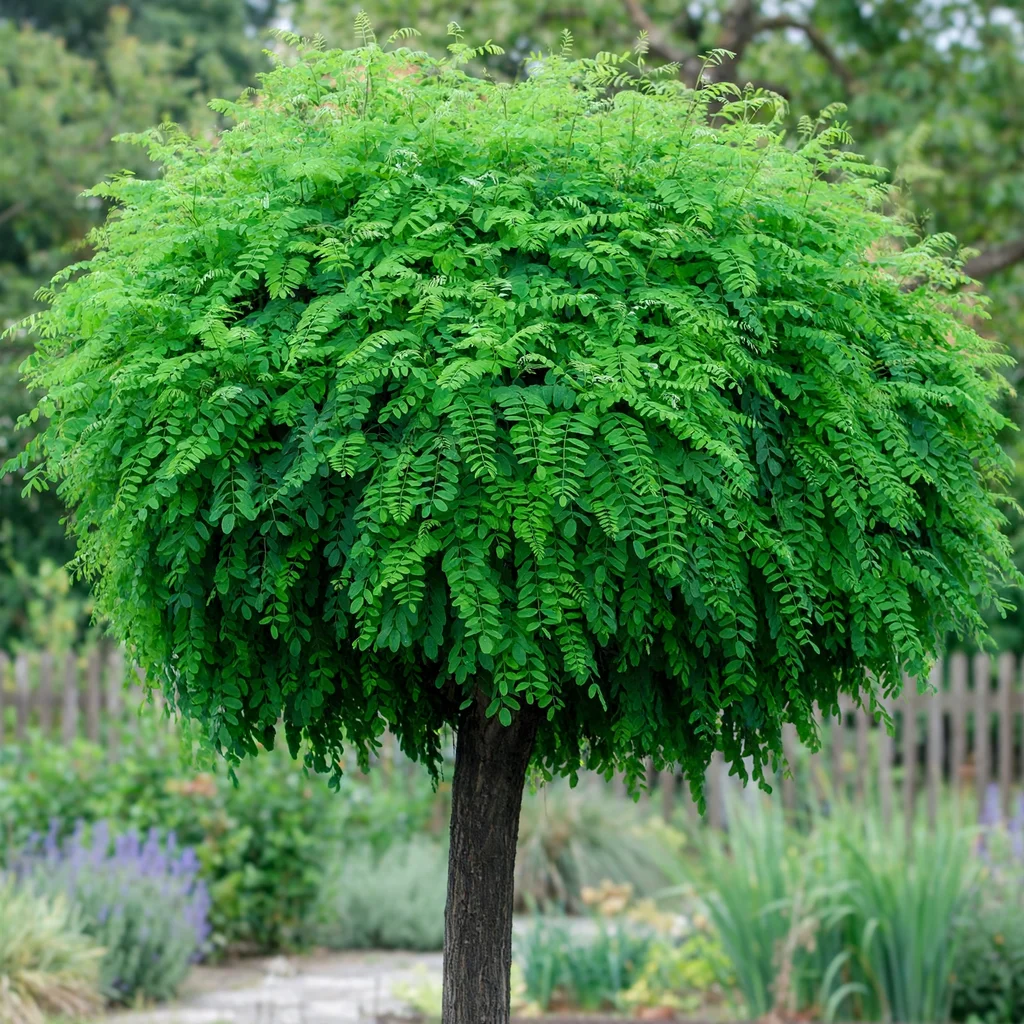
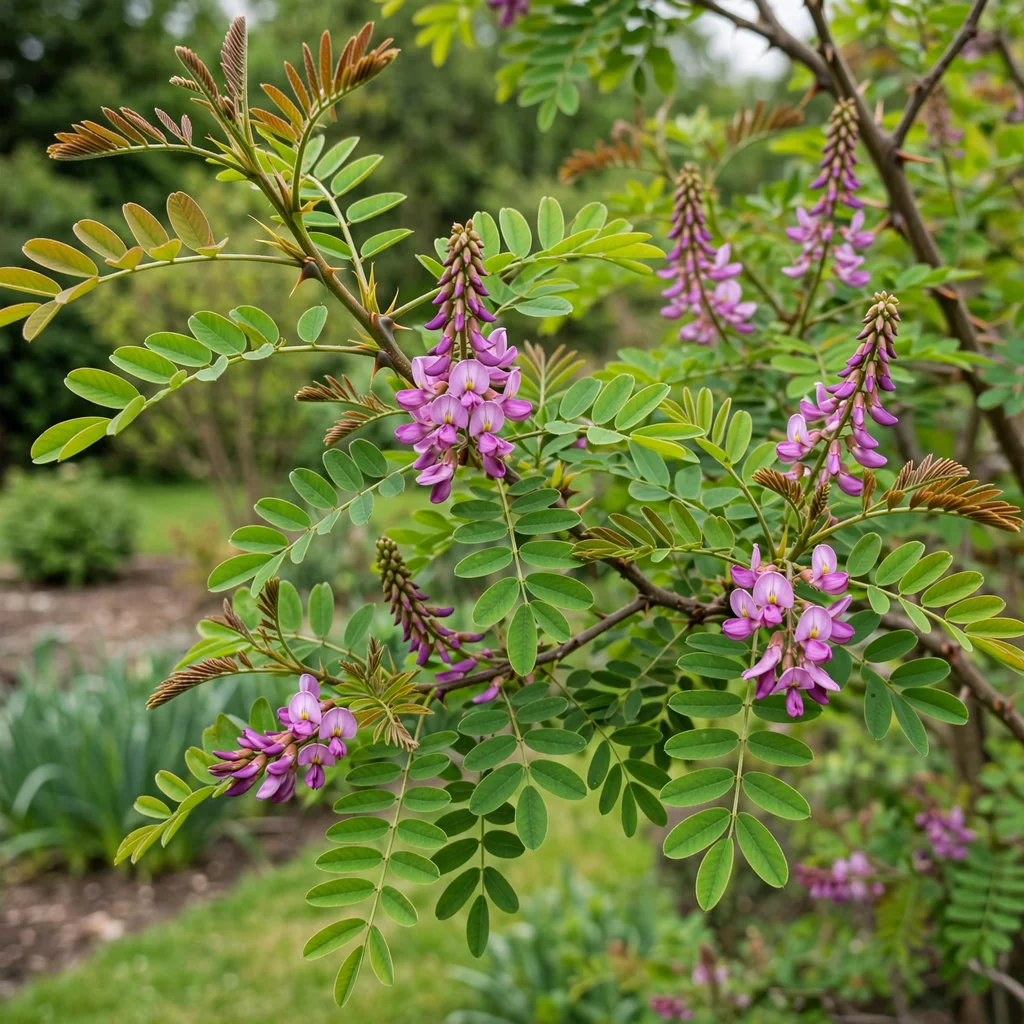
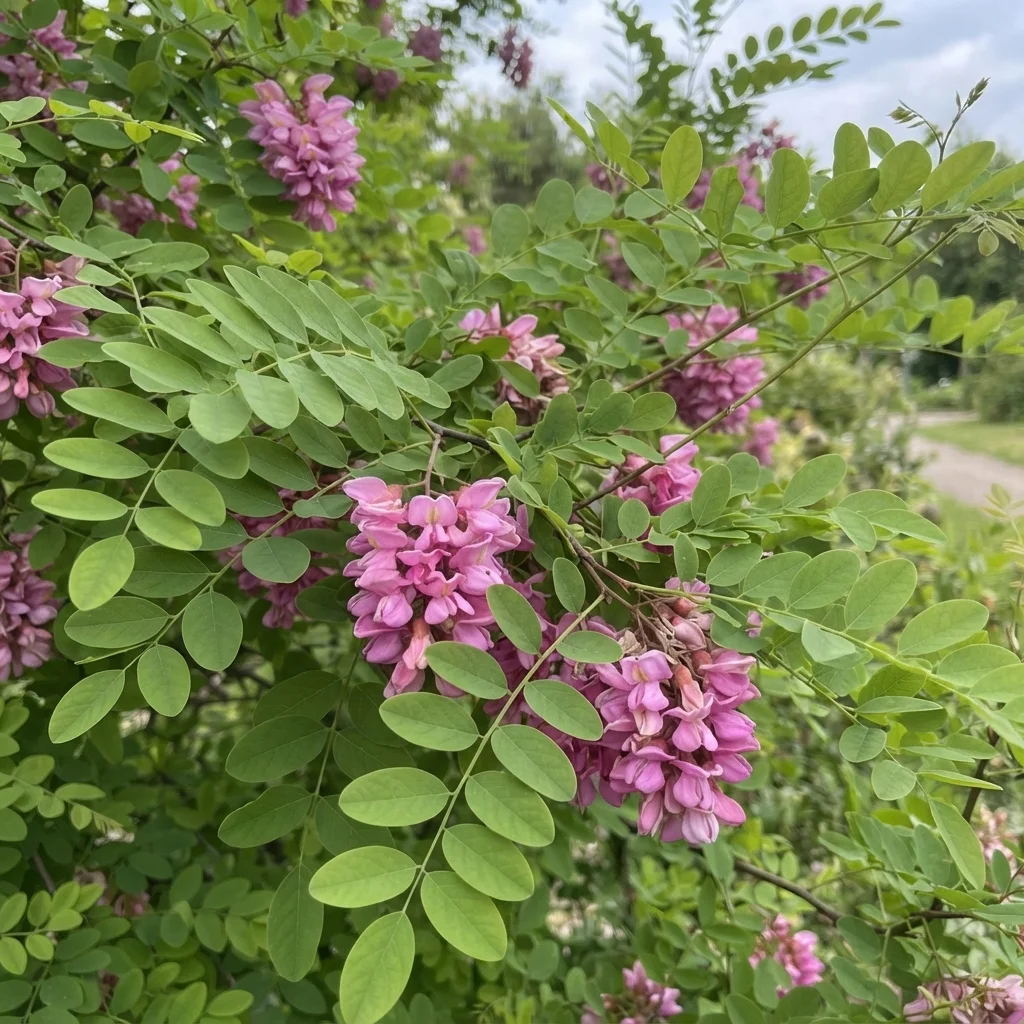
2 species of Robinia
Each one is a parent of the varieties above.
Track your Robinia in Sow
Save the Robinia you grow and get care reminders timed to your zone.
How to grow Robinia
Whats common across all Robinia varieties in our catalog — drawn from the care records of the 8 most-grown of them.
The Robinia year
- Check for PestsMay–July100% of varieties
Inspect stems and leaves for Japanese beetles, aphids, and borers.
- Spring CleanupMarch and April50% of varieties
Remove any dead or winter-damaged wood before new growth begins.
- MulchApril and October38% of varieties
Apply a thin layer of organic mulch around the root zone, keeping it clear of the trunk.


Do
- Do plant in poor, sandy, or rocky soils where drainage is excellent.
- Do prune lightly immediately after flowering to maintain shape.
- Do remove root suckers regularly to control aggressive spreading.
- Use it for difficult, poor-soil sites where other trees fail.
- Wear gloves when pruning to protect against sharp thorns.
Avoid
- Don't plant in heavy, wet, or poorly drained soils which lead to root rot.
- Don't over-fertilize, as excess nitrogen causes weak, overly lush, and brittle growth.
- Don't prune heavily into old, leafless bare wood where the plant fails to reshoot.
- Don't plant it in small gardens or near foundations due to suckering.
What goes wrong with Robinia
| Problem | What you'll see | What to do |
|---|---|---|
| Aphids | Clusters of insects on new growth. | A strong spray of water is often sufficient. Use insecticidal soap if necessary. |
| Locust Borer | Holes in the bark, sawdust-like frass, and branch dieback. | Keep trees healthy and vigorous. No effective chemical control for homeowners. Remove heavily infested trees. |
| Japanese beetles | Skeletonized leaves and chewed foliage during summer. | Handpick beetles off the plant or apply targeted organic controls. |
| Borers | Holes in stems and structural weakness or dieback. | Maintain plant health and prune out infested wood immediately. |
| Powdery mildew | White, powdery fungal coating on leaves during humid weather. | Improve air circulation and prune to open up the canopy. |
| Root rot | Wilting, yellowing leaves and plant decline in wet soil. | Ensure high soil drainage and avoid planting in heavy, waterlogged soils. |
| Canker | Sunken, dead areas on branches and trunk. | Prune out infected branches well below the canker. Improve air circulation and avoid wounding the tree. |
Making more Robinia
Grafting
- Collect scion wood from 'Frisia' during winter dormancy.
- Select a vigorous, straight rootstock of the species Robinia pseudoacacia.
- Perform a whip-and-tongue or chip-bud graft in late winter or early spring.
- Secure the graft union with grafting tape and seal to prevent moisture loss until the union heals.
Root cuttings
- Dig around the base of an established plant in late winter to expose lateral roots.
- Cut pencil-thick root sections into two- to three-inch lengths.
- Insert the cuttings horizontally into a sandy propagation mix.
- Keep the medium moist but not wet until new shoots emerge in spring.
Robinia questions
How many types of Robinia are there?
The Sow catalog tracks 8 distinct Robinia varieties. The most popular — ranked by 79 real gardeners — are shown first above.
What zones does Robinia grow in?
Across its varieties, Robinia covers USDA Zones 4–9. Individual varieties differ — each plant page lists its exact range, and Sow filters the catalog to your zone automatically.
When does Robinia bloom?
Most Robinia varieties bloom in late spring, spring, mid spring. Staggering early, mid, and late varieties extends the genus's season in one bed.
Which Robinia should I choose?
Start from the most-saved varieties above — popularity across thousands of gardens is a strong signal of reliability — then filter by your zone and sun. In the Sow app you can preview any of them in a photo of your actual yard before you buy.