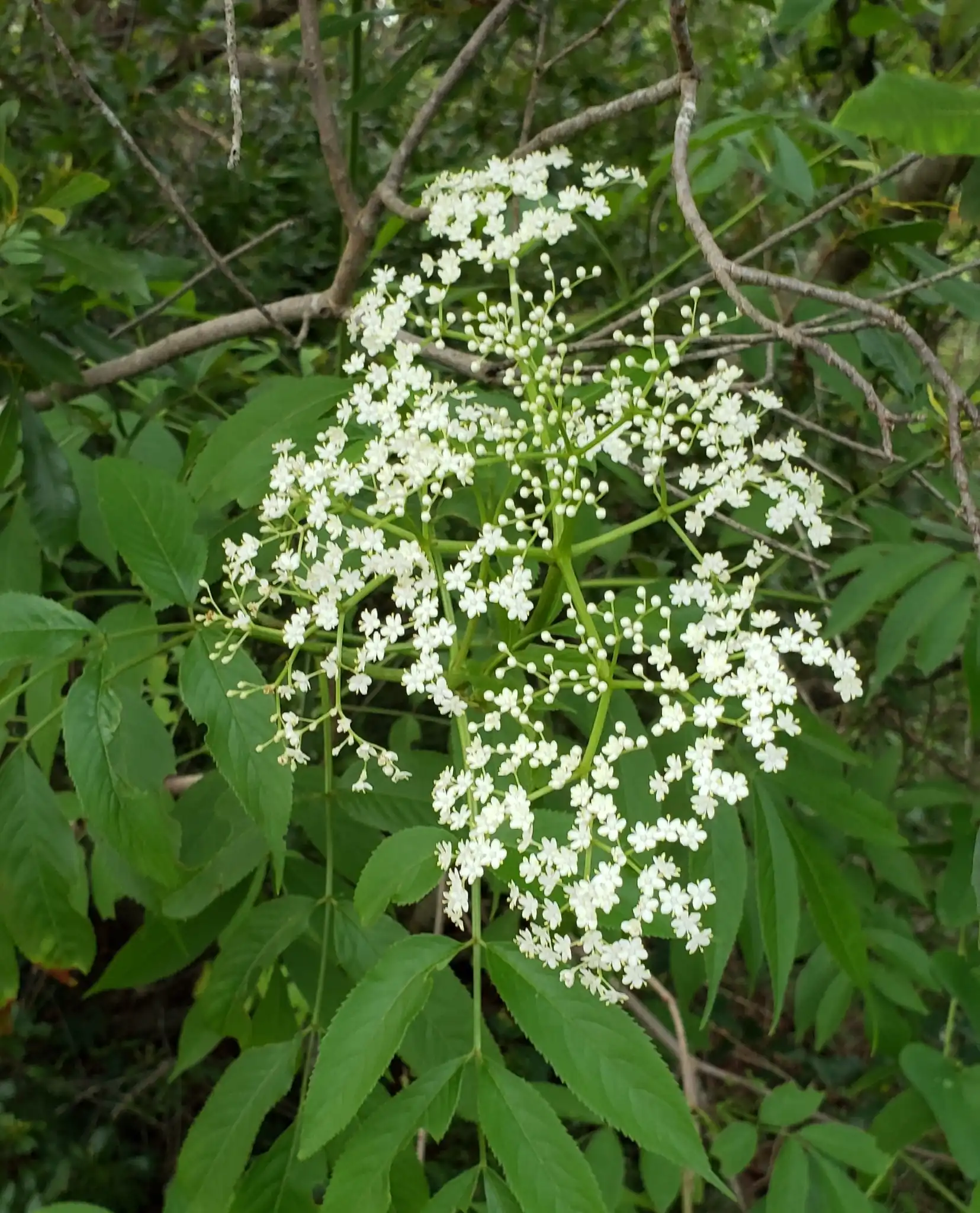
1 named cultivar
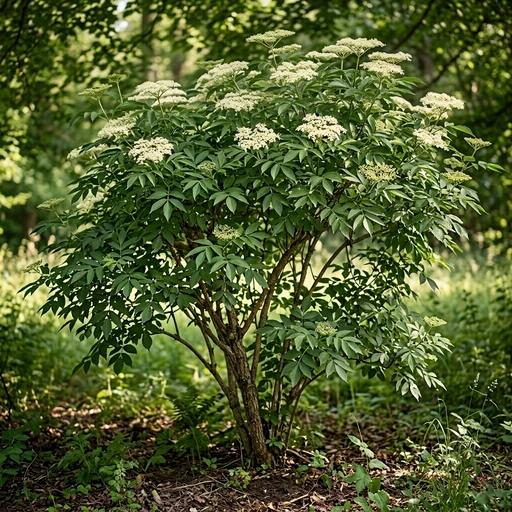
The Story
Plant Bio
Sambucus canadensis is a large, fast-growing, suckering deciduous shrub native to North America. It produces large, flat-topped clusters of fragrant white flowers followed by dark purple to black berries.
As the straight species, this plant is valued for its robust nature and significant wildlife value, providing nectar for pollinators and fruit for birds and mammals. The berries and flowers are also edible when properly prepared.
Uses & Benefits:
Essentials
At a Glance
Plant Type
Shrub
Height
144"
Width
144"
Light
Full Sun, Partial Sun
Zones
4, 5, 6, 7, 8, 9
Water
Medium to wet
Humidity
Adaptable
Lifespan
15-20 years
Native To
Eastern and Central North America
Toxicity
Stems, leaves, roots, and unripe berries are toxic. Ripe berries are edible only when cooked.
Planting
How to Grow
- Select a site with full sun and moist, well-drained soil.
- Dig a hole twice as wide as the root ball.
- Amend soil with compost to improve fertility and moisture retention.
- Set the plant at the same depth it was in the container.
- Backfill the hole and water thoroughly to settle the soil.
- Apply a 2-3 inch layer of mulch to conserve moisture.
Pro Tip
For best fruit production, plant at least two different cultivars to ensure good cross-pollination, though the species itself is somewhat self-fertile.
Keep It Thriving
Care Guide
Do
- Provide consistent moisture, especially during establishment.
- Prune annually in late winter to remove dead or weak canes.
- Allow space for the plant to spread via suckers, or remove them.
- Harvest berries only when fully ripe and dark in color.
Don't
- Do not ingest any part of the plant raw, except for the flowers.
- Don't allow the soil to completely dry out for extended periods.
- Avoid planting in deep shade, which reduces flowering and fruiting.
- Don't worry about perfect soil; it's highly adaptable.
Seasonal Care Calendar
| Task | Jan | Feb | Mar | Apr | May | Jun | Jul | Aug | Sep | Oct | Nov | Dec |
|---|---|---|---|---|---|---|---|---|---|---|---|---|
| Harvest | ||||||||||||
| Pest Check | ||||||||||||
| Prune |
Watch Out For
Pests & Diseases
Common Pests
Common Diseases
In the Garden
Landscape Uses & Companions
Landscape Uses
Multiply
Propagation Methods
Good to Know
Common Questions
American Elderberry questions
What zones can American Elderberry grow in?
American Elderberry is hardy in USDA Zones 4–9. Inside that range it survives winter in the ground; outside it, grow it as an annual or a container plant you protect.
Is American Elderberry deer resistant?
Yes — American Elderberry is rated deer-resistant. Deer typically pass it over, though extreme hunger can override any plant's defenses.
When does American Elderberry bloom?
American Elderberry typically blooms in early summer through mid-summer. Exact timing shifts a week or two with your zone — Sow's bloom calendar maps it to your garden.
Does American Elderberry need full sun?
American Elderberry does best in full sun to part shade. In hot climates, afternoon shade keeps blooms fresher longer.
More Sambucus to compare
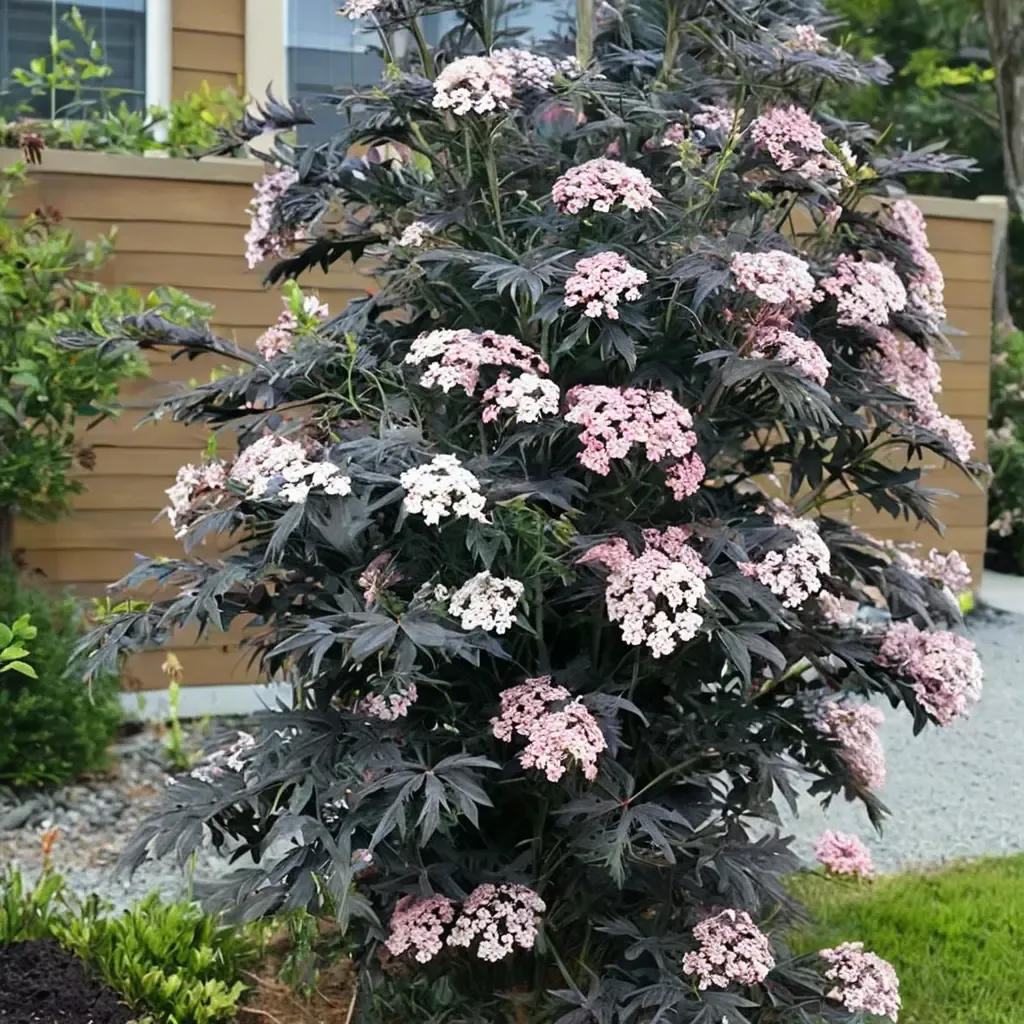
Black Lace Elderberry
Sambucus nigra 'Black Lace'
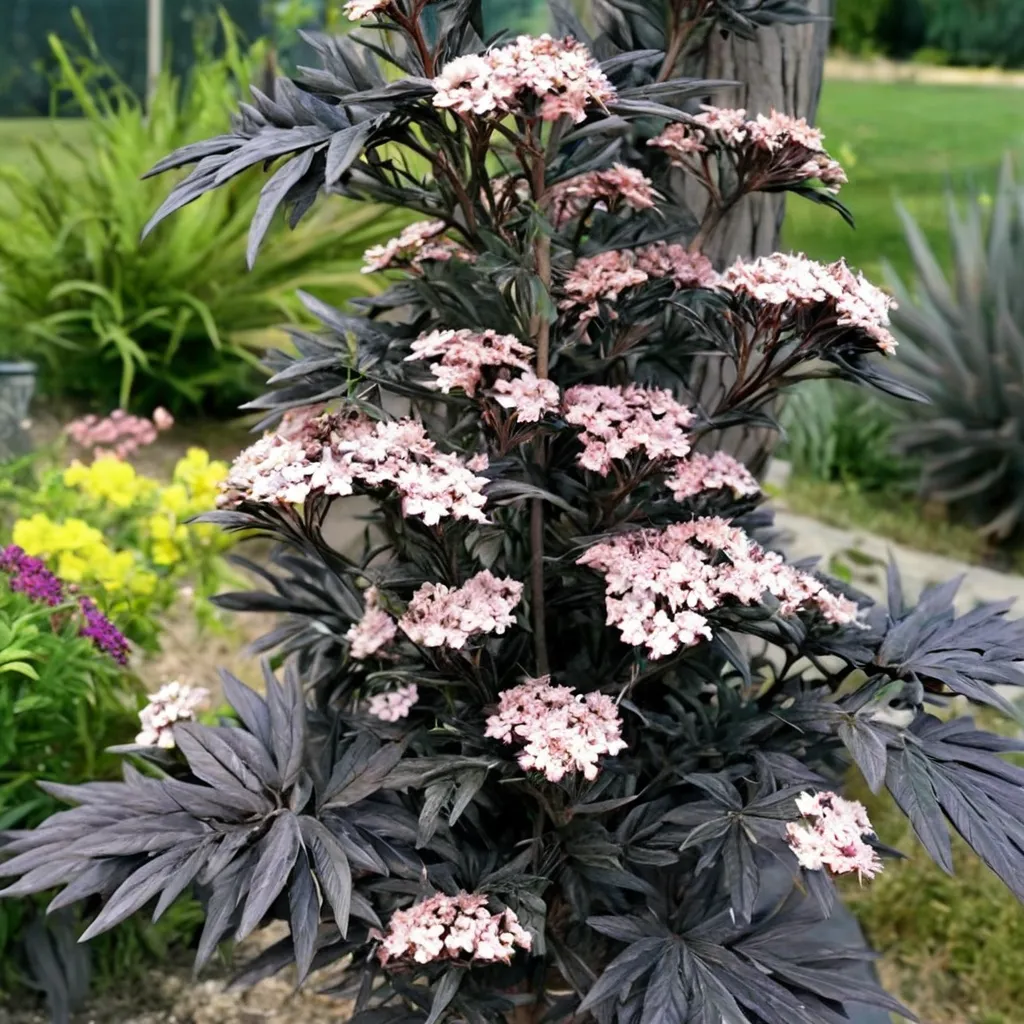
Laced Up Elderberry
Sambucus nigra 'Laced Up'
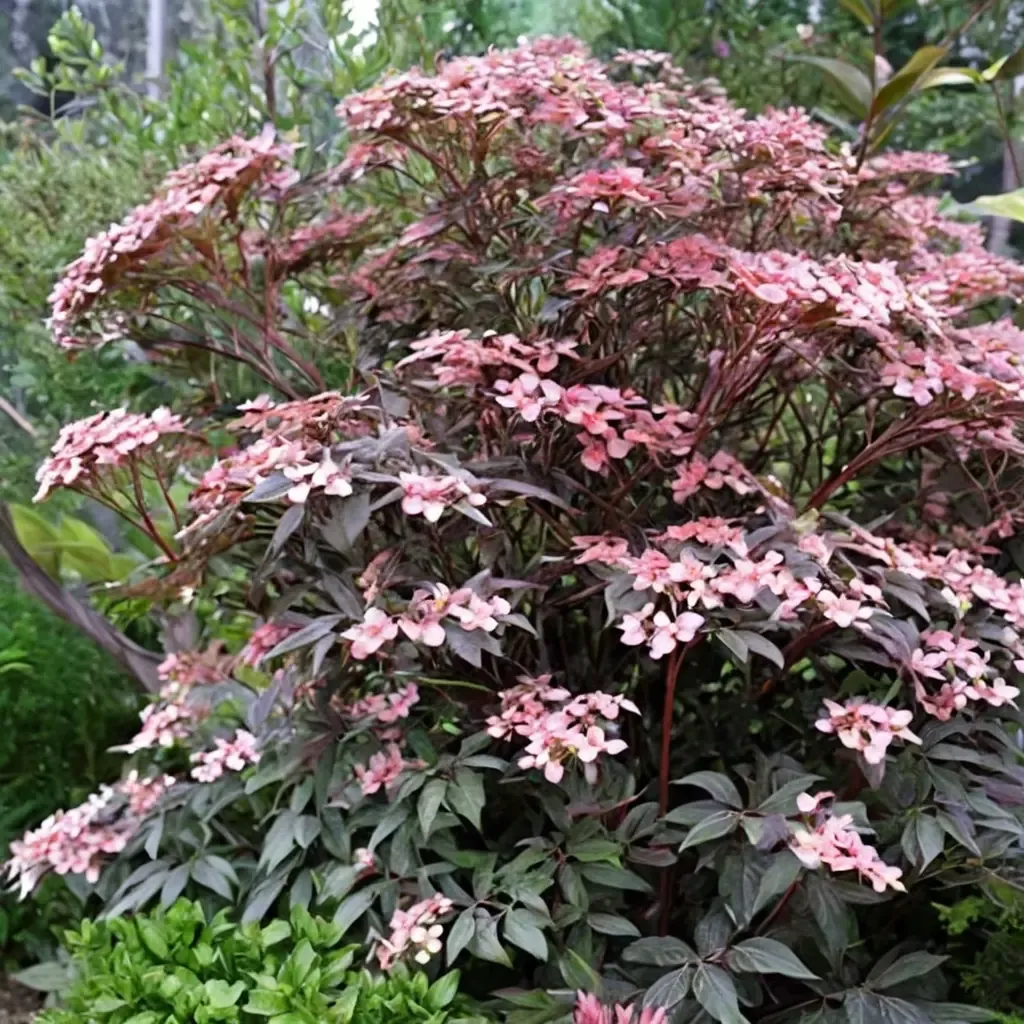
Thundercloud Elderberry
Sambucus nigra 'Thundercloud'
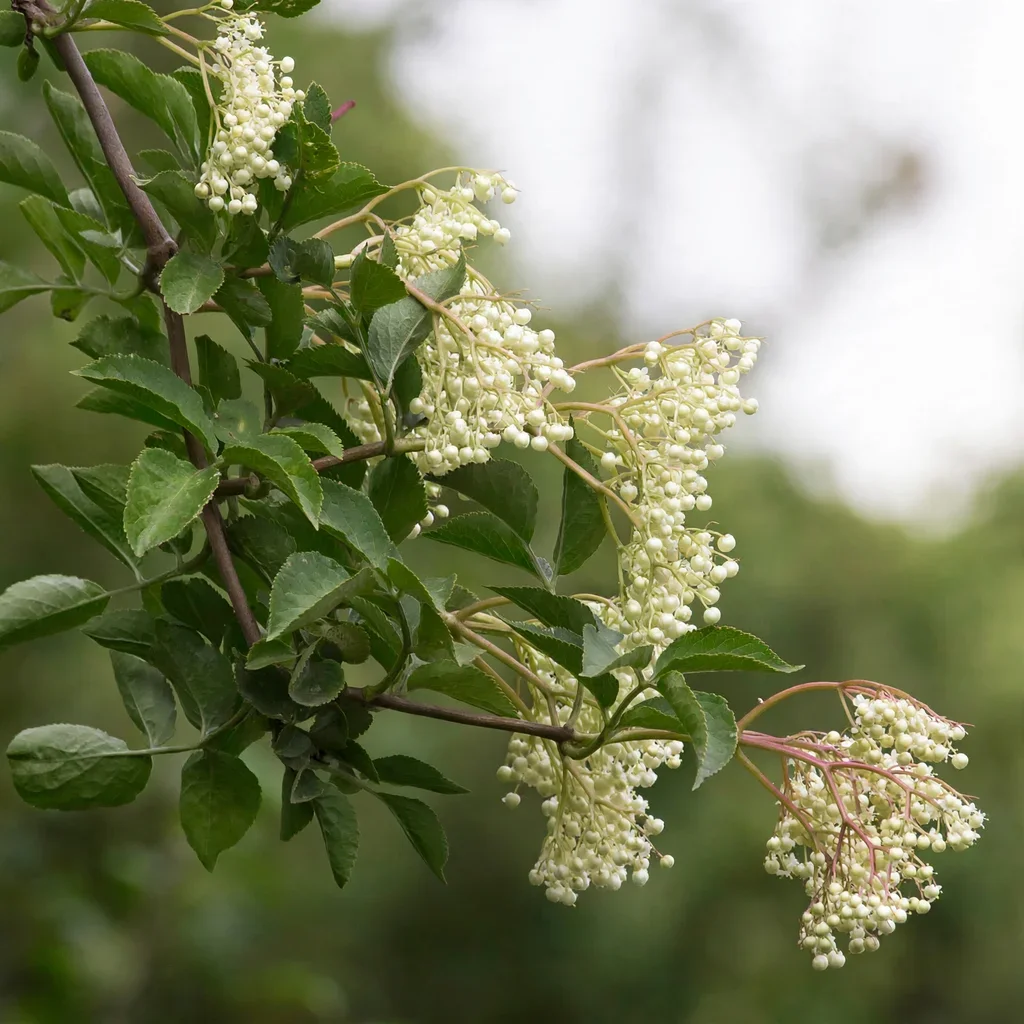
Korsor Black Elderberry
Sambucus nigra 'Korsor'
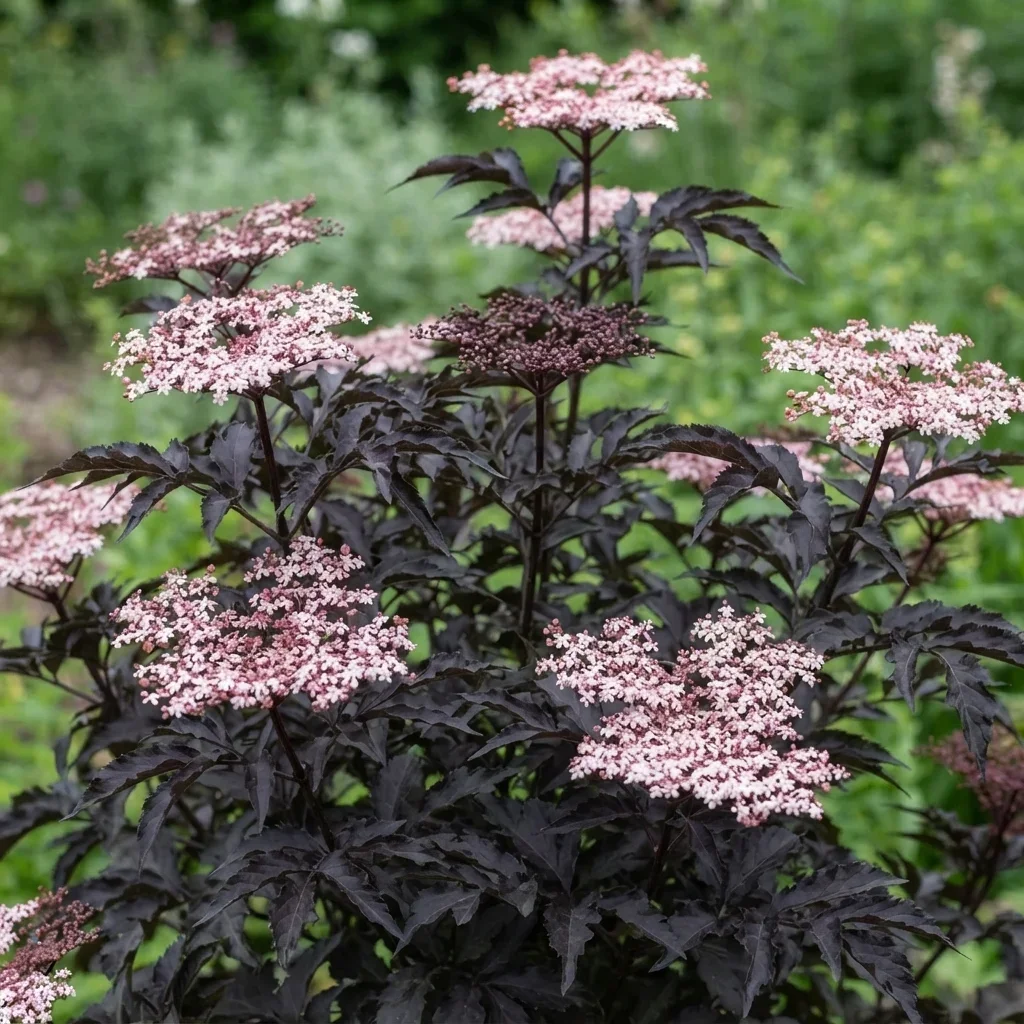
Black Tower Elderberry
Sambucus nigra 'Black Tower'
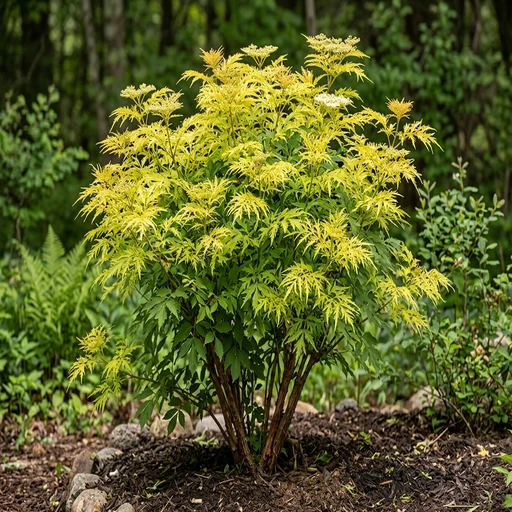
Lemony Lace Elderberry
Sambucus racemosa 'Lemony Lace'
Keep exploring
Explore the genus
Grow American Elderberry with confidence
See it in a design of your actual yard, get zone-matched care reminders, and track it season by season in your garden journal.