Also known as Elderberry · 548 saves
Sambucus
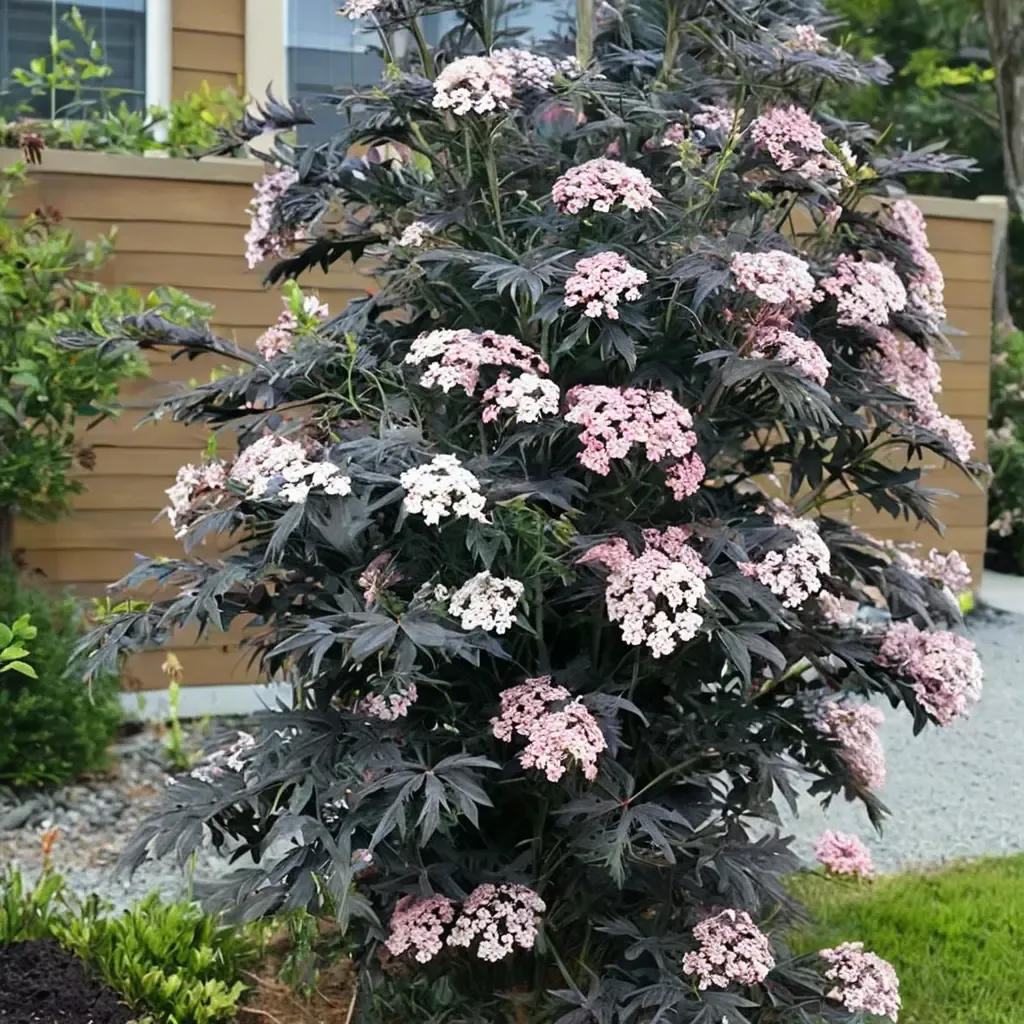
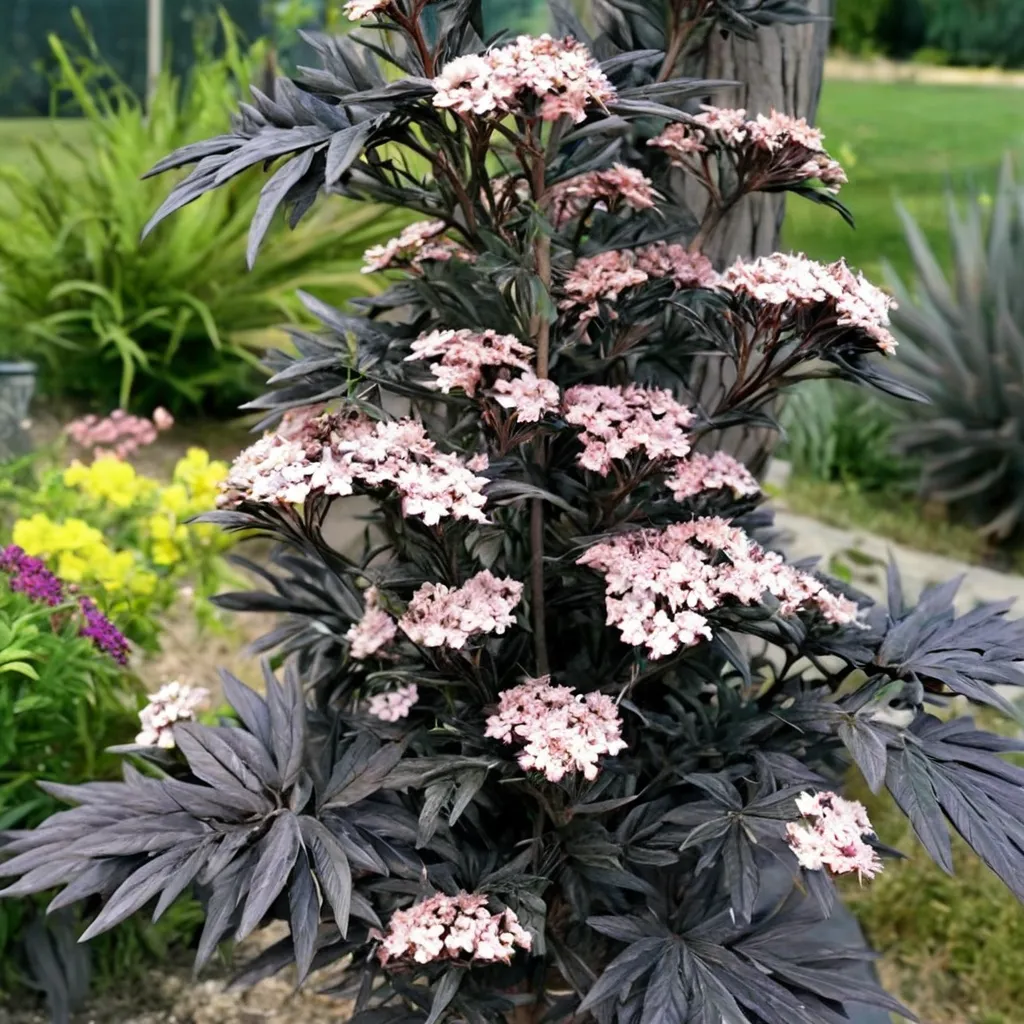
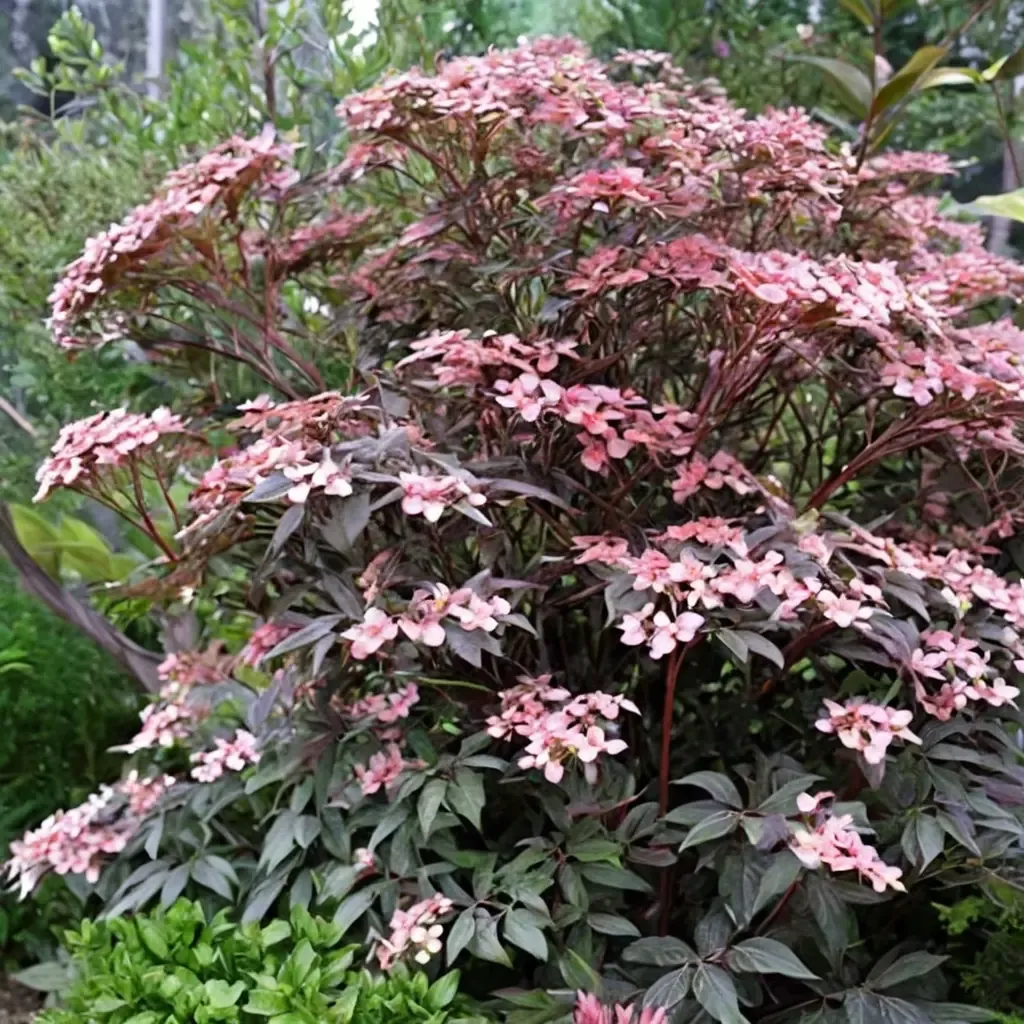
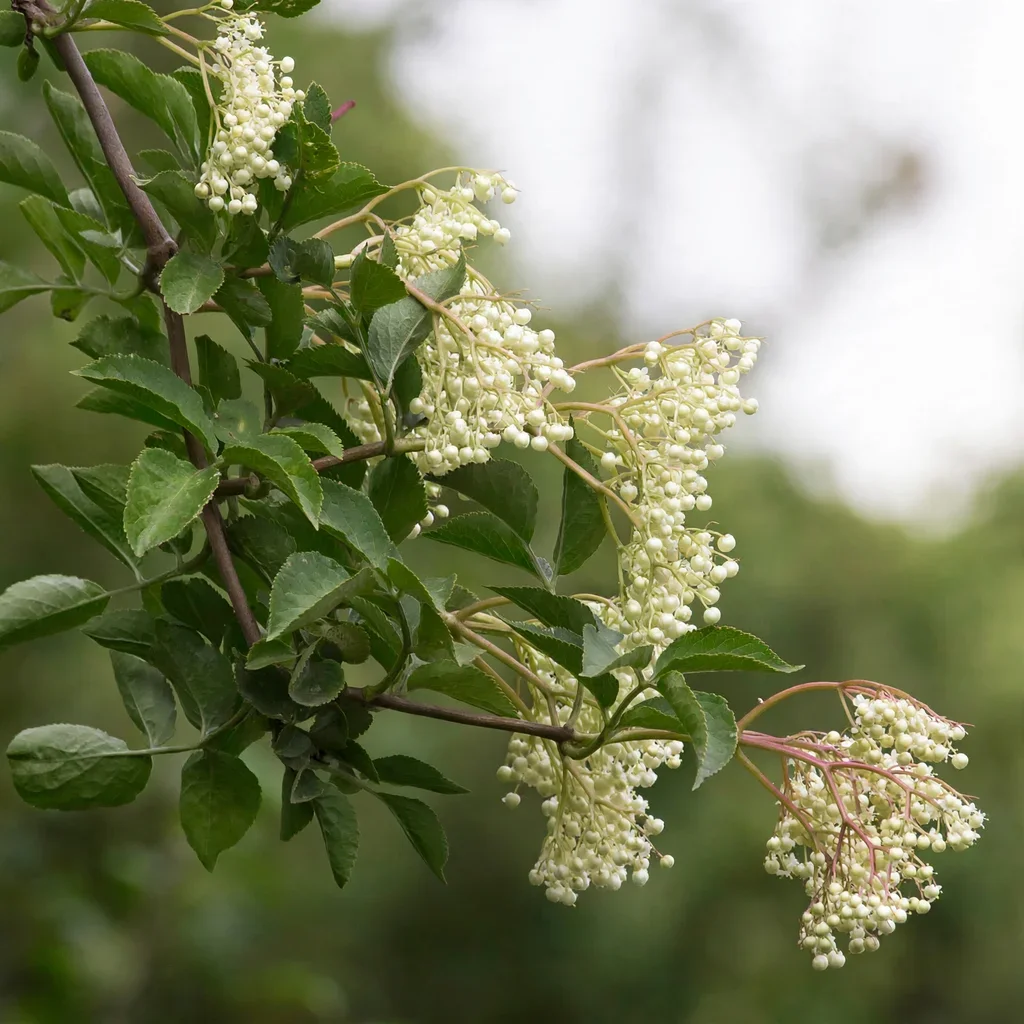
Sambucus, the genus most gardeners know as elderberry. We track 11 varieties; the ones most used by real gardeners.
The 9 most-saved Sambucus varieties
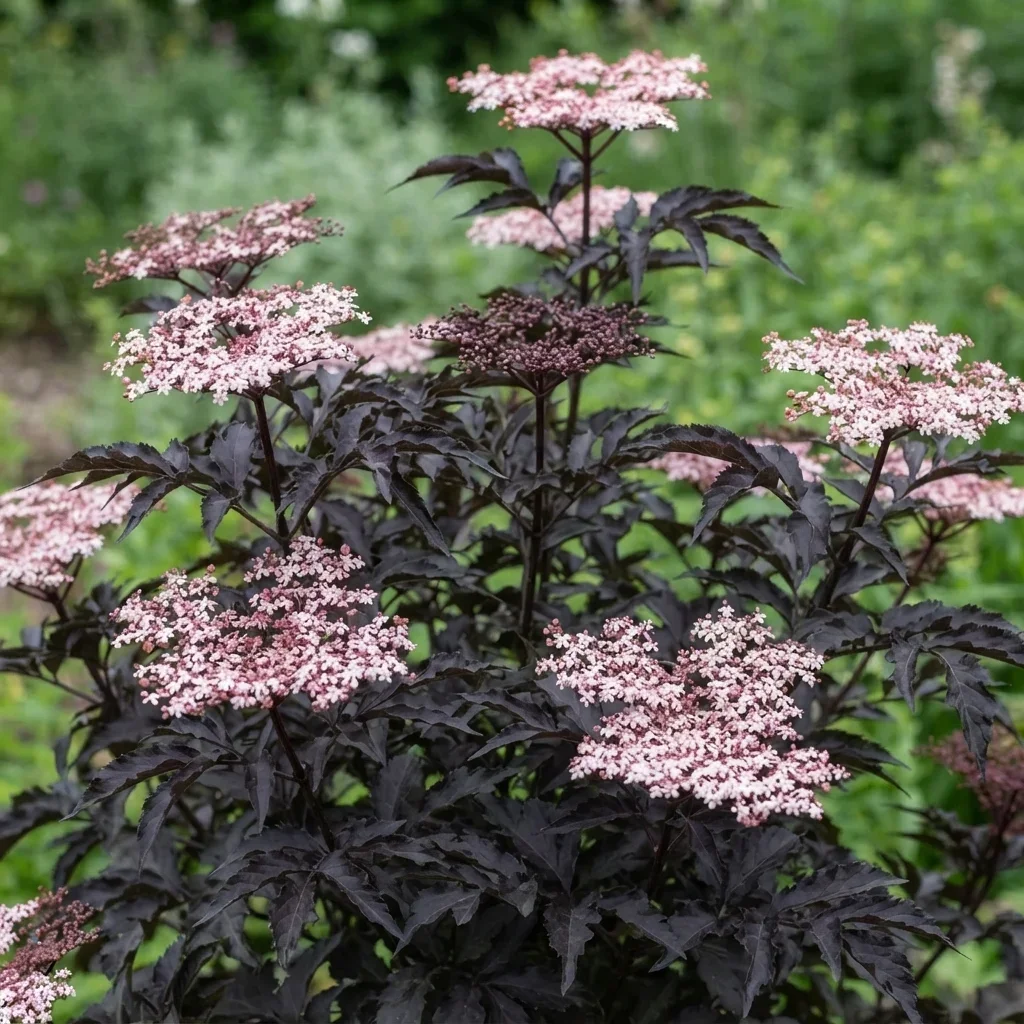
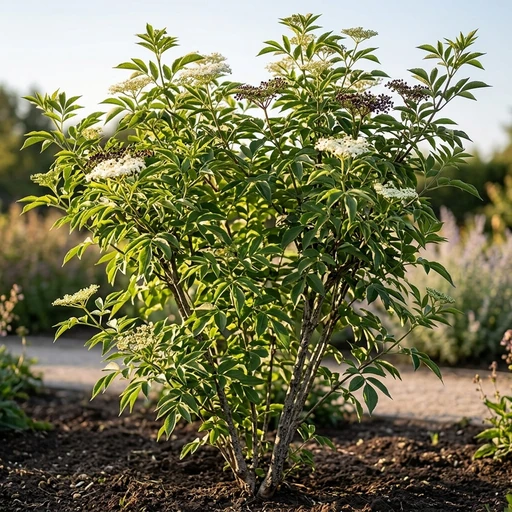
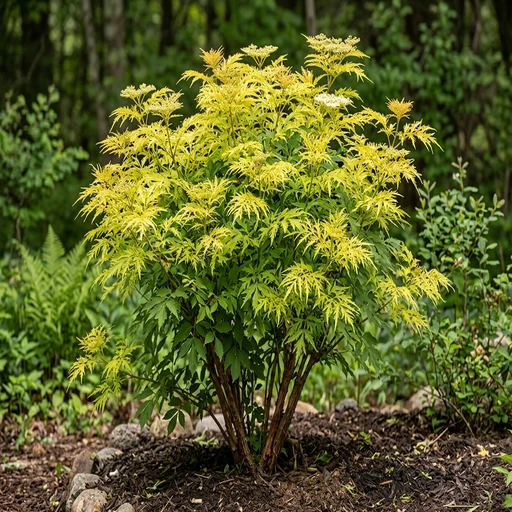
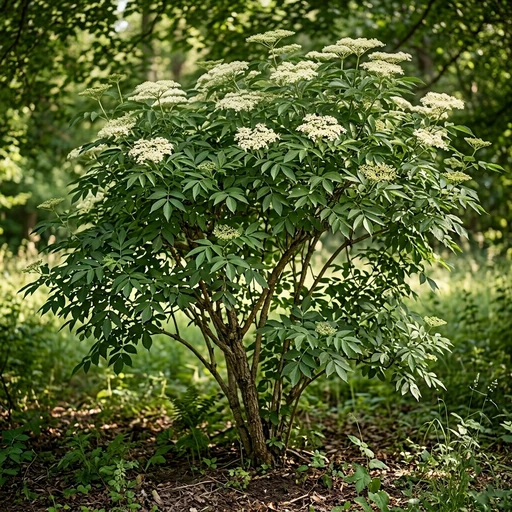
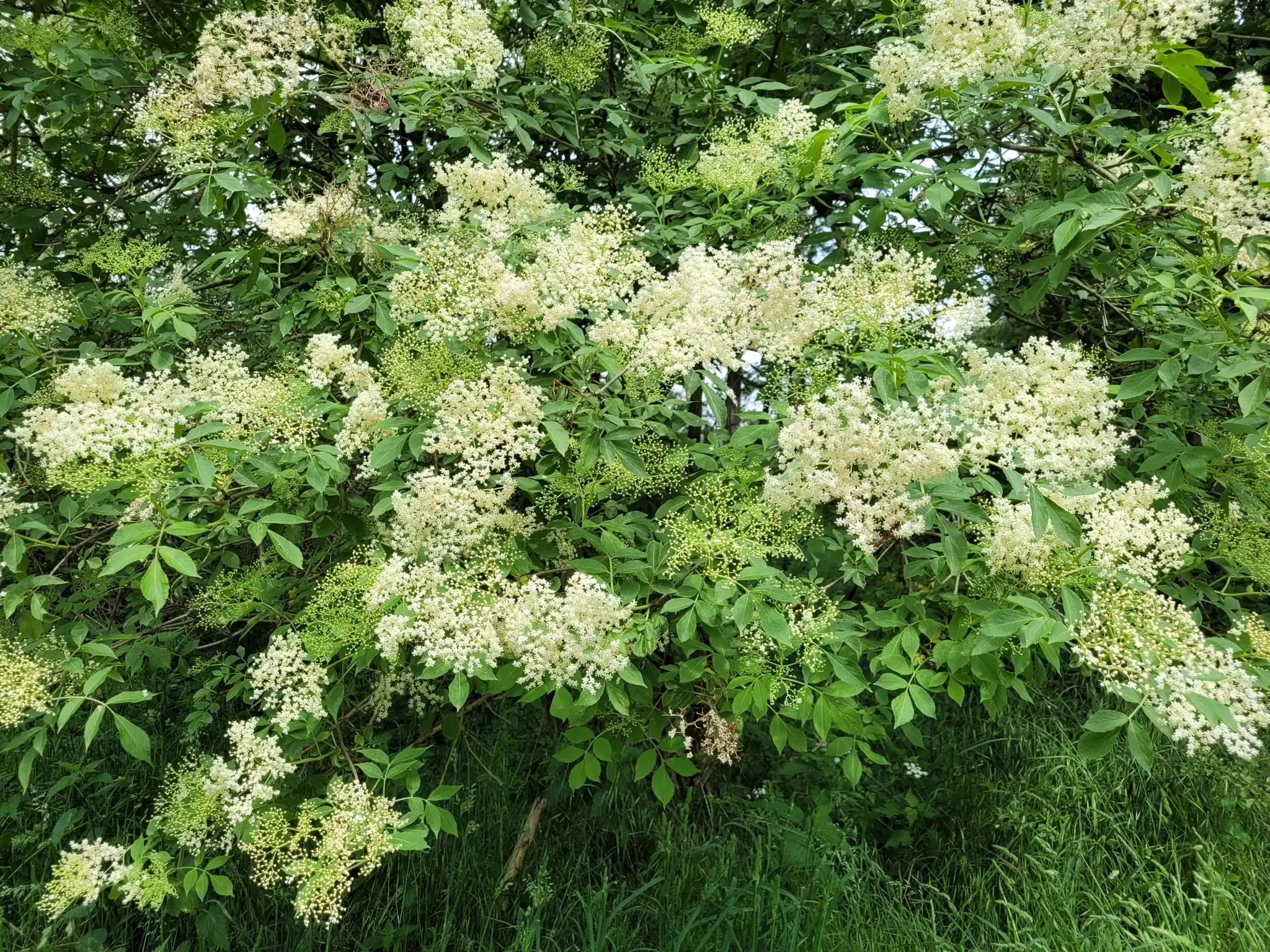
Browse all 11 Sambucus varieties →
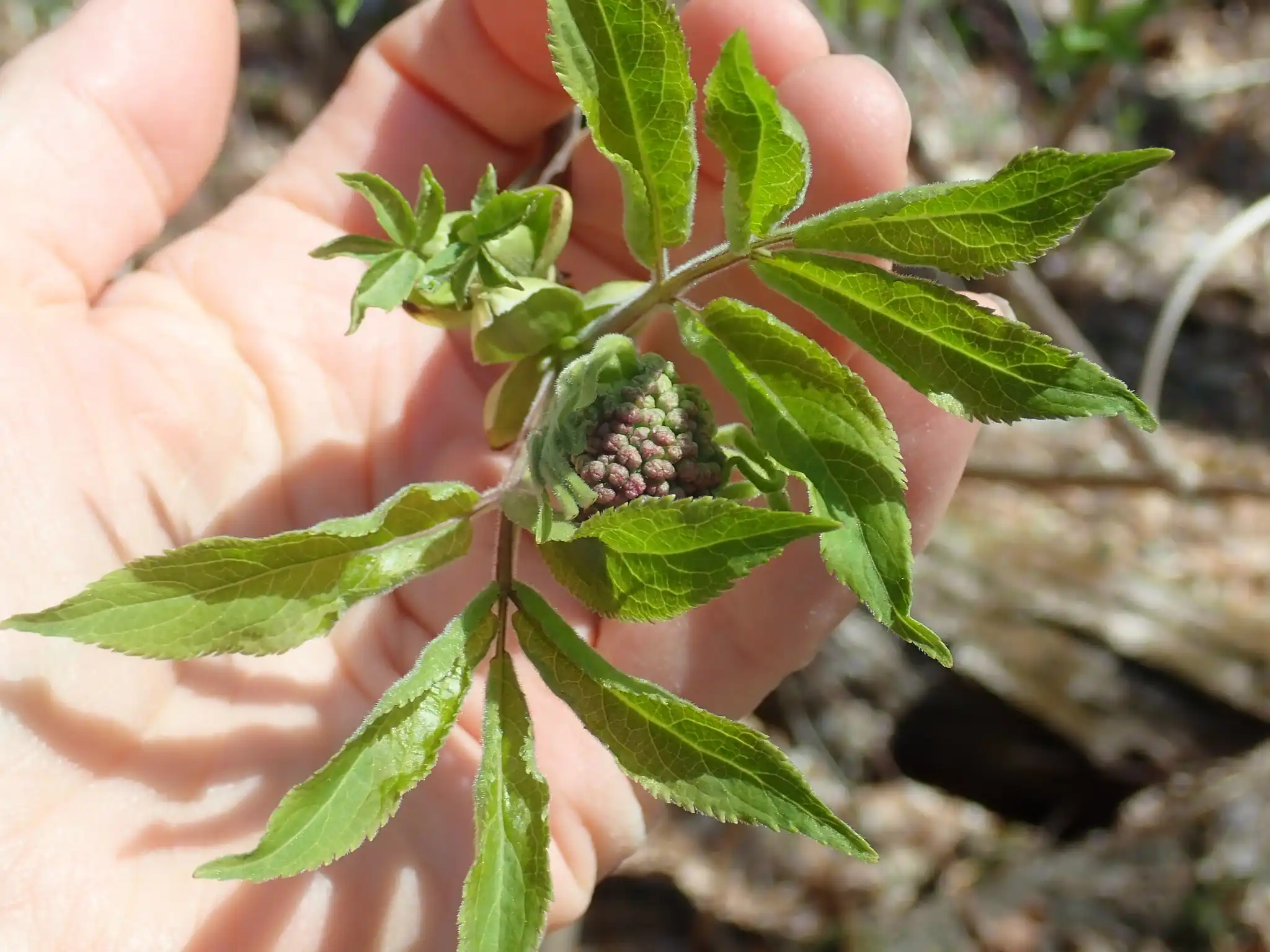
2 species of Sambucus
Each one is a parent of the varieties above.
Track your Sambucus in Sow
Save the Sambucus you grow and get care reminders timed to your zone.
How to grow Sambucus
Whats common across all Sambucus varieties in our catalog — drawn from the care records of the 11 most-grown of them.
The Sambucus year
- PruneFebruary and March91% of varieties
Remove damaged, broken and oldest stems before growth begins.
- HarvestAugust and September73% of varieties
Gather ripe fruit for cooking; never use it raw or unstrained.
- Check for PestsMay–July64% of varieties
Monitor new growth for aphids; check for elderberry borers.
- FertilizeApril45% of varieties
Apply a balanced, slow-release fertilizer as new growth begins.


Do
- Water regularly to keep soil moist but not waterlogged 🌱
- Plant it in full sun for the best foliage colour ☀️
- Give it deep, moist soil 💧
- Renew old stems in late winter ✂️
- Cook and strain fruit before any culinary use 🍲
Avoid
- Avoid overwatering, which can cause root rot ❌
- Eat the raw berries, seeds or any green part ❌
- Plant it in an exposed, windy site ❌
- Site it where suckering will be a problem ❌
What goes wrong with Sambucus
| Problem | What you'll see | What to do |
|---|---|---|
| Aphids | Dense colonies on soft new growth with sticky residue | Hose them off; established shrubs shrug off the damage |
| Elder Borer | Holes in canes, sawdust-like frass, and wilting stems. | Prune out and destroy infested canes immediately. No effective chemical control for borers once inside the stem. |
| Spider Mites | Fine webbing on leaves, stippled or yellowing foliage. | Increase humidity, spray with horticultural oil or neem oil. Use a specific miticide if infestation is heavy. |
| Borers | Wilting shoots with entry holes and frass on the stems | Cut out and destroy affected stems; keep the shrub vigorous |
| Powdery Mildew | White powdery coating on leaves | Improve air circulation and apply sulfur fungicide |
| Canker | Sunken, discoloured patches on stems with dieback beyond | Prune affected stems well back into healthy wood in dry weather |
| Leaf Spot | Dark spots on foliage | Remove affected leaves and use copper-based fungicide |
Making more Sambucus
Cuttings
- Select healthy semi-hardwood stems in late summer
- Cut 6-8 inch sections with clean shears
- Remove lower leaves and dip in rooting hormone
- Plant in moist potting mix and cover with plastic
- Keep in bright, indirect light for 6 weeks until rooted
Softwood Cuttings
- Take 4-6 inch cuttings of new growth in early summer.
- Remove lower leaves and dip in rooting hormone.
- Insert into a mix of perlite and peat.
- Keep humid and moist; roots form in 6-8 weeks.
Sambucus questions
How many types of Sambucus are there?
The Sow catalog tracks 11 distinct Sambucus varieties. The most popular — ranked by 548 real gardeners — are shown first above.
What zones does Sambucus grow in?
Across its varieties, Sambucus covers USDA Zones 4–9. Individual varieties differ — each plant page lists its exact range, and Sow filters the catalog to your zone automatically.
When does Sambucus bloom?
Most Sambucus varieties bloom in late spring, early summer, mid-spring. Staggering early, mid, and late varieties extends the genus's season in one bed.
Which Sambucus should I choose?
Start from the most-saved varieties above — popularity across thousands of gardens is a strong signal of reliability — then filter by your zone and sun. In the Sow app you can preview any of them in a photo of your actual yard before you buy.