The Story
Plant Bio
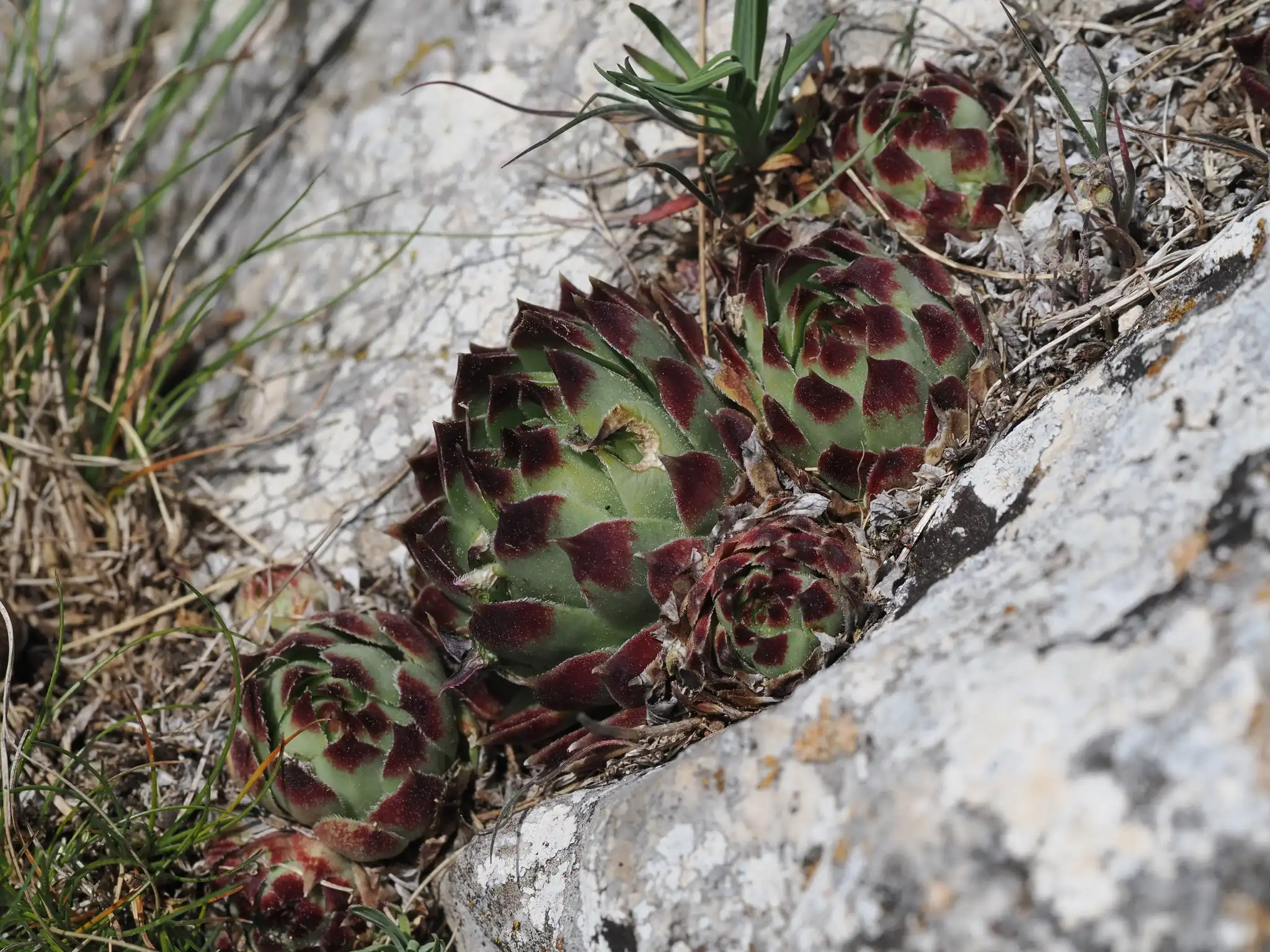
Sempervivum calcareum is a low-growing, mat-forming evergreen succulent that multiplies via short stolons to produce tight, geometric rosettes. The fleshy, glaucous blue-green leaves feature a protective powdery farina coating and distinctive deep reddish-purple tips.
This species is distinguished by its highly symmetrical, calcareous-loving rosettes that spread into dense colonies over time. In late spring to summer, mature rosettes produce erect, leafy, conical clusters of pale pink to greenish-pink star-shaped flowers.
Uses & Benefits:
Essentials
At a Glance
Plant Type
Cactus Succulent
Height
8"
Width
20"
Light
Full Sun, Partial Sun
Zones
4, 5, 6, 7, 8, 9
Water
Low
Humidity
Low
Lifespan
Perennial
Native To
Europe
Toxicity
Non-toxic
Bloom period
Late spring – Summer
In flower about 4 months of the year
Planting
How to Grow
- Plant in gritty, sandy, or rocky limestone-rich soil with exceptional drainage to prevent winter wetness.
- Position in a location that receives full sun, though light afternoon shade is beneficial in intensely hot desert-like regions.
- Water sparingly, allowing the soil to dry out completely between waterings, and avoid standing water.
- Separate and replant the small vegetative offsets that form on short stolons around the base of the parent rosette during spring or summer.
Pro Tip
Keep this alpine succulent strictly outdoors in full sun; growing it indoors or in low light causes the rosettes to lose their compact geometric form and intense purple tip coloration.
Keep It Thriving
Care Guide
Do
- Provide excellent drainage and gritty soil to protect the root system from rot.
- Remove spent, dead flowering mother rosettes down at the base after summer blooming.
- Expose the plant to cold winter temperatures to satisfy its natural dormancy requirement.
- Apply a light, low-nitrogen slow-release fertilizer once in spring if grown in containers.
Don't
- Do not grow this plant indoors on low-light windowsills.
- Do not prune into old bare wood, as the rosettes will not resprout from bare stems.
- Do not overwater or allow the plant to sit in standing water, especially during winter.
- Do not overfeed, as excessive nutrients degrade the compact growth habit.
Seasonal Care Calendar
| Task | Jan | Feb | Mar | Apr | May | Jun | Jul | Aug | Sep | Oct | Nov | Dec |
|---|---|---|---|---|---|---|---|---|---|---|---|---|
| Divide | ||||||||||||
| Fertilize | ||||||||||||
| Pest Check | ||||||||||||
| Propagate | ||||||||||||
| Prune |
Watch Out For
Pests & Diseases
Common Pests
Common Diseases
In the Garden
Landscape Uses & Companions
Landscape Uses
Multiply
Propagation Methods
Good to Know
Common Questions
Lime Houseleek questions
What zones can Lime Houseleek grow in?
Lime Houseleek is hardy in USDA Zones 4–9. Inside that range it survives winter in the ground; outside it, grow it as an annual or a container plant you protect.
Is Lime Houseleek deer resistant?
Not reliably. Deer may browse Lime Houseleek, especially tender spring growth — plan on repellents or fencing where pressure is high.
When does Lime Houseleek bloom?
Lime Houseleek typically blooms in late spring through summer. Exact timing shifts a week or two with your zone — Sow's bloom calendar maps it to your garden.
Does Lime Houseleek need full sun?
Lime Houseleek does best in full sun to part shade. In hot climates, afternoon shade keeps blooms fresher longer.
Is Lime Houseleek drought tolerant?
Yes — once established (usually after the first full season), Lime Houseleek handles dry spells with minimal watering. Water deeply its first year to build the root system that makes that possible.
More Sempervivum to compare
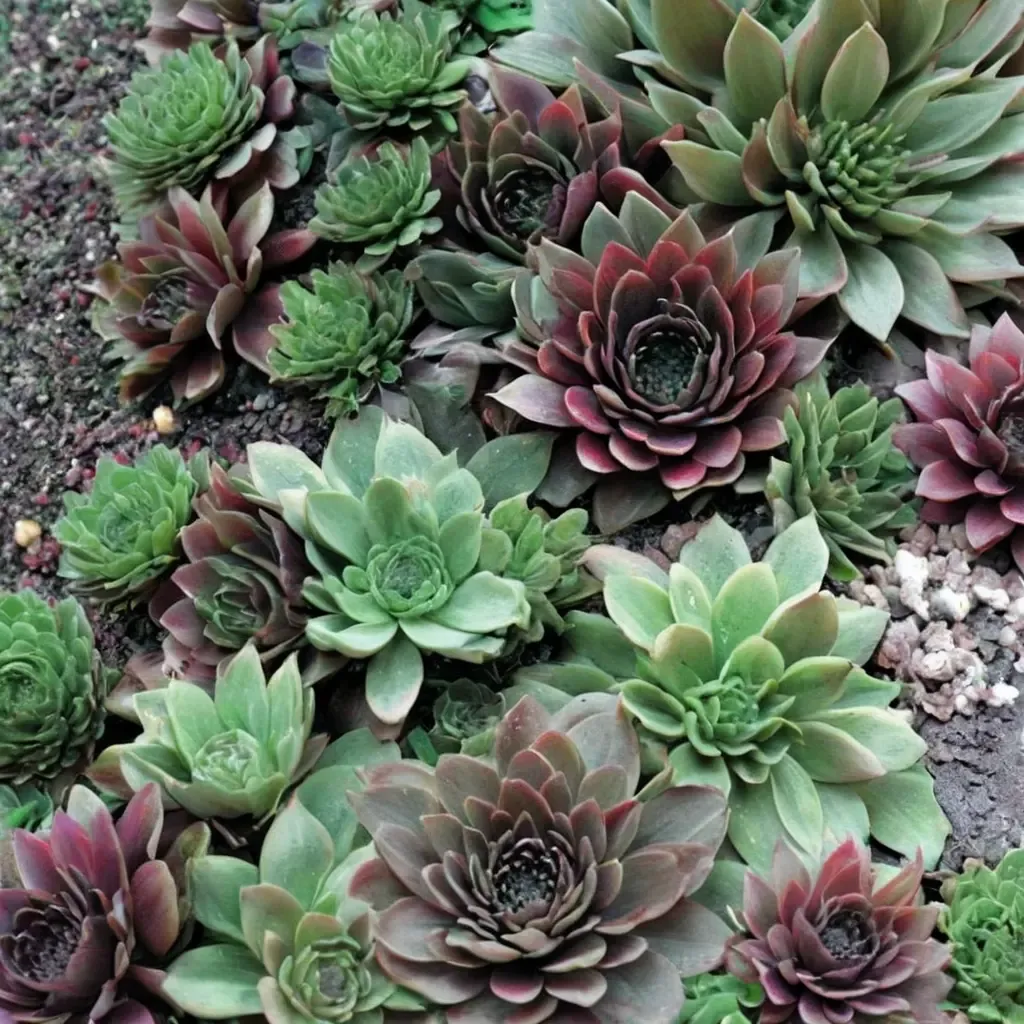
Hens and Chicks
Sempervivum tectorum 'Mix'
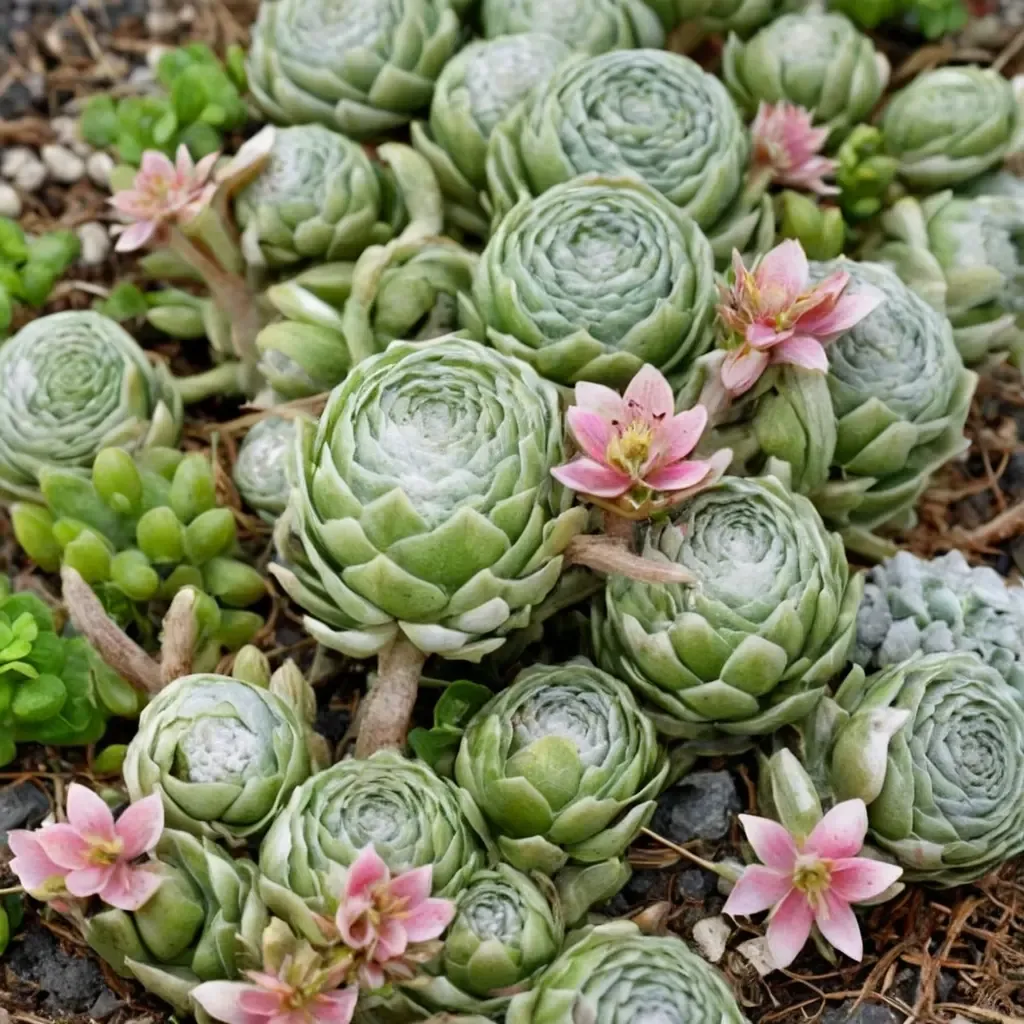
Cobweb Houseleek
Sempervivum tectorum 'Cobweb'
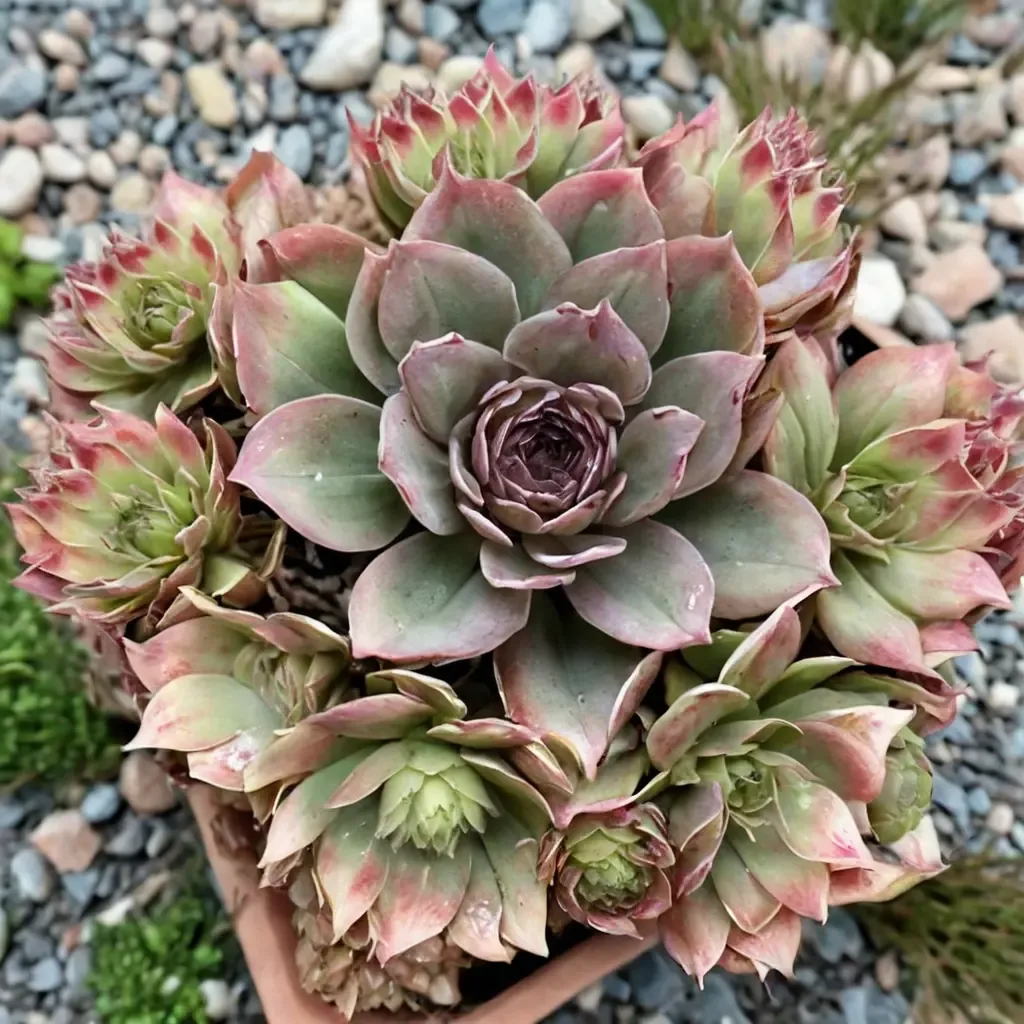
Dynamo Hens and Chicks
Sempervivum tectorum 'Dynamo Hens n Chicks'
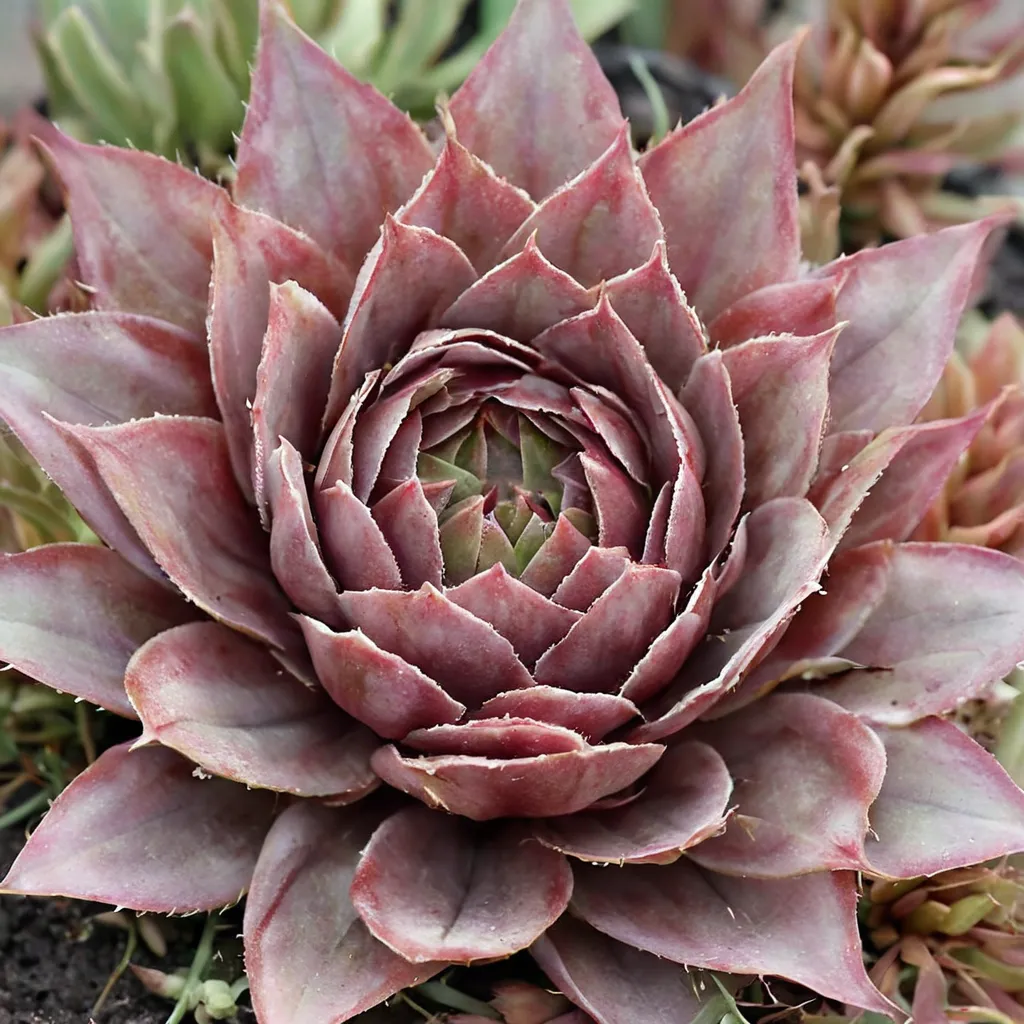
Sempervivum Red Beauty
Sempervivum x hybrida 'Red Beauty'
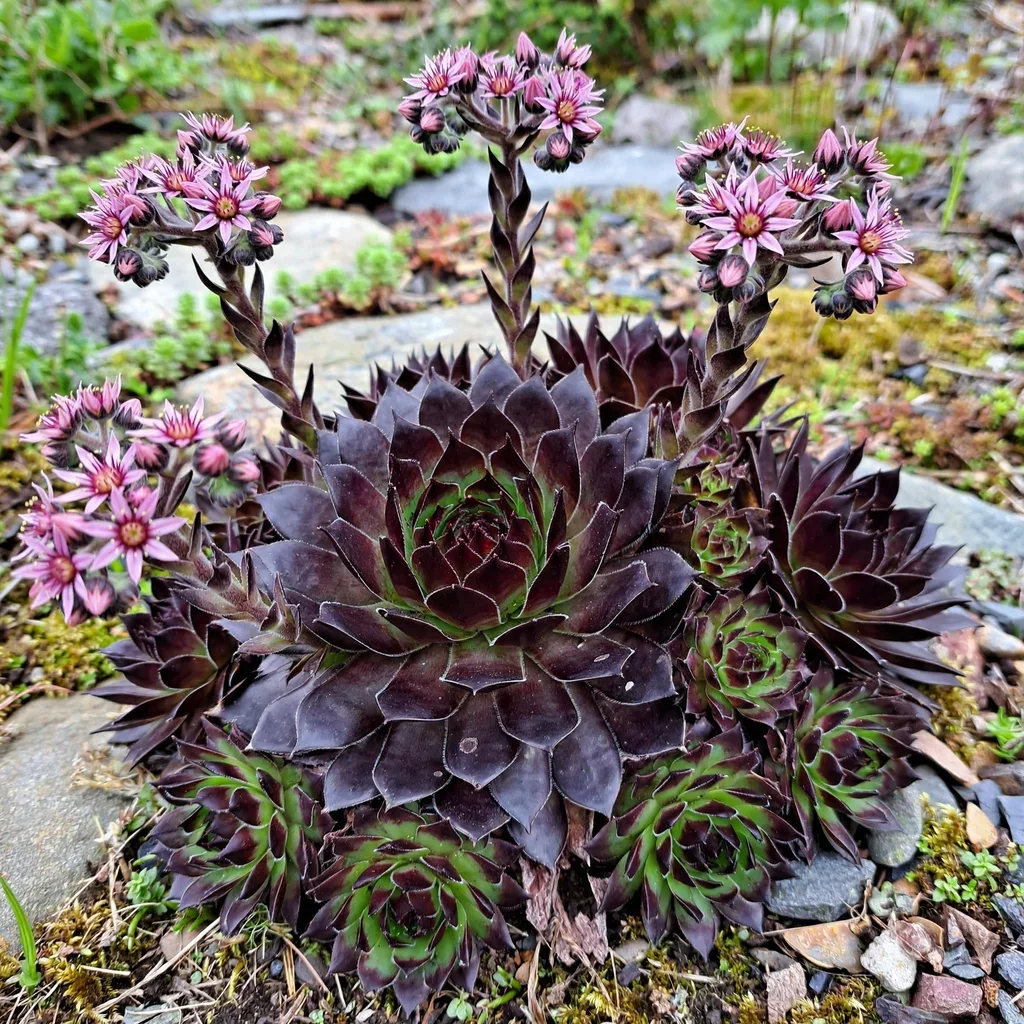
Black Hens and Chicks
Sempervivum tectorum 'Black'
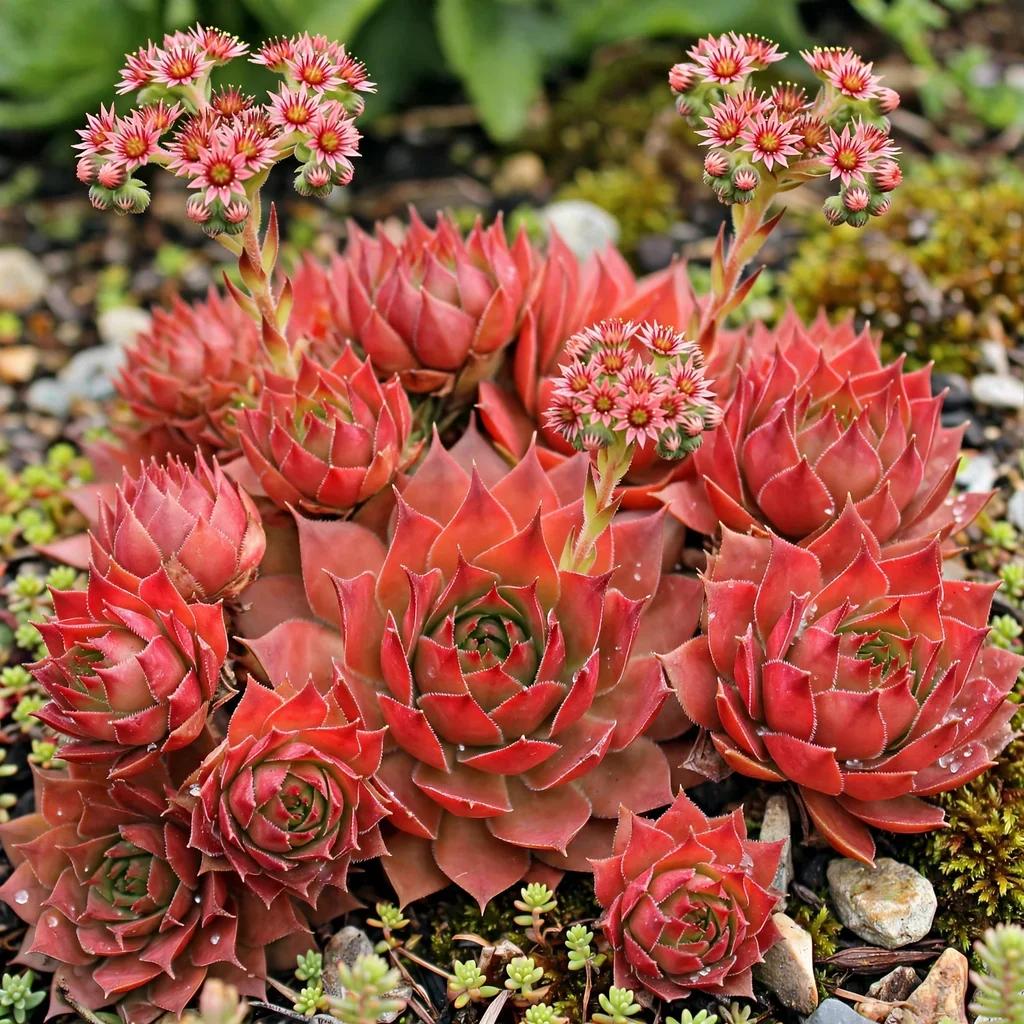
Coral Red Hens and Chicks
Sempervivum tectorum 'Coral Red'
Keep exploring
Explore the genus
Grow Lime Houseleek with confidence
See it in a design of your actual yard, get zone-matched care reminders, and track it season by season in your garden journal.