The Story
Plant Bio
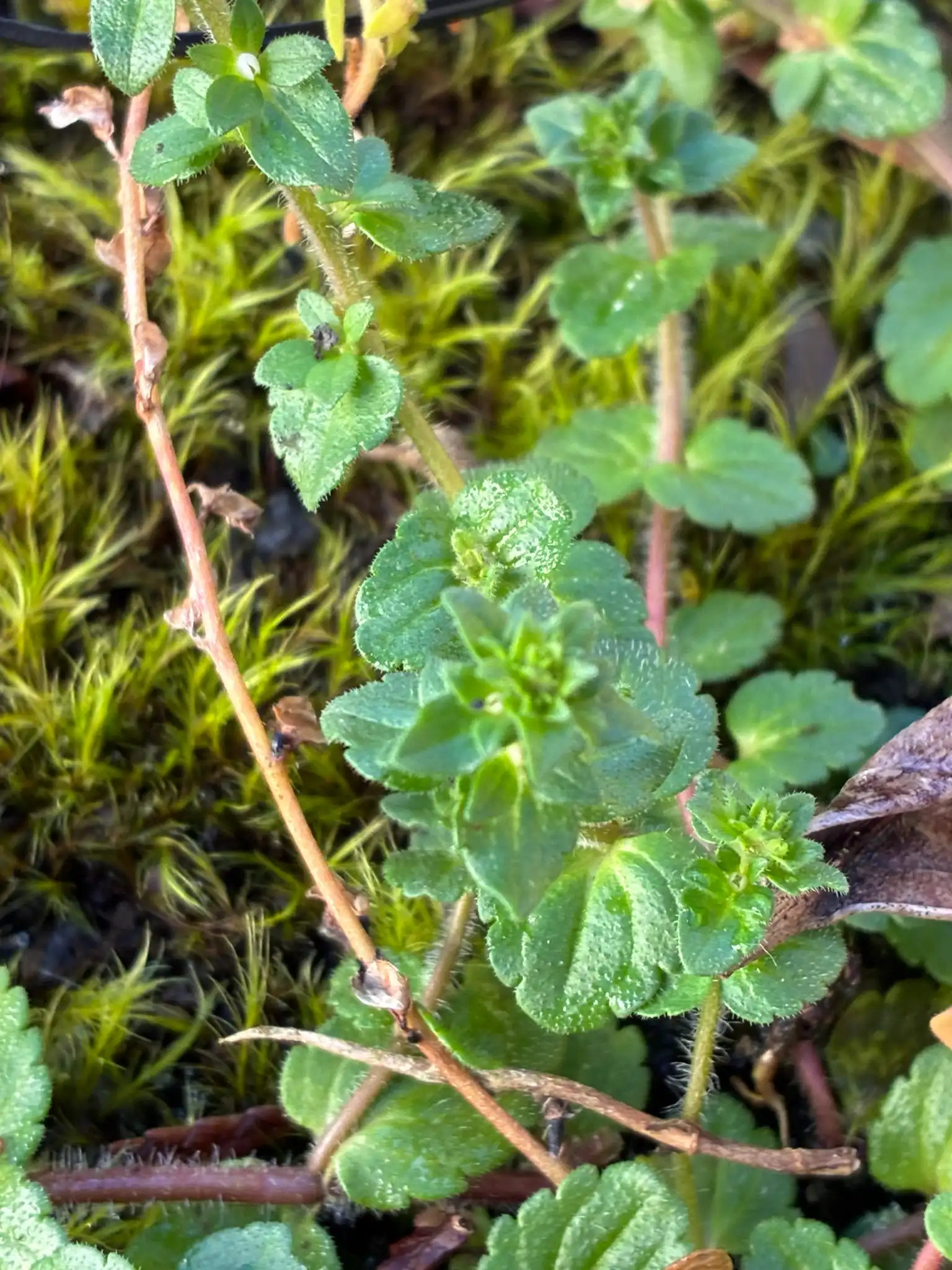
Veronica arvensis, commonly known as corn speedwell, is a low-growing winter annual herb native to Europe and Western Asia that has naturalized widely across North America. It forms loose mats of hairy, branching stems from a slender taproot, bearing opposite, coarsely toothed leaves on the lower stems and alternate, bract-like leaves above.
The species is distinguished by its tiny, solitary, pale blue to lavender flowers that measure only two to three millimeters across and nestle in the upper leaf axils. These blooms give way to characteristic heart-shaped seed capsules that facilitate its rapid spread in disturbed soils.
Uses & Benefits:
Essentials
At a Glance
Plant Type
Annual
Height
16"
Width
10"
Light
Full Sun, Partial Sun
Zones
4, 5, 6, 7, 8
Water
Low to Medium
Humidity
Tolerant
Lifespan
Annual
Native To
Europe, Western/Central Asia, Macaronesia, Northwest Africa
Toxicity
Non-toxic
Bloom period
Spring – Summer
In flower about 6 months of the year
Planting
How to Grow
- Identify young seedlings in late winter or early spring by their light green, hairy, egg-shaped leaves with rounded teeth.
- Hand-pull or hoe the shallow-rooted plants before the tiny blue flowers transition into heart-shaped seed capsules.
- Avoid composting any pulled plants that carry mature seed pods to prevent reinfestation.
- Establish a dense groundcover or apply mulch over bare soil areas to block future seed germination.
Pro Tip
Because this species relies entirely on a persistent soil seed bank to regenerate each fall, maintaining a dense, unbroken turf canopy or applying a thick layer of mulch is far more effective for control than pulling plants after they have already dropped their seeds.
Keep It Thriving
Care Guide
Do
- Hand-pull small infestations early in the spring before seed set.
- Maintain a thick, healthy lawn or mulch layer to crowd out emerging seedlings.
Don't
- Do not add mature, seeding plants to compost piles.
- Do not apply supplemental fertilizer, as this weed thrives in low-nutrient soils without assistance.
Seasonal Care Calendar
| Task | Jan | Feb | Mar | Apr | May | Jun | Jul | Aug | Sep | Oct | Nov | Dec |
|---|---|---|---|---|---|---|---|---|---|---|---|---|
| Mulch | ||||||||||||
| Pest Check | ||||||||||||
| Prune | ||||||||||||
| Spring Cleanup |
Watch Out For
Pests & Diseases
Common Pests
Common Diseases
In the Garden
Landscape Uses & Companions
Landscape Uses
Multiply
Propagation Methods
Good to Know
Common Questions
Corn Speedwell questions
What zones can Corn Speedwell grow in?
Corn Speedwell is hardy in USDA Zones 4–8. Inside that range it survives winter in the ground; outside it, grow it as an annual or a container plant you protect.
When does Corn Speedwell bloom?
Corn Speedwell typically blooms in spring through summer. Exact timing shifts a week or two with your zone — Sow's bloom calendar maps it to your garden.
Does Corn Speedwell need full sun?
Corn Speedwell does best in full sun to part shade. In hot climates, afternoon shade keeps blooms fresher longer.
Is Corn Speedwell drought tolerant?
Yes — once established (usually after the first full season), Corn Speedwell handles dry spells with minimal watering. Water deeply its first year to build the root system that makes that possible.
More Veronica to compare
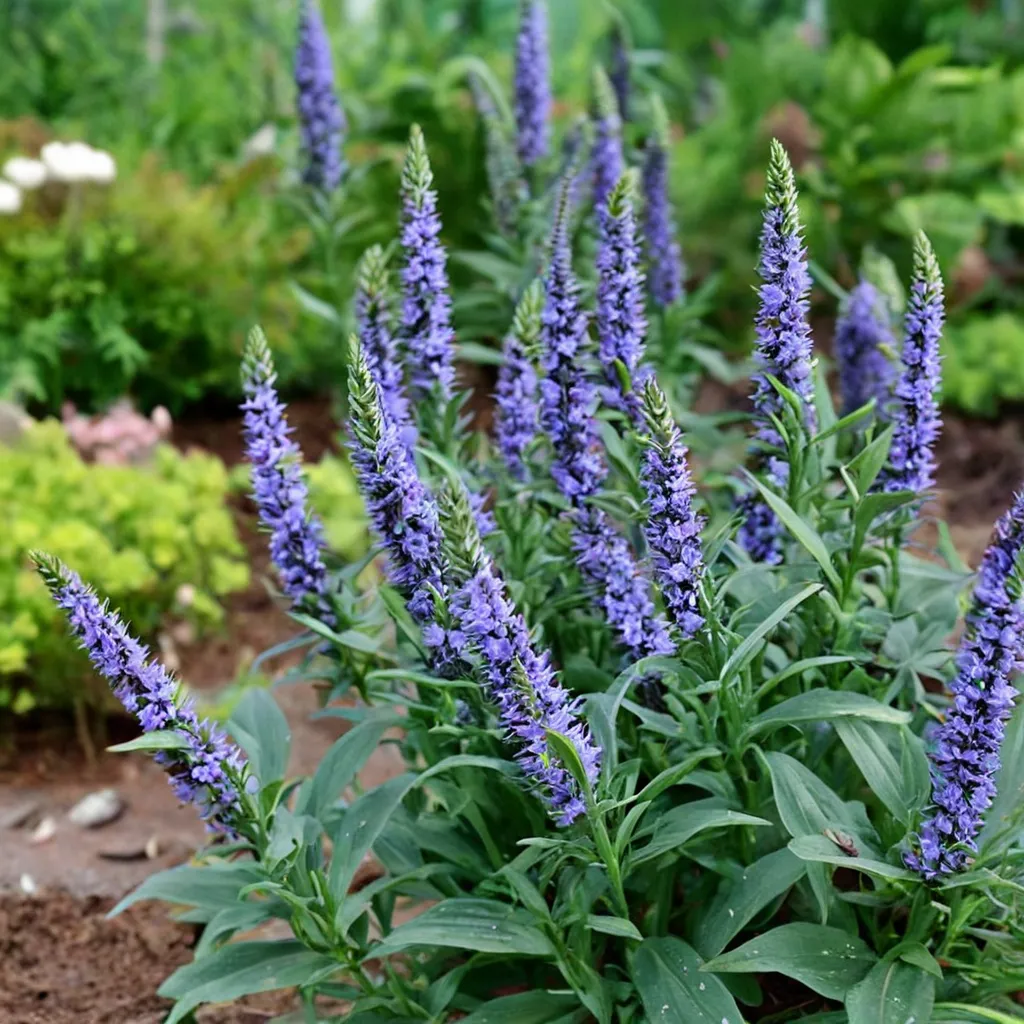
Moody Blues Sky Blue Veronica
Veronica spicata 'Moody Blues Sky Blue'
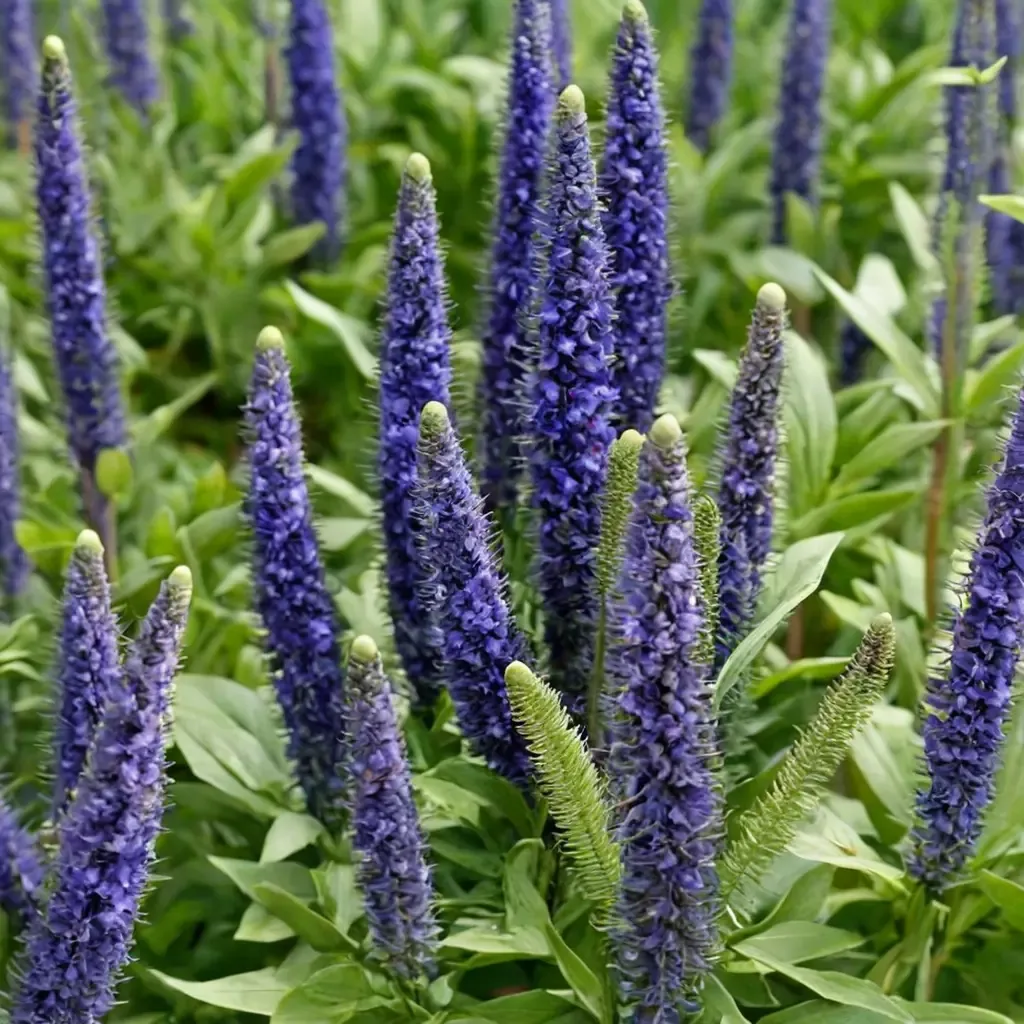
Royal Candles Speedwell
Veronica spicata 'Royal Candles'
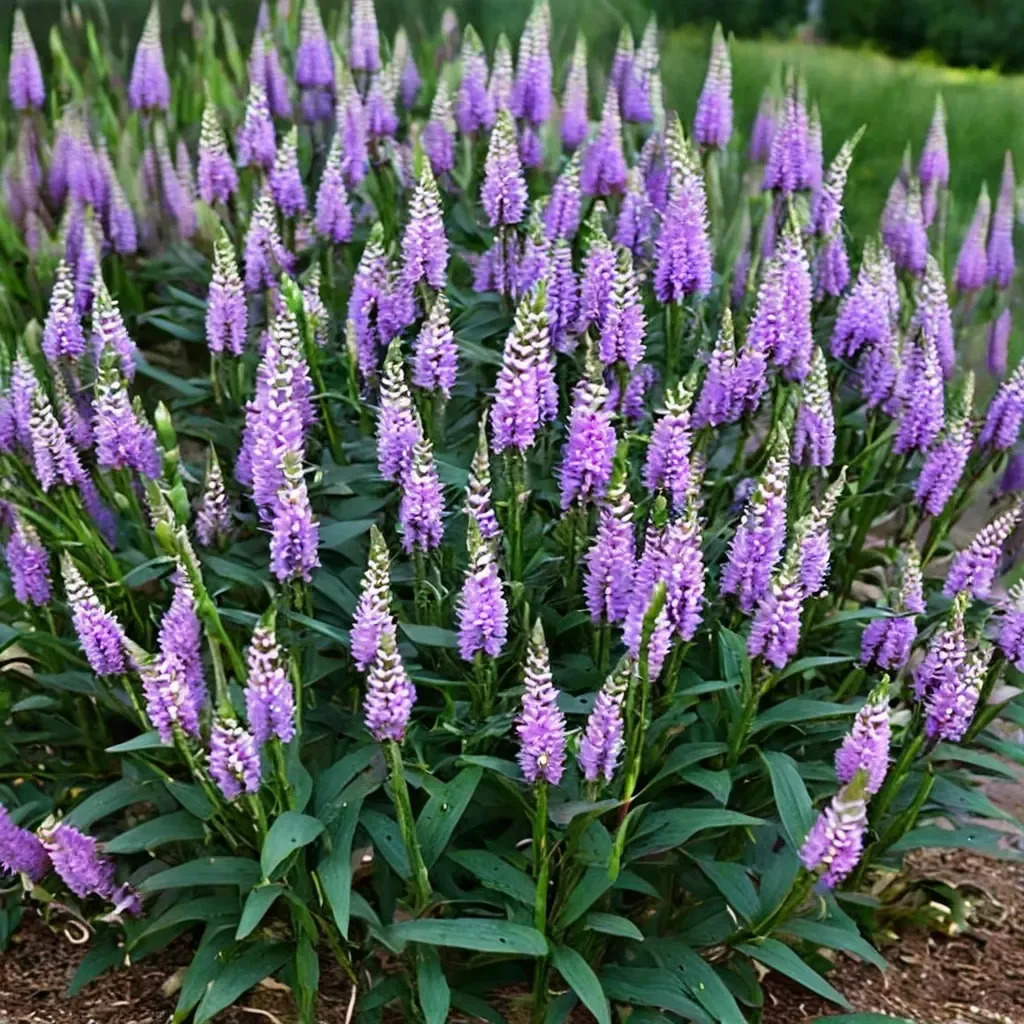
Lavender Lightsaber Speedwell
Veronica spicata 'Lavender Lightsaber'
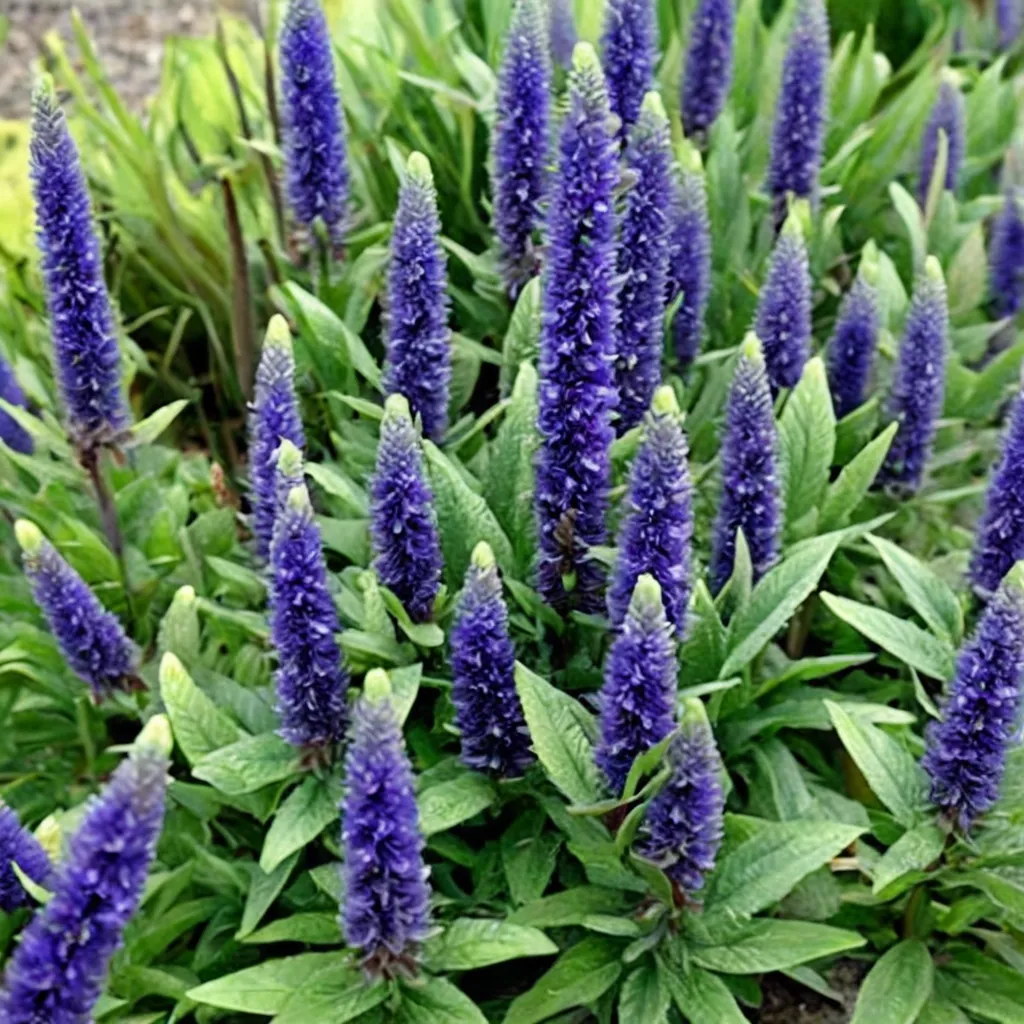
Royal Candles Spike Speedwell
Veronica spicata 'Glory'
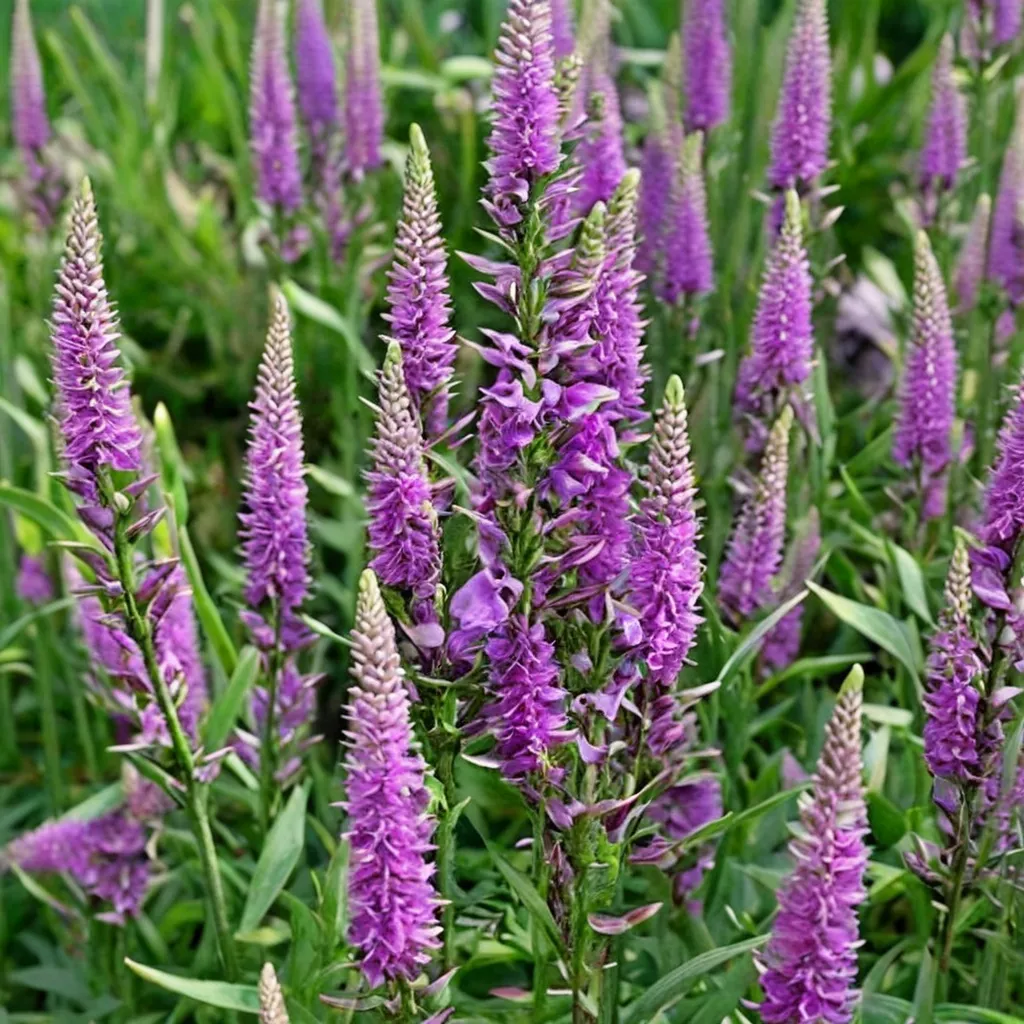
Longifolia Veronica Eveline
Veronica longifolia 'Eveline'
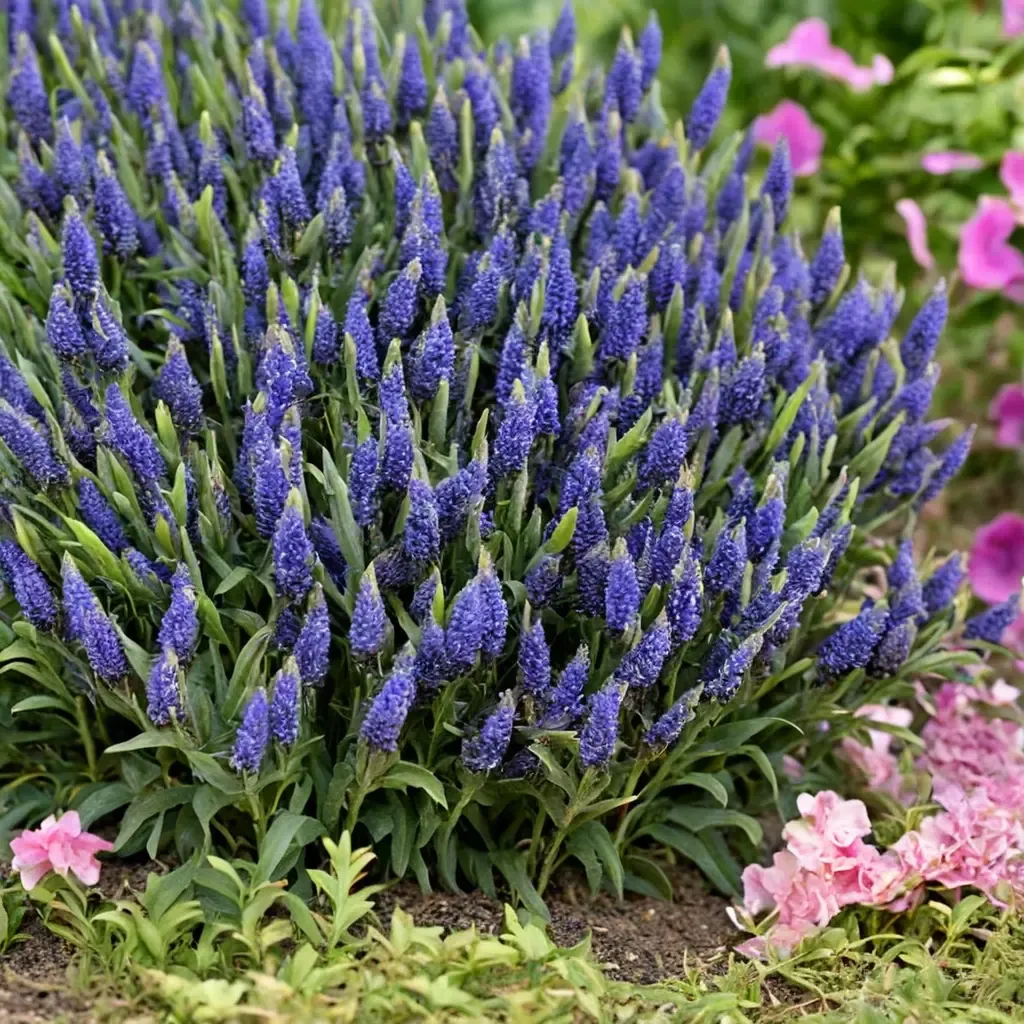
Wizard of Ahhs Speedwell
Veronica spicata 'Wizard Of Ahhs'
Keep exploring
Explore the genus
Hardy in your zone?
Grow Corn Speedwell with confidence
See it in a design of your actual yard, get zone-matched care reminders, and track it season by season in your garden journal.