1 named cultivar
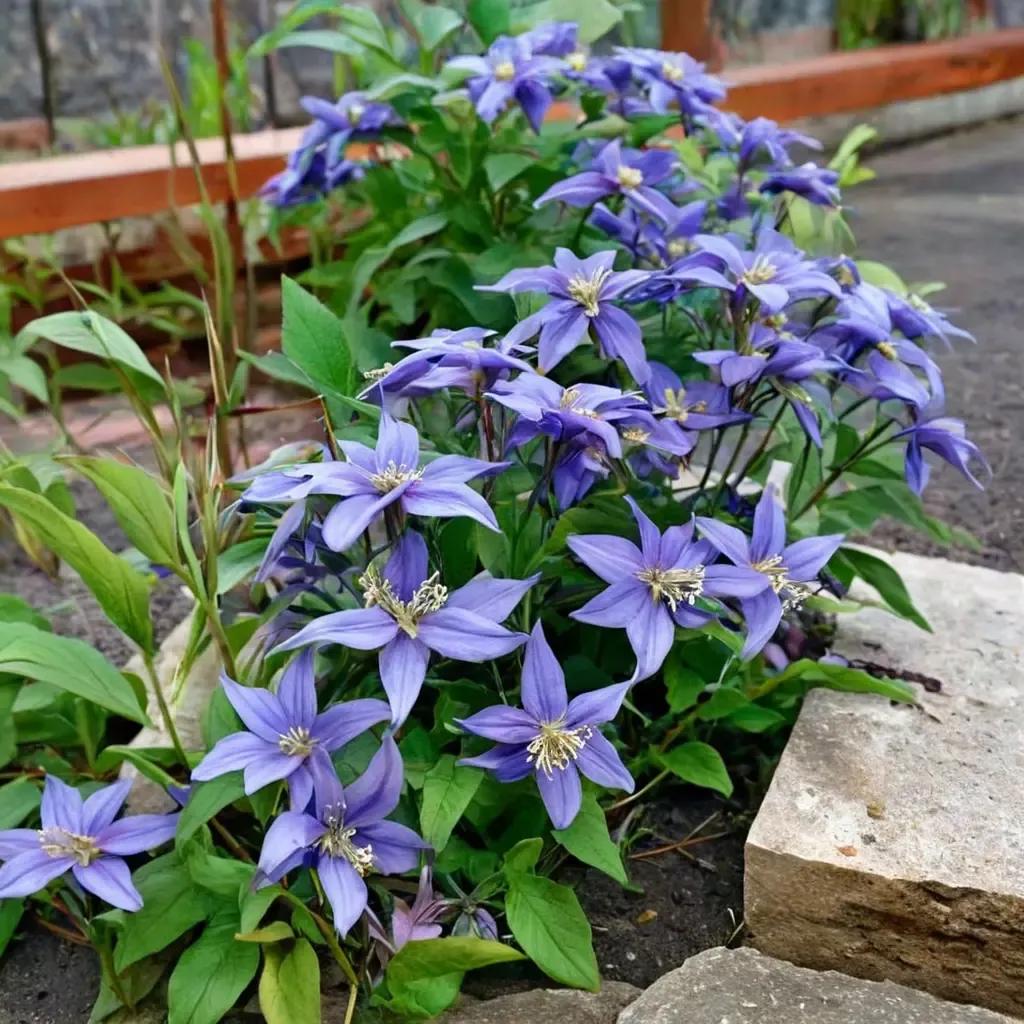
The Story
Plant Bio
Clematis x jouiniana, the Jouin clematis, is a garden hybrid of C. heracleifolia and C. vitalba, forming a woody-based sprawling sub-shrub rather than a true climber. It rambles three to ten feet with a spread of three to six. Fragrant flowers, creamy white inside and lavender-white outside, open in profusion from July to September.
It has no clinging tendrils, so it will not climb a trellis unaided and instead sprawls, which makes it genuinely useful for covering a tree stump, a bank or a low wall where a climbing clematis would simply fall off. It also flowers on new wood, so the hard late-winter cut it needs costs nothing.
Uses & Benefits:
Essentials
At a Glance
Plant Type
Vine
Height
96"
Width
54"
Light
Full Sun, Partial Sun
Zones
4, 5, 6, 7, 8, 9
Water
Medium
Humidity
Average
Lifespan
Perennial
Native To
Garden origin
Toxicity
Toxic if ingested; sap irritates skin
Planting
How to Grow
- Plant in spring or autumn in full sun to part shade.
- Choose sandy, humus-rich, medium-moisture, free-draining soil.
- Site it where it can sprawl rather than expecting it to climb.
- Keep the roots shaded and the top growth in light.
- Water through dry spells while establishing.
- Cut back to the woody base in autumn or late winter.
Pro Tip
It has no tendrils, so tie it in if you want it on a support; left alone it will only ever sprawl outward.
Keep It Thriving
Care Guide
Do
- Let it sprawl over banks, stumps and walls 🪨
- Cut it back to the woody base each late winter ✂️
- Keep the root zone shaded and cool 🍂
- Tie it in if you want it upright 🪢
Don't
- Expect it to climb a trellis unaided ❌
- Leave it uncut and let it get bare at the base ❌
- Plant it in waterlogged ground ❌
Seasonal Care Calendar
| Task | Jan | Feb | Mar | Apr | May | Jun | Jul | Aug | Sep | Oct | Nov | Dec |
|---|---|---|---|---|---|---|---|---|---|---|---|---|
| Cut Back |
Watch Out For
Pests & Diseases
Common Pests
Common Diseases
In the Garden
Landscape Uses & Companions
Landscape Uses
Multiply
Propagation Methods
Good to Know
Common Questions
Clematis questions
What zones can Clematis grow in?
Clematis is hardy in USDA Zones 4–9. Inside that range it survives winter in the ground; outside it, grow it as an annual or a container plant you protect.
Is Clematis deer resistant?
Yes — Clematis is rated deer-resistant. Deer typically pass it over, though extreme hunger can override any plant's defenses.
When does Clematis bloom?
Clematis typically blooms in midsummer to early fall through late summer. Exact timing shifts a week or two with your zone — Sow's bloom calendar maps it to your garden.
Does Clematis need full sun?
Clematis does best in full sun to part shade. In hot climates, afternoon shade keeps blooms fresher longer.
More Clematis to compare
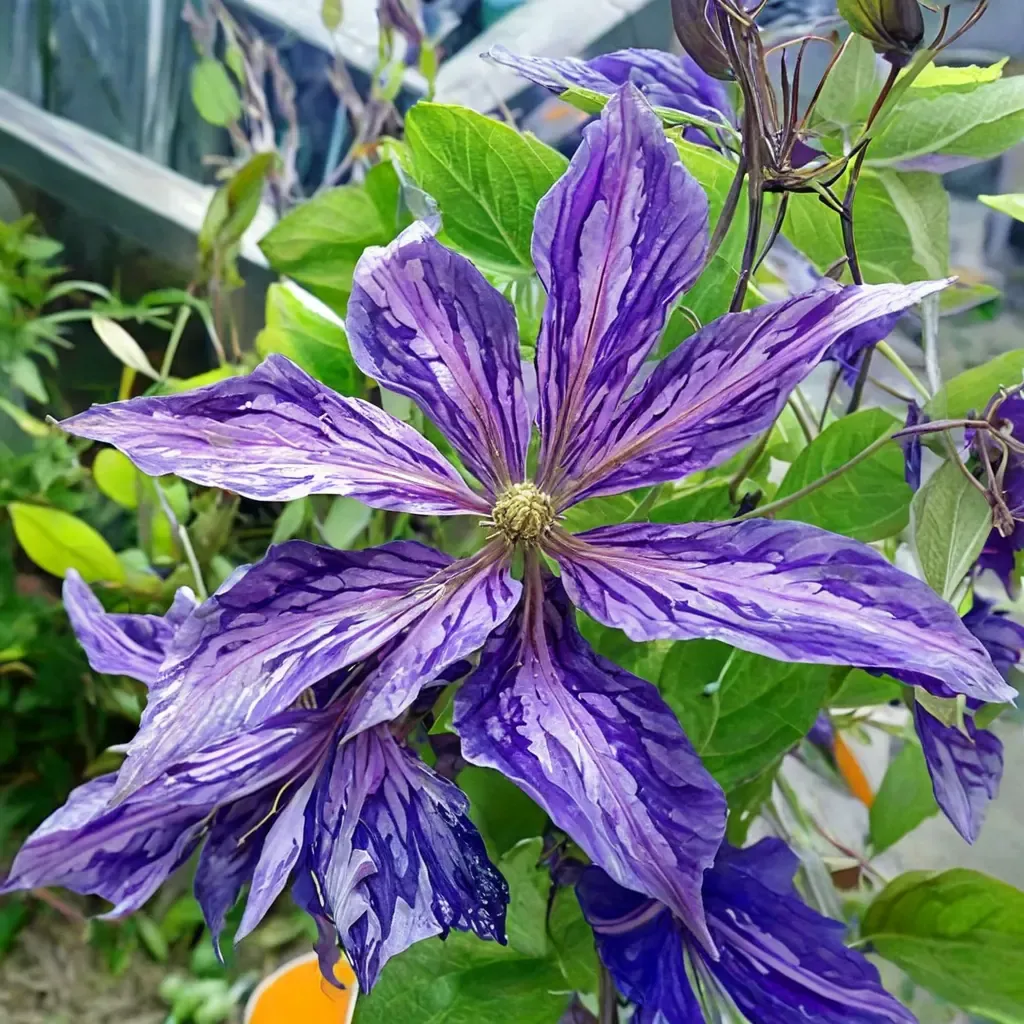
Tie Dye Clematis
Clematis viticella 'Tie Dye'
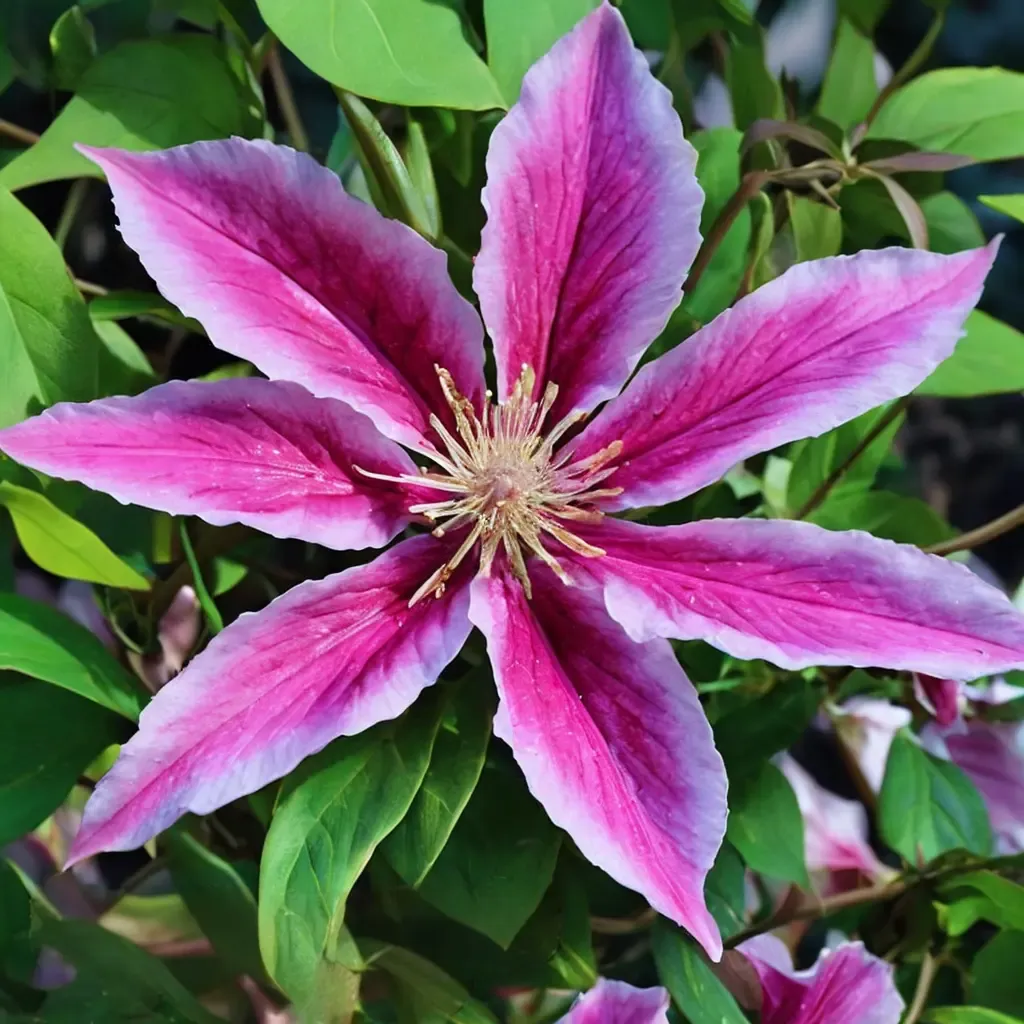
Dr. Ruppel Clematis
Clematis x jackmanii 'Dr Ruppel'
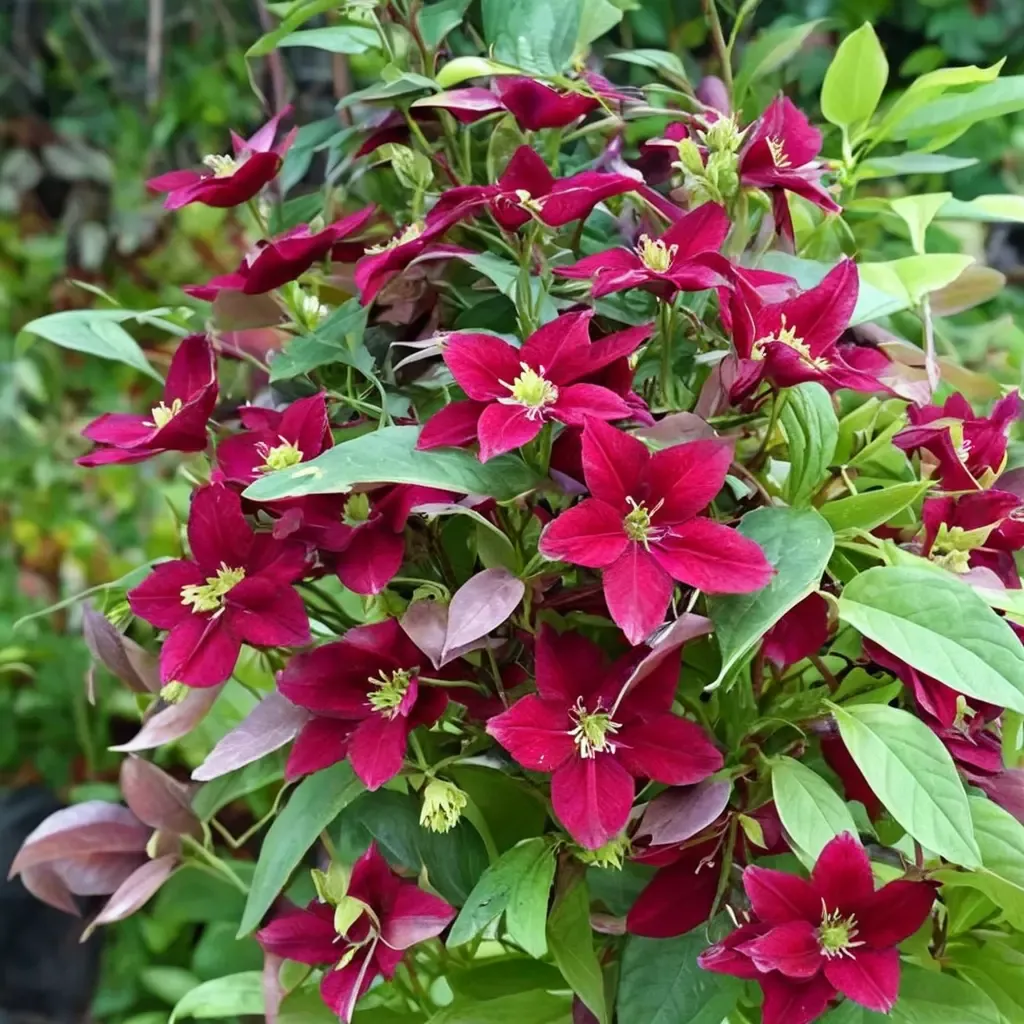
Burning Love Clematis
Clematis x cartmanii 'Burning Love'
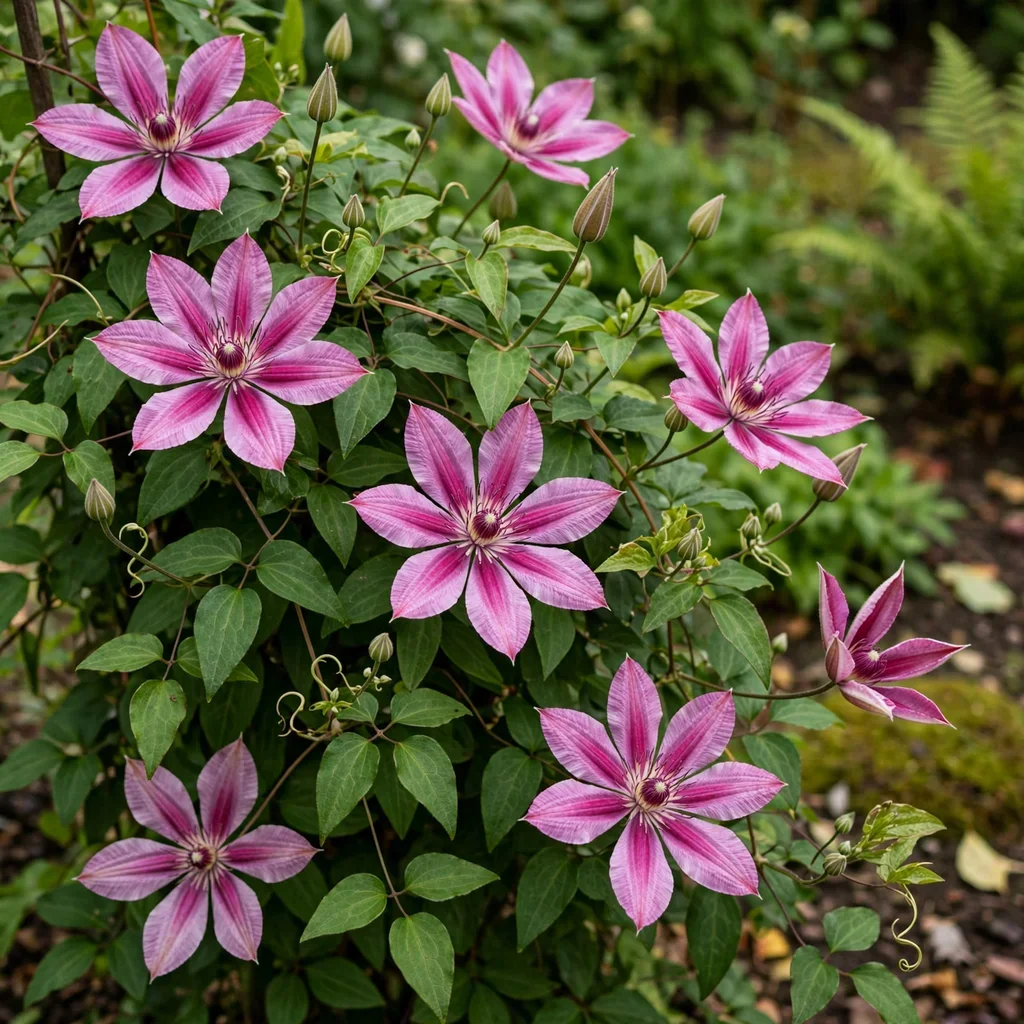
Yuan Clematis
Clematis viticella 'Yuan'
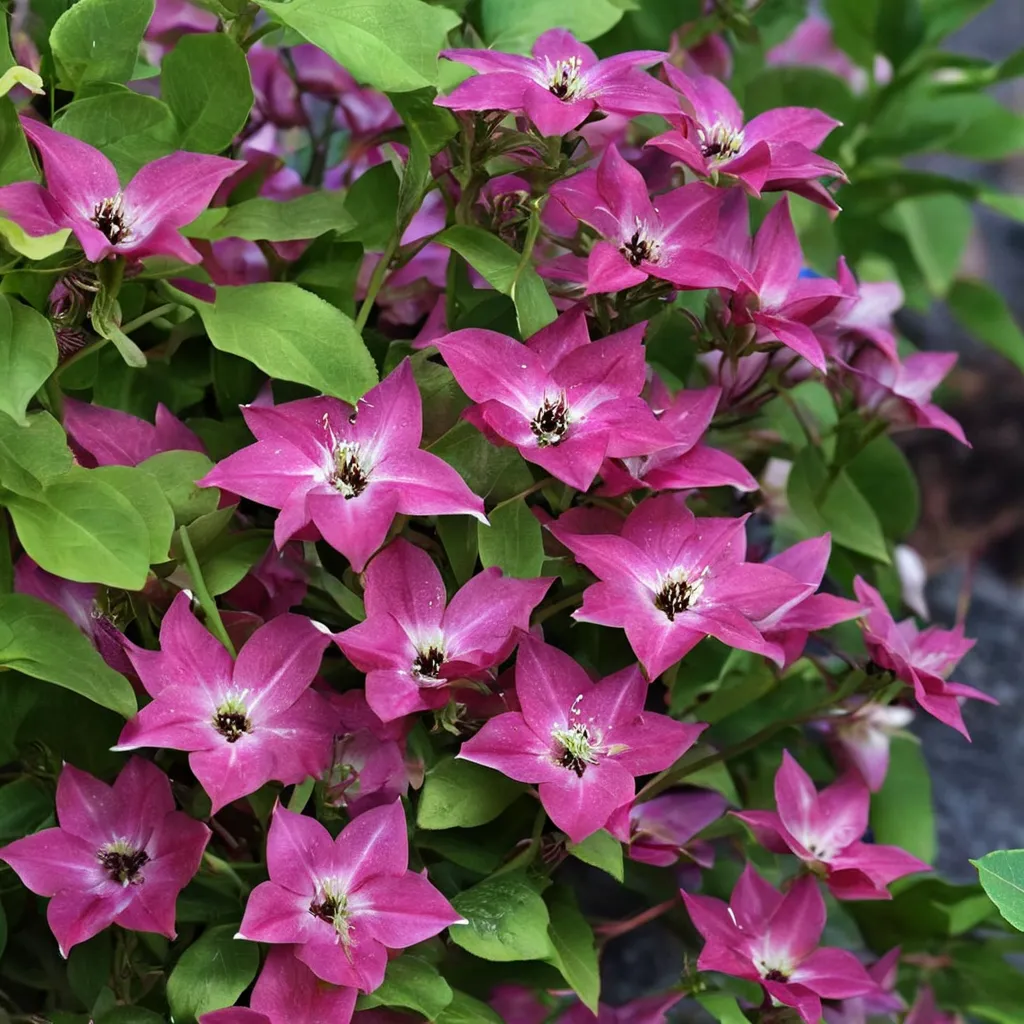
Viva Polonia Clematis
Clematis x hybrida 'Viva Polonia'
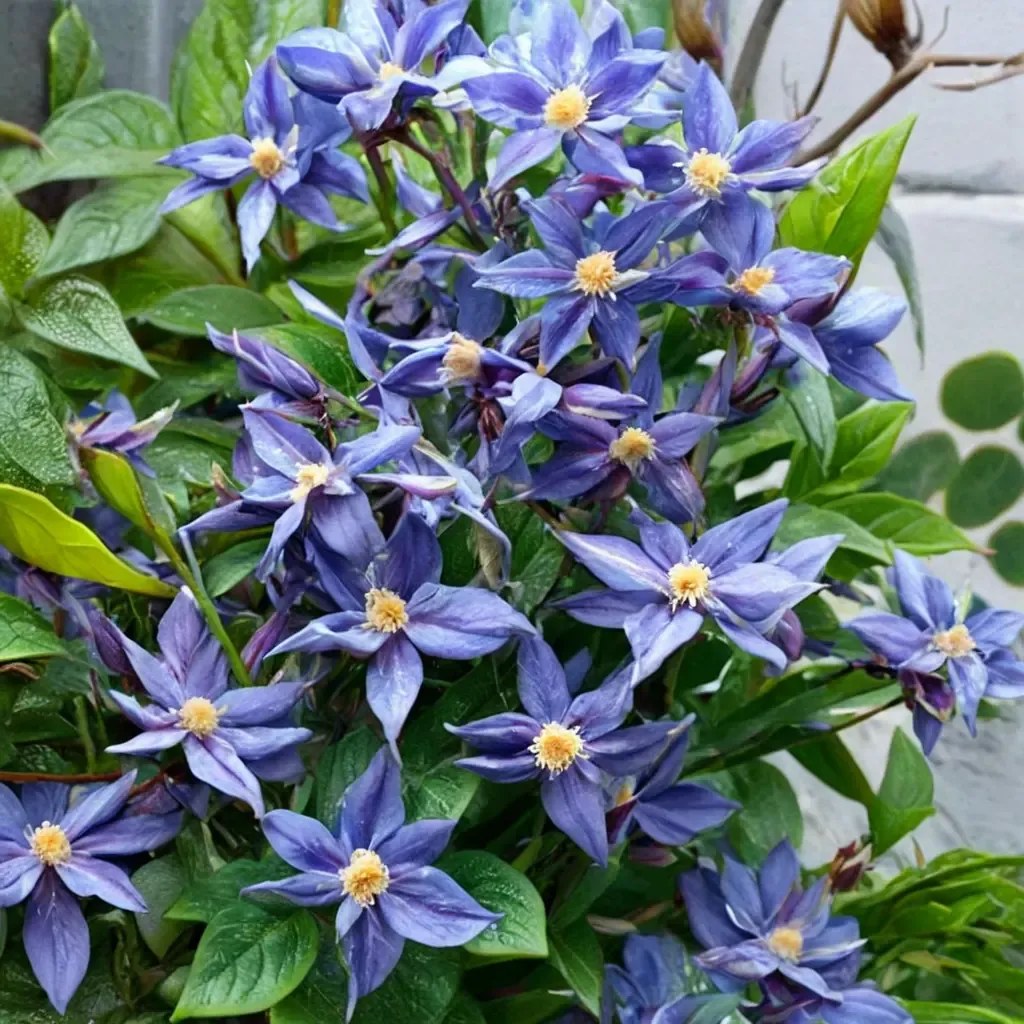
Tsukiko Clematis
Clematis x durandii 'Tsukiko'
Keep exploring
Explore the genus
Grow Clematis with confidence
See it in a design of your actual yard, get zone-matched care reminders, and track it season by season in your garden journal.