The Story
Plant Bio
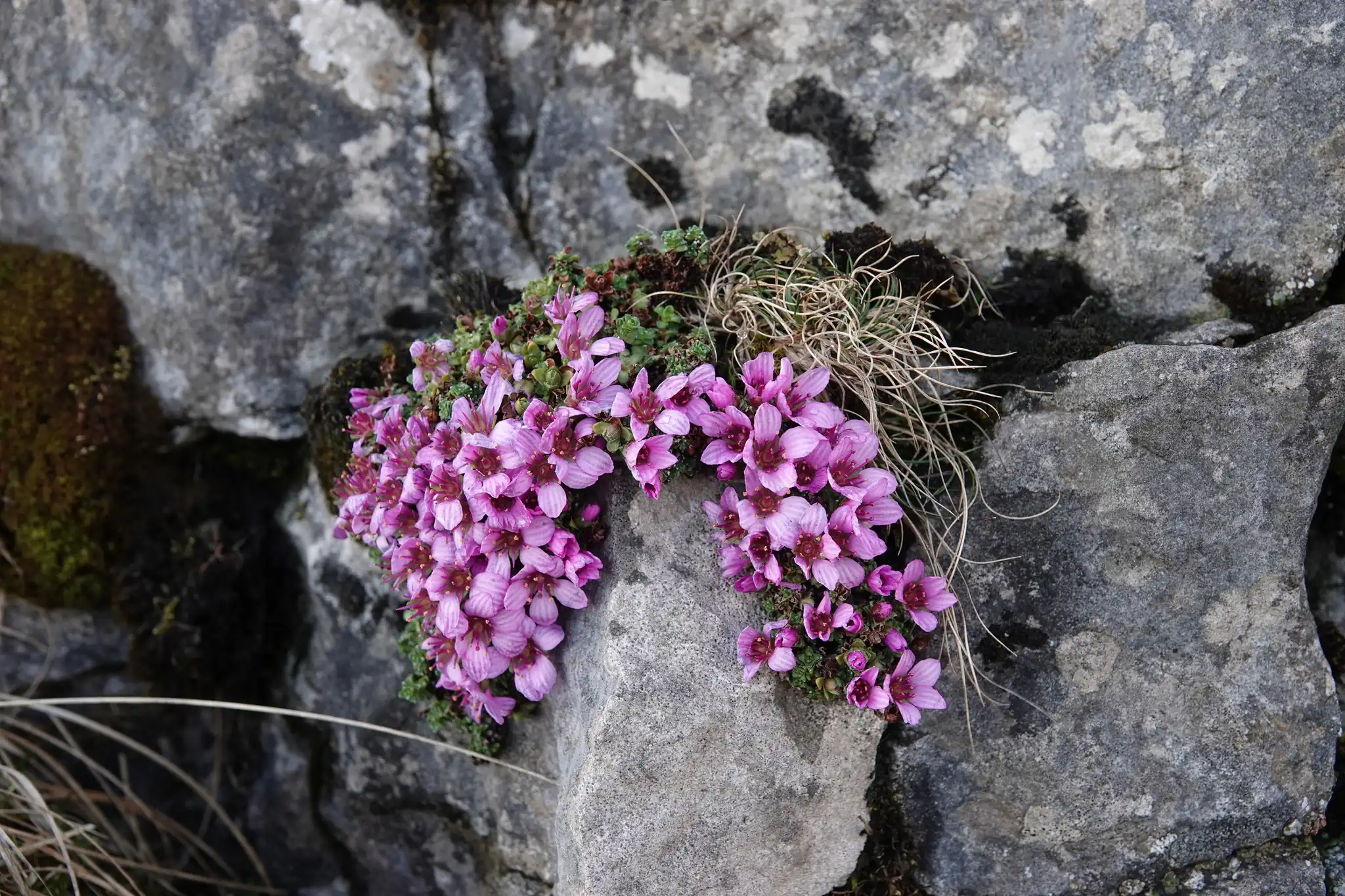
Saxifraga oppositifolia, the purple mountain saxifrage, is a low-growing, cushion-forming evergreen perennial native to circumpolar arctic and alpine regions. It forms dense, trailing mats of woody-based stems covered in tiny, opposite, scale-like leaves that emerge bright green and mature to dark green.
This species is distinguished by its solitary, cup-shaped flowers of deep fuchsia or purple with prominent orange-yellow anthers, which open immediately after snowmelt. The foliage is highly adapted to extreme cold, surviving temperatures below -40°C under snow cover.
Uses & Benefits:
Essentials
At a Glance
Plant Type
Perennial
Height
2"
Width
12"
Light
Full Sun, Partial Sun
Zones
4, 5, 6, 7
Water
Moderate
Humidity
Low
Lifespan
Perennial
Native To
Circumpolar Arctic and alpine zones of the Northern Hemisphere
Toxicity
Non-toxic
Bloom period
Spring
In flower about 3 months of the year
Planting
How to Grow
- Select a planting site in full sun to partial shade with cool light exposure, avoiding hot afternoon sun.
- Prepare a planting medium consisting of gravelly, mineral-rich scree or gritty, neutral-to-alkaline stony loam.
- Position the plant in a raised bed, trough, or rock crevice to facilitate immediate vertical drainage away from the crown.
- Water moderately during the active spring growing season to mimic melting snow, then reduce moisture significantly during winter.
Pro Tip
Plant in pure mineral scree or vertical rock crevices to ensure rapid drainage away from the crown, as stagnant winter moisture causes fatal root rot.
Keep It Thriving
Care Guide
Do
- Grow in pure mineral scree or rock crevices.
- Ensure flawless drainage around the collar of the plant.
- Provide cool light exposure and protection from baking summer heat.
- Clear away dead flower stems gently after blooming.
Don't
- Do not plant in rich, organic, moisture-retaining garden loam.
- Do not cut back into old, leafless woody stems.
- Do not over-fertilize, as it requires extremely lean conditions.
- Do not allow standing water or winter wetness around the crown.
Seasonal Care Calendar
| Task | Jan | Feb | Mar | Apr | May | Jun | Jul | Aug | Sep | Oct | Nov | Dec |
|---|---|---|---|---|---|---|---|---|---|---|---|---|
| Pest Check | ||||||||||||
| Propagate | ||||||||||||
| Spring Cleanup | ||||||||||||
| Winter Prep |
Watch Out For
Pests & Diseases
Common Pests
Common Diseases
In the Garden
Landscape Uses & Companions
Landscape Uses
Companion Plants
Multiply
Propagation Methods
Good to Know
Common Questions
Purple mountain saxifrage questions
What zones can Purple mountain saxifrage grow in?
Purple mountain saxifrage is hardy in USDA Zones 4–7. Inside that range it survives winter in the ground; outside it, grow it as an annual or a container plant you protect.
Is Purple mountain saxifrage deer resistant?
Not reliably. Deer may browse Purple mountain saxifrage, especially tender spring growth — plan on repellents or fencing where pressure is high.
When does Purple mountain saxifrage bloom?
Purple mountain saxifrage typically blooms in spring through spring. Exact timing shifts a week or two with your zone — Sow's bloom calendar maps it to your garden.
Does Purple mountain saxifrage need full sun?
Purple mountain saxifrage does best in full sun to part shade. In hot climates, afternoon shade keeps blooms fresher longer.
More Saxifraga to compare
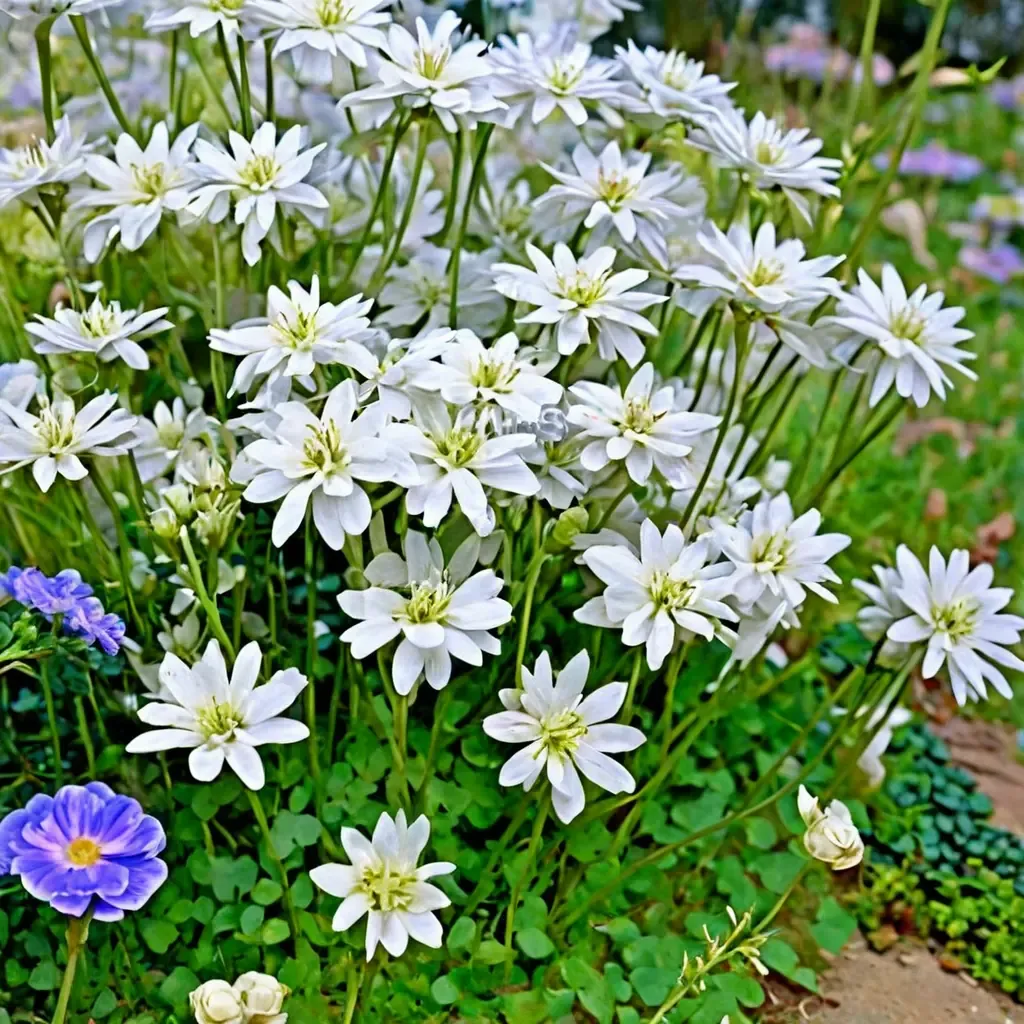
London Pride
Saxifraga x urbium 'Fair Maids of France'
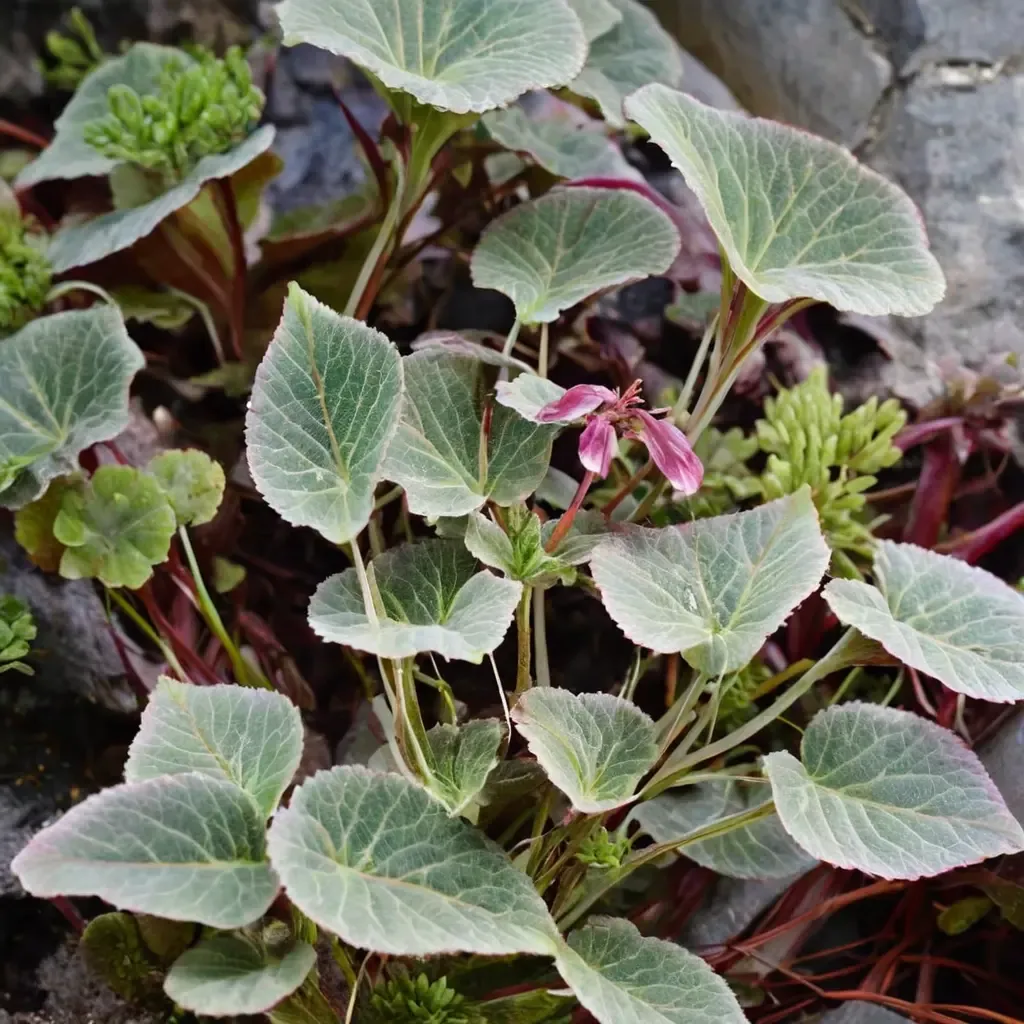
Hope's Wine Creeping Saxifrage
Saxifraga stolonifera 'Hope's Wine'
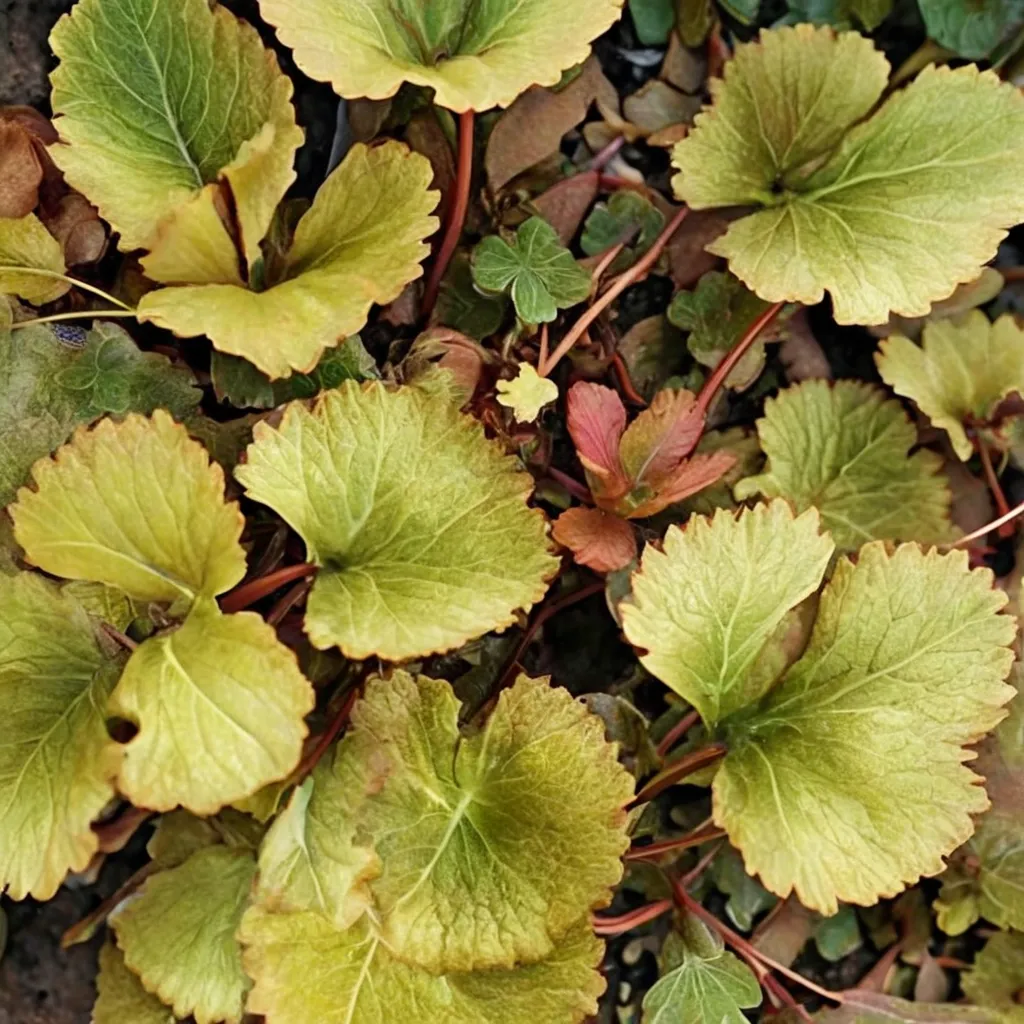
Saxifraga Harvest Moon
Saxifraga stolonifera 'Harvest Moon'
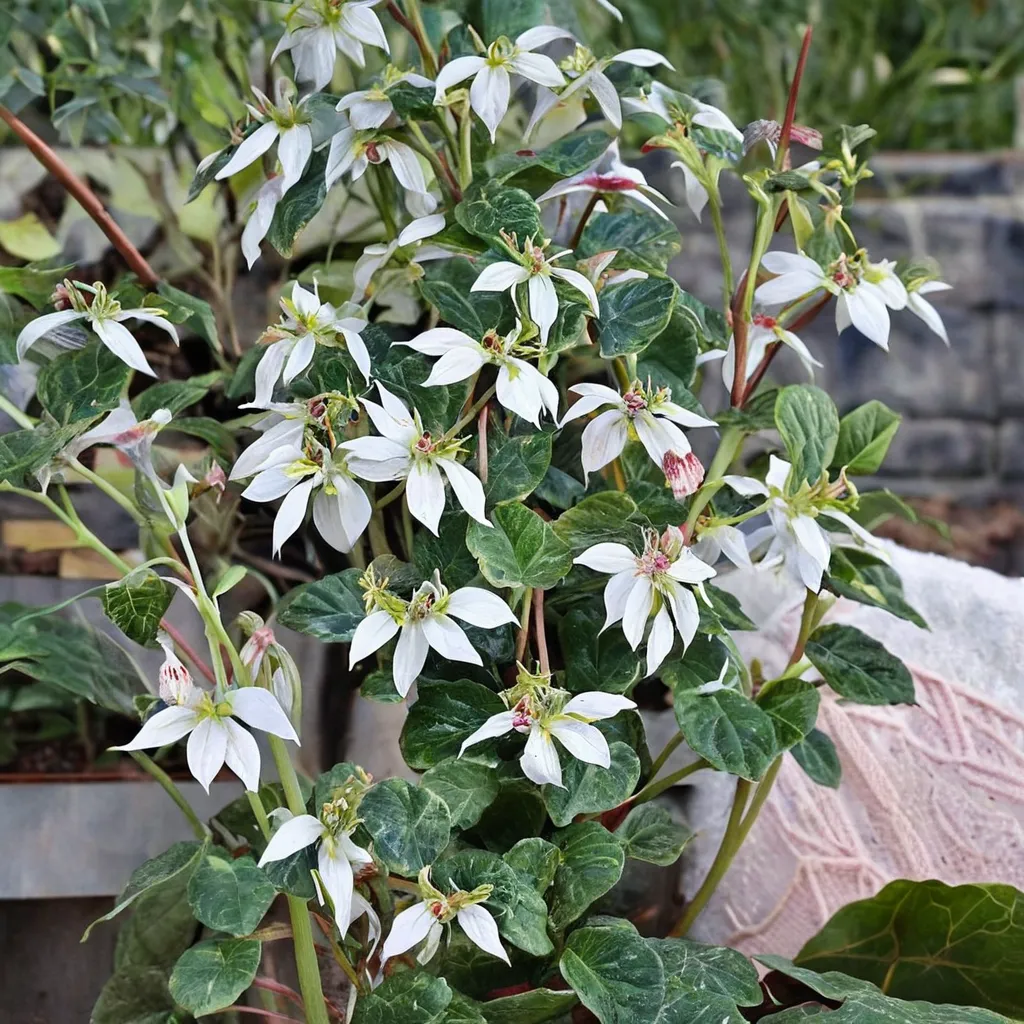
Fernleaf Saxifrage
Saxifraga stolonifera
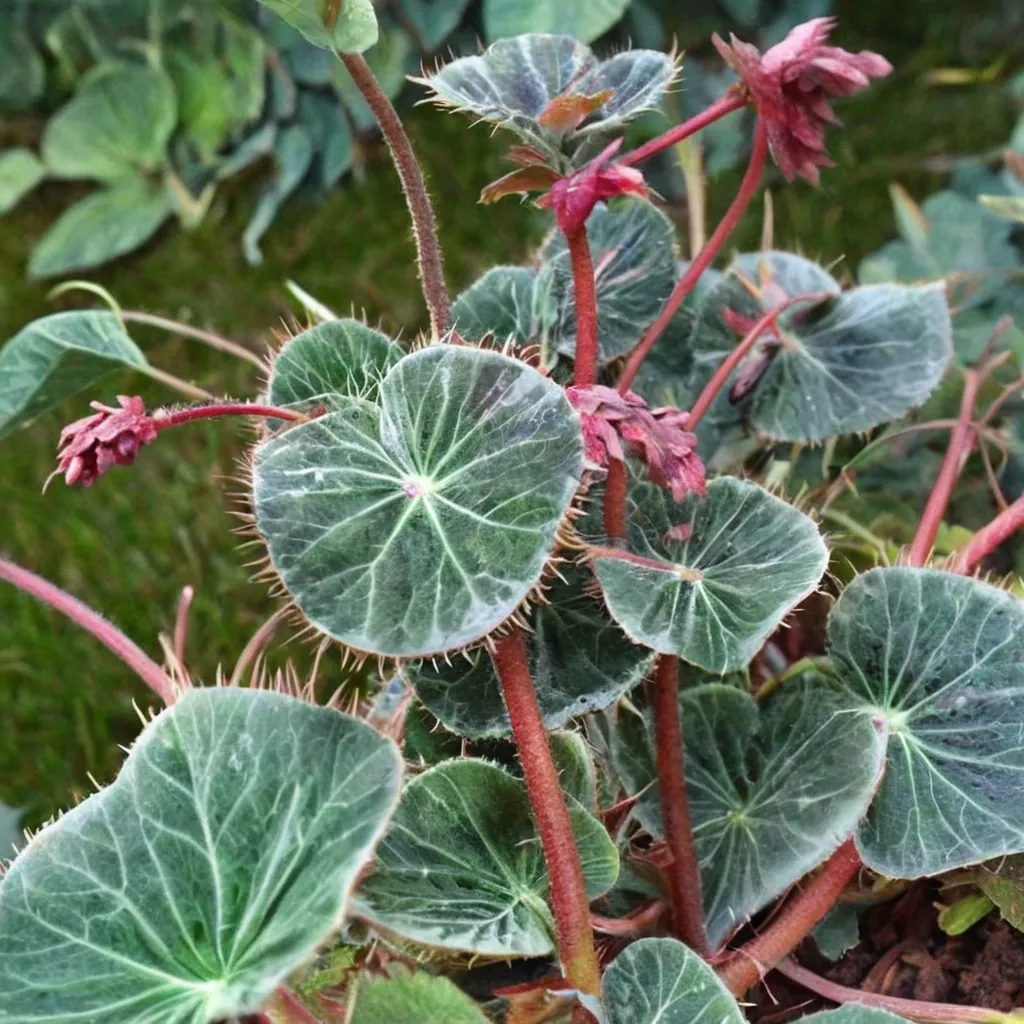
Kinki Purple Strawberry Begonia
Saxifraga stolonifera 'Kinki Purple'
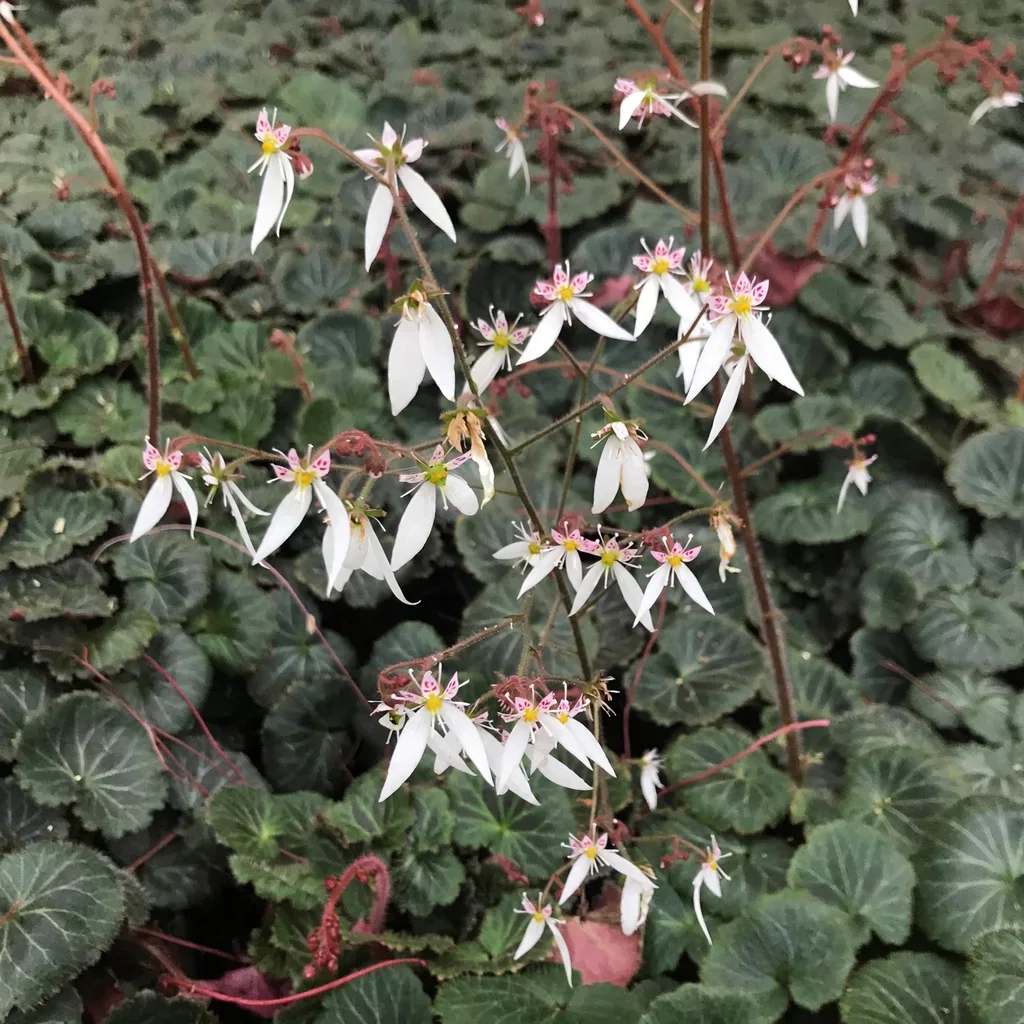
Strawberry Begonia
Saxifraga stolonifera 'Veitchiana'
Keep exploring
Explore the genus
Hardy in your zone?
Grow Purple mountain saxifrage with confidence
See it in a design of your actual yard, get zone-matched care reminders, and track it season by season in your garden journal.