The Story
Plant Bio
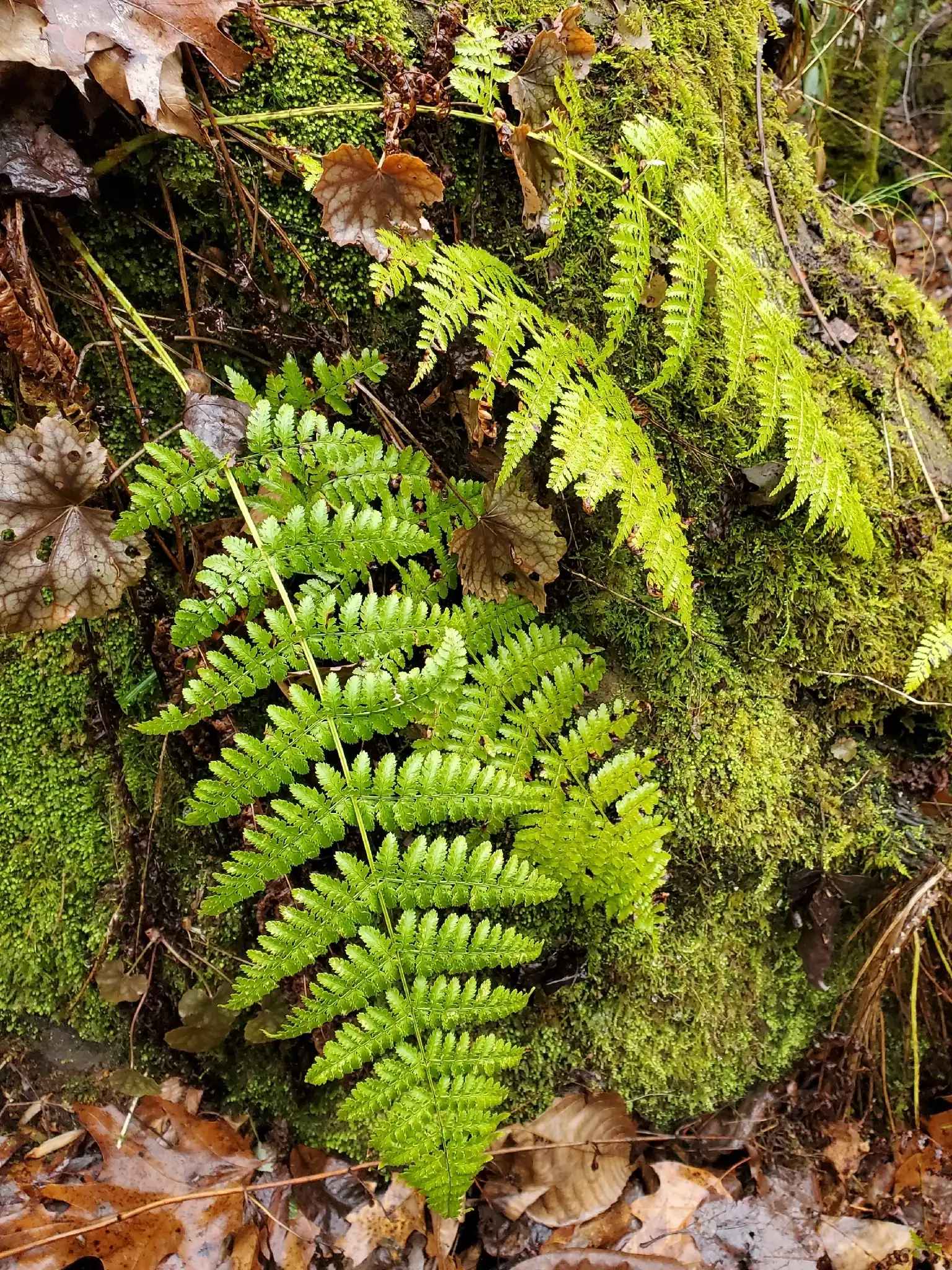
Dryopteris intermedia is an arching, clumping herbaceous fern that forms vase-shaped crowns between eighteen and thirty-six inches tall. Its finely dissected fronds remain rich green into winter in mild climates and unfurl fresh fiddleheads in mid-spring.
Microscopic, gland-tipped hairs on the frond undersides and spore covers produce a subtle resinous scent when crushed. It is distinguished from similar native wood ferns by its lowest sub-leaflets being shorter than those adjacent to them along the stem.
Uses & Benefits:
Essentials
At a Glance
Plant Type
Fern
Height
36"
Width
36"
Light
Partial Sun, Shade
Zones
4, 5, 6, 7, 8
Water
Medium to wet
Humidity
High
Lifespan
Perennial
Native To
Eastern North America
Toxicity
Non-toxic
Planting
How to Grow
- Select a planting site in partial to full shade with shelter from strong winds.
- Amend the planting area with leaf mold or compost to ensure high organic content and moisture retention.
- Set the crown level with the soil surface, ensuring it is not buried.
- Water thoroughly after planting and apply a two-inch layer of organic mulch around the crown.
Pro Tip
Wait until late winter or early spring to trim back tattered foliage, as leaving old fronds intact helps insulate the central growing crown against frost heave.
Keep It Thriving
Care Guide
Do
- Maintain consistent soil moisture throughout the warm summer months.
- Mulch annually with leaf mold or compost to mimic natural forest floor conditions.
- Cut spent or winter-damaged fronds back to the ground in late winter.
Don't
- Do not allow the root zone to dry out completely during summer heat.
- Do not bury the growing central crown during planting or mulching.
- Avoid planting in exposed locations subject to high afternoon sun or severe winds.
Seasonal Care Calendar
| Task | Jan | Feb | Mar | Apr | May | Jun | Jul | Aug | Sep | Oct | Nov | Dec |
|---|---|---|---|---|---|---|---|---|---|---|---|---|
| Divide | ||||||||||||
| Mulch | ||||||||||||
| Pest Check | ||||||||||||
| Spring Cleanup |
Watch Out For
Pests & Diseases
Common Pests
Common Diseases
In the Garden
Landscape Uses & Companions
Landscape Uses
Multiply
Propagation Methods
Good to Know
Common Questions
Intermediate Wood Fern questions
What zones can Intermediate Wood Fern grow in?
Intermediate Wood Fern is hardy in USDA Zones 4–8. Inside that range it survives winter in the ground; outside it, grow it as an annual or a container plant you protect.
Is Intermediate Wood Fern deer resistant?
Yes — Intermediate Wood Fern is rated deer-resistant. Deer typically pass it over, though extreme hunger can override any plant's defenses.
Does Intermediate Wood Fern need full sun?
Intermediate Wood Fern does best in part shade.
More Dryopteris to compare
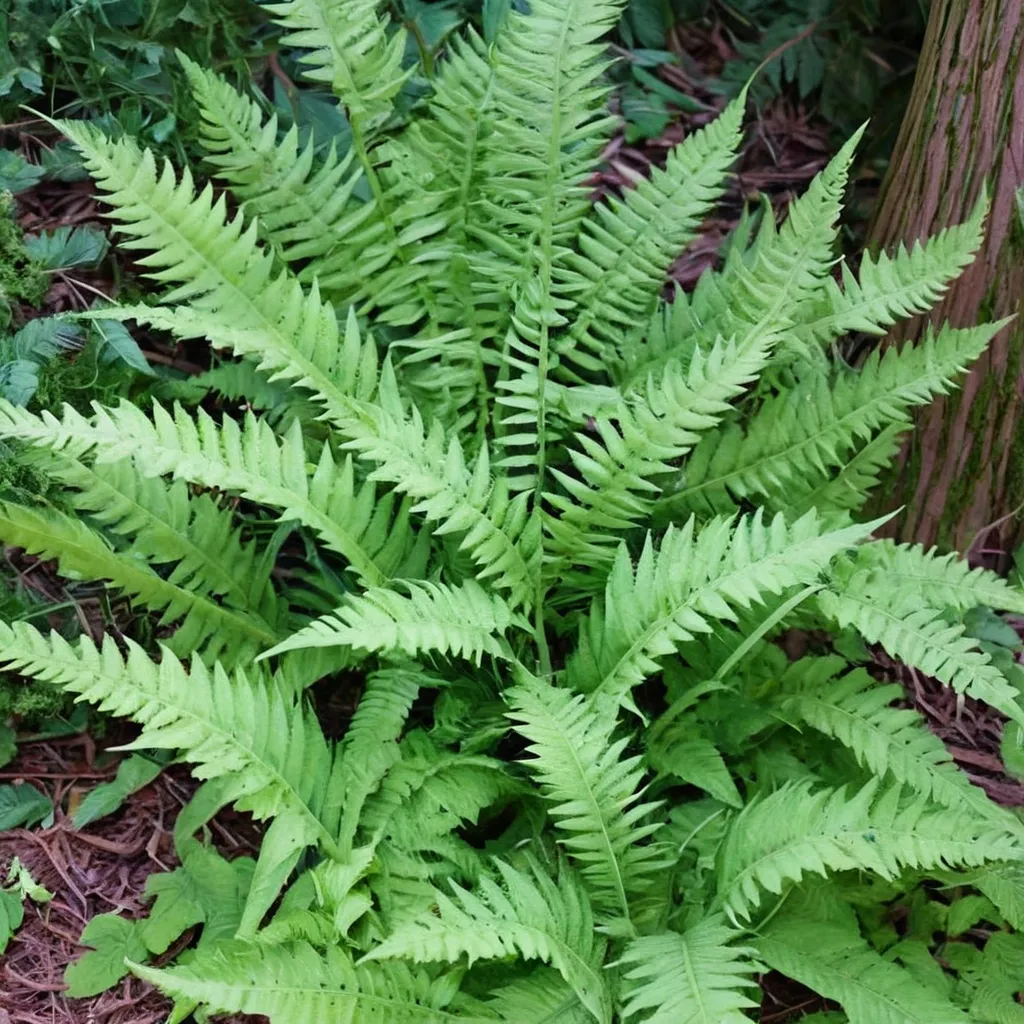
Log Fern
Dryopteris x separabilis
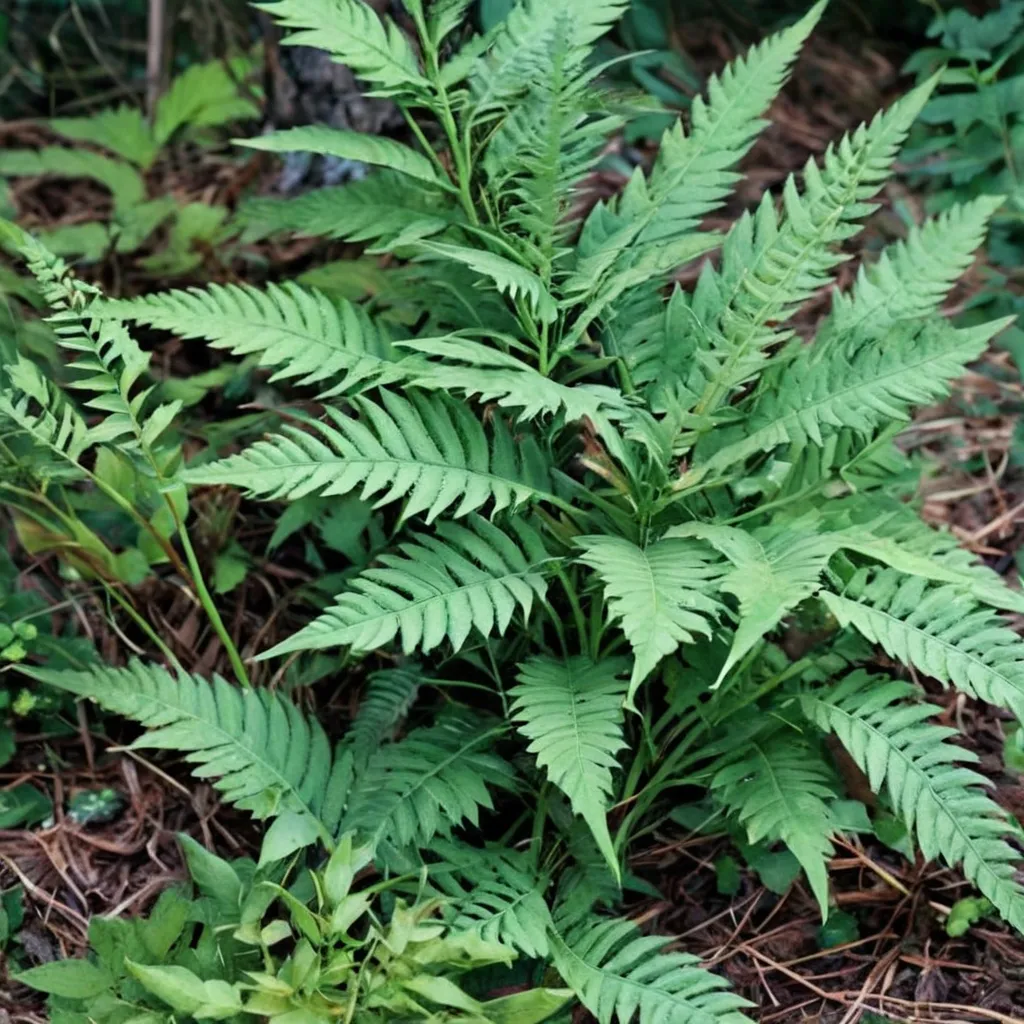
Shreveport Log Fern
Dryopteris x celsa 'Shreveport'
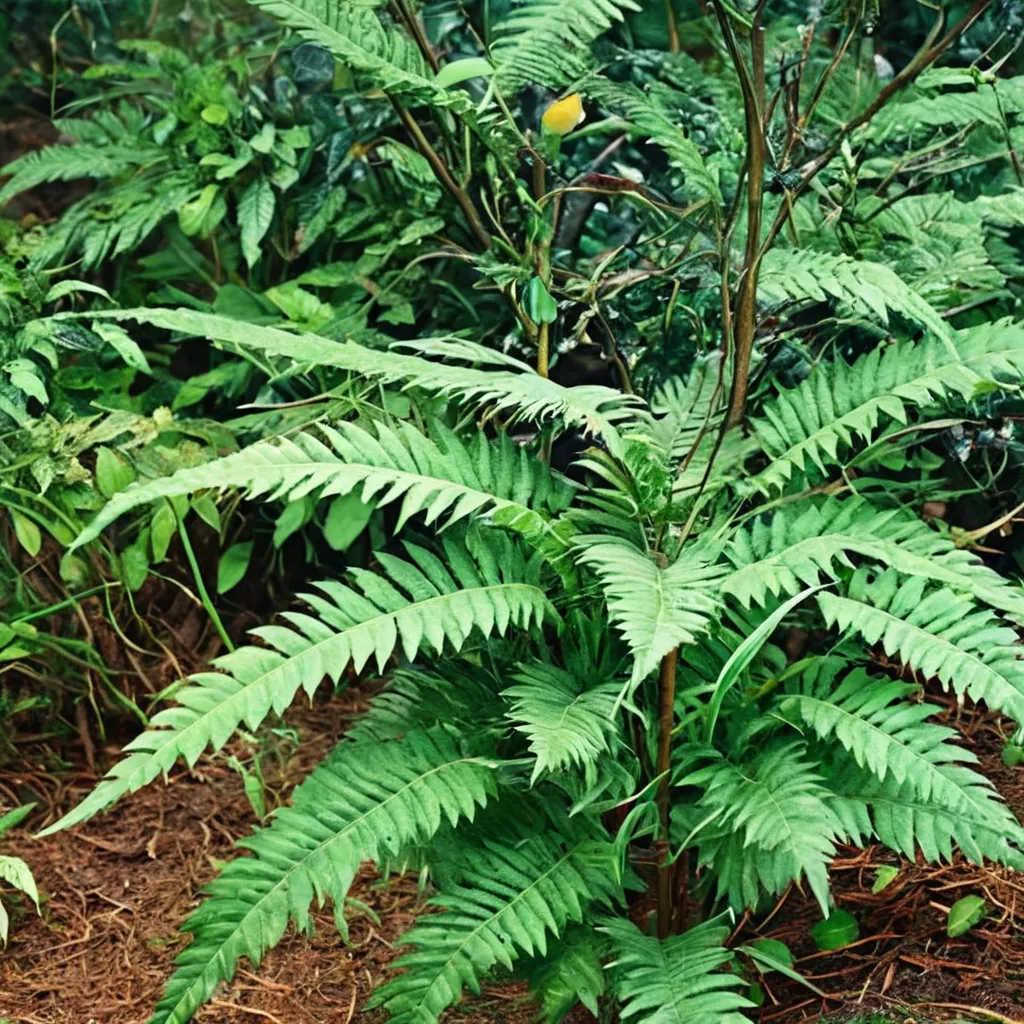
Wallich's Wood Fern
Dryopteris wallichiana 'Tucumanji'
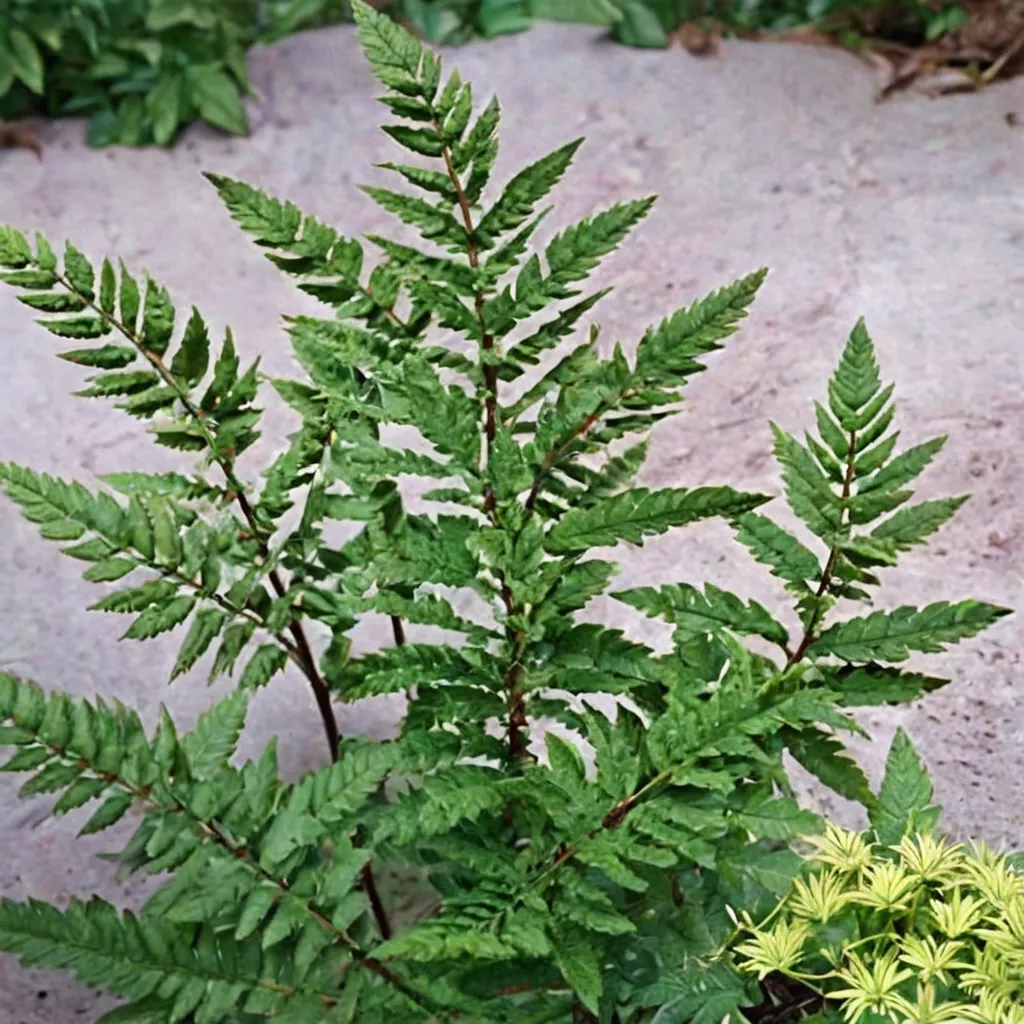
Broad Buckler-fern
Dryopteris dilatata 'Jimmy Dyce'
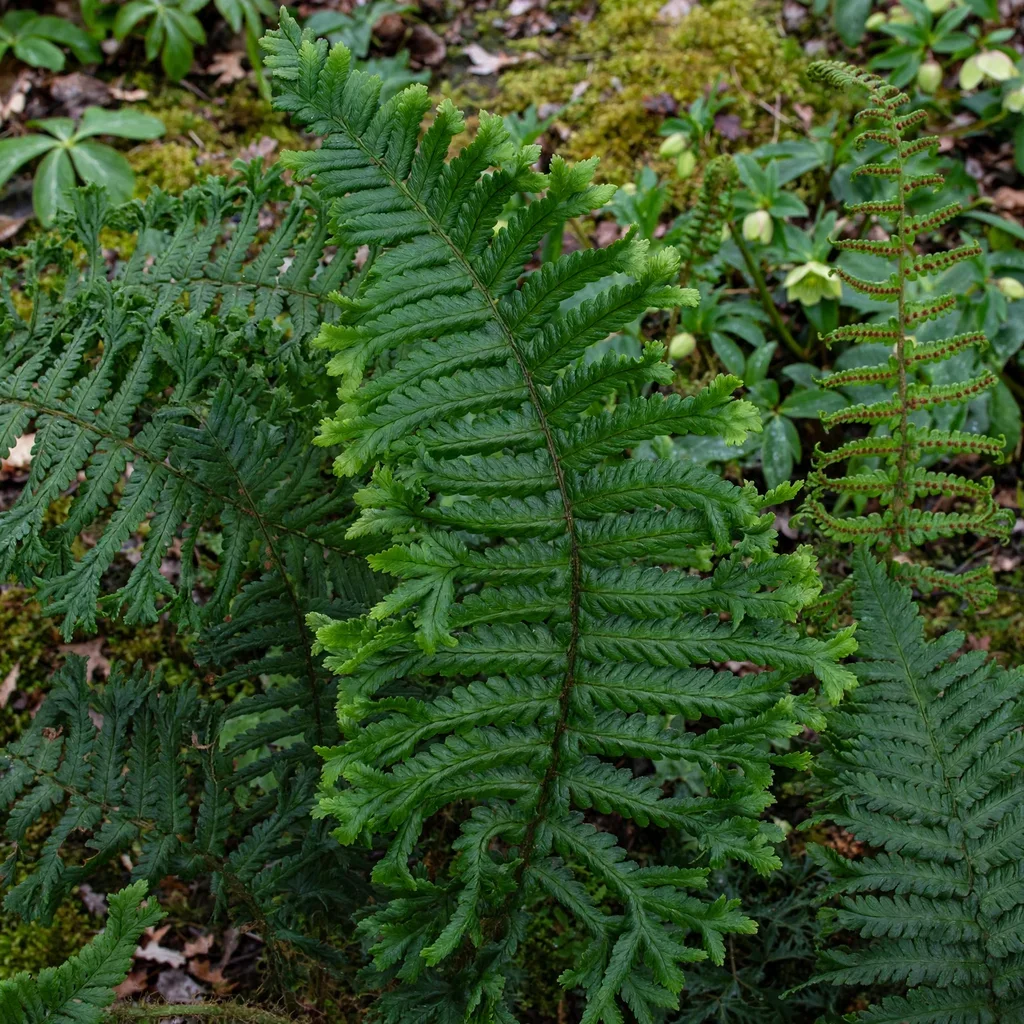
Western Wood Fern The King Fern
Dryopteris affinis 'The King'
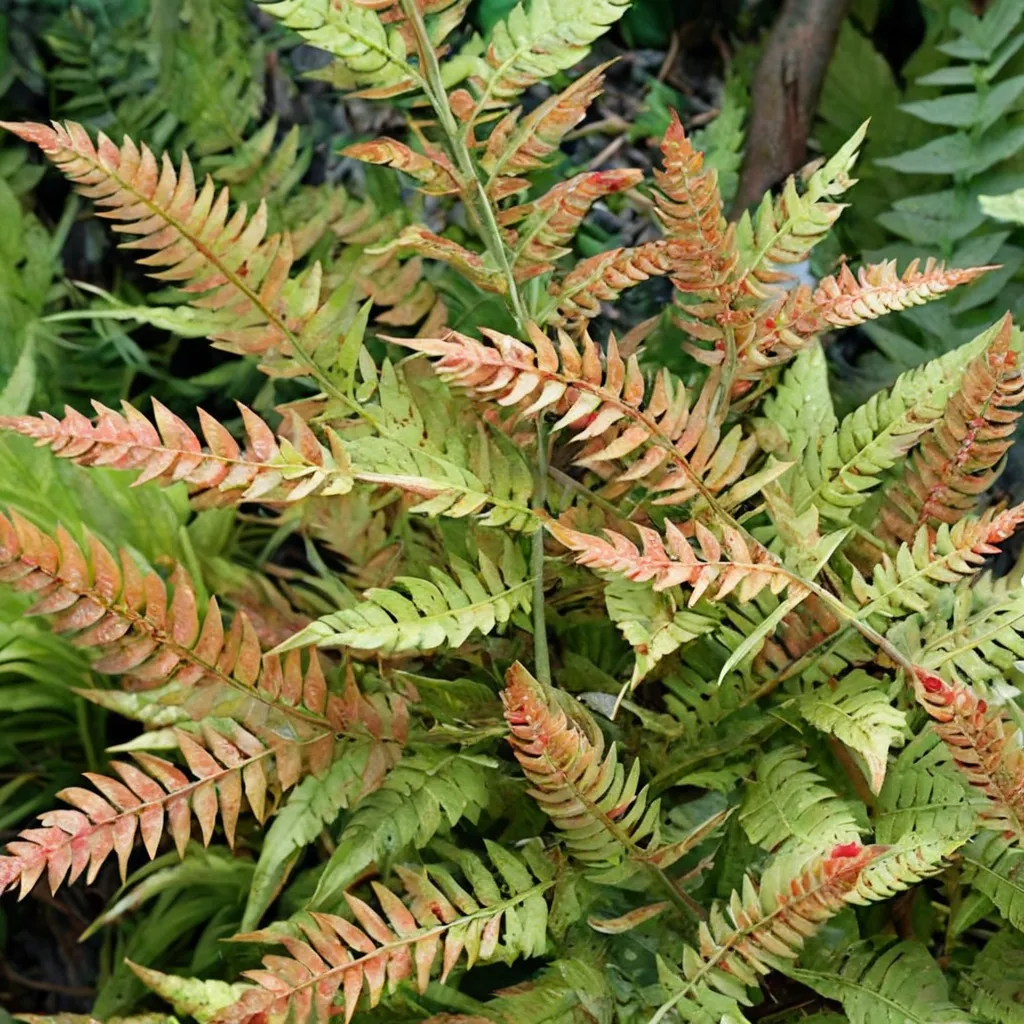
Autumn Fern
Dryopteris erythrosora
Keep exploring
Explore the genus
Hardy in your zone?
Grow Intermediate Wood Fern with confidence
See it in a design of your actual yard, get zone-matched care reminders, and track it season by season in your garden journal.