The Story
Plant Bio
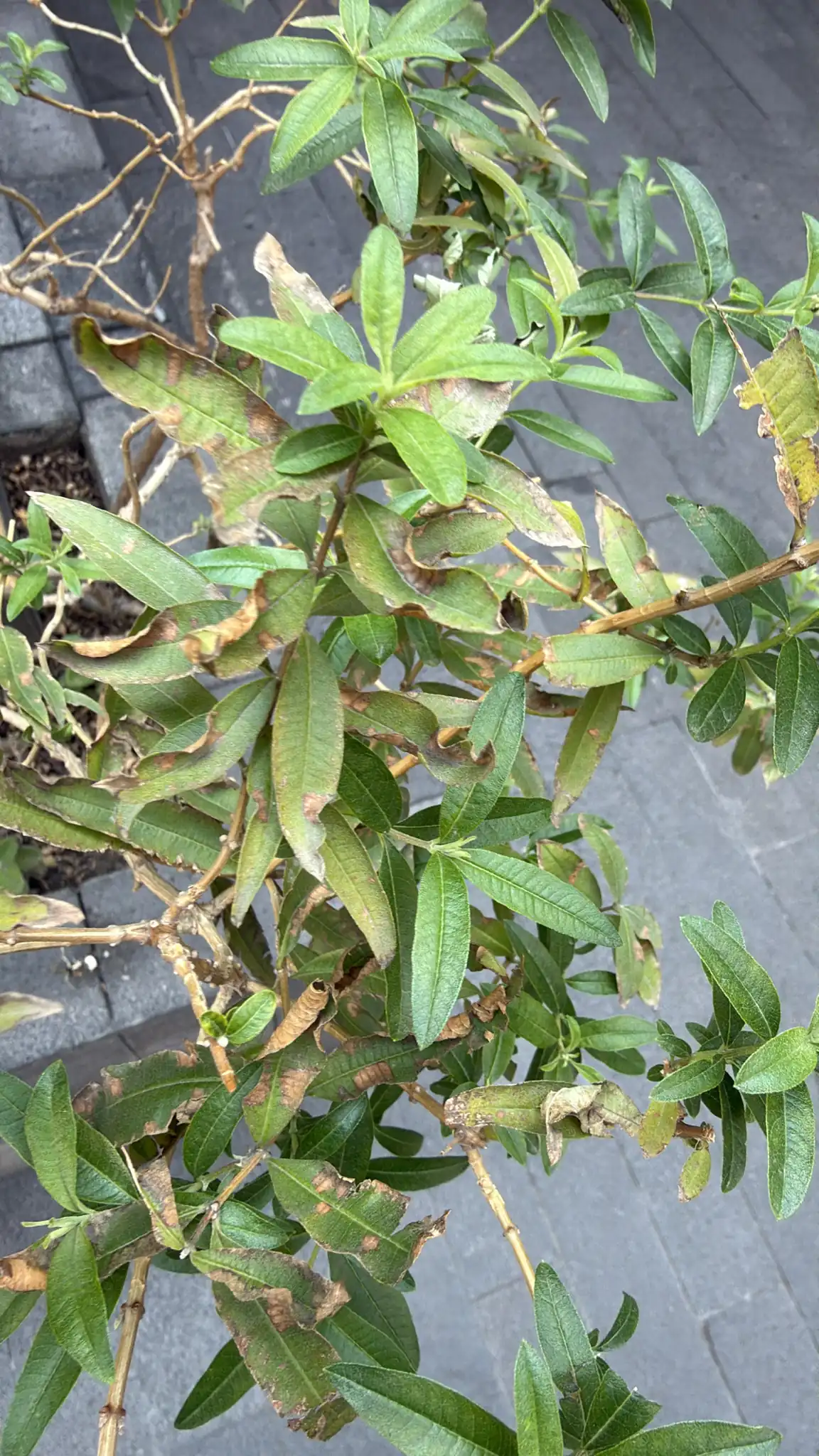
Aloysia citrodora, known as lemon verbena, is a deciduous woody shrub native to South America that reaches five to ten feet in height, featuring an upright, somewhat open and straggling growth habit. The pale green, lanceolate leaves are arranged in whorls of three or four and release a powerful, sweet citrus aroma when bruised or crushed.
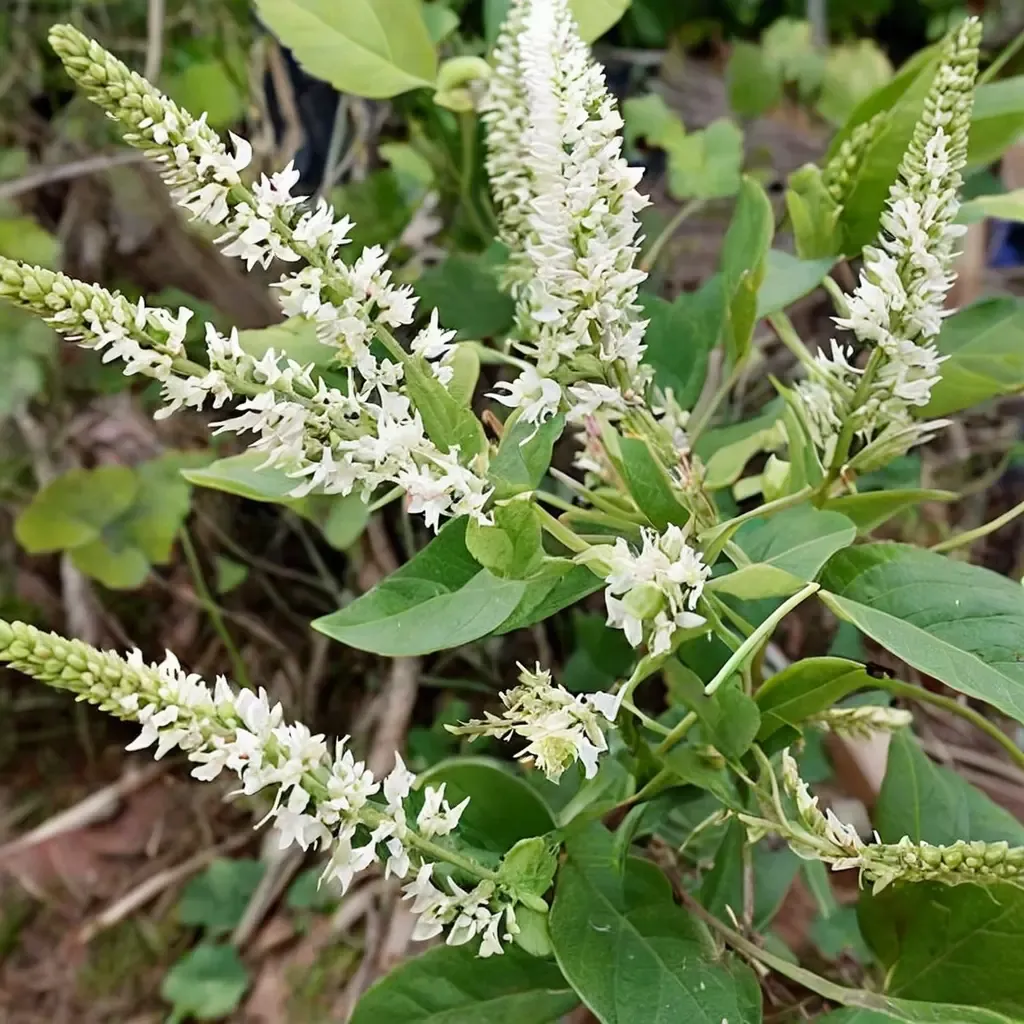
The species produces small, pale pink to white flowers in slender terminal panicles from midsummer through early fall. It is highly sensitive to frost, defoliating or dying back to the woody base when temperatures drop below 23°F.
Uses & Benefits:
Essentials
At a Glance
Plant Type
Shrub
Height
118"
Width
78"
Light
Full Sun
Zones
8, 9, 10
Water
Moderate
Humidity
Moderate
Lifespan
Perennial
Native To
South America
Toxicity
Non-Toxic
Bloom period
Summer – Fall
In flower about 6 months of the year
Planting
How to Grow
- Select a planting site in full sun with rich, sandy or loamy soil that drains rapidly.
- Water newly planted shrubs regularly to keep the soil evenly moist but never saturated or waterlogged.
- Apply a light application of balanced organic fertilizer in early spring to support new vegetative growth.
- Prune the entire plant back hard in early spring, cutting just above swelling buds to encourage a bushy habit.
Pro Tip
Allow the soil to dry slightly between waterings to prevent root rot, and prune the branches back aggressively each spring just as new buds swell to maintain a compact, bushy form.
Keep It Thriving
Care Guide
Do
- Grow in containers in regions colder than USDA Zone 8 to allow for indoor overwintering.
- Provide at least six to eight hours of direct sunlight daily to maximize essential oil production.
- Allow the top inch of soil to dry out between waterings once the root system is established.
Don't
- Do not plant in heavy clay or poorly drained soils where water tends to collect.
- Do not prune deeply into old, completely bare wood that lacks visible, swelling buds.
- Avoid heavy nitrogen fertilization, which stimulates weak growth and dilutes the foliage fragrance.
Seasonal Care Calendar
| Task | Jan | Feb | Mar | Apr | May | Jun | Jul | Aug | Sep | Oct | Nov | Dec |
|---|---|---|---|---|---|---|---|---|---|---|---|---|
| Fertilize | ||||||||||||
| Harvest | ||||||||||||
| Pest Check | ||||||||||||
| Prune | ||||||||||||
| Winter Prep |
Watch Out For
Pests & Diseases
Common Pests
Common Diseases
In the Garden
Landscape Uses & Companions
Landscape Uses
Multiply
Propagation Methods
Good to Know
Common Questions
Lemon Verbena questions
What zones can Lemon Verbena grow in?
Lemon Verbena is hardy in USDA Zones 8–10. Inside that range it survives winter in the ground; outside it, grow it as an annual or a container plant you protect.
Is Lemon Verbena deer resistant?
Not reliably. Deer may browse Lemon Verbena, especially tender spring growth — plan on repellents or fencing where pressure is high.
When does Lemon Verbena bloom?
Lemon Verbena typically blooms in summer through fall. Exact timing shifts a week or two with your zone — Sow's bloom calendar maps it to your garden.
Does Lemon Verbena need full sun?
Lemon Verbena does best in full sun (6+ hours).
Is Lemon Verbena drought tolerant?
Yes — once established (usually after the first full season), Lemon Verbena handles dry spells with minimal watering. Water deeply its first year to build the root system that makes that possible.
More Aloysia to compare
Keep exploring
Explore the genus
Hardy in your zone?
Grow Lemon Verbena with confidence
See it in a design of your actual yard, get zone-matched care reminders, and track it season by season in your garden journal.