The Story
Plant Bio
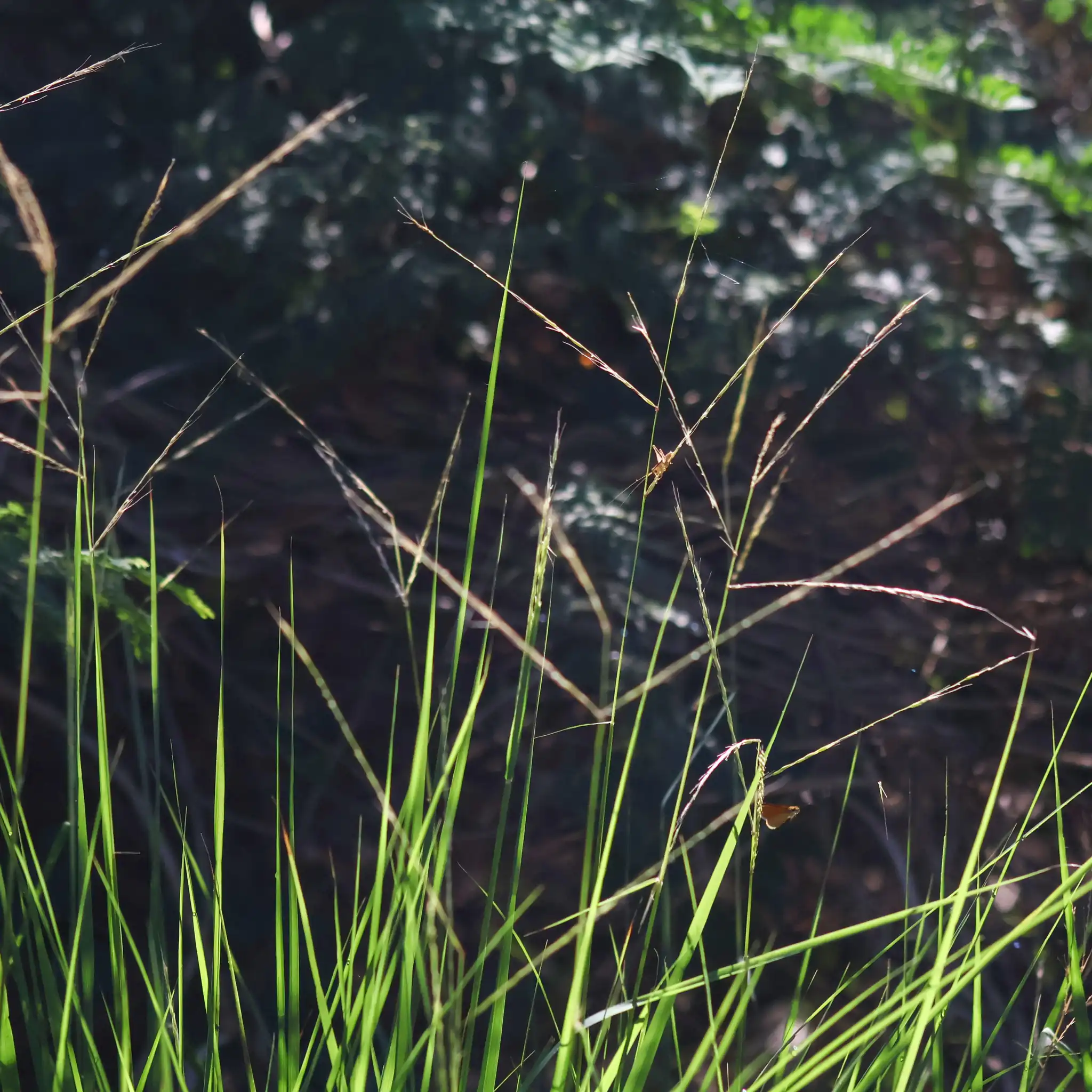
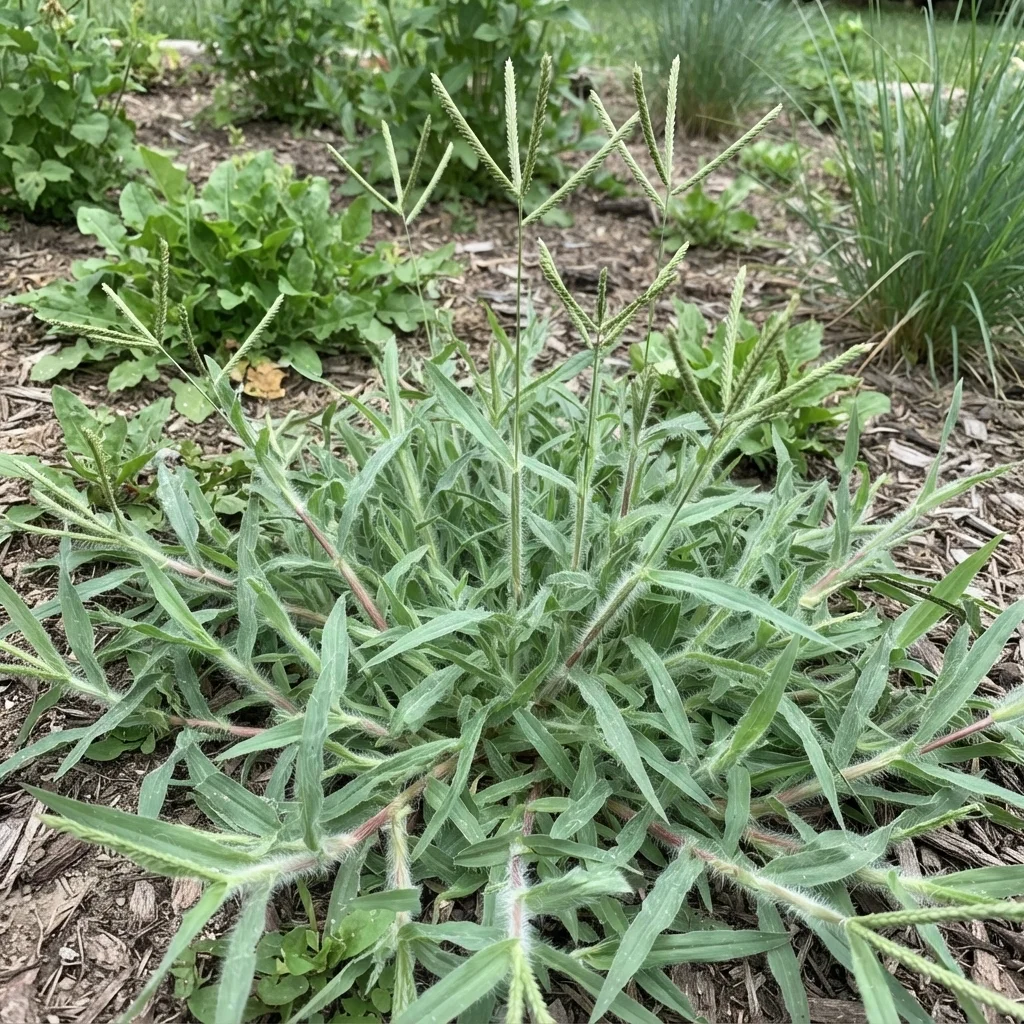
Digitaria ciliaris is a sprawling, warm-season annual grass that forms loose, scruffy mats by rooting at its lower stem nodes. The linear, green to purplish-green leaves are accompanied by terminal flowering spikes arranged like fingers on a common axis.
This species is distinguished by its highly adaptable nature, thriving in poor, disturbed soils across tropical and subtropical regions. Its hairy leaf sheaths and rapid summer growth distinguish it from other common lawn weeds.
Uses & Benefits:
Essentials
At a Glance
Plant Type
Grass
Height
39"
Width
39"
Light
Full Sun
Zones
7, 8, 9, 10
Water
Low to Medium
Humidity
High
Lifespan
Annual
Native To
Asia
Toxicity
Non-toxic
Bloom period
Summer – Fall
In flower about 6 months of the year
Planting
How to Grow
- Sow seeds directly into warm, moist soil in late spring once all danger of frost has passed.
- Provide a full sun position in almost any soil type, from heavy clay to poor sand.
- Water lightly to establish seedlings, after which the plant survives on natural rainfall.
- Monitor the area in late summer to prevent seed heads from maturing and spreading.
Pro Tip
Hand-pull plants early in the spring before the lower nodes root into the soil, as mature stems fragment easily and regenerate from any left-behind node.
Keep It Thriving
Care Guide
Do
- Hand-pull young plants before they establish extensive nodal roots.
- Mow or cut back early if managing as a forage crop to prevent seed dispersal.
Don't
- Do not apply nitrogen fertilizers, which trigger aggressive vegetative sprawl.
- Do not leave pulled stem fragments on damp soil, as they will quickly re-root.
Seasonal Care Calendar
| Task | Jan | Feb | Mar | Apr | May | Jun | Jul | Aug | Sep | Oct | Nov | Dec |
|---|---|---|---|---|---|---|---|---|---|---|---|---|
| Pest Check | ||||||||||||
| Plant | ||||||||||||
| Propagate | ||||||||||||
| Prune |
Watch Out For
Pests & Diseases
Common Pests
Common Diseases
In the Garden
Landscape Uses & Companions
Landscape Uses
Multiply
Propagation Methods
Good to Know
Common Questions
Southern Crabgrass questions
What zones can Southern Crabgrass grow in?
Southern Crabgrass is hardy in USDA Zones 7–10. Inside that range it survives winter in the ground; outside it, grow it as an annual or a container plant you protect.
When does Southern Crabgrass bloom?
Southern Crabgrass typically blooms in summer through fall. Exact timing shifts a week or two with your zone — Sow's bloom calendar maps it to your garden.
Does Southern Crabgrass need full sun?
Southern Crabgrass does best in full sun (6+ hours).
Is Southern Crabgrass drought tolerant?
Yes — once established (usually after the first full season), Southern Crabgrass handles dry spells with minimal watering. Water deeply its first year to build the root system that makes that possible.
More Digitaria to compare
Keep exploring
Explore the genus
Hardy in your zone?
Grow Southern Crabgrass with confidence
See it in a design of your actual yard, get zone-matched care reminders, and track it season by season in your garden journal.