
The Story
Plant Bio
Persicaria affinis is a mat-forming, semi-evergreen perennial native to alpine slopes, glacial moraines, and wet meadows in the Himalayas. It spreads via creeping stems to form a dense groundcover of narrow, glossy green leaves that turn bronze-red in winter.
'Superba' is distinguished by its upright, cylindrical flower spikes that open pale pink and mature to deep crimson-red. This cultivar provides a multi-toned display from midsummer through fall as new and aging blooms mingle above the foliage.
Uses & Benefits:
Essentials
At a Glance
Plant Type
Perennial
Height
12"
Width
24"
Light
Full Sun, Partial Sun
Zones
5, 6, 7, 8
Water
Moderate
Humidity
Moderate
Lifespan
Perennial
Native To
Himalayas
Toxicity
Non-toxic
Bloom period
Summer – Autumn
In flower about 6 months of the year
Planting
How to Grow
- Plant in a location with full sun to partial shade in moist, humus-rich soil.
- Water regularly to keep the soil consistently moist, especially during dry summer spells.
- Apply a balanced, slow-release organic fertilizer or a layer of compost mulch in early spring.
- Cut back spent flower spikes and winter-damaged foliage hard in late winter before new growth starts.
Pro Tip
Avoid pruning deeply into old, bare, leafless woody stem material that lacks active nodes, as these stems will fail to regenerate.
Keep It Thriving
Care Guide
Do
- Keep soil consistently moist to prevent the creeping mats from drying out.
- Ensure adequate air circulation around the foliage to prevent powdery mildew.
- Divide the creeping root mats in spring or fall to propagate or control spread.
Don't
- Do not over-fertilize with high-nitrogen feeds, which leads to weak and floppy growth.
- Do not plant in dry, hot spots without supplemental irrigation.
- Do not overwater in winter shade to avoid inviting root rot.
Seasonal Care Calendar
| Task | Jan | Feb | Mar | Apr | May | Jun | Jul | Aug | Sep | Oct | Nov | Dec |
|---|---|---|---|---|---|---|---|---|---|---|---|---|
| Divide | ||||||||||||
| Fertilize | ||||||||||||
| Pest Check | ||||||||||||
| Spring Cleanup |
Watch Out For
Pests & Diseases
Common Pests
Common Diseases
In the Garden
Landscape Uses & Companions
Landscape Uses
Companion Plants
Multiply
Propagation Methods
Good to Know
Common Questions
Himalayan Bistort questions
What zones can Himalayan Bistort grow in?
Himalayan Bistort is hardy in USDA Zones 5–8. Inside that range it survives winter in the ground; outside it, grow it as an annual or a container plant you protect.
Is Himalayan Bistort deer resistant?
Not reliably. Deer may browse Himalayan Bistort, especially tender spring growth — plan on repellents or fencing where pressure is high.
When does Himalayan Bistort bloom?
Himalayan Bistort typically blooms in summer through autumn. Exact timing shifts a week or two with your zone — Sow's bloom calendar maps it to your garden.
Does Himalayan Bistort need full sun?
Himalayan Bistort does best in full sun to part shade. In hot climates, afternoon shade keeps blooms fresher longer.
More Persicaria to compare
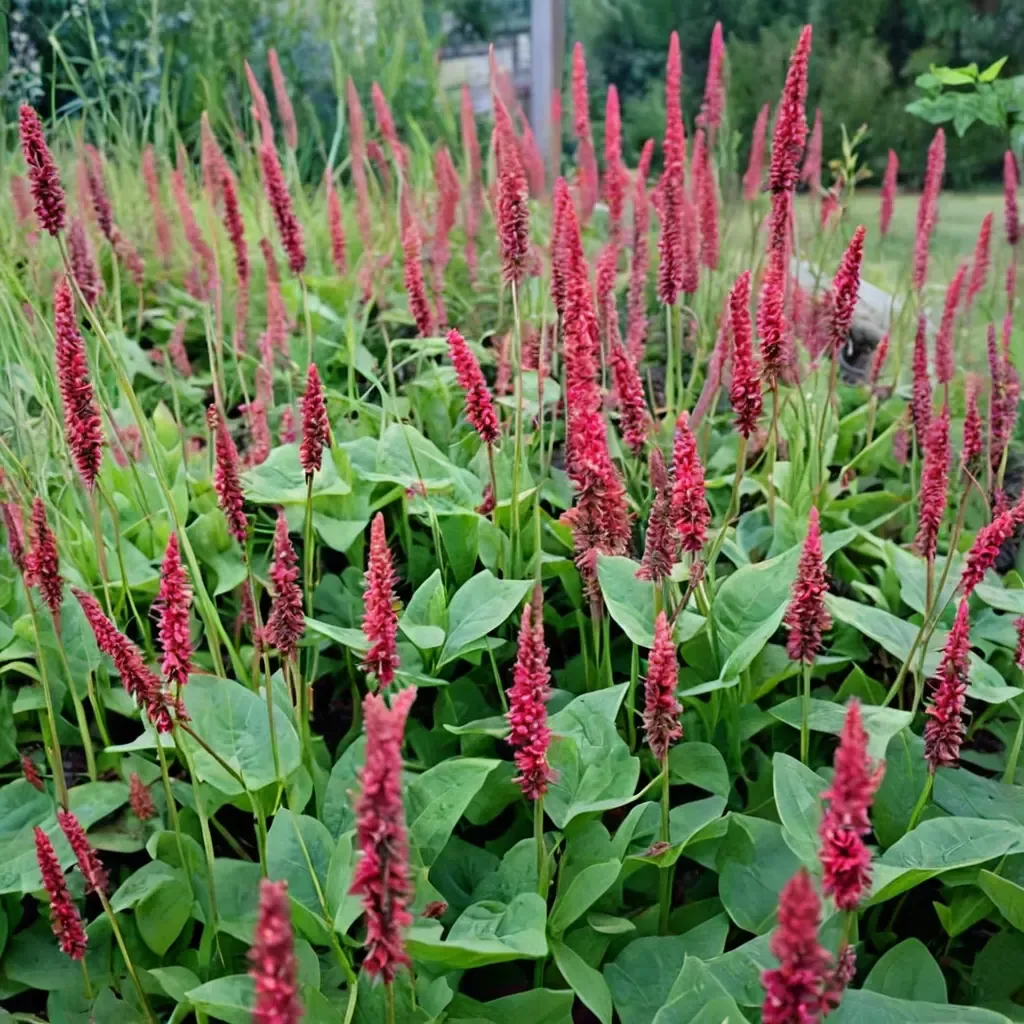
Mountain Fleece Chinese Fleeceflower
Persicaria amplexicaulis
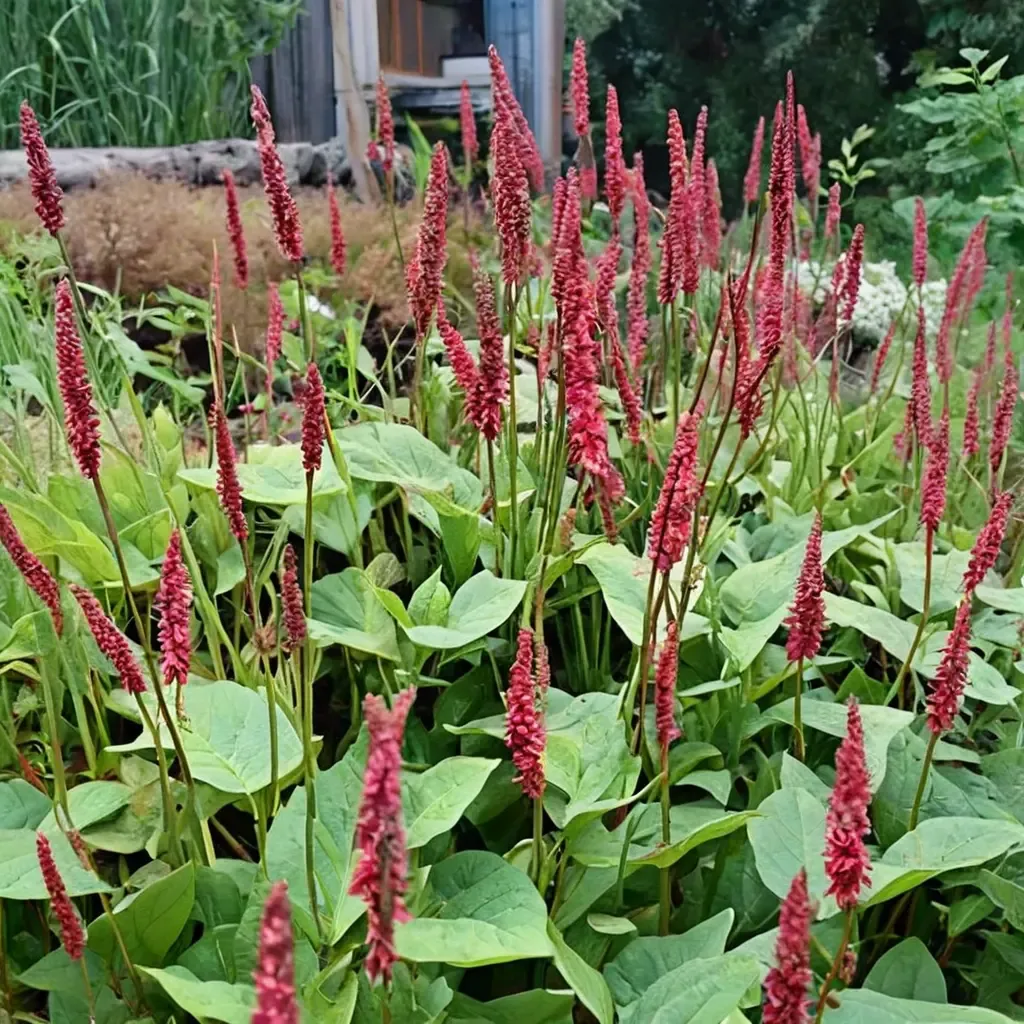
Mountain Fleece 'Firetail'
Persicaria amplexicaulis 'Firetail'
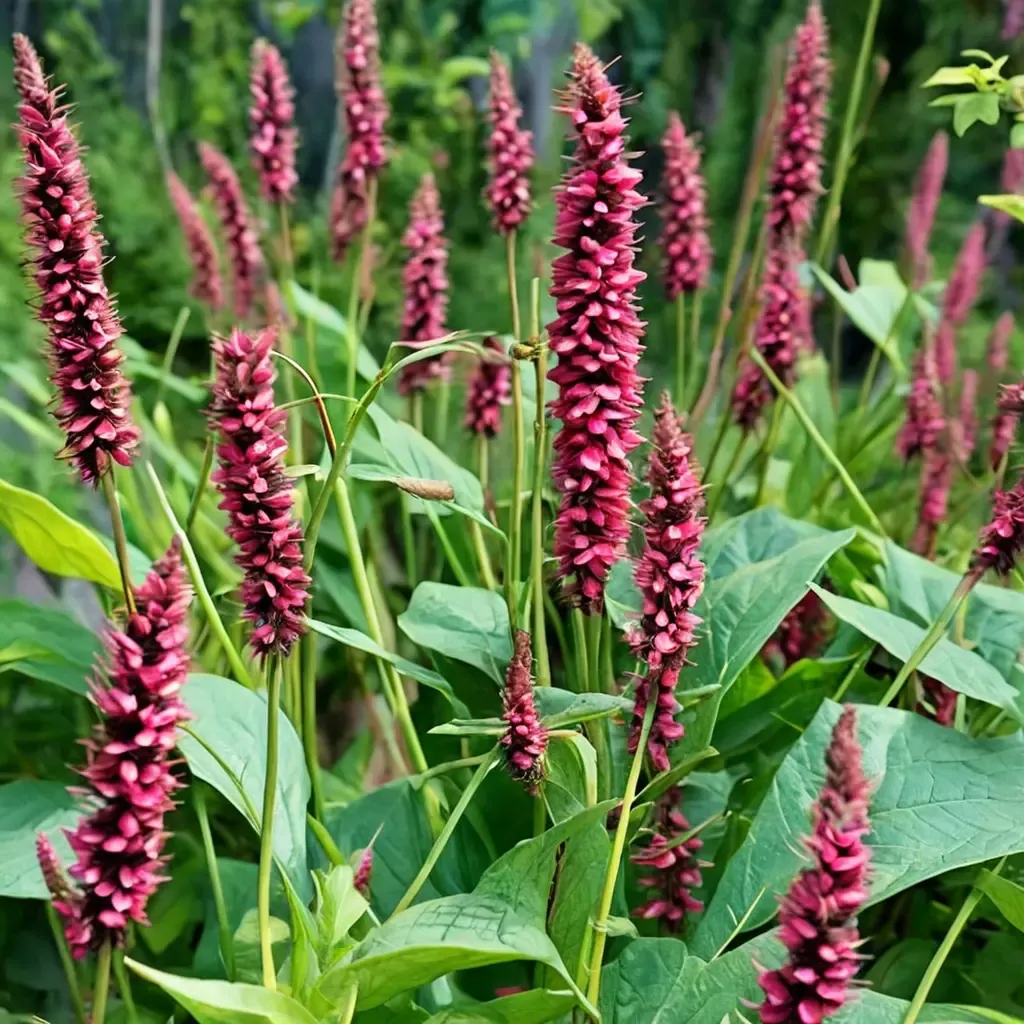
Taurus Mountain Fleece
Persicaria amplexicaulis 'Taurus'
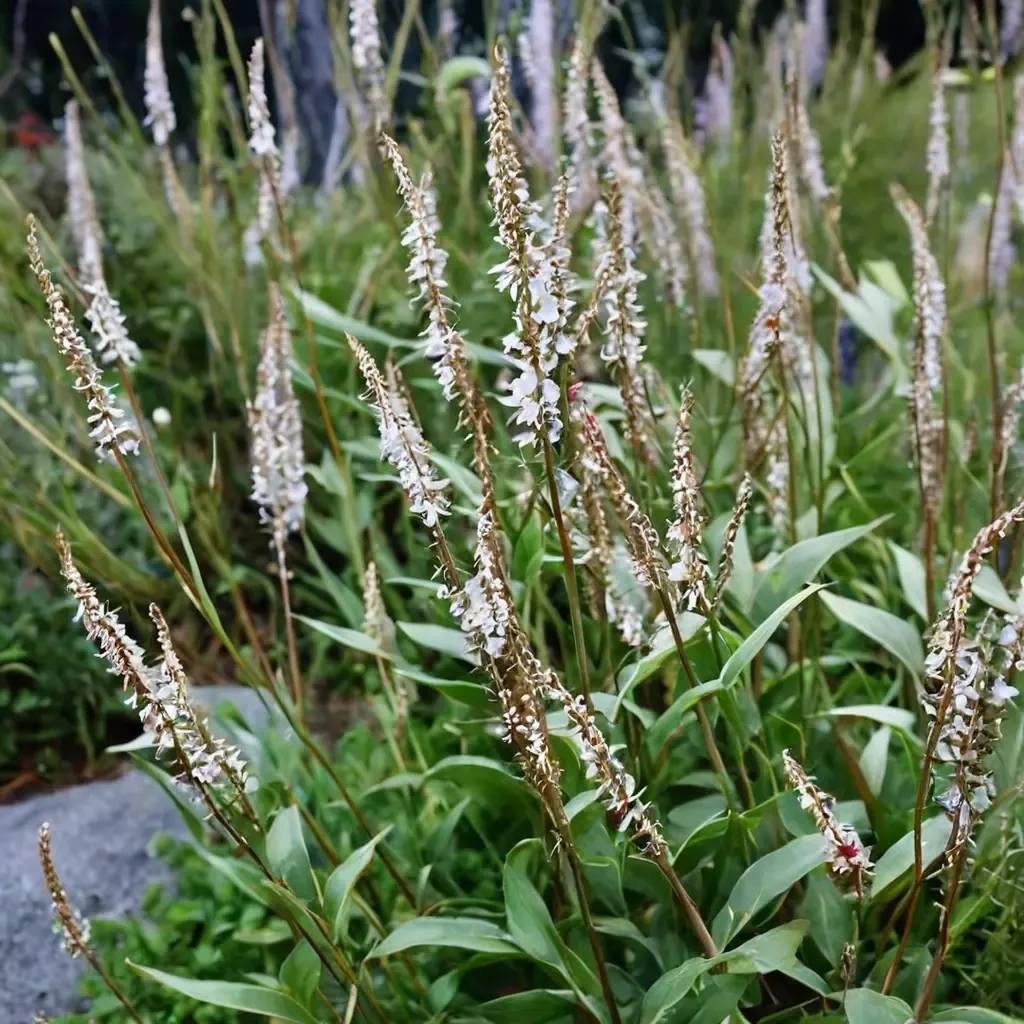
White Mountain Knotweed
Persicaria amplexicaulis 'Alba'
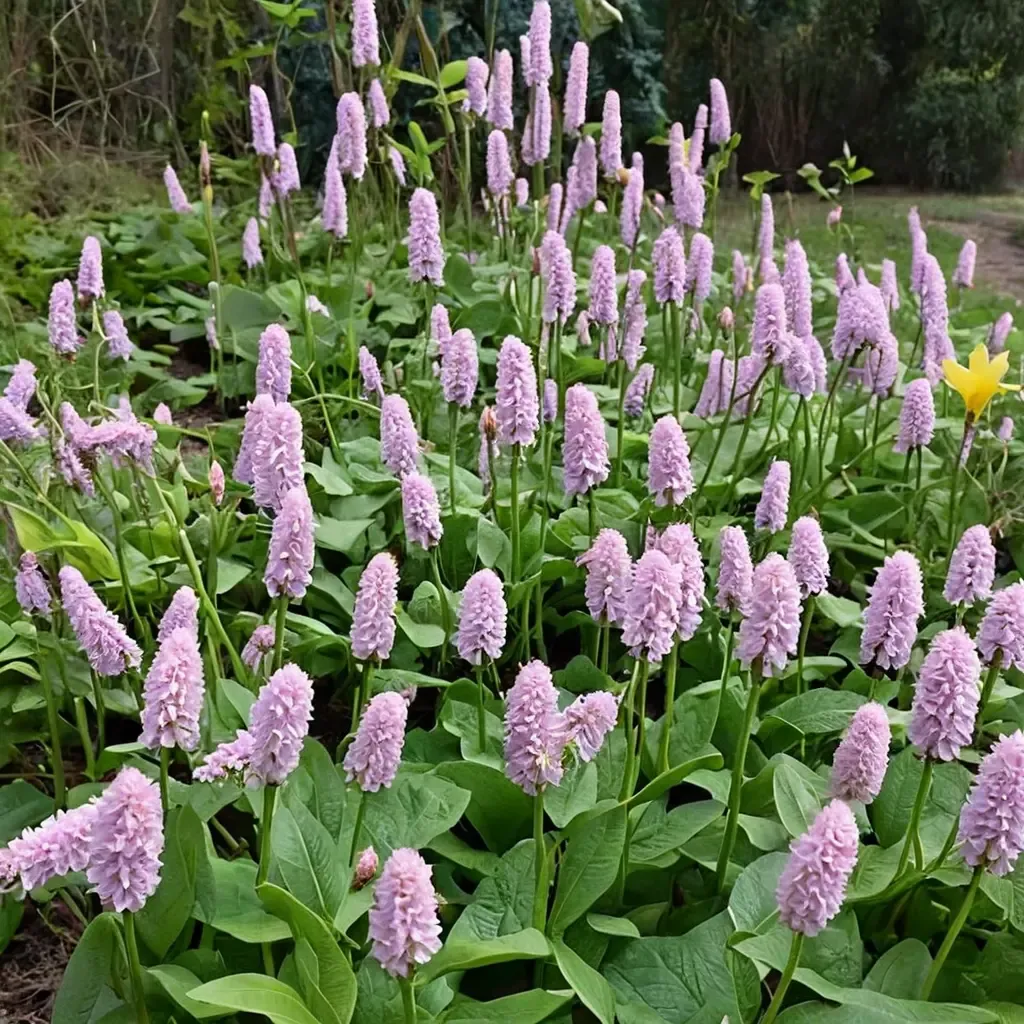
Superba bistort
Persicaria bistorta 'Superba'
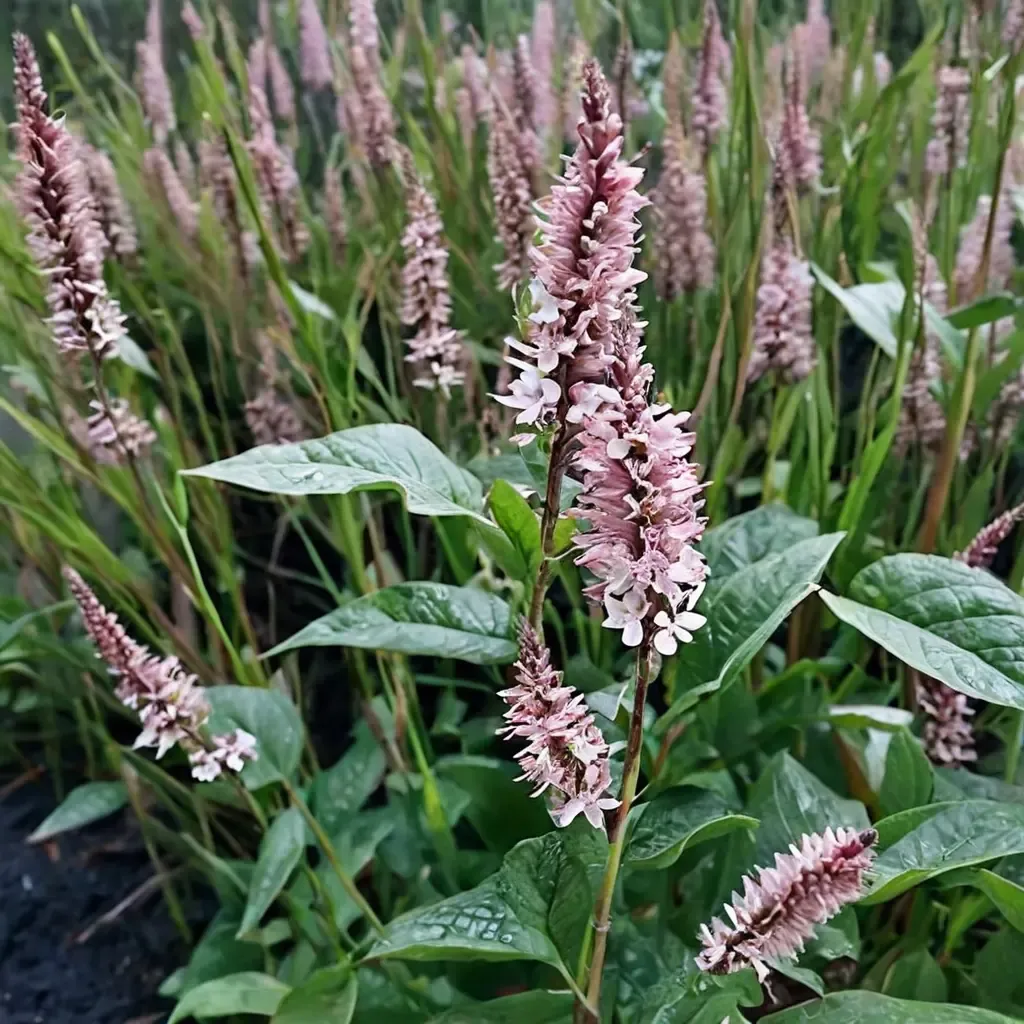
Rosea Mountain Fleece
Persicaria amplexicaulis 'Rosea'
Keep exploring
Explore the genus
Hardy in your zone?
Grow Himalayan Bistort with confidence
See it in a design of your actual yard, get zone-matched care reminders, and track it season by season in your garden journal.