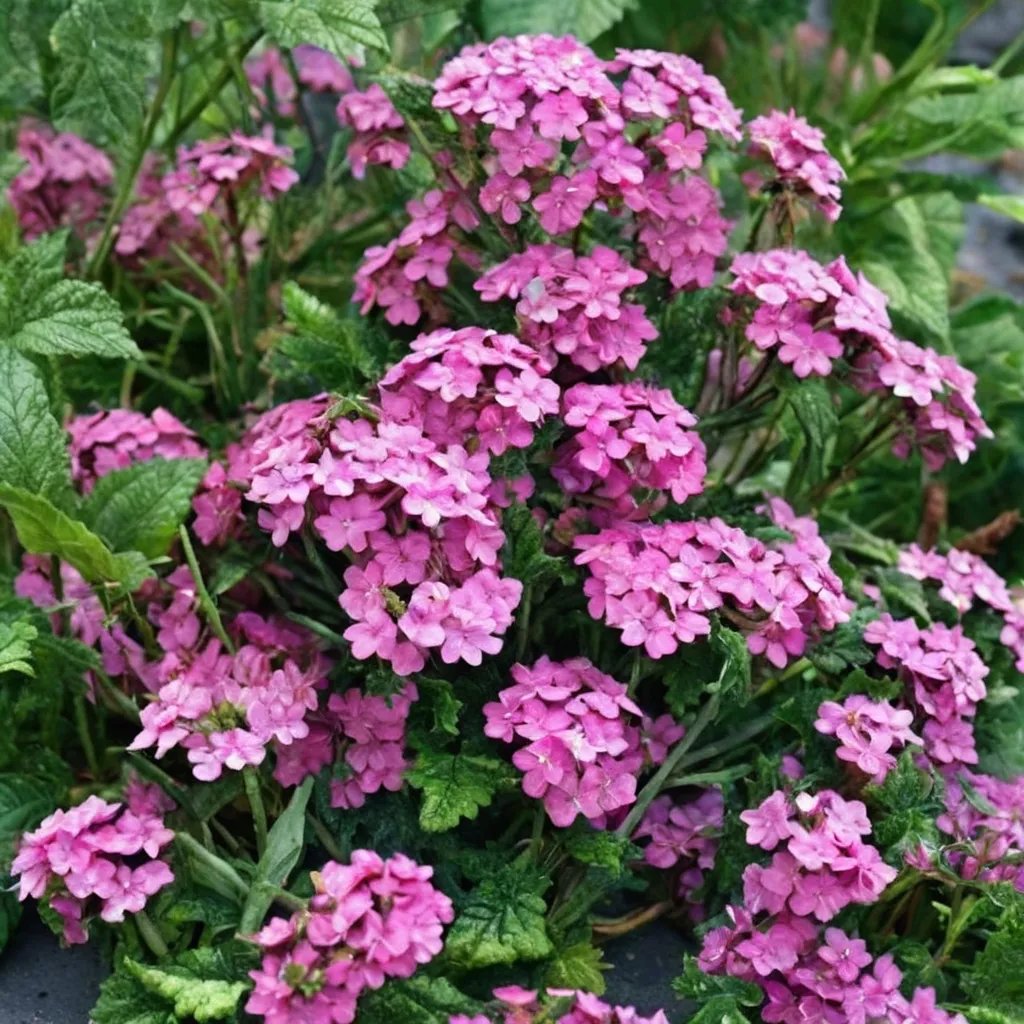
Garden hybrid
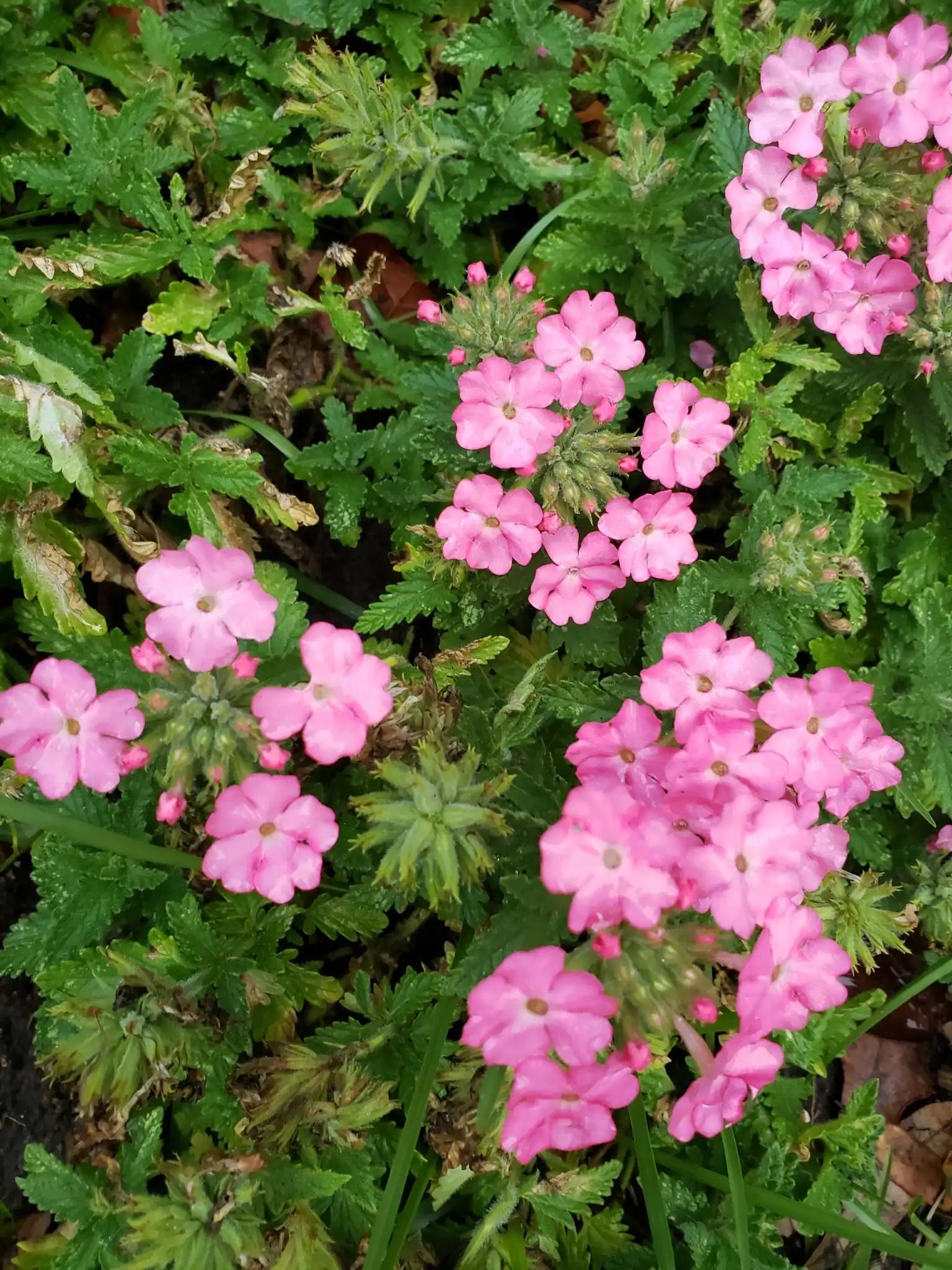 Verbena x hybridaGarden Verbena
26 other cultivars
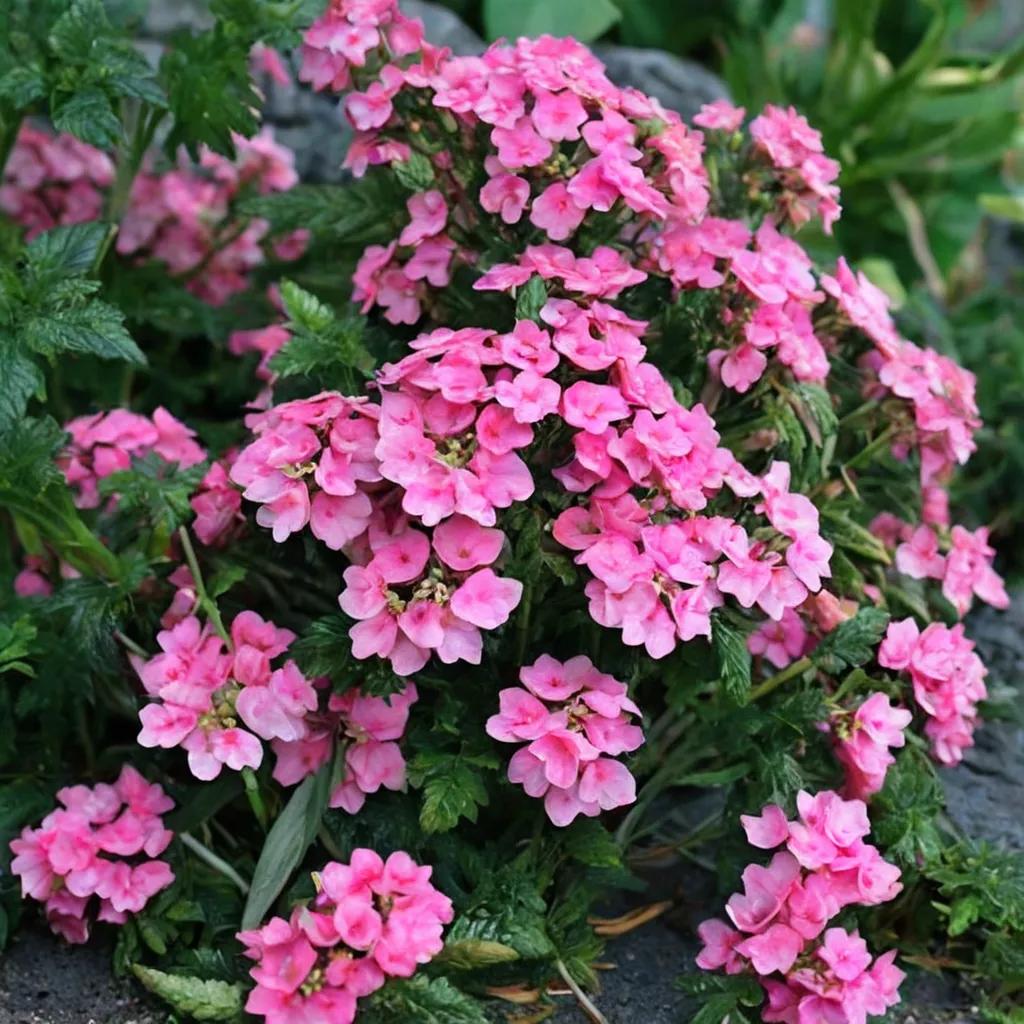 ‘Pink Sunrise’Pink Sunrise Verbena
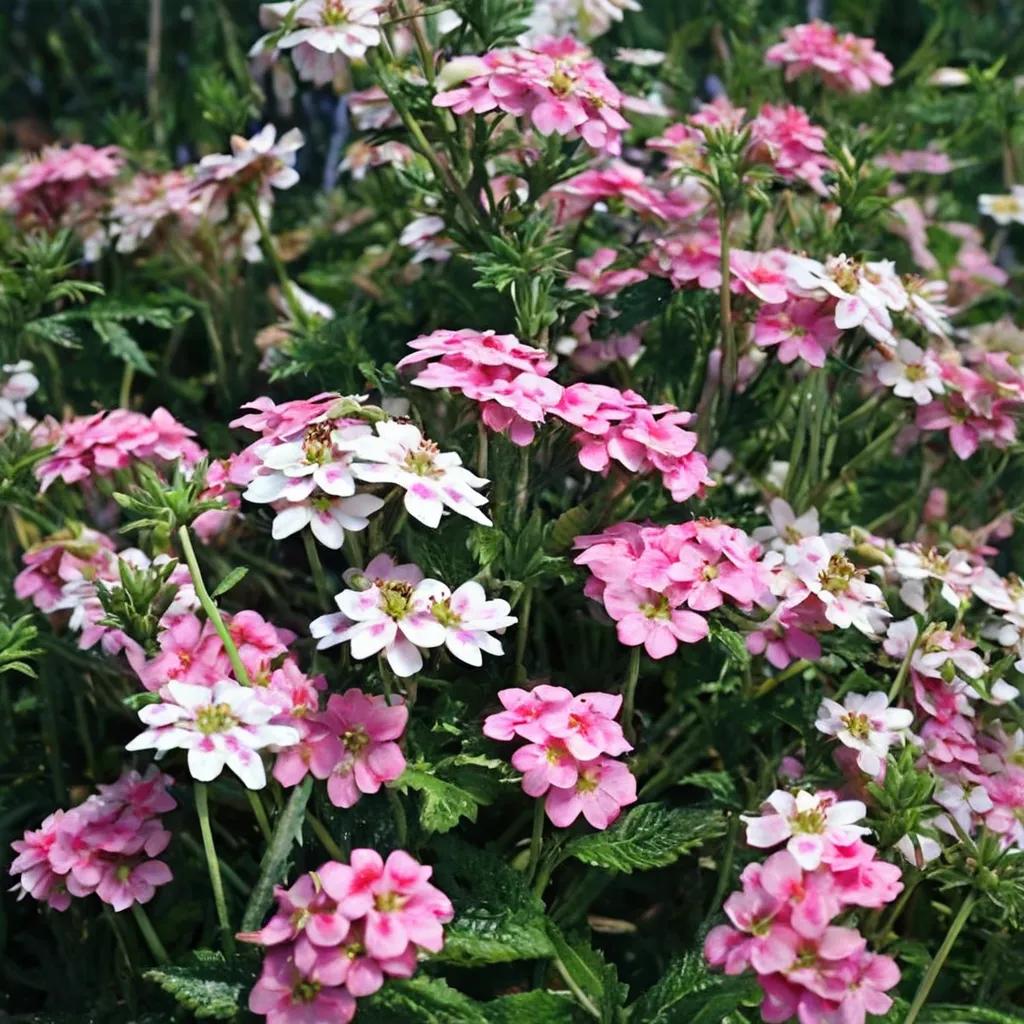 ‘Apple Blossom’Apple Blossom Verbena
 ‘Tex Tuf Red’Verbena Tex Tuf Red
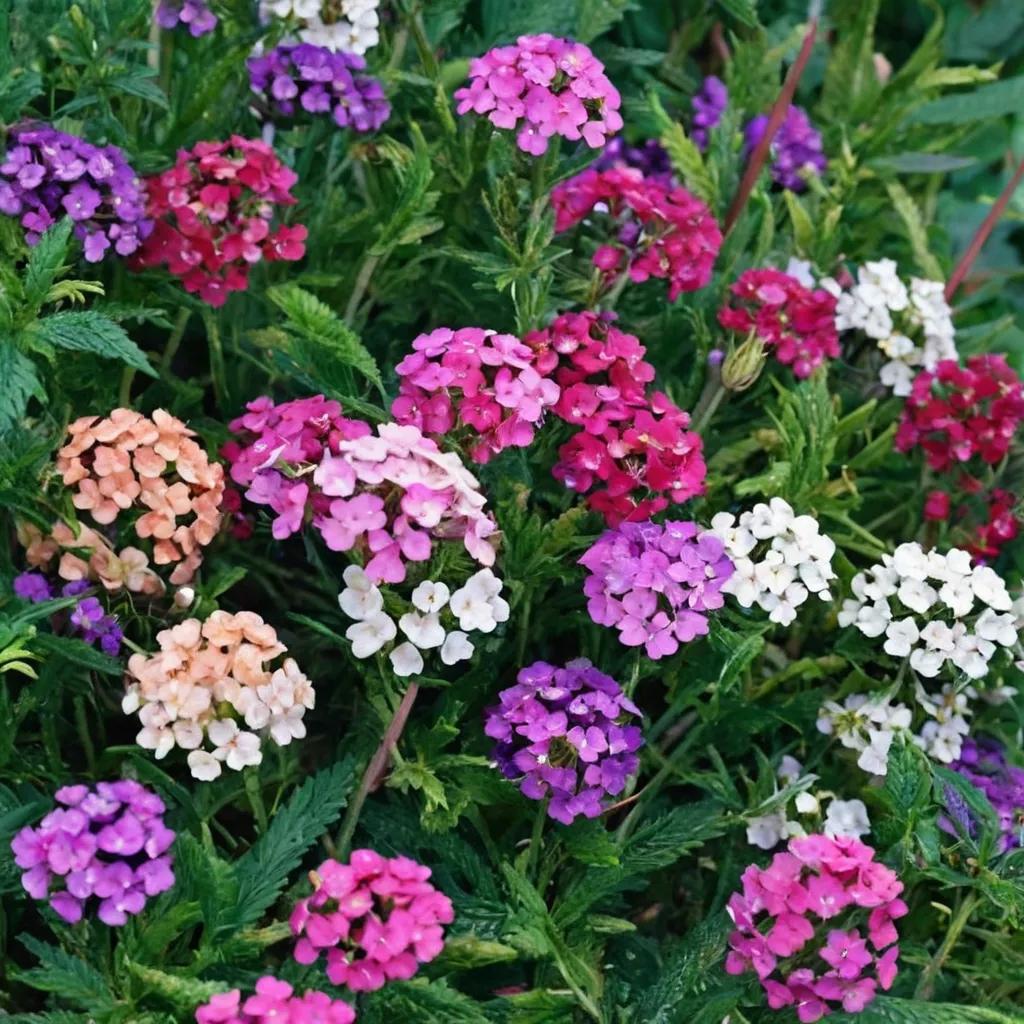 ‘Mix’Hybrid Verbena Mix
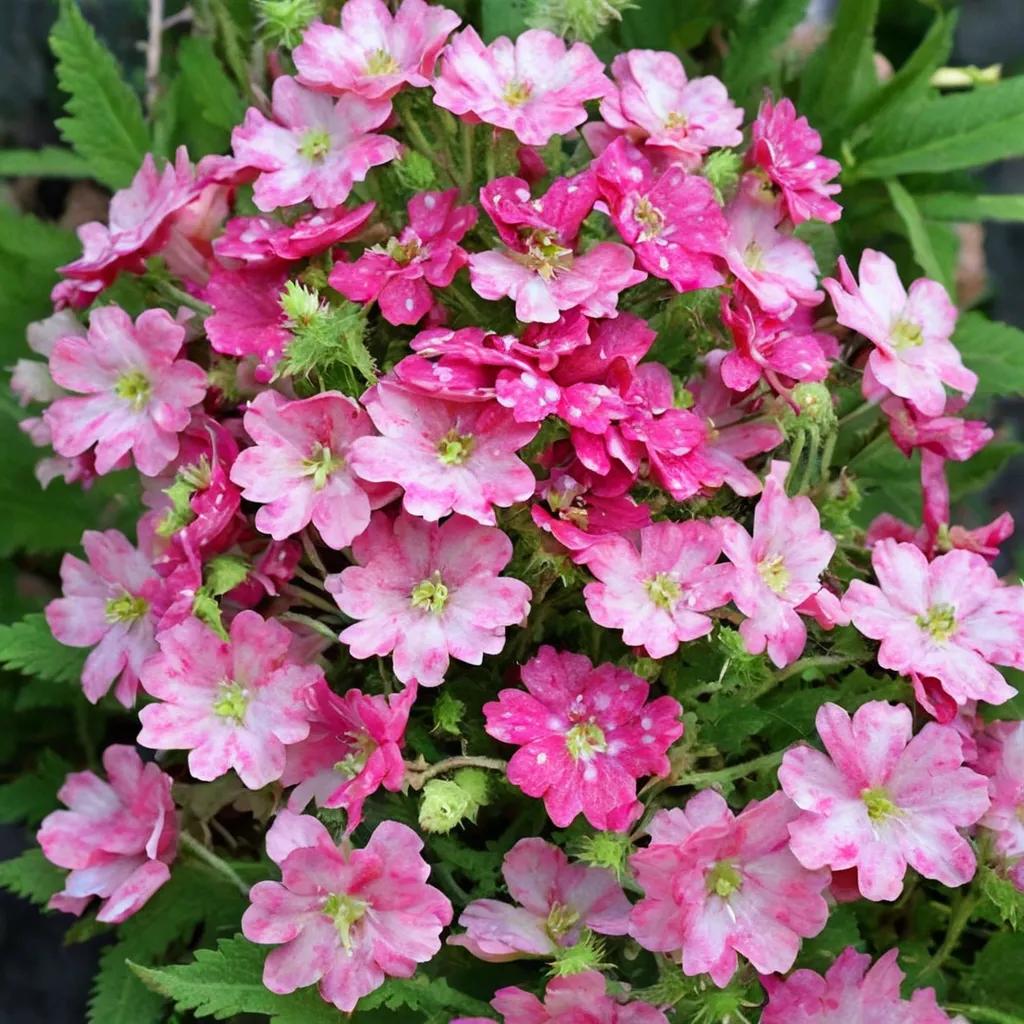 ‘Hot Lips’Hot Lips Sage
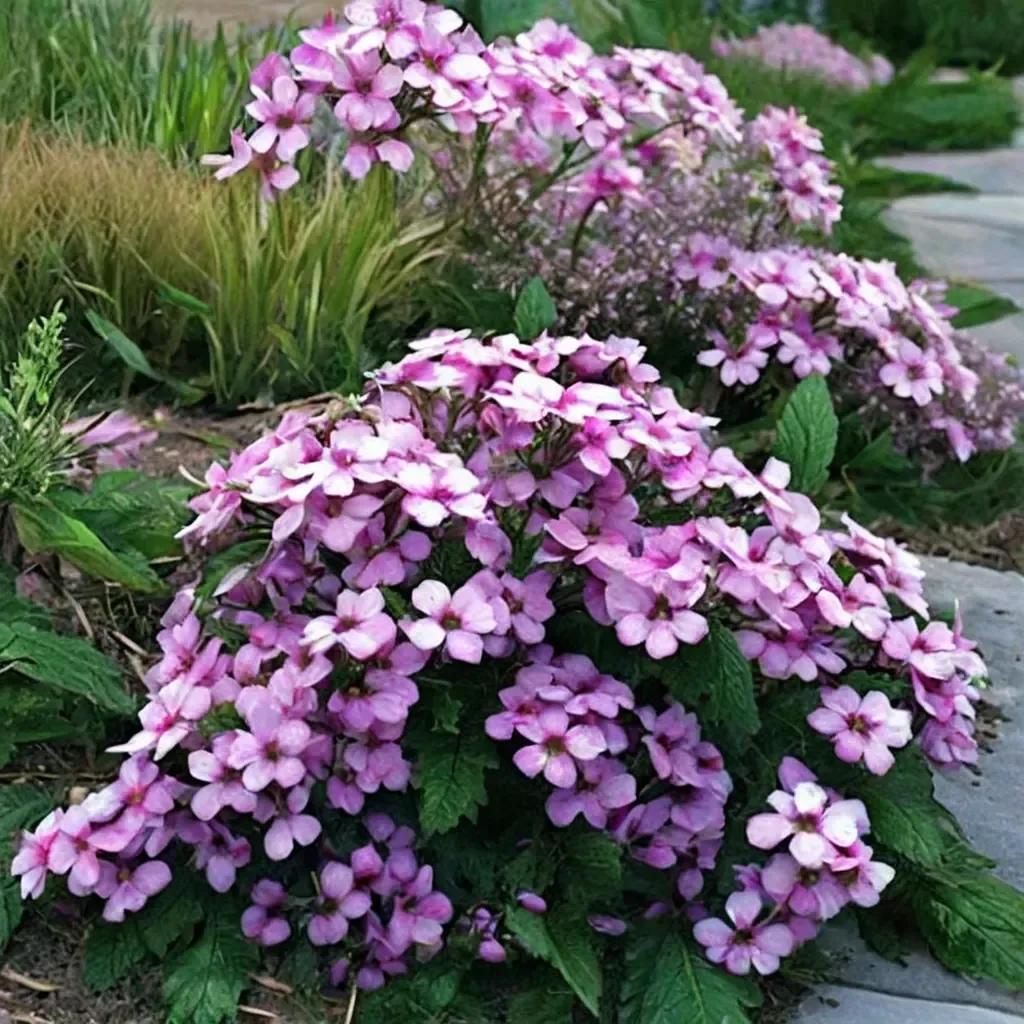 ‘Princess Bride’Princess Bride Verbena
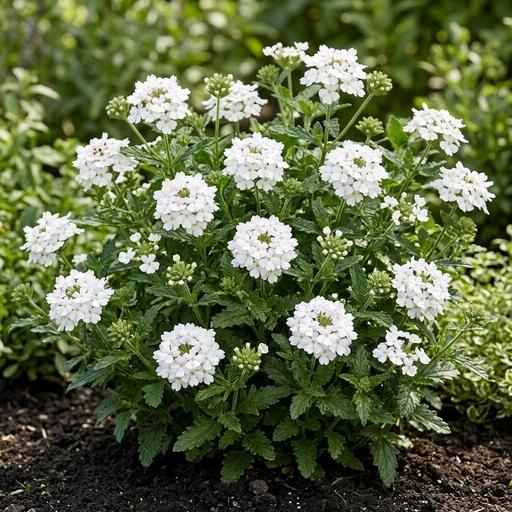 ‘White Blush’EnduraScape White Blush Verbena
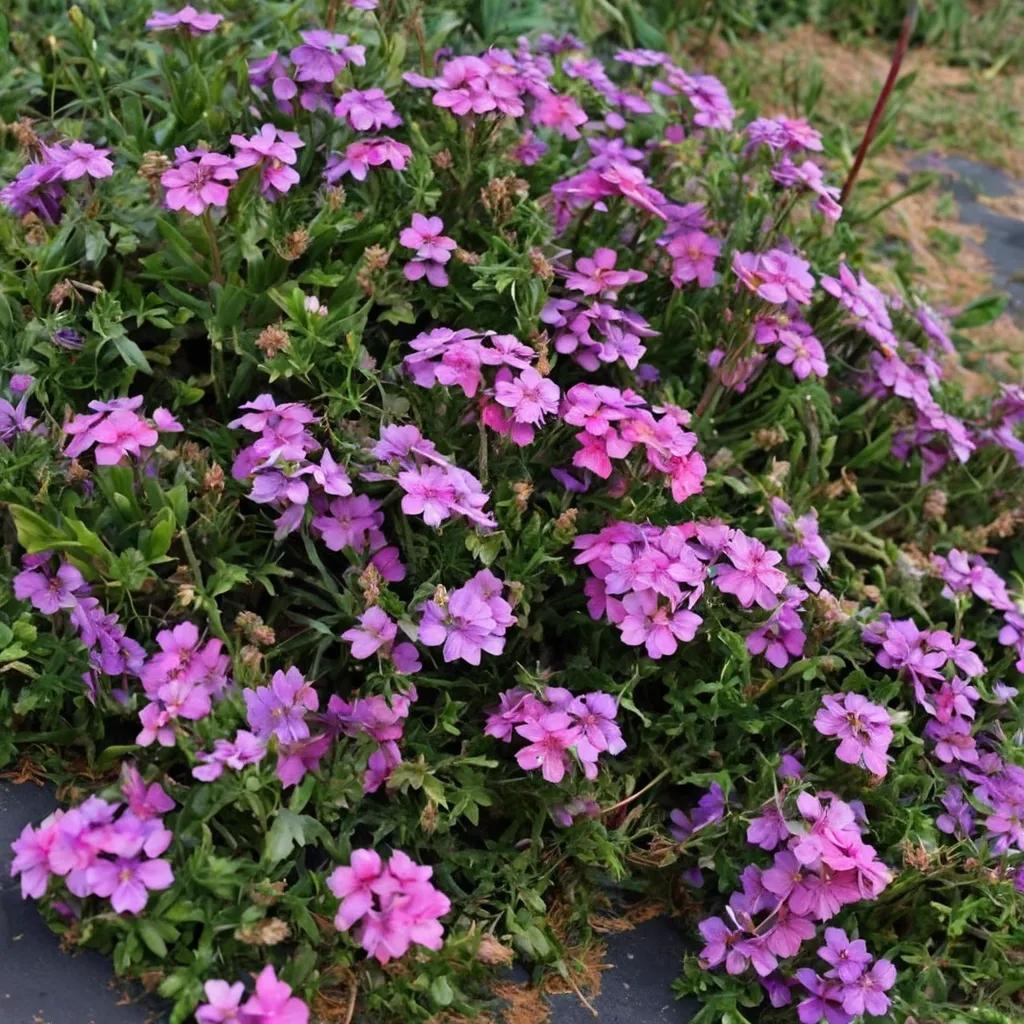 ‘Kemerton’Hybrid Verbena Kemerton
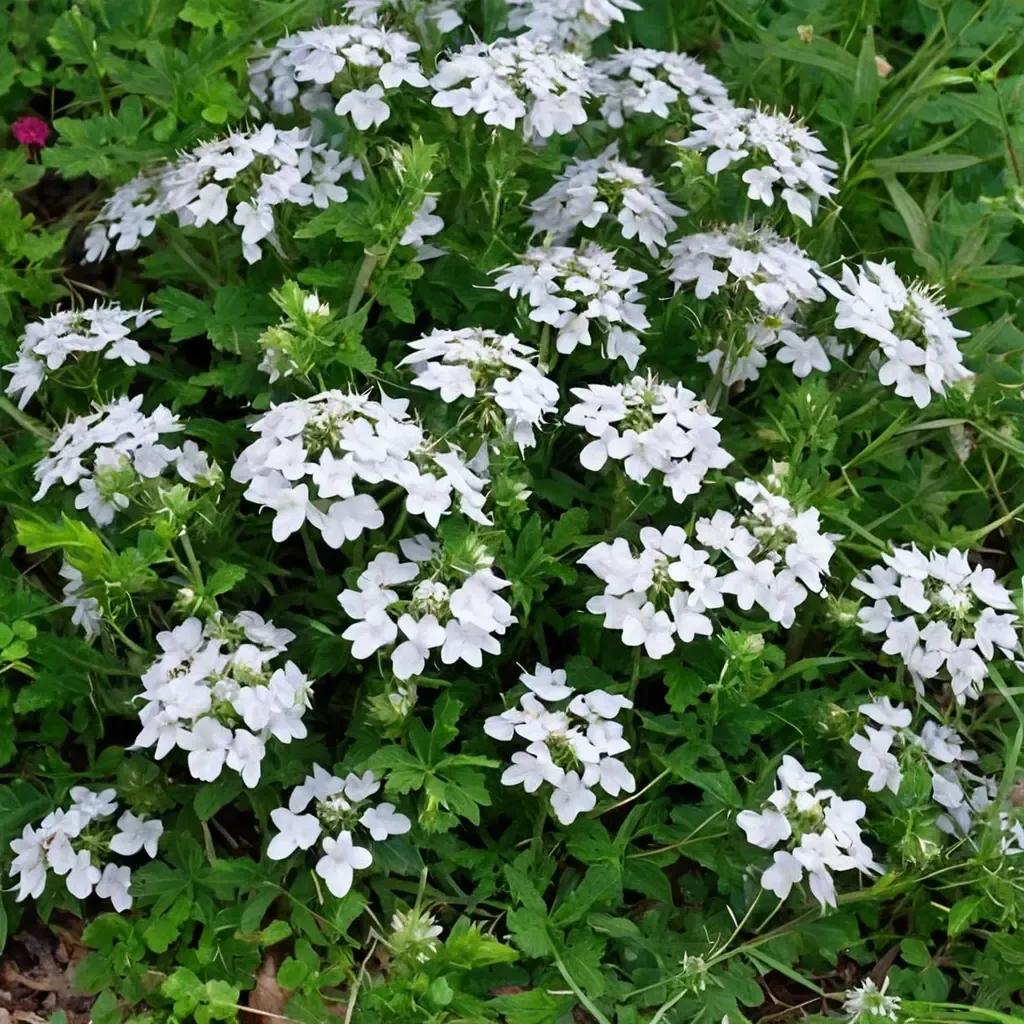 ‘Snow Flurry’Snow Flurry Verbena
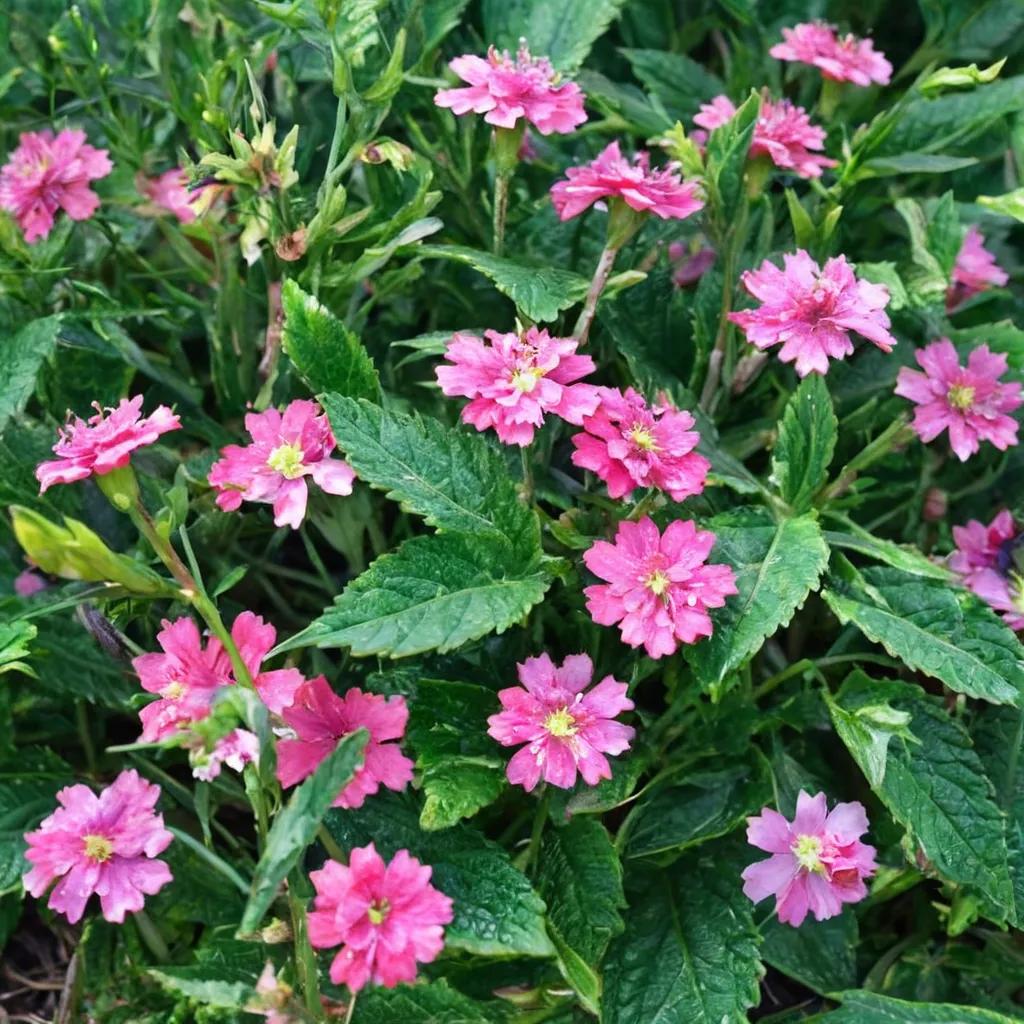 ‘Texas Form’Texas Verbena
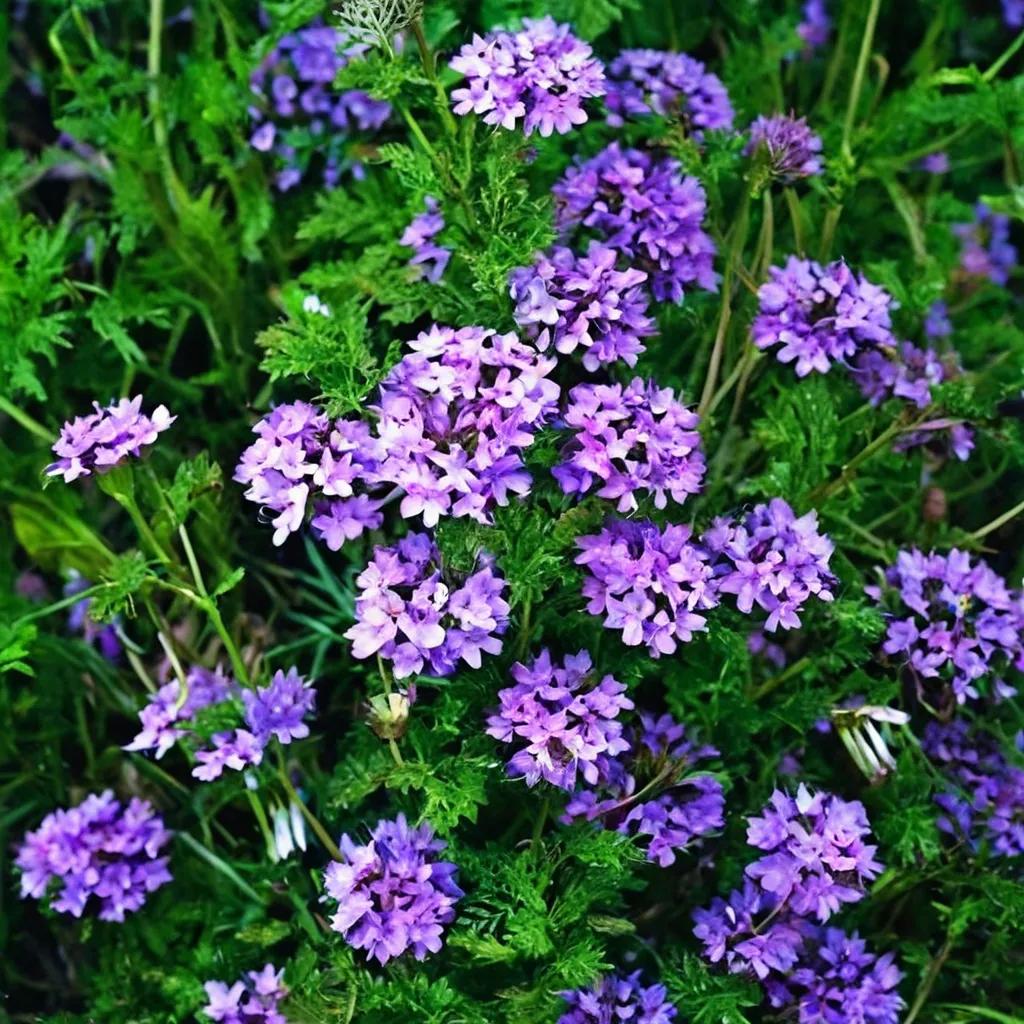 ‘Lulu Norris’Lulu Norris Verbena
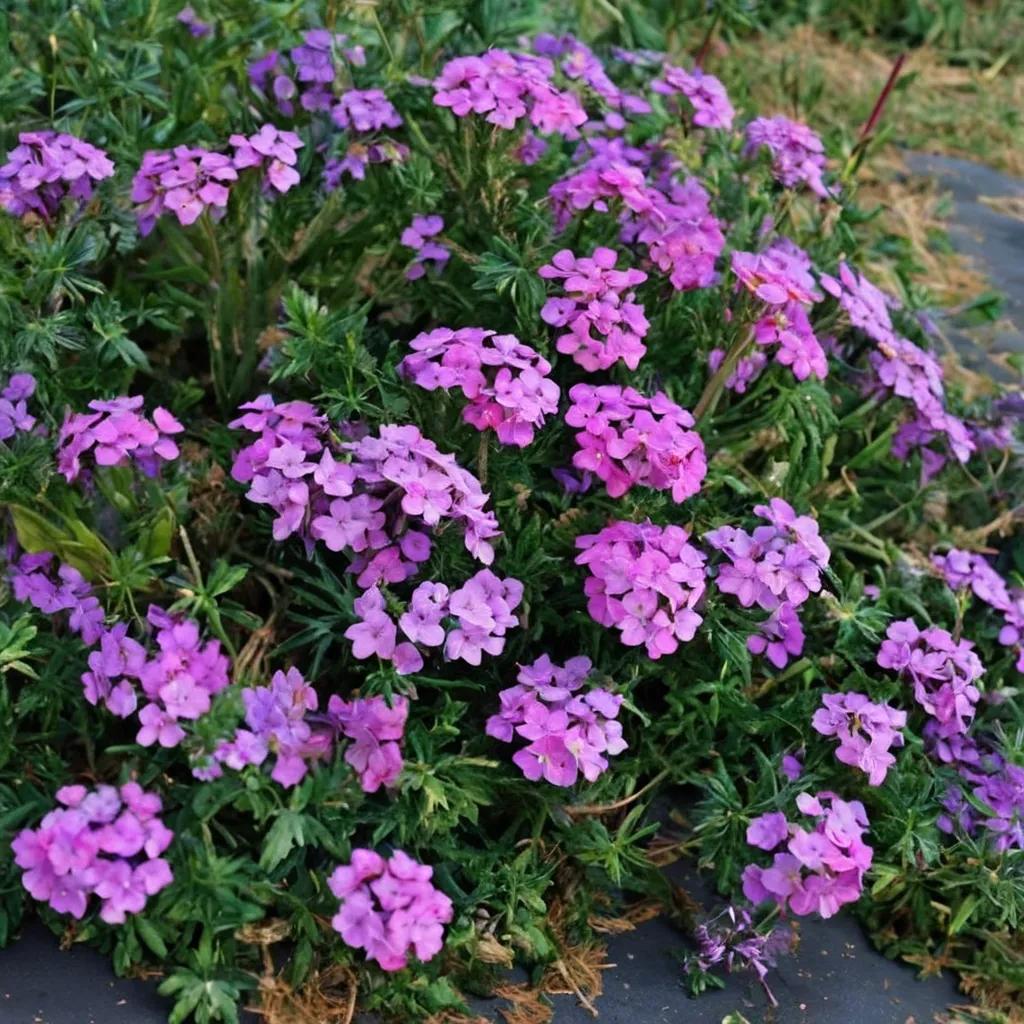 ‘Fiesta’Fiesta Verbena
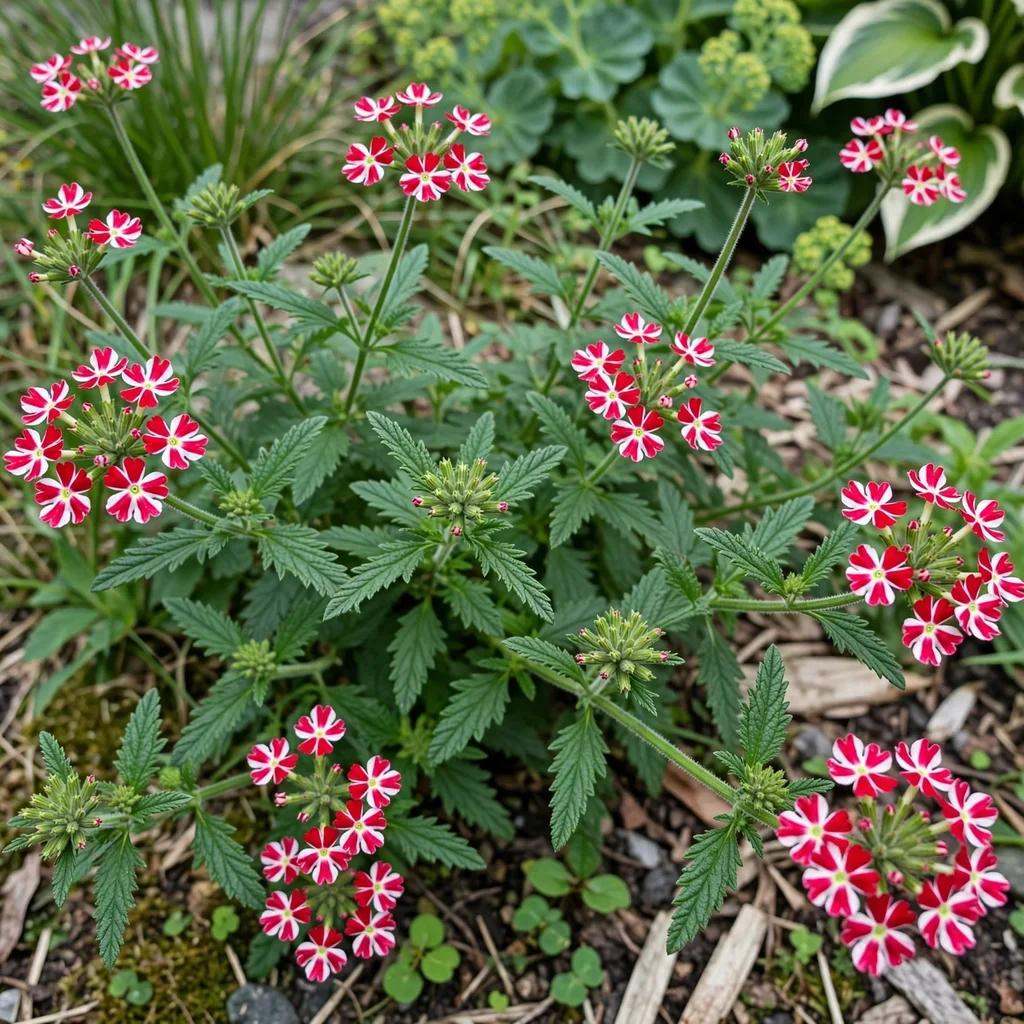 ‘Superbena Royale Cherryburst’Superbena Royale Cherryburst Garden Verbena
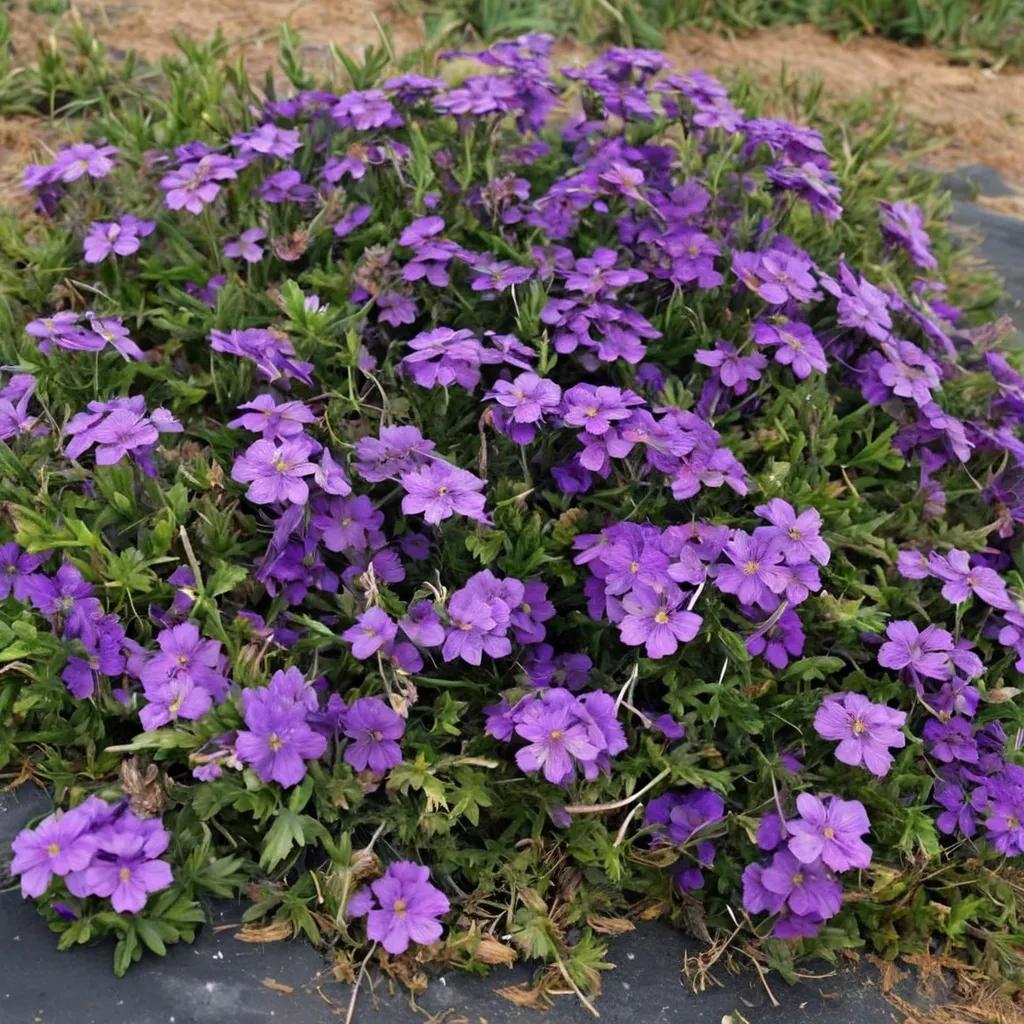 ‘Ultraviolet’Ultraviolet Garden Verbena
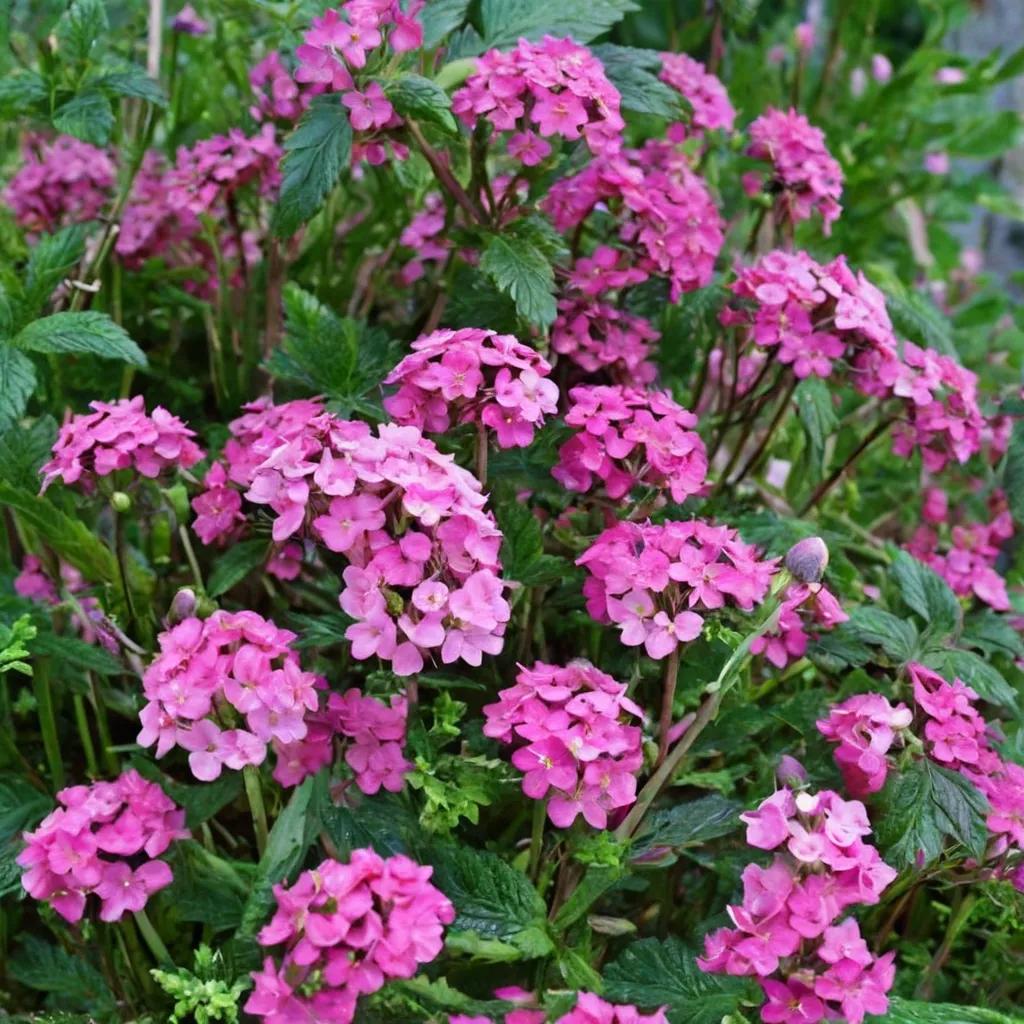 ‘Batesville Rose’Verbena Batesville Rose
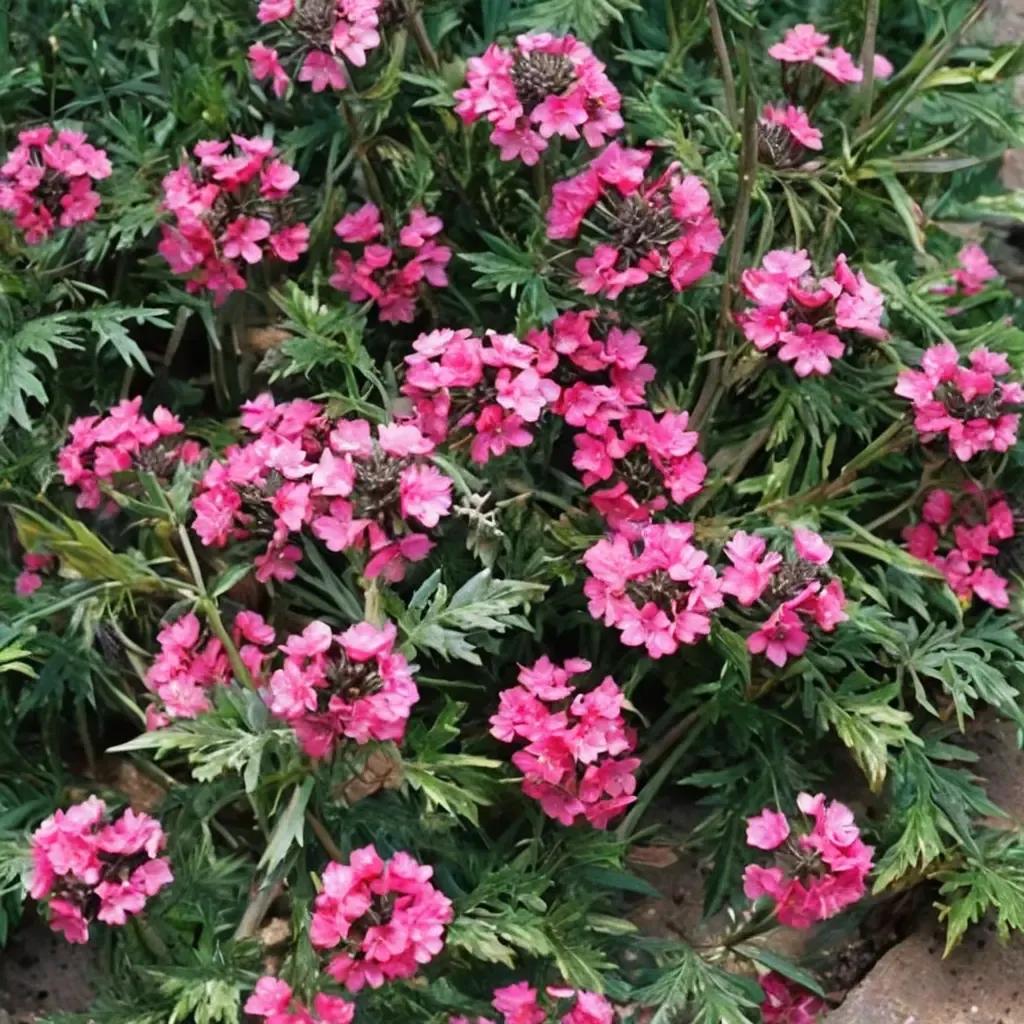 ‘Sissinghurst’Sissinghurst Verbena
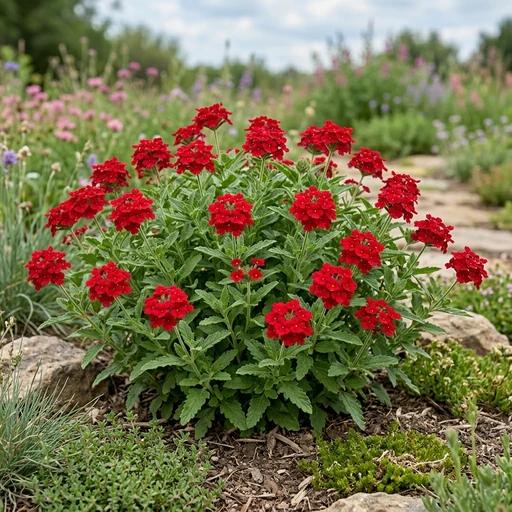 ‘Red’EnduraScape Red Verbena
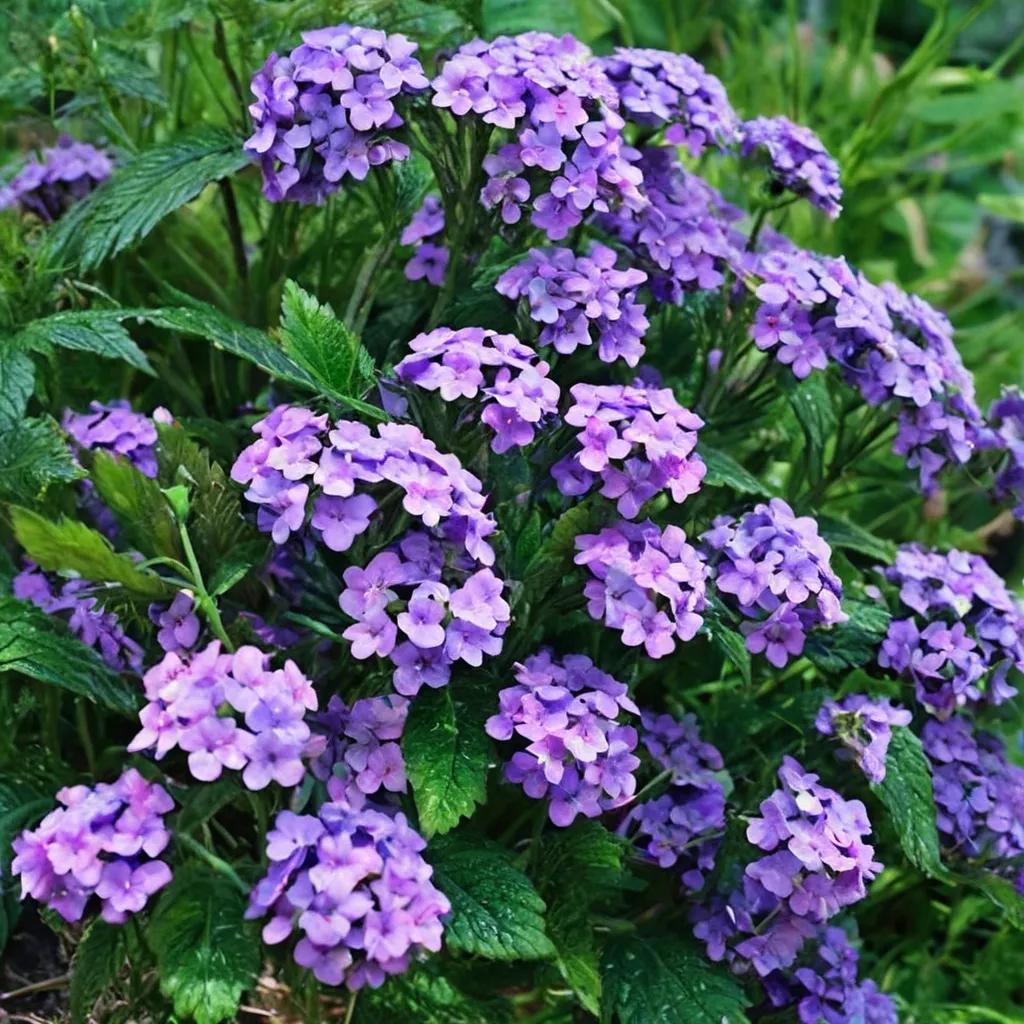 ‘Pinwheel Princess’Verbena Hybrid Pinwheel Princess
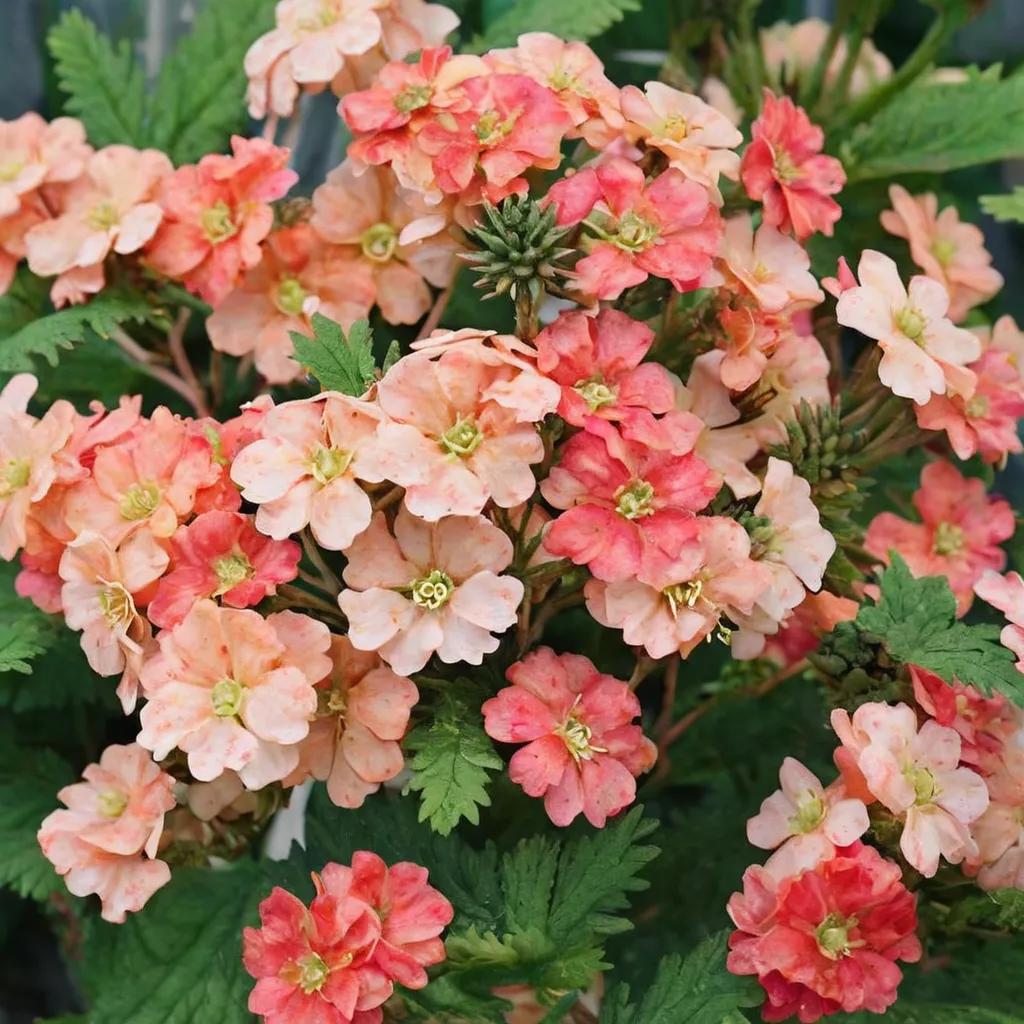 ‘Peachy Keen’Peachy Keen Verbena
 ‘Summer Blaze’Summer Blaze Verbena
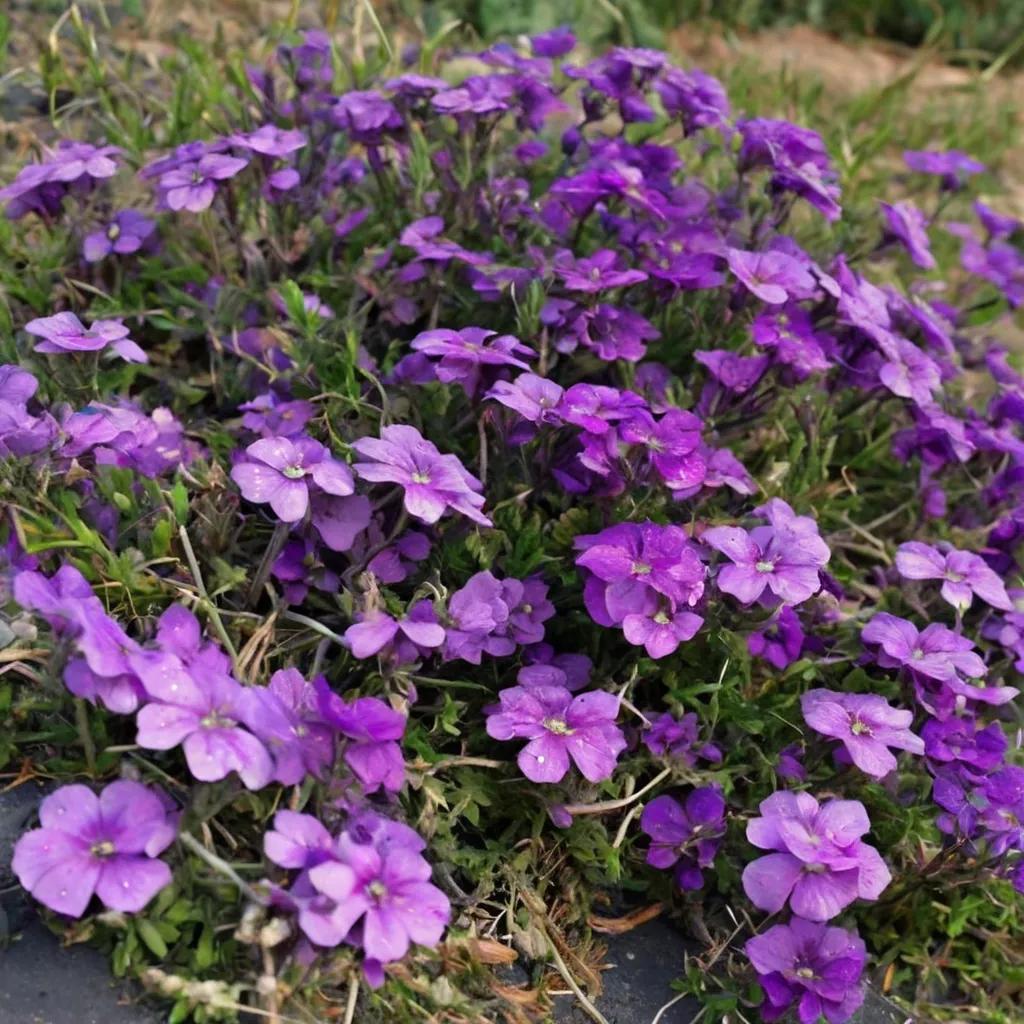 ‘Tex Tuf Purple’Verbena Tex Tuf Purple
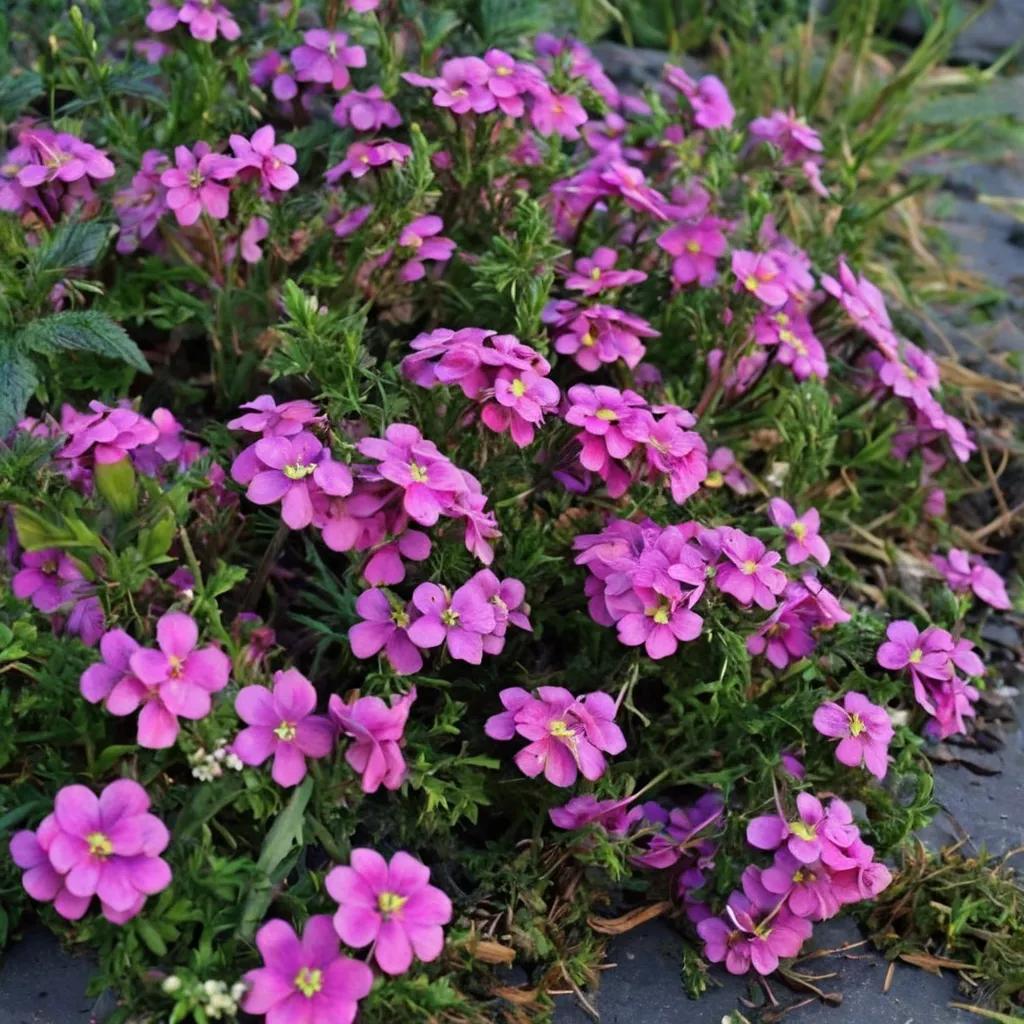 ‘Royalty’Hybrid Verbena Royalty
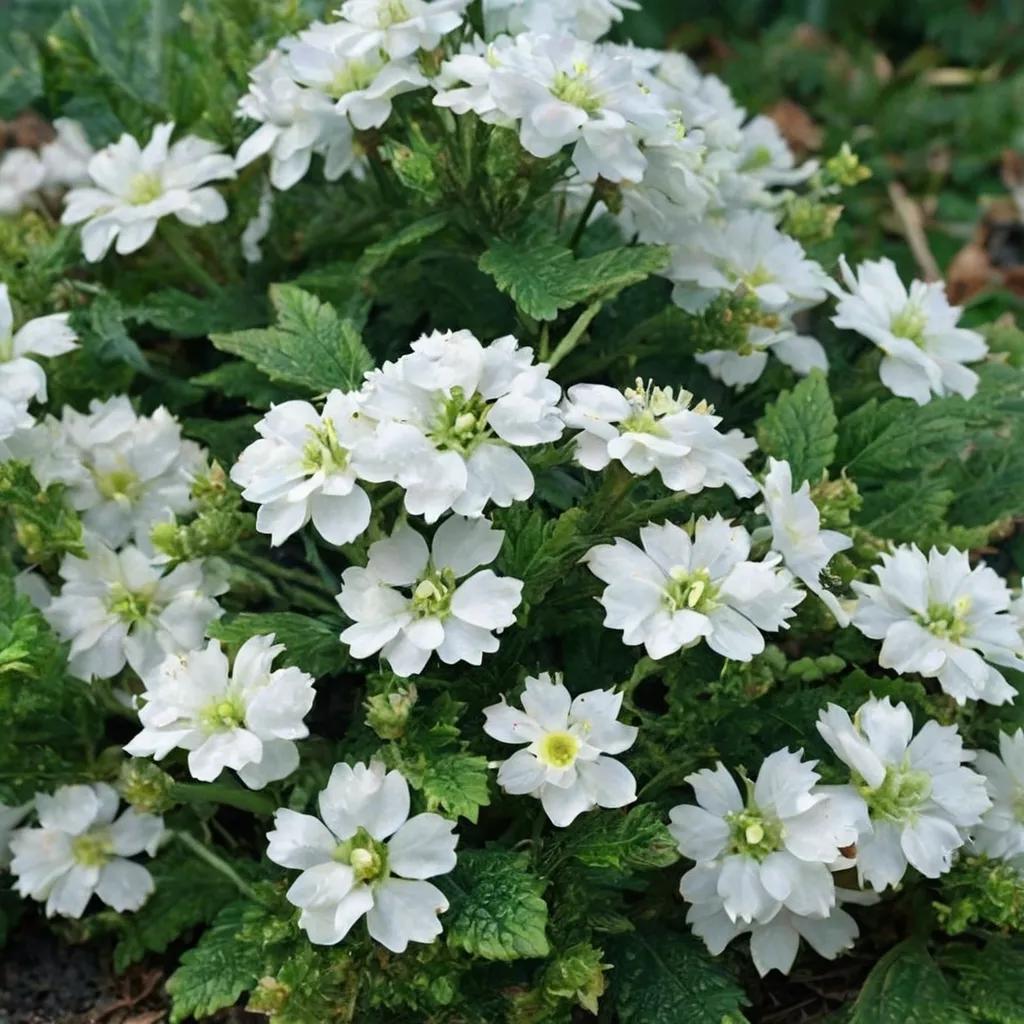 ‘White Princess’White Princess Verbena
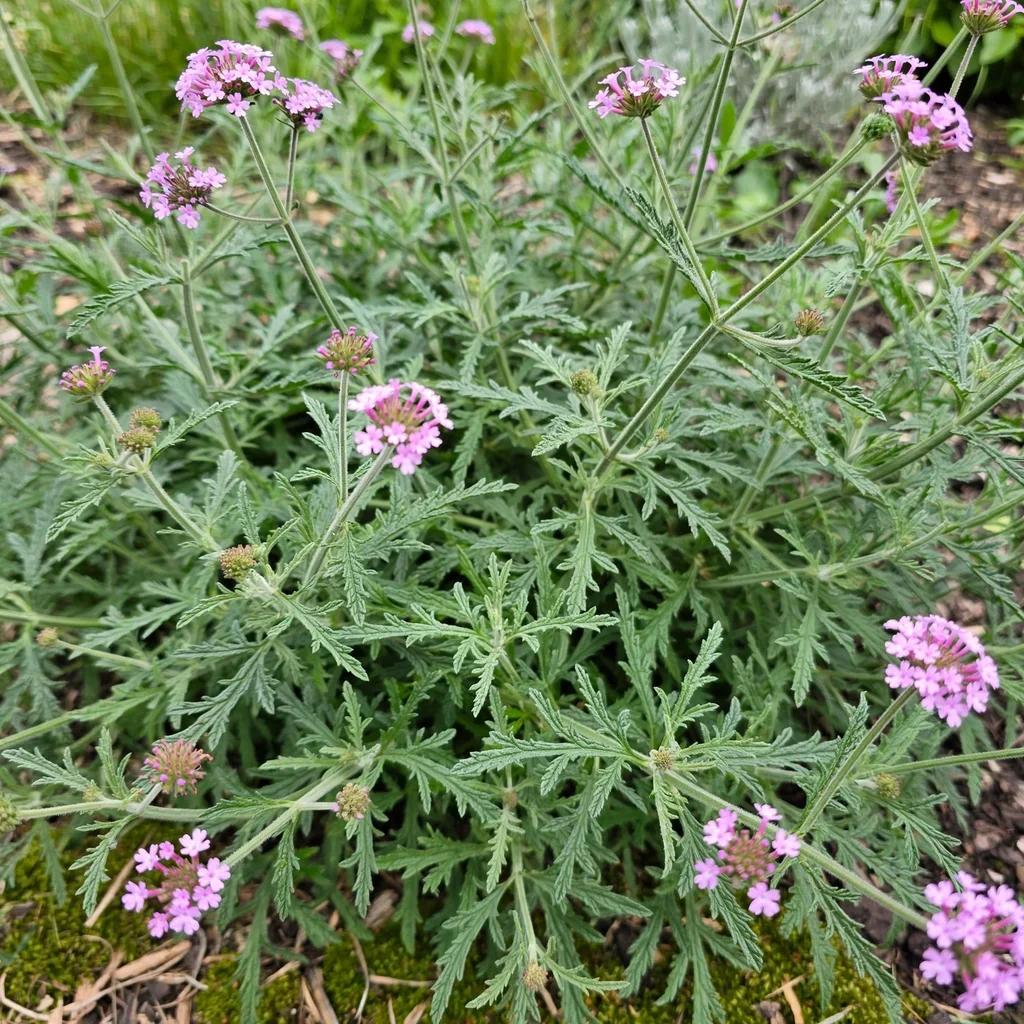 ‘Silver Anne’Verbena 'Silver Anne'
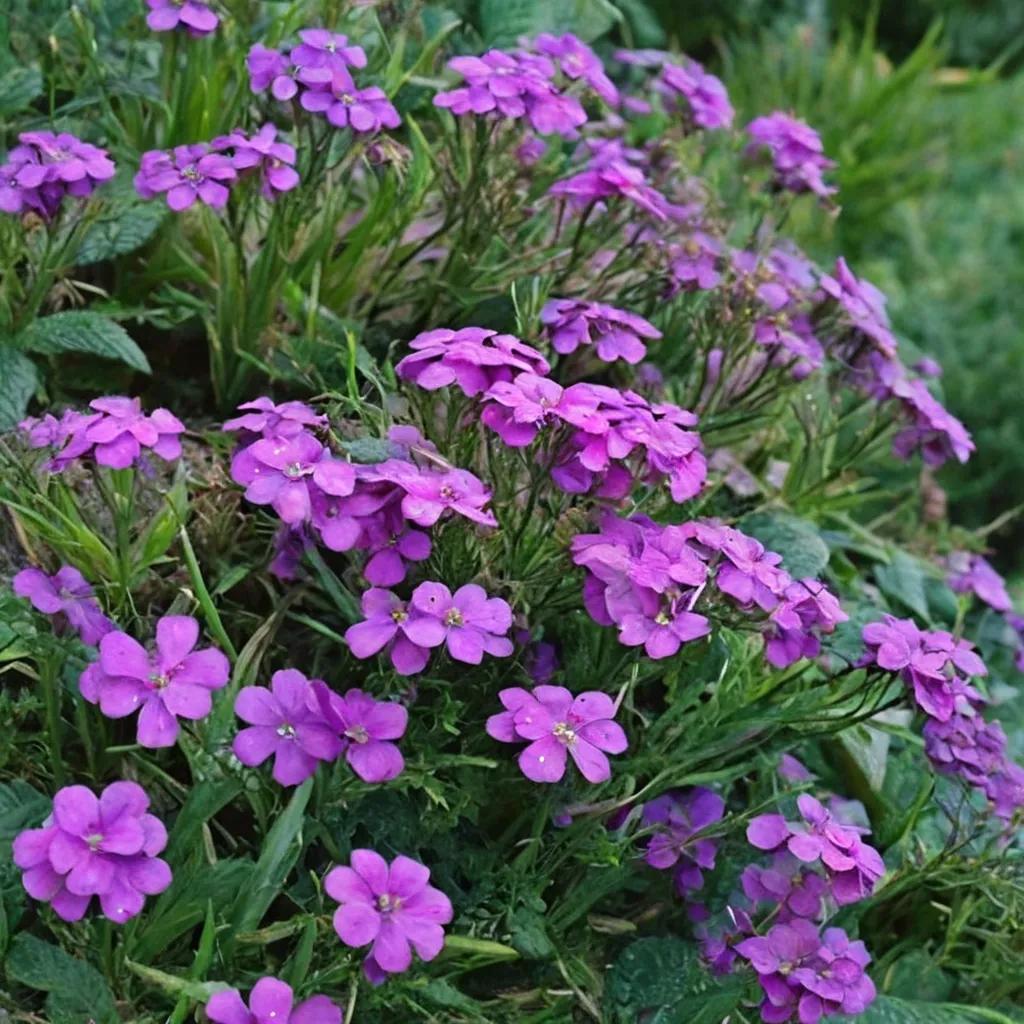 ‘Mystic’Hybrid Verbena Mystic
 ‘Flamingo Border Pink’Pink Verbena
The Story
Plant Bio
Glandularia canadensis, commonly known as rose verbena or clump verbena, is a sprawling, low-growing perennial native to the central and southern United States. It is prized for its long bloom season of verbena-like flower clusters.
'Abbeville' is a particularly tough and floriferous selection found in Abbeville, Louisiana. It forms a dense, weed-suppressing mat of foliage and produces fragrant, lavender-purple flowers from spring until frost. It exhibits excellent heat and humidity tolerance.
Uses & Benefits:
Essentials
At a Glance
Plant Type
Perennial
Height
12"
Width
18"
Light
Full Sun, Partial Sun
Zones
6, 7, 8, 9, 10
Water
Moderate, drought-tolerant once established
Humidity
Prefers dry to moderate humidity
Lifespan
Perennial
Native To
North America
Toxicity
Non-toxic to humans and pets
Bloom period
Spring to fall – Late summer
In flower about 6 months of the year
Planting
How to Grow
- Tuck seeds into well-draining soil in early spring
- Water lightly to keep soil moist during germination
- Place in full sun for optimal blooming
- Fertilize monthly with balanced fertilizer during growing season
- Pinch back to encourage bushiness in early summer
- Deadhead spent flowers regularly to promote continuous blooms
Pro Tip
Ensure excellent drainage to prevent root rot and promote healthy growth.
Keep It Thriving
Care Guide
Do
- Water regularly during dry spells 🌱
- Deadhead spent flowers for continuous bloom
- Fertilize monthly during active growth
- Pinch back in early summer for bushier plants
- Place in full sun for best results
Don't
- Overwater to avoid root rot ❌
- Allow soil to stay waterlogged
- Neglect deadheading
- Plant in shady areas
- Use heavy clay soil without amendment
Seasonal Care Calendar
| Task | Jan | Feb | Mar | Apr | May | Jun | Jul | Aug | Sep | Oct | Nov | Dec |
|---|---|---|---|---|---|---|---|---|---|---|---|---|
| Fertilize | ||||||||||||
| Pest Check | ||||||||||||
| Prune |
Watch Out For
Pests & Diseases
Common Pests
Common Diseases
In the Garden
Landscape Uses & Companions
Landscape Uses
Companion Plants
Multiply
Propagation Methods
Good to Know
Common Questions
Abbeville Rose Verbena questions
What zones can Abbeville Rose Verbena grow in?
Abbeville Rose Verbena is hardy in USDA Zones 6–10. Inside that range it survives winter in the ground; outside it, grow it as an annual or a container plant you protect.
Is Abbeville Rose Verbena deer resistant?
Not reliably. Deer may browse Abbeville Rose Verbena, especially tender spring growth — plan on repellents or fencing where pressure is high.
When does Abbeville Rose Verbena bloom?
Abbeville Rose Verbena typically blooms in spring to fall through late summer. Exact timing shifts a week or two with your zone — Sow's bloom calendar maps it to your garden.
Does Abbeville Rose Verbena need full sun?
Abbeville Rose Verbena does best in full sun to part shade. In hot climates, afternoon shade keeps blooms fresher longer.
Is Abbeville Rose Verbena drought tolerant?
Yes — once established (usually after the first full season), Abbeville Rose Verbena handles dry spells with minimal watering. Water deeply its first year to build the root system that makes that possible.
More Verbena to compare
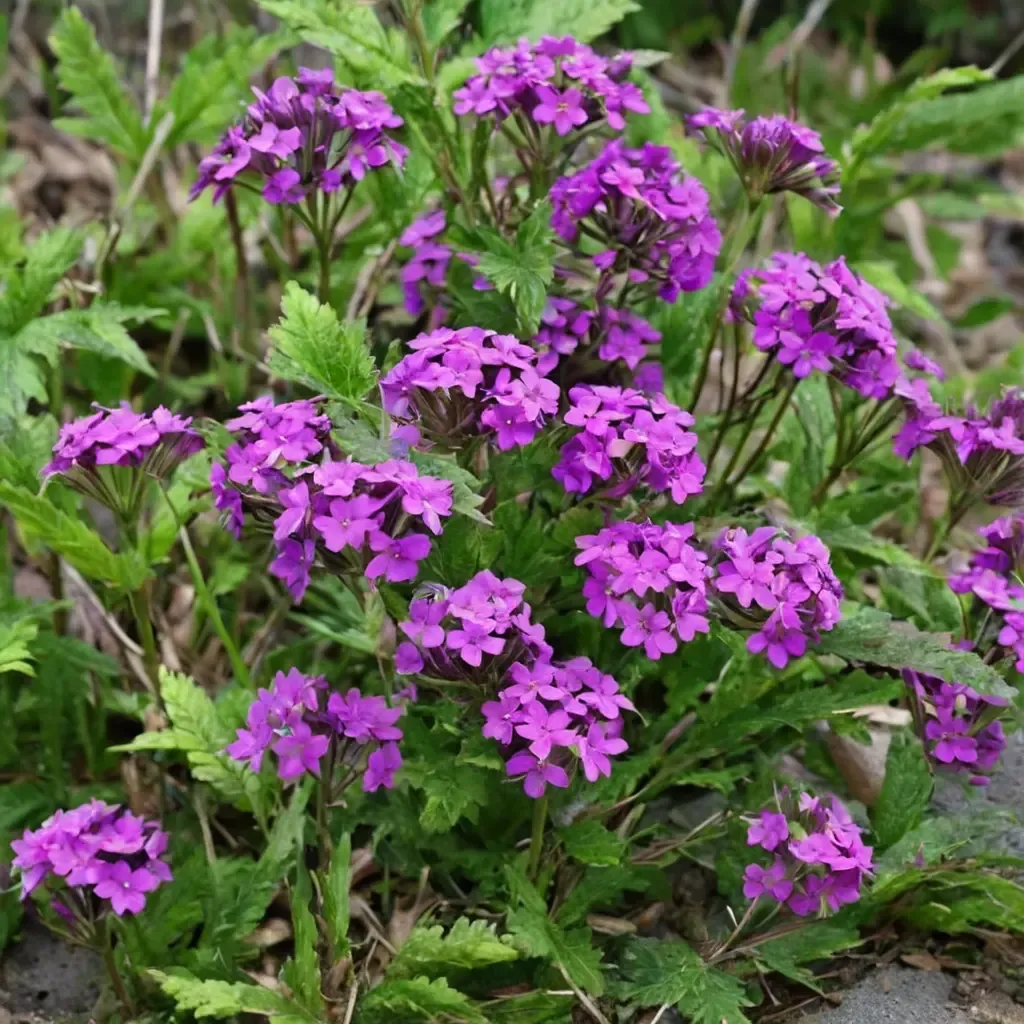
Rose Verbena
Verbena canadensis
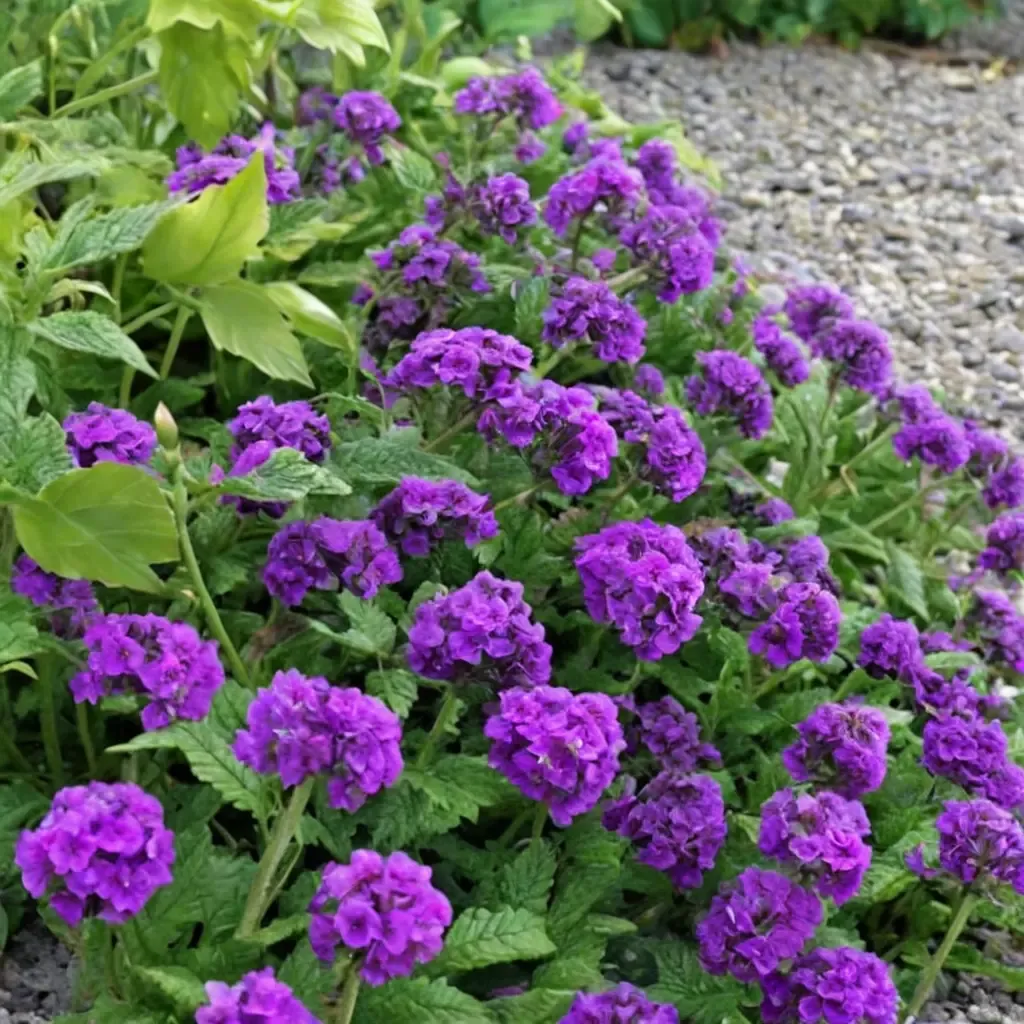
Homestead Purple Verbena
Verbena canadensis 'Homestead Purple'
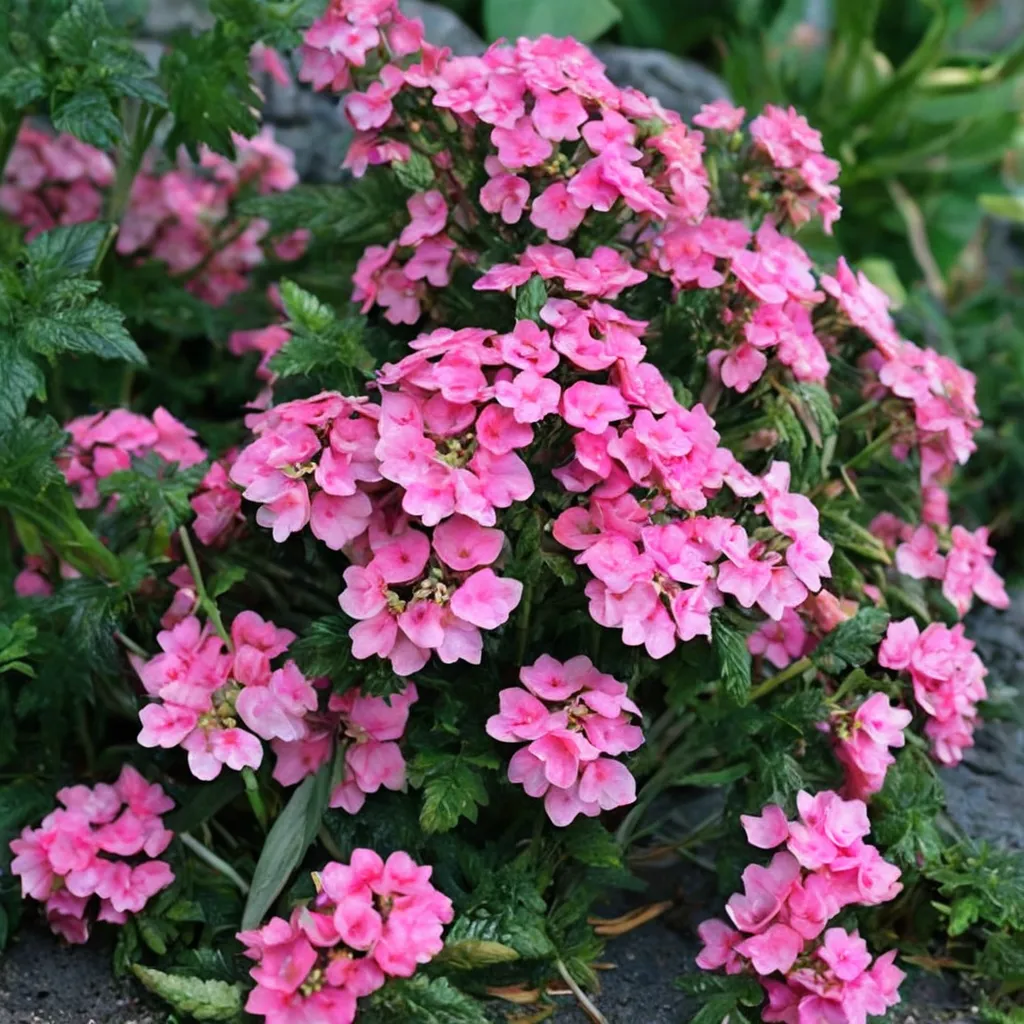
Pink Sunrise Verbena
Verbena x hybrida 'Pink Sunrise'
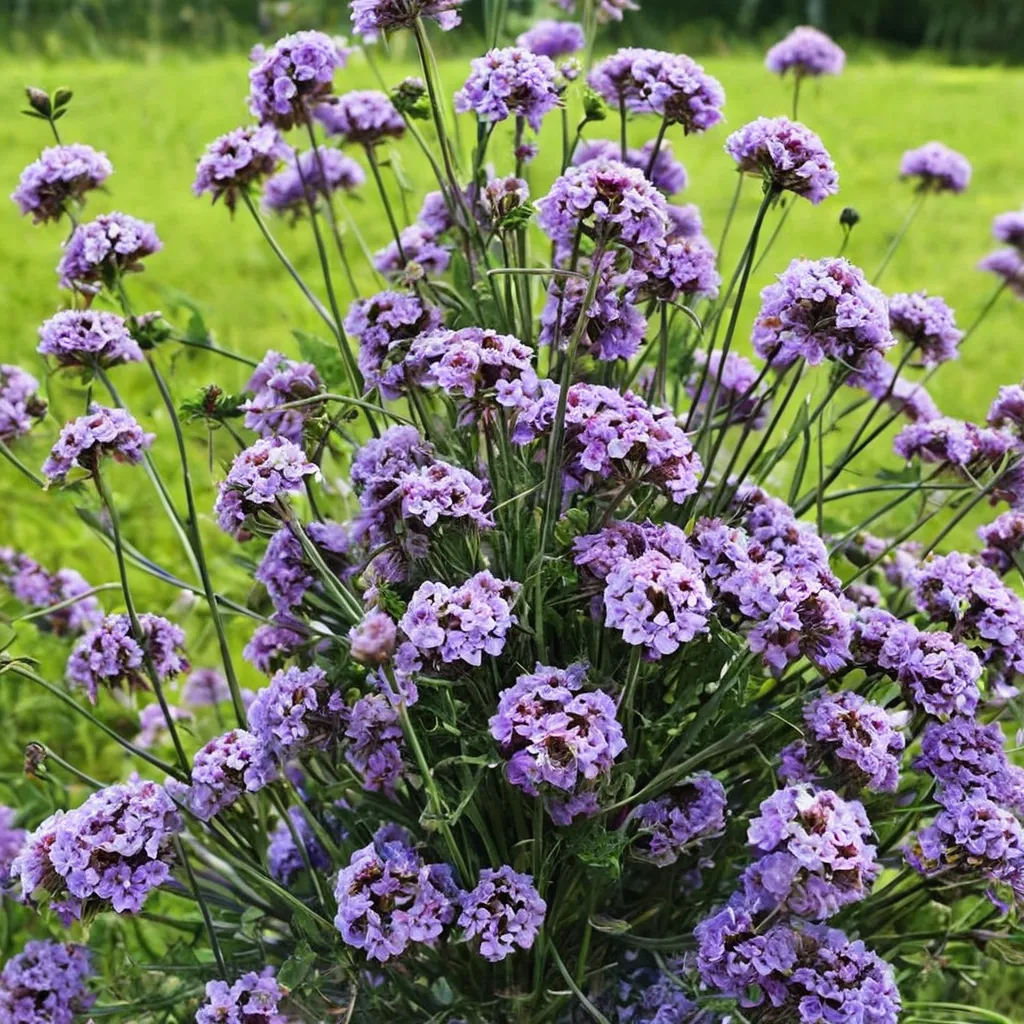
Tall Verbena
Verbena bonariensis 'Meteor Shower'
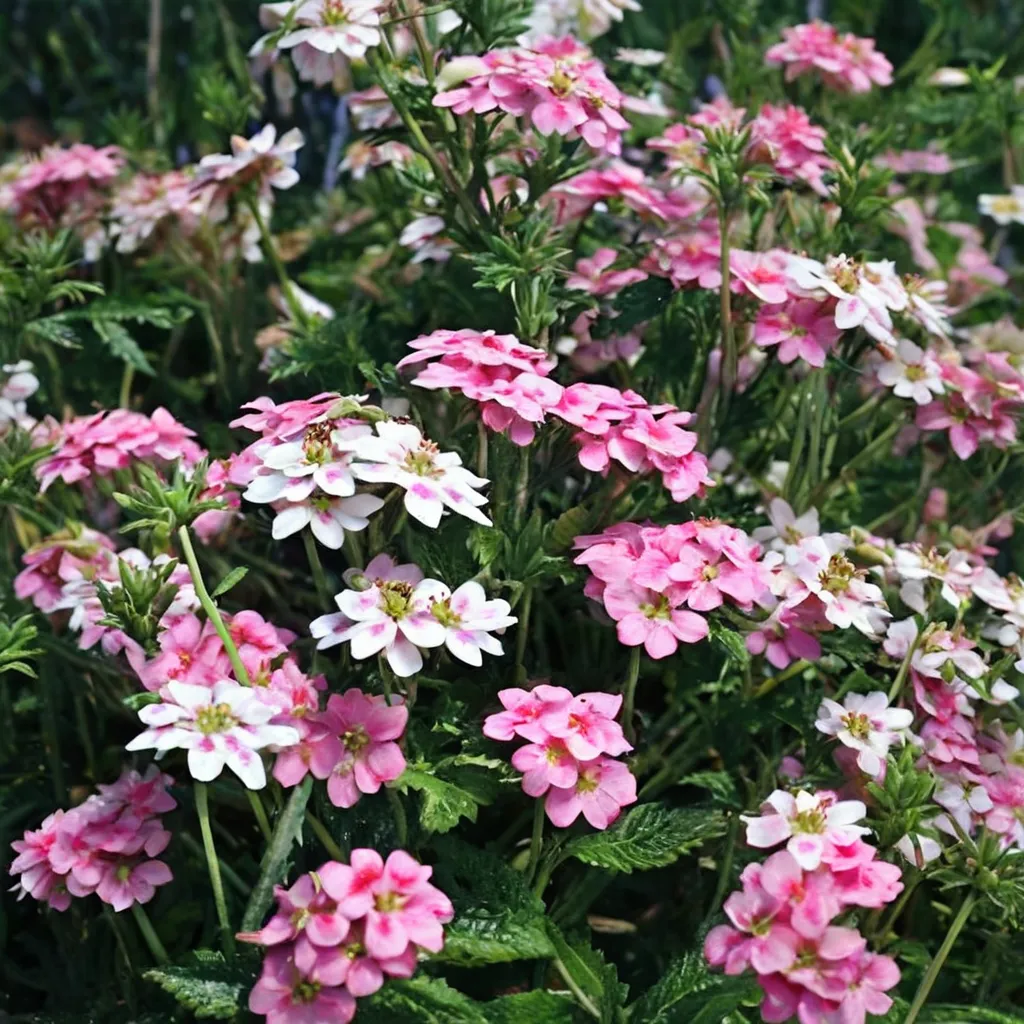
Apple Blossom Verbena
Verbena x hybrida 'Apple Blossom'
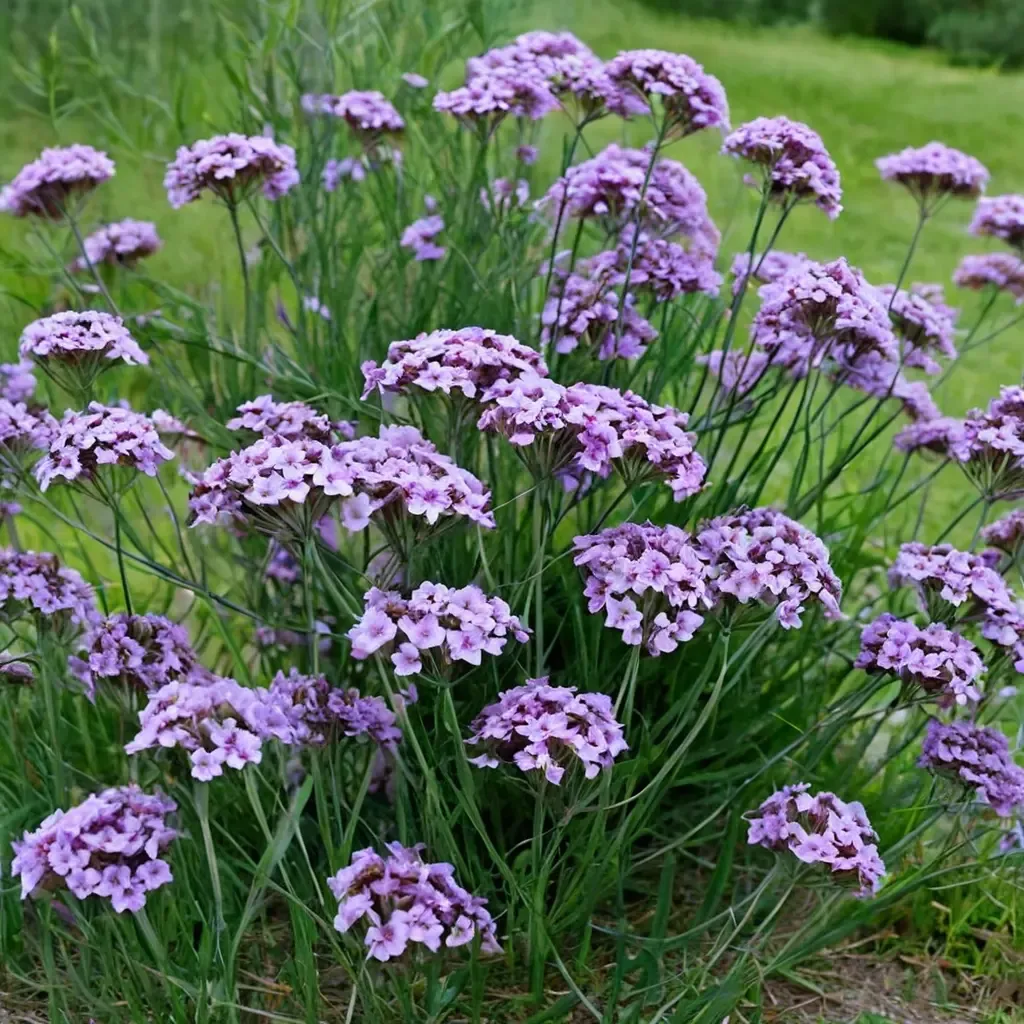
Purpletop Vervain
Verbena bonariensis
Keep exploring
Explore the genus
Hardy in your zone?
Grow Abbeville Rose Verbena with confidence
See it in a design of your actual yard, get zone-matched care reminders, and track it season by season in your garden journal.