1 named cultivar

The Story
Plant Bio
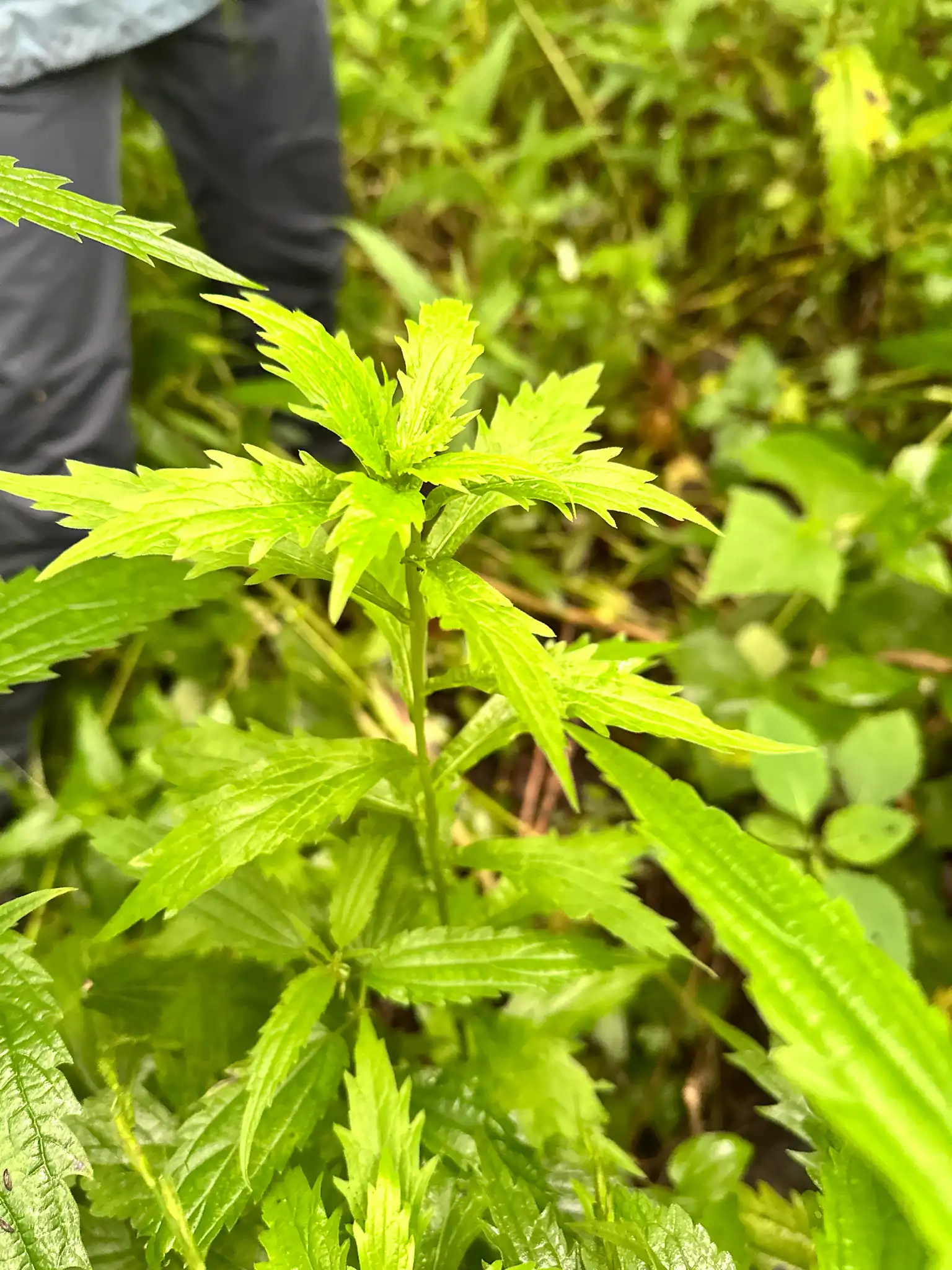
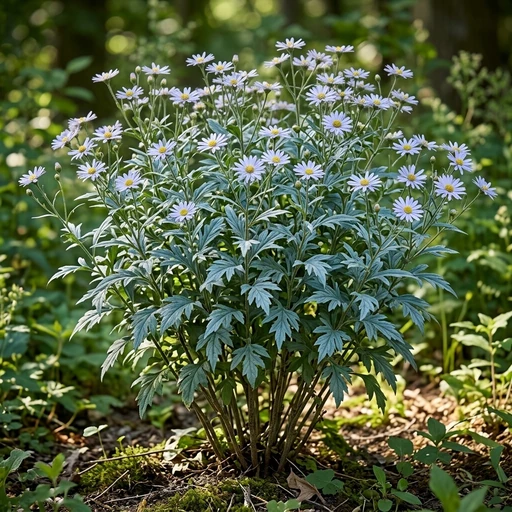
Kalimeris incisa, Japanese aster, is a neat clumping perennial from northeast Asia, twelve to eighteen inches high and about as wide. Dark green toothed leaves are arranged alternately along upright stems, and inch-wide daisy flowers of pale blue with yellow centres open over an exceptionally long season from early summer into autumn.
It flowers for months without deadheading and without the mildew that disfigures true asters, which makes it one of the most useful low perennials for a border that has to look after itself. It is also unusually tolerant of both occasional wet and occasional drought, so it suits the awkward spots either side of a downpipe or path.
Uses & Benefits:
Essentials
At a Glance
Plant Type
Perennial
Height
15"
Width
15"
Light
Full Sun, Partial Sun
Zones
5, 6, 7, 8, 9
Water
Moderate
Humidity
Moderate
Lifespan
Perennial
Native To
Northeast Asia
Toxicity
Non-toxic
Planting
How to Grow
- Plant in full sun or partial shade.
- Give it any reasonably drained soil.
- Water while establishing, then only in drought.
- Expect flowers from early summer to autumn.
- Cut back in late winter, not autumn.
- Divide congested clumps every few years.
Pro Tip
It flowers for months without deadheading, which is rare — leave it alone and it simply keeps going.
Keep It Thriving
Care Guide
Do
- Give it sun or light shade ☀️
- Leave it to flower unattended 🌼
- Cut back in late winter ✂️
- Divide every few years 🔁
Don't
- Bother deadheading it ❌
- Let it sit in permanent wet ❌
- Cut it down in autumn ❌
Seasonal Care Calendar
| Task | Jan | Feb | Mar | Apr | May | Jun | Jul | Aug | Sep | Oct | Nov | Dec |
|---|---|---|---|---|---|---|---|---|---|---|---|---|
| Divide | ||||||||||||
| Enjoy |
Watch Out For
Pests & Diseases
Common Pests
Common Diseases
In the Garden
Landscape Uses & Companions
Landscape Uses
Multiply
Propagation Methods
Good to Know
Common Questions
Kalimeris questions
What zones can Kalimeris grow in?
Kalimeris is hardy in USDA Zones 5–9. Inside that range it survives winter in the ground; outside it, grow it as an annual or a container plant you protect.
Is Kalimeris deer resistant?
Yes — Kalimeris is rated deer-resistant. Deer typically pass it over, though extreme hunger can override any plant's defenses.
When does Kalimeris bloom?
Kalimeris typically blooms in early summer to fall through early fall. Exact timing shifts a week or two with your zone — Sow's bloom calendar maps it to your garden.
Does Kalimeris need full sun?
Kalimeris does best in full sun to part shade. In hot climates, afternoon shade keeps blooms fresher longer.
Is Kalimeris drought tolerant?
Yes — once established (usually after the first full season), Kalimeris handles dry spells with minimal watering. Water deeply its first year to build the root system that makes that possible.
More Kalimeris to compare
Keep exploring
Explore the genus
Hardy in your zone?
Grow Kalimeris with confidence
See it in a design of your actual yard, get zone-matched care reminders, and track it season by season in your garden journal.