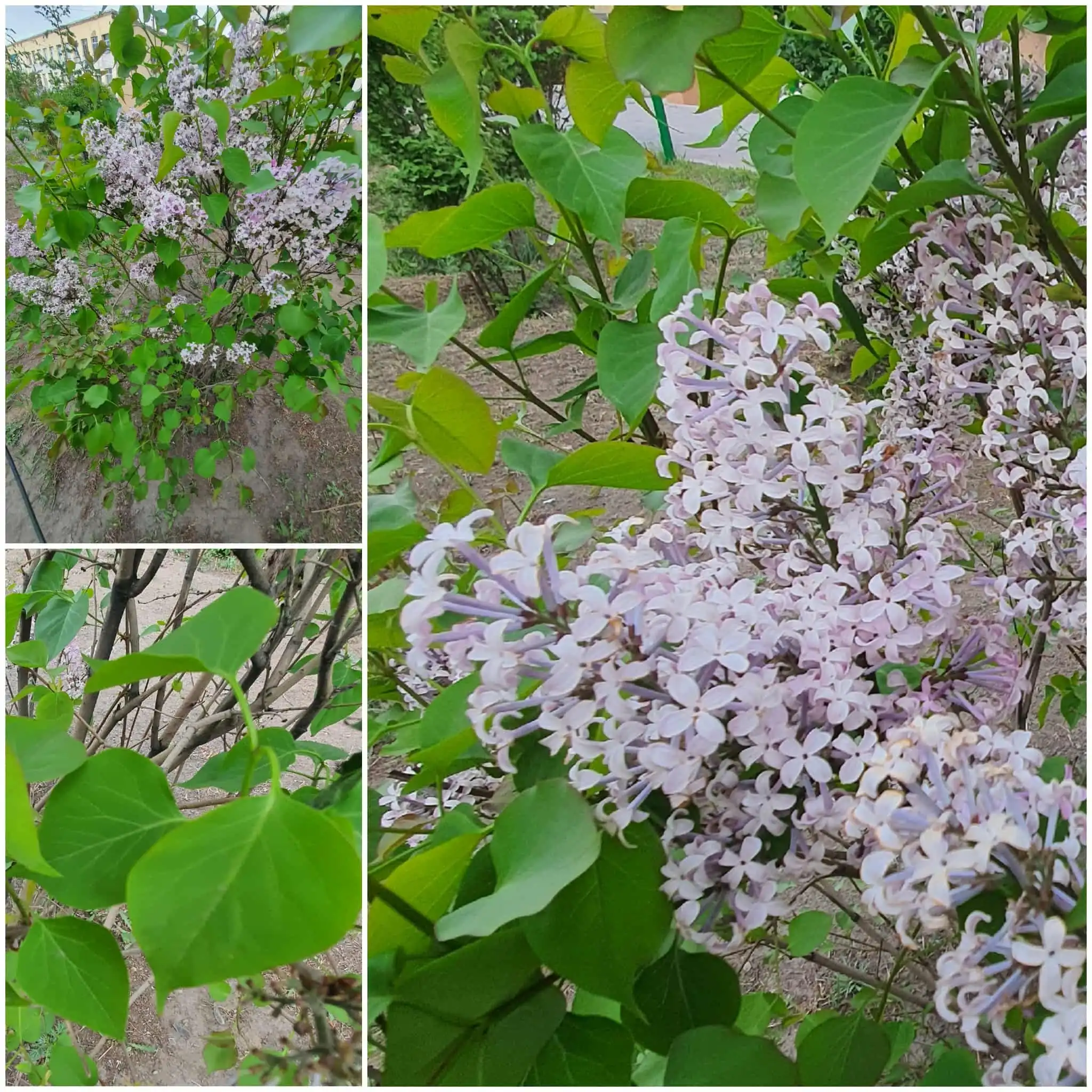
1 named cultivar

The Story
Plant Bio
Syringa oblata, early lilac, is a multi-trunked deciduous shrub or small tree from China, eight to twelve feet in both directions. Dark bluish-green leaves two to four inches long have pointed tips and heart-shaped bases, new growth flushes bronze-red, and panicles of small cross-shaped flowers open in mid-spring.
It flowers a week or two ahead of the common lilac, which is why it was used to breed the early-flowering hybrids, and unlike most lilacs it colours reddish-purple in autumn. It also takes heat better than Syringa vulgaris, so it flowers reliably further south than the common lilac manages.
Uses & Benefits:
Essentials
At a Glance
Plant Type
Shrub
Height
120"
Width
120"
Light
Full Sun
Zones
5, 6, 7, 8
Water
Moderate
Humidity
Moderate
Lifespan
Perennial
Native To
China
Toxicity
Non-toxic
Planting
How to Grow
- Plant in full sun for the heaviest flowering.
- Give it well-drained, neutral to alkaline soil.
- Allow ten feet of width for the spreading frame.
- Water through the first two summers.
- Prune immediately after flowering.
- Remove suckers and a third of the old stems yearly.
Pro Tip
Prune within a fortnight of the flowers fading — lilacs set next year's buds almost immediately, and a later cut removes them.
Keep It Thriving
Care Guide
Do
- Plant it in full sun ☀️
- Prune straight after flowering ✂️
- Renew old stems yearly 🪵
- Allow ten feet of width 📏
Don't
- Prune it in summer or later ❌
- Plant it in acidic wet soil ❌
- Let suckers build up ❌
Seasonal Care Calendar
| Task | Jan | Feb | Mar | Apr | May | Jun | Jul | Aug | Sep | Oct | Nov | Dec |
|---|---|---|---|---|---|---|---|---|---|---|---|---|
| Enjoy | ||||||||||||
| Prune |
Watch Out For
Pests & Diseases
Common Pests
Common Diseases
In the Garden
Landscape Uses & Companions
Landscape Uses
Companion Plants
Multiply
Propagation Methods
Good to Know
Common Questions
Early Lilac questions
What zones can Early Lilac grow in?
Early Lilac is hardy in USDA Zones 5–8. Inside that range it survives winter in the ground; outside it, grow it as an annual or a container plant you protect.
Is Early Lilac deer resistant?
Yes — Early Lilac is rated deer-resistant. Deer typically pass it over, though extreme hunger can override any plant's defenses.
When does Early Lilac bloom?
Early Lilac typically blooms in mid-spring through late spring. Exact timing shifts a week or two with your zone — Sow's bloom calendar maps it to your garden.
Does Early Lilac need full sun?
Early Lilac does best in full sun (6+ hours).
Is Early Lilac drought tolerant?
Yes — once established (usually after the first full season), Early Lilac handles dry spells with minimal watering. Water deeply its first year to build the root system that makes that possible.
More Syringa to compare
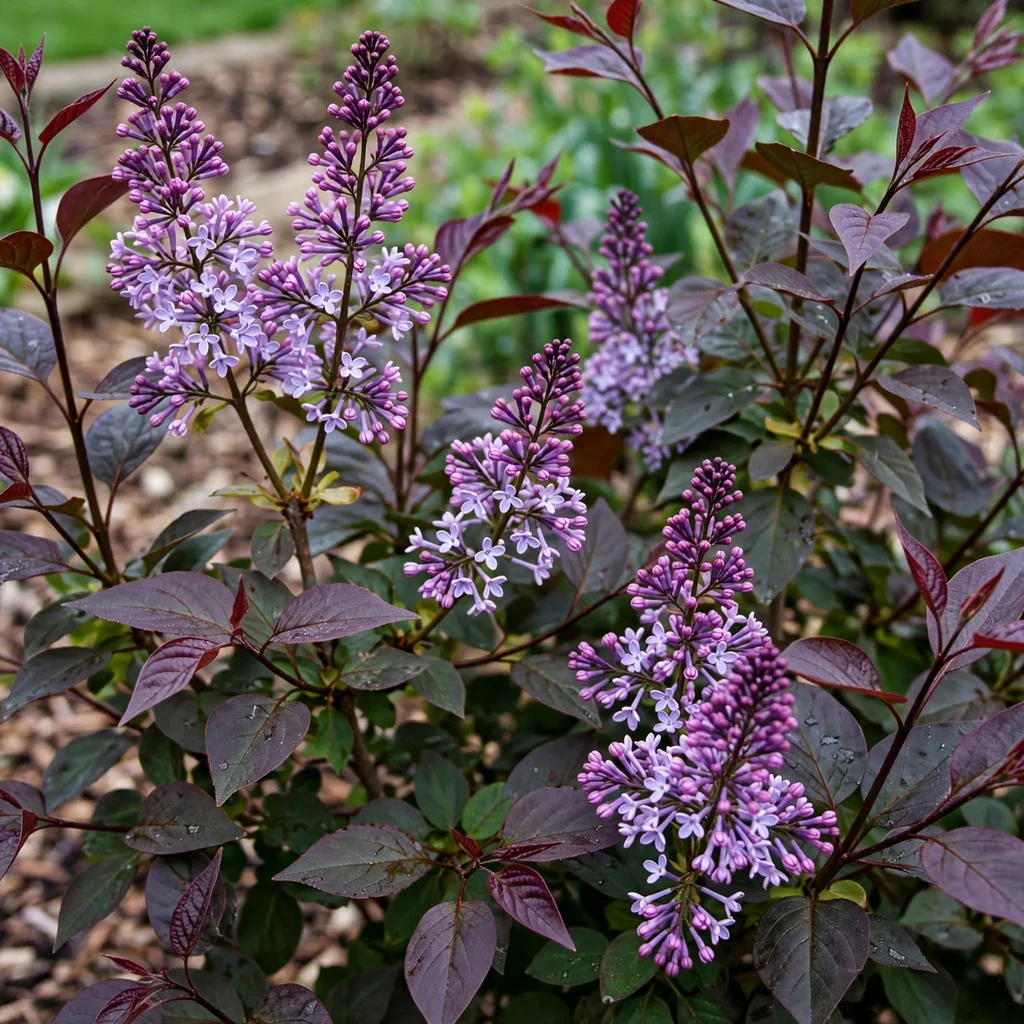
Miss Kim Lilac
Syringa x hyacinthiflora 'Miss Kim'
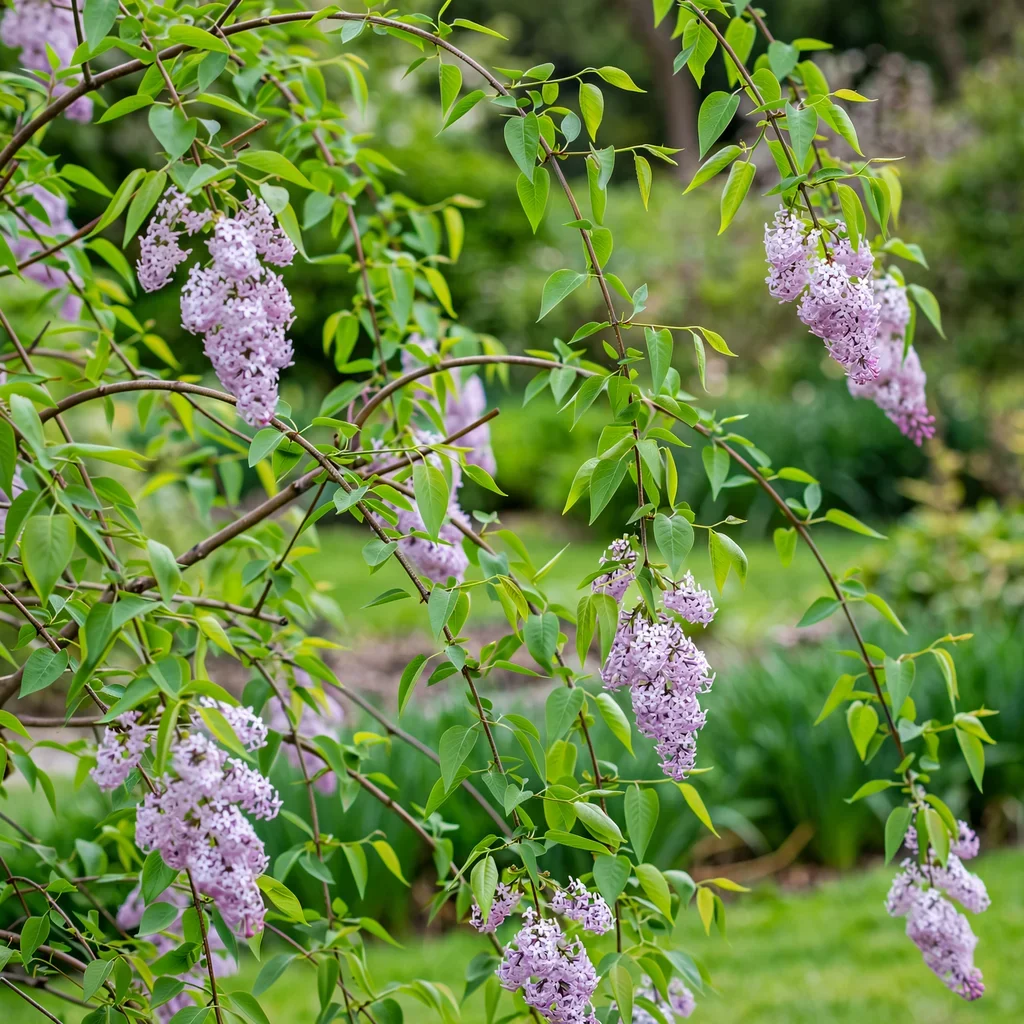
Chinese Lilac
Syringa x chinensis 'Lilac Sunday'
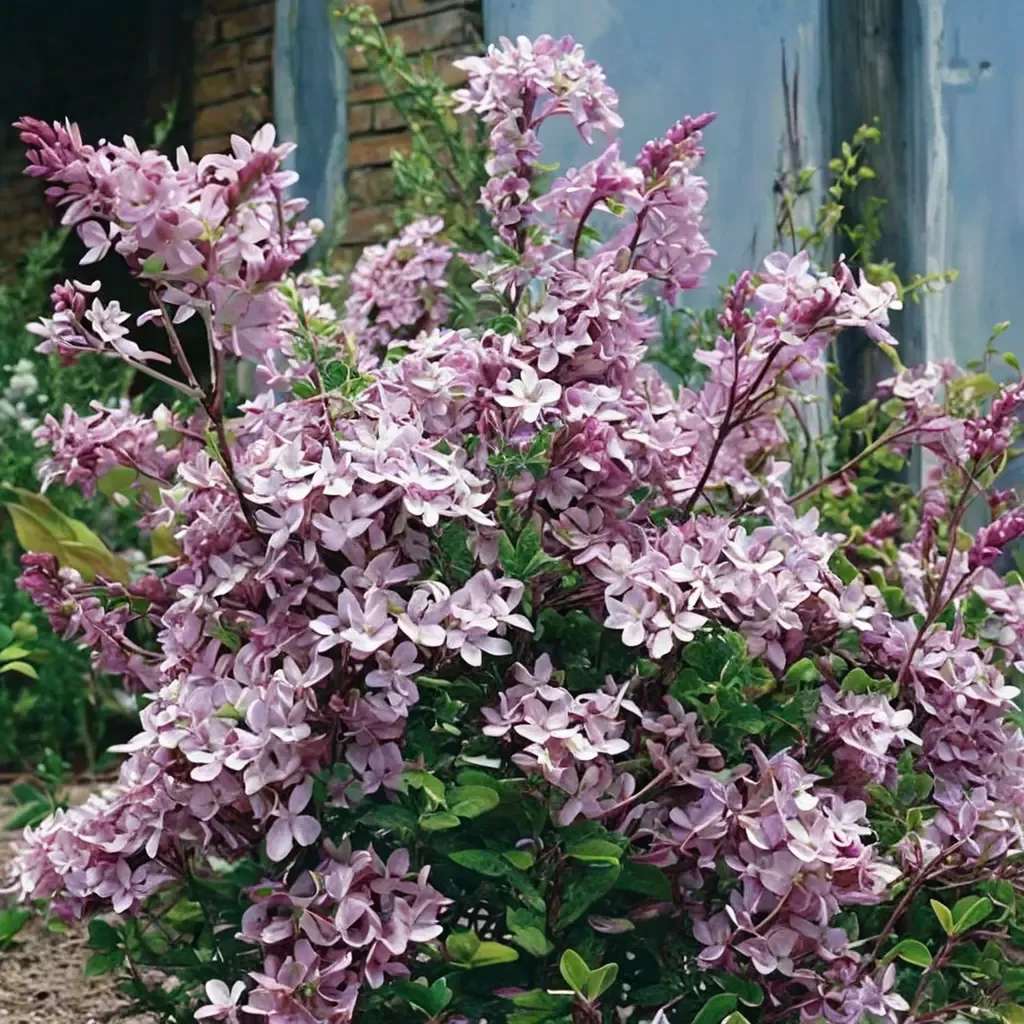
Josee lilac
Syringa x villosa 'Josee'
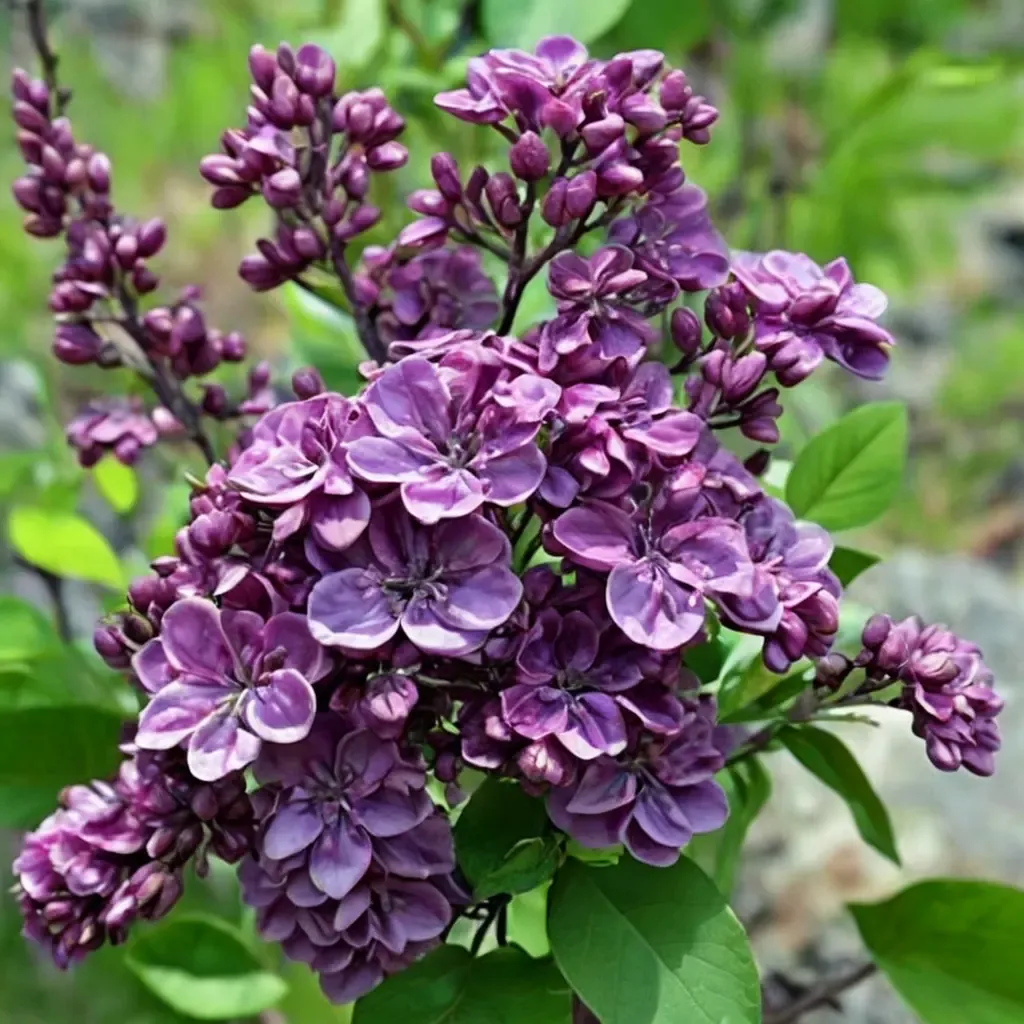
Common Lilac 'Agincourt Beauty'
Syringa x chinensis 'Agincourt Beauty'
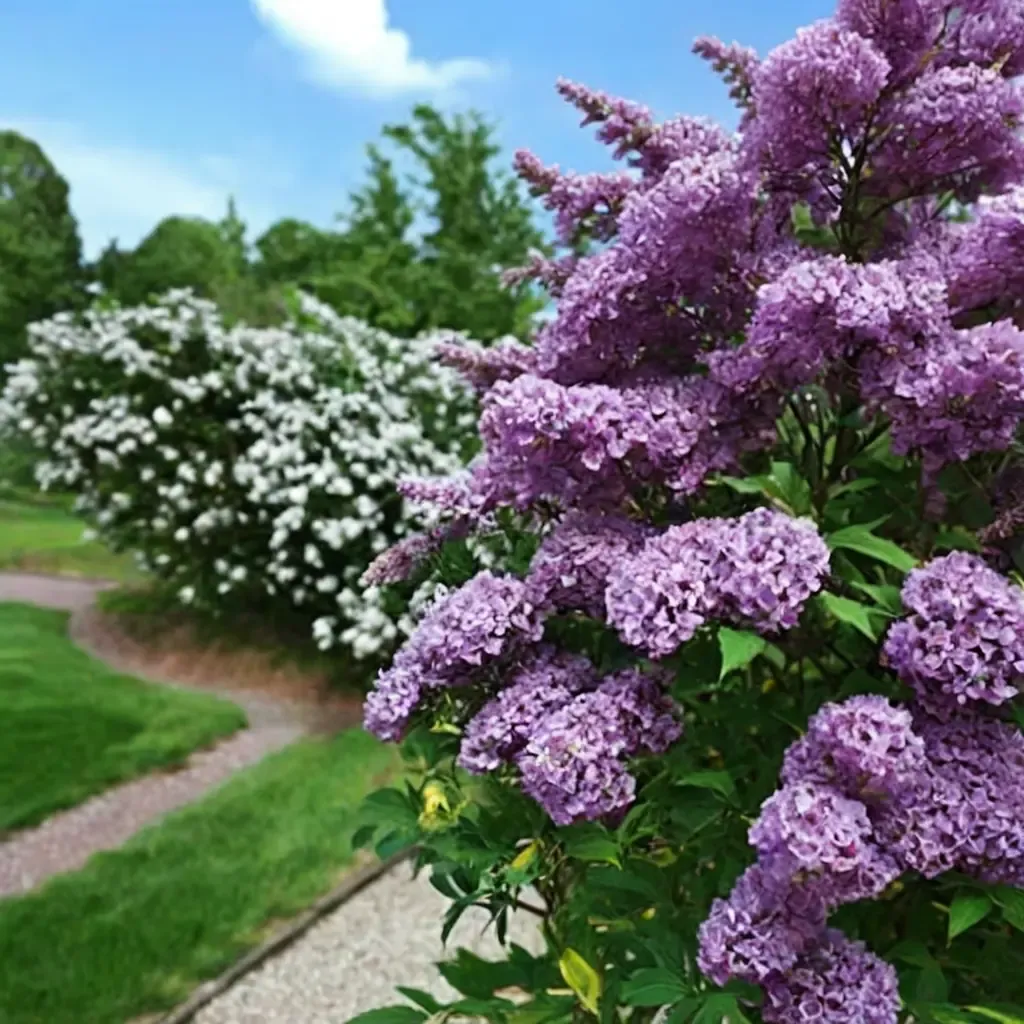
Chinese Lilac 'Royalty'
Syringa x chinensis 'Royalty'
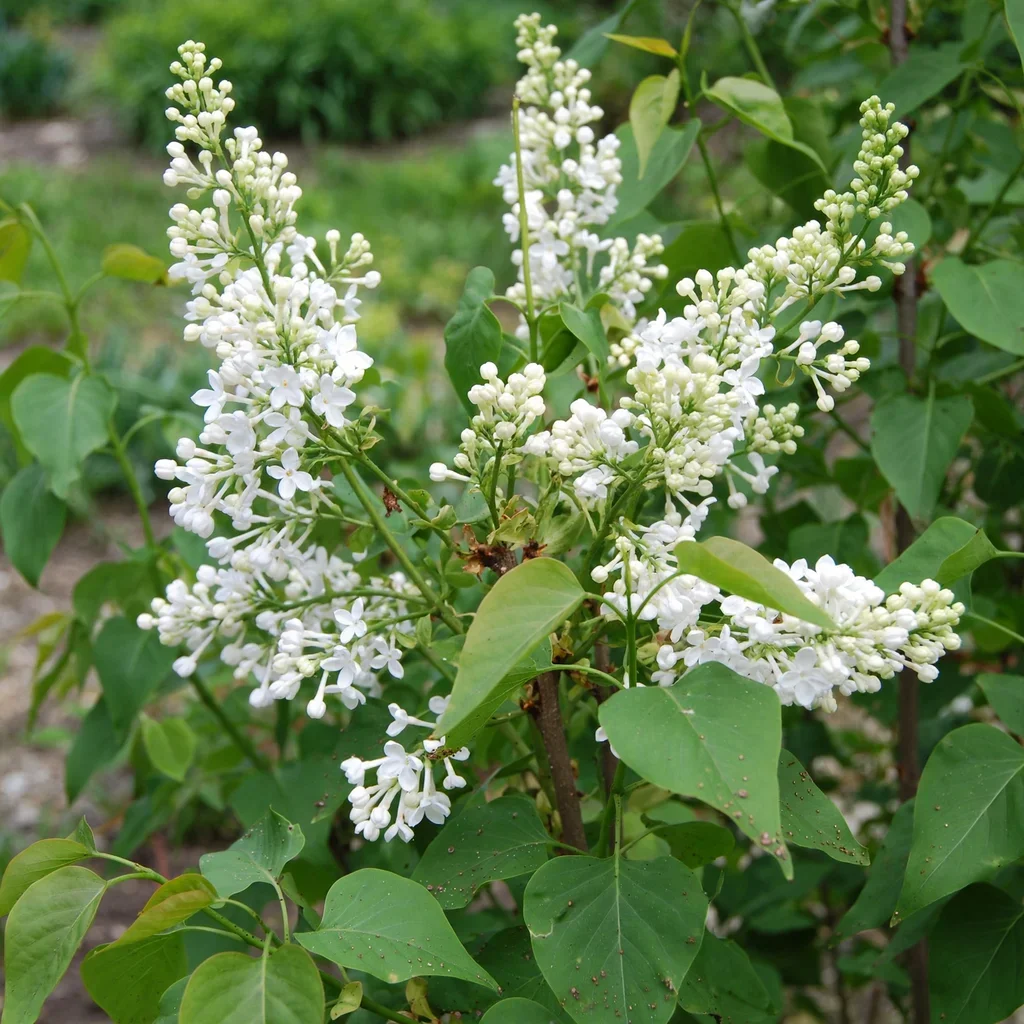
Betsy Ross Lilac
Syringa x oblata 'Betsy Ross'
Keep exploring
Explore the genus
Hardy in your zone?
Grow Early Lilac with confidence
See it in a design of your actual yard, get zone-matched care reminders, and track it season by season in your garden journal.