
Species
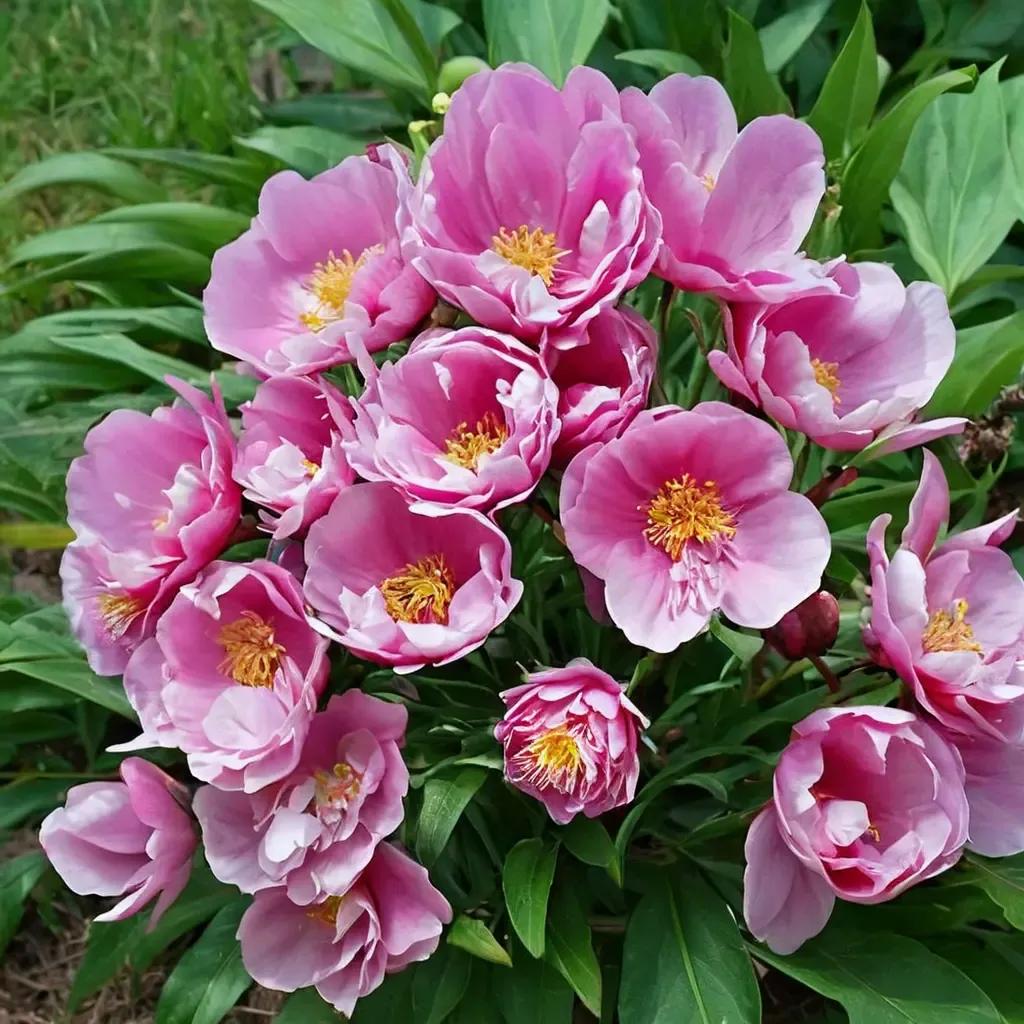 Paeonia lactifloraChinese Peony
53 other cultivars
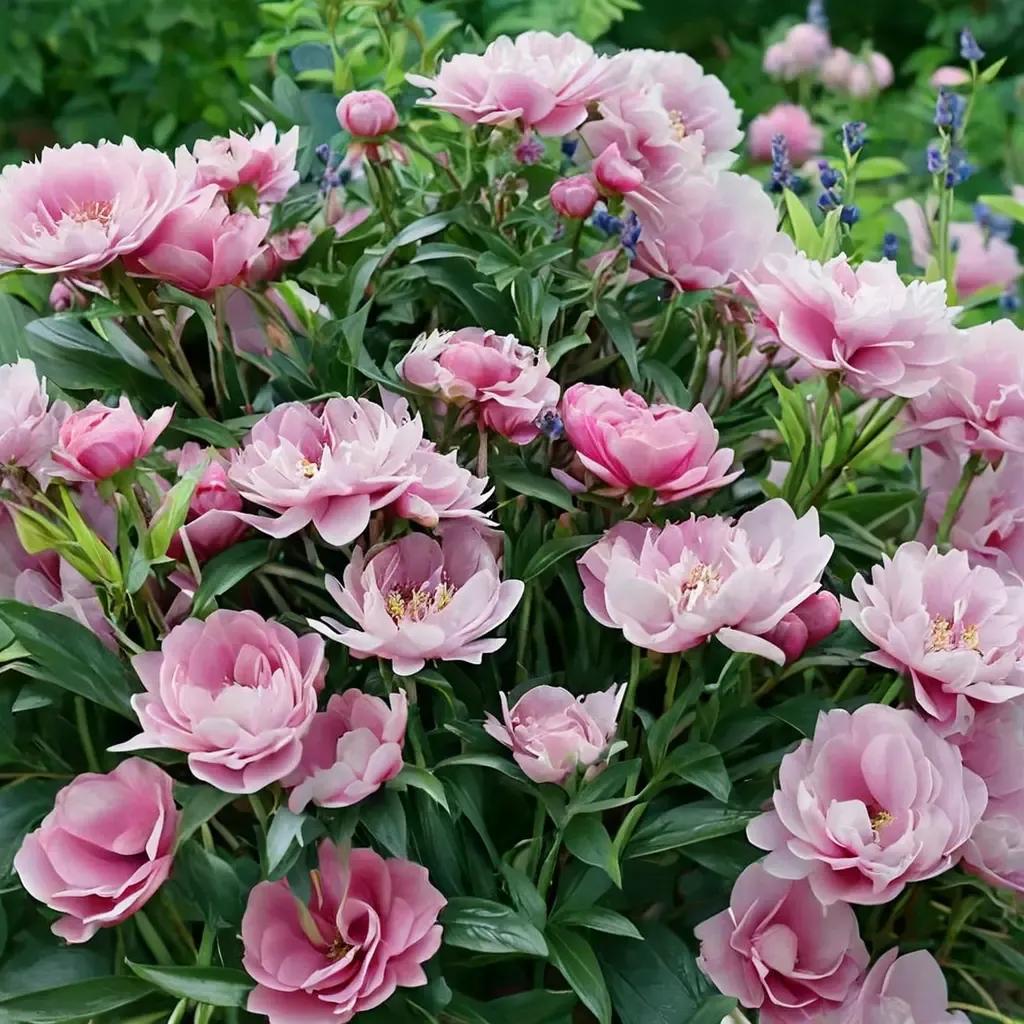 ‘Sarah Bernhardt’Sarah Bernhardt Peony
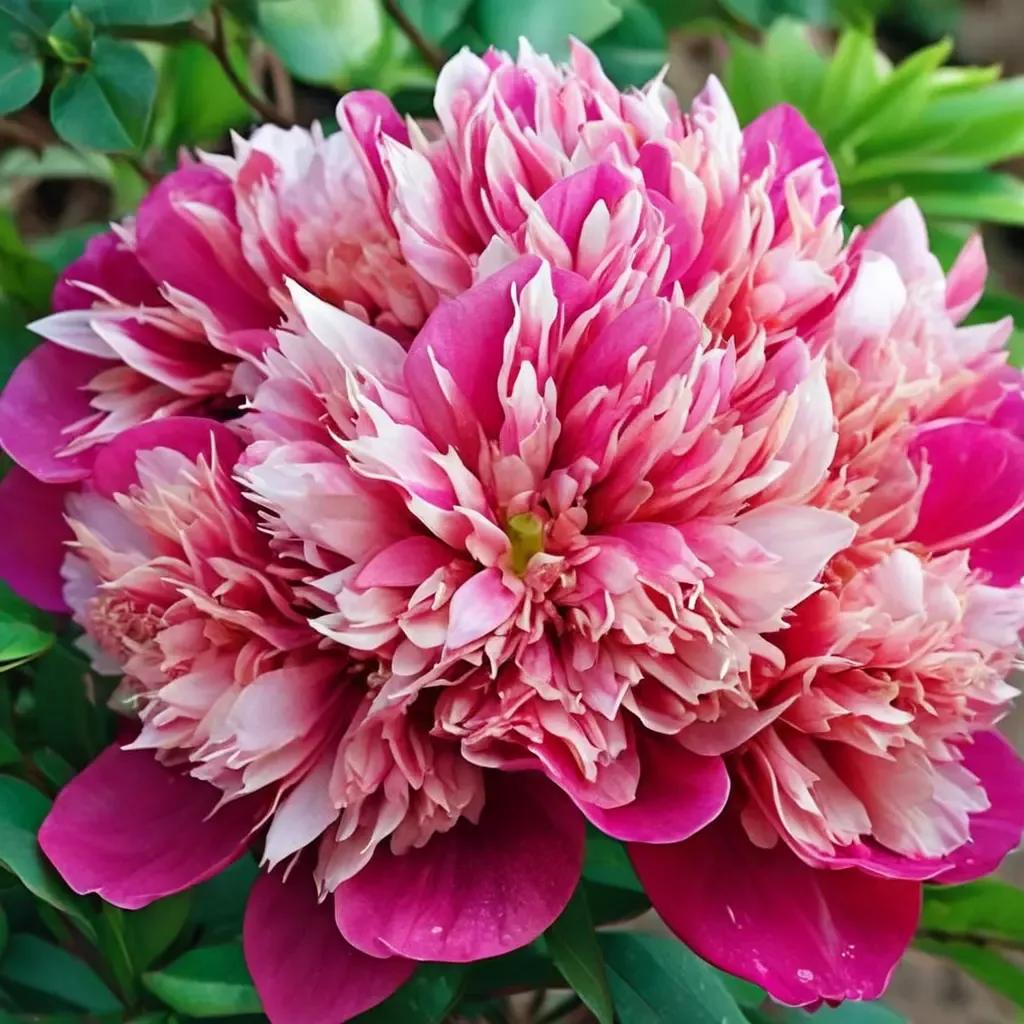 ‘Daydream’Daydream Peony
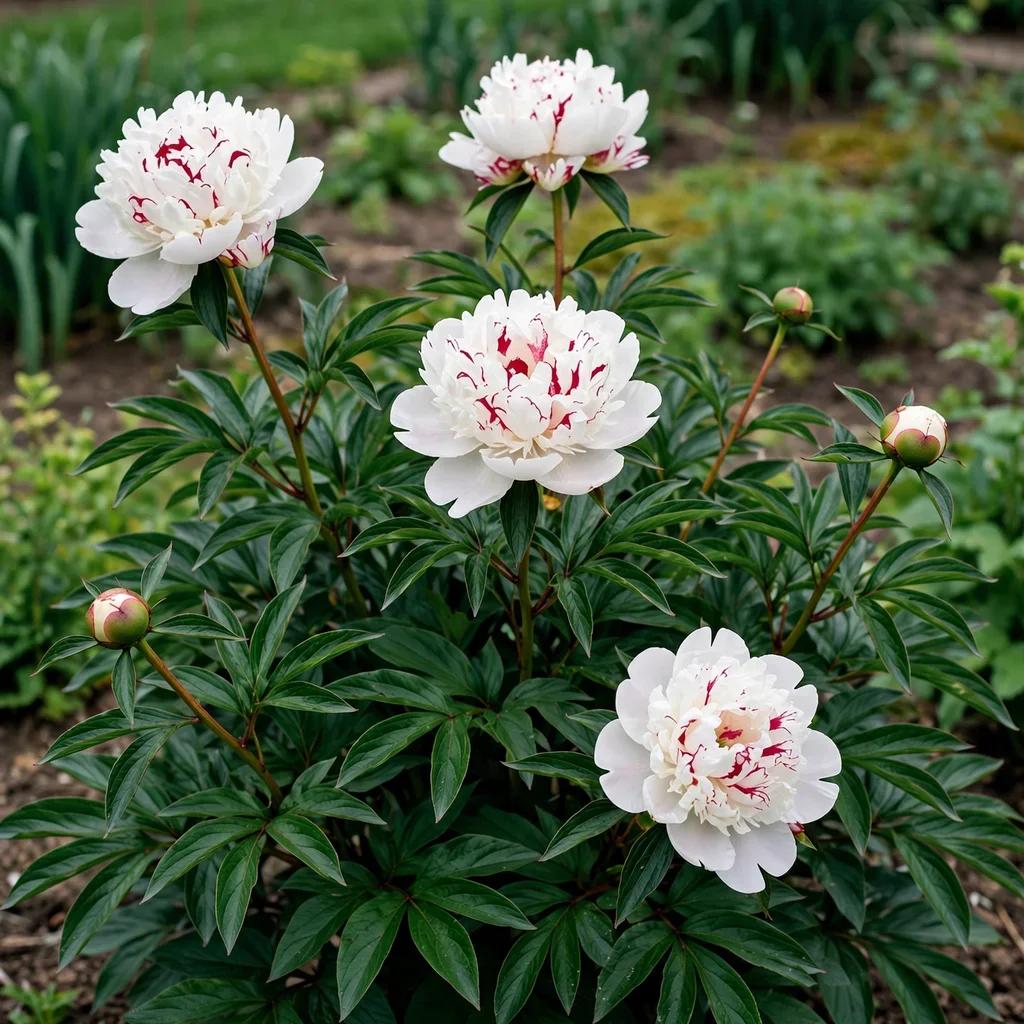 ‘Festiva Maxima’Festiva Maxima Peony Chinese Peony
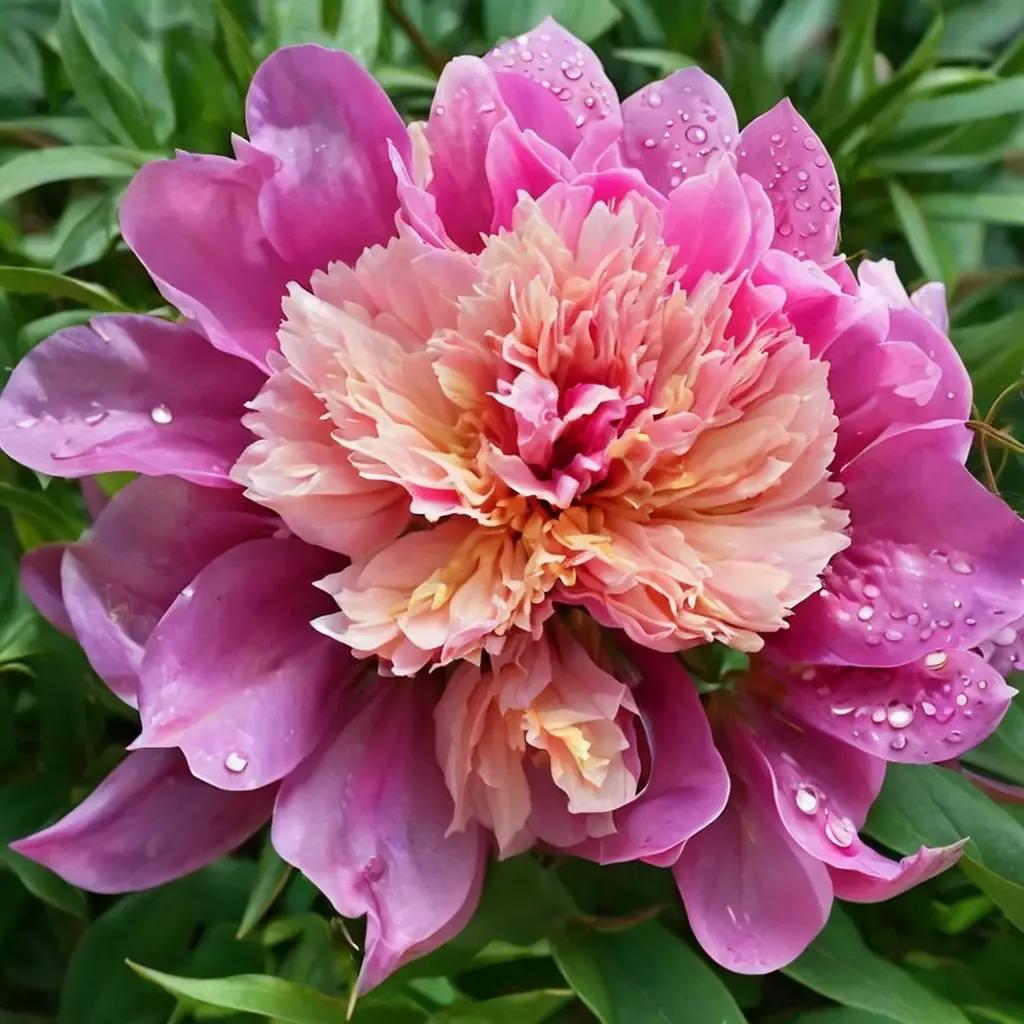 ‘Philomele’Philomele Peony
 ‘Duchess de Nemours’Duchess de Nemours Peony
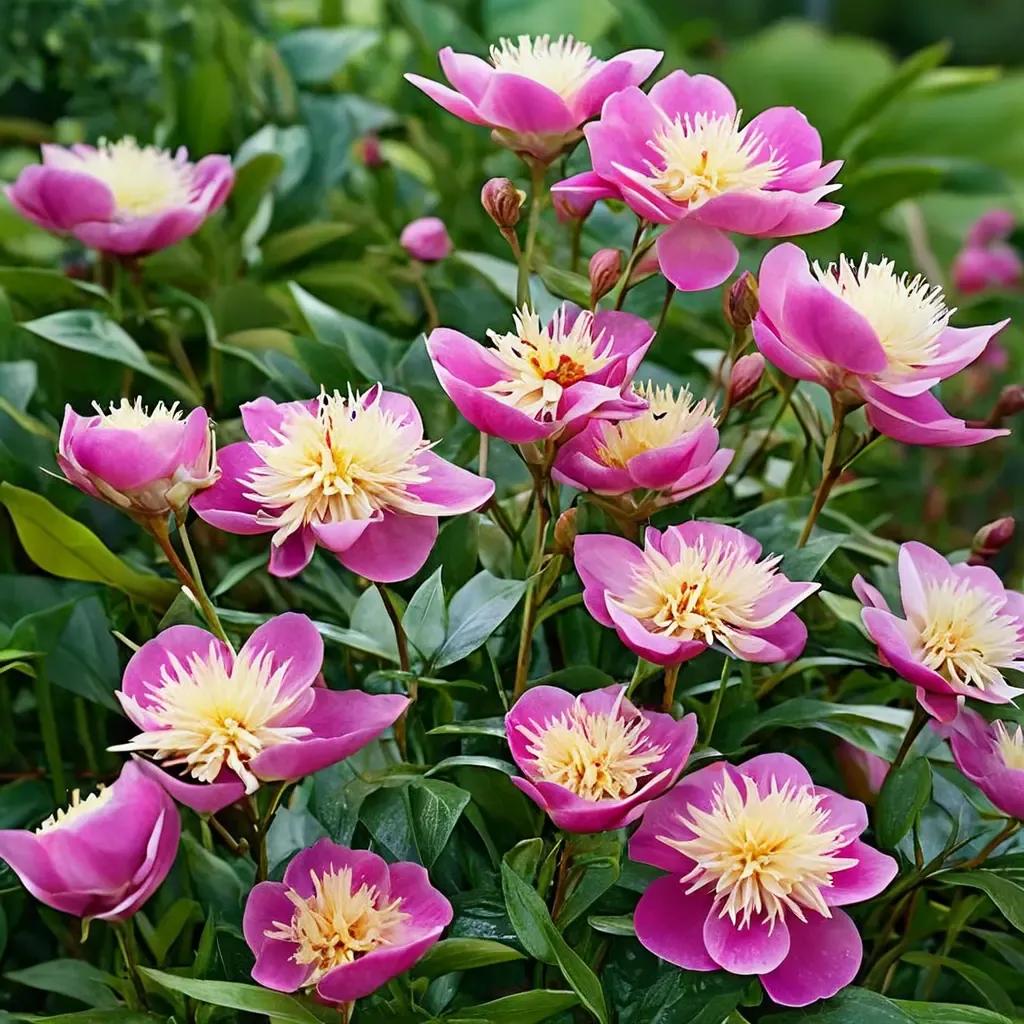 ‘Bowl of Beauty’Bowl of Beauty Peony
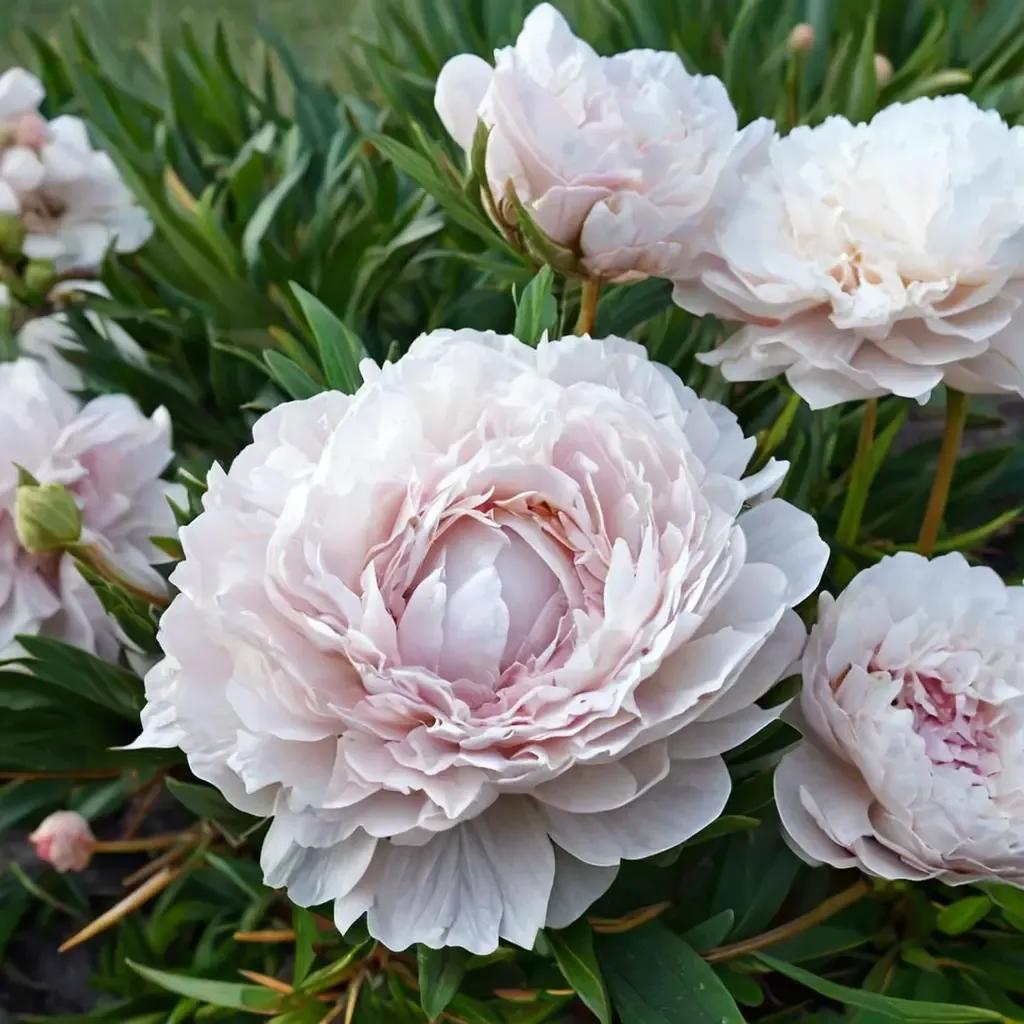 ‘Mother’Mother's Choice Peony
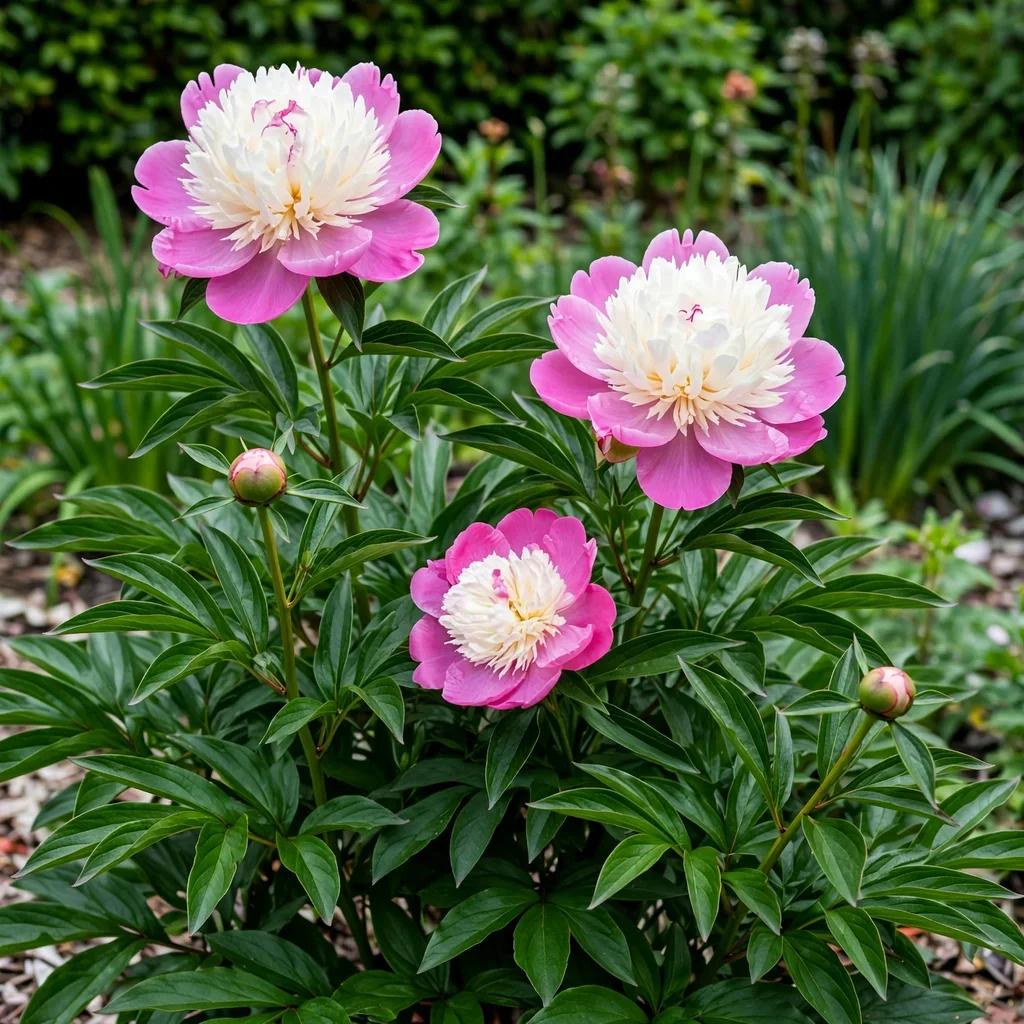 ‘Gay Paree’Gay Paree Peony
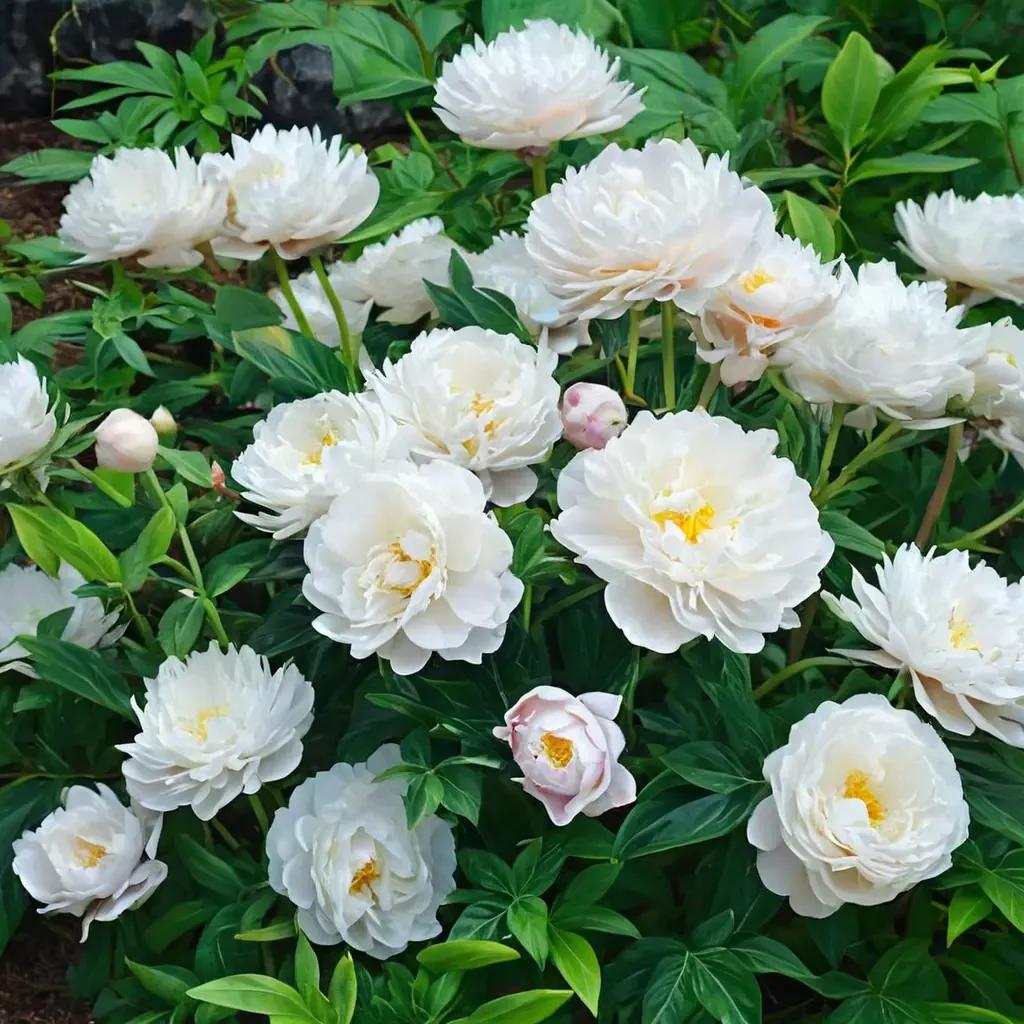 ‘Gardenia’Garden Peony
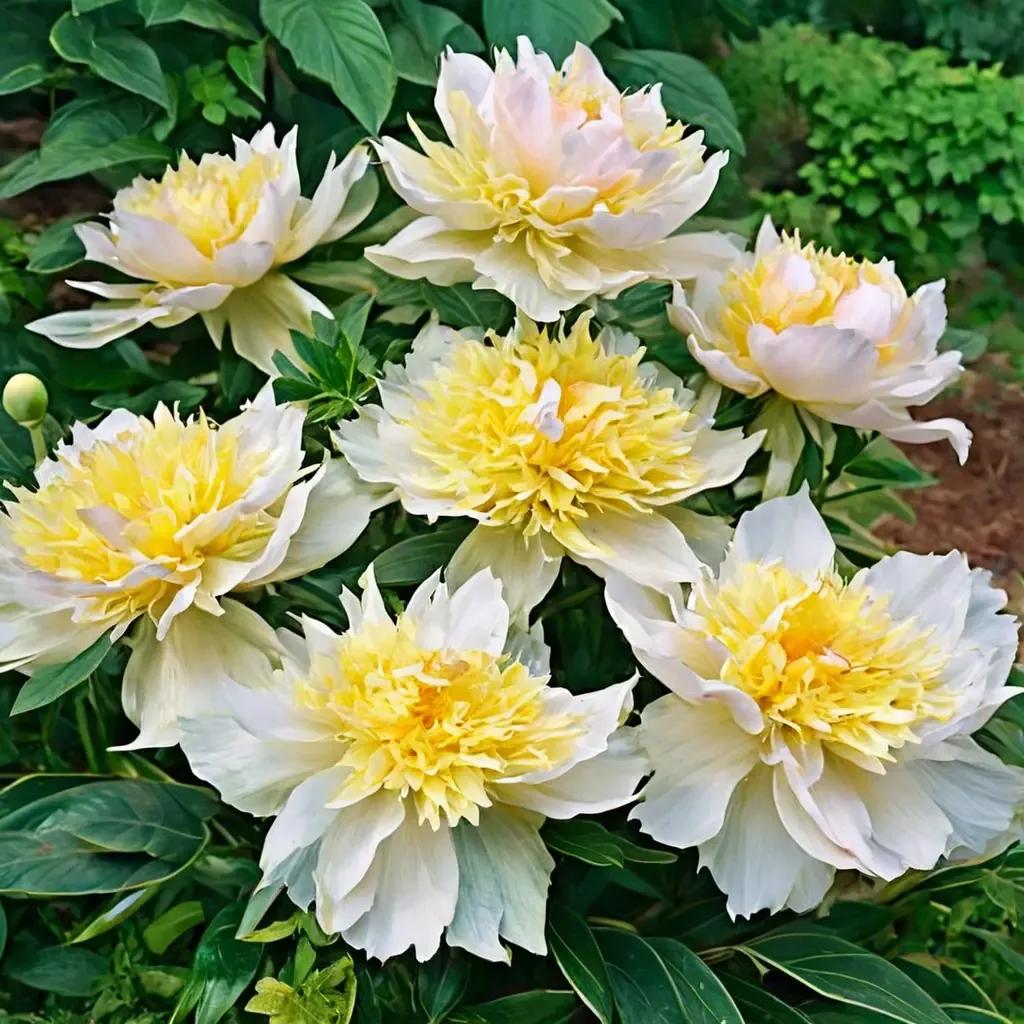 ‘Honey Gold’Honey Gold Peony
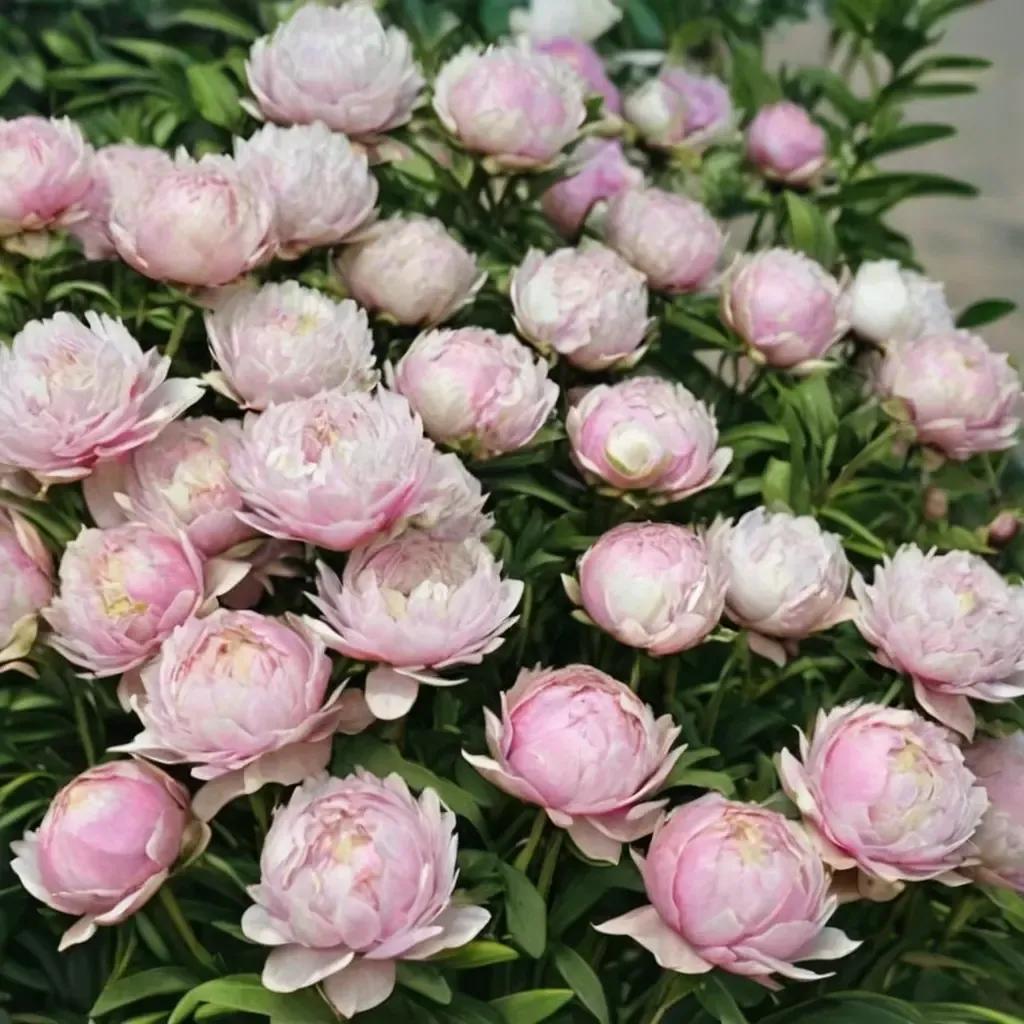 ‘Pillow Talk Peony’Pillow Talk Peony
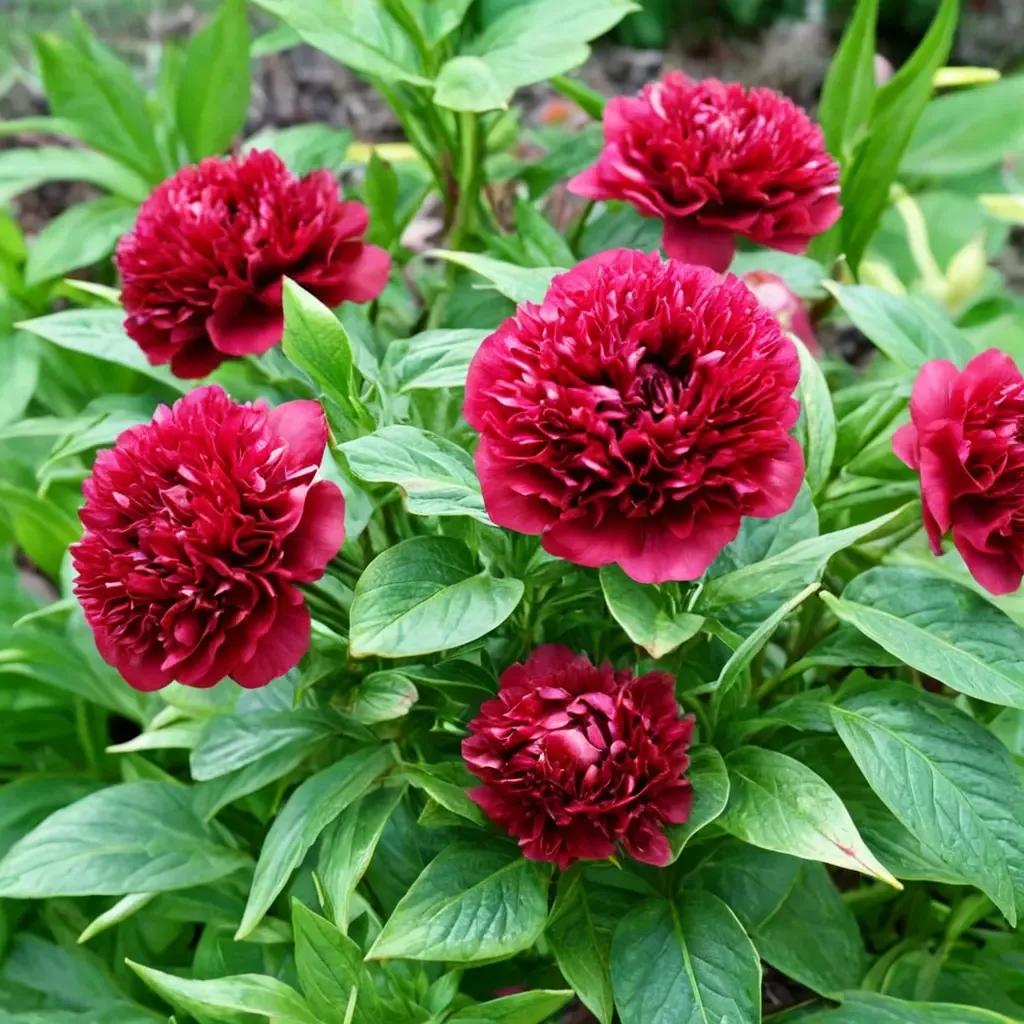 ‘Red Charm’Red Charm Peony
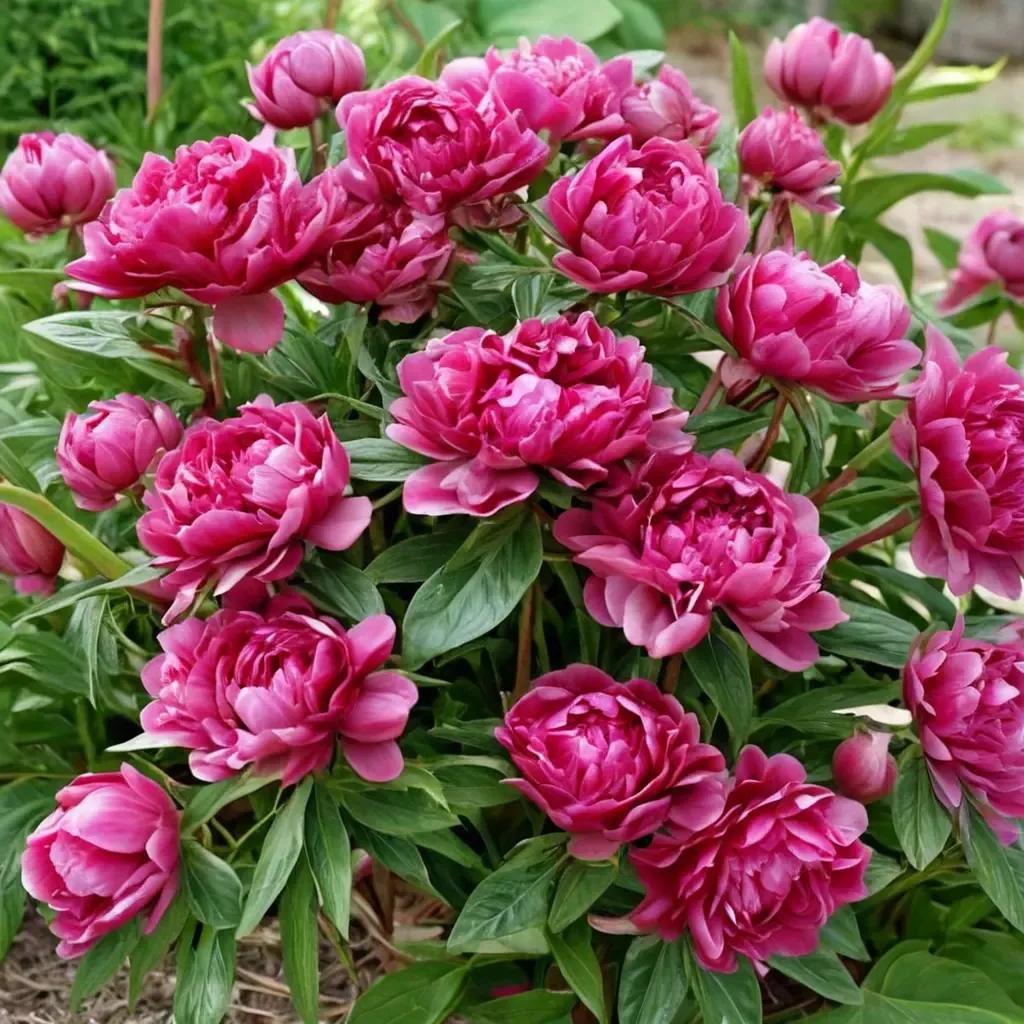 ‘Karl Rosenfield’Karl Rosenfield Peony
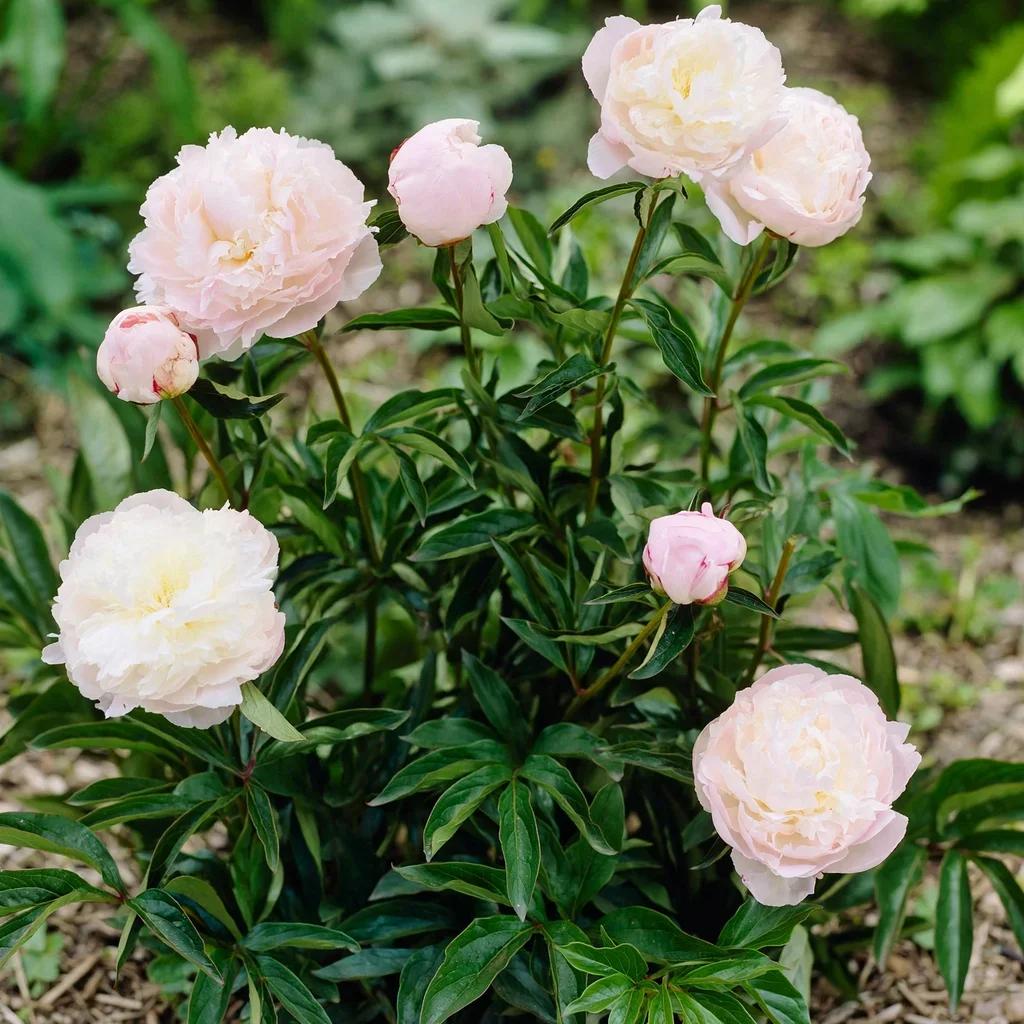 ‘Shirley Temple’Shirley Temple Peony
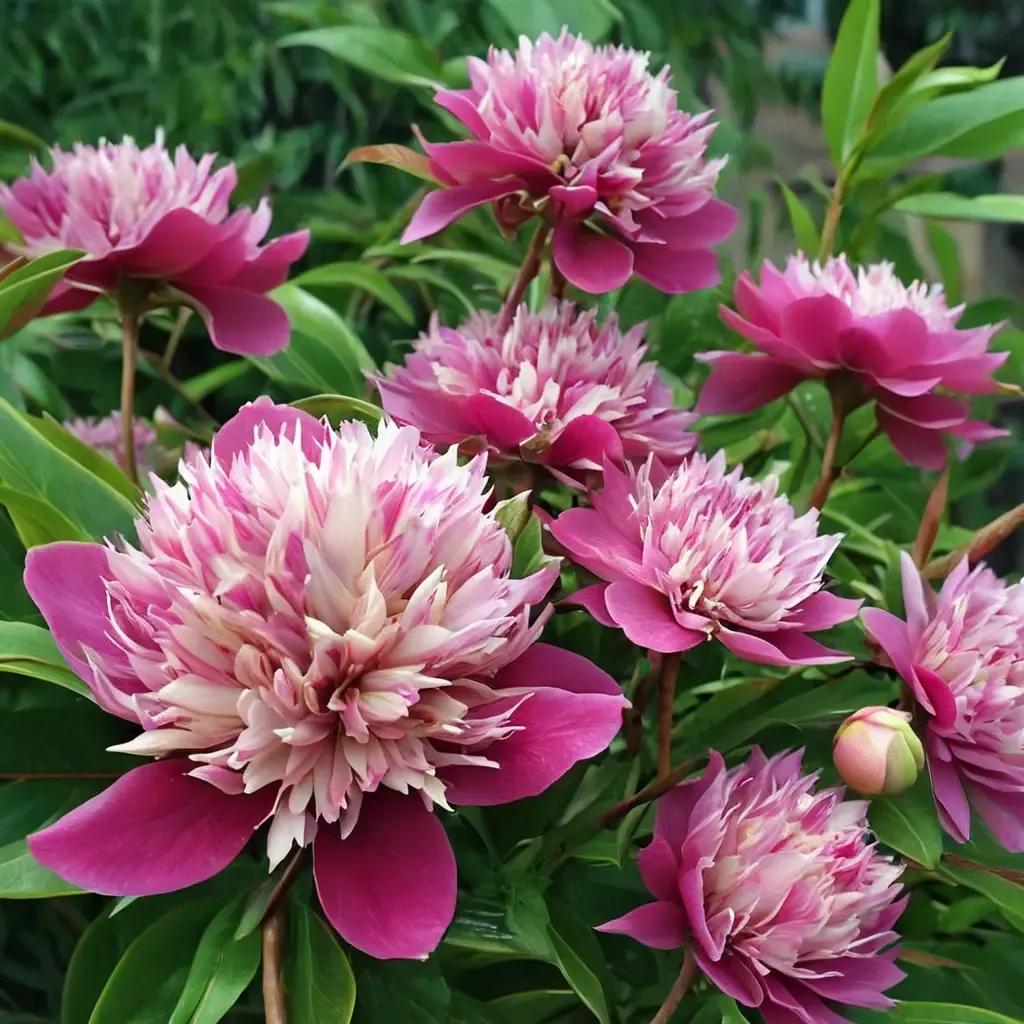 ‘Cora Stubbs’Cora Stubbs Peony
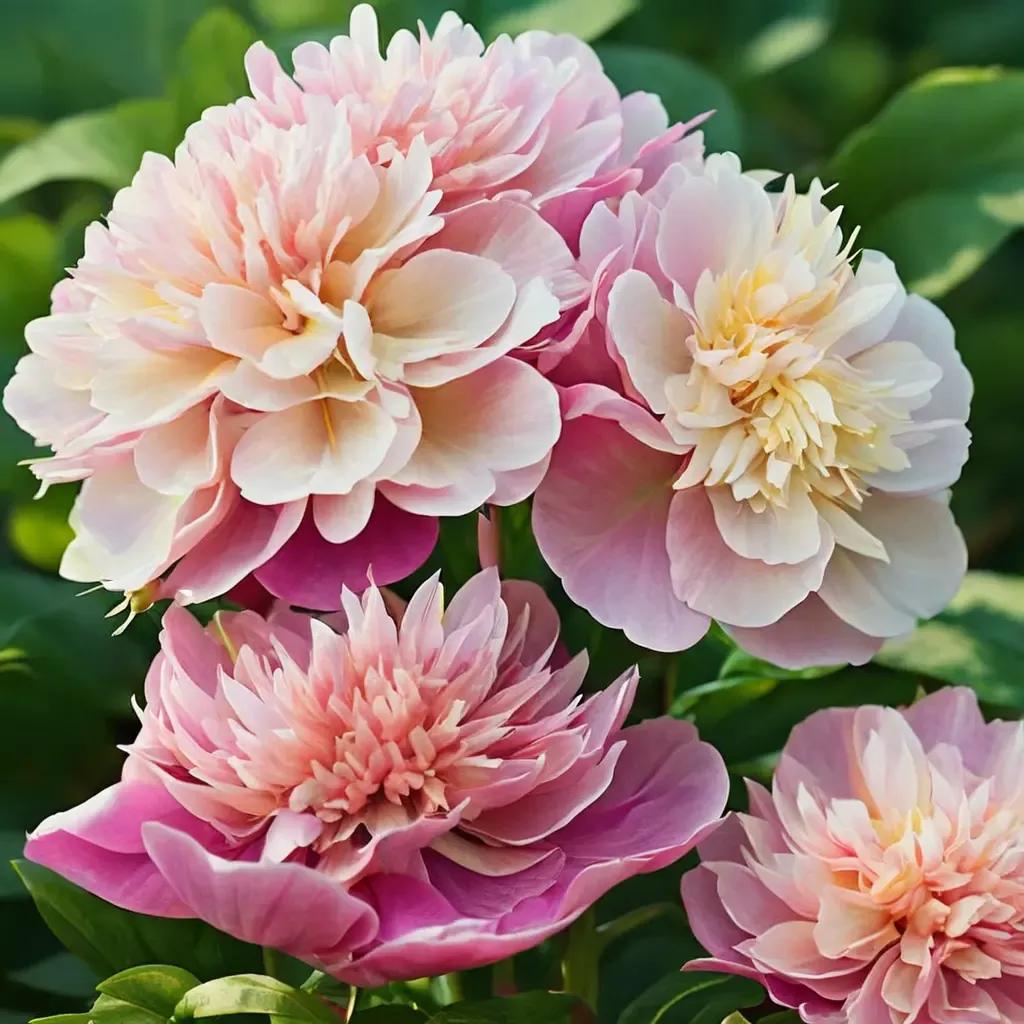 ‘Lady Alexandra Duff’Lady Alexandra Duff Peony
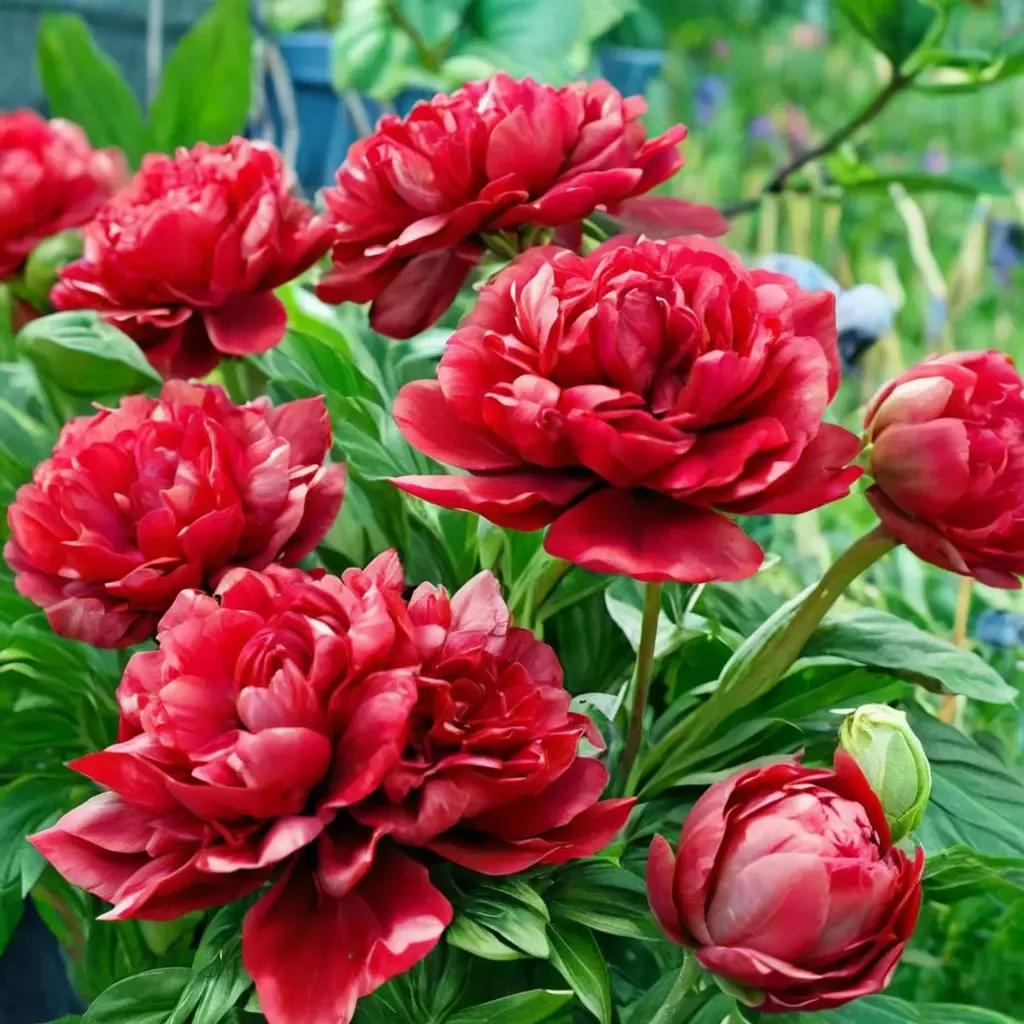 ‘Henry Bockstoce’Henry Bockstoce Peony
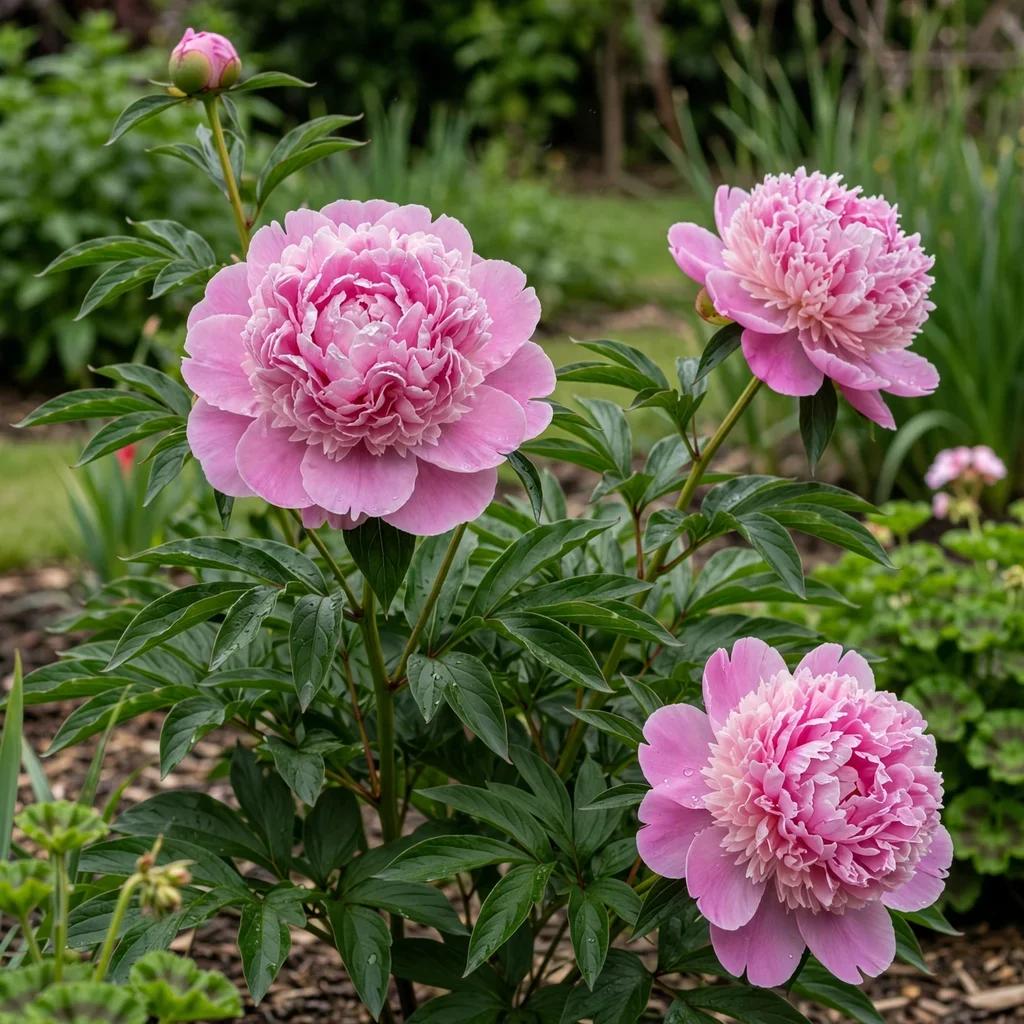 ‘Monsieur Jules Elie’Monsieur Jules Elie Peony
 ‘Lady Liberty’Lady Liberty Peony
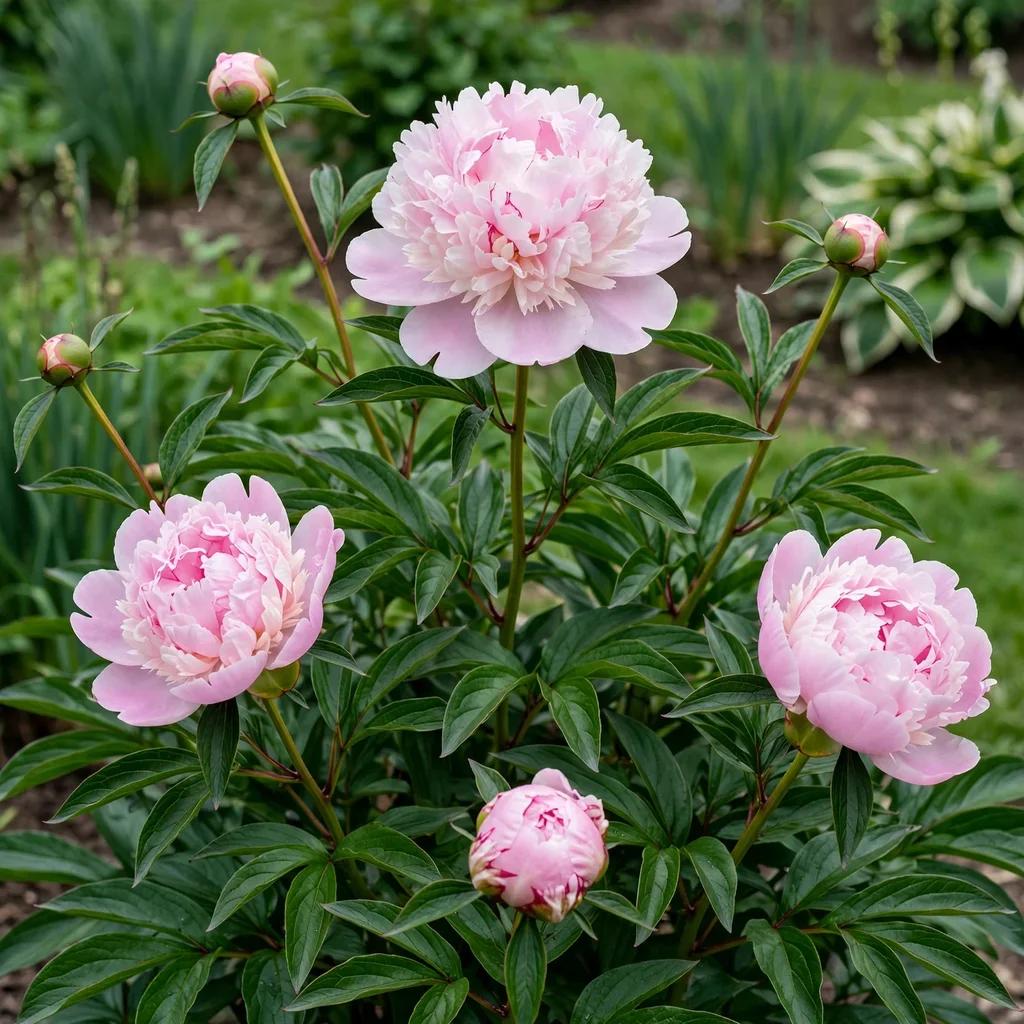 ‘Dinner Plate’Dinner Plate Peony
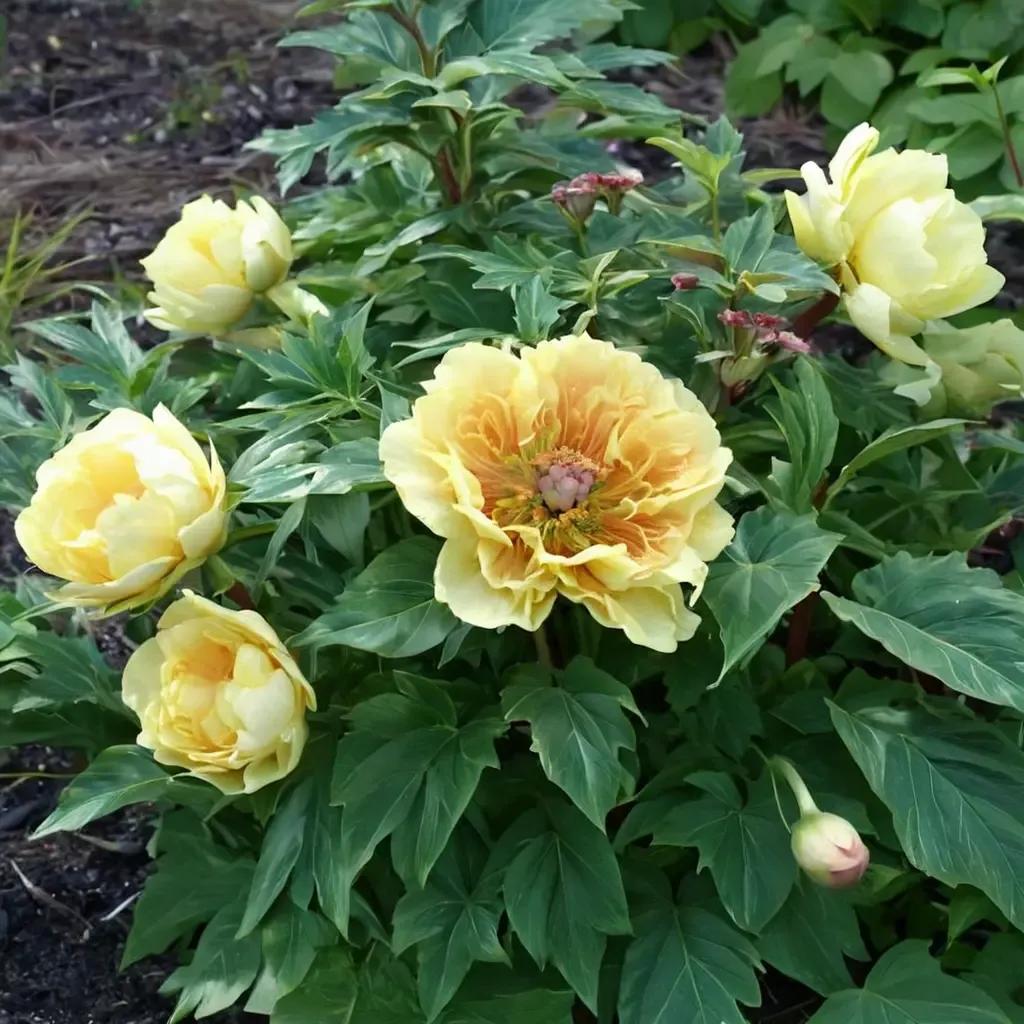 ‘Garden Treasure’Garden Treasure Itoh Peony
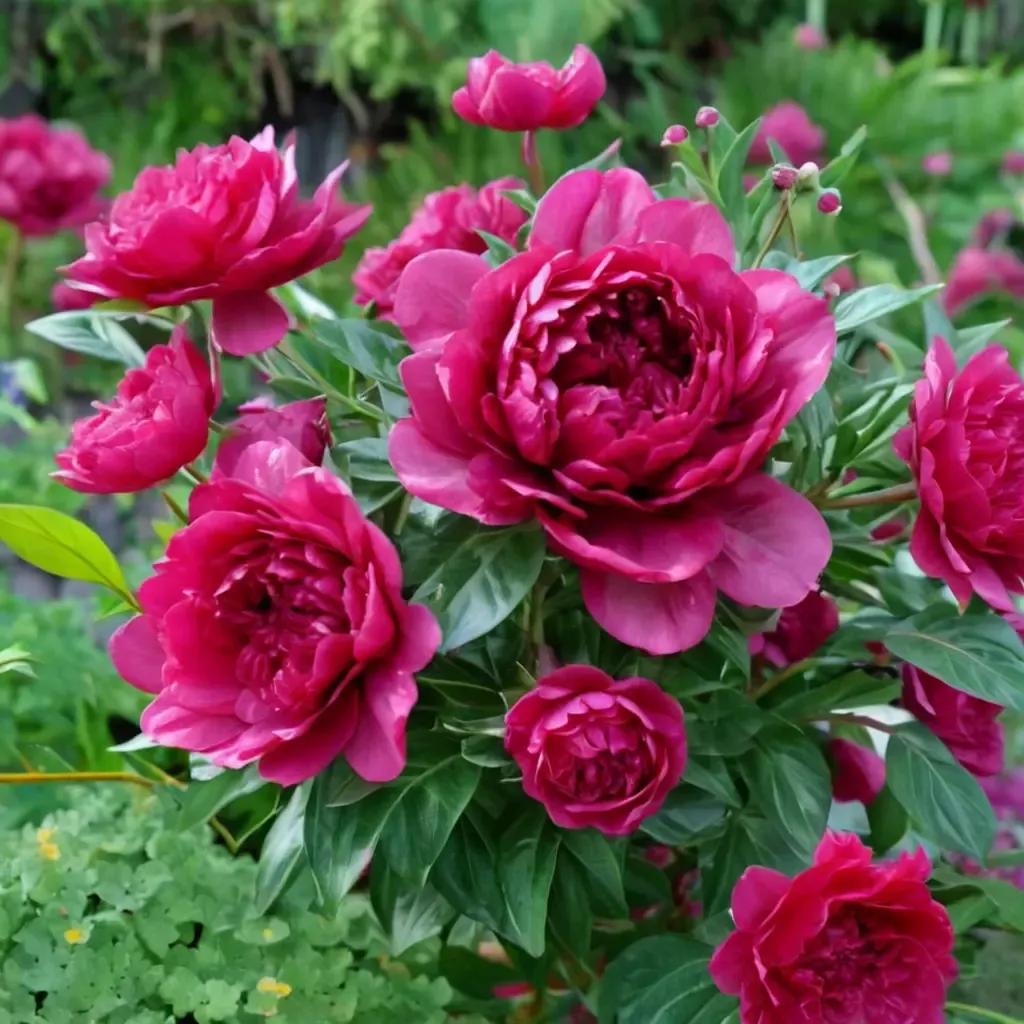 ‘Felix Crousse’Felix Crousse Peony Peony Felix Crousse
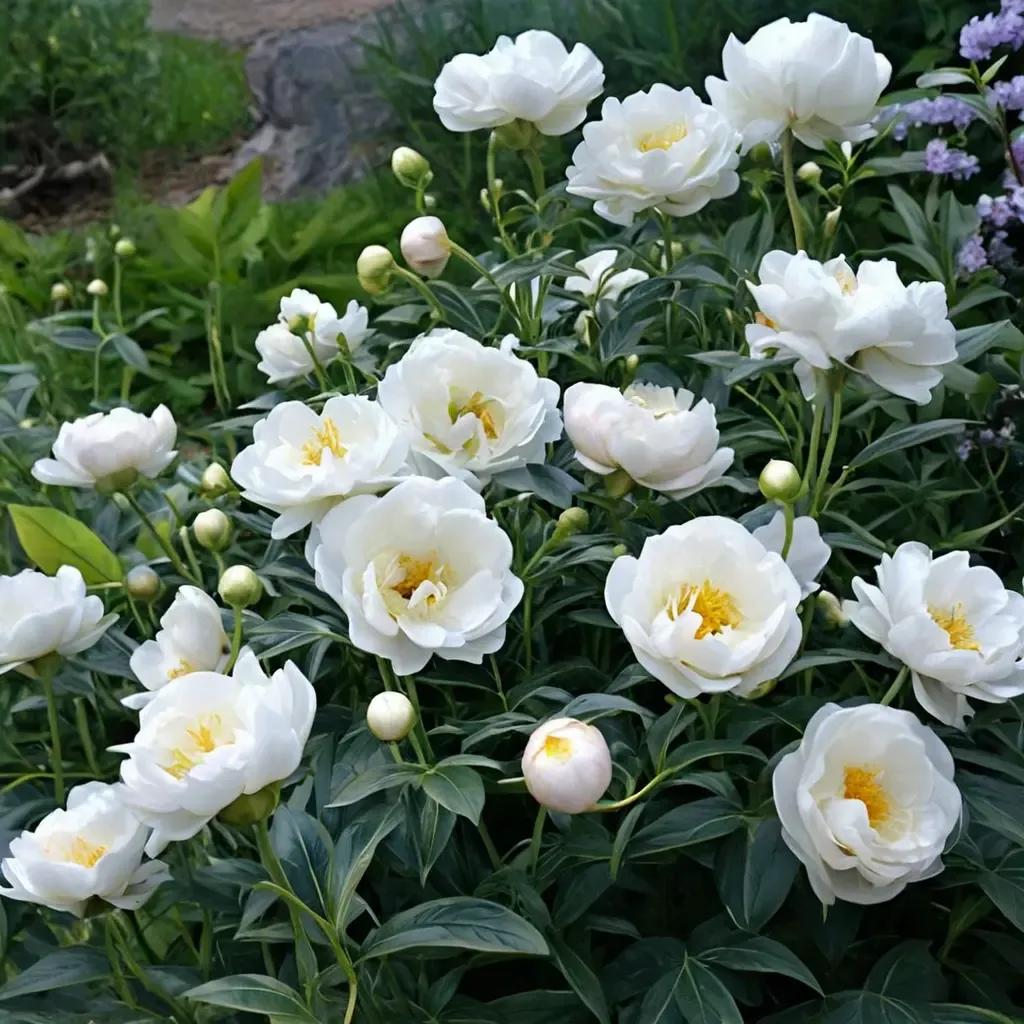 ‘Miss America’Miss America Peony
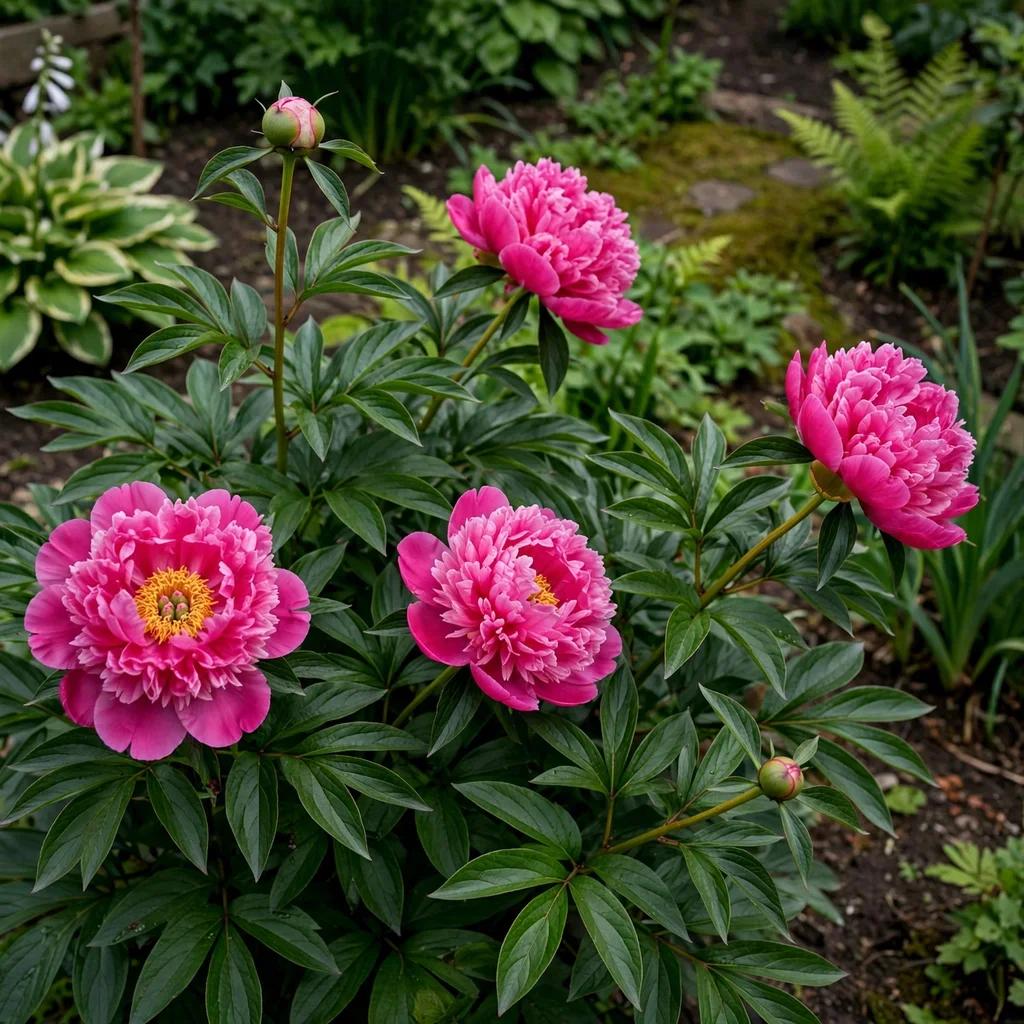 ‘Paula Fay’Paula Fay Peony
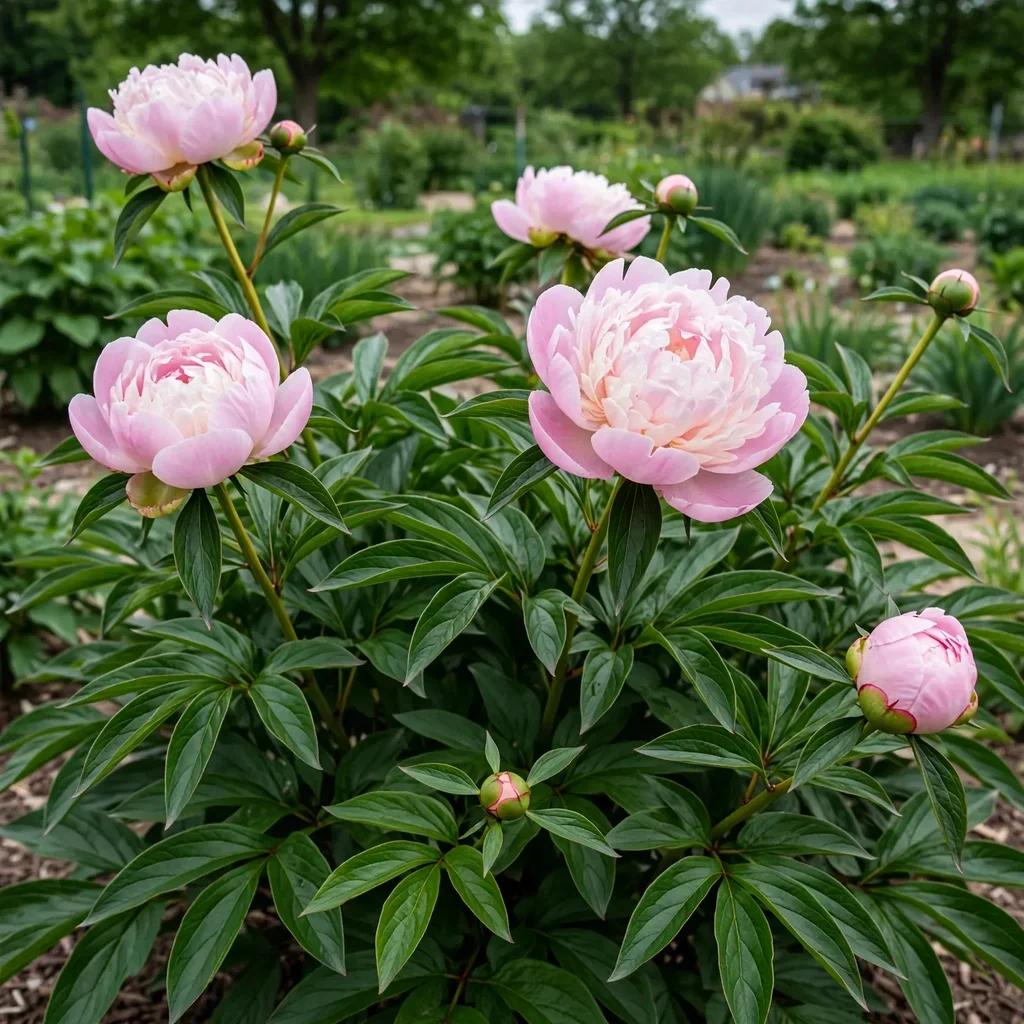 ‘Mrs. Franklin D. Roosevelt’Mrs. Franklin D. Roosevelt Peony
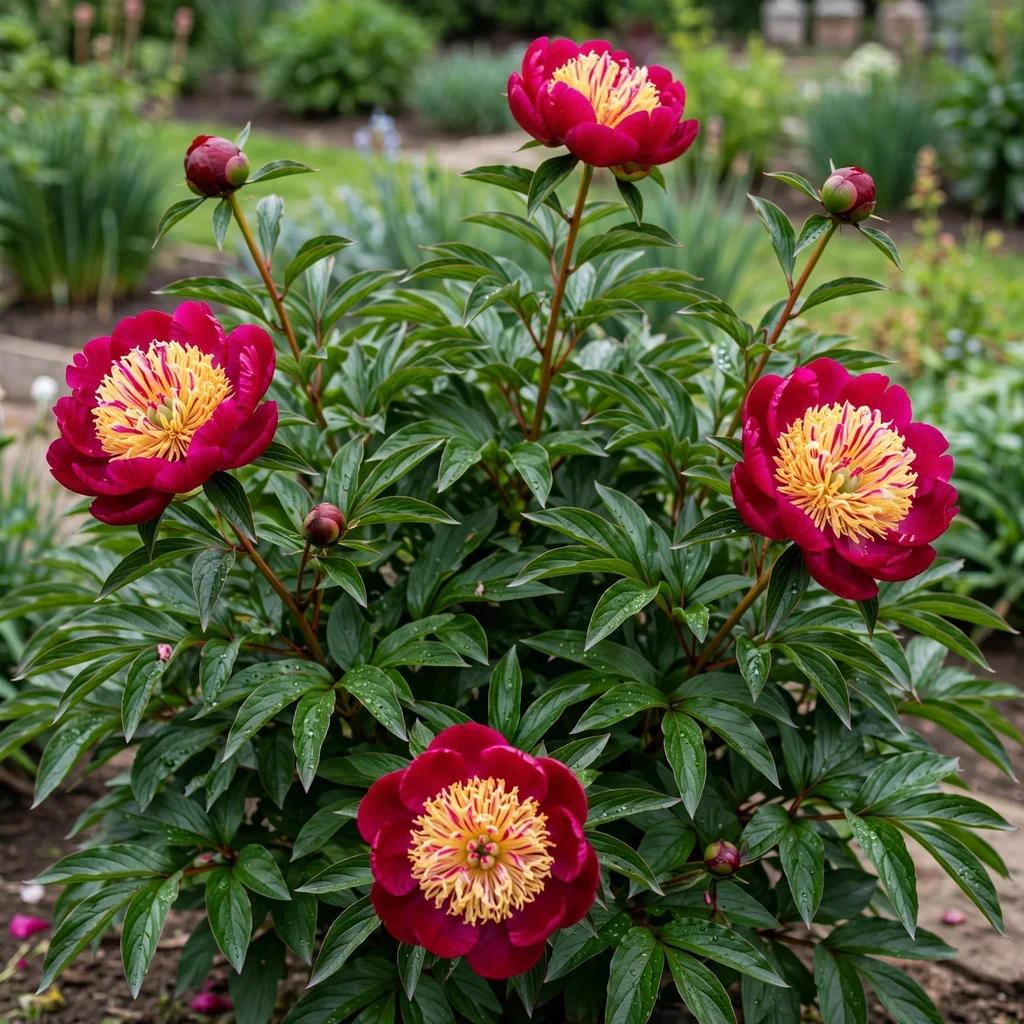 ‘Sword Dance’Sword Dance Peony
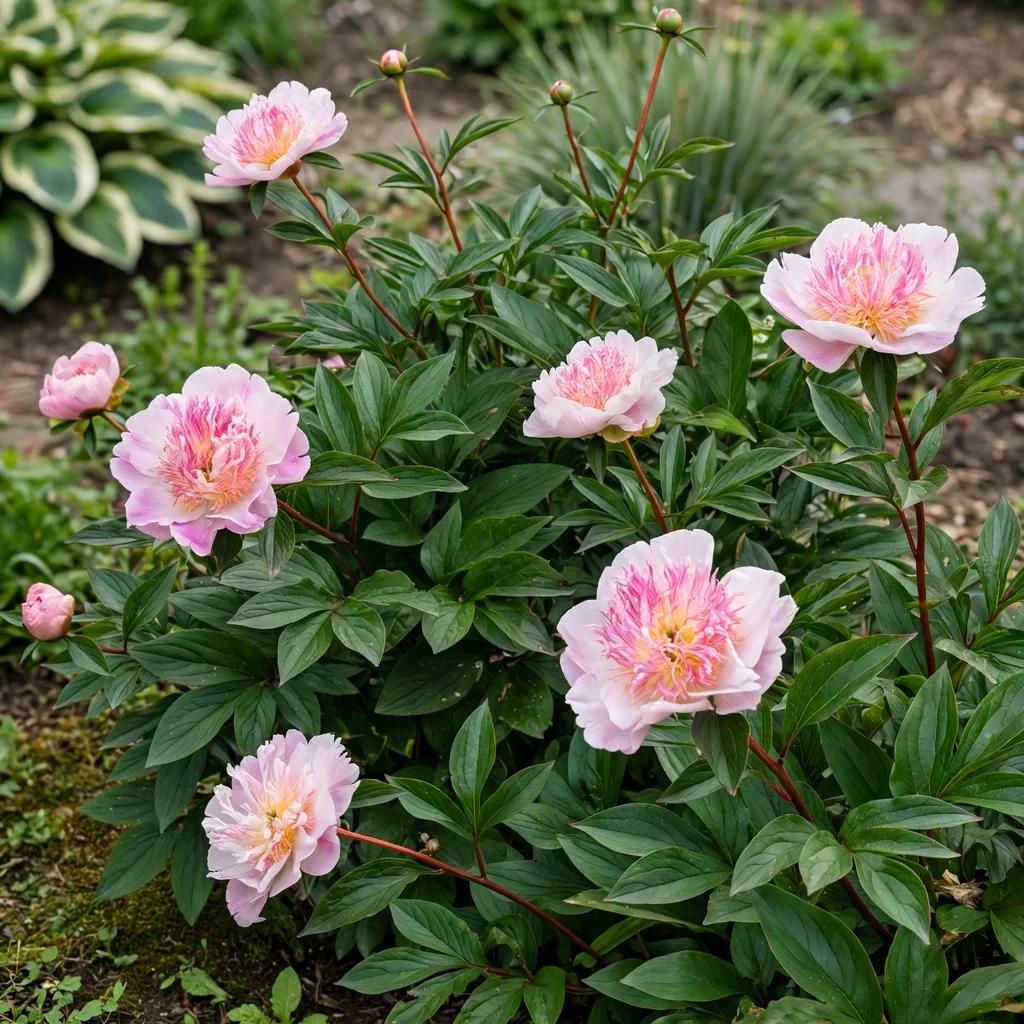 ‘Do Tell’Do Tell Peony
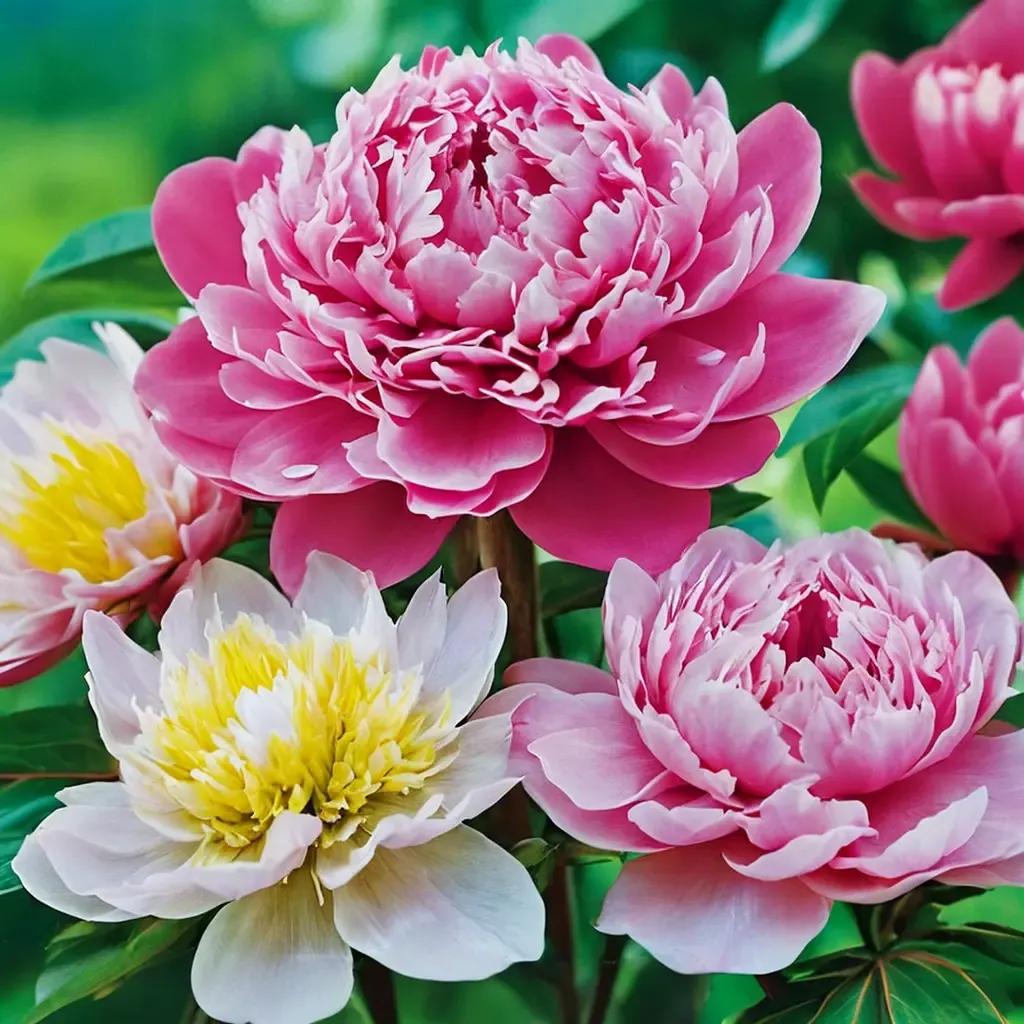 ‘Exceptionally Fragrant Peony Trio’Exceptionally Fragrant Peony Trio
 ‘Abalone Pearl’Abalone Pearl Peony
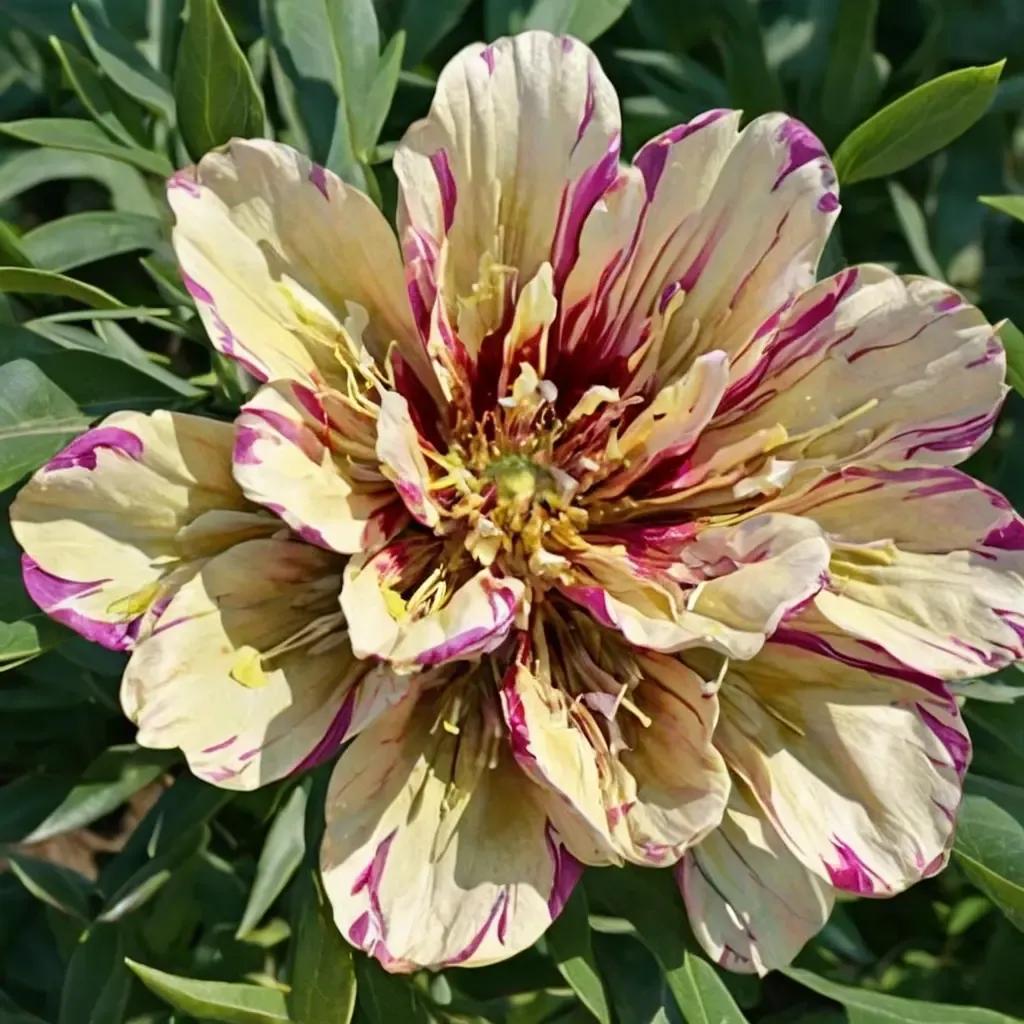 ‘Lollipop’Lollipop Itoh Peony
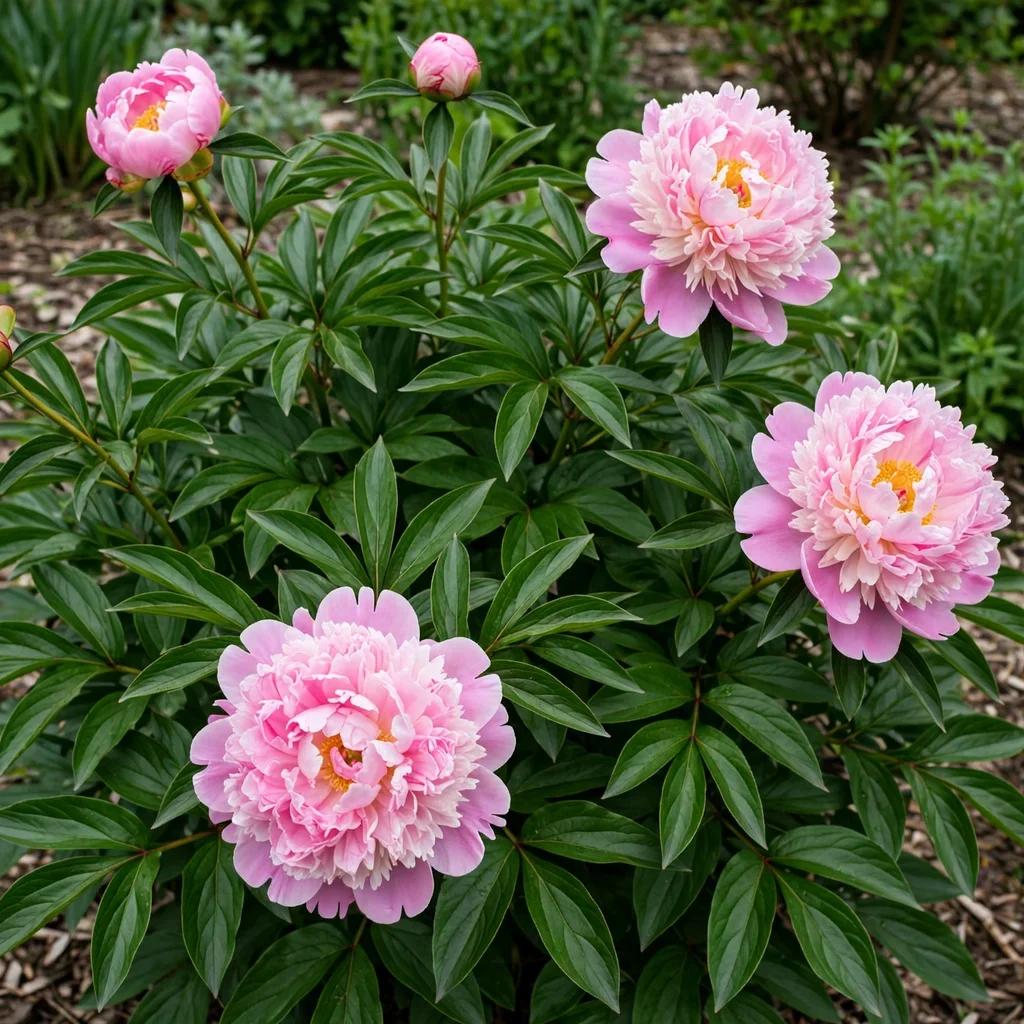 ‘La Donna’La Donna Peony
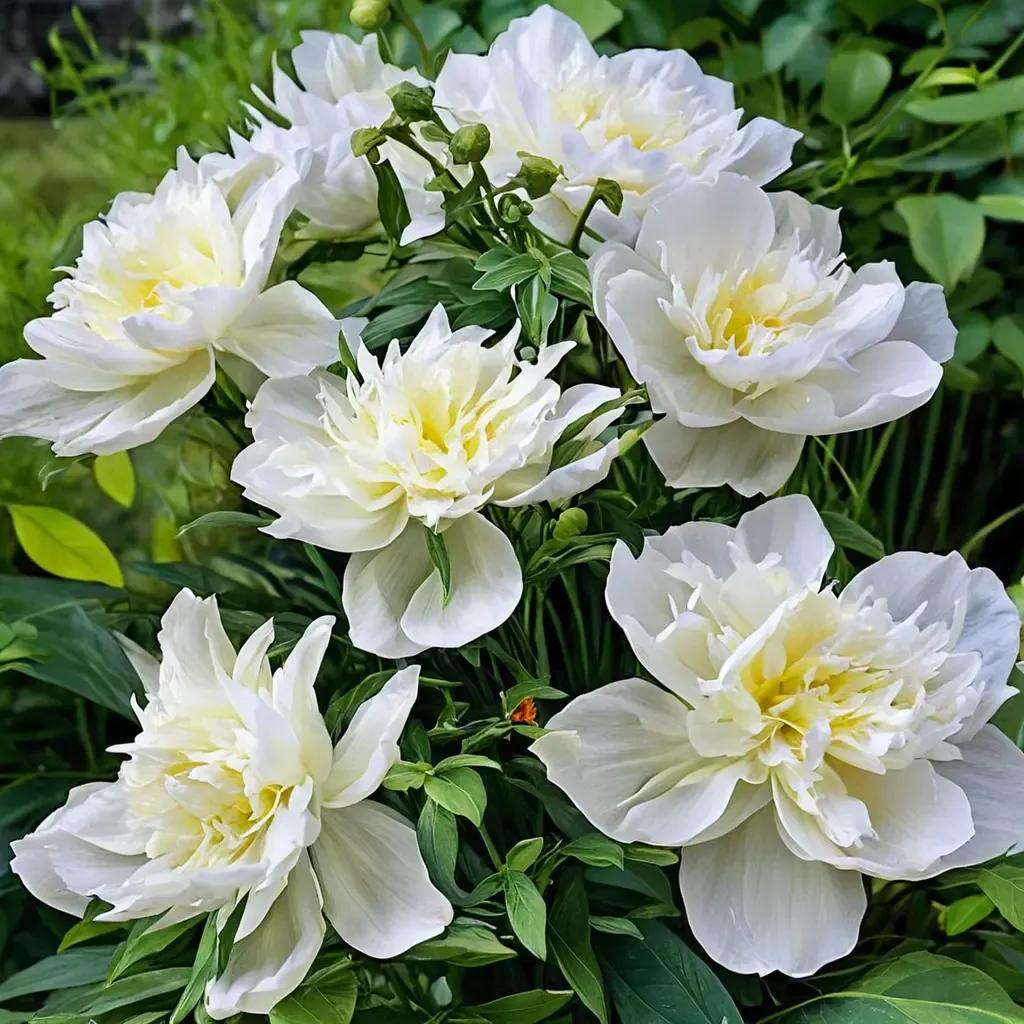 ‘Duchesse de Nemours’Duchesse de Nemours Peony
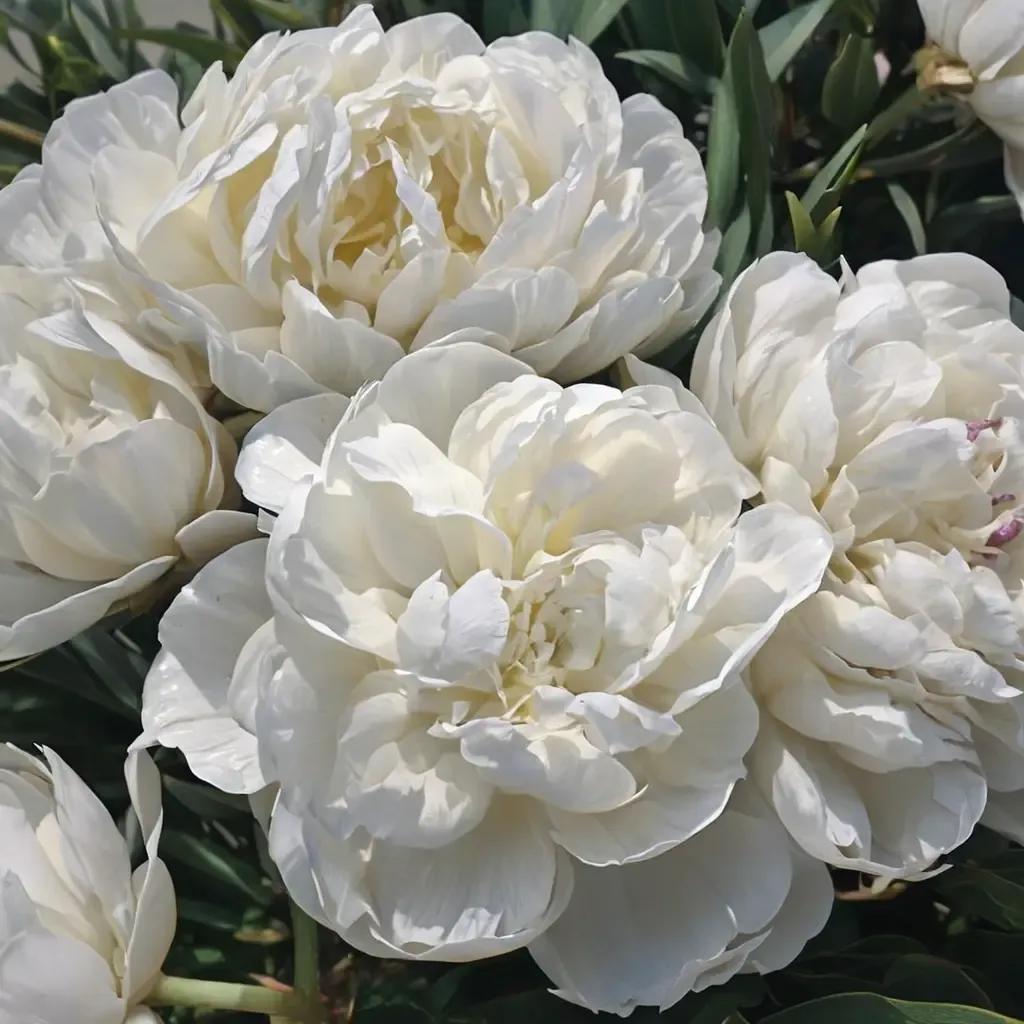 ‘Elsa Sass’Elsa Sass Peony
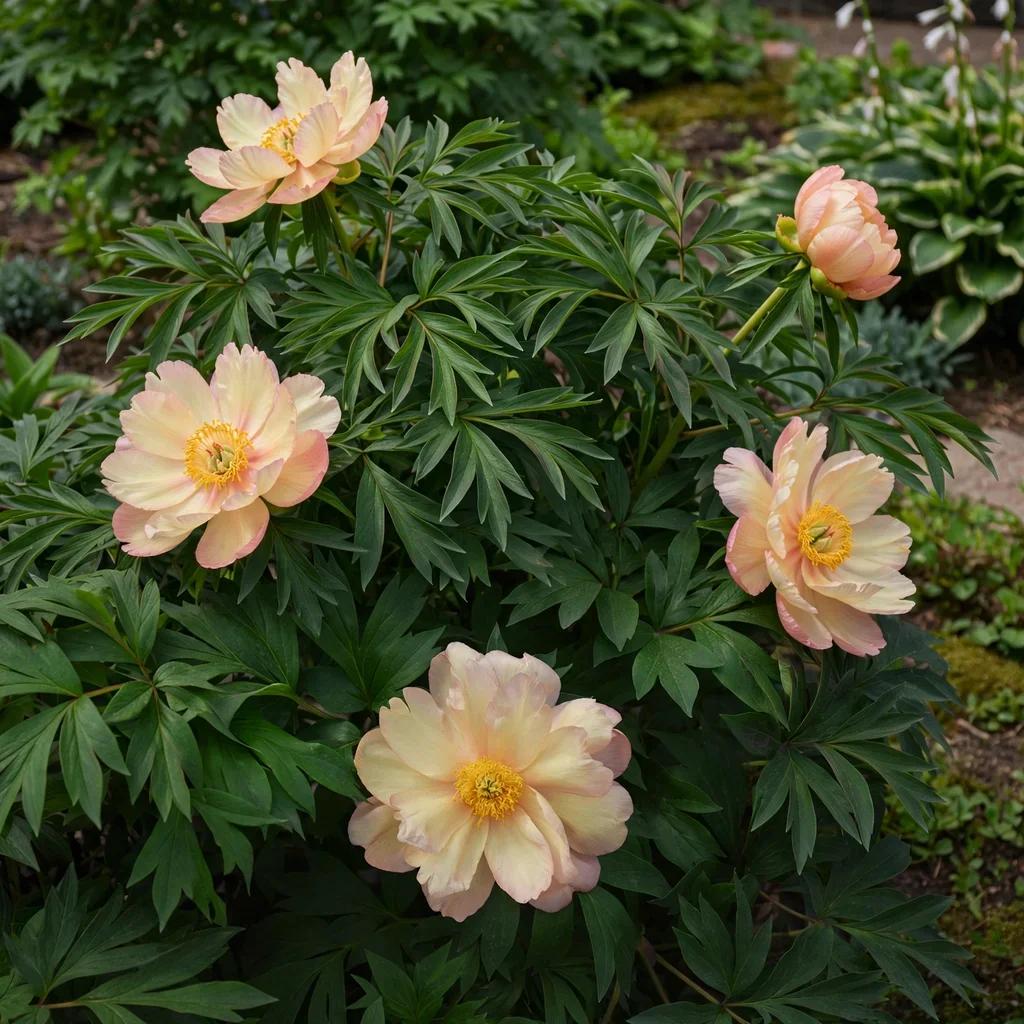 ‘Singing in the Rain’Singing in the Rain Peony
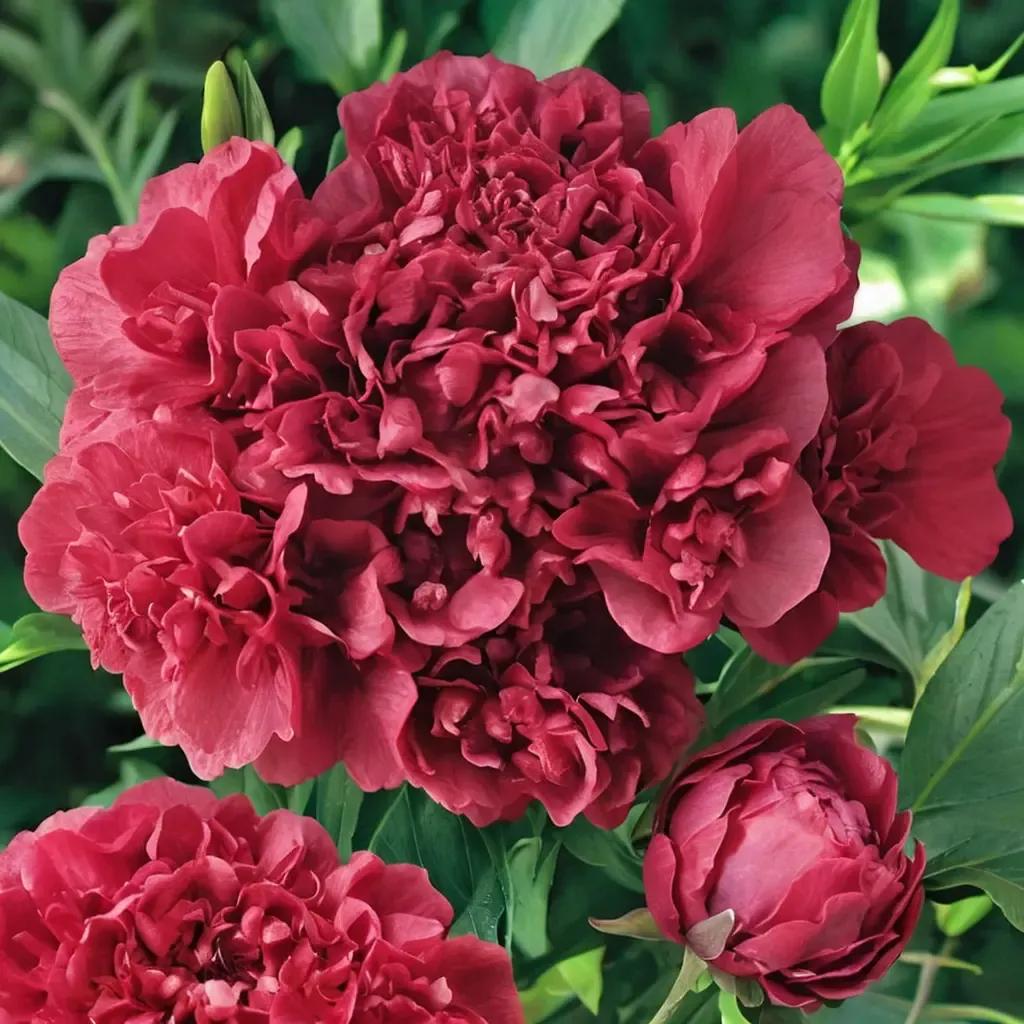 ‘Felix Supreme’Felix Supreme Peony
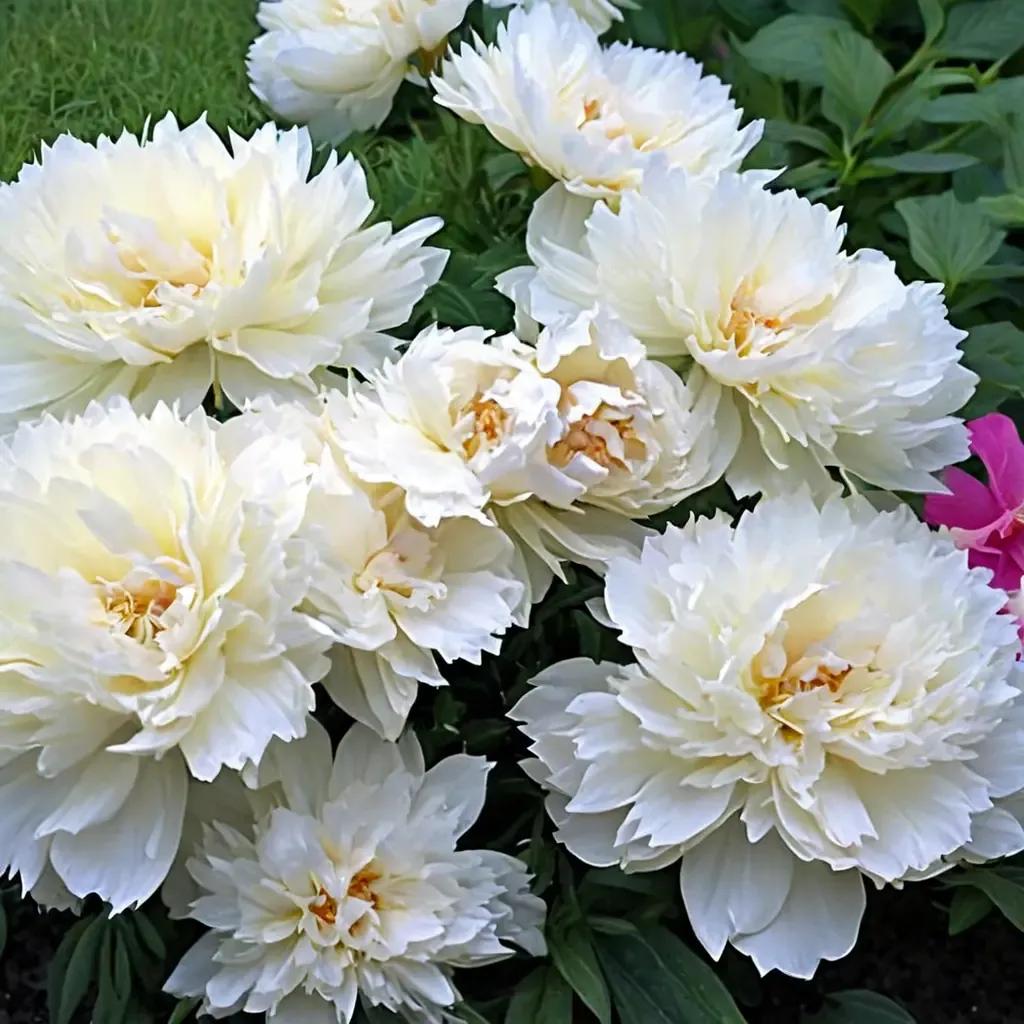 ‘Bowl of Cream’Bowl of Cream Peony
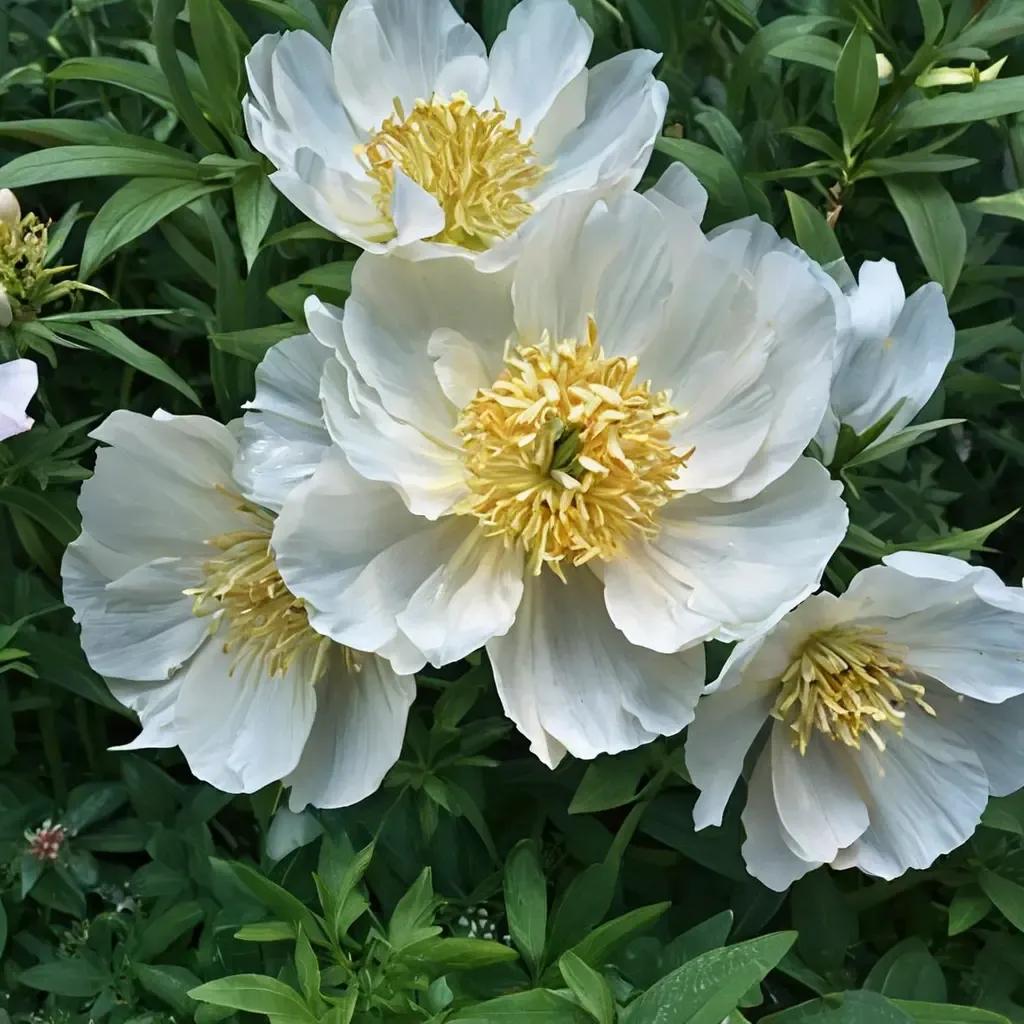 ‘Bu-Te’Bu-Te Peony
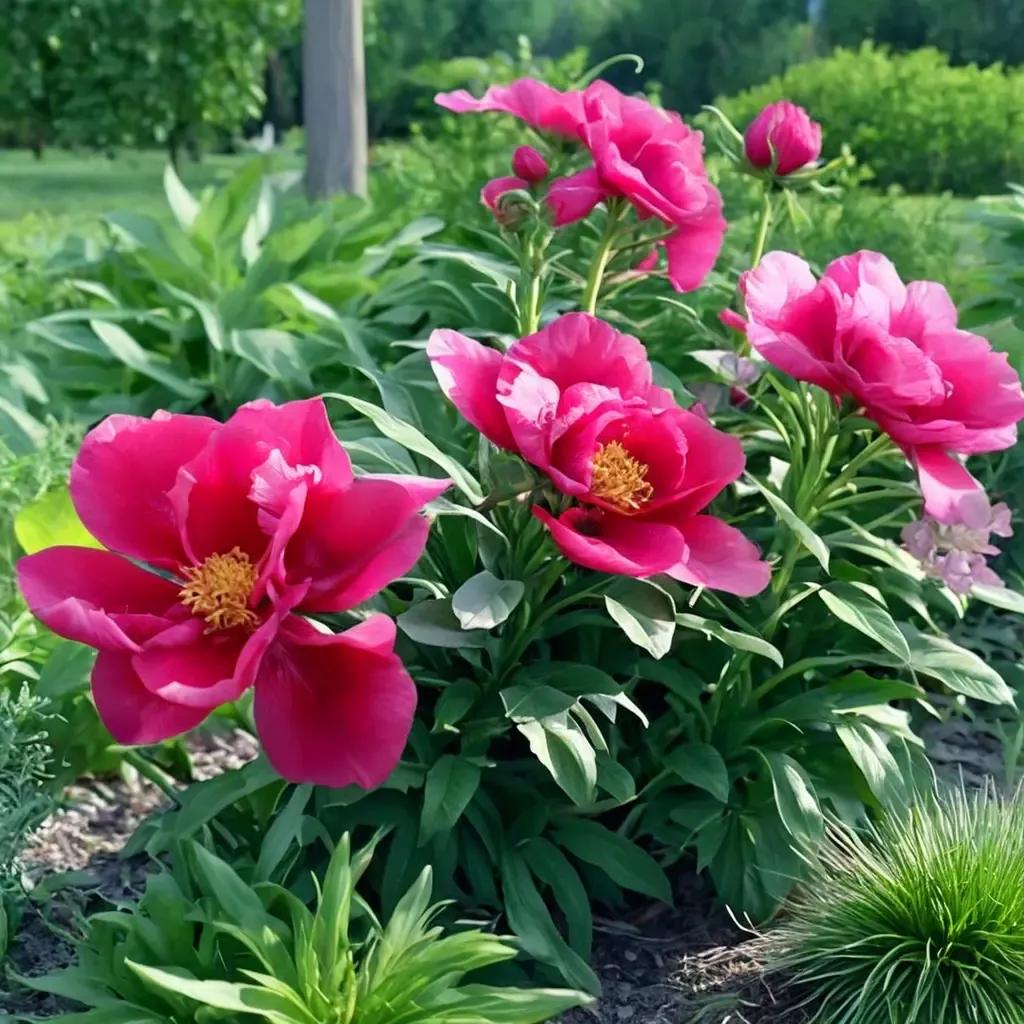 ‘Scarlet OHara’Scarlet O'Hara Peony
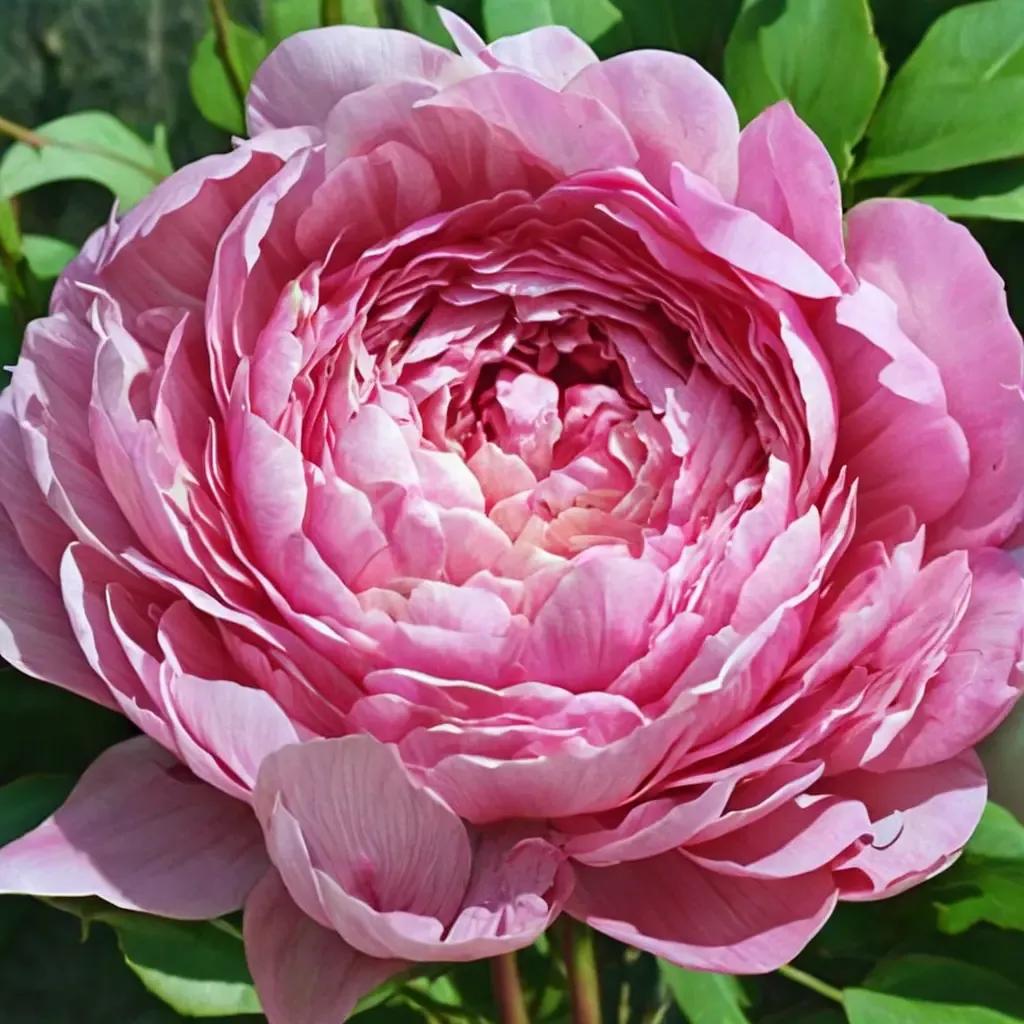 ‘Martha Bulloch’Martha Bulloch Peony
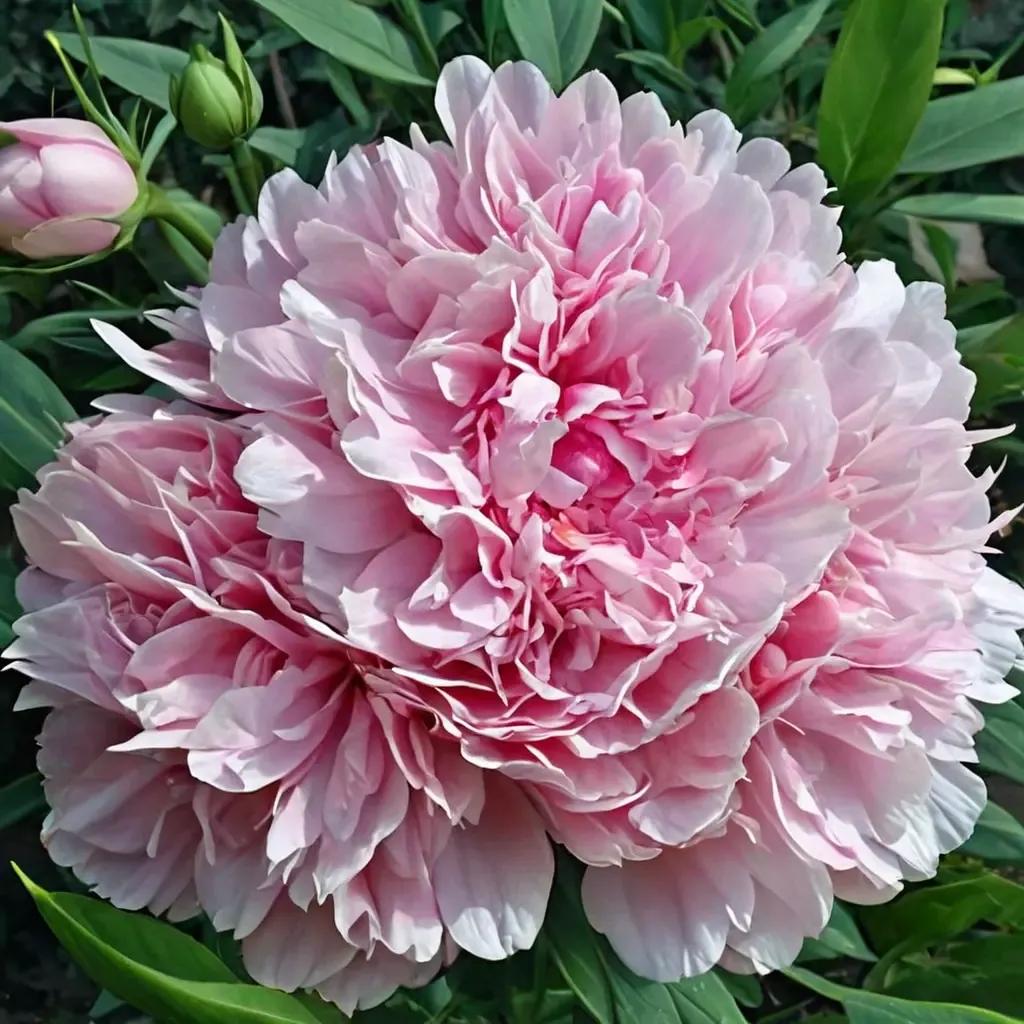 ‘Hermione’Hermione Peony
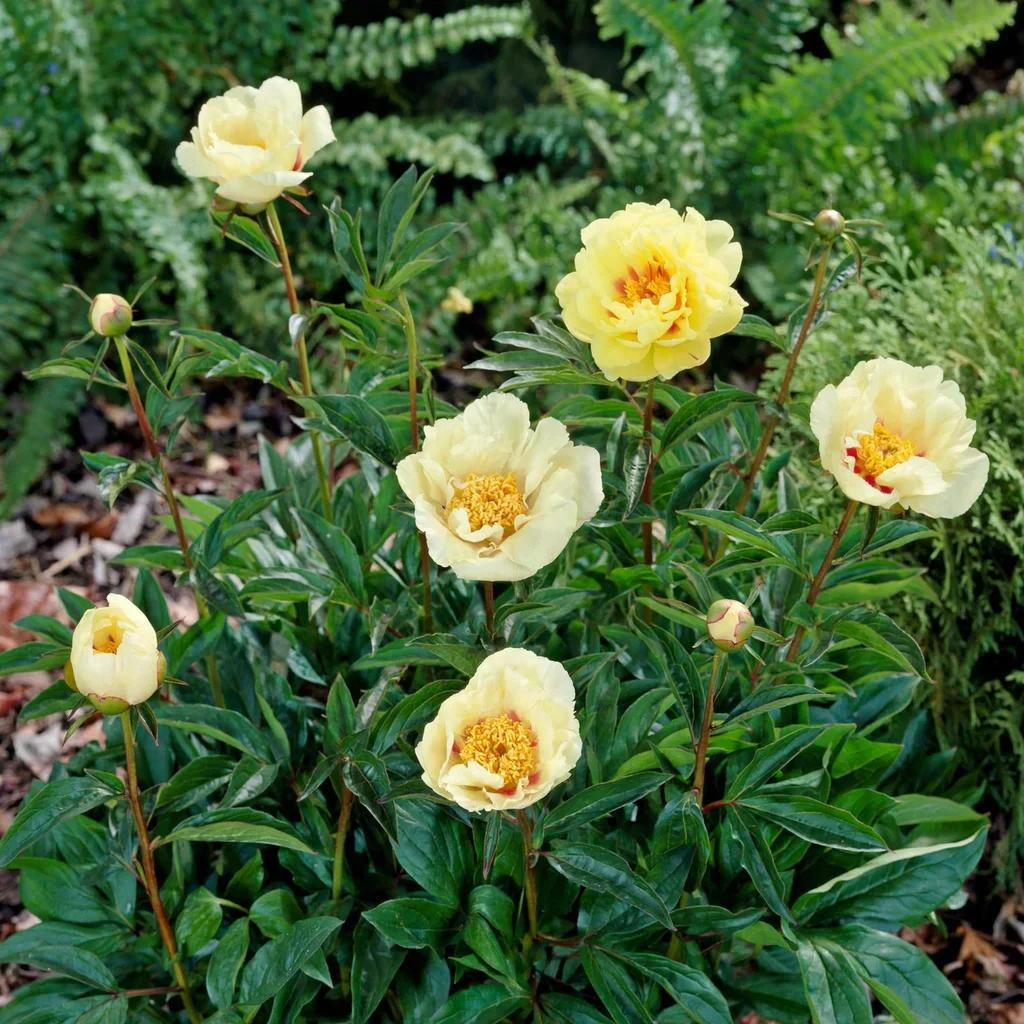 ‘Prairie Charm’Prairie Charm Peony
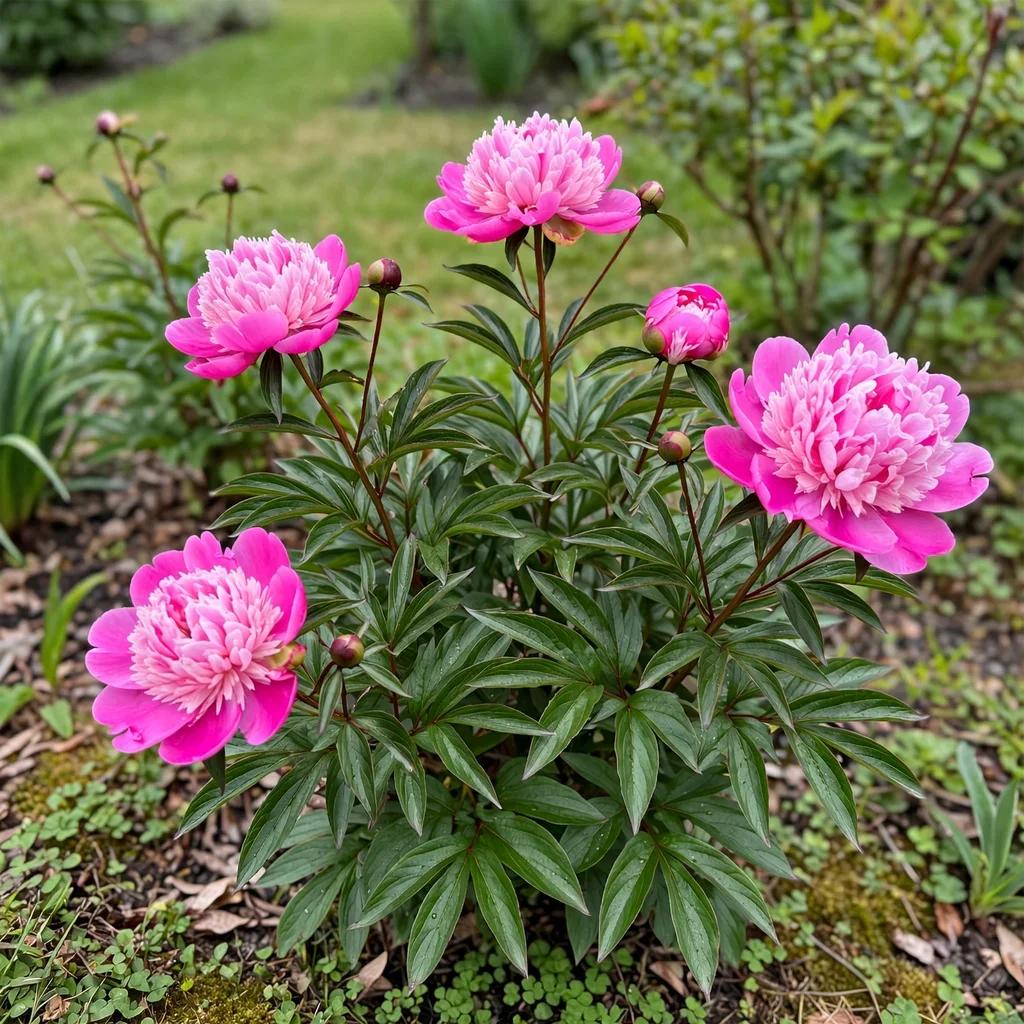 ‘Madame Emile Debatene’Madame Emile Debatene Peony
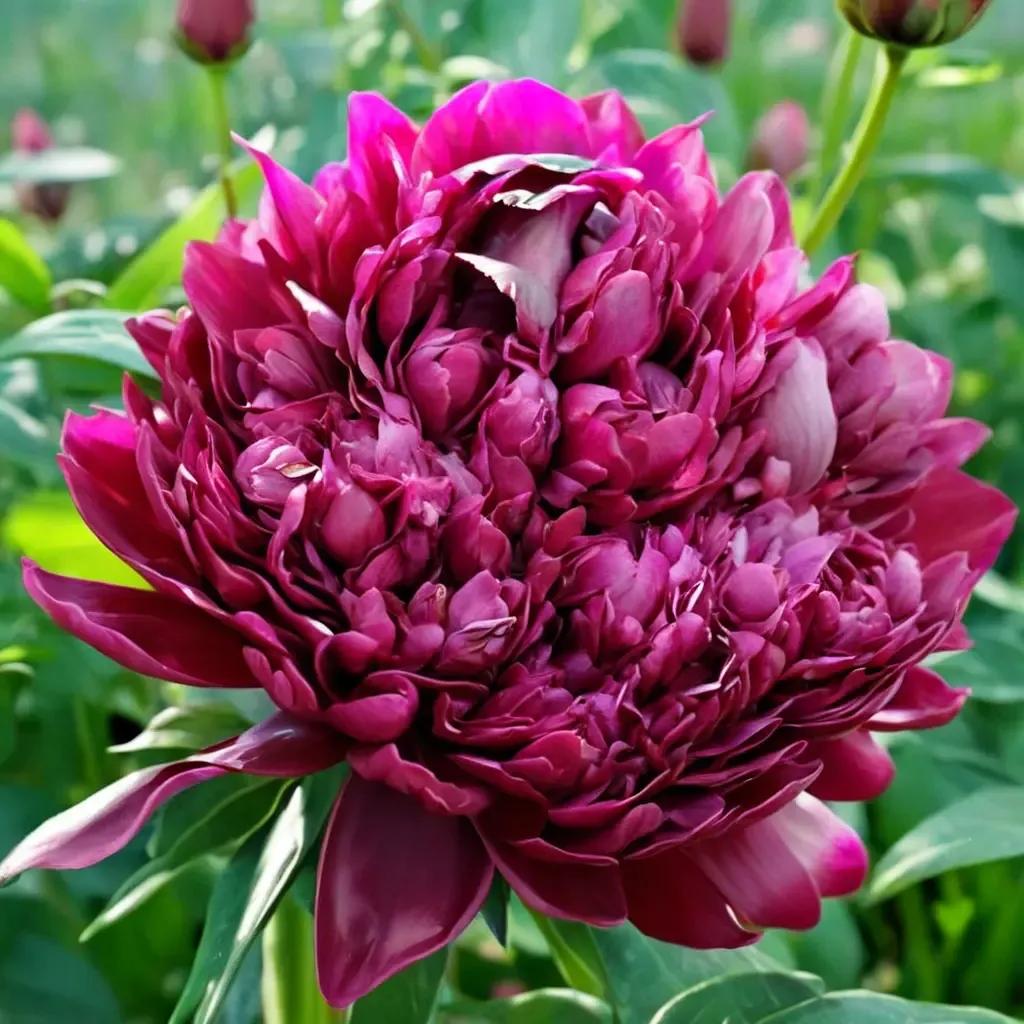 ‘Peter Brand’Peter Brand Peony
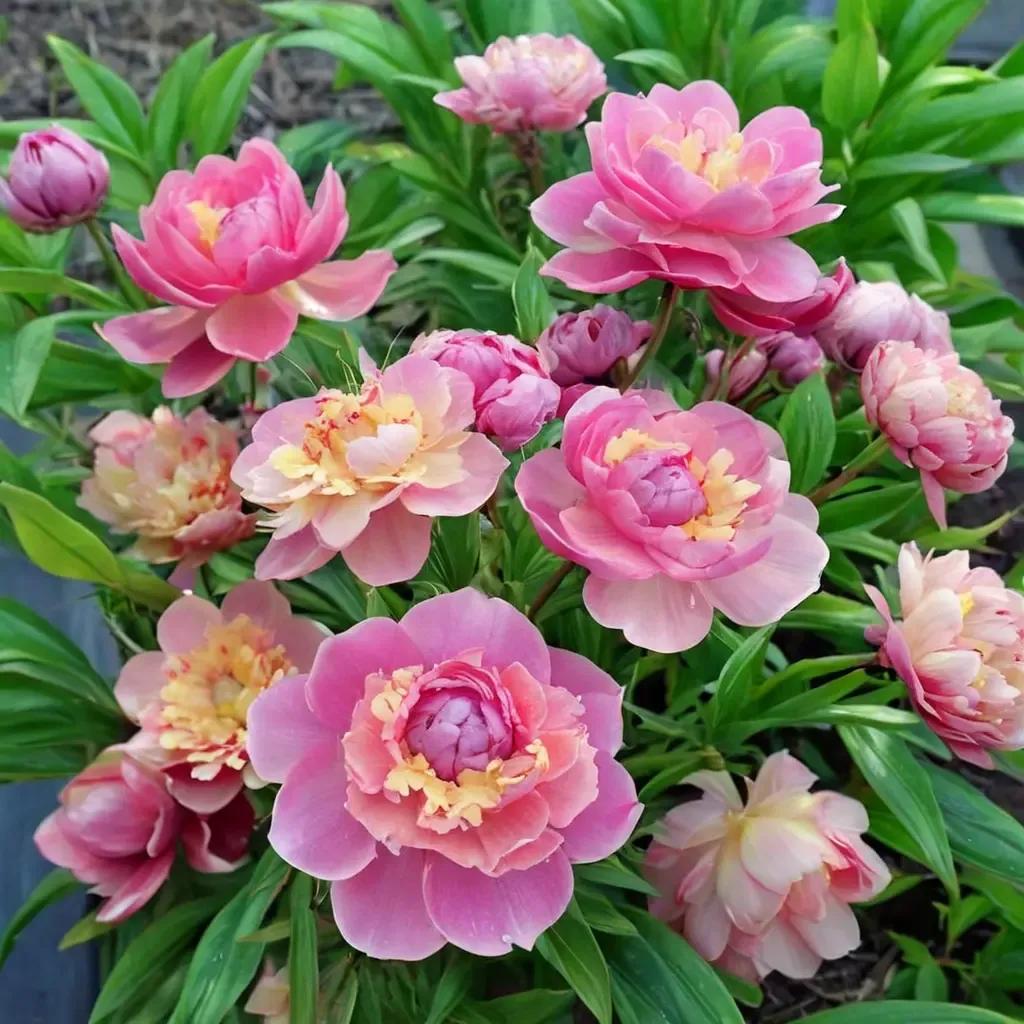 ‘Sorbet’Sorbet Peony
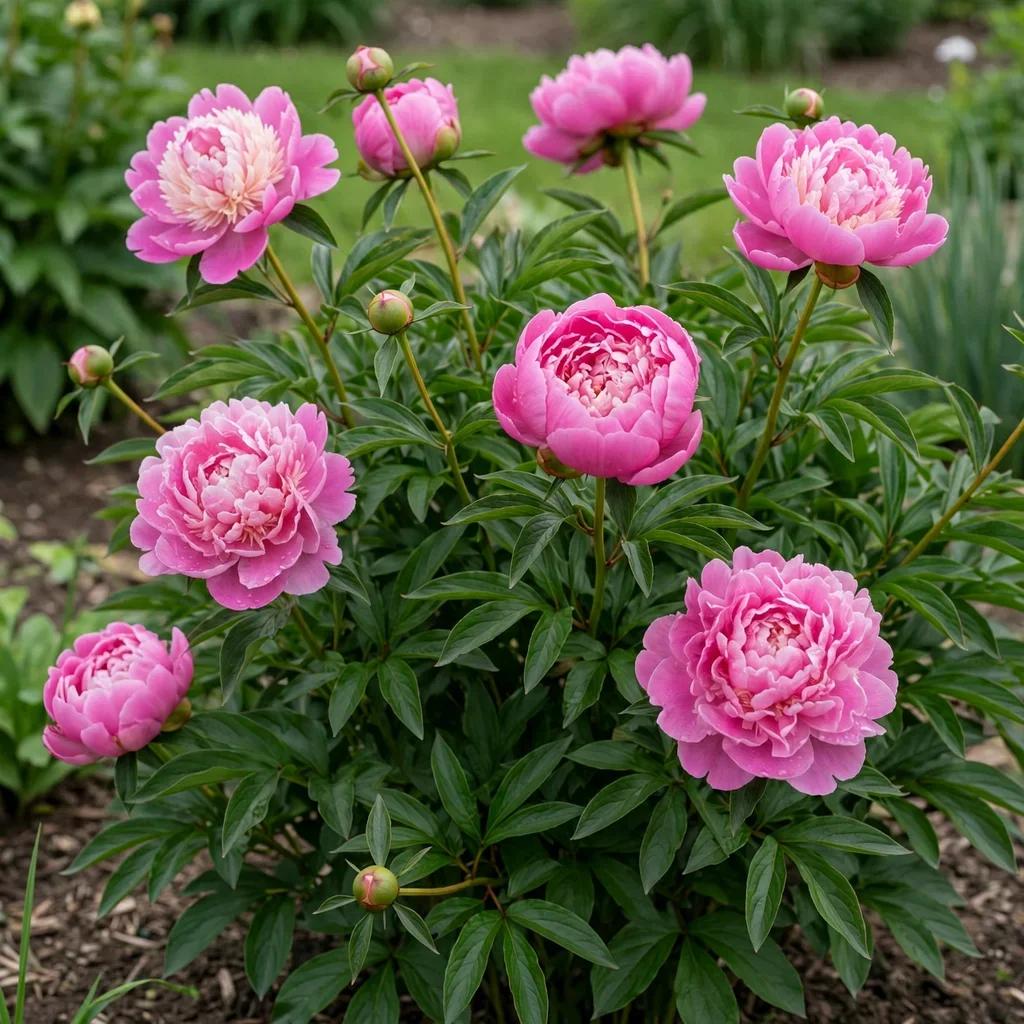 ‘Edulis Superba’Chinese Peony Peony Edulis Superba
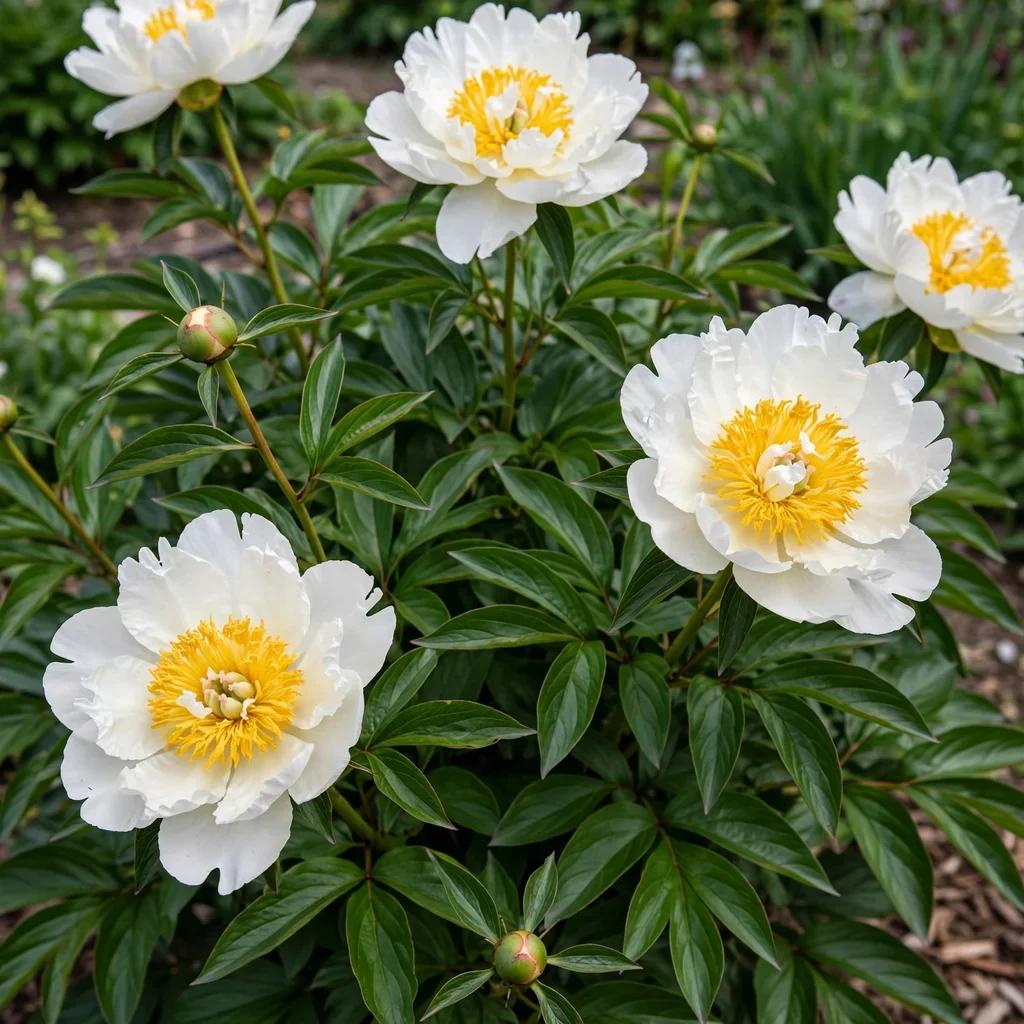 ‘Cheddar Charm’Cheddar Charm Peony
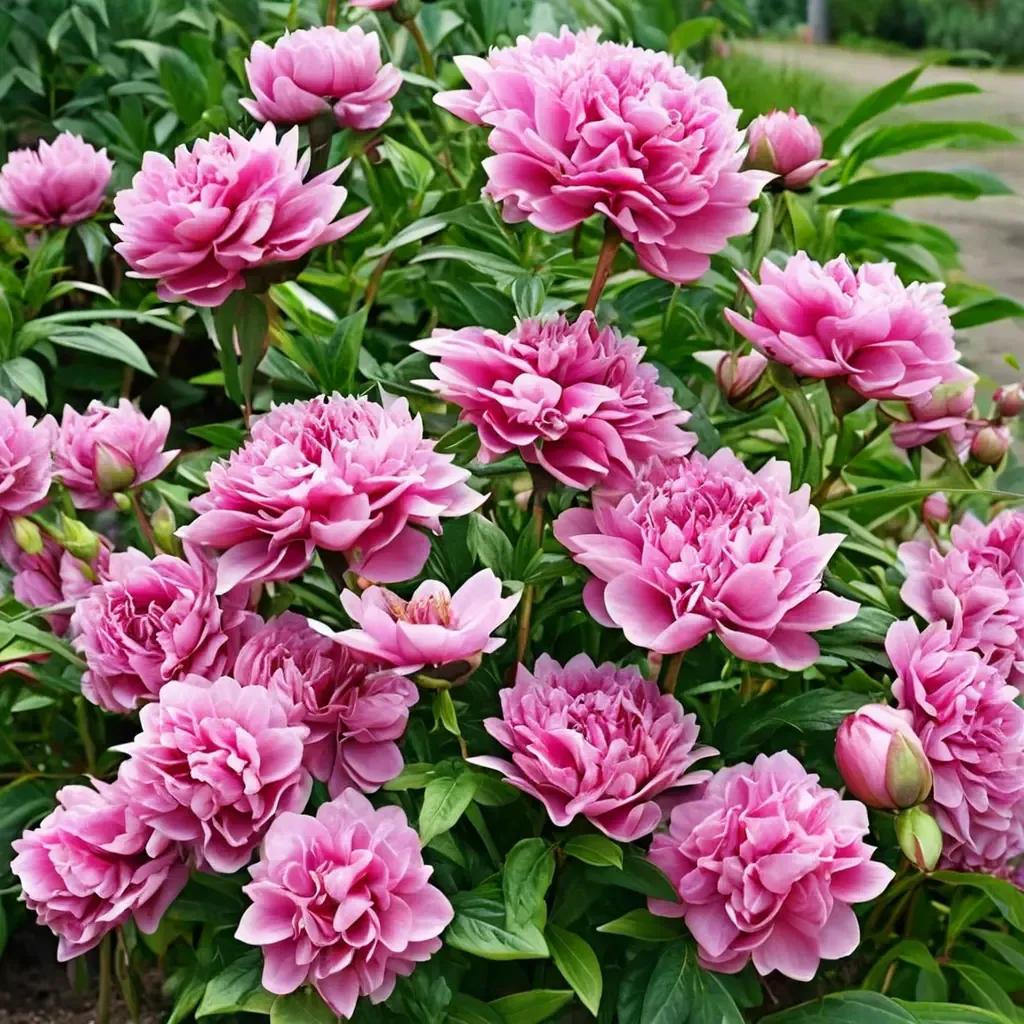 ‘Dr. Alexander Fleming’Peony Chinese Peony Dr. Alexander Fleming Peony
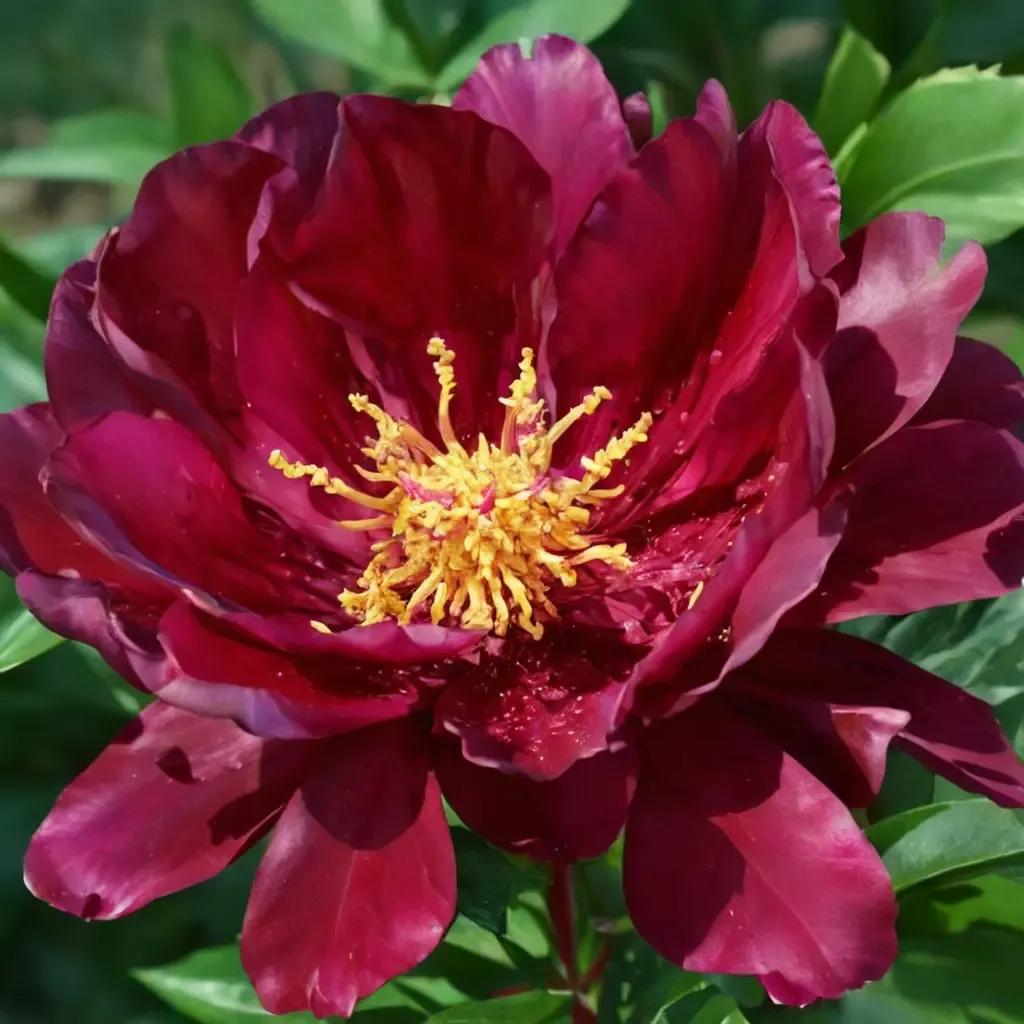 ‘Topeka Garnet’Topeka Garnet Peony
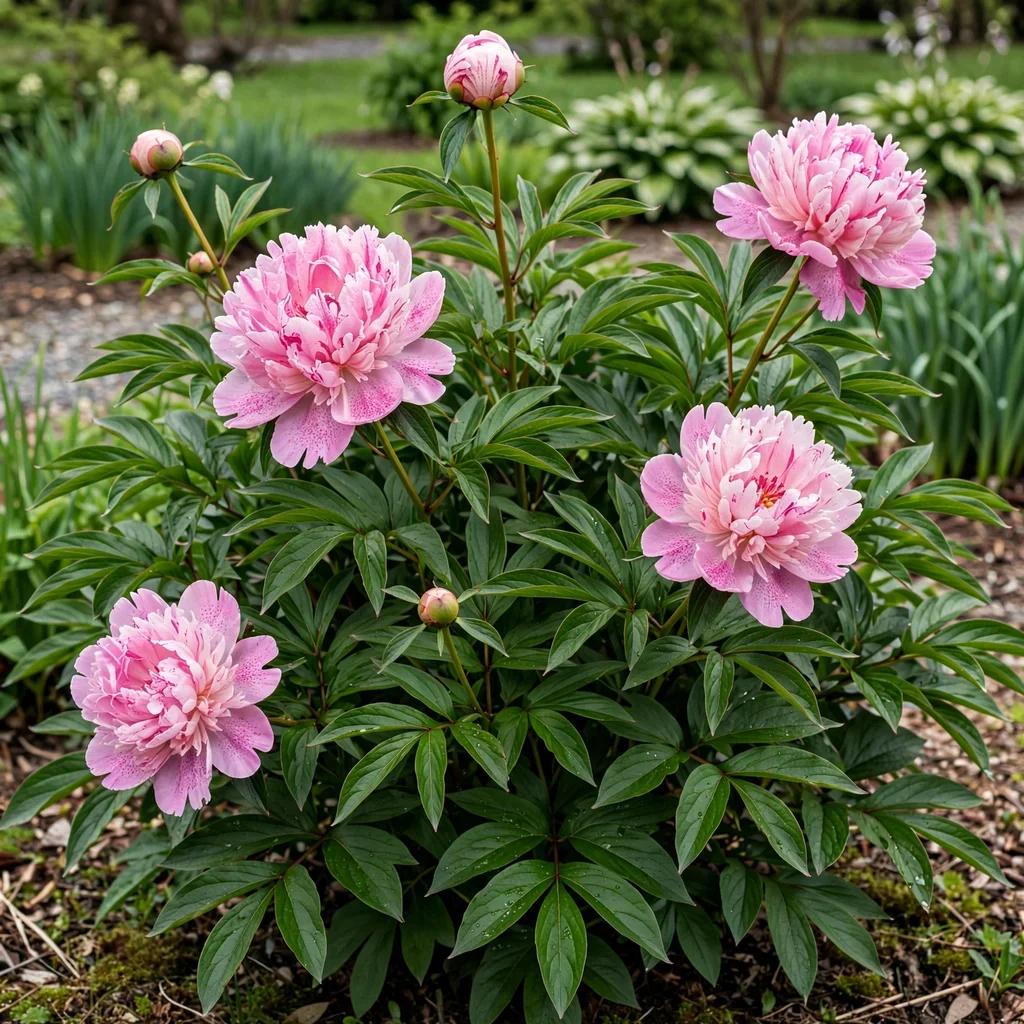 ‘The Fawn’The Fawn Peony
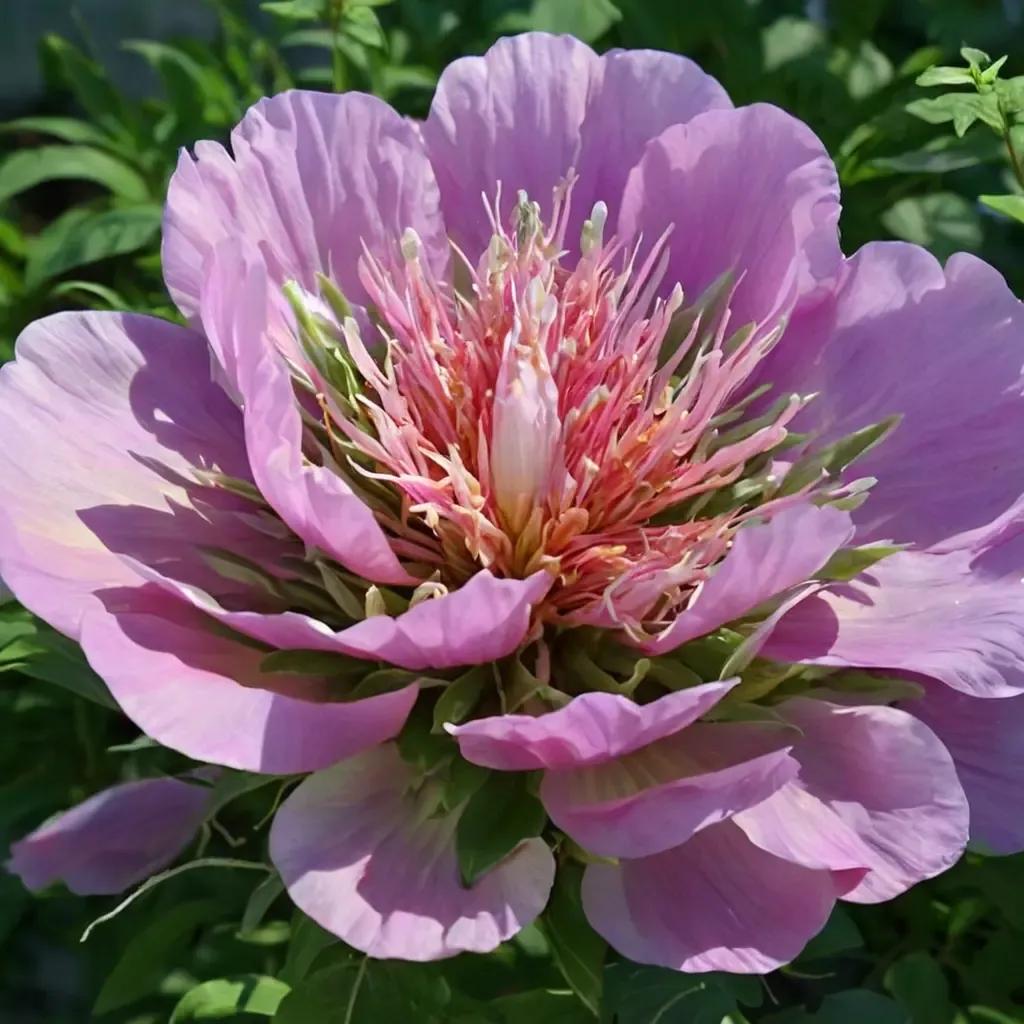 ‘Fancy Nancy’Fancy Nancy Peony
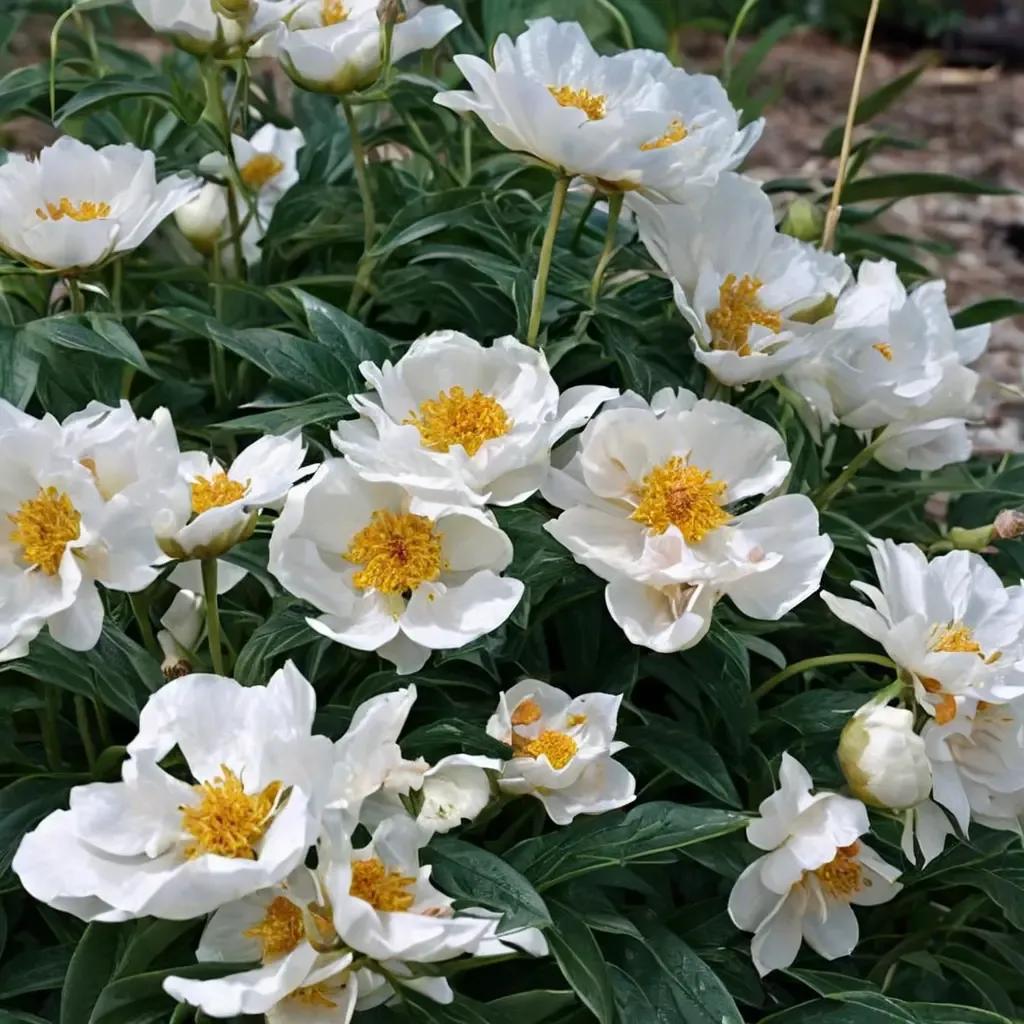 ‘Krinkled White’Krinkled White Peony
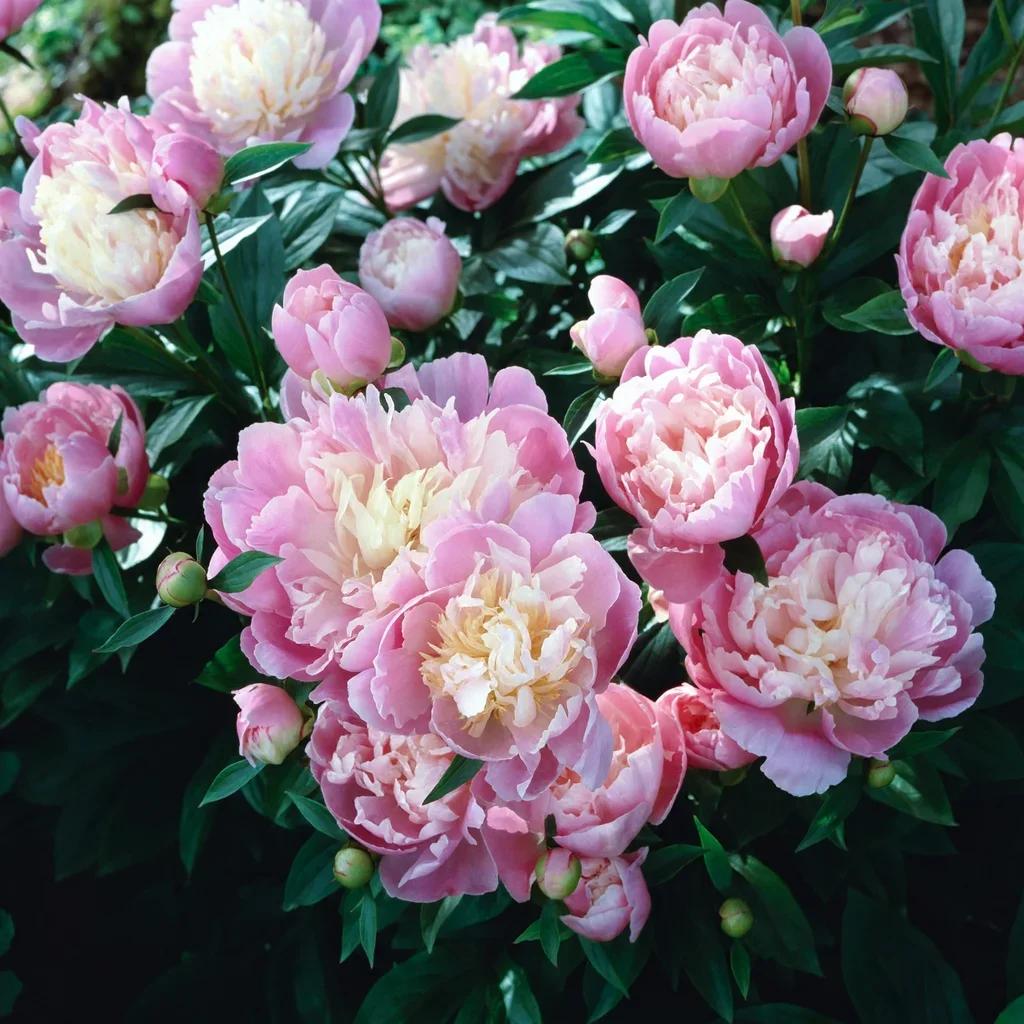 ‘Pink Parfait’Pink Parfait Peony
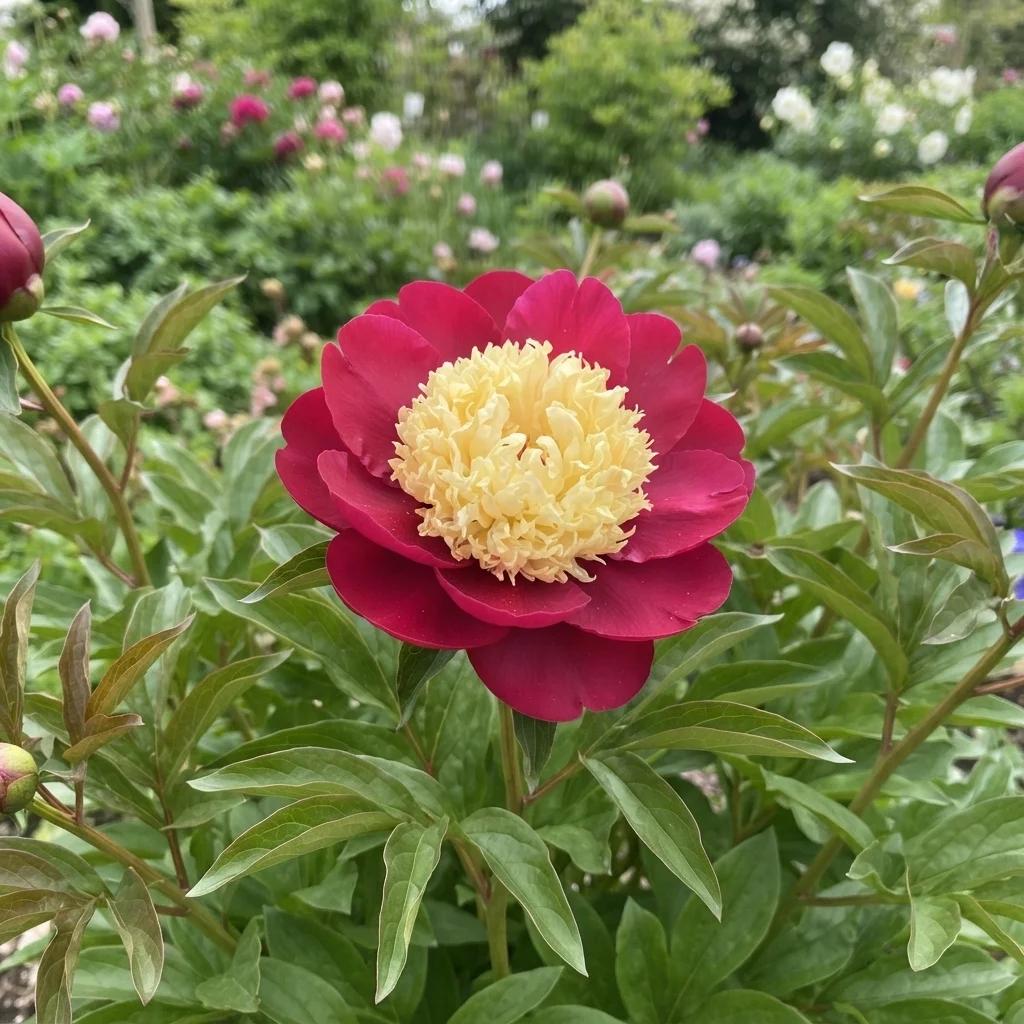 ‘Top Hat’Chinese Peony
The Story
Plant Bio
Herbaceous peonies are long-lived perennials known for their large, often fragrant, showy flowers in late spring. They form lush clumps of foliage and die back to the ground in winter.
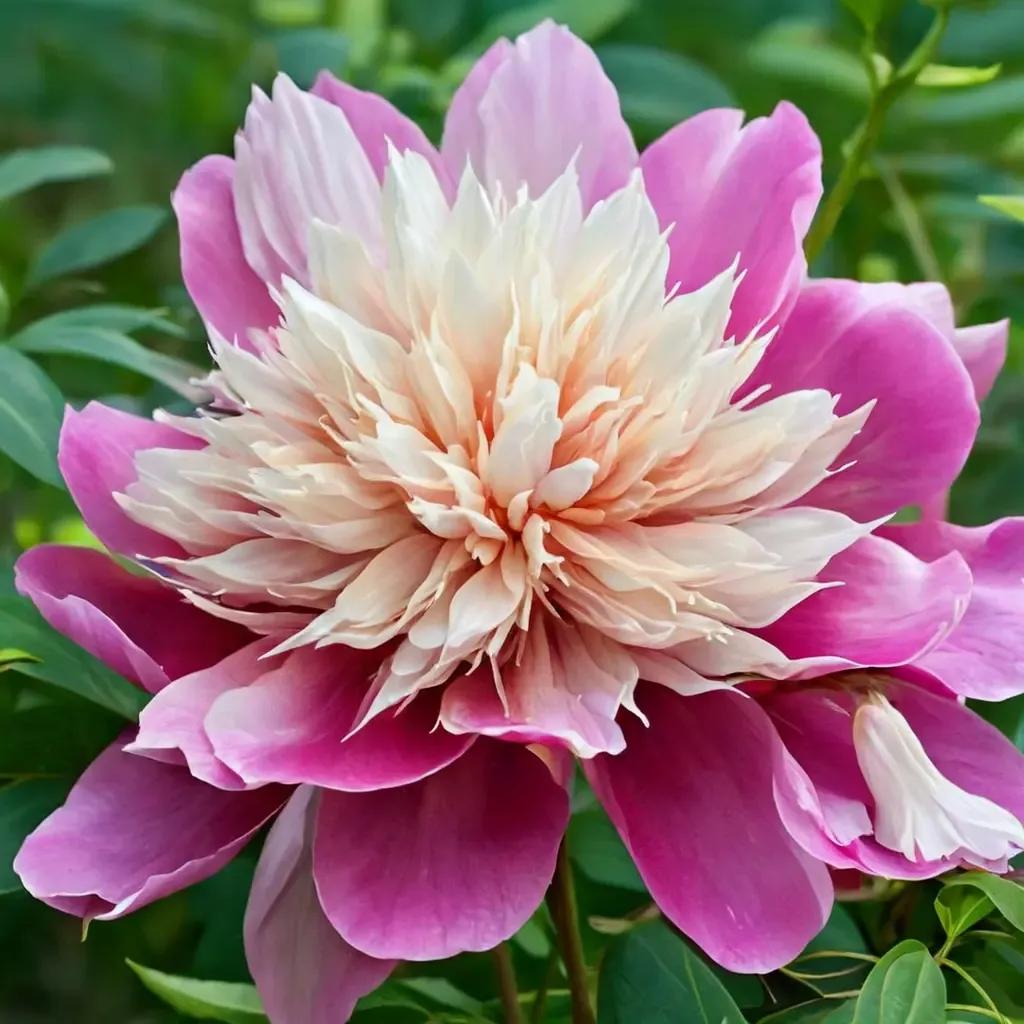
'Raspberry Sundae' is a double-flowered peony with a unique bomb form, featuring layers of creamy white and raspberry-pink petals surrounding a yellow center. It is prized for its strong fragrance and sturdy stems.
Uses & Benefits:
Essentials
At a Glance
Plant Type
Perennial
Height
36"
Width
30"
Light
Full Sun, Partial Sun
Zones
4, 5, 6, 7, 8
Water
Medium
Humidity
Average
Lifespan
50+ years
Native To
Asia, Europe
Toxicity
Toxic to pets and humans if ingested
Bloom period
Late spring – Early summer
In flower about 2 months of the year
Marketplace
Where to Buy
Shipping costs Year-round shipping Free shipping
Planting
How to Grow
- Select a site with full sun and well-drained, rich soil.
- Amend soil with compost to improve fertility and structure.
- Dig a wide hole and position the root so buds are 1-2 inches below soil.
- Backfill the hole, gently firming the soil around the roots.
- Water thoroughly after planting to settle the soil.
- Mulch lightly in the first winter, removing it in spring.
Pro Tip
Plant the 'eyes' (buds) no more than 2 inches deep; planting too deeply is the most common reason for failure to bloom.
Keep It Thriving
Care Guide
Do
- Provide good air circulation to prevent fungal diseases.
- Plant in a location protected from strong winds.
- Water deeply during dry spells, especially when budding.
- Use stakes or peony rings to support heavy double flowers.
- Cut foliage to the ground in fall to reduce disease risk.
Don't
- Do not plant too deep or it won't bloom.
- Avoid high-nitrogen fertilizers, which promote weak stems and fewer flowers.
- Don't overwater or plant in soggy soil, which causes root rot.
- Avoid moving or dividing established clumps unless necessary.
- Do not compost peony foliage if it shows signs of disease.
Seasonal Care Calendar
| Task | Jan | Feb | Mar | Apr | May | Jun | Jul | Aug | Sep | Oct | Nov | Dec |
|---|---|---|---|---|---|---|---|---|---|---|---|---|
| Deadhead | ||||||||||||
| Fertilize | ||||||||||||
| Plant | ||||||||||||
| Spring Cleanup | ||||||||||||
| Stake |
Watch Out For
Pests & Diseases
Common Pests
Common Diseases
In the Garden
Landscape Uses & Companions
Landscape Uses
Companion Plants
Multiply
Propagation Methods
Good to Know
Common Questions
Raspberry Sundae Peony questions
What zones can Raspberry Sundae Peony grow in?
Raspberry Sundae Peony is hardy in USDA Zones 4–8. Inside that range it survives winter in the ground; outside it, grow it as an annual or a container plant you protect.
Is Raspberry Sundae Peony deer resistant?
Yes — Raspberry Sundae Peony is rated deer-resistant. Deer typically pass it over, though extreme hunger can override any plant's defenses.
When does Raspberry Sundae Peony bloom?
Raspberry Sundae Peony typically blooms in late spring through early summer. Exact timing shifts a week or two with your zone — Sow's bloom calendar maps it to your garden.
Does Raspberry Sundae Peony need full sun?
Raspberry Sundae Peony does best in full sun to part shade. In hot climates, afternoon shade keeps blooms fresher longer.
More Paeonia to compare
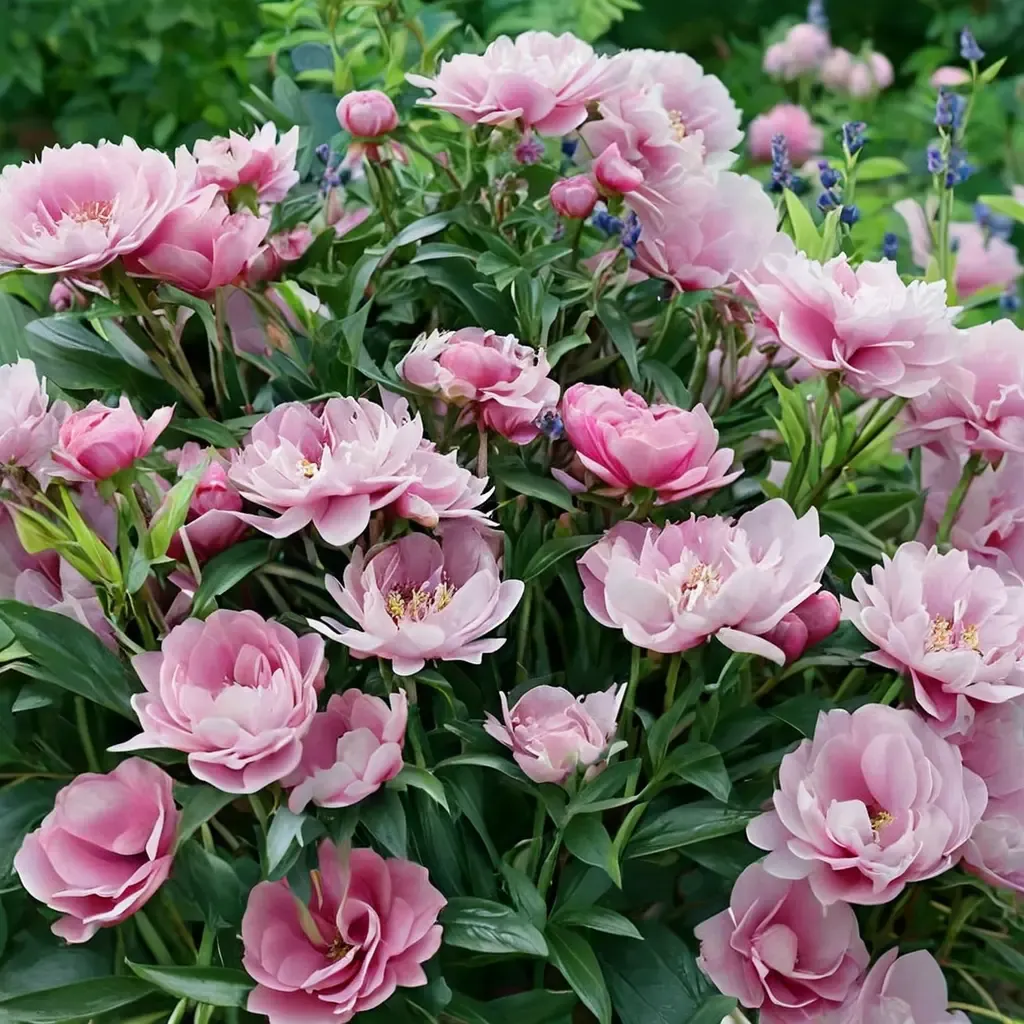
Sarah Bernhardt Peony
Paeonia lactiflora 'Sarah Bernhardt'
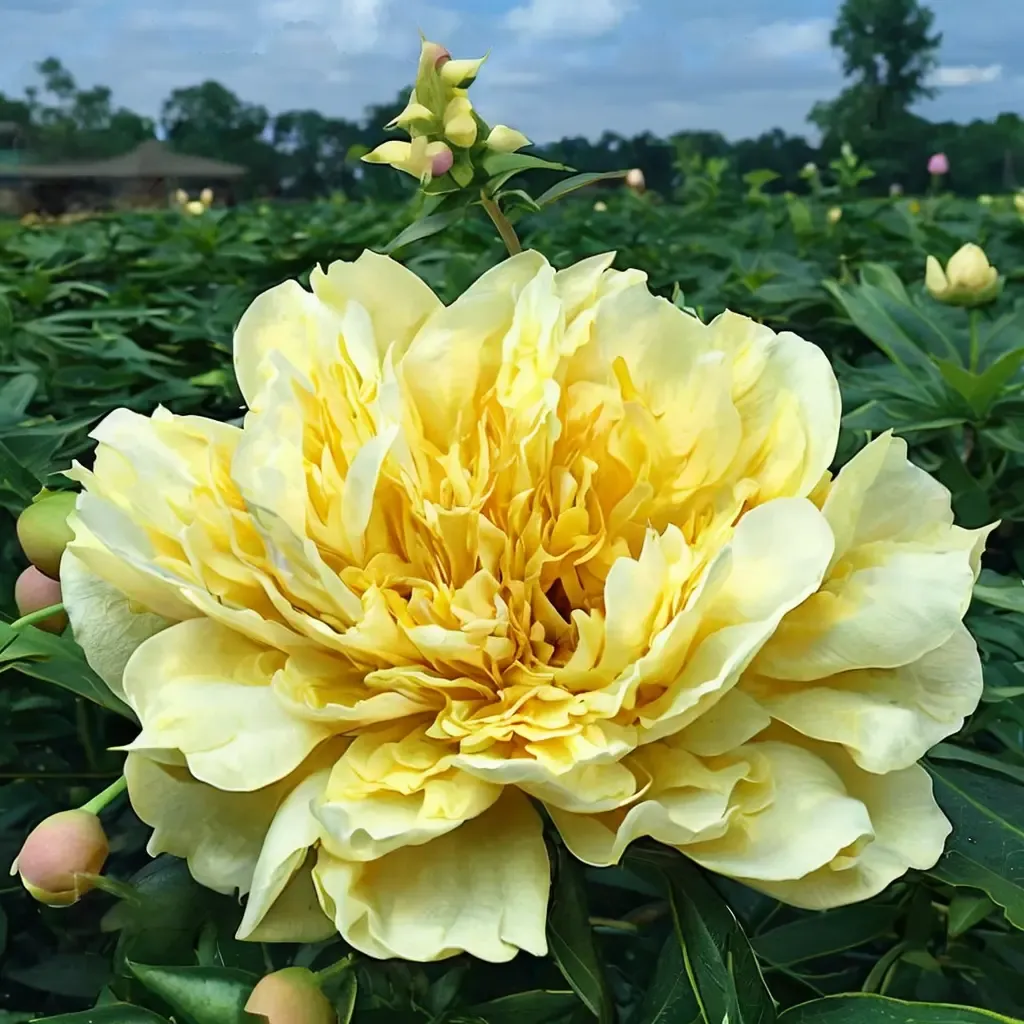
Tree Peony 'Duchesse de Lorraine'
Paeonia suffruticosa 'Duchesse de Lorraine'
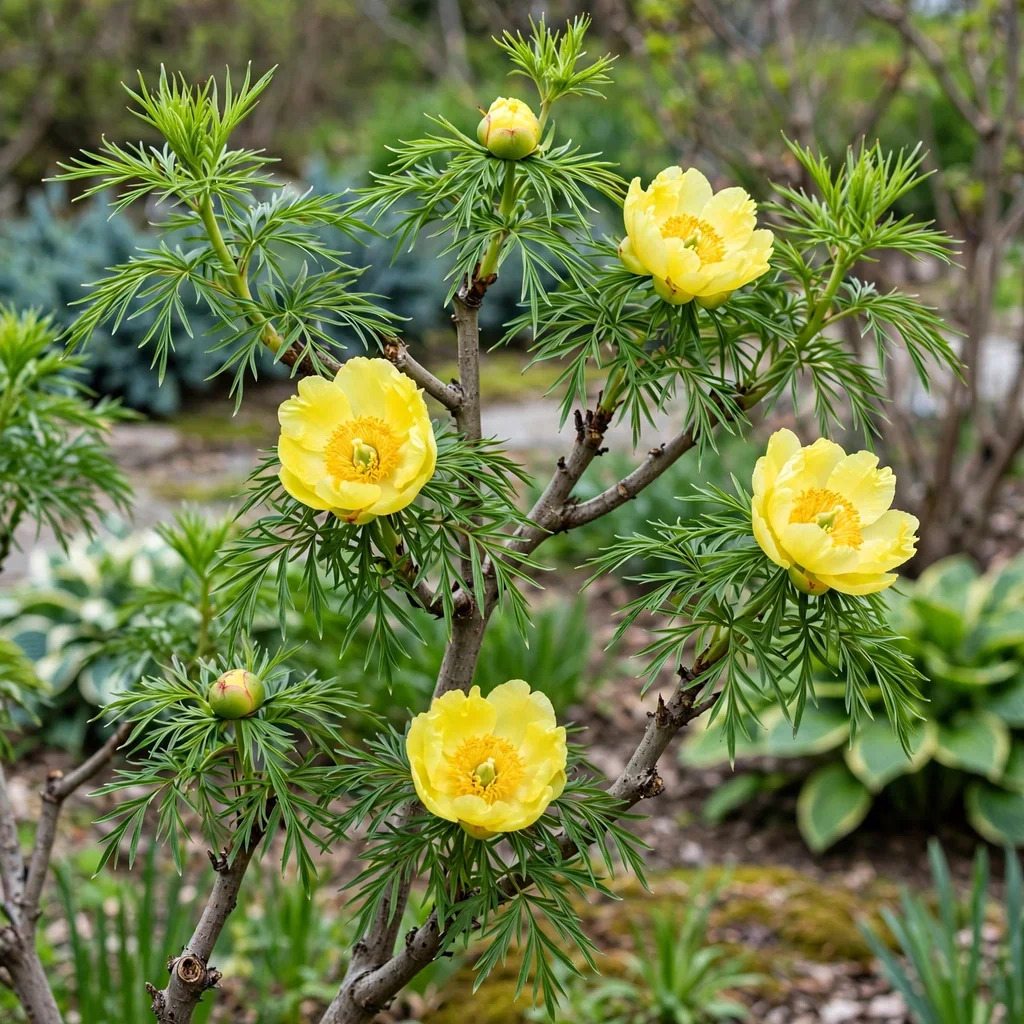
Tibetan Tree Peony
Paeonia ludlowii
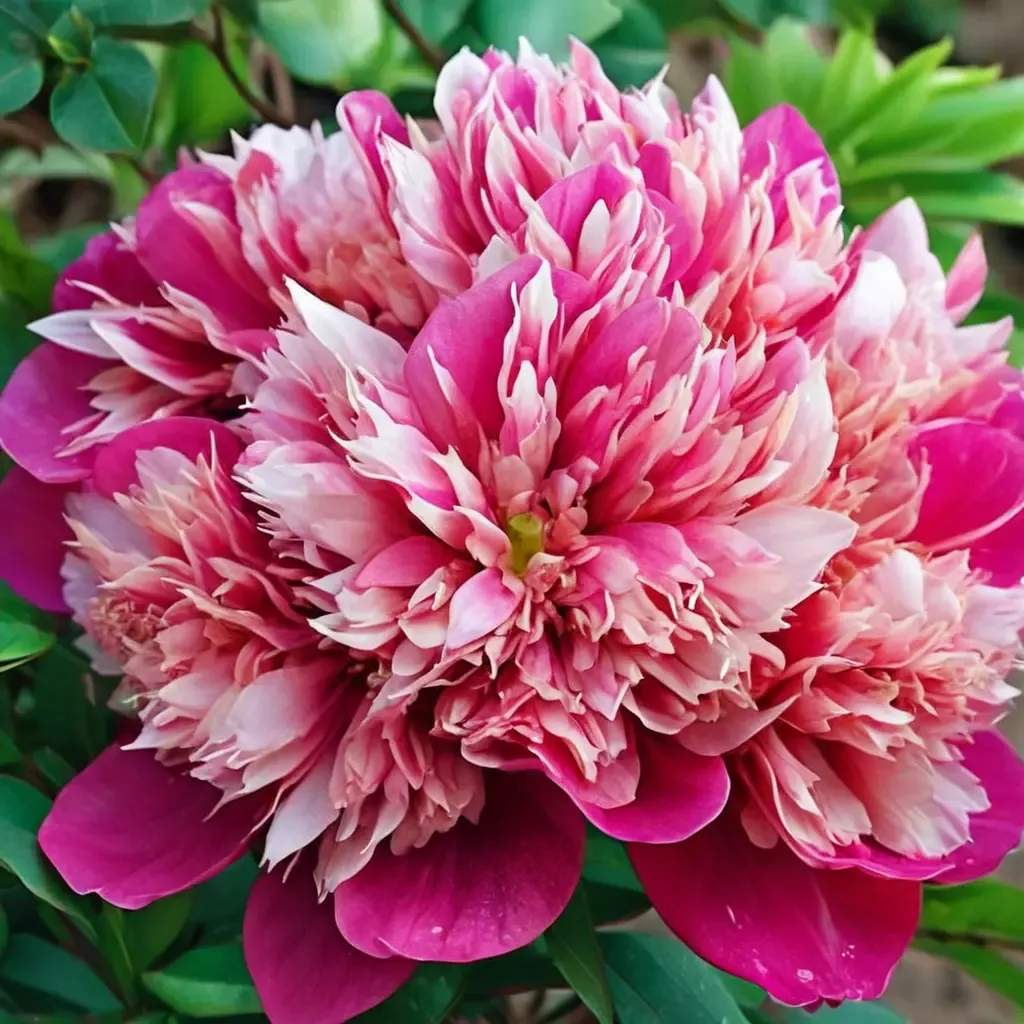
Daydream Peony
Paeonia lactiflora 'Daydream'
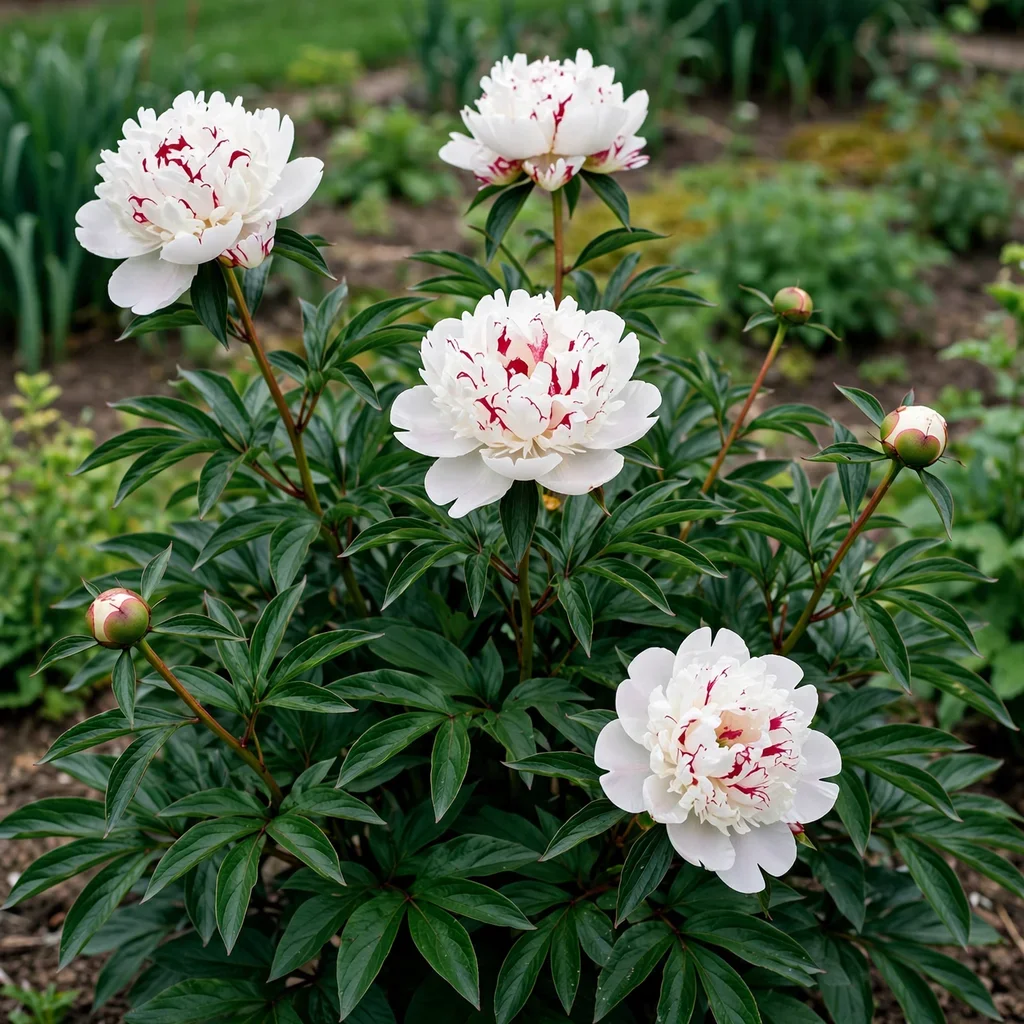
Festiva Maxima Peony Chinese Peony
Paeonia lactiflora 'Festiva Maxima'
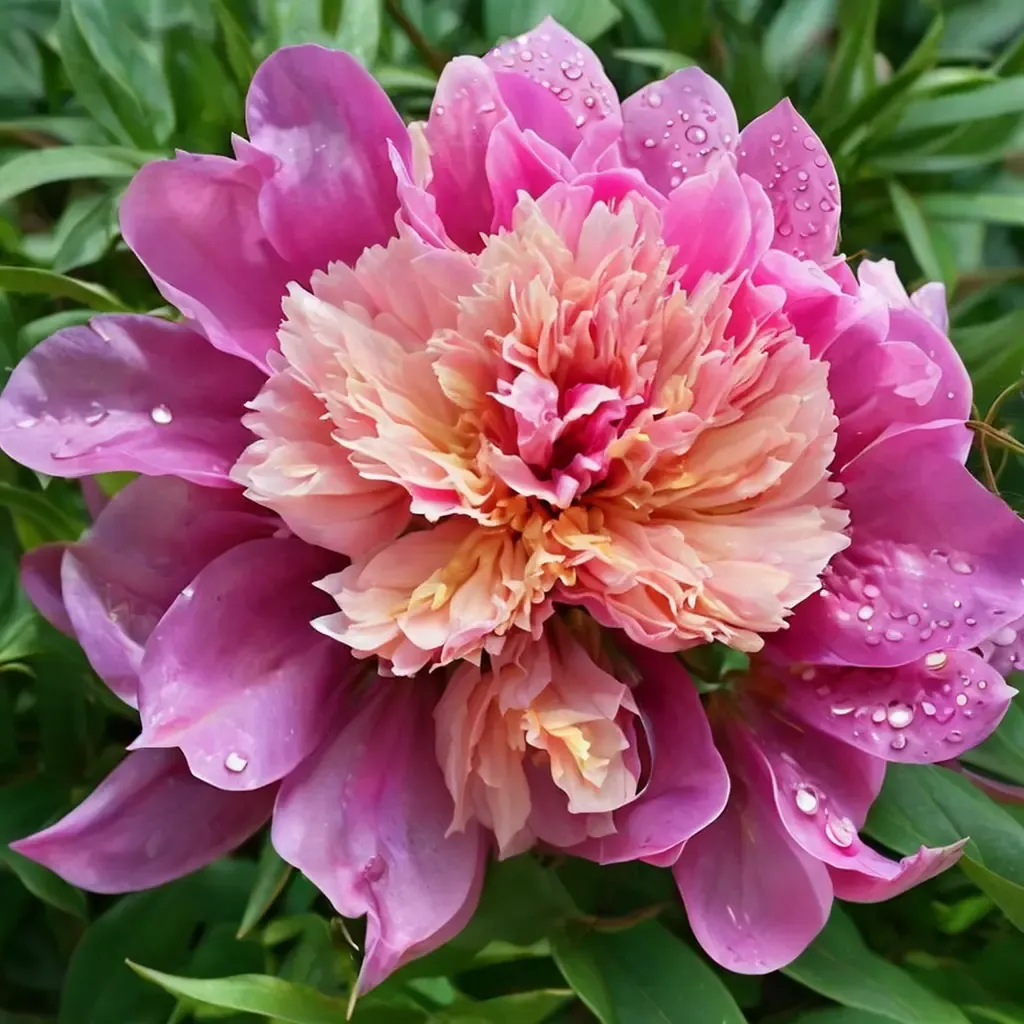
Philomele Peony
Paeonia lactiflora 'Philomele'
Keep exploring
Explore the genus
Hardy in your zone?
Grow Raspberry Sundae Peony with confidence
See it in a design of your actual yard, get zone-matched care reminders, and track it season by season in your garden journal.