11k saves
Iris
We track 262 varieties; the ones most used by real gardeners.
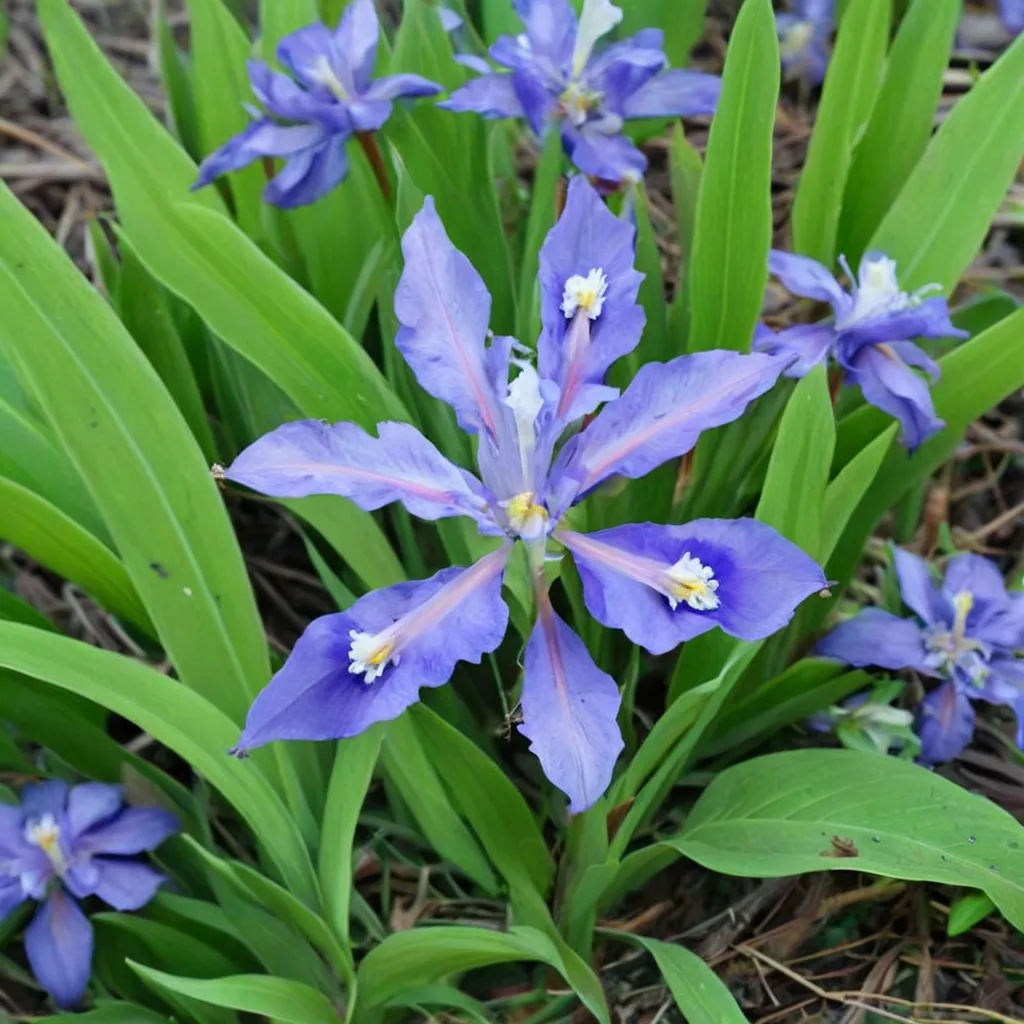
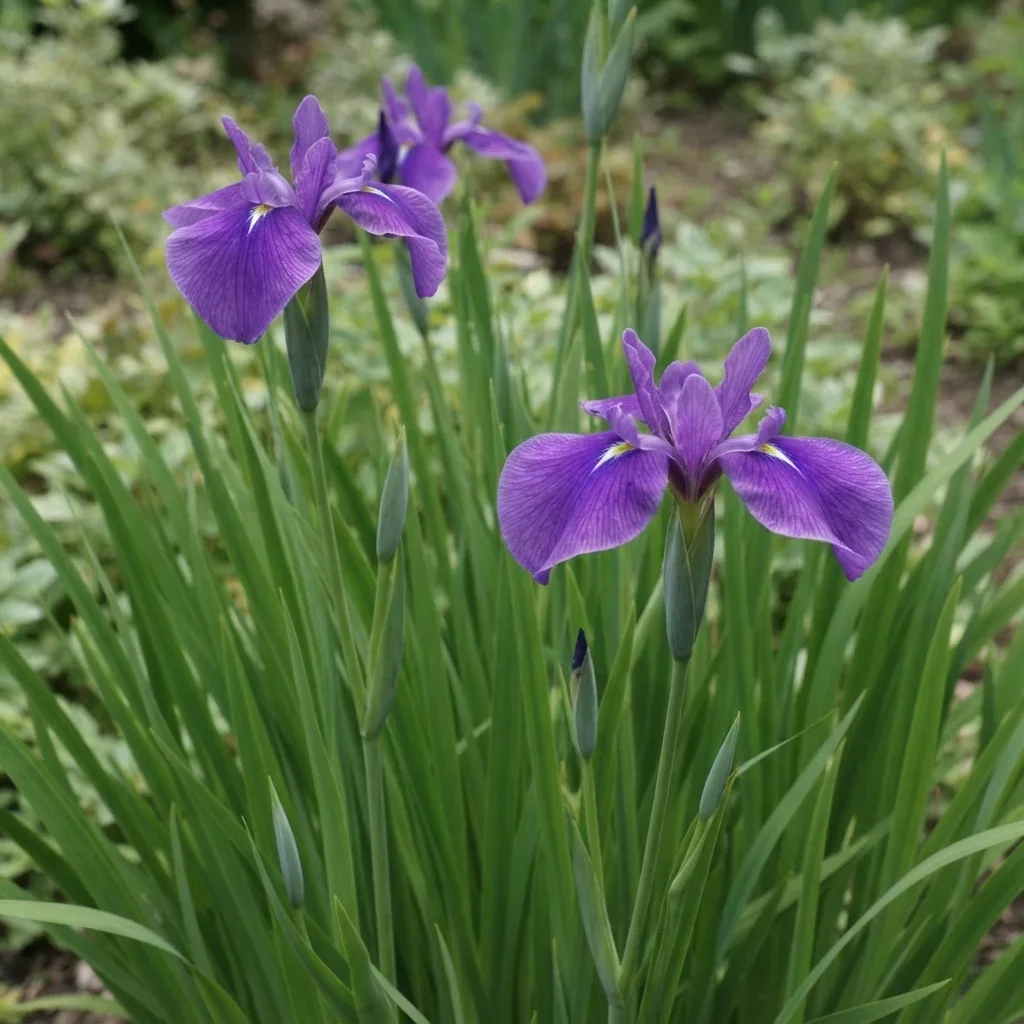
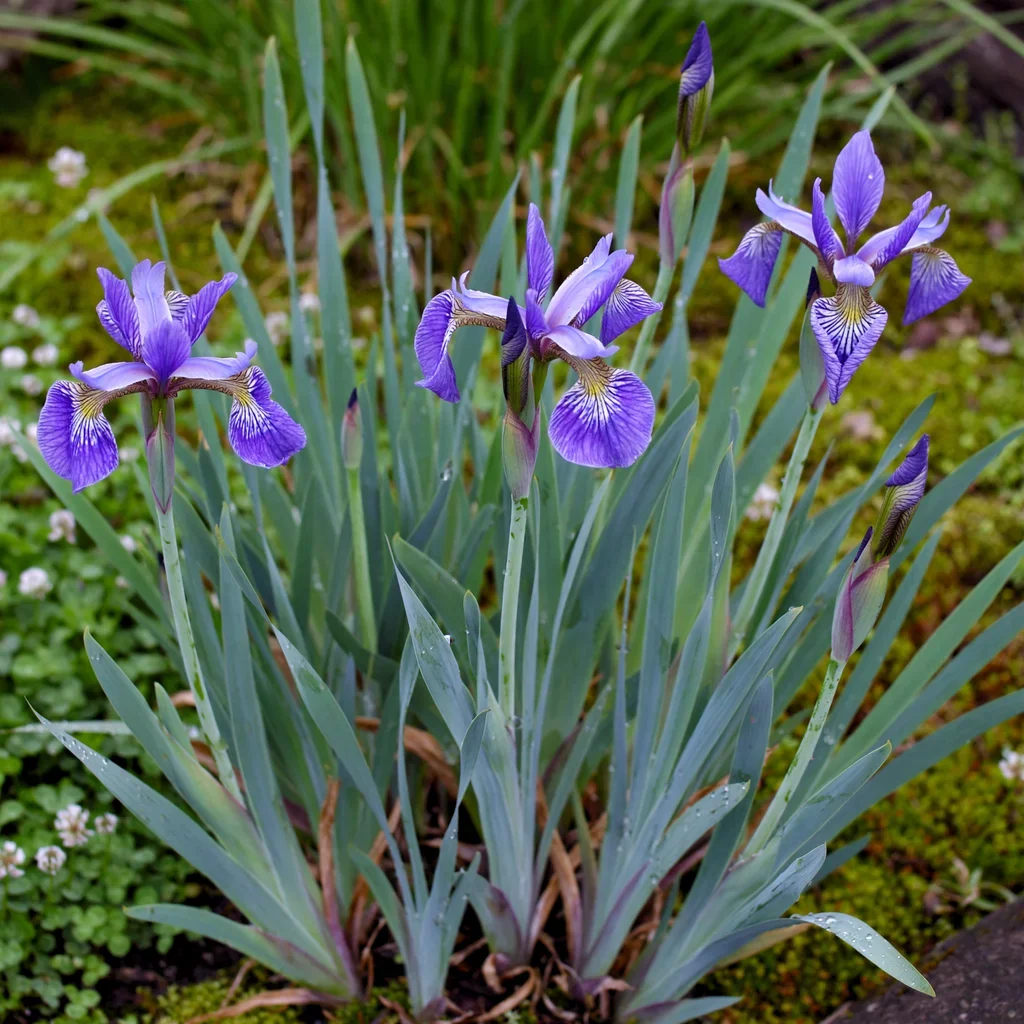
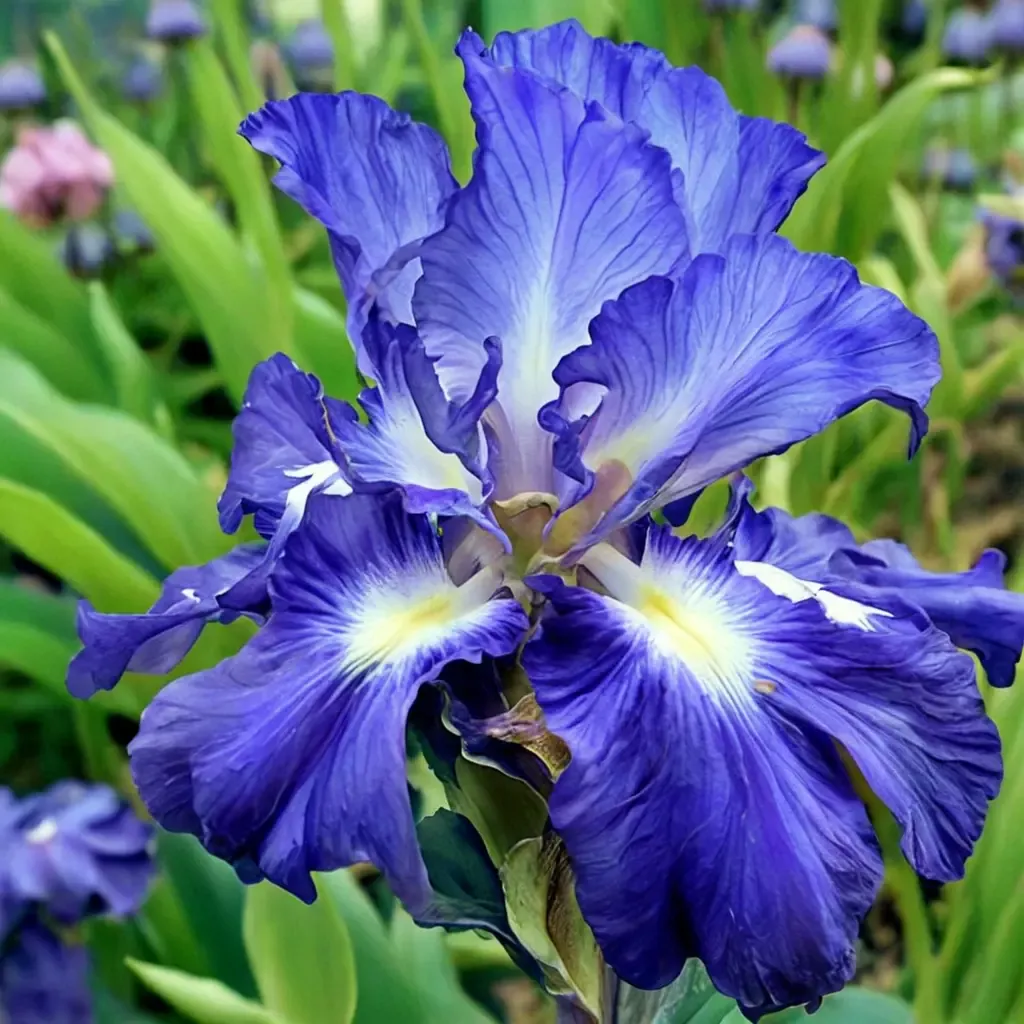
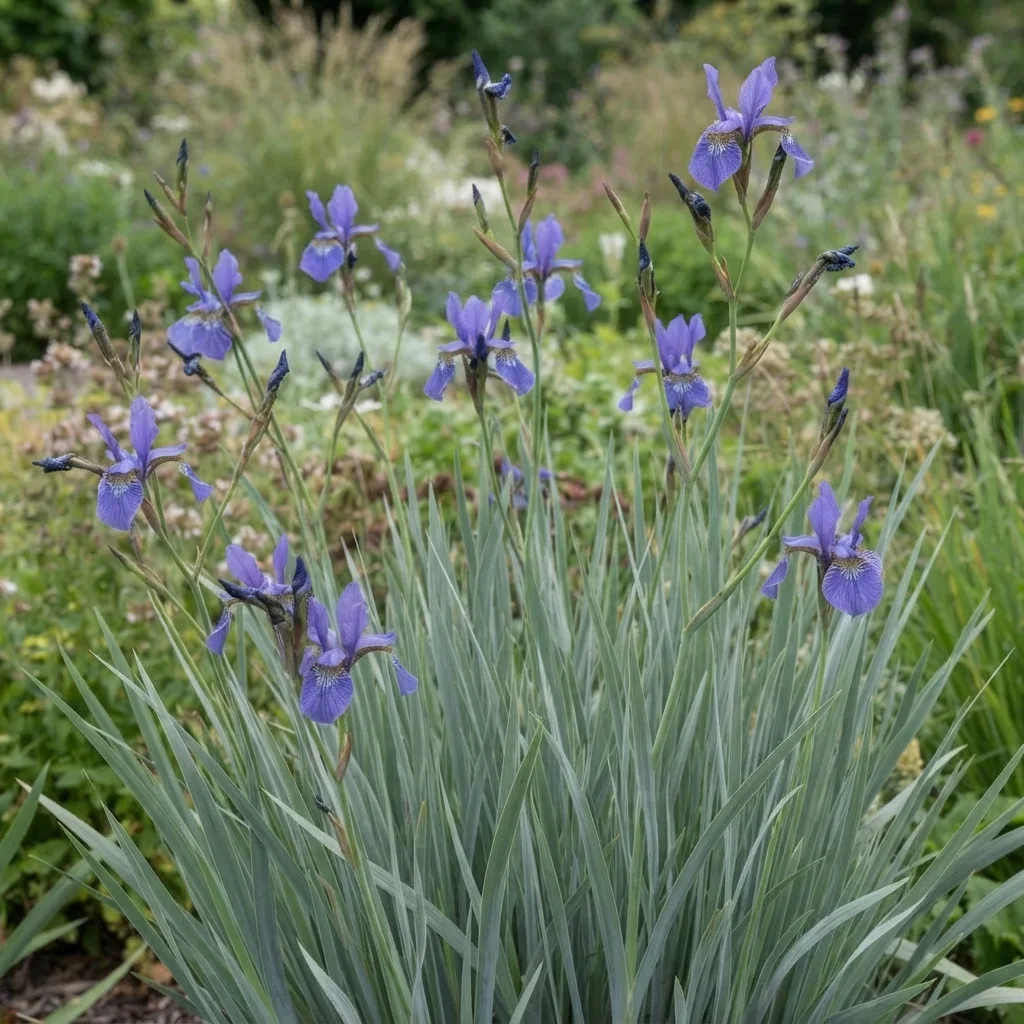
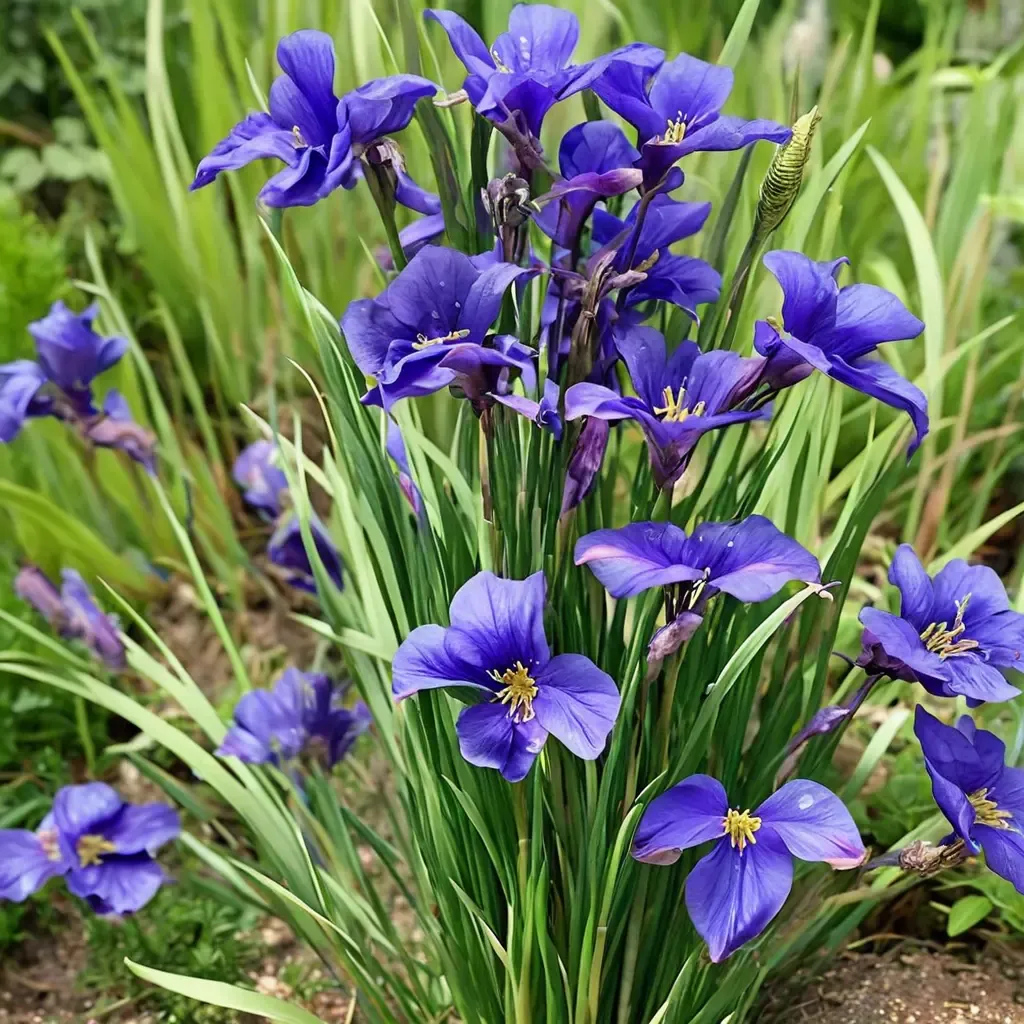
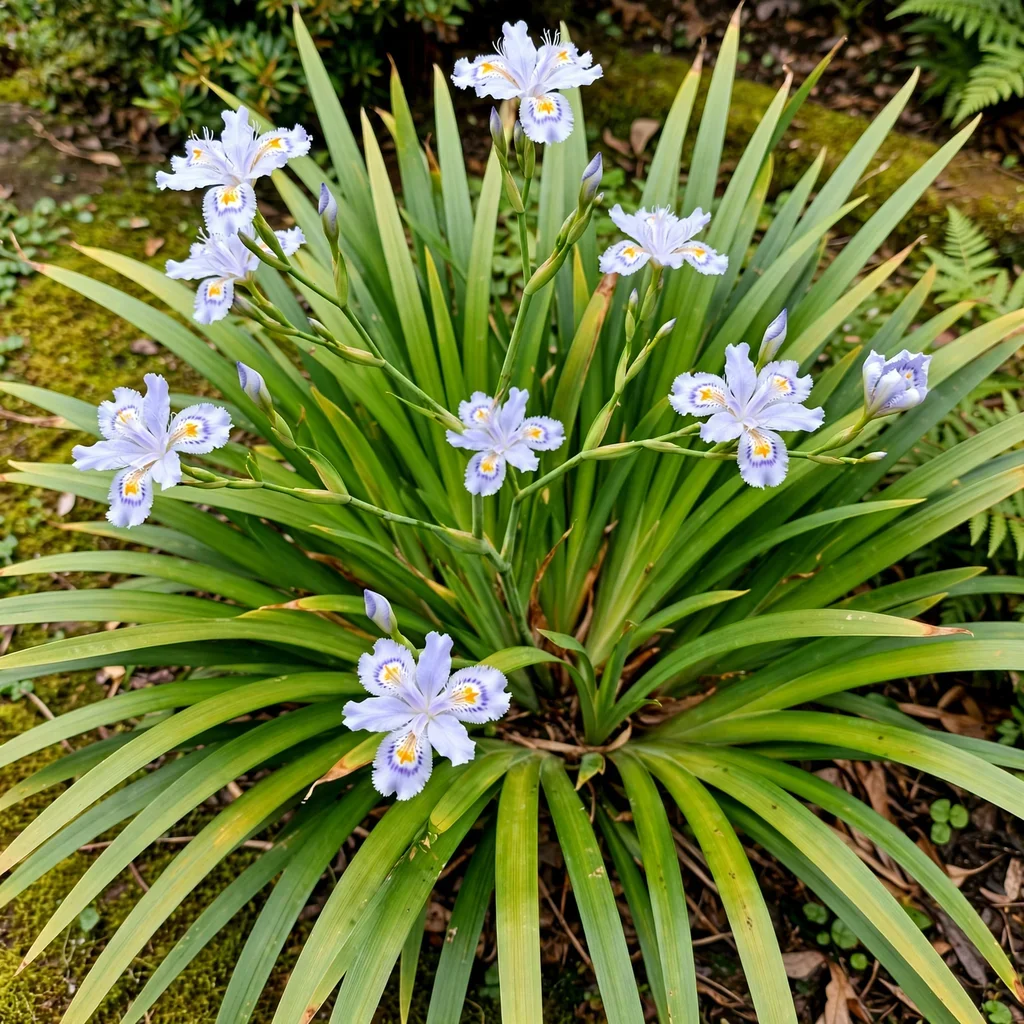
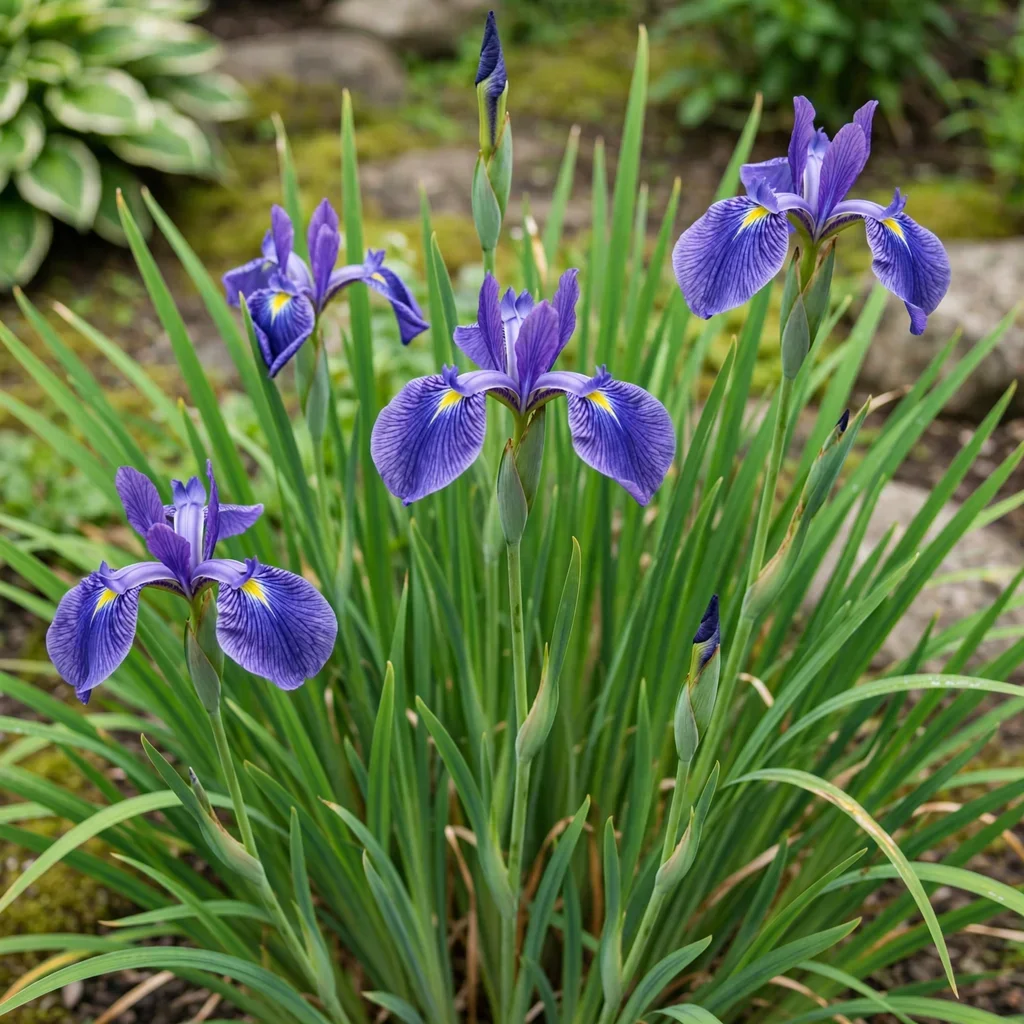
The 24 most-saved Iris varieties
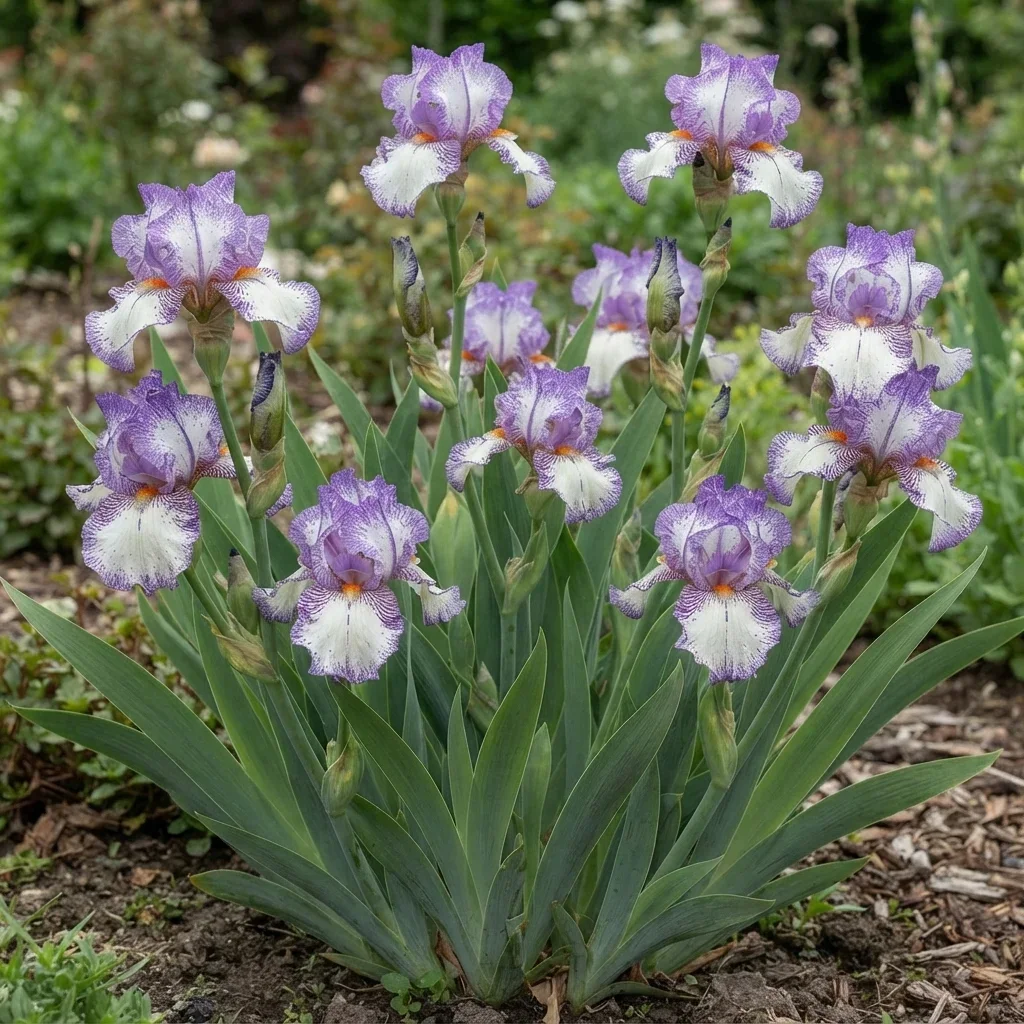
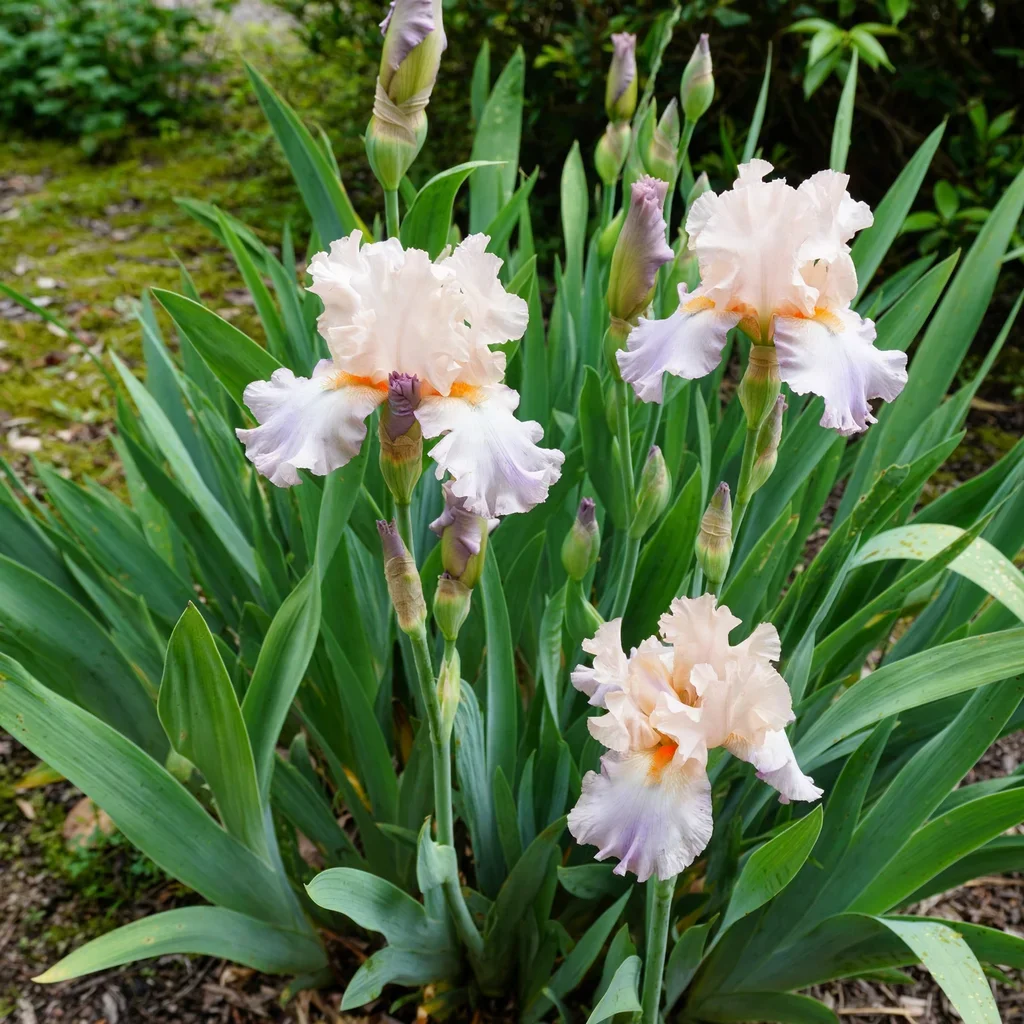
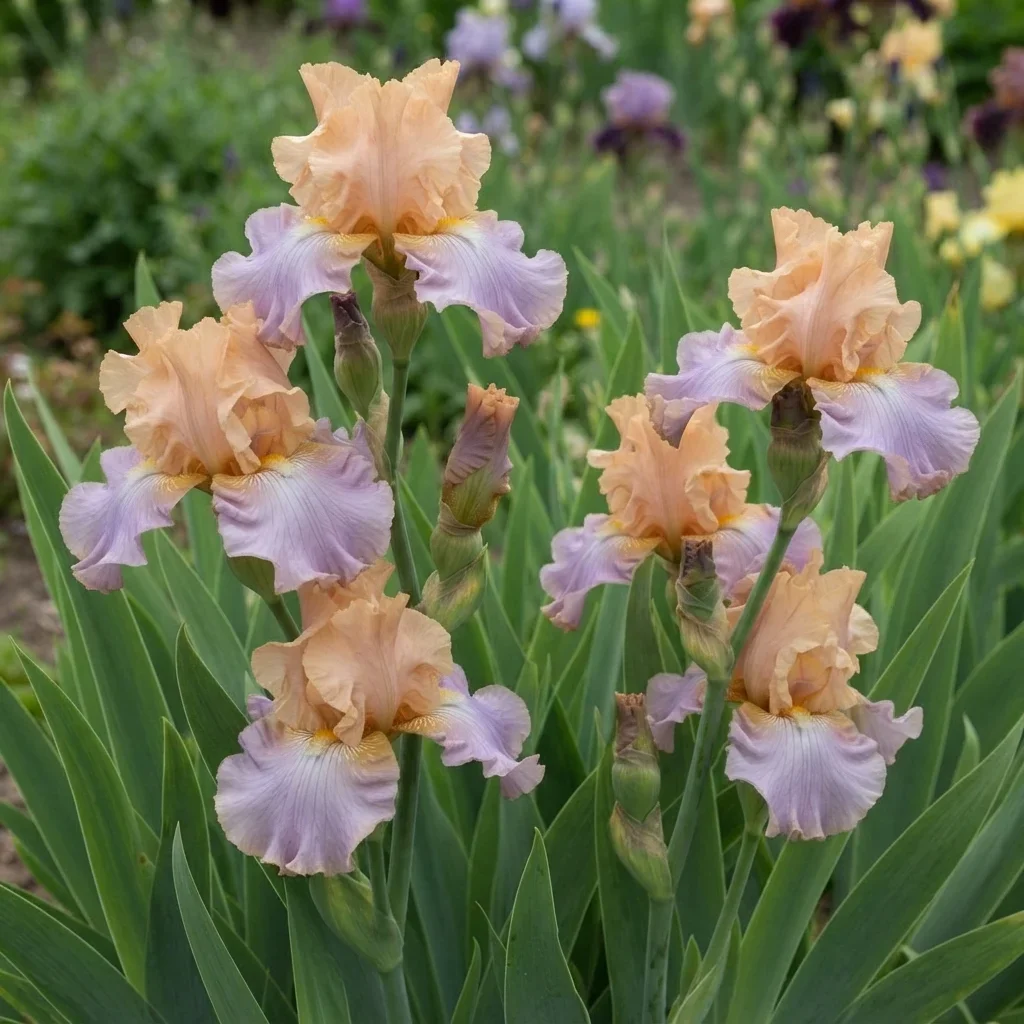
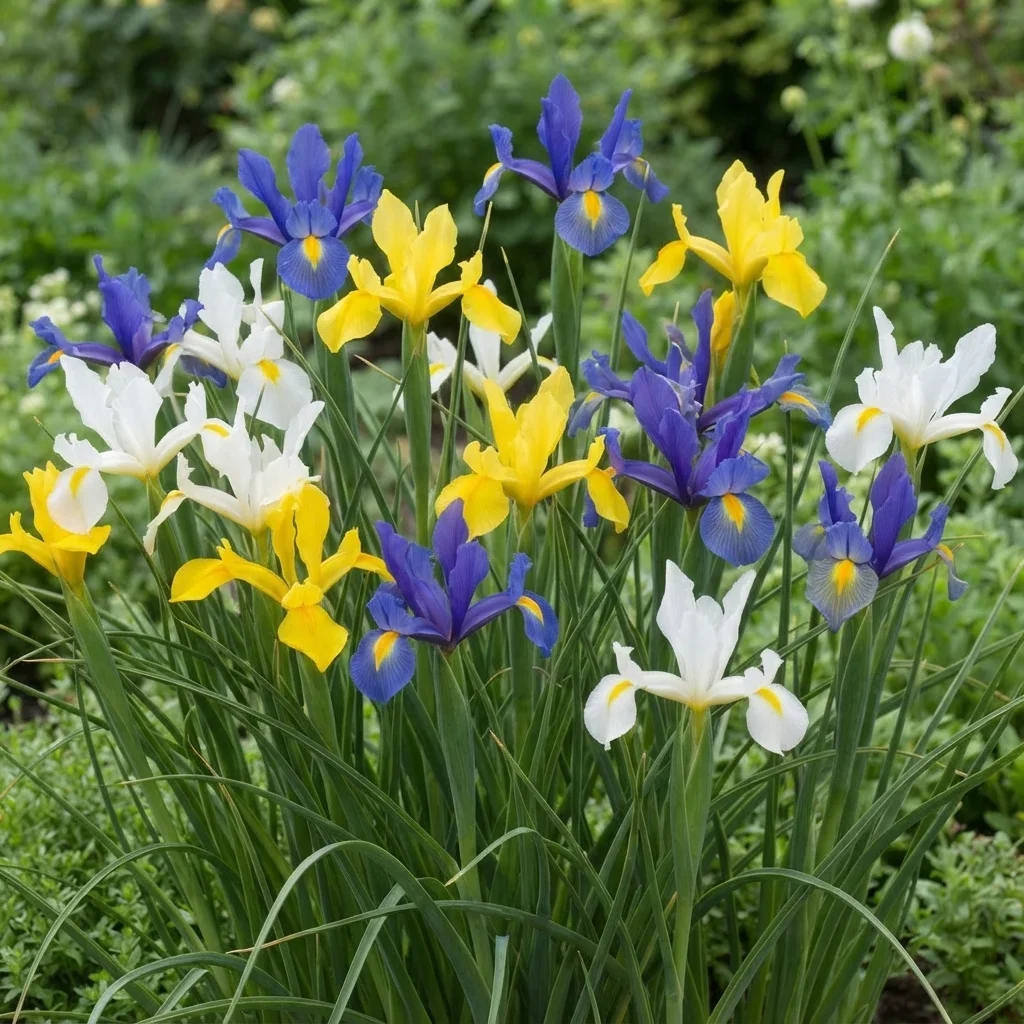
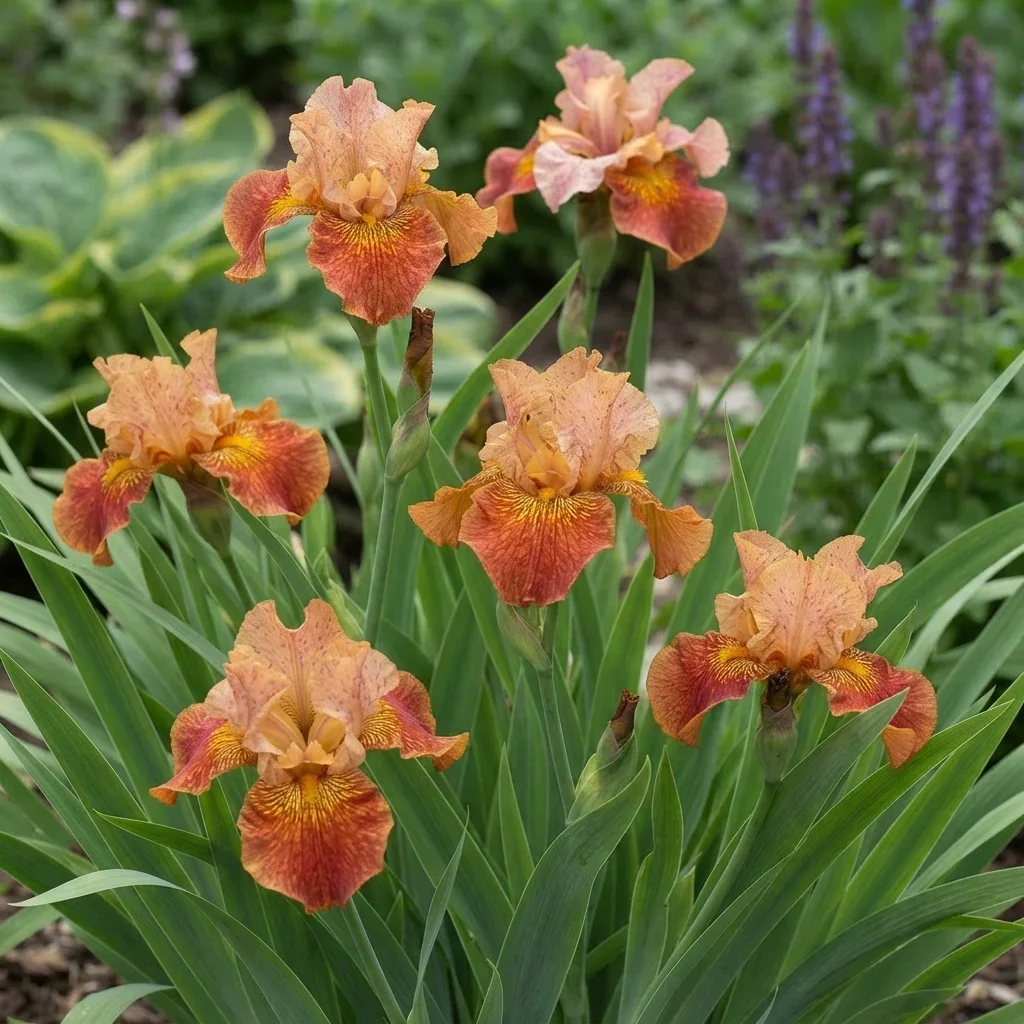
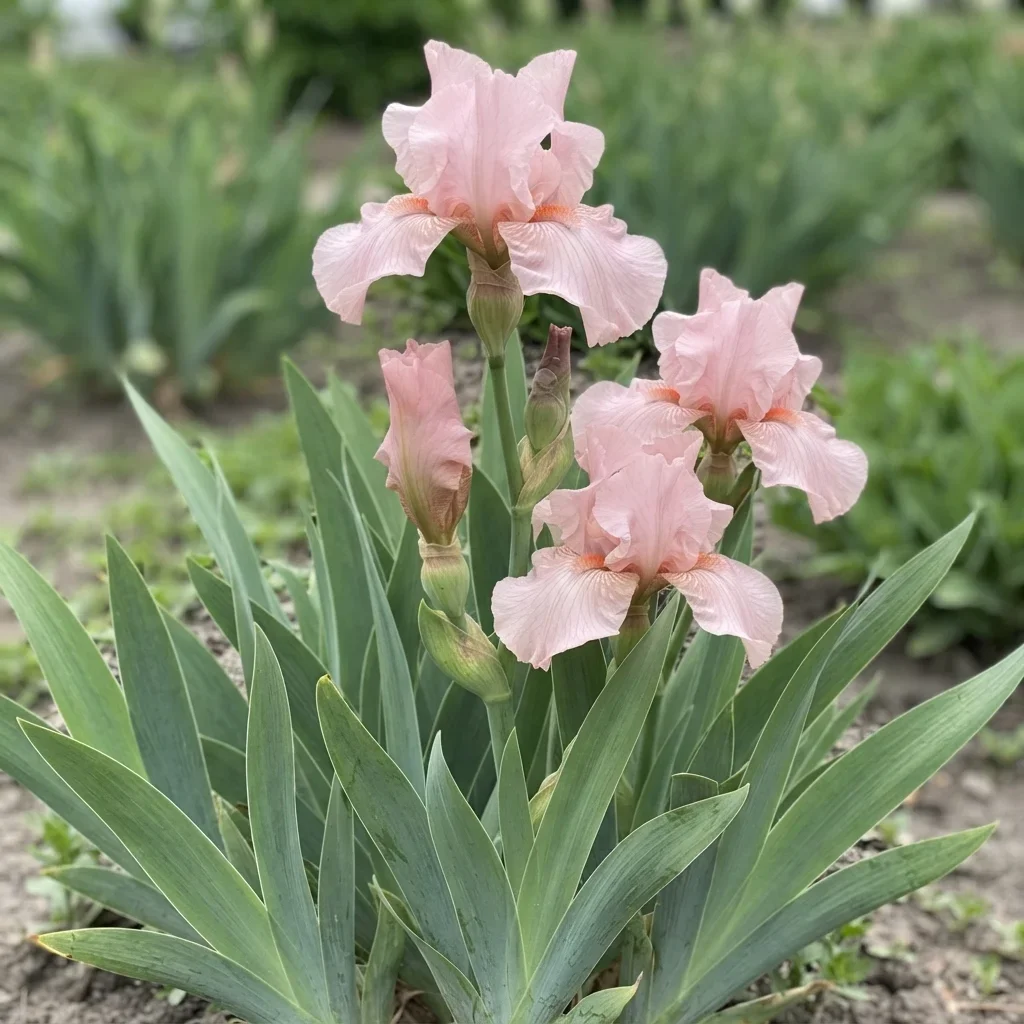
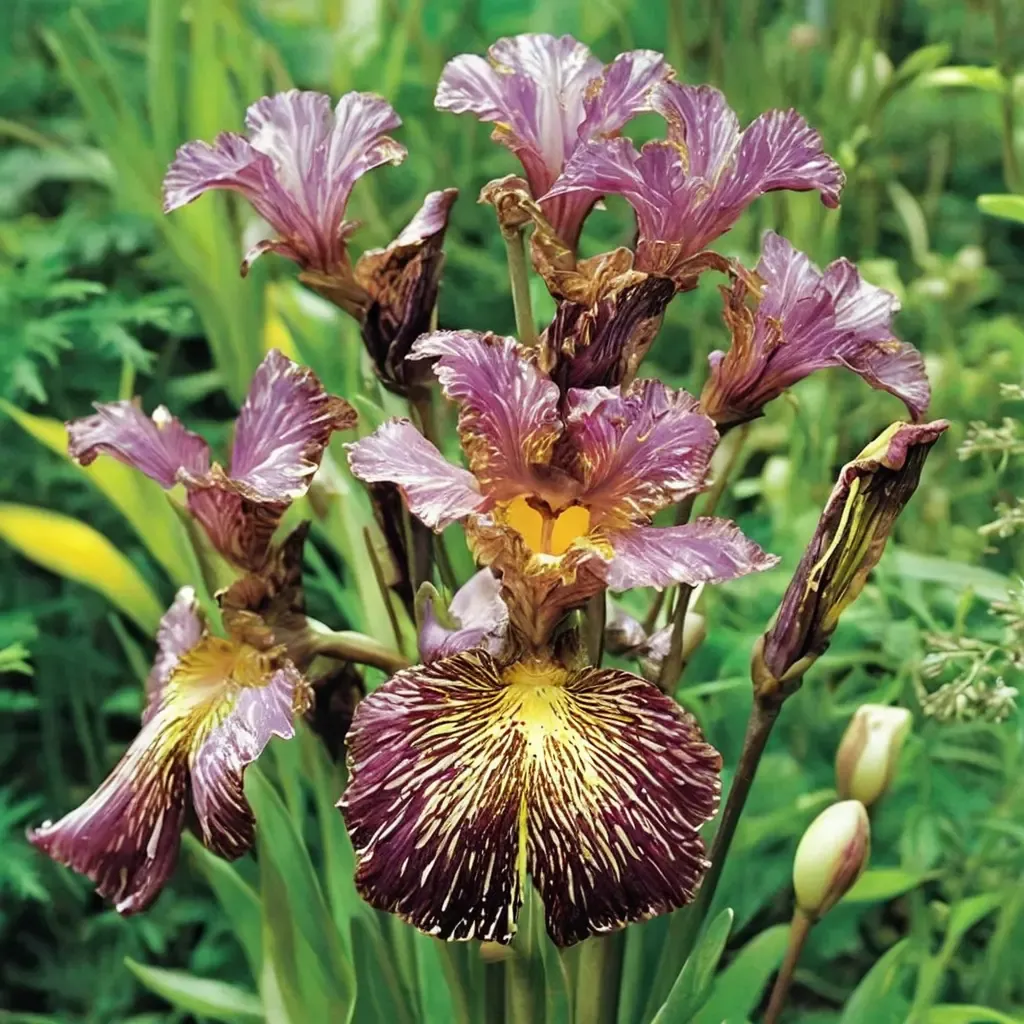
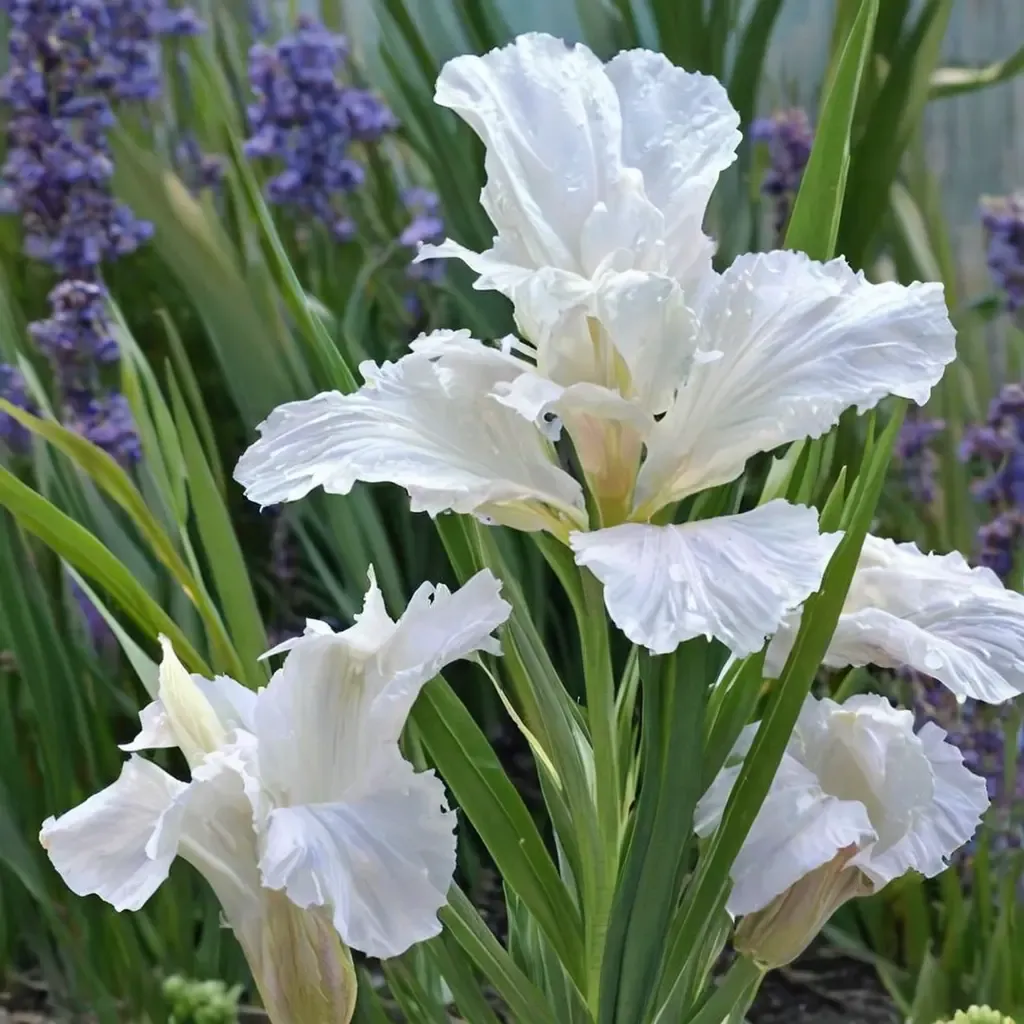
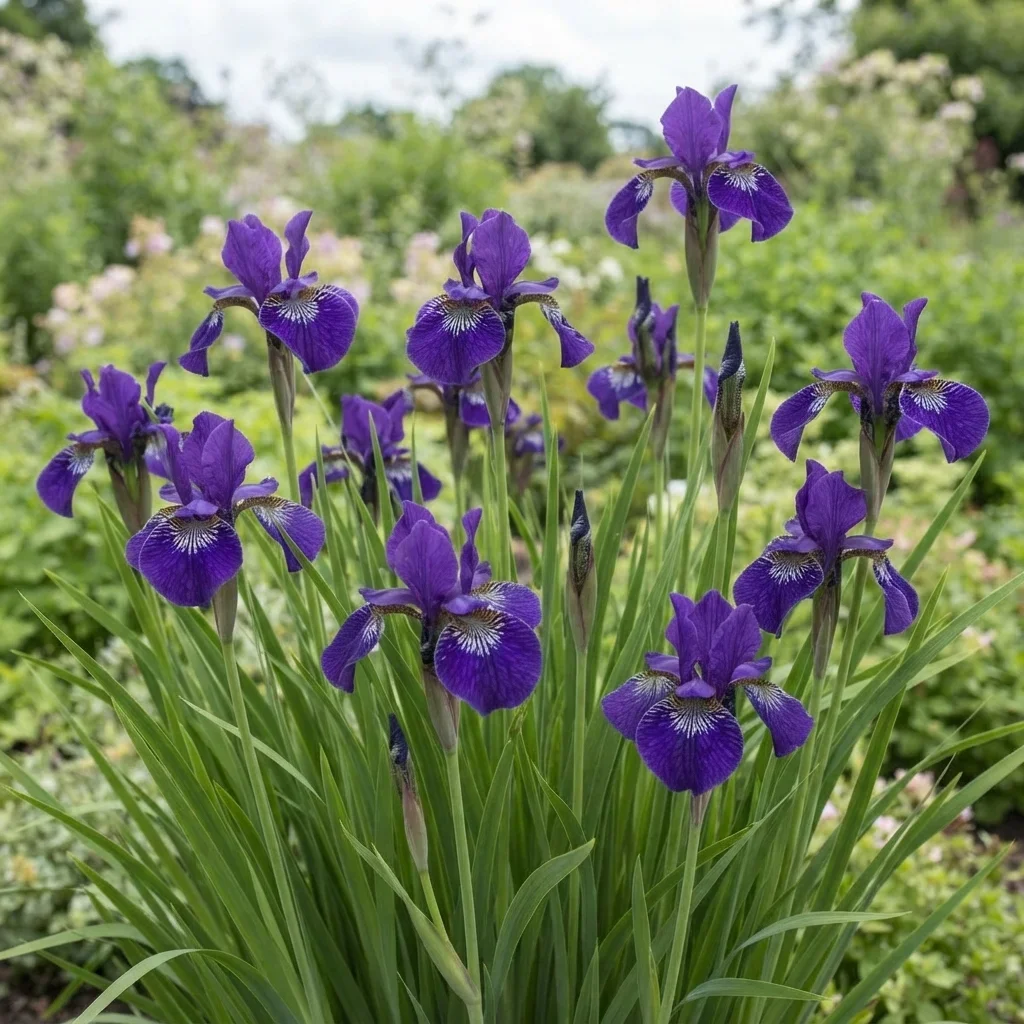
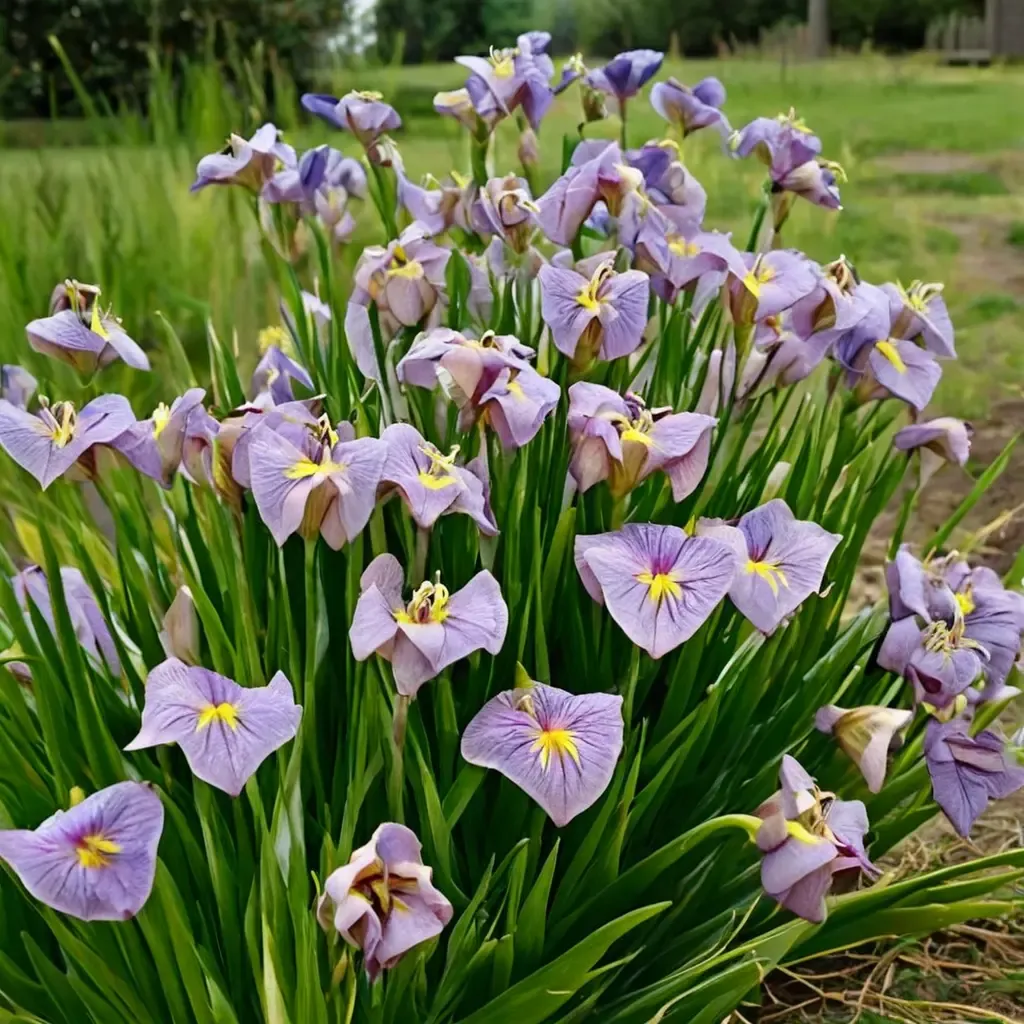
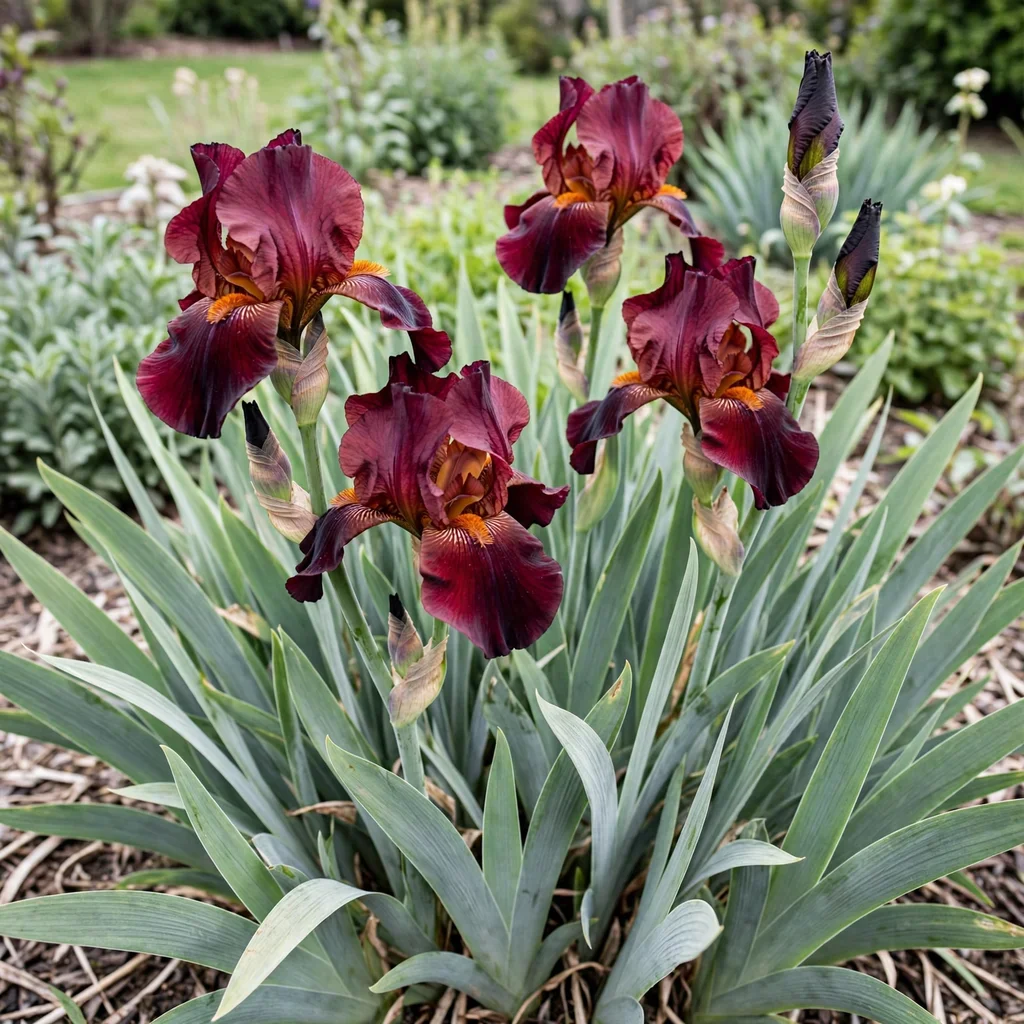
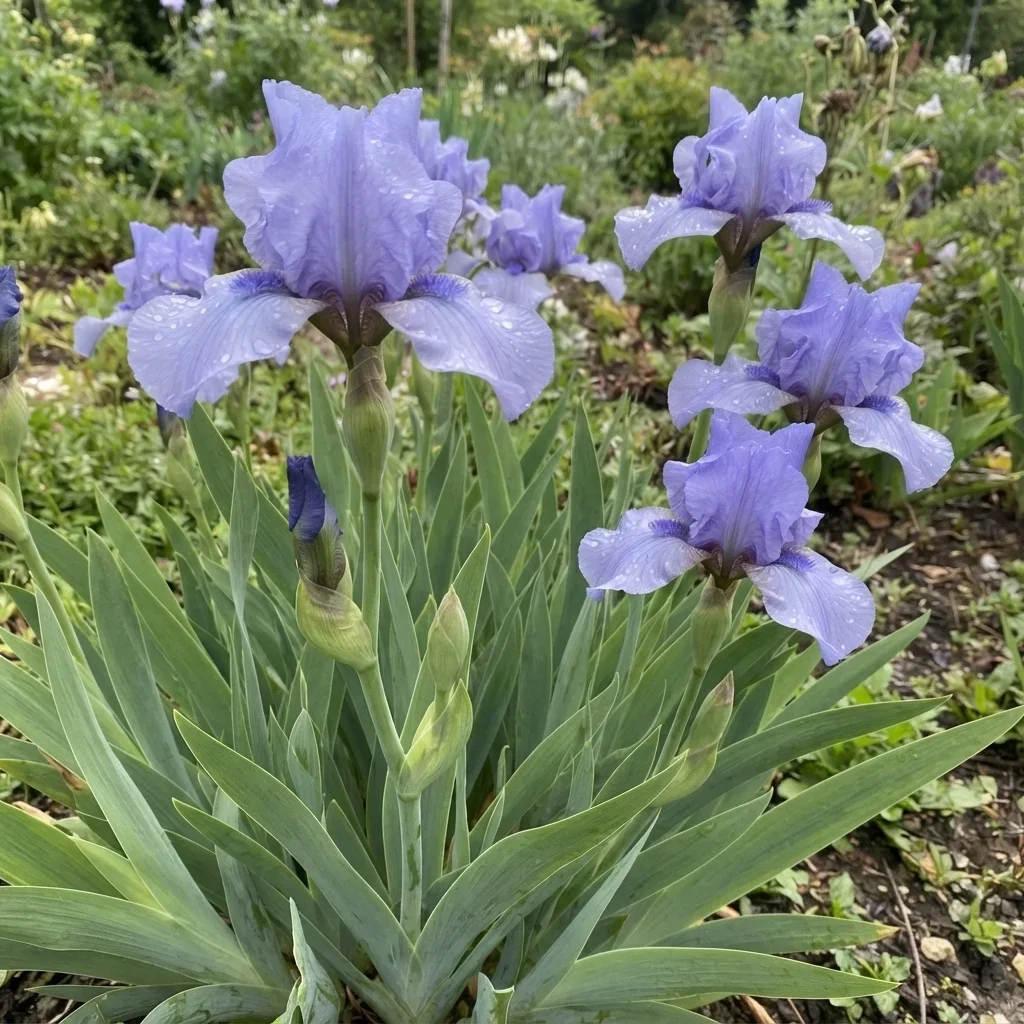
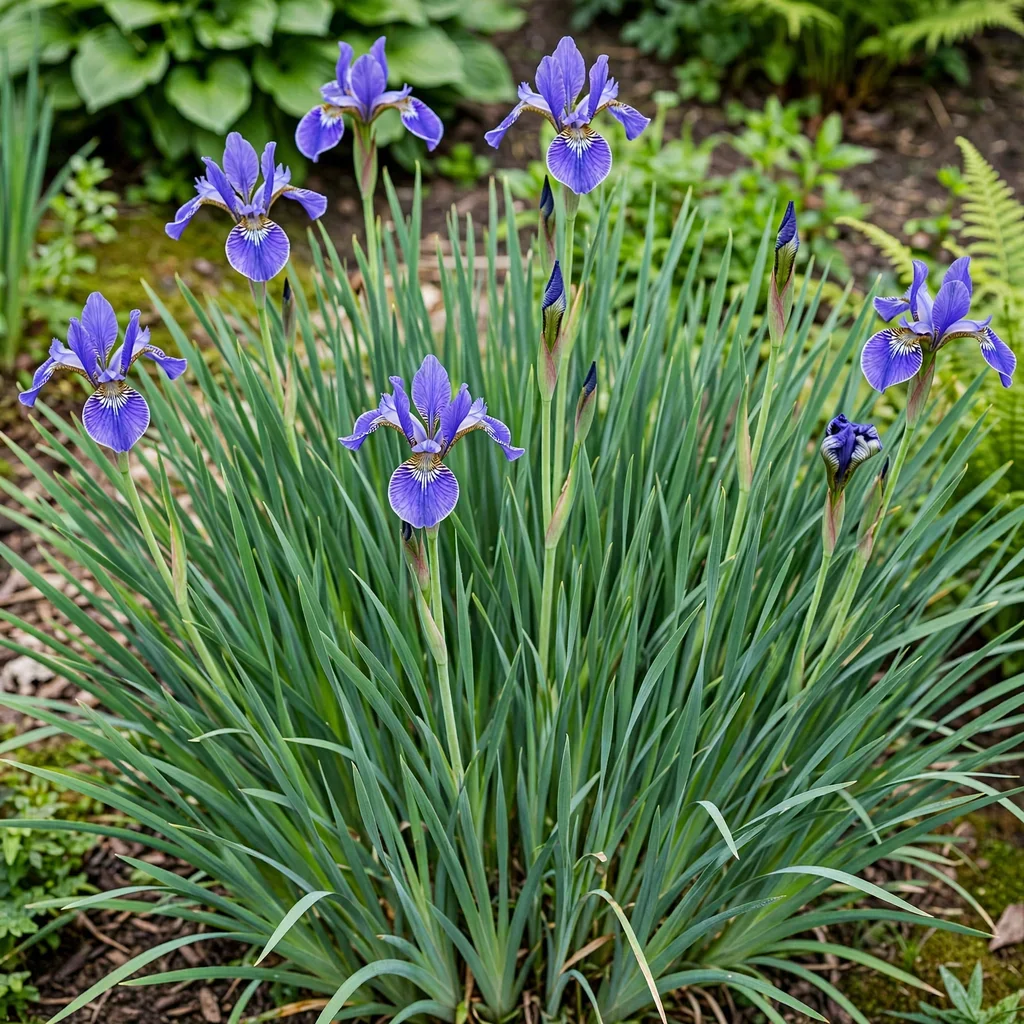
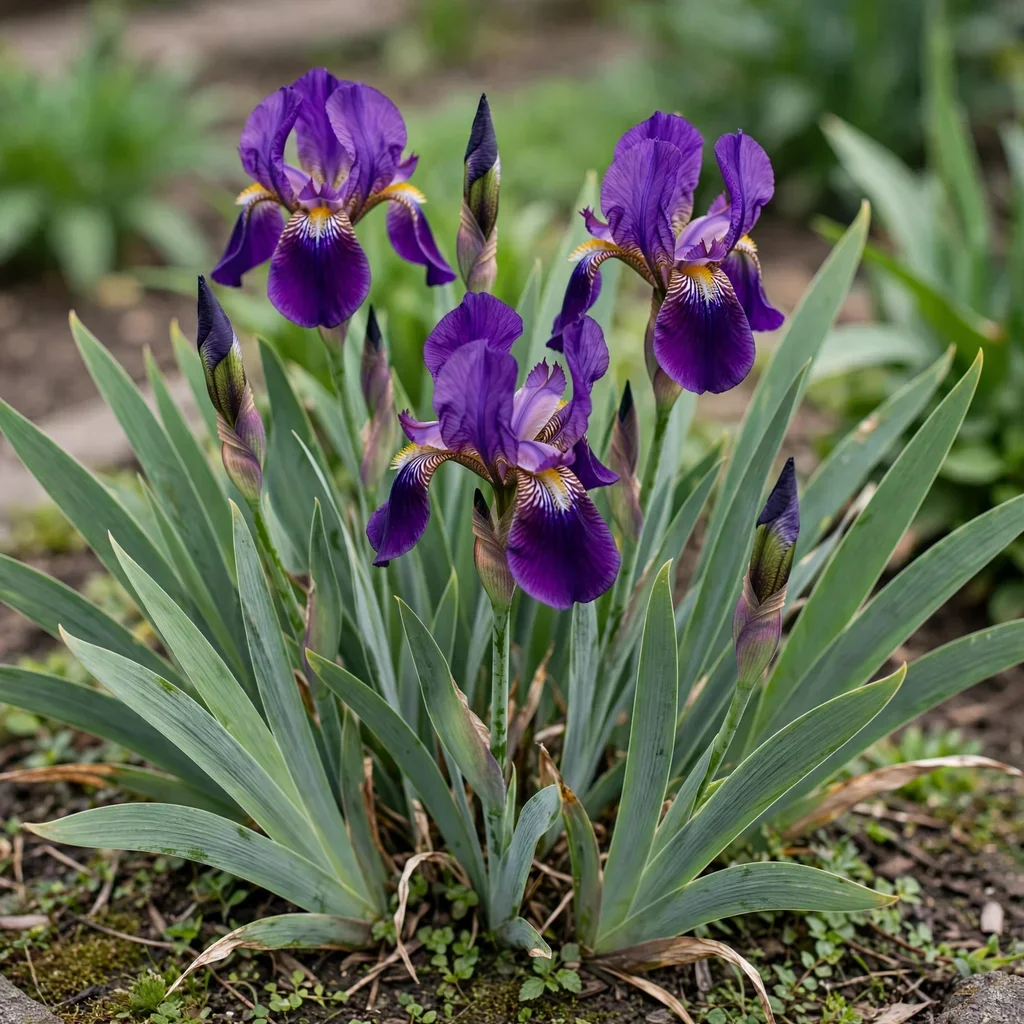
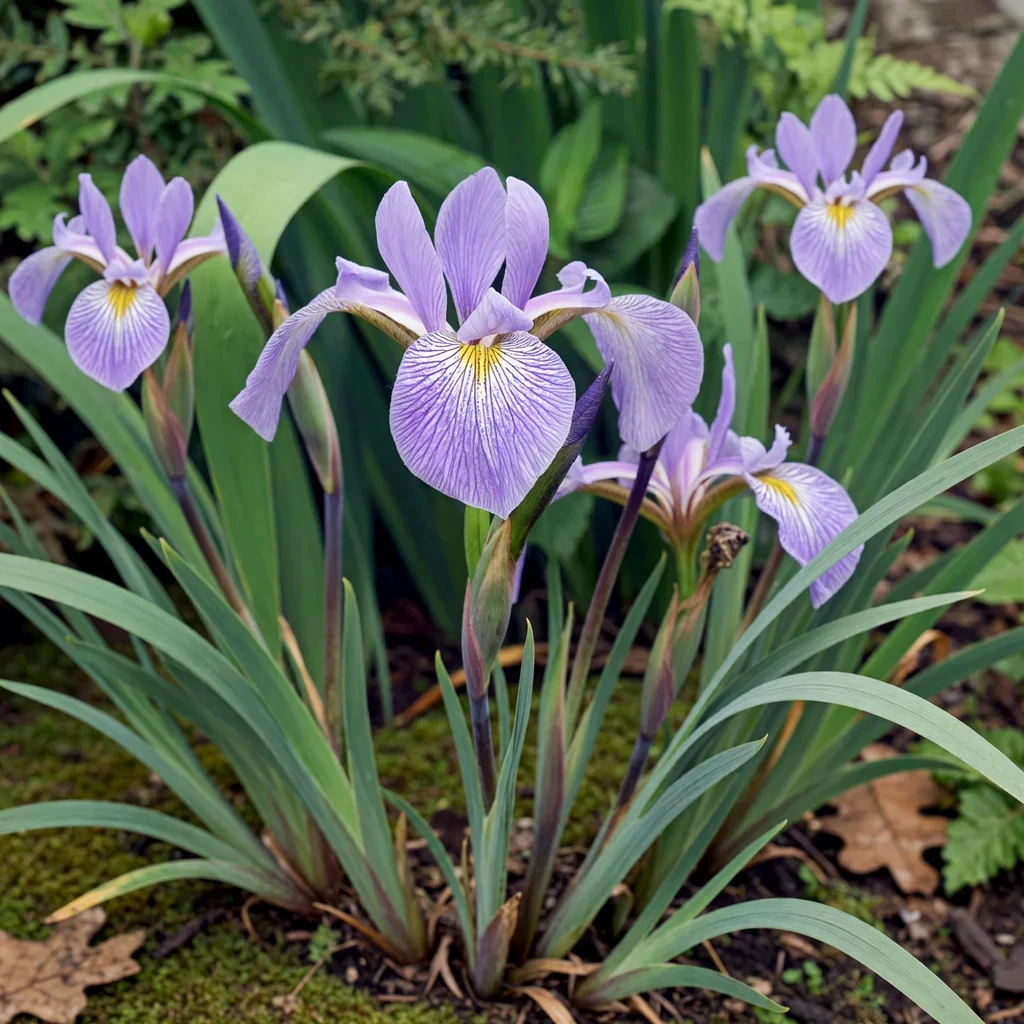
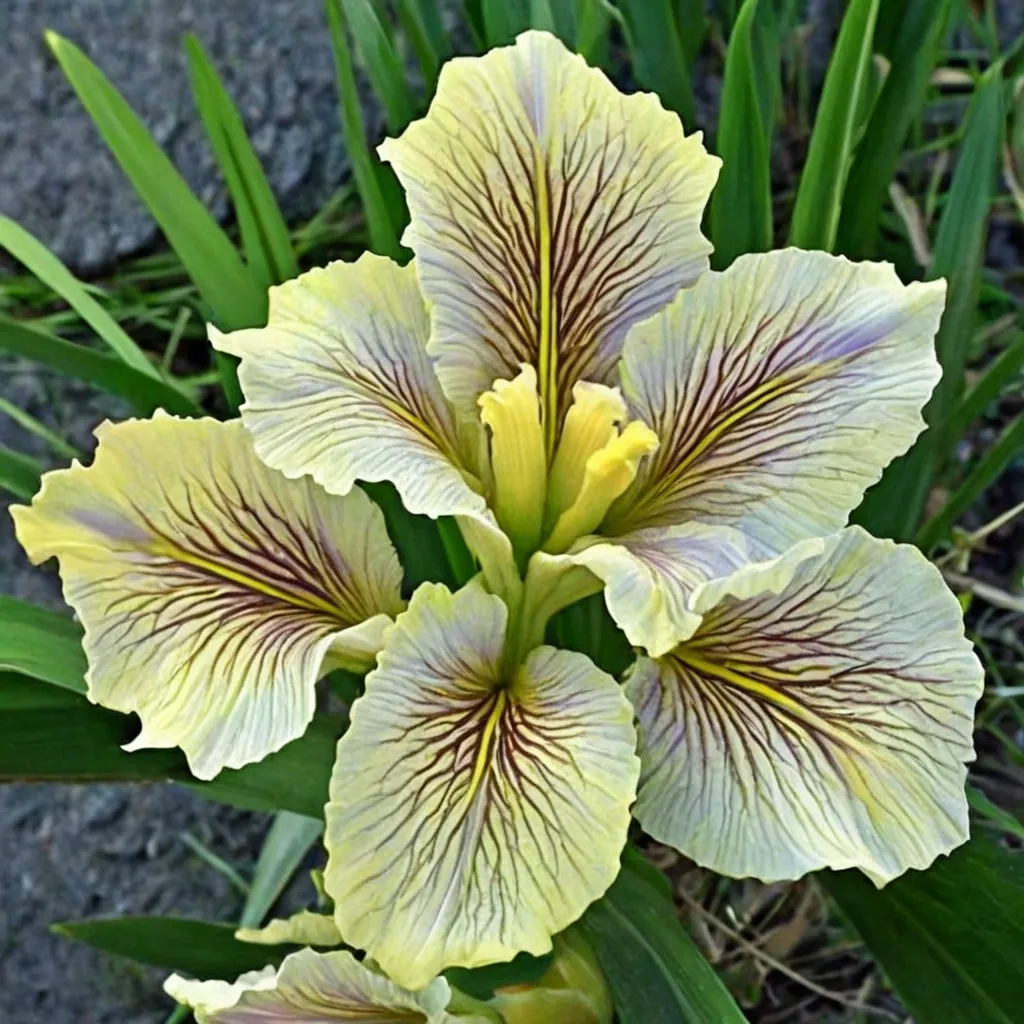
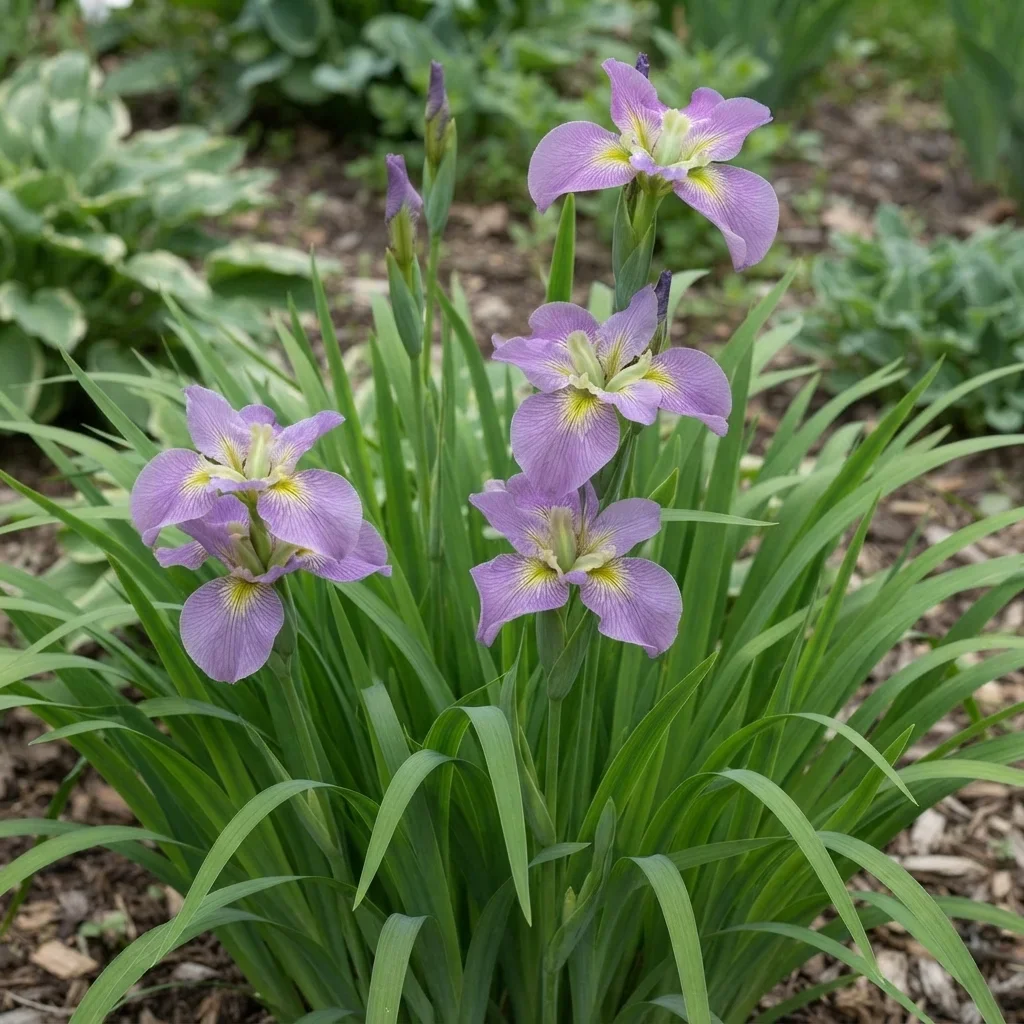
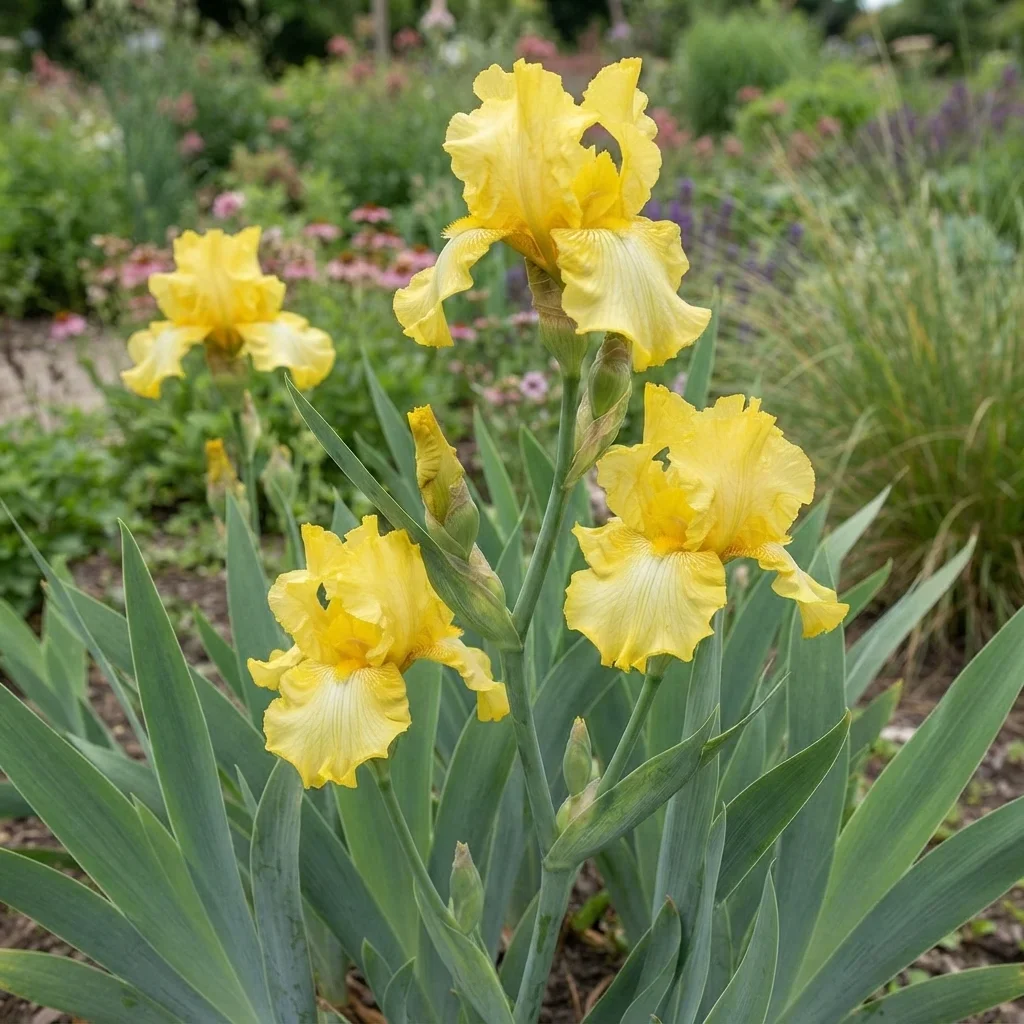
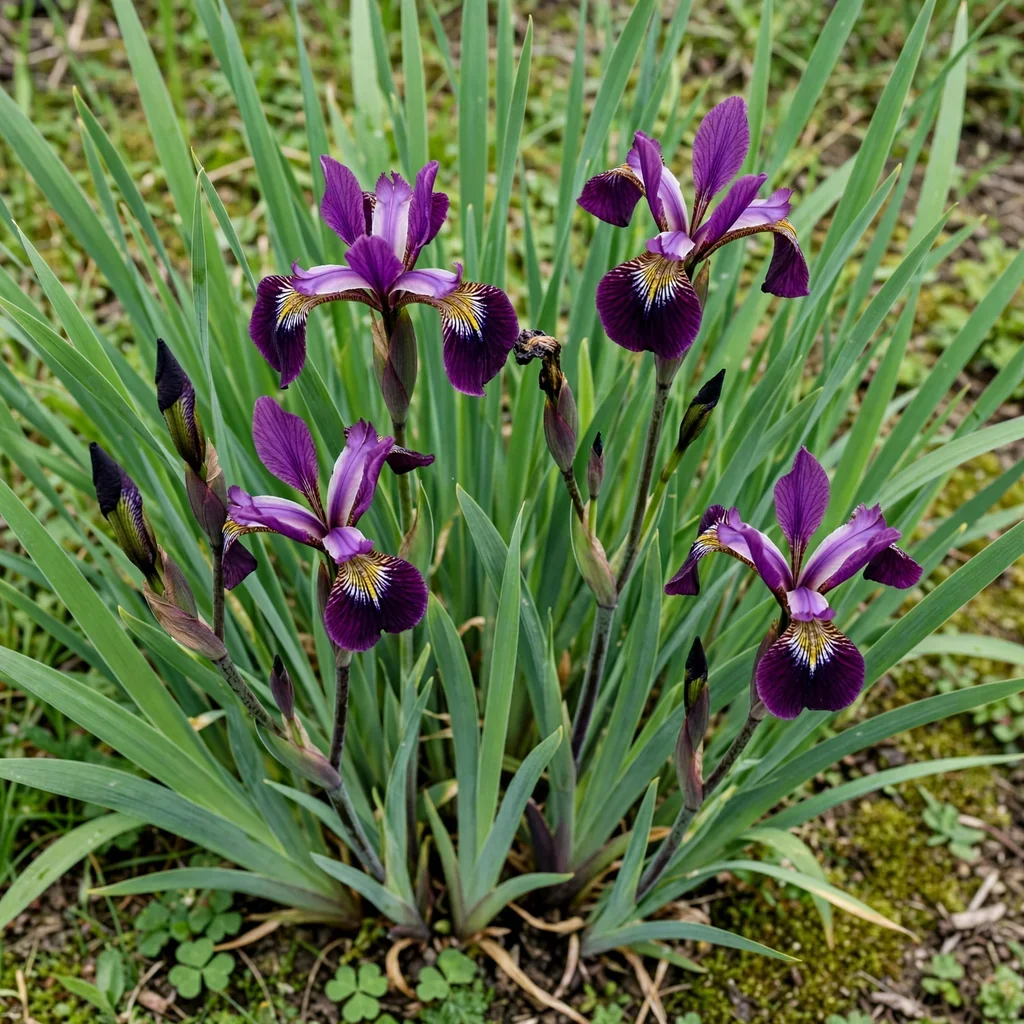
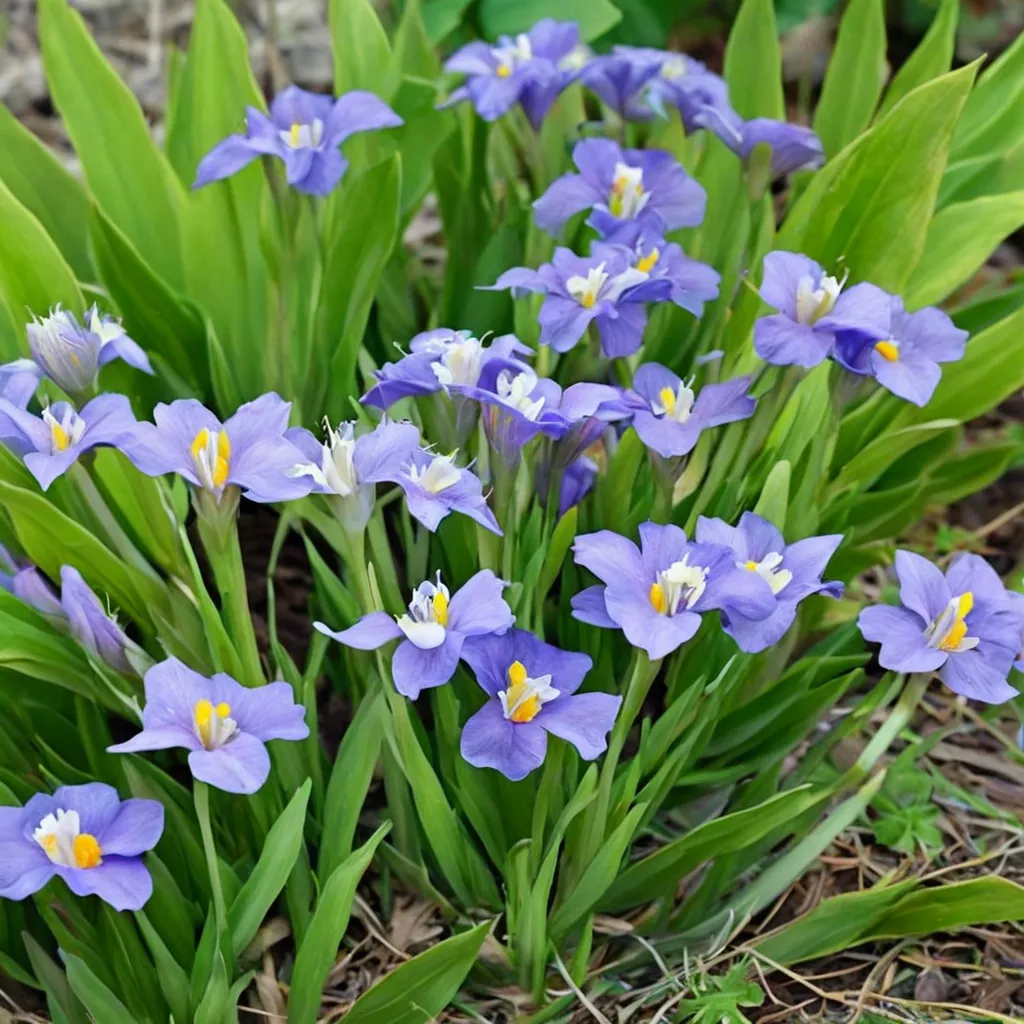
See all 262 Iris varieties →Search this genus →
19 species of Iris
Each one is a parent of the varieties above.
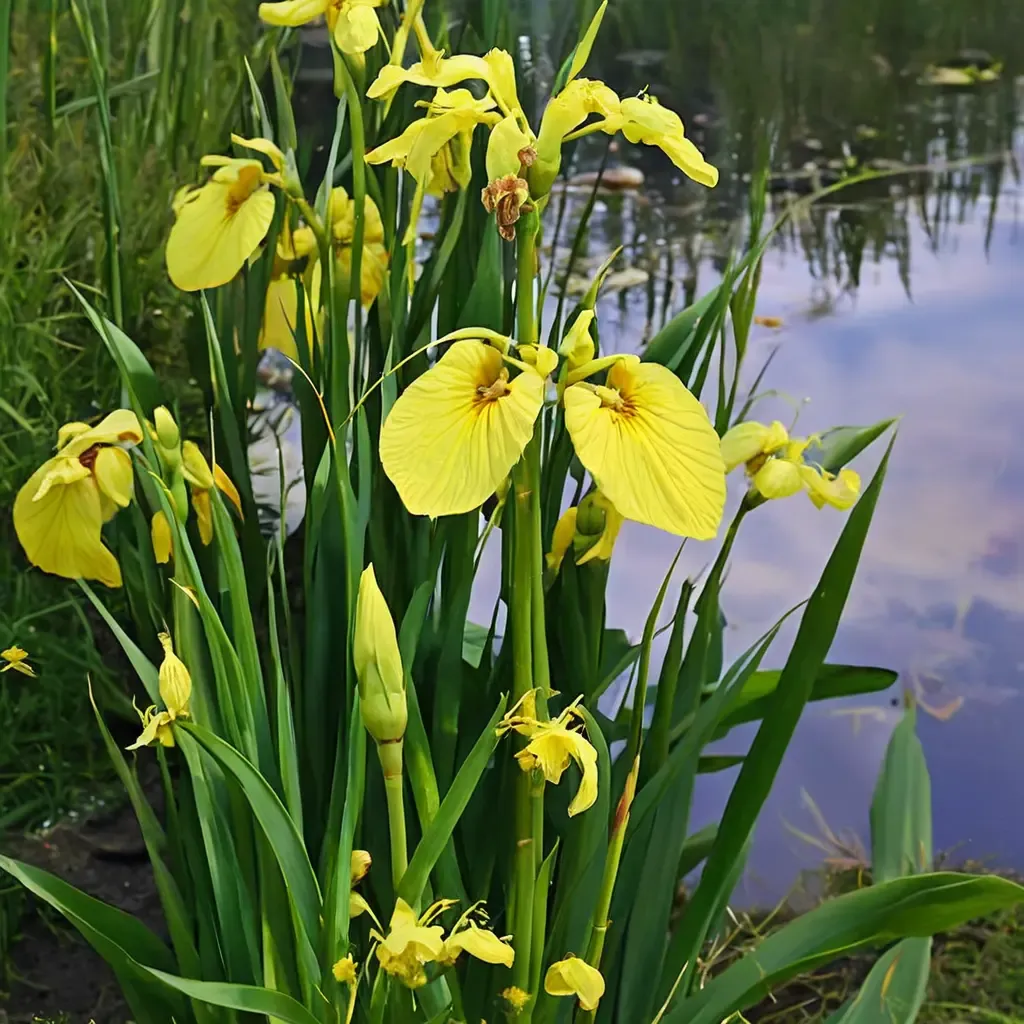
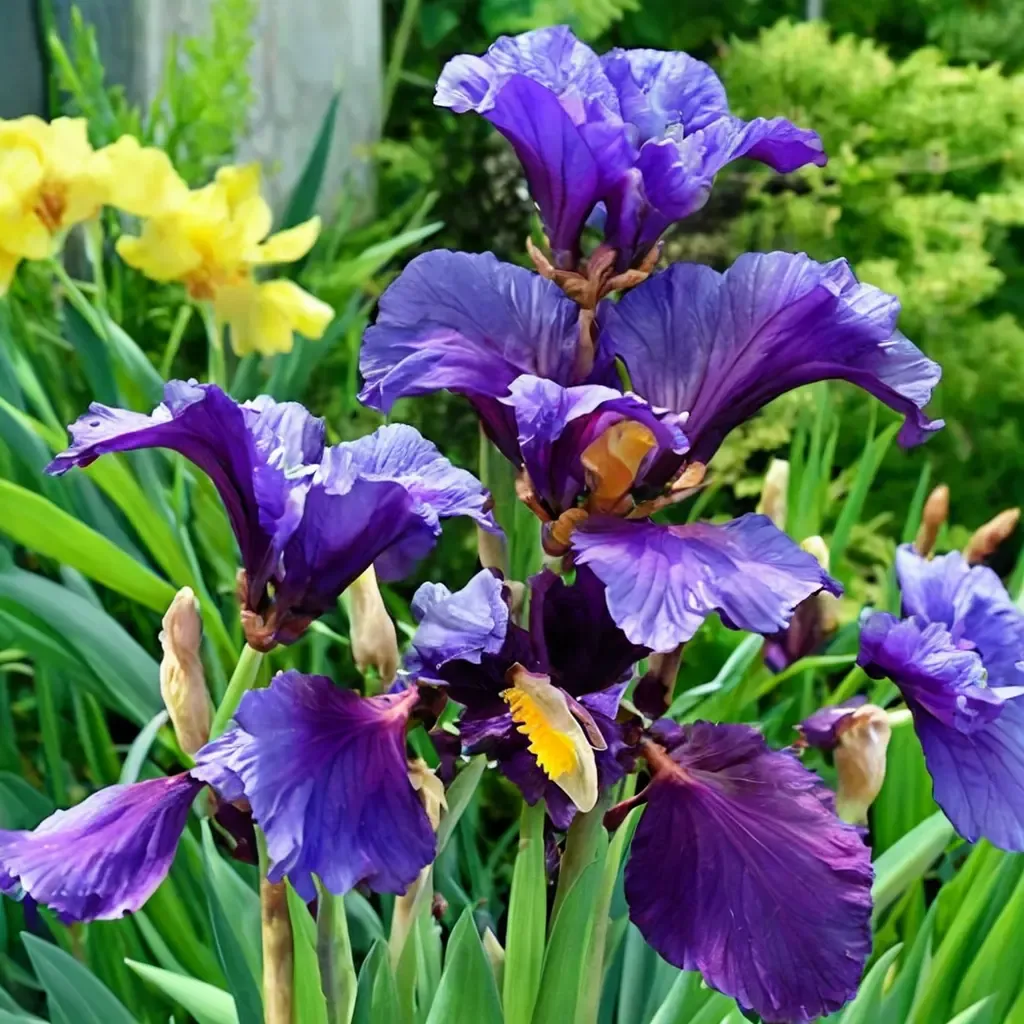
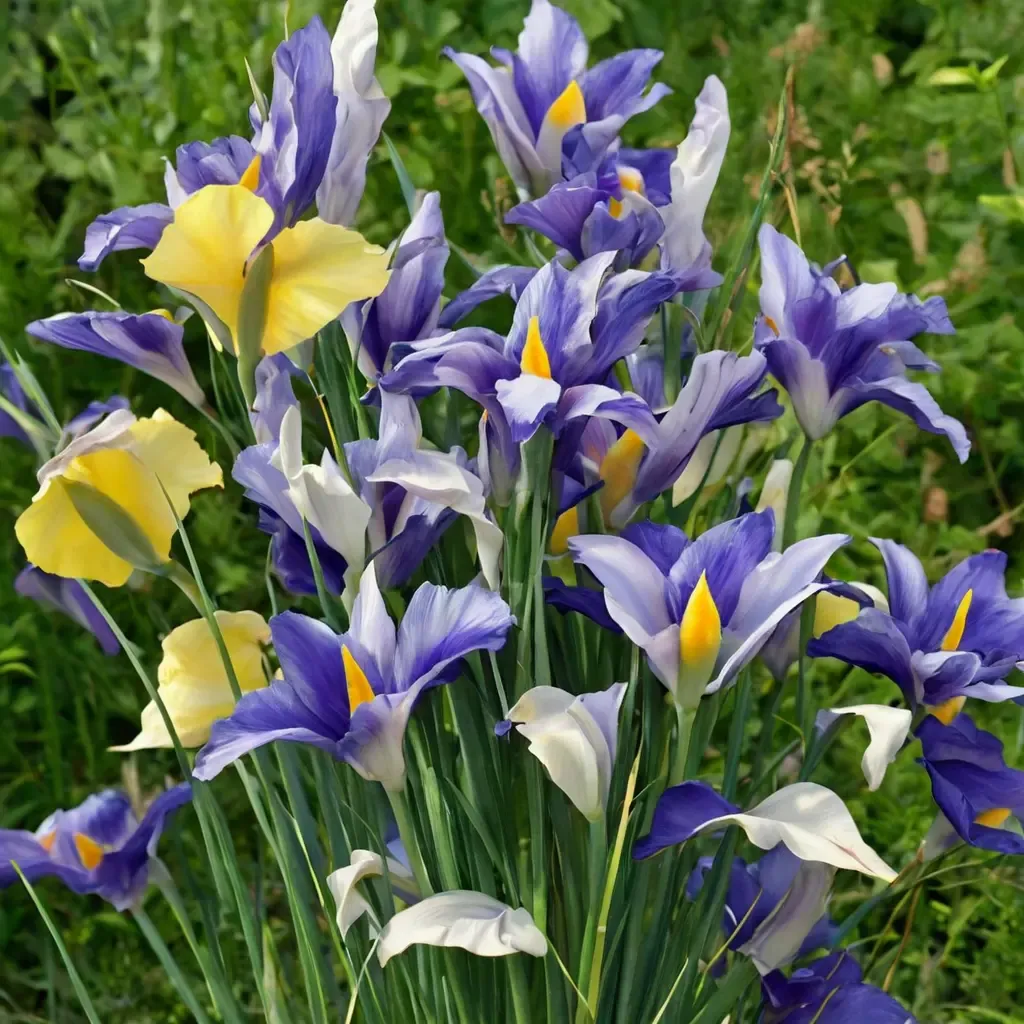
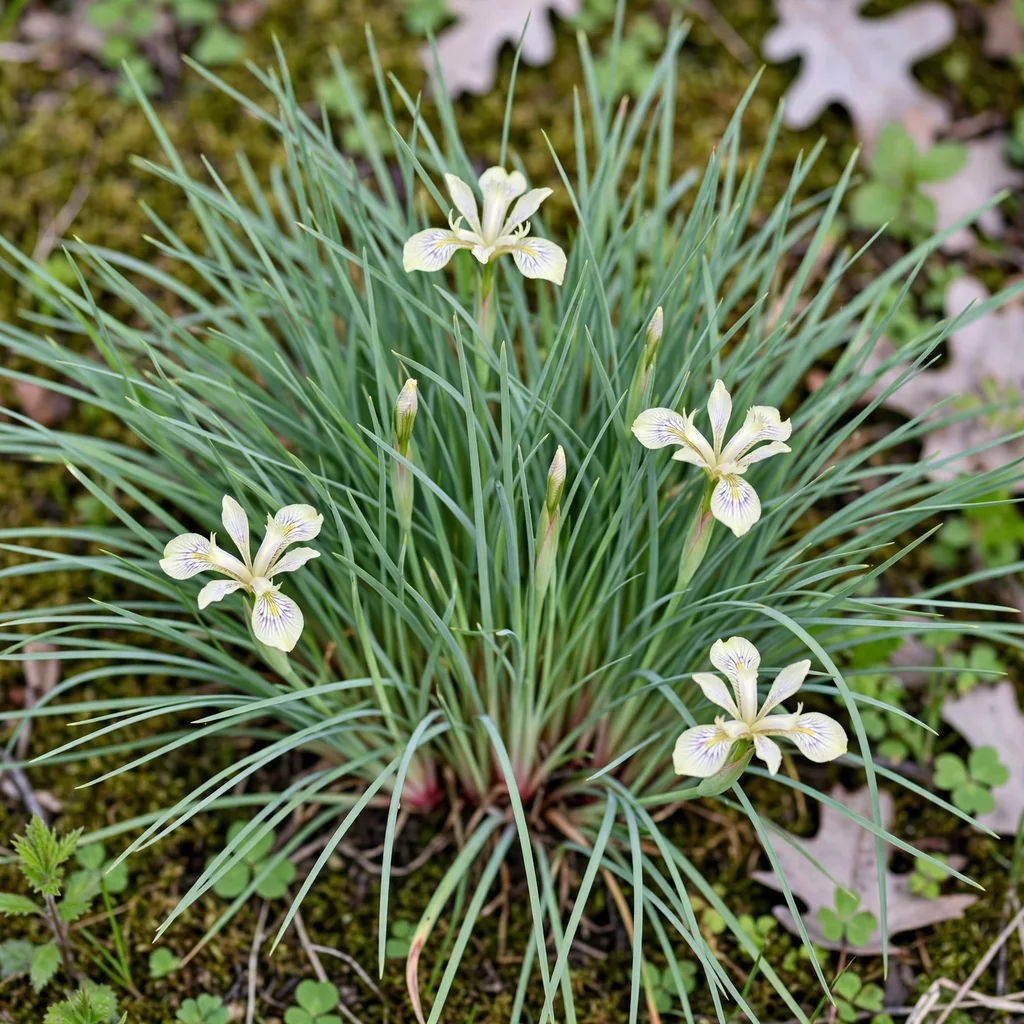
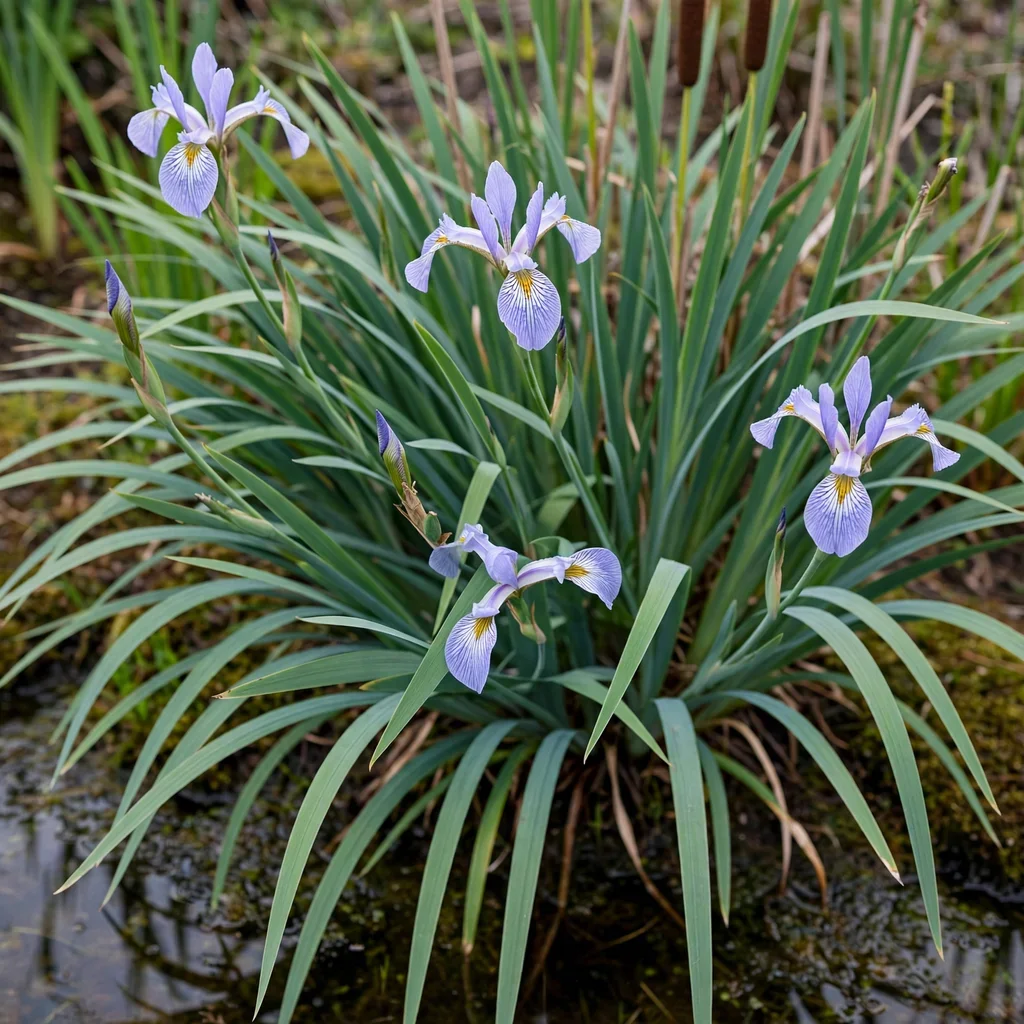
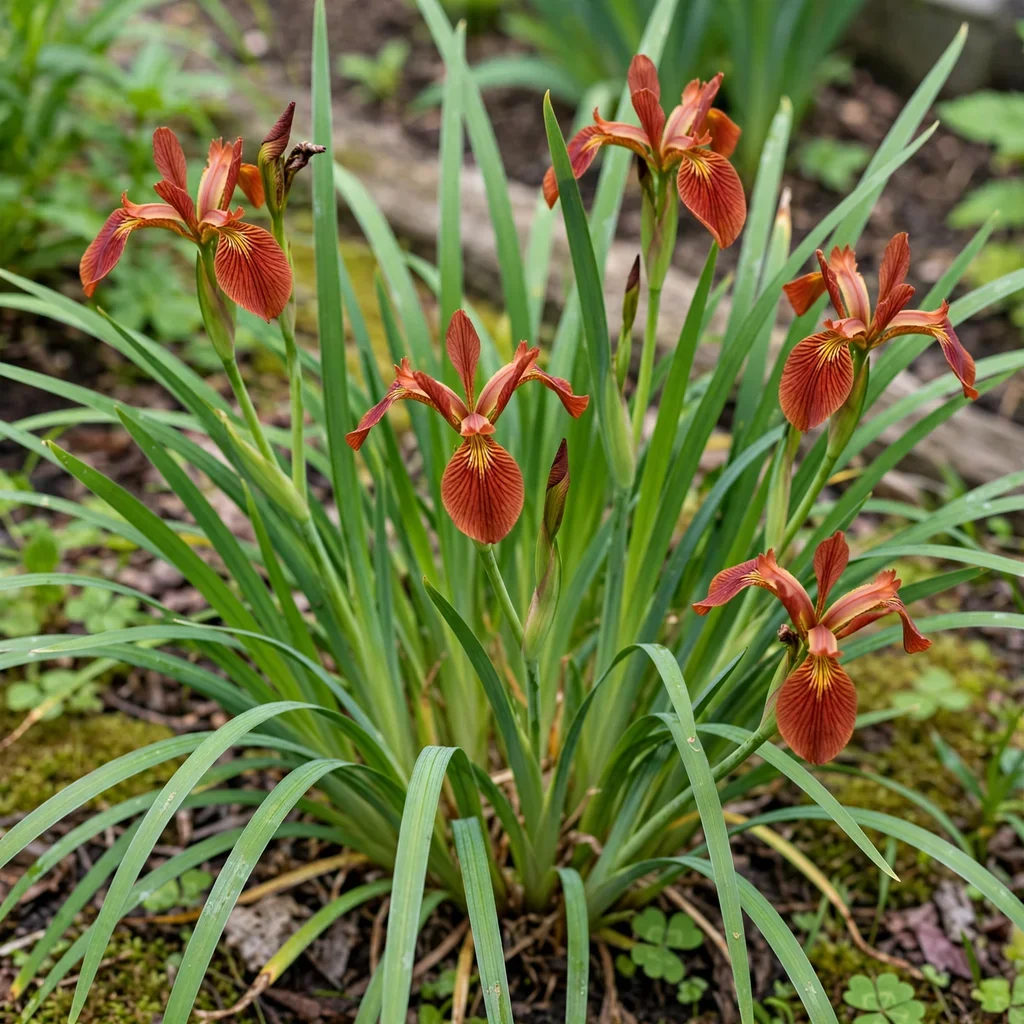
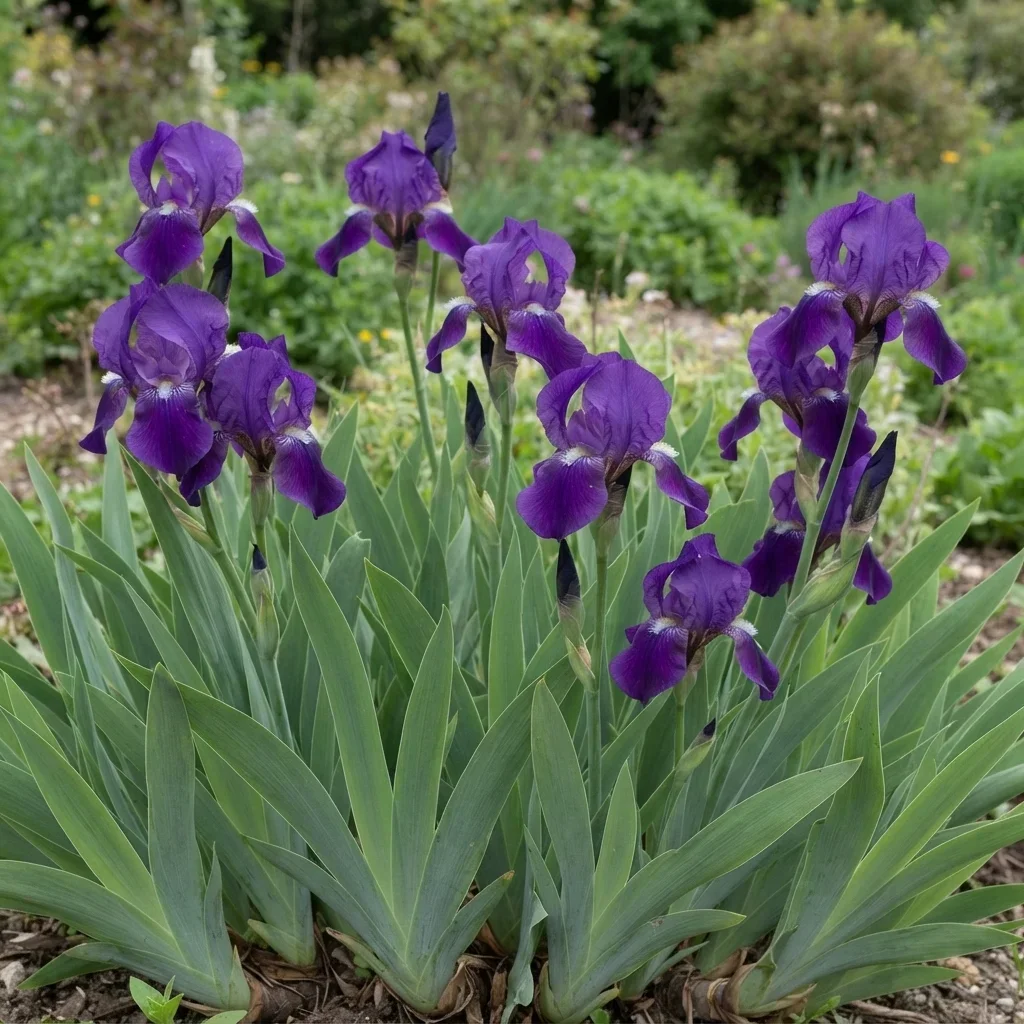
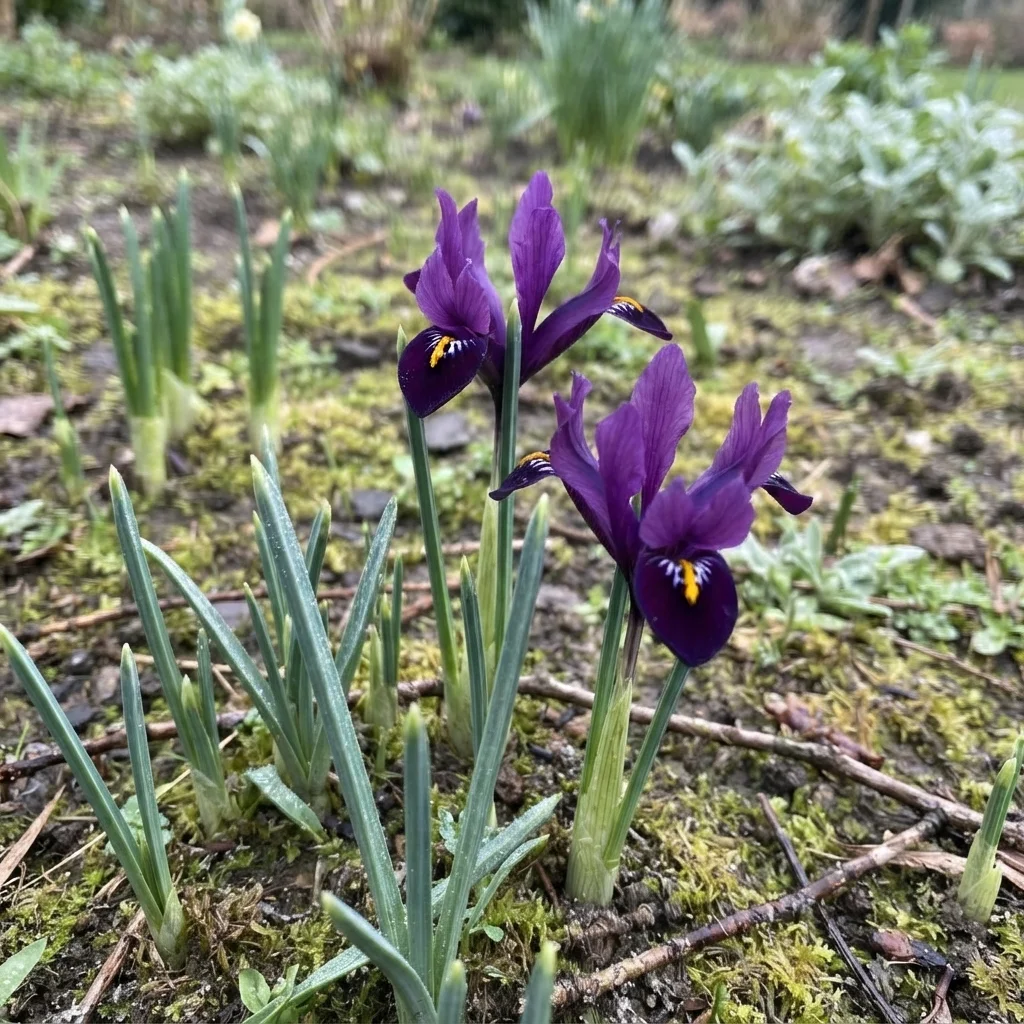
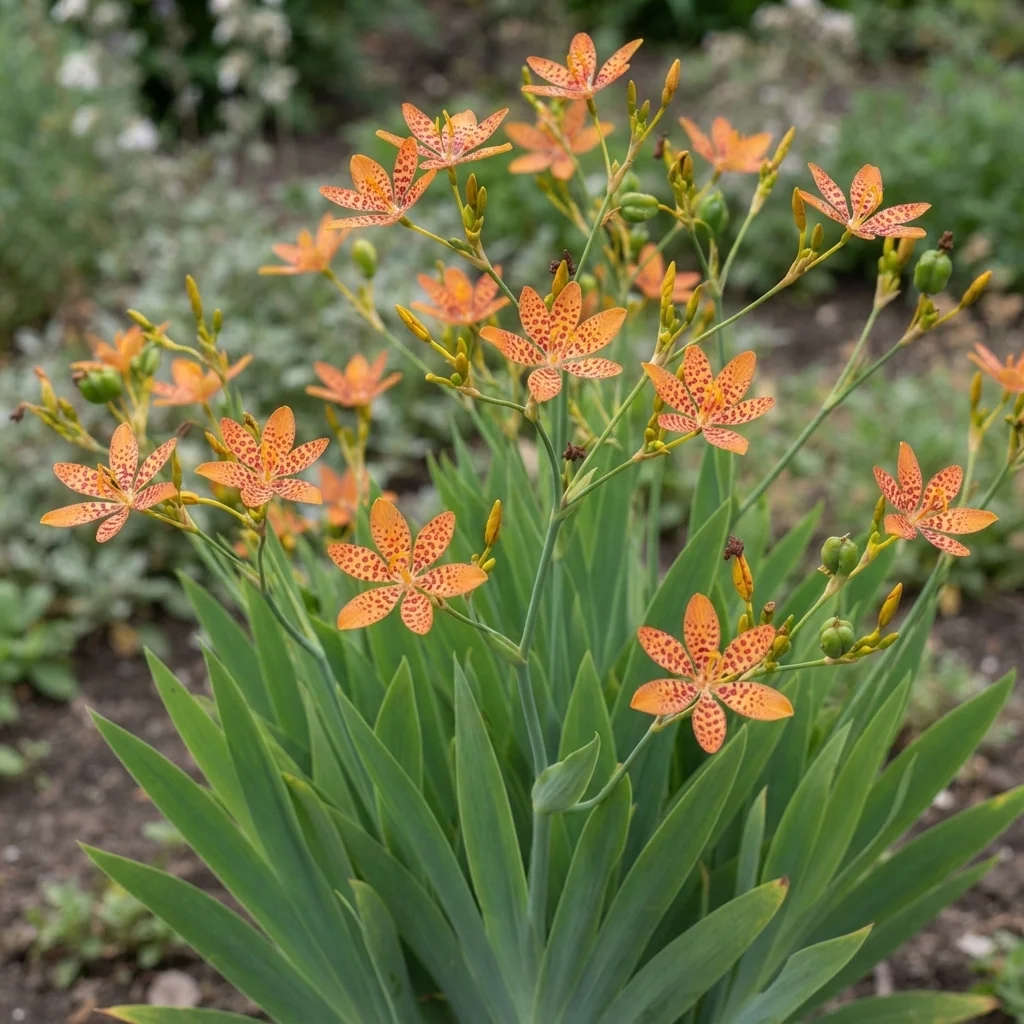
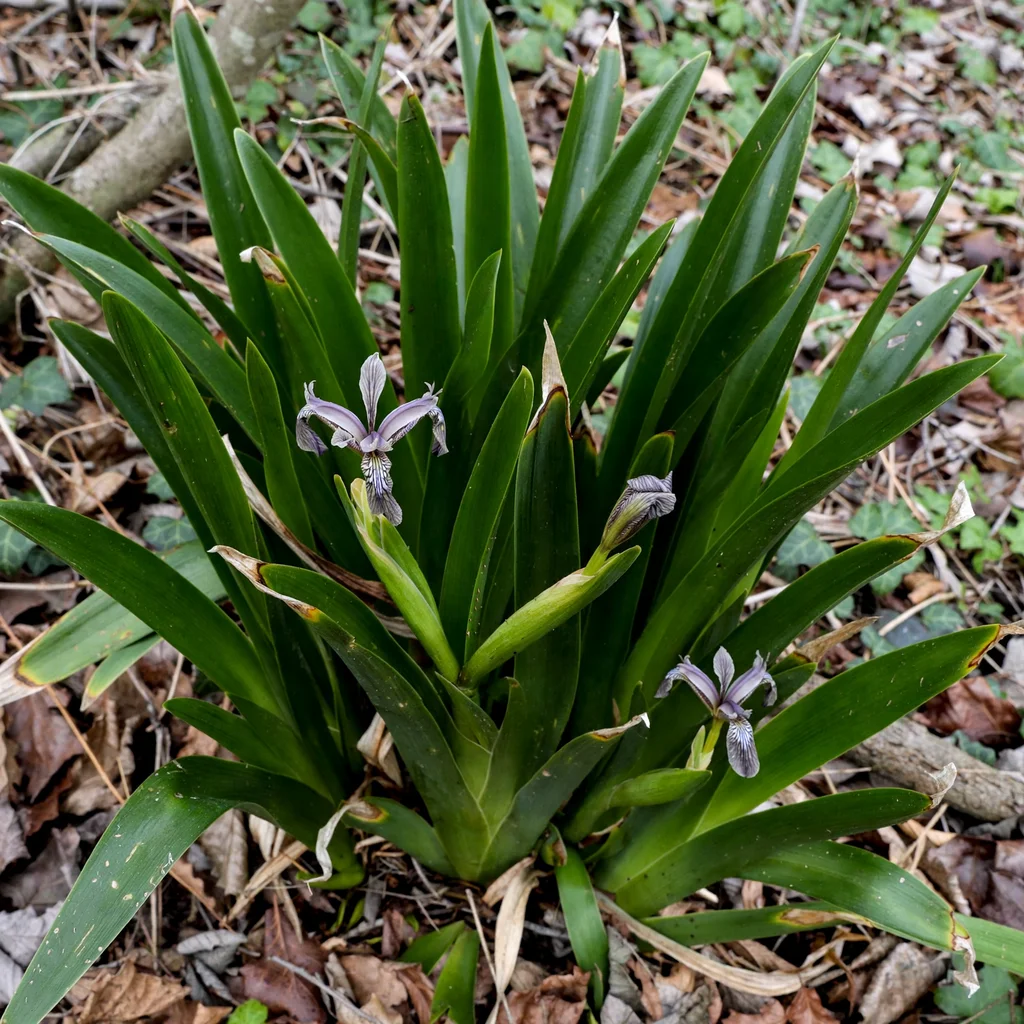
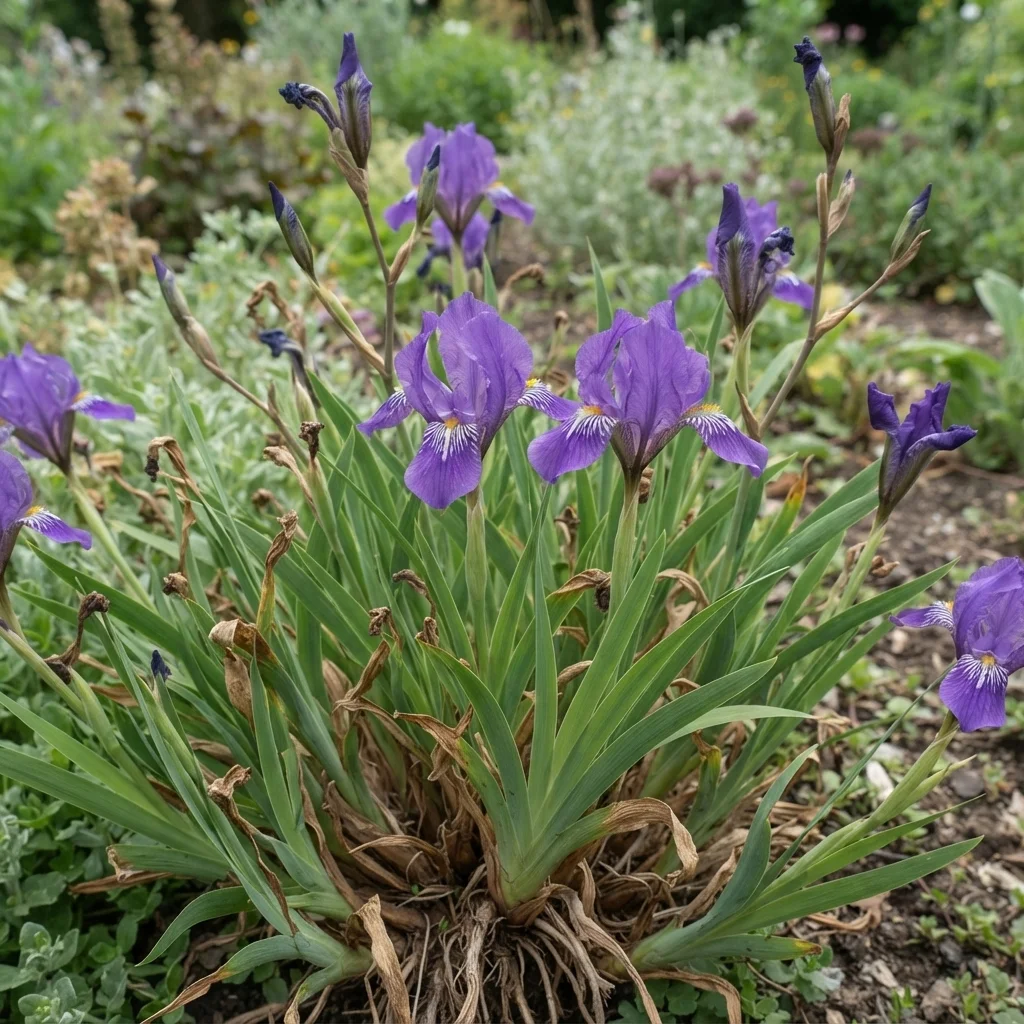
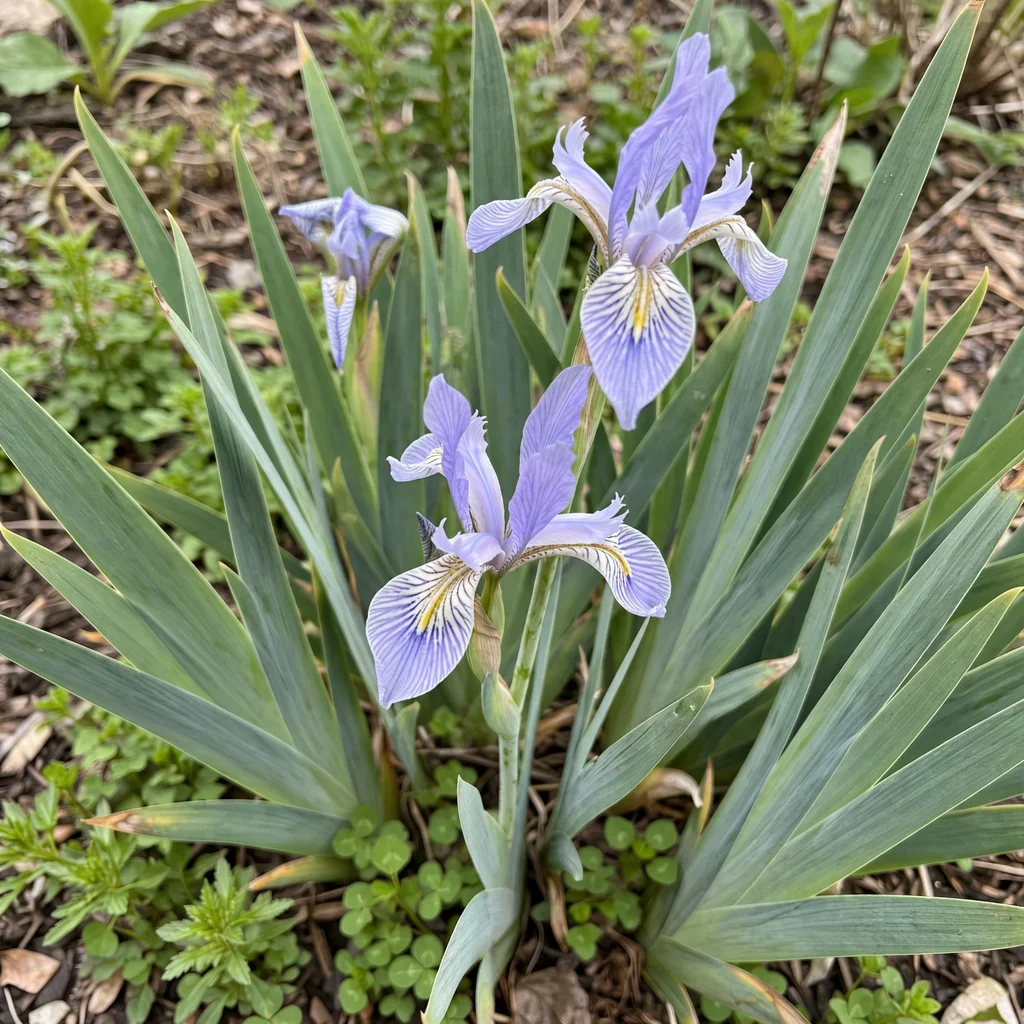
Track your Iris in Sow
Save the Iris you grow and get care reminders timed to your zone.
How to grow Iris
Whats common across all Iris varieties in our catalog — drawn from the care records of the 40 most-grown of them.
The Iris year
- DivideAugust and September100% of varieties
Divide crowded clumps every 3-4 years in late summer
- Spring CleanupMarch and April88% of varieties
Clear away old leaves and debris to improve air circulation
- FertilizeMarch and April80% of varieties
Apply low-nitrogen fertilizer in early spring and after main bloom
- PlantAugust–October73% of varieties
Plant rhizomes shallowly in late summer/early fall
- DeadheadJune and July68% of varieties
Remove spent flower stalks down to the base after blooming.
- Check for PestsApril–June48% of varieties
Watch for iris borer damage on leaves
- PruneJune, November and December40% of varieties
Cut spent flower stalks after bloom; cut foliage back to 6 inches in late fall


Do
- Apply a balanced fertilizer in early spring
- Mulch to conserve moisture
- Water during dry spells 🌱
- Water regularly during active growth 🌱
- Remove spent flowers to encourage rebloom
Avoid
- Avoid overwatering, which can cause root rot ❌
- Refrain from fertilizing late in the season
- Avoid overwatering in winter ❌
- Avoid overwatering to prevent rhizome rot ❌
What goes wrong with Iris
| Problem | What you'll see | What to do |
|---|---|---|
| Aphids | Sticky residue on leaves, distorted new growth | Spray with insecticidal soap or neem oil |
| Iris borer | Frayed or ragged leaves, holes in foliage | Remove and destroy infested foliage; apply organic insecticide if necessary |
| Root rot | Wilting and yellowing leaves | Improve soil drainage and reduce watering |
| Iris Borer | Frayed or chewed leaves, holes in rhizomes | Remove and destroy affected plant parts, apply organic insecticide |
| Rhizome rot | Soft, black, or decayed rhizomes | Ensure well-drained soil; remove and discard affected rhizomes |
| Root rot | Wilting and yellowing leaves, mushy rhizomes | Improve soil drainage, reduce watering, treat with fungicide |
| Leaf spot | Dark spots on foliage | Remove infected leaves; use copper-based fungicide |
Making more Iris
Division
- Dig up mature clumps in late summer or early fall.
- Gently separate rhizomes with a sharp knife.
- Allow cut surfaces to dry for 1-2 days.
- Plant divisions 2-3 inches deep in prepared soil.
- Water thoroughly and mulch to retain moisture.
Seed
- Collect seeds after flowering in late summer.
- Tuck seeds into moist soil in early spring.
- Maintain soil moisture until germination occurs, usually in 4-6 weeks.
- Thin seedlings to prevent overcrowding.
Iris questions
How many types of Iris are there?
The Sow catalog tracks 262 distinct Iris varieties. The most popular — ranked by 11k real gardeners — are shown first above.
What zones does Iris grow in?
Across its varieties, Iris covers USDA Zones 4–10. Individual varieties differ — each plant page lists its exact range, and Sow filters the catalog to your zone automatically.
When does Iris bloom?
Most Iris varieties bloom in late spring, mid-spring, late spring to early summer. Staggering early, mid, and late varieties extends the genus's season in one bed.
Which Iris should I choose?
Start from the most-saved varieties above — popularity across thousands of gardens is a strong signal of reliability — then filter by your zone and sun. In the Sow app you can preview any of them in a photo of your actual yard before you buy.