The Story
Plant Bio
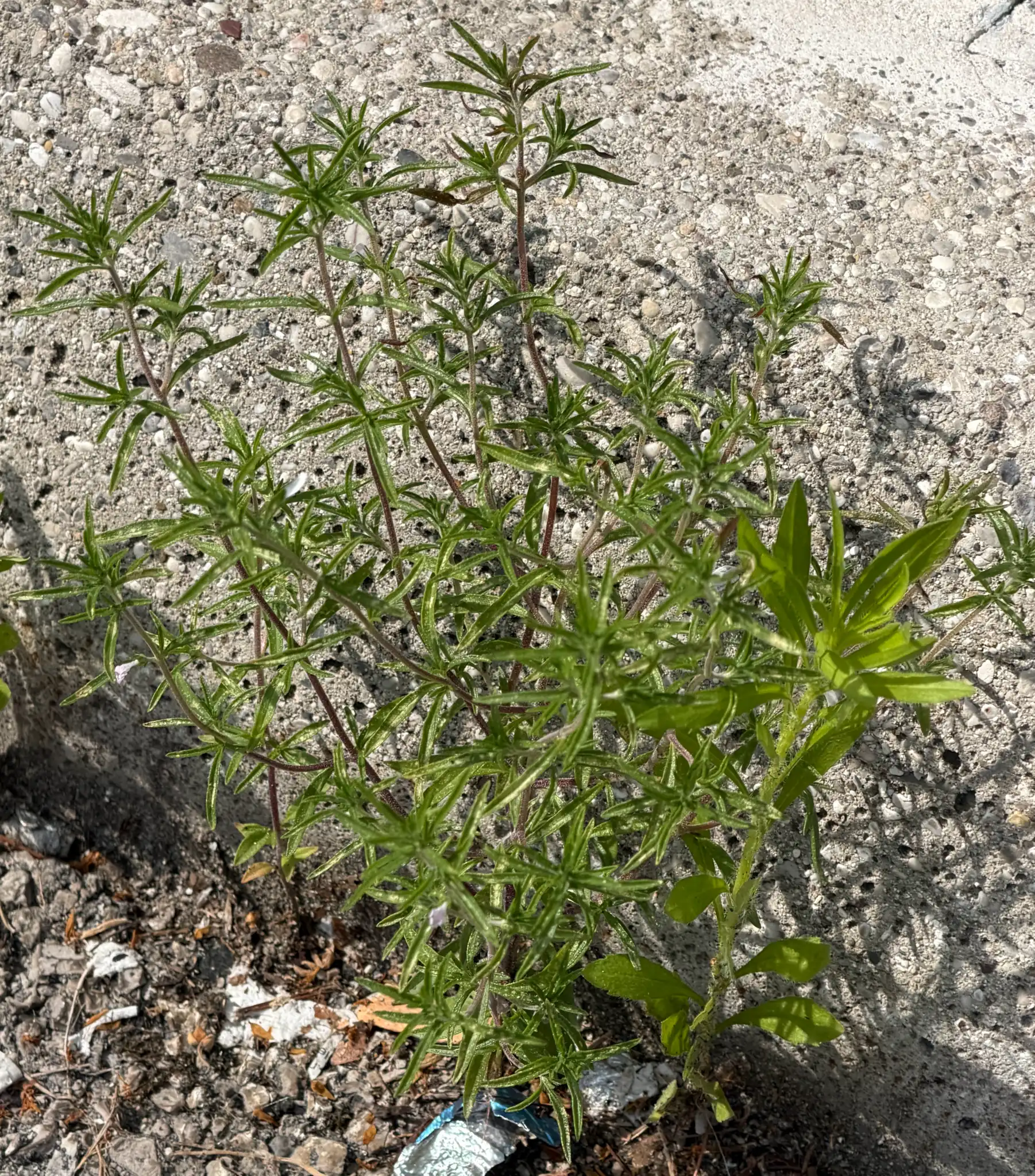
Satureja hortensis, known as summer savory, is a fast-growing, upright annual herb with highly aromatic, linear grey-green leaves. Small, two-lipped white to pale lavender flowers emerge in the upper leaf axils from midsummer through early fall.
This species is distinguished by its delicate, semi-woody branching habit and a sweeter, less pungent flavor profile than its perennial relative, winter savory. The fine-textured foliage serves as both a culinary staple and an attractant for native bees and honeybees.
Uses & Benefits:
Essentials
At a Glance
Plant Type
Annual
Height
20"
Width
12"
Light
Full Sun
Zones
4, 5, 6, 7, 8, 9, 10
Water
Low to moderate
Humidity
Low to moderate
Lifespan
Annual
Native To
Europe, temperate Asia
Toxicity
Non-toxic
Bloom period
Summer – Autumn
In flower about 6 months of the year
Planting
How to Grow
- Sow seeds directly into well-drained, sandy or loamy soil in a full-sun location once all danger of spring frost has passed.
- Press the tiny seeds lightly into the soil surface, as they require light to germinate; do not bury them deeply.
- Keep the seedbed consistently moist but not waterlogged until seedlings emerge in one to two weeks.
- Thin the young plants to stand six to ten inches apart to ensure adequate air circulation and prevent fungal issues.
Pro Tip
Harvest the top third of the stems just as the flower buds begin to form to stimulate a fresh flush of tender, oil-rich vegetative growth. Avoid cutting back into the woody, leafless base of the stems, as these older sections will not regenerate.
Keep It Thriving
Care Guide
Do
- Grow in a position that receives at least six hours of direct sunlight daily.
- Ensure the soil drains rapidly, especially after heavy summer rains.
- Harvest regularly to maintain a compact, bushy growth habit.
Don't
- Do not overwater or plant in heavy, poorly drained clay soils.
- Avoid applying high-nitrogen fertilizers, which dilute the concentration of essential oils and weaken the stems.
- Do not cut into the bare, woody base of the plant when harvesting.
Seasonal Care Calendar
| Task | Jan | Feb | Mar | Apr | May | Jun | Jul | Aug | Sep | Oct | Nov | Dec |
|---|---|---|---|---|---|---|---|---|---|---|---|---|
| Harvest | ||||||||||||
| Pest Check | ||||||||||||
| Plant | ||||||||||||
| Winter Prep |
Watch Out For
Pests & Diseases
Common Pests
Common Diseases
In the Garden
Landscape Uses & Companions
Landscape Uses
Companion Plants
Multiply
Propagation Methods
Good to Know
Common Questions
Summer Savory questions
What zones can Summer Savory grow in?
Summer Savory is hardy in USDA Zones 4–10. Inside that range it survives winter in the ground; outside it, grow it as an annual or a container plant you protect.
When does Summer Savory bloom?
Summer Savory typically blooms in summer through autumn. Exact timing shifts a week or two with your zone — Sow's bloom calendar maps it to your garden.
Does Summer Savory need full sun?
Summer Savory does best in full sun (6+ hours).
Is Summer Savory drought tolerant?
Yes — once established (usually after the first full season), Summer Savory handles dry spells with minimal watering. Water deeply its first year to build the root system that makes that possible.
More Satureja to compare
Keep exploring
Explore the genus
Grow Summer Savory with confidence
See it in a design of your actual yard, get zone-matched care reminders, and track it season by season in your garden journal.