The Story
Plant Bio
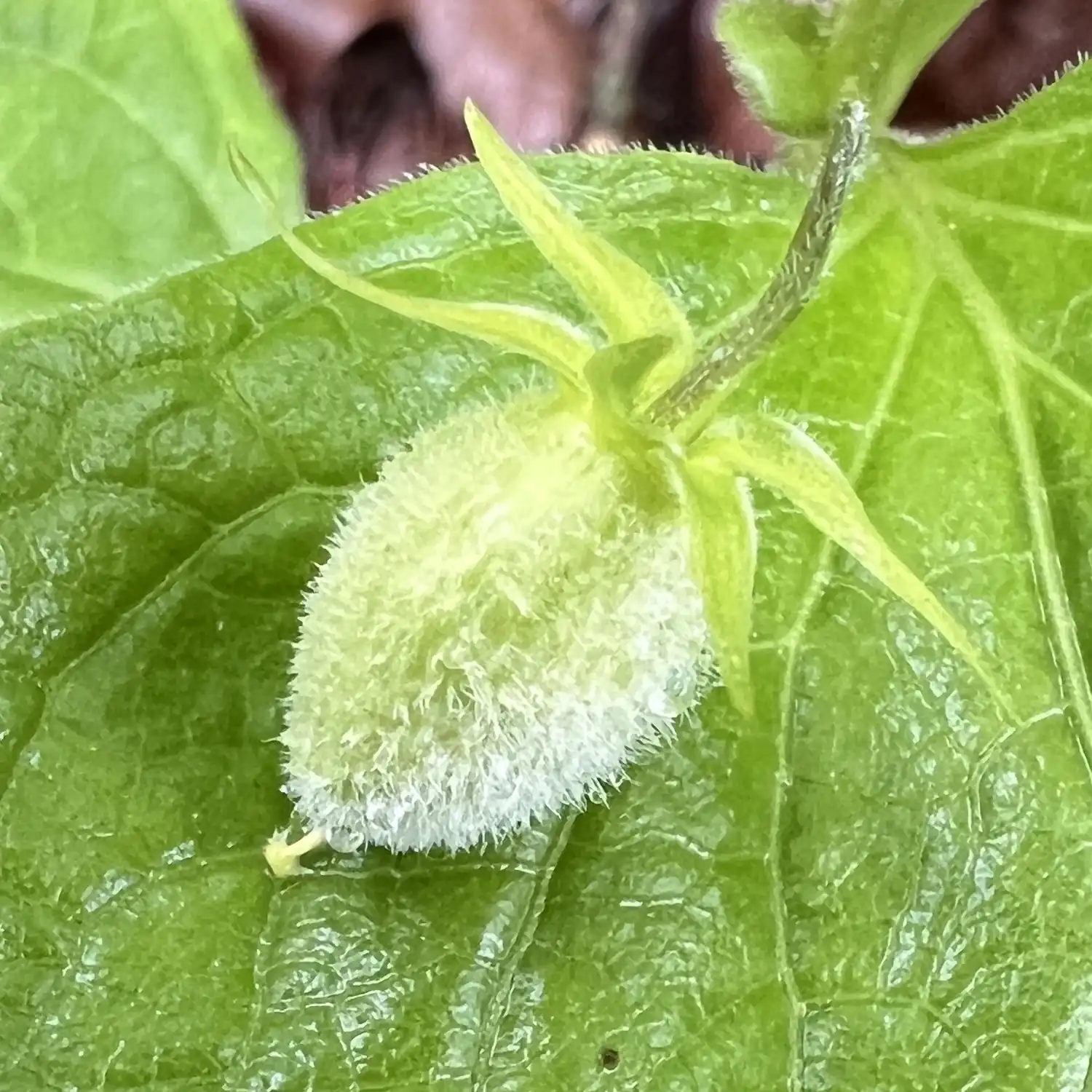
Viola pubescens, the downy yellow violet, is a deciduous herbaceous perennial native to North American forests, forming small clumps of leafy stems that reach four to eighteen inches in height. The heart-shaped leaves and stems are covered in fine, soft hairs, with bright green new foliage emerging in early spring.
Unlike many stemless violets, this species produces leafy, upright stems that bear solitary yellow flowers from the leaf axils. The bright yellow petals feature distinct dark purple or brown veins on the lower petal, guiding early pollinators to the nectar.
Uses & Benefits:
Essentials
At a Glance
Plant Type
Perennial
Height
18"
Width
12"
Light
Partial Sun, Shade
Zones
4, 5, 6, 7
Water
Medium to Wet
Humidity
Moderate
Lifespan
Perennial
Native To
North America
Toxicity
Non-toxic
Bloom period
Spring – Early summer
In flower about 4 months of the year
Planting
How to Grow
- Select a planting site with light to moderate shade and moist, well-drained loamy soil rich in organic matter.
- Dig a hole twice the width of the root ball, setting the plant at the same depth it was growing in its container.
- Backfill with native soil mixed with leaf mold, then water thoroughly to settle the roots.
- Apply a thin layer of organic mulch or leaf litter to retain soil moisture and mimic natural forest floor conditions.
Pro Tip
Plant this species in moist, organic woodland duff or shade garden conditions that mimic a deciduous forest floor; planting in dry, baking sun triggers premature summer dormancy or death.
Keep It Thriving
Care Guide
Do
- Water thoroughly during extended dry spells in summer to prevent early dormancy.
- Incorporate leaf mold or organic compost annually in spring to replicate rich woodland soils.
- Clear away dead winter debris in early spring before new growth emerges.
Don't
- Do not plant in full, baking sun or dry upland soils where the plant will quickly decline.
- Do not treat this clumping woodland wildflower as a rugged turf grass substitute.
- Avoid overwatering in poorly drained soils, which can lead to black root rot.
Seasonal Care Calendar
| Task | Jan | Feb | Mar | Apr | May | Jun | Jul | Aug | Sep | Oct | Nov | Dec |
|---|---|---|---|---|---|---|---|---|---|---|---|---|
| Mulch | ||||||||||||
| Pest Check | ||||||||||||
| Propagate | ||||||||||||
| Spring Cleanup |
Watch Out For
Pests & Diseases
Common Pests
Common Diseases
In the Garden
Landscape Uses & Companions
Landscape Uses
Multiply
Propagation Methods
Good to Know
Common Questions
Downy Yellow Violet questions
What zones can Downy Yellow Violet grow in?
Downy Yellow Violet is hardy in USDA Zones 4–7. Inside that range it survives winter in the ground; outside it, grow it as an annual or a container plant you protect.
Is Downy Yellow Violet deer resistant?
Not reliably. Deer may browse Downy Yellow Violet, especially tender spring growth — plan on repellents or fencing where pressure is high.
When does Downy Yellow Violet bloom?
Downy Yellow Violet typically blooms in spring through early summer. Exact timing shifts a week or two with your zone — Sow's bloom calendar maps it to your garden.
Does Downy Yellow Violet need full sun?
Downy Yellow Violet does best in part shade.
More Viola to compare
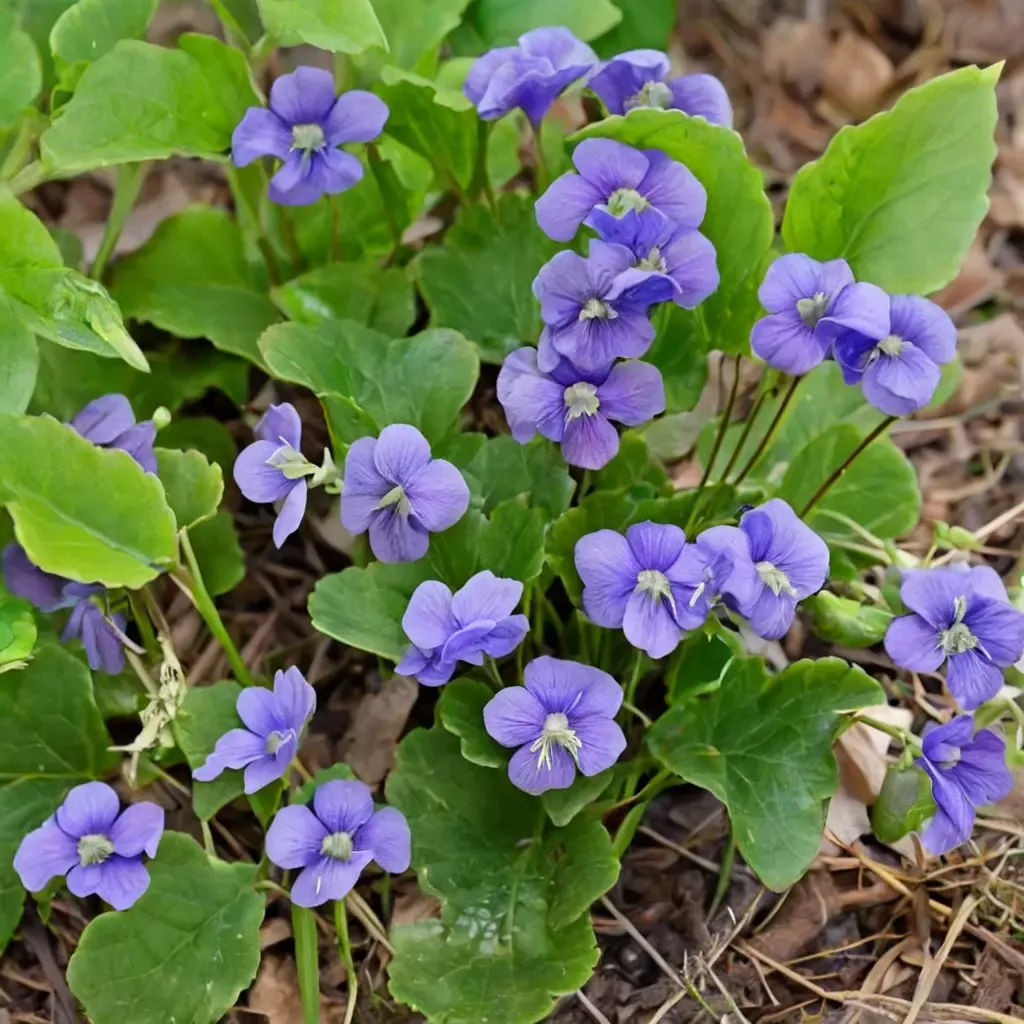
Common Blue Violet
Viola sororia
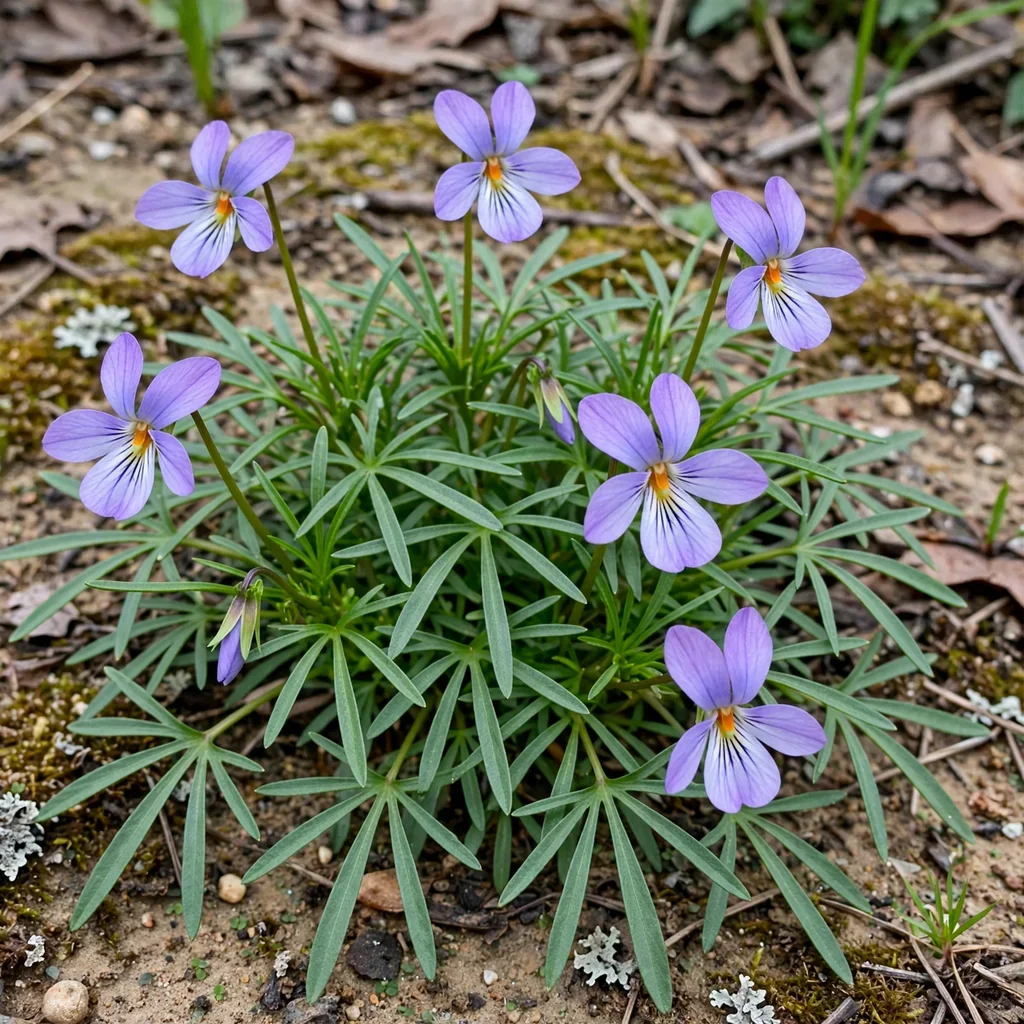
Bird's Foot Violet
Viola pedata
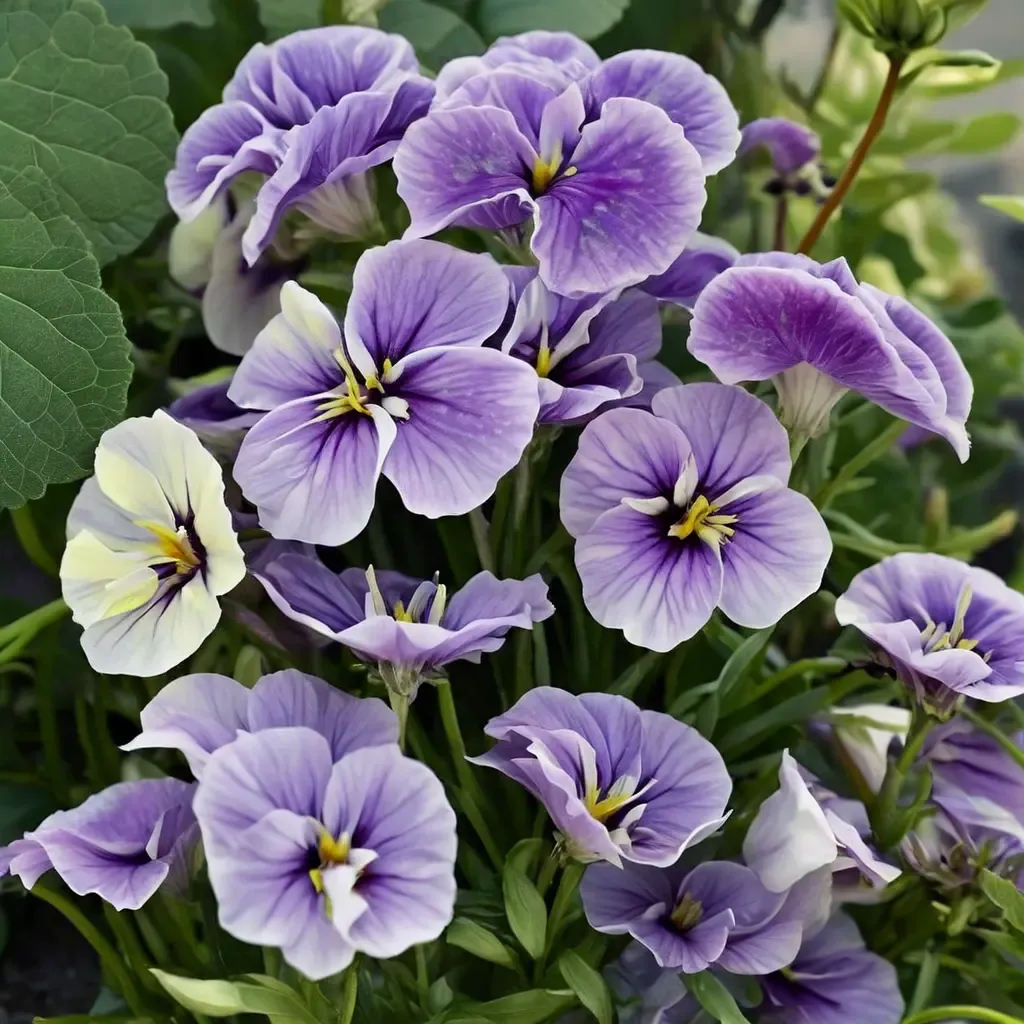
Painted Porcelain Pansy
Viola x wittrockiana 'Painted Porcelain'
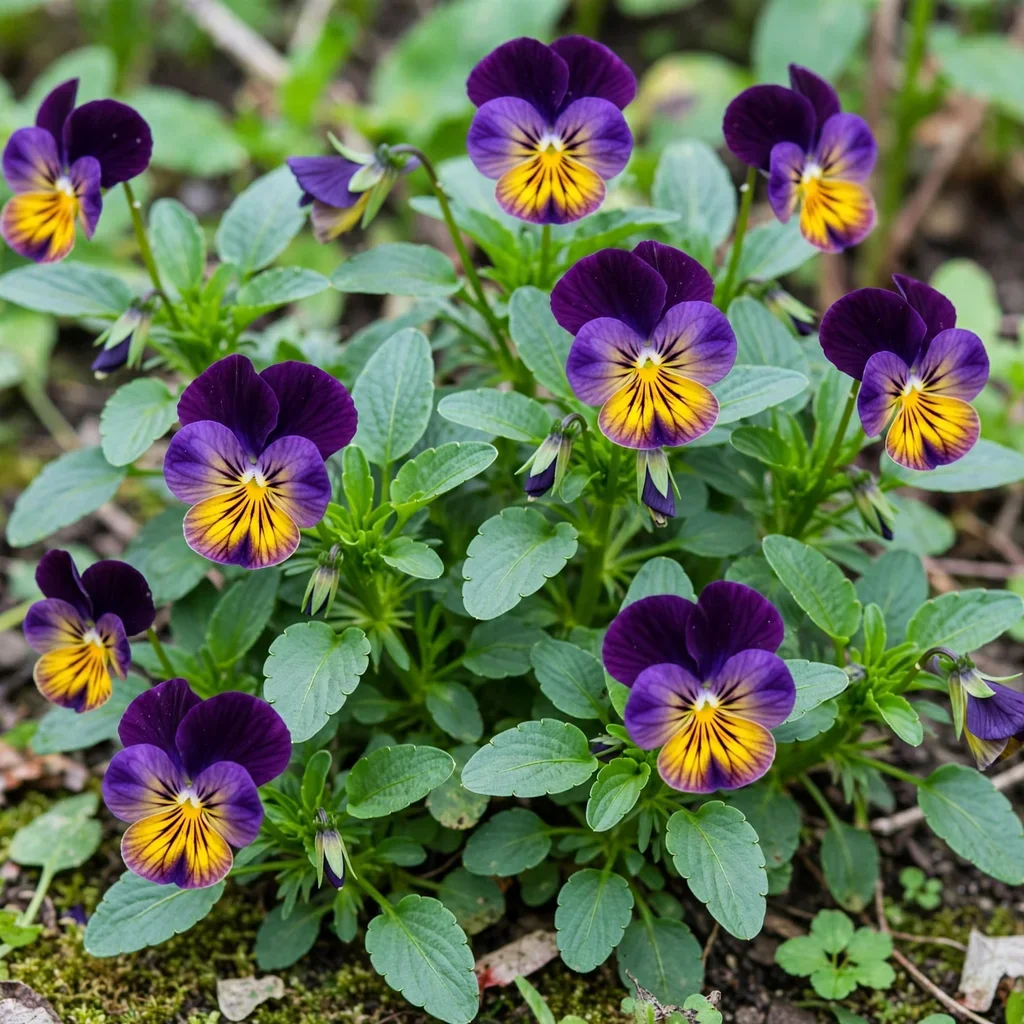
Northern Lights Horned Violet
Viola cornuta 'Northern Lights'
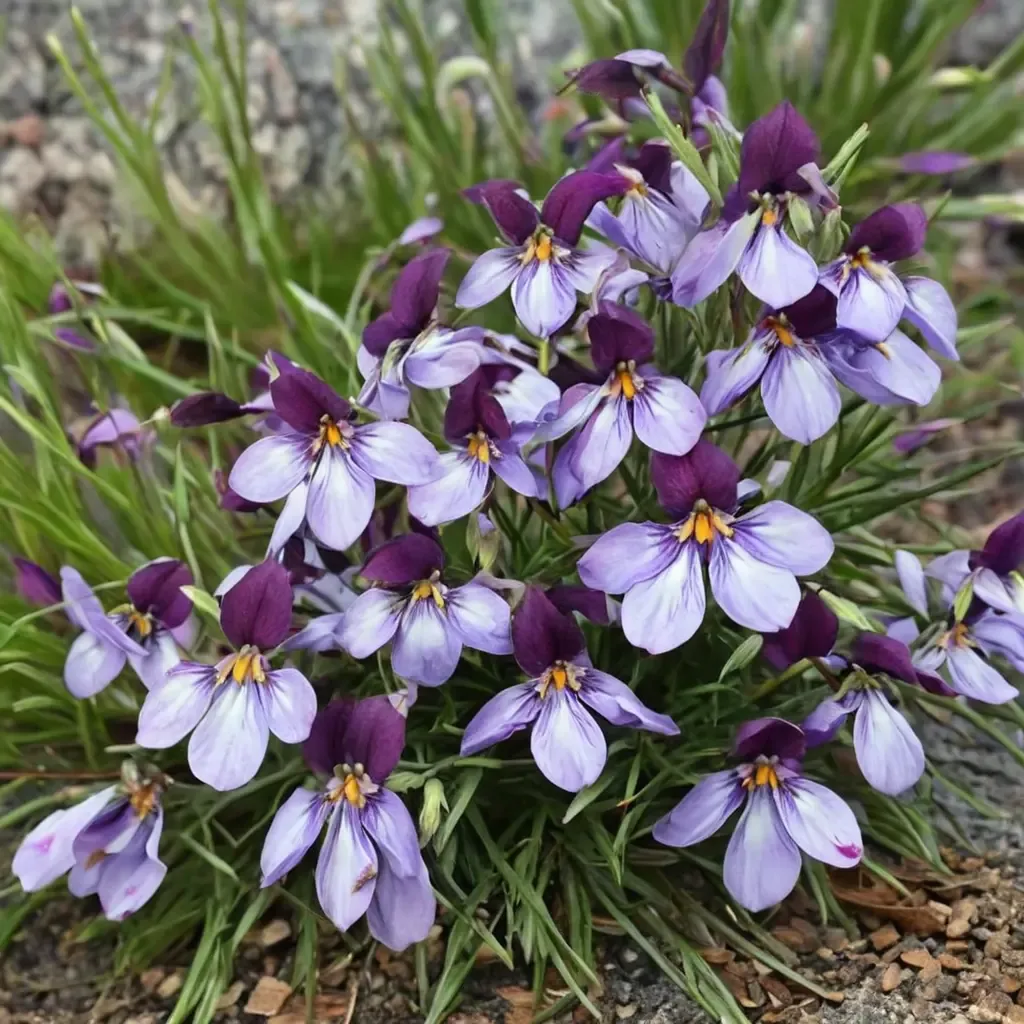
Birdfoot Violet
Viola pedata 'Eco Artist Palette'
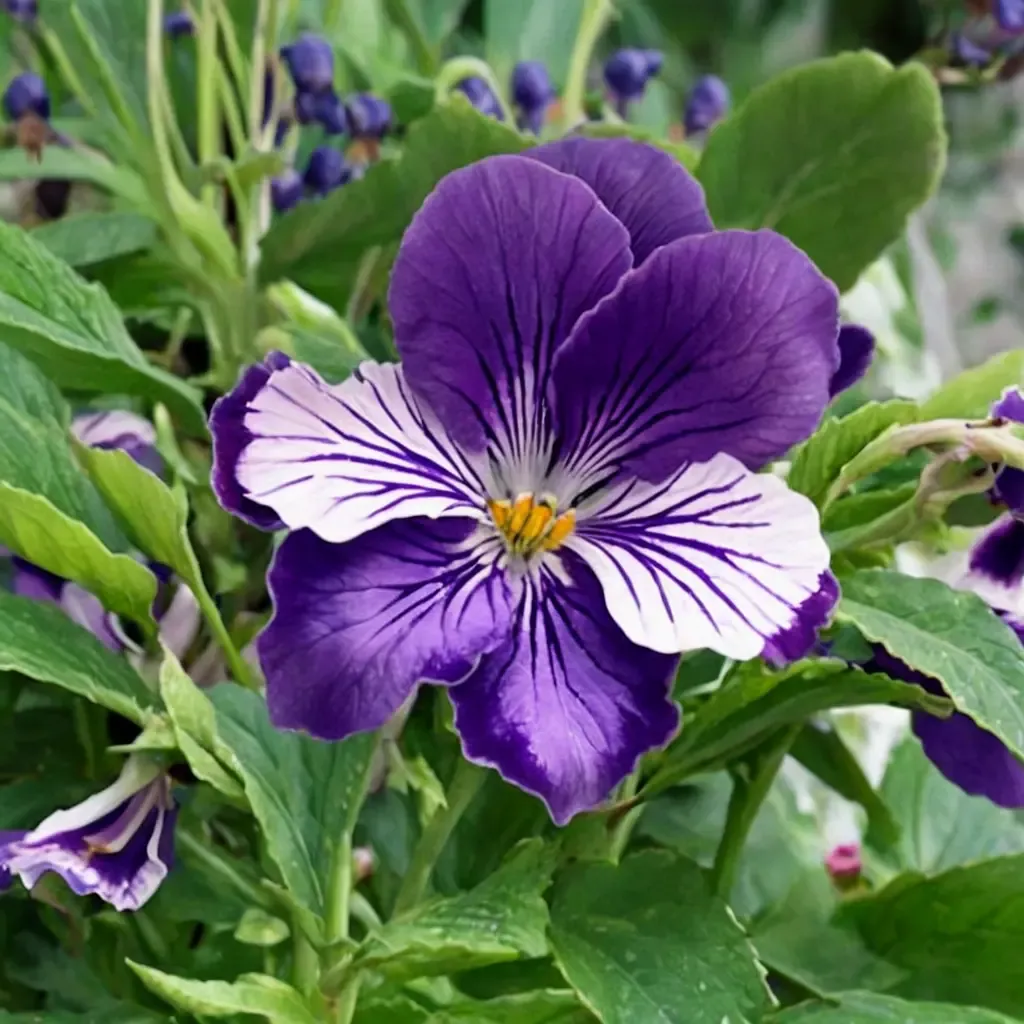
Whopping Purple Whiskers Pansy
Viola tricolor 'Whopping Purple Whiskers'
Keep exploring
Explore the genus
Hardy in your zone?
Grow Downy Yellow Violet with confidence
See it in a design of your actual yard, get zone-matched care reminders, and track it season by season in your garden journal.