The Story
Plant Bio
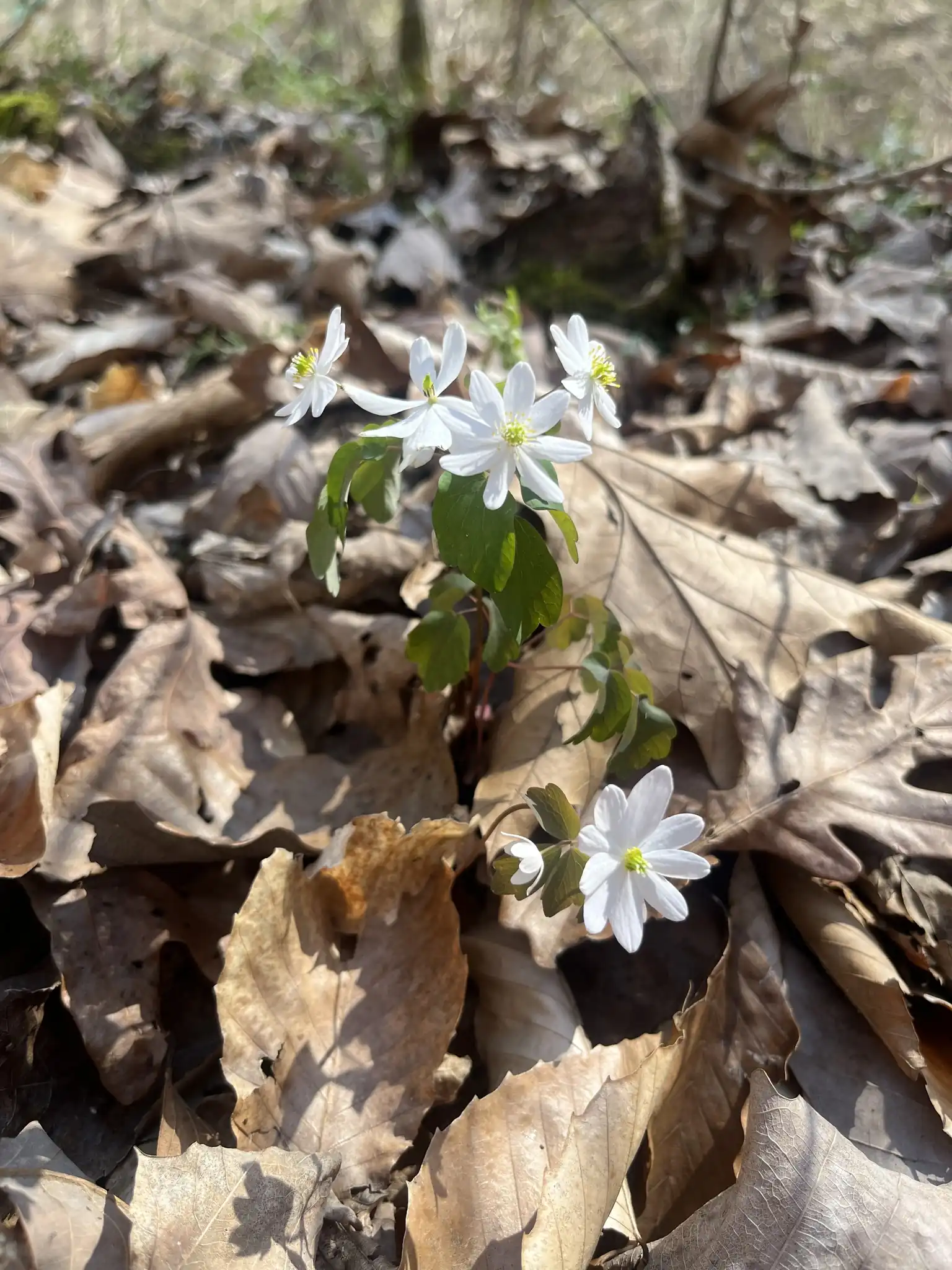
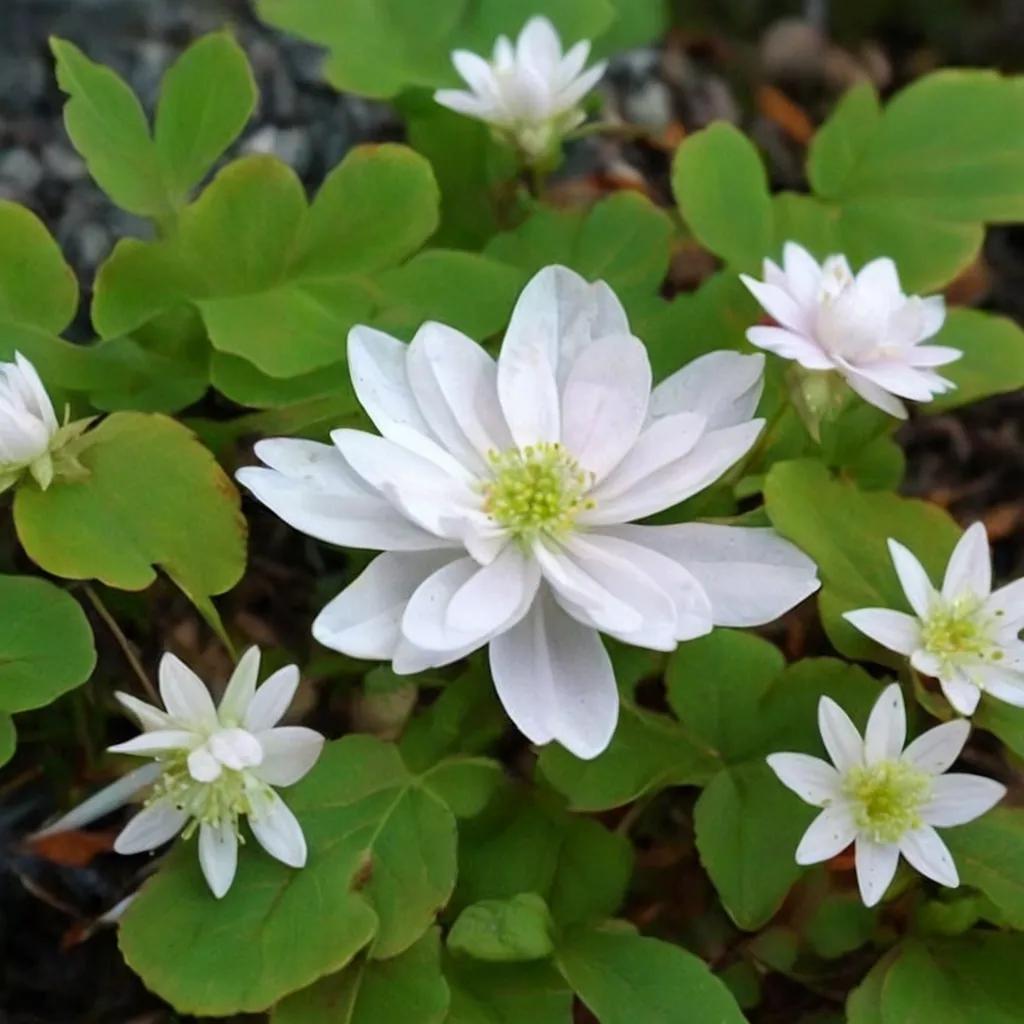
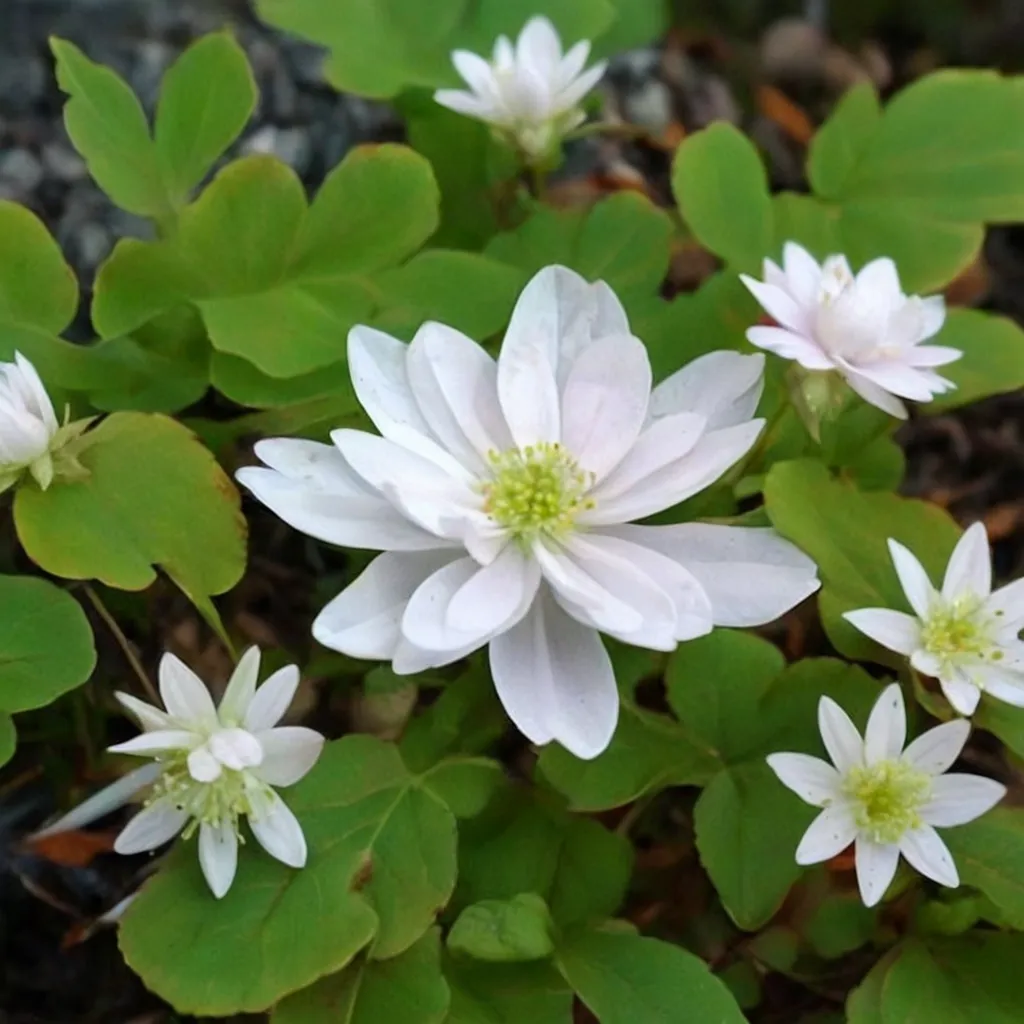
Anemonella thalictroides, rue anemone, is a delicate clumping woodland perennial native to eastern and central North America, only four to eight inches high. Slender reddish-brown stems carry finely divided blue-green leaflets, and cup-shaped white or pink flowers with showy sepals open in loose clusters in early spring.
It is a spring ephemeral: it flowers, sets seed and dies back completely by early summer, which is normal and not failure. Mark the position, since the dormant tubers are easily destroyed by a spade in July. Its hollow dead stems are used by stem-nesting bees, so leave the spent growth rather than tidying it away.
Uses & Benefits:
Essentials
At a Glance
Plant Type
Perennial
Height
7"
Width
6"
Light
Partial Sun, Shade
Zones
4, 5, 6, 7, 8
Water
Moderate
Humidity
Moderate
Lifespan
Perennial
Native To
Eastern and central North America
Toxicity
Mildly toxic if eaten
Planting
How to Grow
- Plant in dappled to deep shade under deciduous trees.
- Give it moist, humus-rich, freely draining soil.
- Mark the position before it dies back.
- Leave the dead stems standing for nesting bees.
- Mulch with leaf mould each autumn.
- Avoid disturbing the soil once dormant.
Pro Tip
It vanishes entirely by midsummer, so mark the clump — far more plants are lost to a summer spade than to any pest.
Keep It Thriving
Care Guide
Do
- Plant it under deciduous trees 🌳
- Mark the clump before dormancy 📍
- Leave dead stems for nesting bees 🐝
- Mulch with leaf mould in autumn 🍂
Don't
- Dig near the dormant tubers ❌
- Assume summer dieback is failure ❌
- Let the soil dry hard in spring ❌
Seasonal Care Calendar
| Task | Jan | Feb | Mar | Apr | May | Jun | Jul | Aug | Sep | Oct | Nov | Dec |
|---|---|---|---|---|---|---|---|---|---|---|---|---|
| Mark | ||||||||||||
| Mulch |
Watch Out For
Pests & Diseases
Common Pests
Common Diseases
In the Garden
Landscape Uses & Companions
Landscape Uses
Multiply
Propagation Methods
Good to Know
Common Questions
Rue Anemone questions
What zones can Rue Anemone grow in?
Rue Anemone is hardy in USDA Zones 4–8. Inside that range it survives winter in the ground; outside it, grow it as an annual or a container plant you protect.
Is Rue Anemone deer resistant?
Yes — Rue Anemone is rated deer-resistant. Deer typically pass it over, though extreme hunger can override any plant's defenses.
When does Rue Anemone bloom?
Rue Anemone typically blooms in early spring through early summer. Exact timing shifts a week or two with your zone — Sow's bloom calendar maps it to your garden.
Does Rue Anemone need full sun?
Rue Anemone does best in part shade.
More Anemonella to compare
Keep exploring
Explore the genus
Hardy in your zone?
Grow Rue Anemone with confidence
See it in a design of your actual yard, get zone-matched care reminders, and track it season by season in your garden journal.