


The Story
Plant Bio
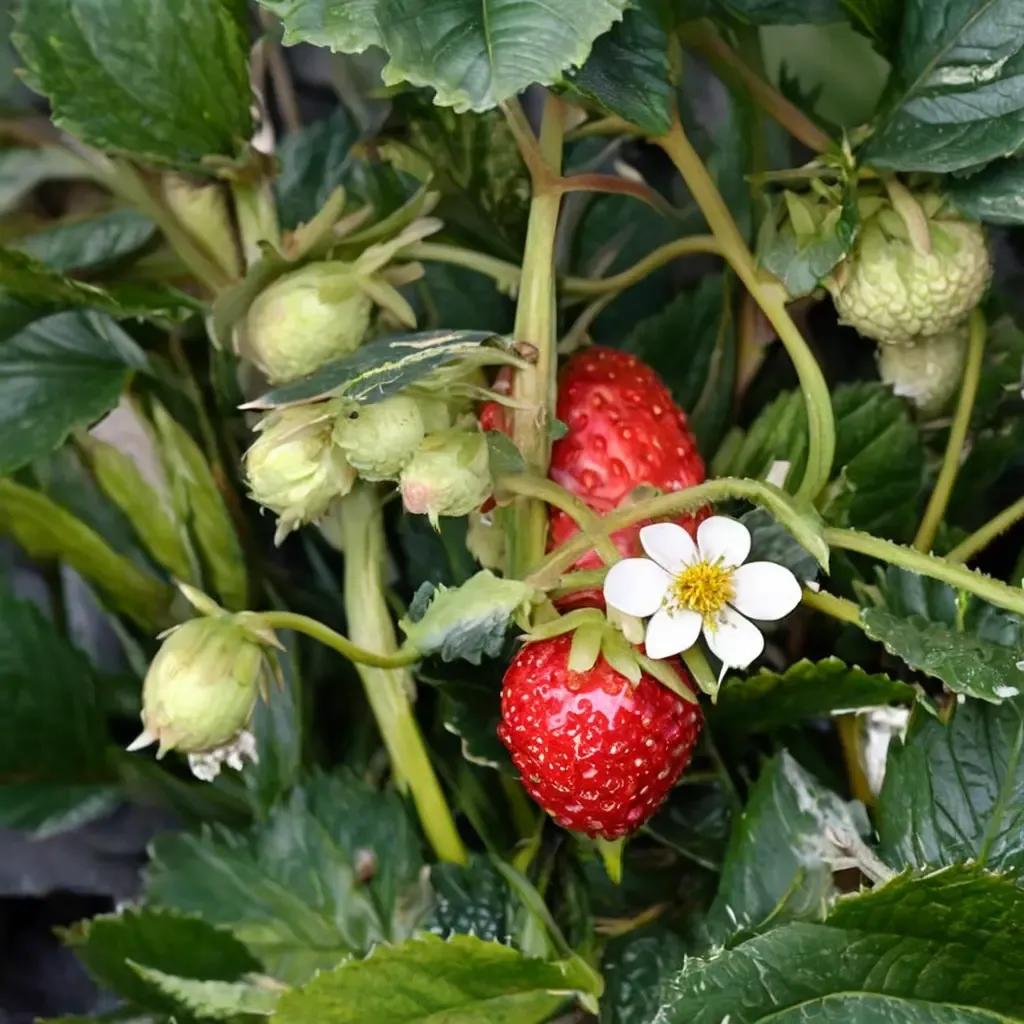
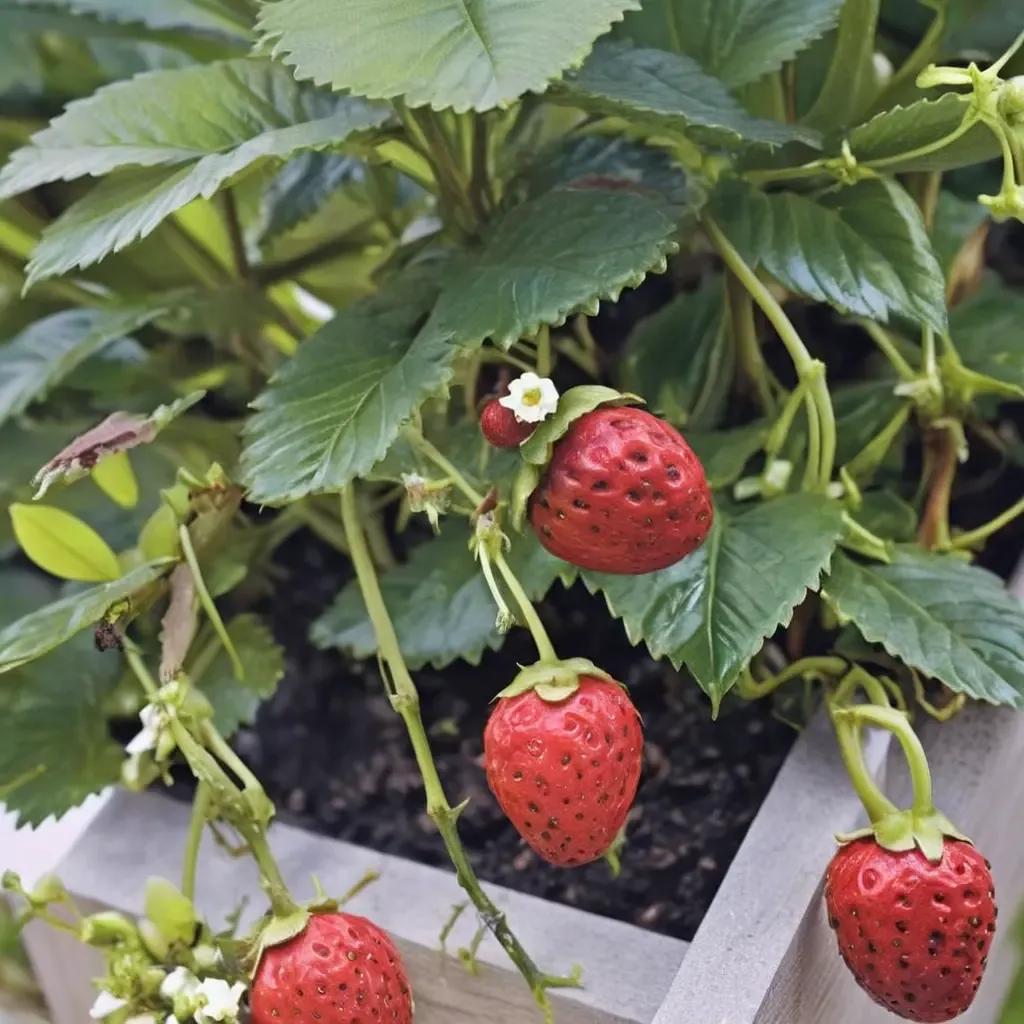
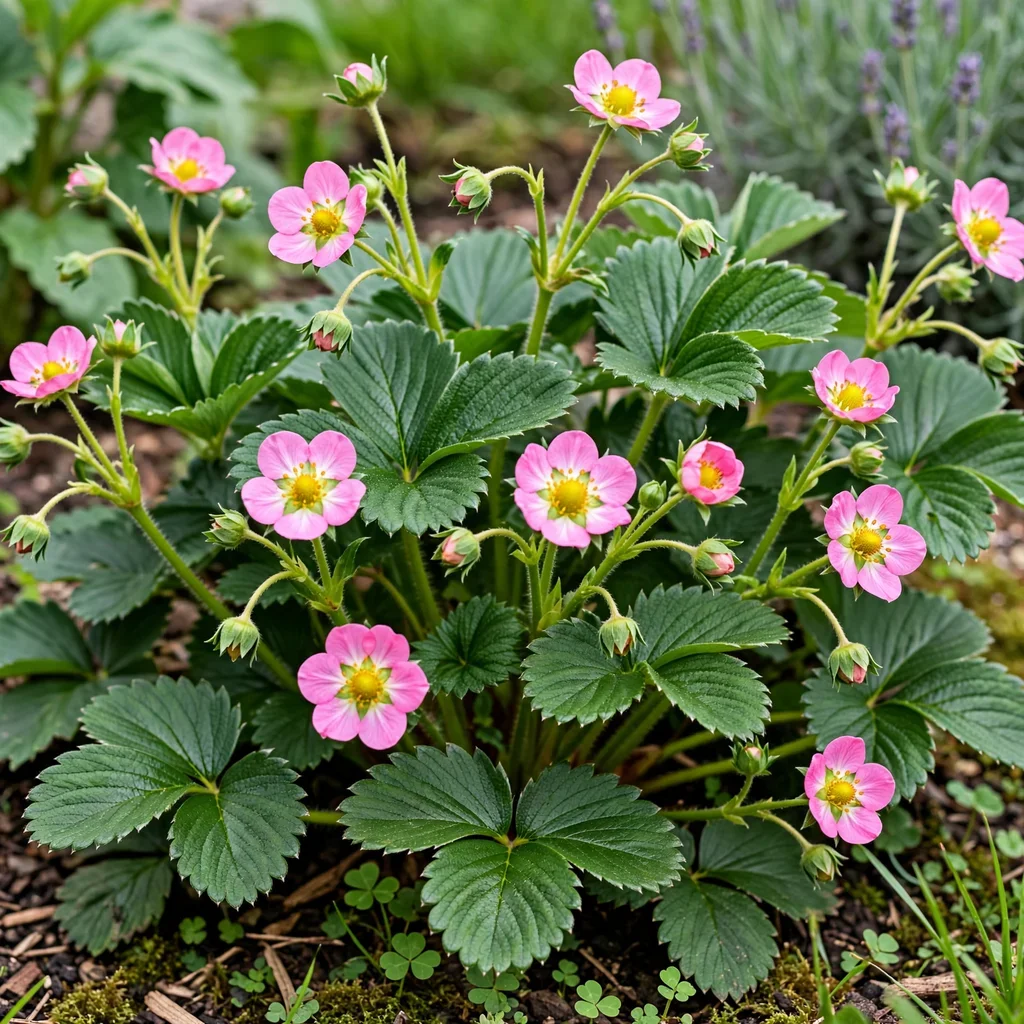
A day-neutral (everbearing) strawberry cultivar, producing a continuous crop of medium-sized, conical, aromatic berries from late spring until the first frost.
It produces berries that are notably sweet with excellent flavor, and it has good disease resistance.
Uses & Benefits:
Essentials
At a Glance
Plant Type
Fruit Vegetable
Height
8"
Width
12"
Light
Full Sun, Partial Sun
Zones
4, 5, 6, 7, 8
Water
Consistent moisture, avoid waterlogging
Humidity
Prefers moderate humidity levels
Lifespan
Perennial
Native To
Hybrid of North and South American species
Toxicity
Non-toxic
Bloom period
Early summer – Late summer
In flower about 3 months of the year
Planting
How to Grow
- Tuck strawberry seeds or runners into well-draining soil in early spring.
- Water consistently to keep soil moist but not waterlogged, especially during flowering.
- Mist cuttings or runners to encourage root development in late spring.
- Fertilize with a balanced, organic fertilizer every 4-6 weeks during active growth.
- Mulch around plants to retain moisture and suppress weeds during summer.
- Harvest ripe berries when fully red and fragrant, typically mid to late summer.
Pro Tip
Plant strawberries in raised beds or containers for better drainage and easier harvesting.
Keep It Thriving
Care Guide
Do
- Water regularly to keep soil evenly moist 💧
- Apply organic fertilizer during active growth 🌱
- Remove runners if you want larger fruit, or allow them to propagate new plants
- Mulch to conserve moisture and prevent weeds
- Monitor regularly for pests and diseases
Don't
- Avoid overwatering to prevent root rot ❌
- Don’t allow soil to dry out completely
- Refrain from using heavy, water-retentive soils that drain poorly
- Do not neglect pest and disease monitoring
- Avoid planting in shaded areas where fruit won’t ripen properly
Seasonal Care Calendar
| Task | Jan | Feb | Mar | Apr | May | Jun | Jul | Aug | Sep | Oct | Nov | Dec |
|---|---|---|---|---|---|---|---|---|---|---|---|---|
| Fertilize | ||||||||||||
| Harvest | ||||||||||||
| Mulch | ||||||||||||
| Plant | ||||||||||||
| Winter Prep |
Watch Out For
Pests & Diseases
Common Pests
Common Diseases
In the Garden
Landscape Uses & Companions
Landscape Uses
Multiply
Propagation Methods
Good to Know
Common Questions
Charlotte Strawberry questions
What zones can Charlotte Strawberry grow in?
Charlotte Strawberry is hardy in USDA Zones 4–8. Inside that range it survives winter in the ground; outside it, grow it as an annual or a container plant you protect.
Is Charlotte Strawberry deer resistant?
Not reliably. Deer may browse Charlotte Strawberry, especially tender spring growth — plan on repellents or fencing where pressure is high.
When does Charlotte Strawberry bloom?
Charlotte Strawberry typically blooms in early summer through late summer. Exact timing shifts a week or two with your zone — Sow's bloom calendar maps it to your garden.
Does Charlotte Strawberry need full sun?
Charlotte Strawberry does best in full sun to part shade. In hot climates, afternoon shade keeps blooms fresher longer.
More Fragaria to compare
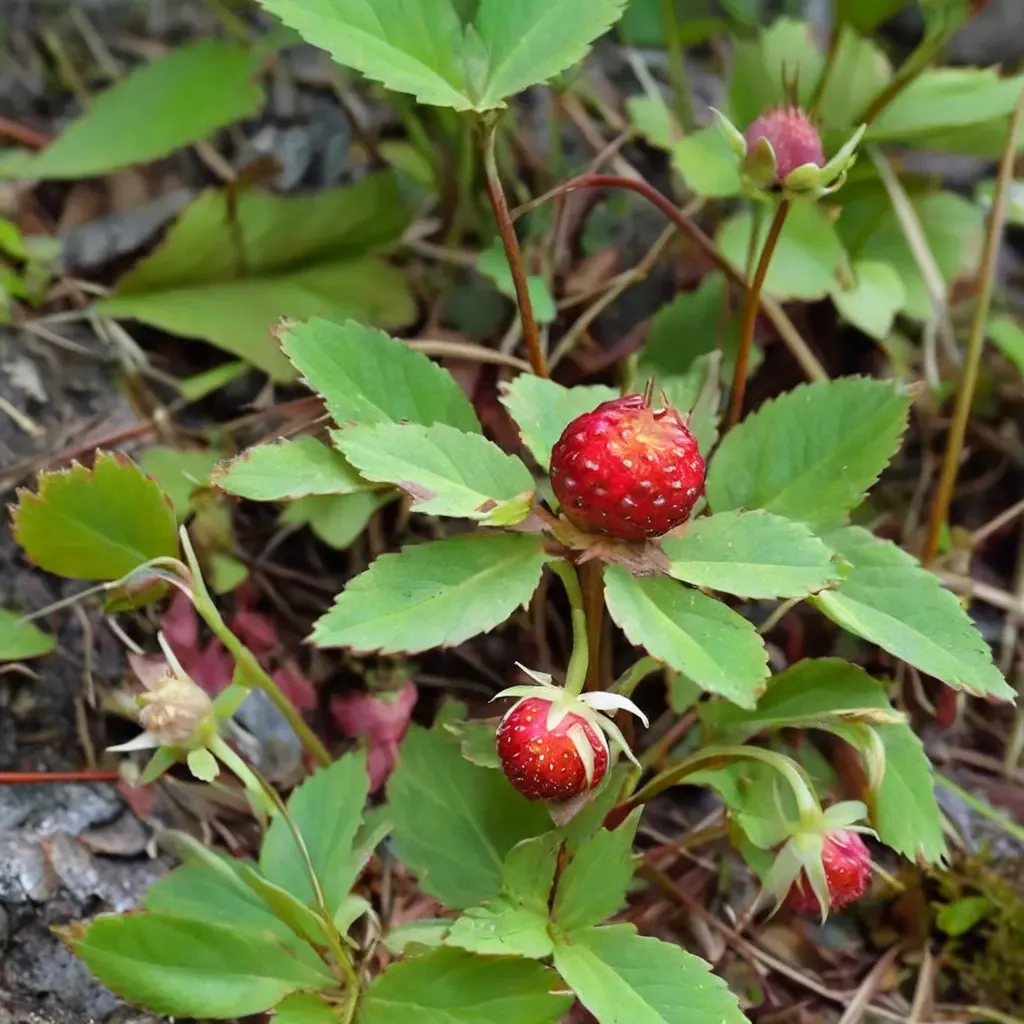
Wild Strawberry
Fragaria virginiana
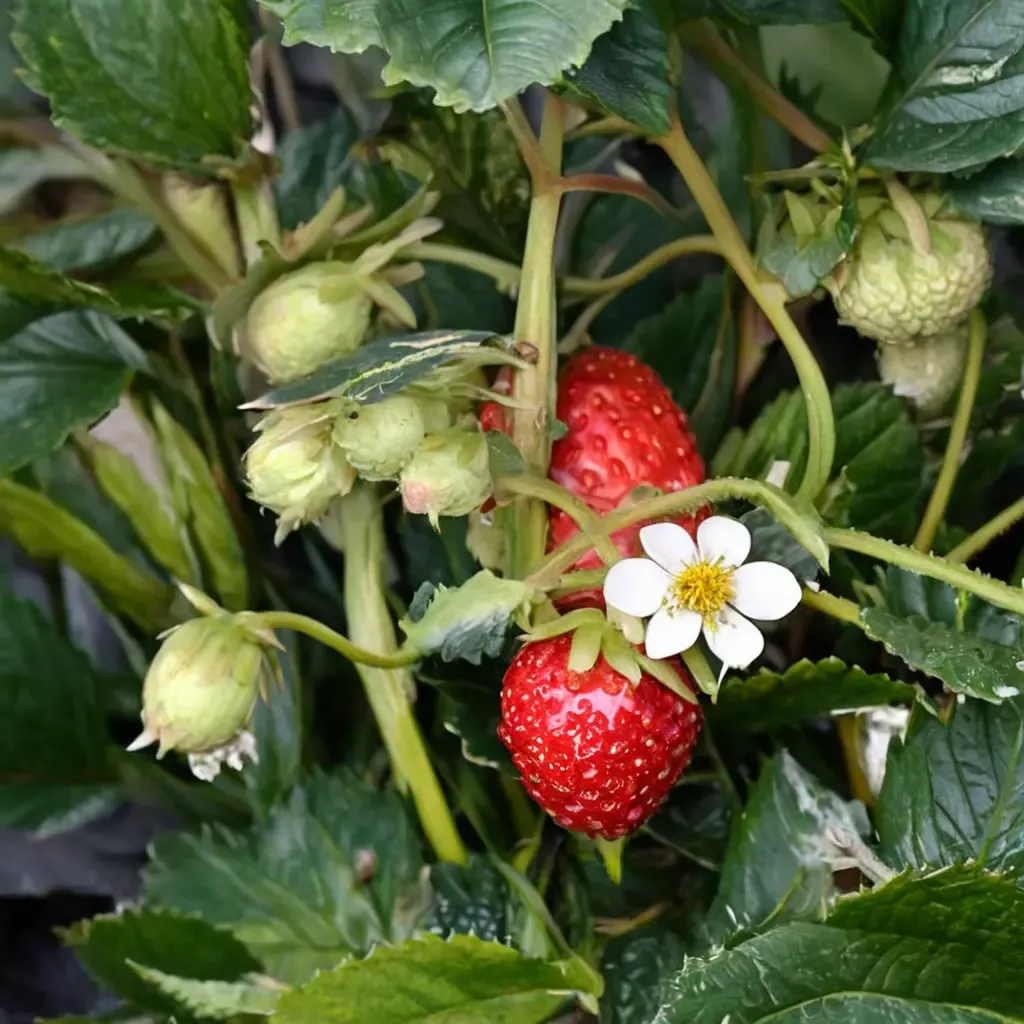
Delizz Strawberry
Fragaria x ananassa 'Delizz'
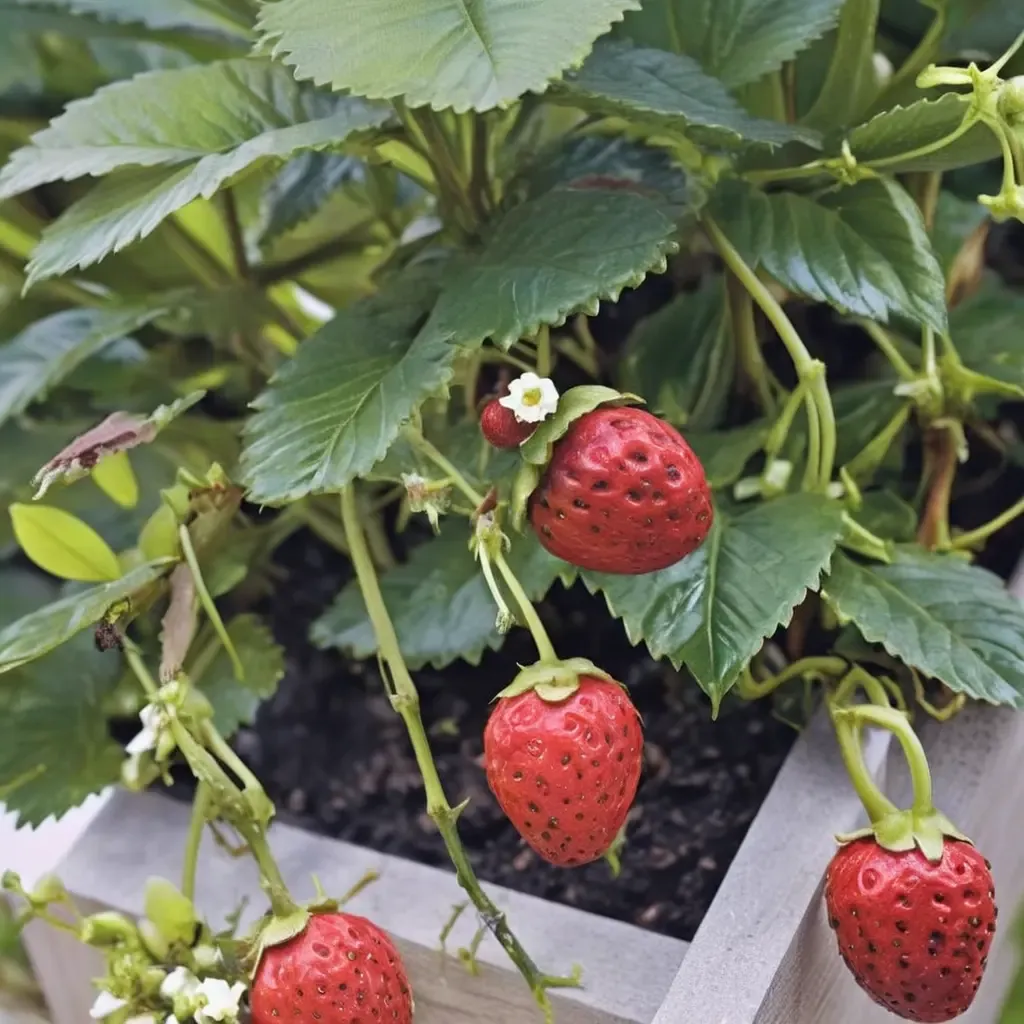
Elan Strawberry
Fragaria x ananassa 'Elan'
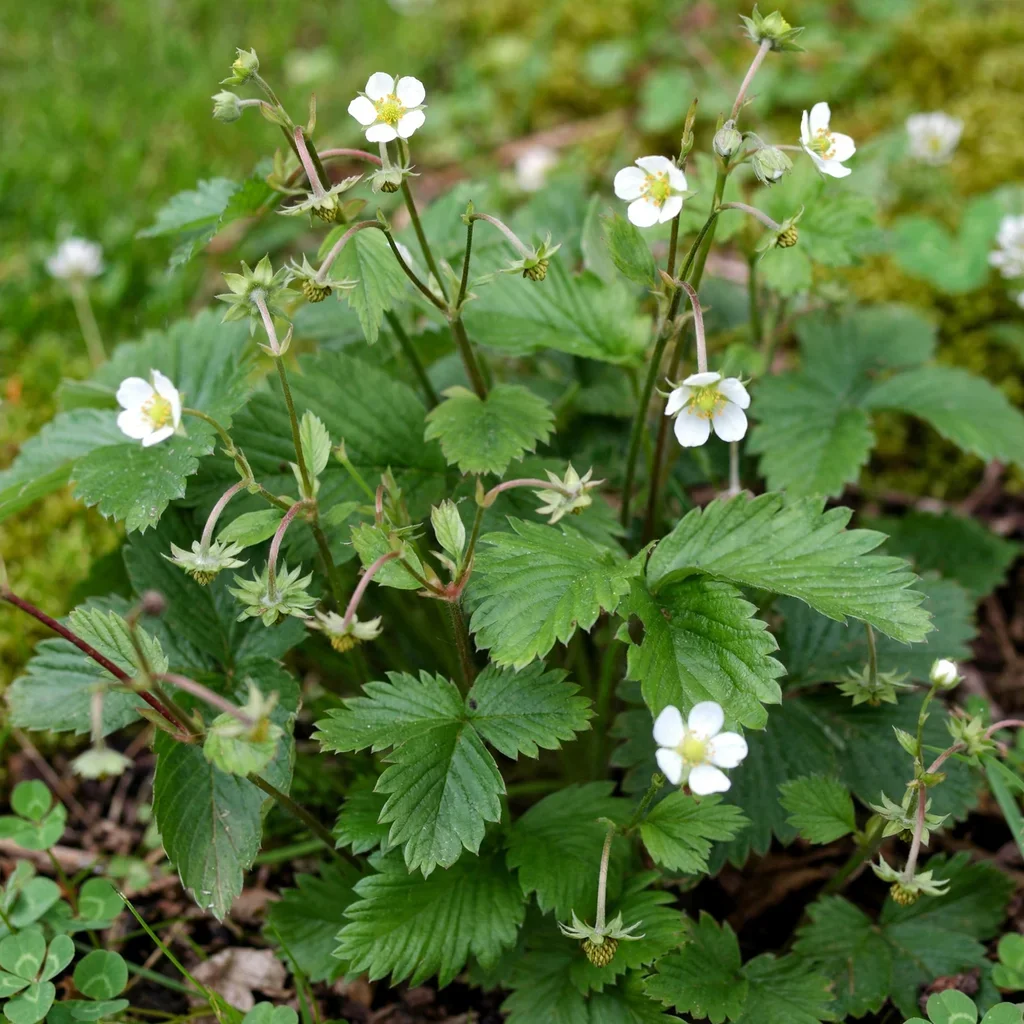
Improved Rugen Strawberry
Fragaria vesca 'Improved Rugen'
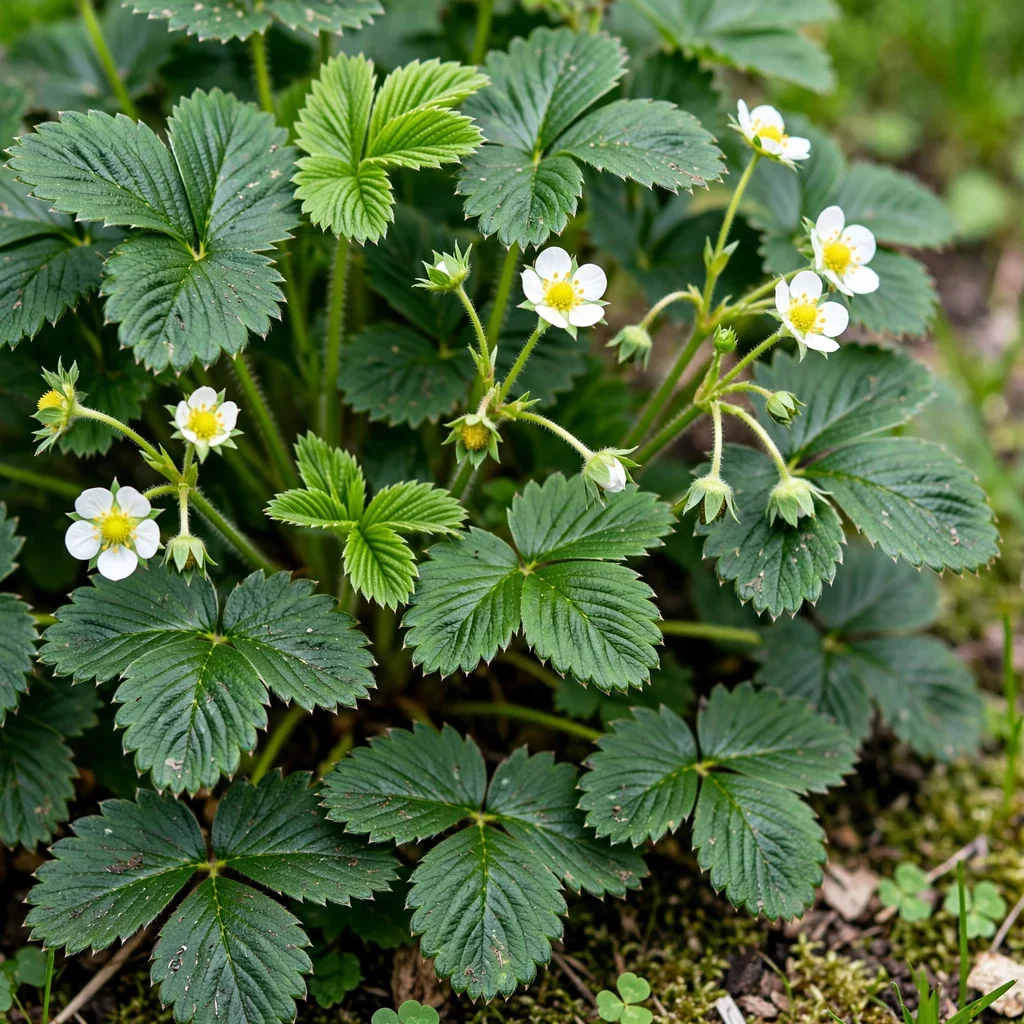
Mara des Bois Strawberry
Fragaria x ananassa 'Mara des Bois'
Gasana Everbearing Strawberry
Fragaria x ananassa 'Gasana Everbearing'
Keep exploring
Explore the genus
Hardy in your zone?
Grow Charlotte Strawberry with confidence
See it in a design of your actual yard, get zone-matched care reminders, and track it season by season in your garden journal.