Also known as Strawberry · 836 saves
Fragaria
Fragaria, the genus most gardeners know as strawberry. We track 13 varieties; the ones most used by real gardeners.
The 12 most-saved Fragaria varieties
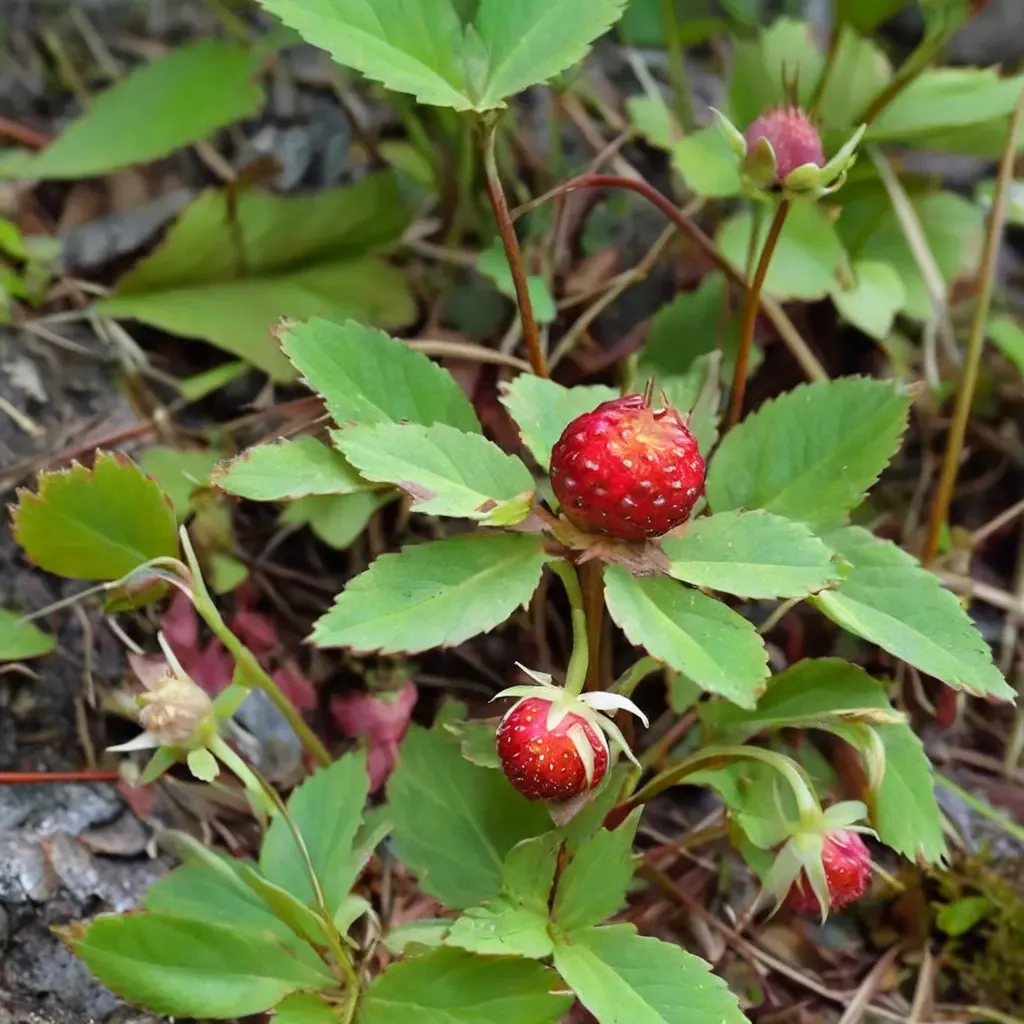
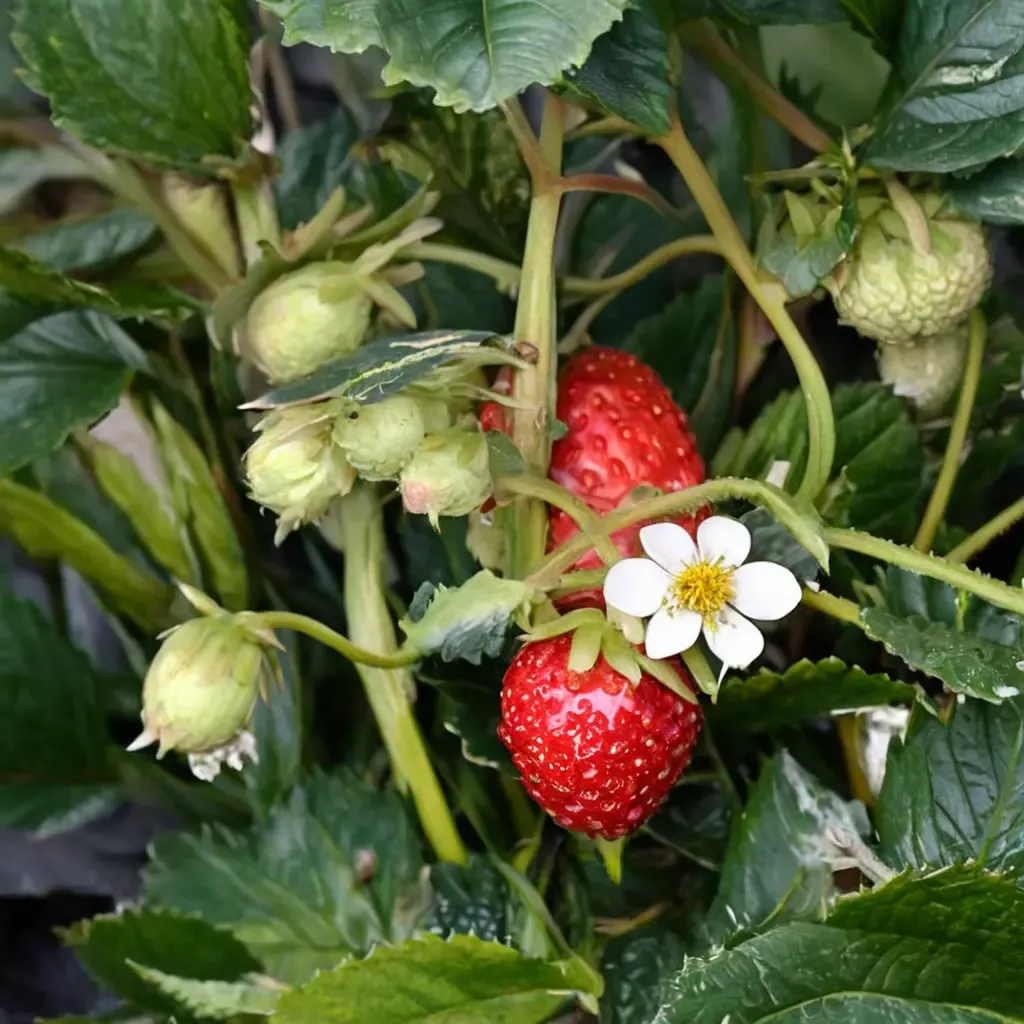
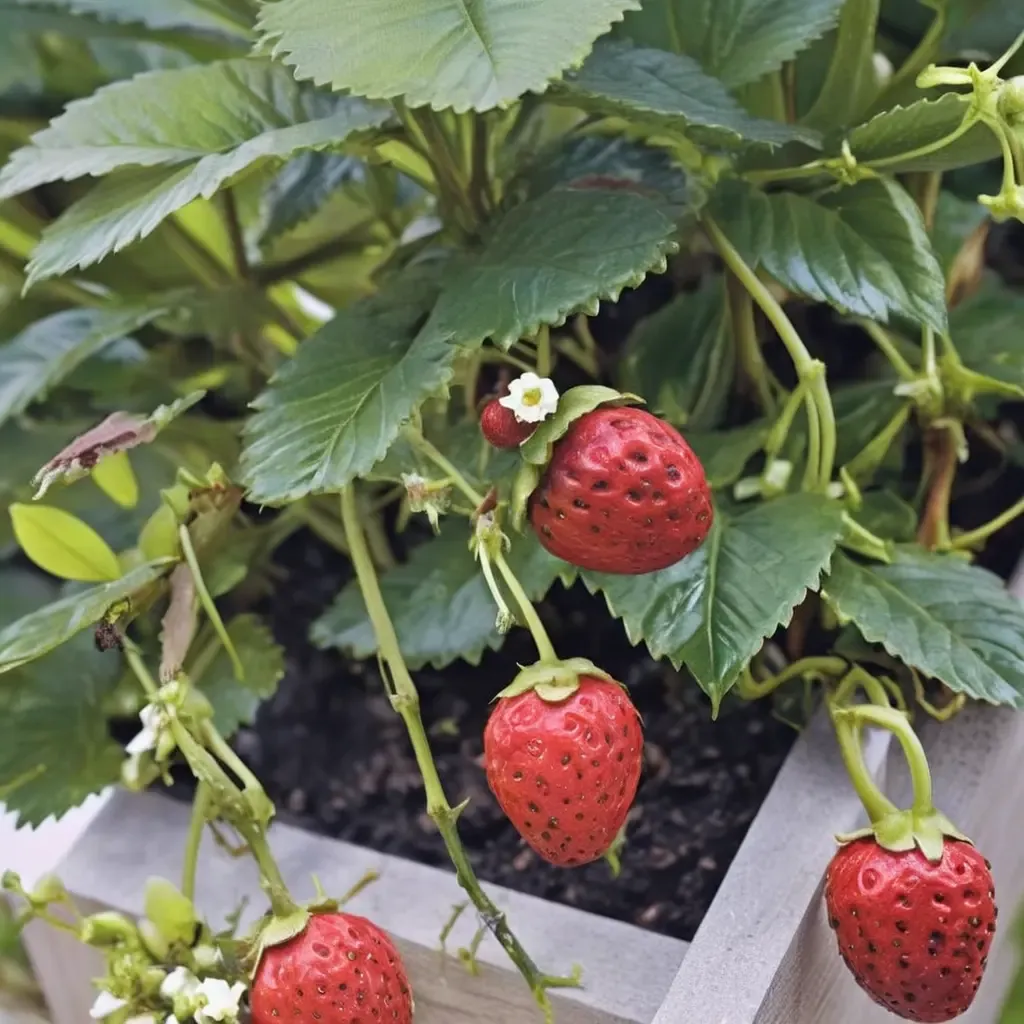
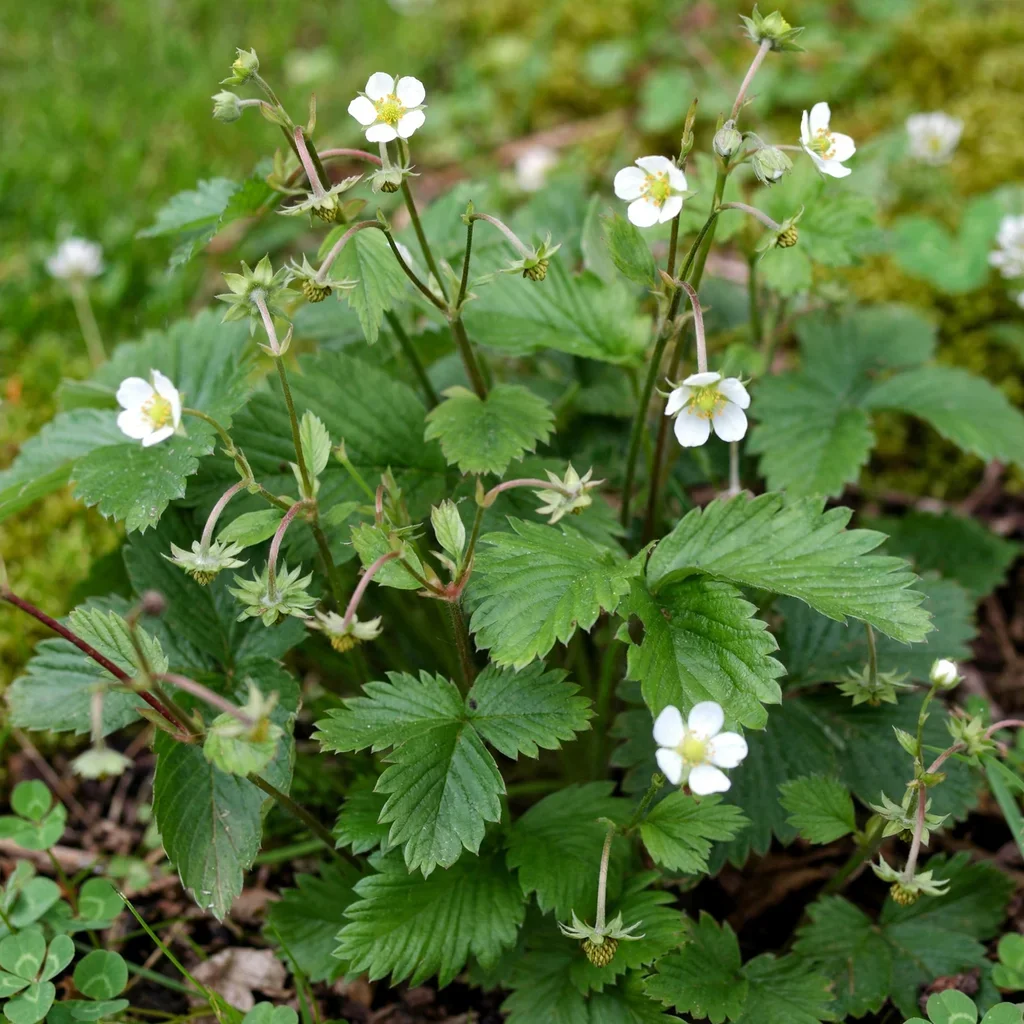
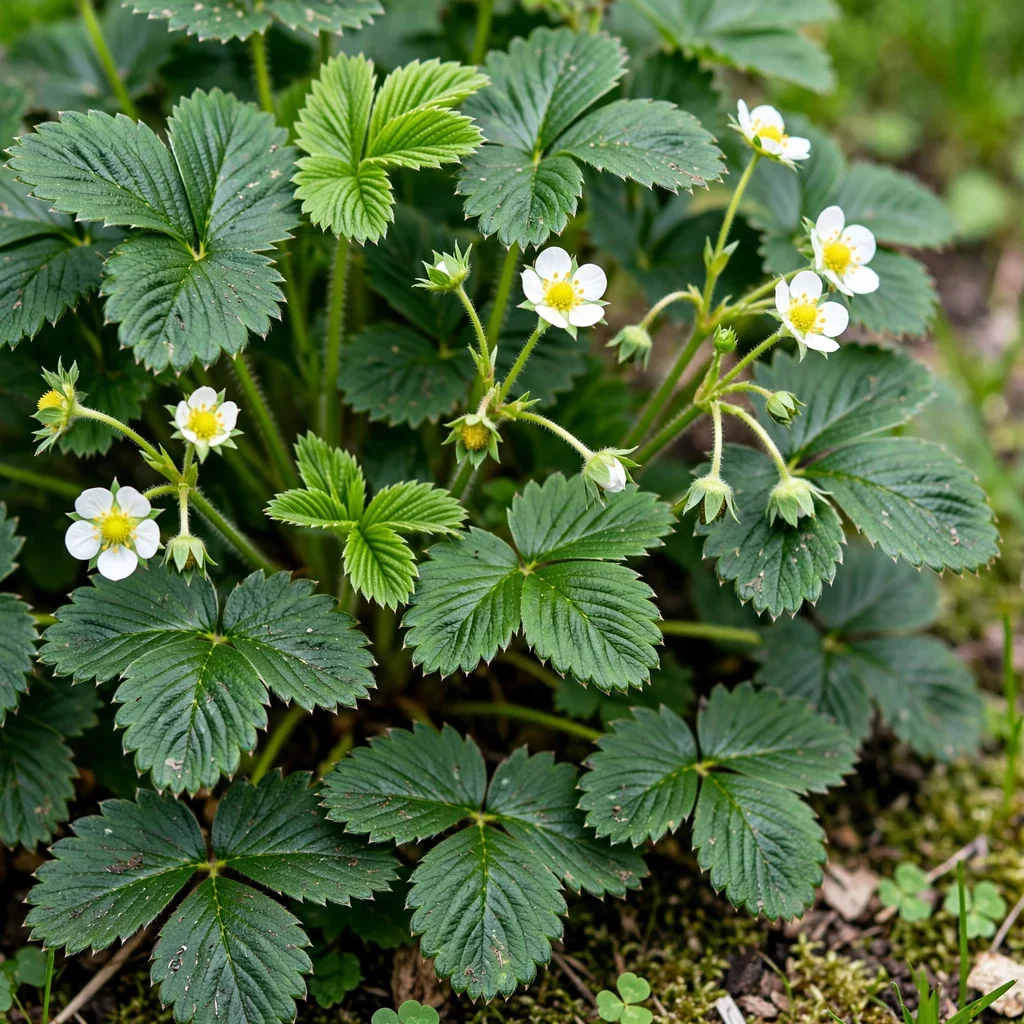
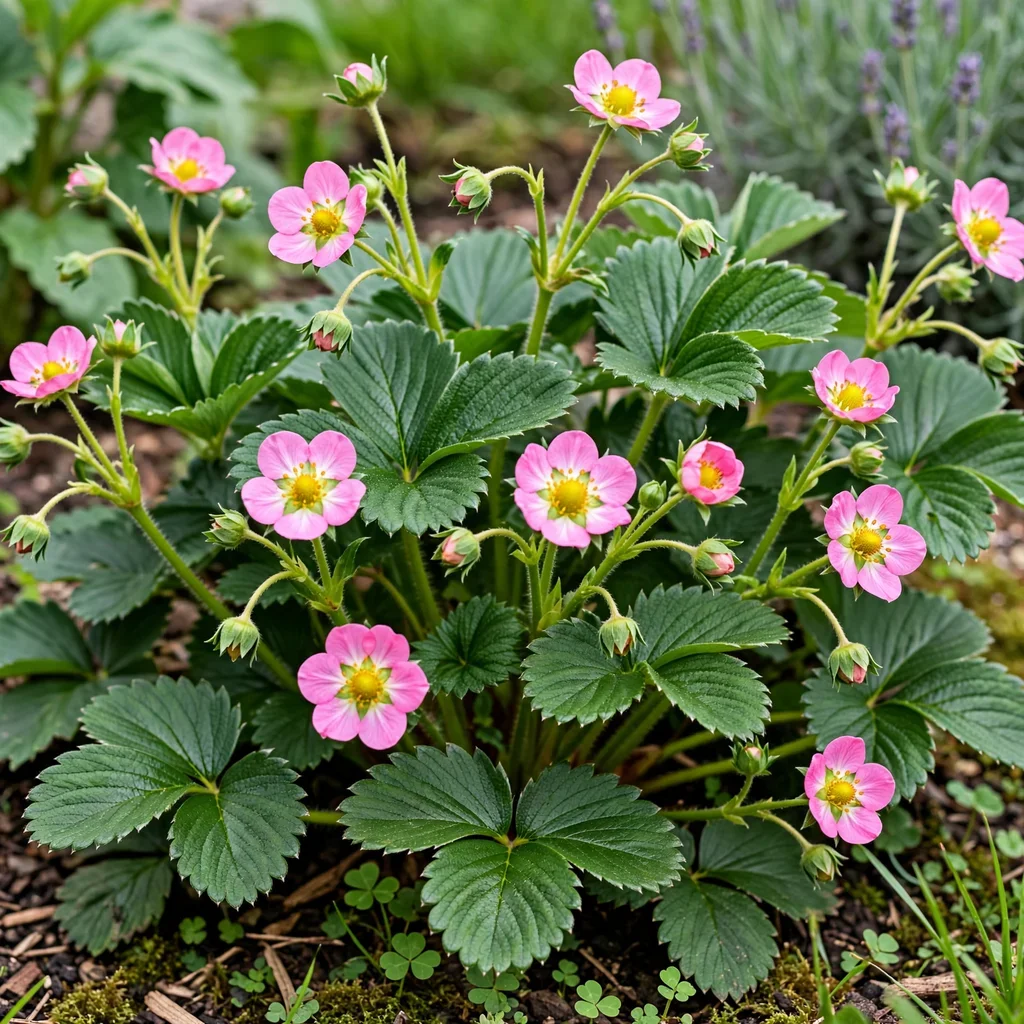
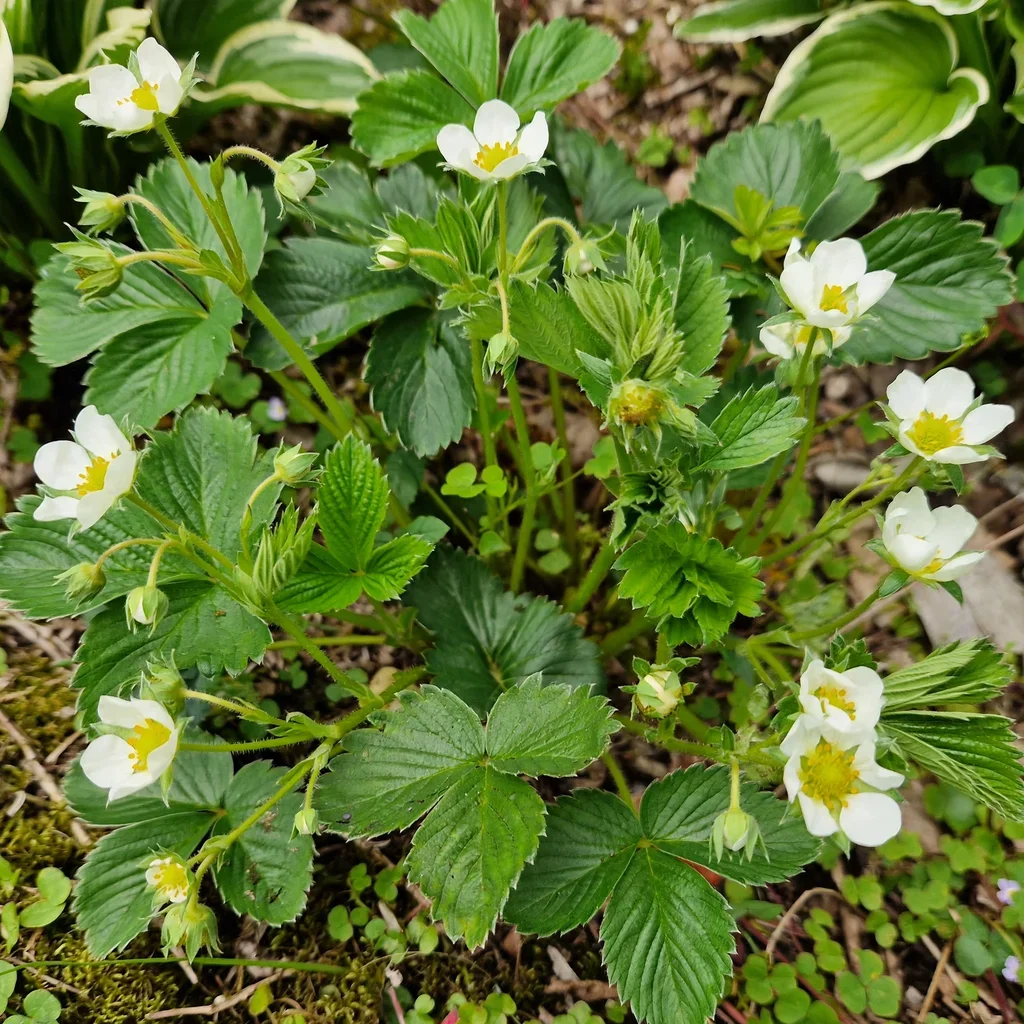
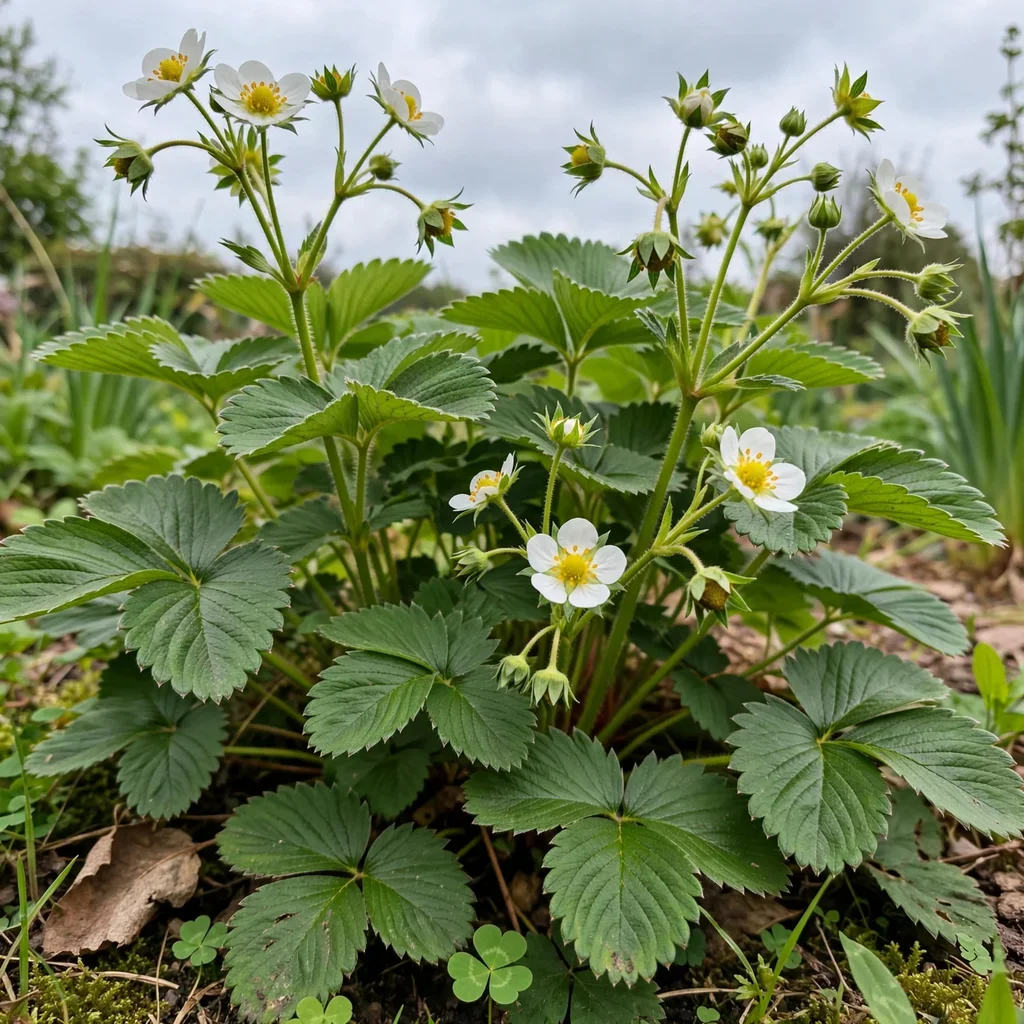
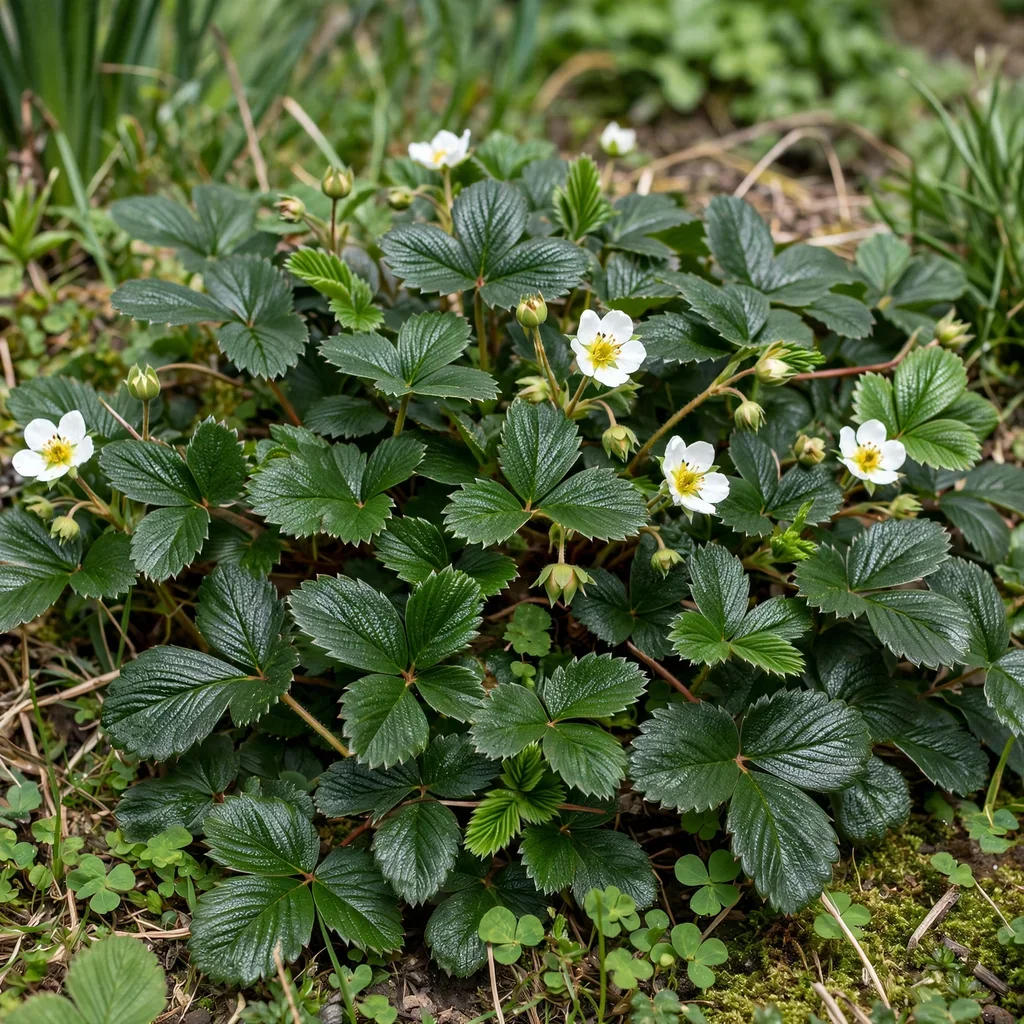
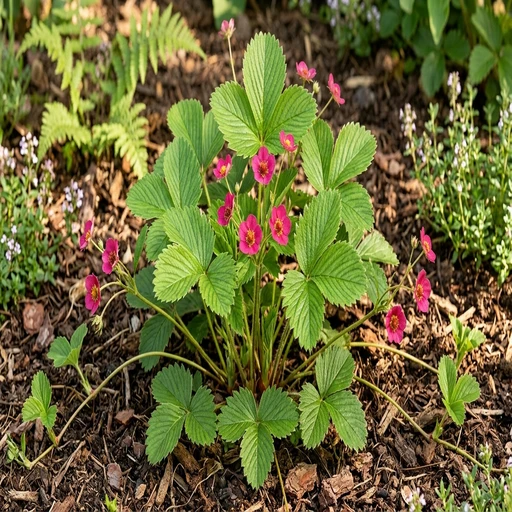
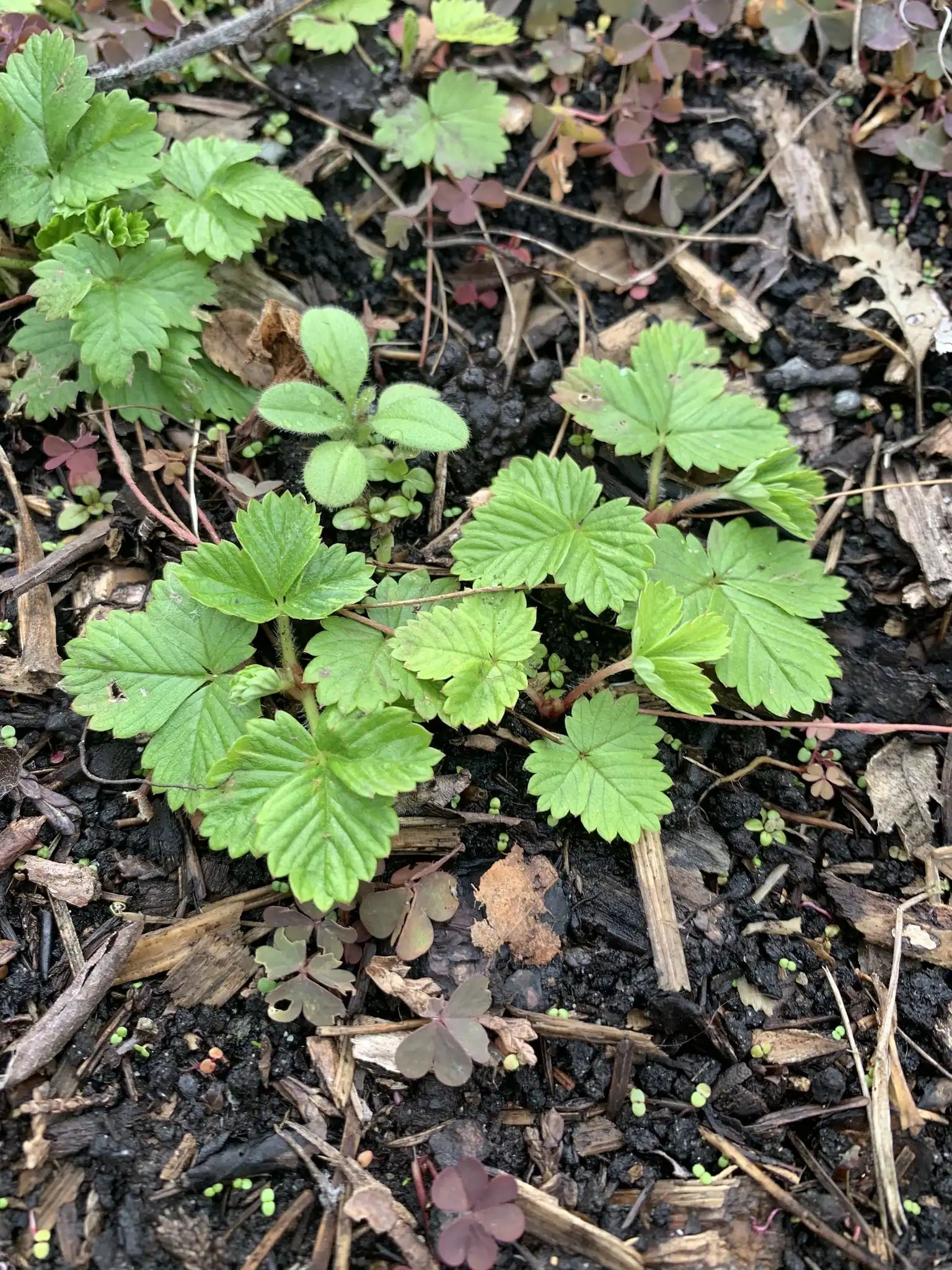

Browse all 13 Fragaria varieties →
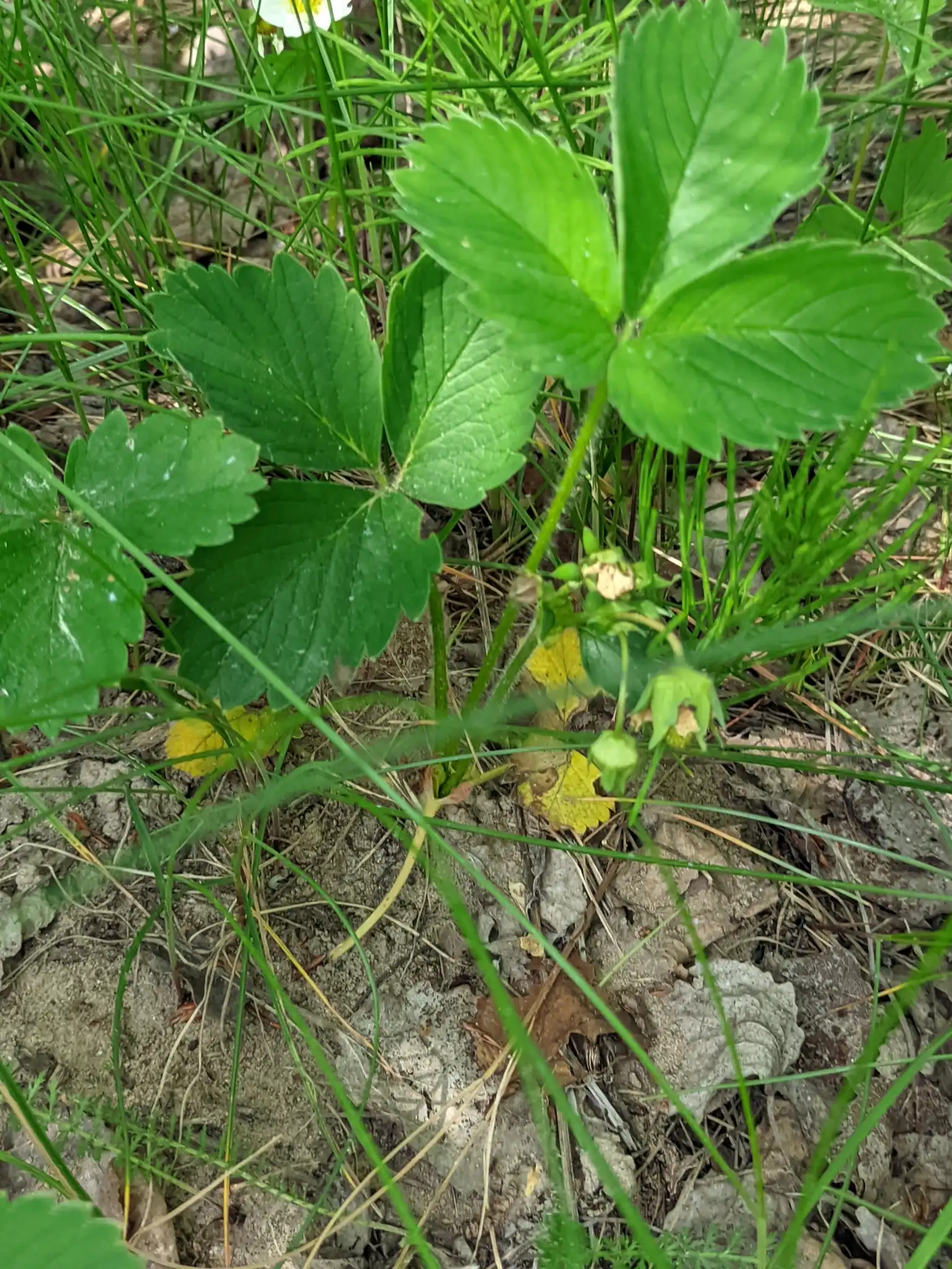
3 species of Fragaria
Each one is a parent of the varieties above.
Track your Fragaria in Sow
Save the Fragaria you grow and get care reminders timed to your zone.
How to grow Fragaria
Whats common across all Fragaria varieties in our catalog — drawn from the care records of the 13 most-grown of them.
The Fragaria year
- MulchMay77% of varieties
Apply straw or pine needle mulch to keep fruit clean.
- FertilizeMay–August77% of varieties
Apply a balanced liquid fertilizer monthly during the growing season.
- HarvestJune–October77% of varieties
Pick small, sweet berries when fully red; harvest leaves for tea
- PlantApril and May62% of varieties
Plant in spring after the last frost in well-amended soil.
- Spring CleanupMarch54% of varieties
Remove any dead or damaged foliage from the previous year.
- Winter PrepNovember and December38% of varieties
Apply a thick layer of straw mulch after the ground freezes


Do
- Mulch to conserve moisture and prevent weeds
- Monitor regularly for pests and diseases
- Plant in full sun for the most abundant flowers.
- Use as a spiller in containers or hanging baskets.
- Allow it to spread via runners to form a groundcover.
Avoid
- Avoid overwatering to prevent root rot ❌
- Avoid overwatering, which can cause root rot ❌
- Avoid overwatering which can cause root rot ❌
- Don't expect large, sweet fruit like a culinary strawberry.
What goes wrong with Fragaria
| Problem | What you'll see | What to do |
|---|---|---|
| Aphids | Sticky residue and distorted leaves | Spray with insecticidal soap or neem oil |
| Slugs | Irregular holes in leaves and fruit | Use organic slug bait or copper barriers |
| Spider Mites | Fine webbing, stippled yellow leaves, especially in hot, dry conditions. | Spray with insecticidal soap or neem oil. Increase humidity. |
| Slugs and Snails | Irregular holes chewed in leaves and fruit. | Use diatomaceous earth, iron phosphate baits, or beer traps. Hand-pick at night. |
| Gray Mold (Botrytis) | Gray fuzzy mold on fruit and leaves | Improve air circulation and apply organic fungicide |
| Leaf Spot | Small purple spots on leaves that develop gray or white centers. | Remove infected leaves. Improve air circulation. Apply a copper-based fungicide if severe. |
| Gray mold | Fuzzy gray growth on fruit and leaves | Improve air circulation and remove affected plant parts |
Making more Fragaria
Division
- Divide mature plants in early spring or late fall.
- Carefully separate crowns with roots and replant immediately.
Runners
- Allow the plant to produce runners (stolons).
- Pin the small plantlets at the end of runners into soil.
- Once they have rooted well, sever them from the mother plant.
- This happens naturally throughout the growing season.
Fragaria questions
How many types of Fragaria are there?
The Sow catalog tracks 13 distinct Fragaria varieties. The most popular — ranked by 836 real gardeners — are shown first above.
What zones does Fragaria grow in?
Across its varieties, Fragaria covers USDA Zones 4–9. Individual varieties differ — each plant page lists its exact range, and Sow filters the catalog to your zone automatically.
When does Fragaria bloom?
Most Fragaria varieties bloom in late spring, late spring to fall, early summer. Staggering early, mid, and late varieties extends the genus's season in one bed.
Which Fragaria should I choose?
Start from the most-saved varieties above — popularity across thousands of gardens is a strong signal of reliability — then filter by your zone and sun. In the Sow app you can preview any of them in a photo of your actual yard before you buy.