The Story
Plant Bio
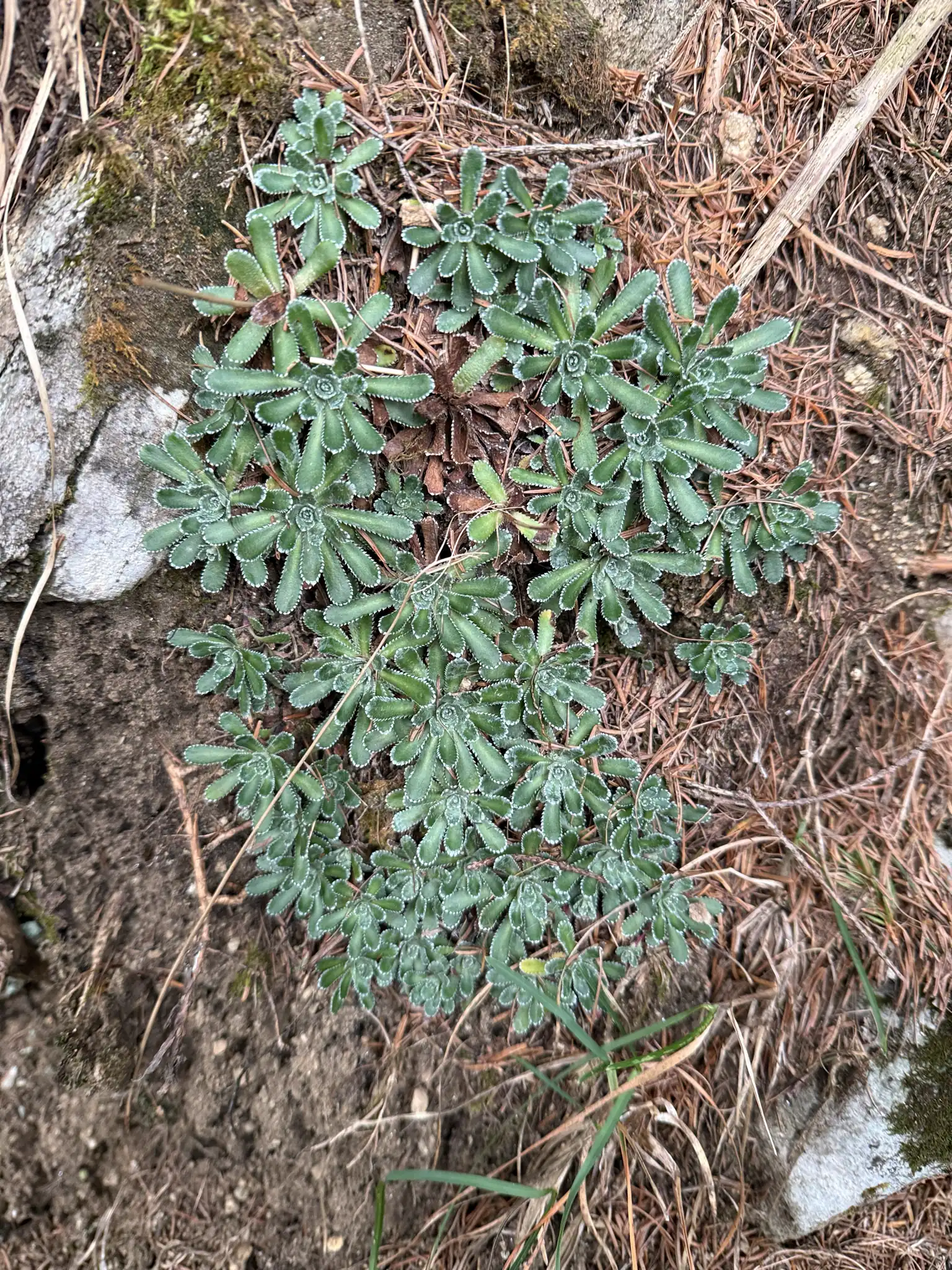
Saxifraga paniculata is a low-growing, evergreen alpine perennial that forms dense, neat basal rosettes of leathery, spoon-shaped leaves. In summer, it produces small, cup-shaped white flowers on slender, reddish glandular-hairy stems rising above the foliage.
The leaf margins feature distinct teeth with conspicuous, encrusted white pores that secrete lime, giving the foliage a silver-dotted border. This species is highly adapted to severe cold and thrives in alkaline, mineral-rich rock crevices.
Uses & Benefits:
Essentials
At a Glance
Plant Type
Perennial
Height
12"
Width
12"
Light
Full Sun, Partial Sun
Zones
4, 5, 6, 7
Water
Low
Humidity
Low
Lifespan
Perennial
Native To
Europe, Asia, North America
Toxicity
Non-toxic
Bloom period
Summer
In flower about 3 months of the year
Planting
How to Grow
- Select a planting site in full sun to partial shade, ensuring protection from intense afternoon sun in warmer climates.
- Prepare a gritty, mineral-rich planting medium with exceptional drainage, avoiding rich organic loam.
- Position the plant in a rock crevice, wall, or alpine trough, keeping the crown slightly elevated.
- Top-dress the surrounding soil with grit or stone chips to keep the basal foliage away from standing moisture.
Pro Tip
Plant this species in lean, stony crevices or alpine troughs with sharp mineral drainage, and top-dress with stone chips to keep the basal rosettes dry and prevent crown rot.
Keep It Thriving
Care Guide
Do
- Plant in lean, gritty, exceptionally well-drained mineral soil.
- Top-dress around the crown with stone chips or gravel.
- Remove spent flower stems cleanly at the base after blooming.
Don't
- Do not plant in rich, organic garden loam.
- Do not prune into old, leafless wood as rosettes will not regenerate.
- Do not overwater or allow standing water around the crown.
Seasonal Care Calendar
| Task | Jan | Feb | Mar | Apr | May | Jun | Jul | Aug | Sep | Oct | Nov | Dec |
|---|---|---|---|---|---|---|---|---|---|---|---|---|
| Deadhead | ||||||||||||
| Pest Check | ||||||||||||
| Propagate | ||||||||||||
| Spring Cleanup | ||||||||||||
| Winter Prep |
Watch Out For
Pests & Diseases
Common Pests
Common Diseases
In the Garden
Landscape Uses & Companions
Landscape Uses
Companion Plants
Multiply
Propagation Methods
Good to Know
Common Questions
White Mountain Saxifrage questions
What zones can White Mountain Saxifrage grow in?
White Mountain Saxifrage is hardy in USDA Zones 4–7. Inside that range it survives winter in the ground; outside it, grow it as an annual or a container plant you protect.
Is White Mountain Saxifrage deer resistant?
Not reliably. Deer may browse White Mountain Saxifrage, especially tender spring growth — plan on repellents or fencing where pressure is high.
When does White Mountain Saxifrage bloom?
White Mountain Saxifrage typically blooms in summer through summer. Exact timing shifts a week or two with your zone — Sow's bloom calendar maps it to your garden.
Does White Mountain Saxifrage need full sun?
White Mountain Saxifrage does best in full sun to part shade. In hot climates, afternoon shade keeps blooms fresher longer.
Is White Mountain Saxifrage drought tolerant?
Yes — once established (usually after the first full season), White Mountain Saxifrage handles dry spells with minimal watering. Water deeply its first year to build the root system that makes that possible.
More Saxifraga to compare
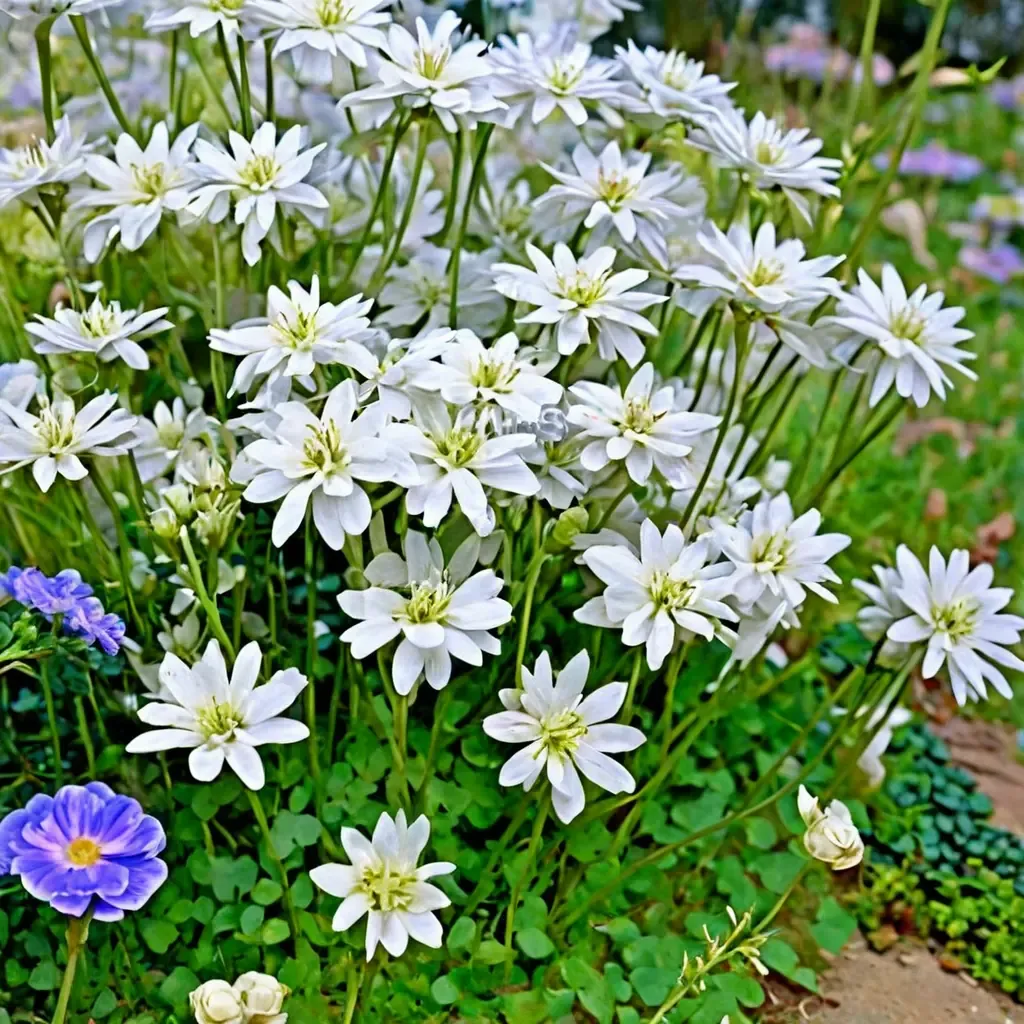
London Pride
Saxifraga x urbium 'Fair Maids of France'
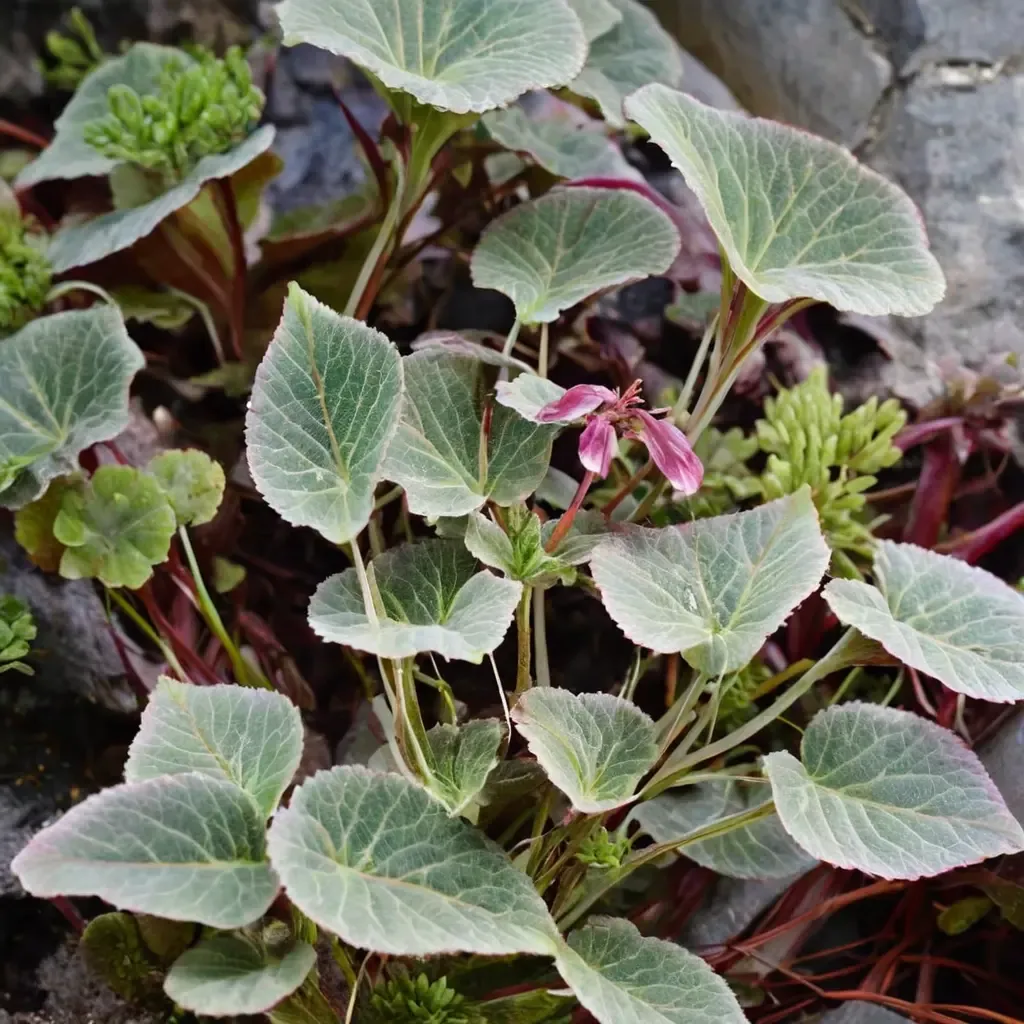
Hope's Wine Creeping Saxifrage
Saxifraga stolonifera 'Hope's Wine'
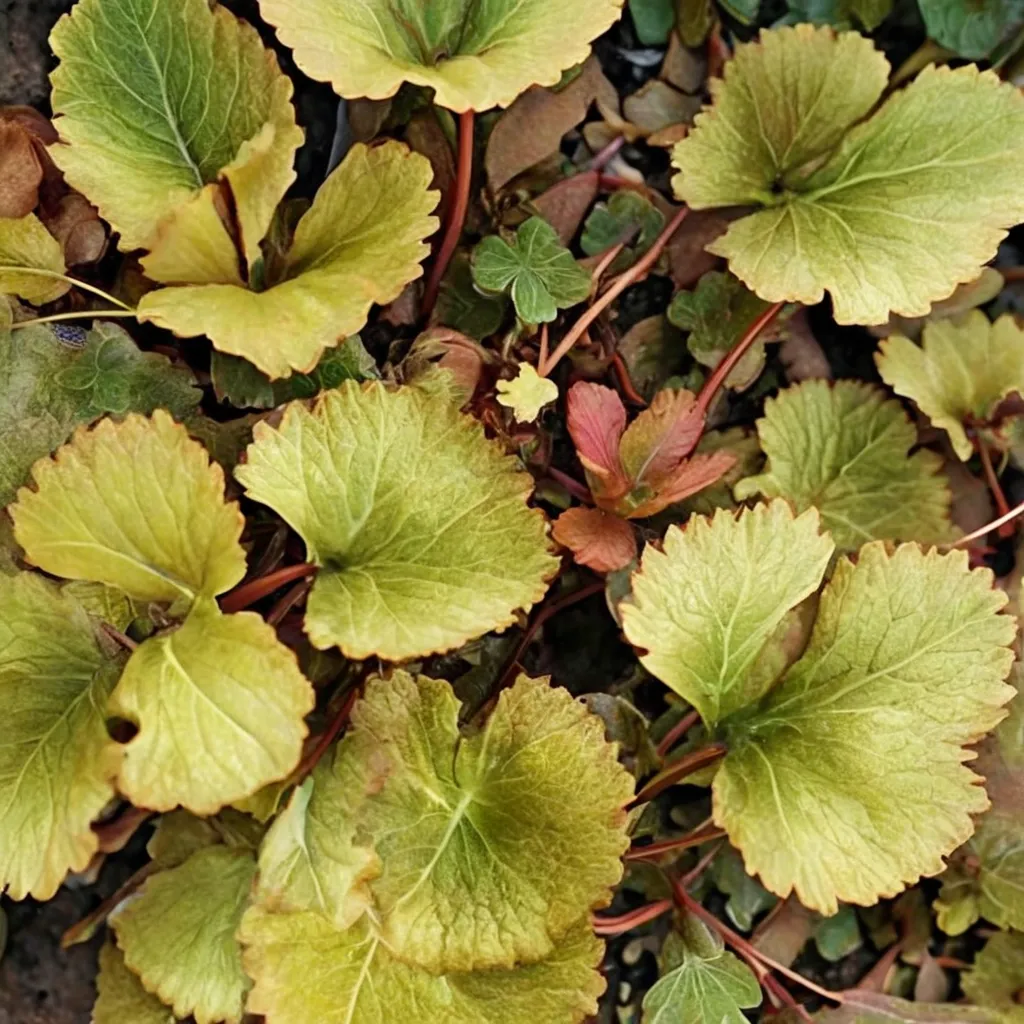
Saxifraga Harvest Moon
Saxifraga stolonifera 'Harvest Moon'
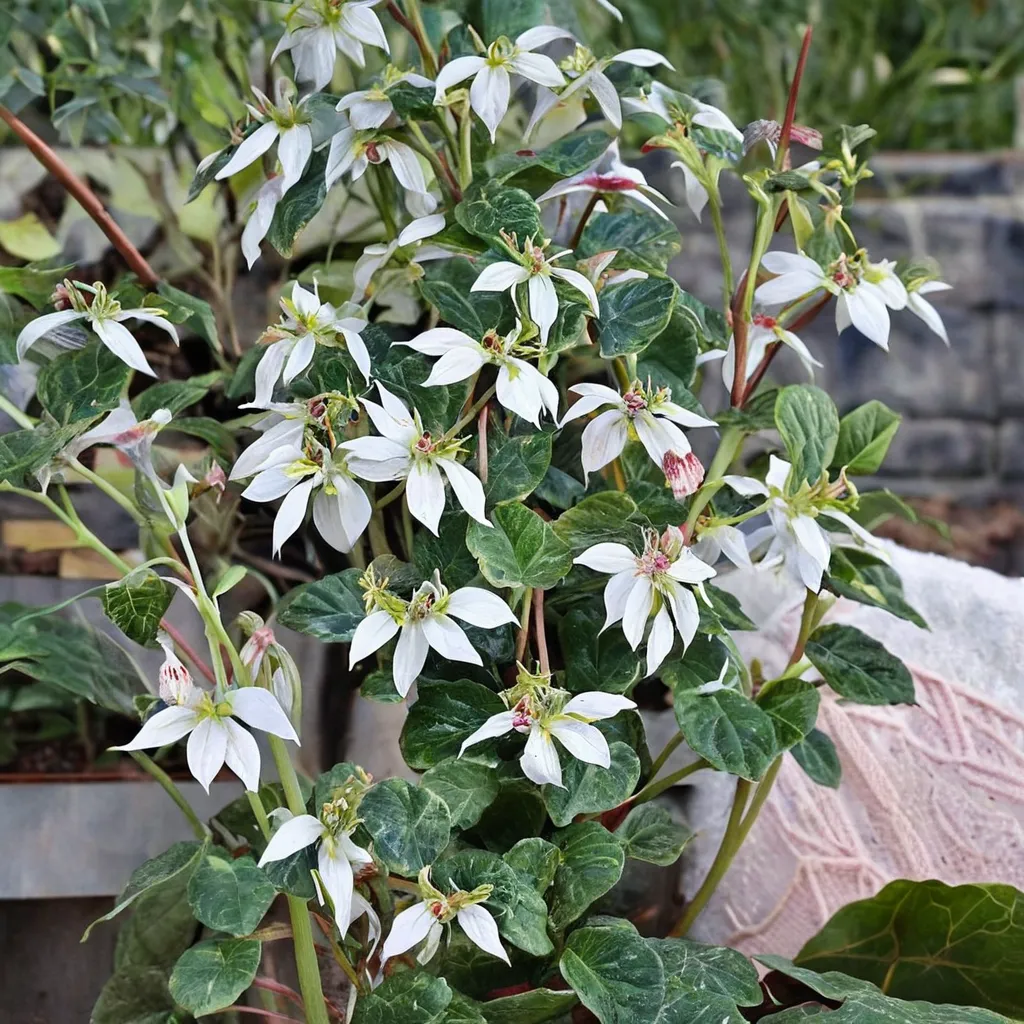
Fernleaf Saxifrage
Saxifraga stolonifera
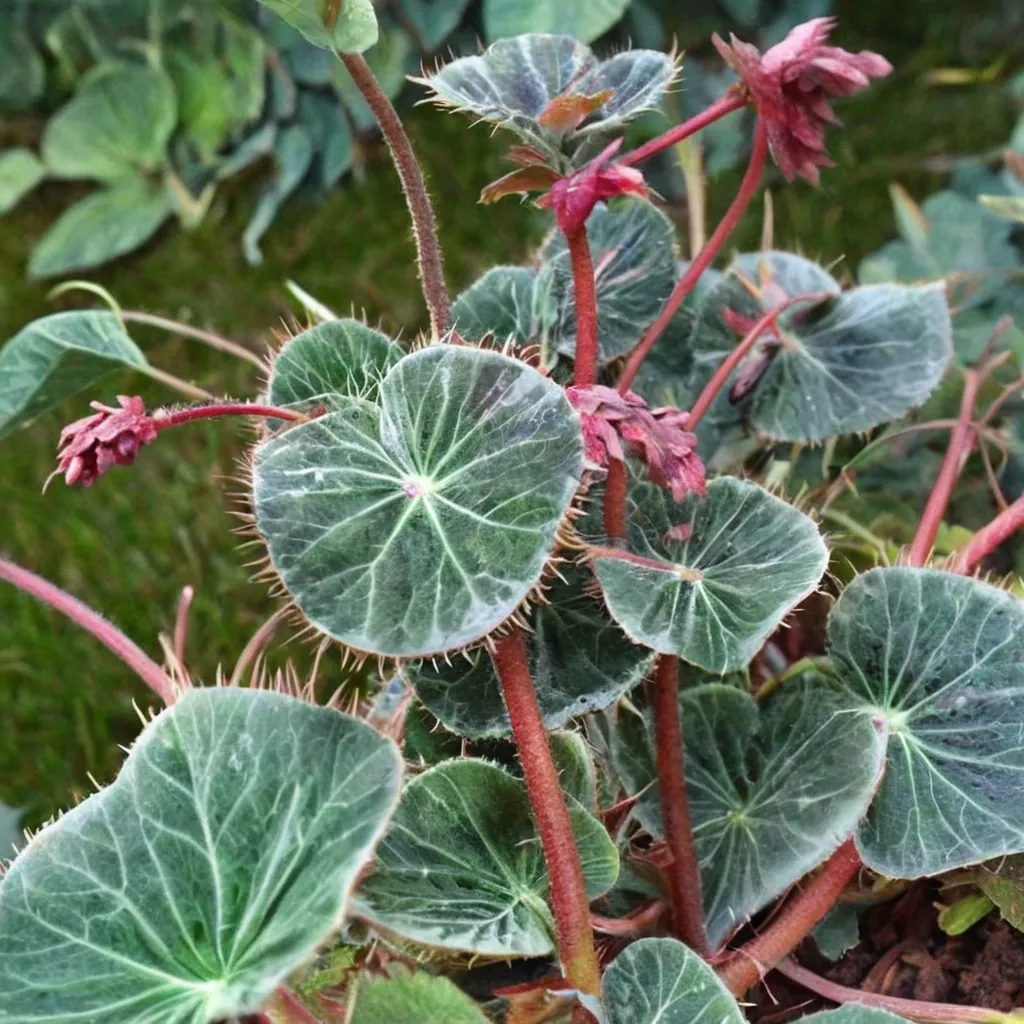
Kinki Purple Strawberry Begonia
Saxifraga stolonifera 'Kinki Purple'
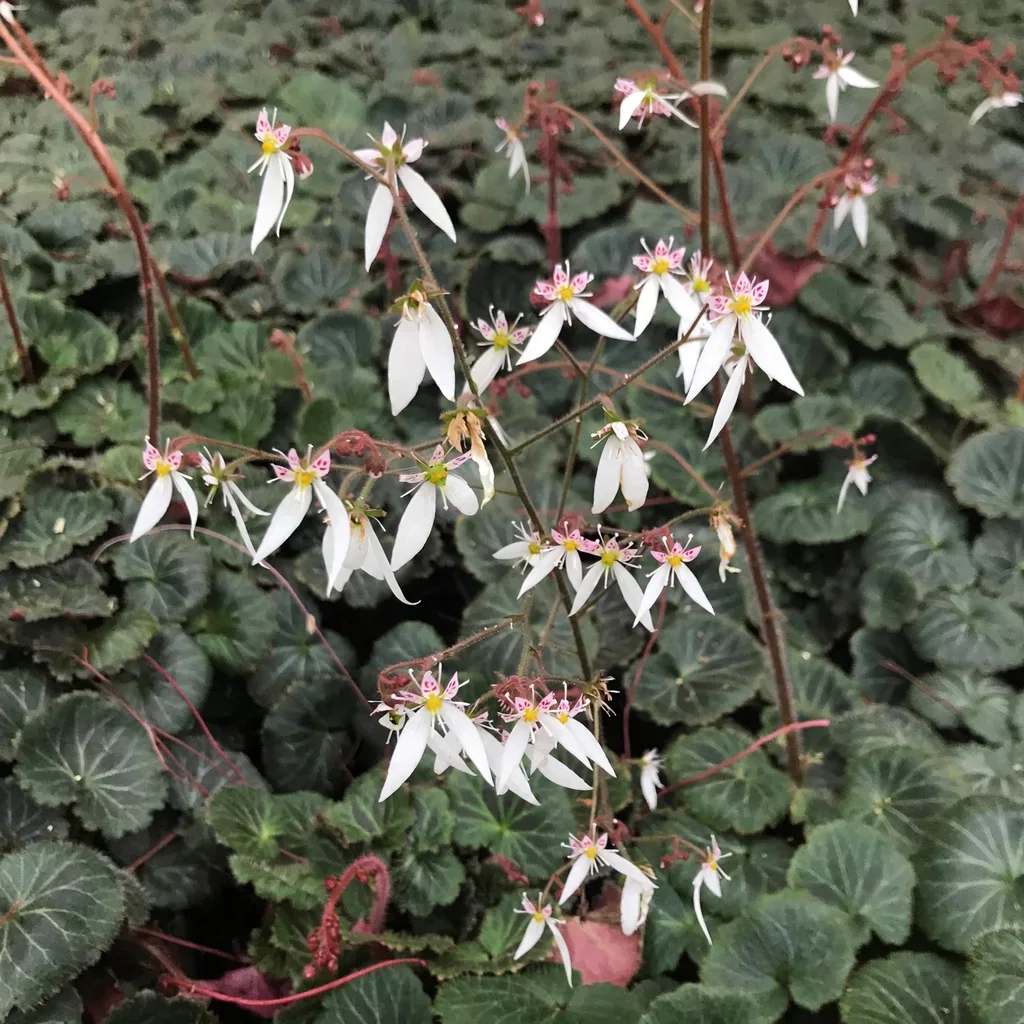
Strawberry Begonia
Saxifraga stolonifera 'Veitchiana'
Keep exploring
Explore the genus
Hardy in your zone?
Grow White Mountain Saxifrage with confidence
See it in a design of your actual yard, get zone-matched care reminders, and track it season by season in your garden journal.