The Story
Plant Bio
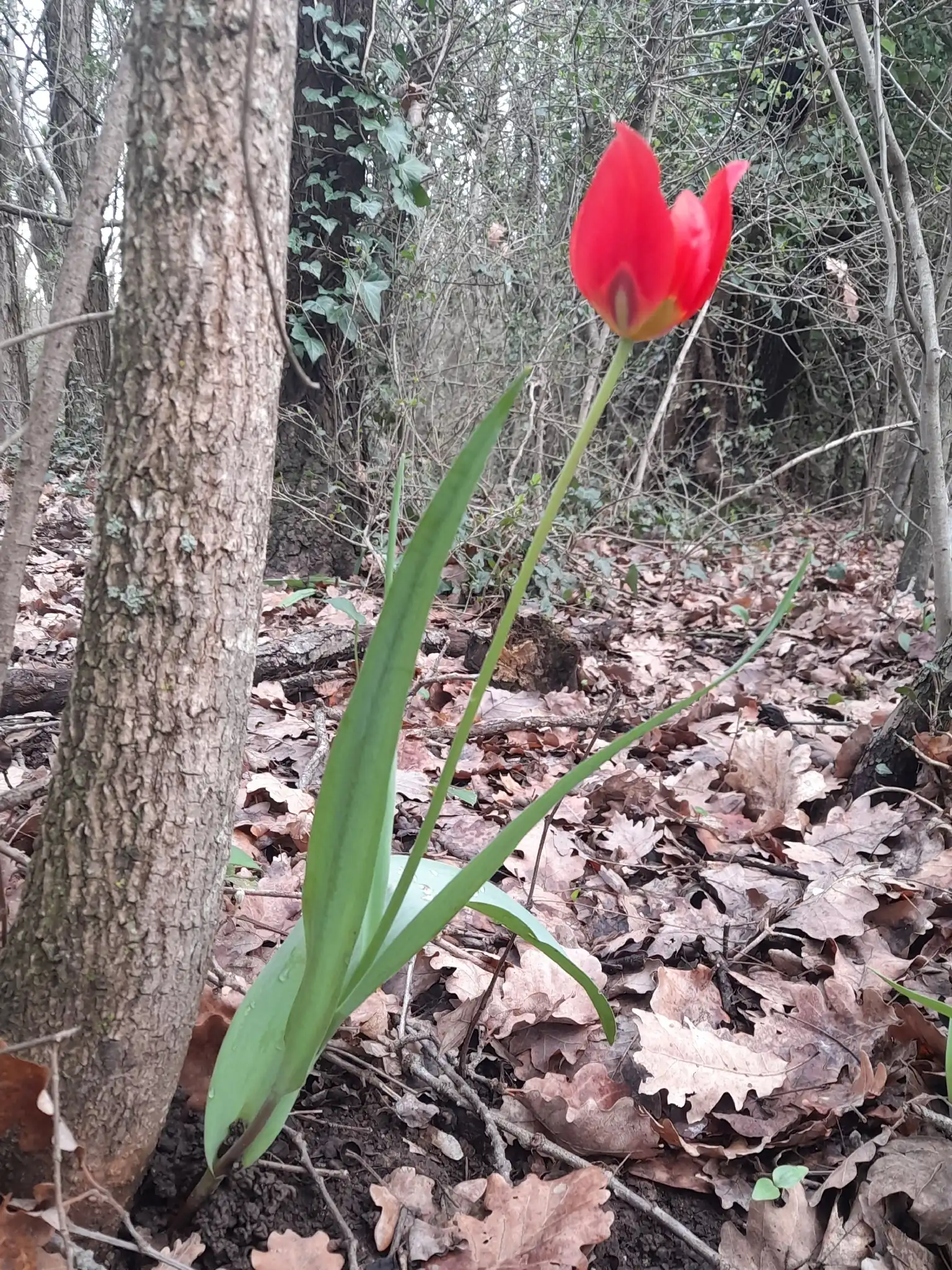
Tulipa agenensis, the eye tulip, is a deciduous bulbous geophyte native to the Mediterranean region and Western Asia. It produces glaucous to mid-green, smooth-margined lanceolate leaves and a solitary terminal flower on an upright, single-stemmed habit.
The solitary flowers feature vivid deep red petals, each marked with a prominent dark blue-black basal blotch surrounded by a distinct yellow border. These striking blooms open completely flat when exposed to direct, warm sunlight.
Uses & Benefits:
Essentials
At a Glance
Plant Type
Bulb Corm Tuber
Height
12"
Width
6"
Light
Full Sun
Zones
7, 8, 9, 10
Water
Low to moderate
Humidity
Low
Lifespan
Perennial
Native To
Mediterranean region and Western Asia
Toxicity
Toxic if ingested; skin irritant
Bloom period
Spring
In flower about 3 months of the year
Planting
How to Grow
- Select a planting site in full sun with exceptionally well-drained, sandy or stony soil.
- Plant the dormant bulbs in fall at a depth of three times the bulb's height.
- Water sparingly during active spring growth, keeping the soil lightly moist but never soggy.
- Allow the foliage to yellow and die back completely after flowering to recharge the bulb for the next season.
Pro Tip
To prevent fatal bacterial and Fusarium bulb rots in regions with wet summers, lift the bulbs after the foliage yellows and store them in a dry, warm location until replanting in fall.
Keep It Thriving
Care Guide
Do
- Allow the foliage to wither naturally before removing it.
- Provide sharp drainage to protect bulbs from rot.
- Feed sparingly with a low-nitrogen, high-potassium fertilizer as shoots emerge in spring.
Don't
- Do not cut green leaves prematurely after flowering.
- Do not allow the soil to remain wet or waterlogged during summer dormancy.
- Do not plant in heavy, poorly drained clay soils.
Seasonal Care Calendar
| Task | Jan | Feb | Mar | Apr | May | Jun | Jul | Aug | Sep | Oct | Nov | Dec |
|---|---|---|---|---|---|---|---|---|---|---|---|---|
| Fertilize | ||||||||||||
| Lift Store | ||||||||||||
| Pest Check | ||||||||||||
| Plant |
Watch Out For
Pests & Diseases
Common Pests
Common Diseases
In the Garden
Landscape Uses & Companions
Landscape Uses
Multiply
Propagation Methods
Good to Know
Common Questions
Eye Tulip questions
What zones can Eye Tulip grow in?
Eye Tulip is hardy in USDA Zones 7–10. Inside that range it survives winter in the ground; outside it, grow it as an annual or a container plant you protect.
Is Eye Tulip deer resistant?
Not reliably. Deer may browse Eye Tulip, especially tender spring growth — plan on repellents or fencing where pressure is high.
When does Eye Tulip bloom?
Eye Tulip typically blooms in spring through spring. Exact timing shifts a week or two with your zone — Sow's bloom calendar maps it to your garden.
Does Eye Tulip need full sun?
Eye Tulip does best in full sun (6+ hours).
Is Eye Tulip drought tolerant?
Yes — once established (usually after the first full season), Eye Tulip handles dry spells with minimal watering. Water deeply its first year to build the root system that makes that possible.
More Tulipa to compare

All Spring Mix Tulip
Tulipa x hybrida 'All Spring Mix'
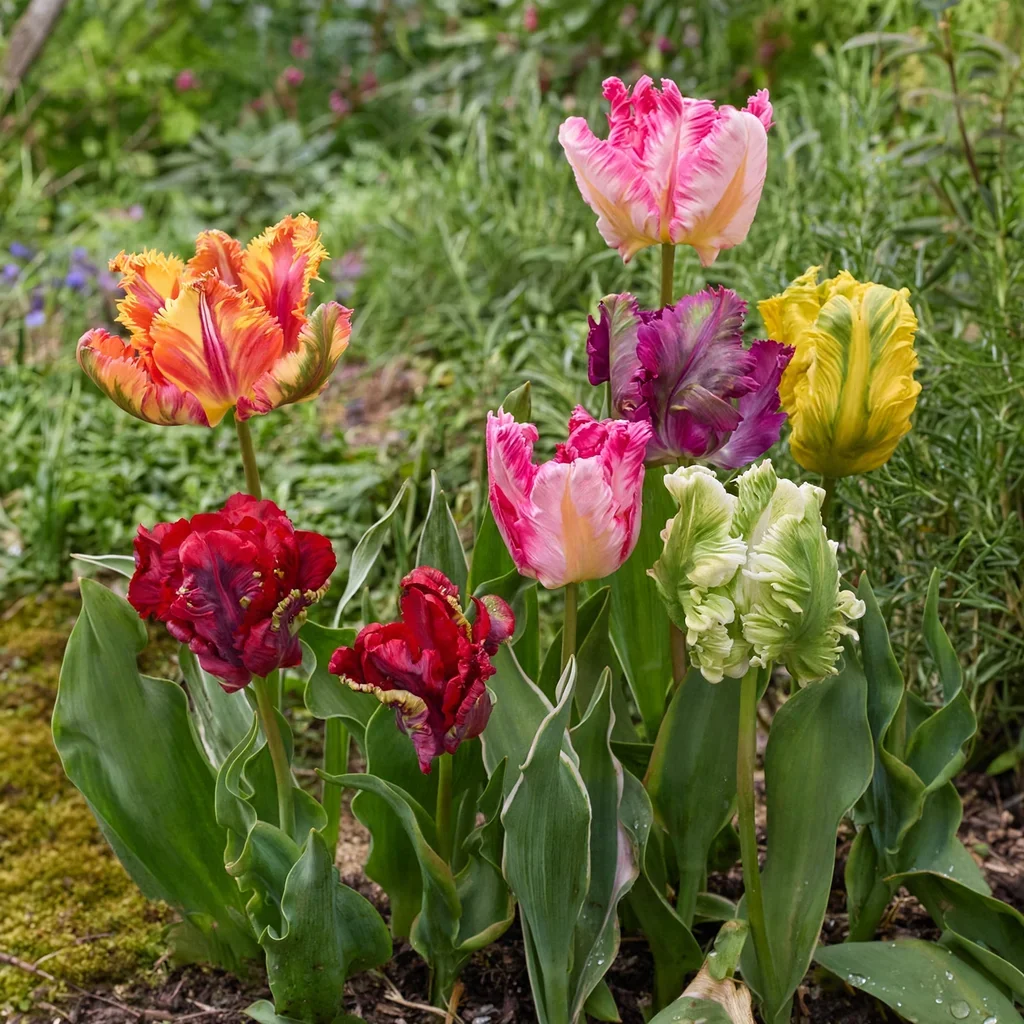
Parrot Tulip Mix
Tulipa gesneriana 'Parrot Tulip Mix'
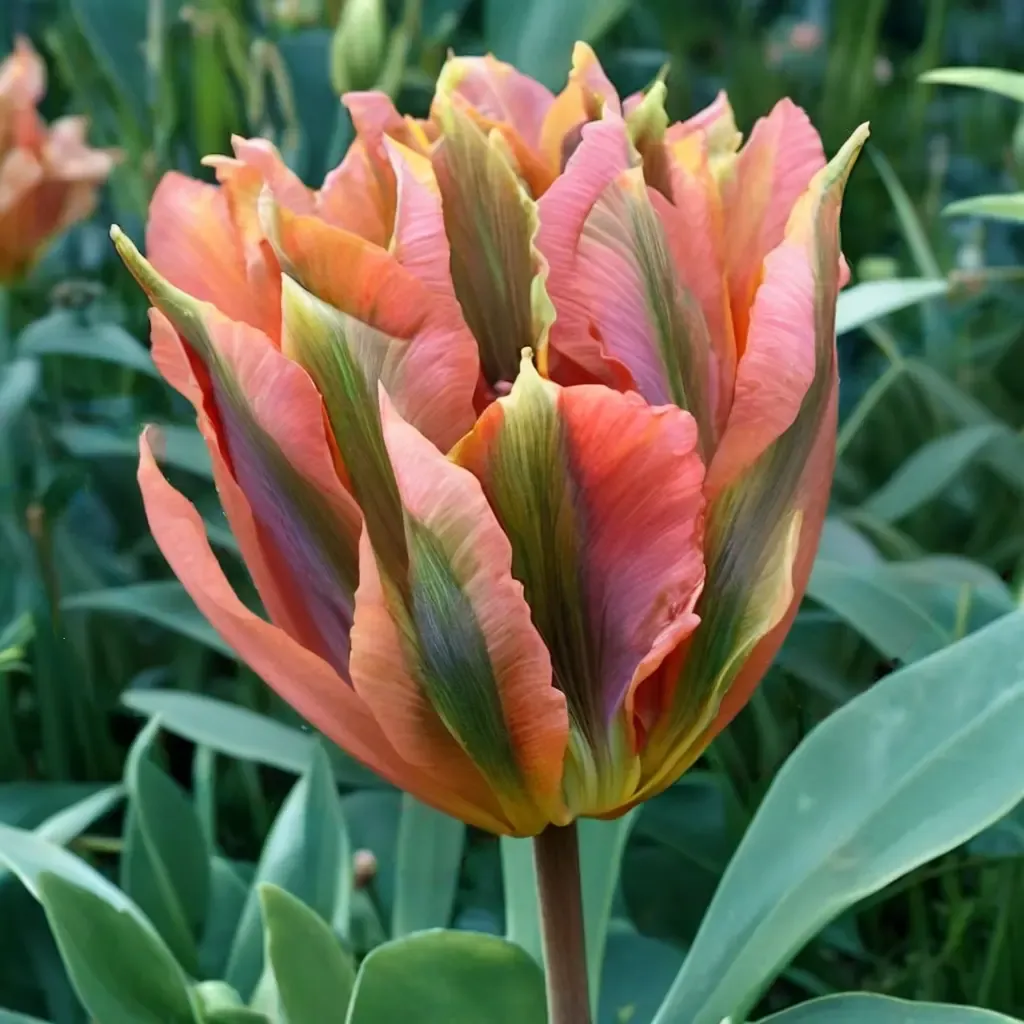
Artist Tulip
Tulipa x hybrida 'Artist'
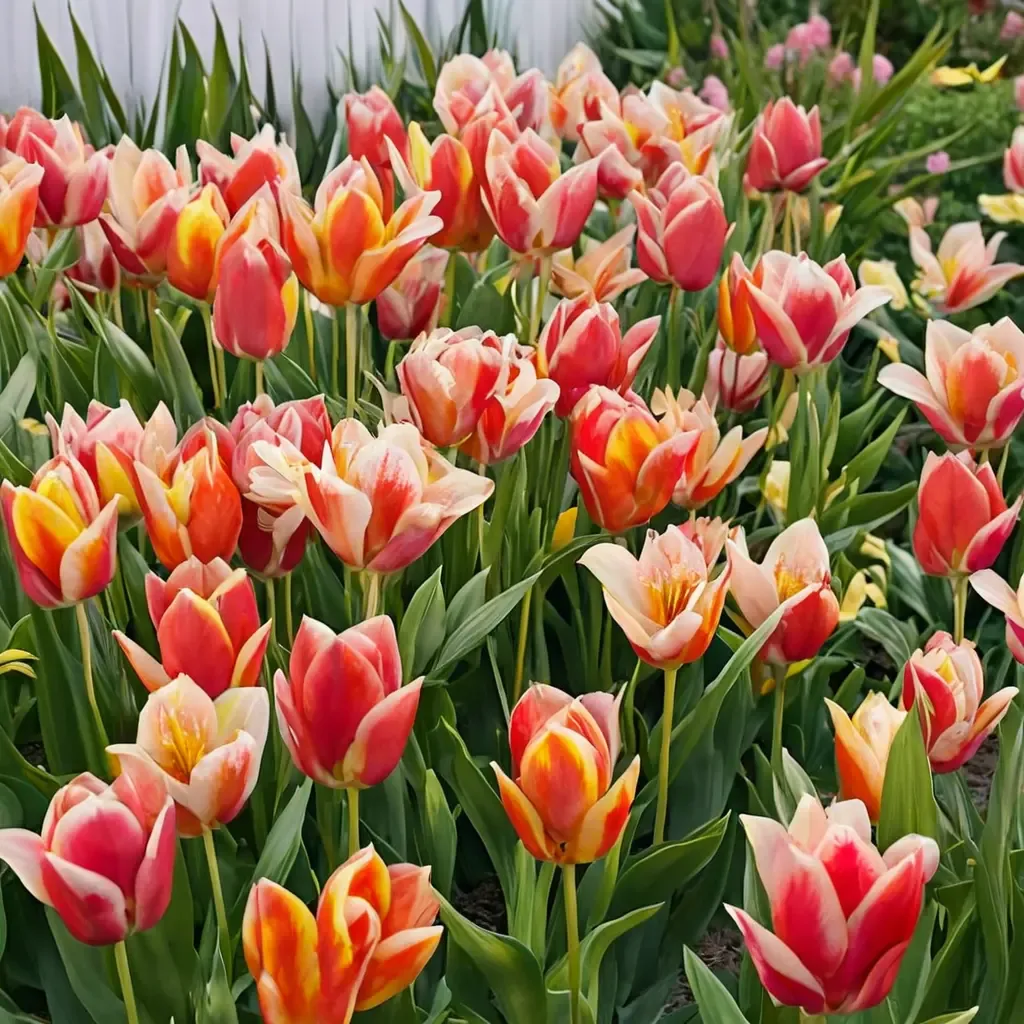
Tulip Fun Colors Mix
Tulipa gesneriana 'Fun Colors Mix'
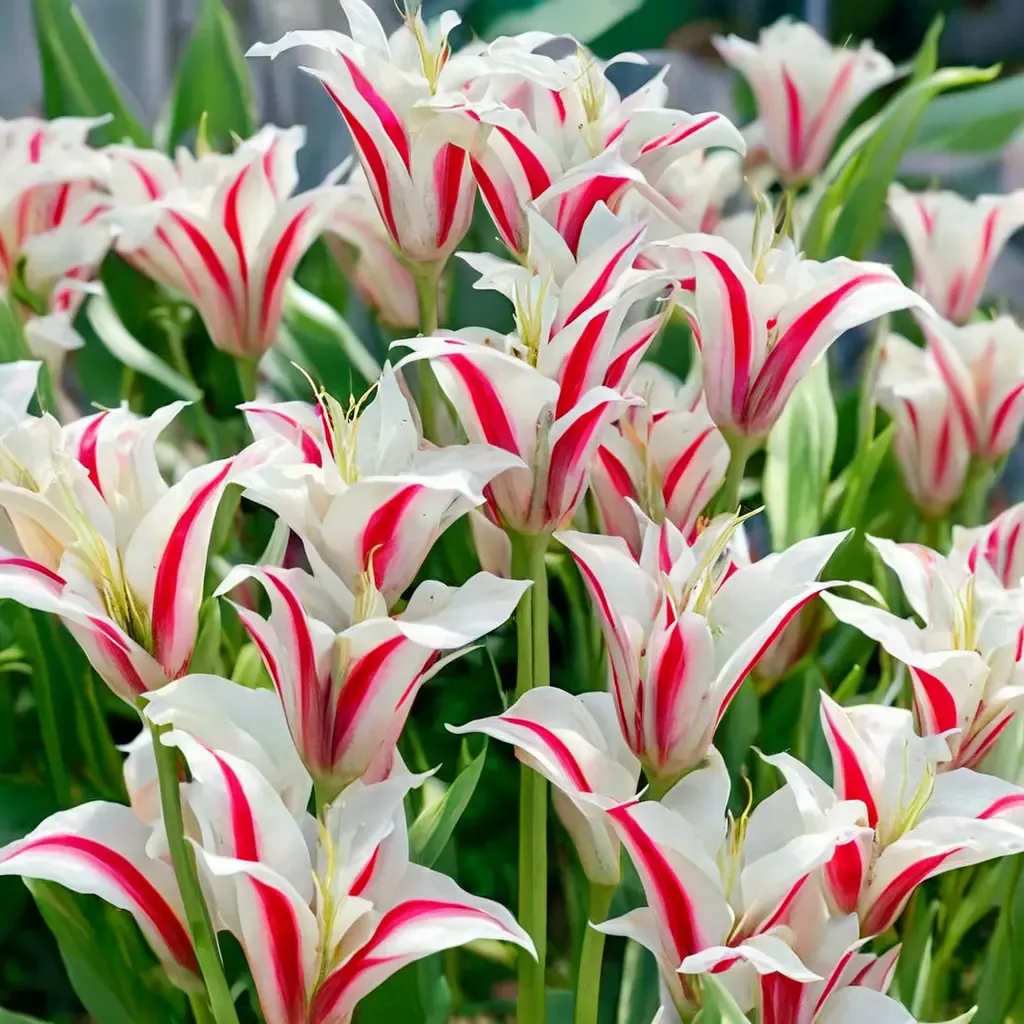
Marilyn Tulip
Tulipa x hybrida 'Marilyn'
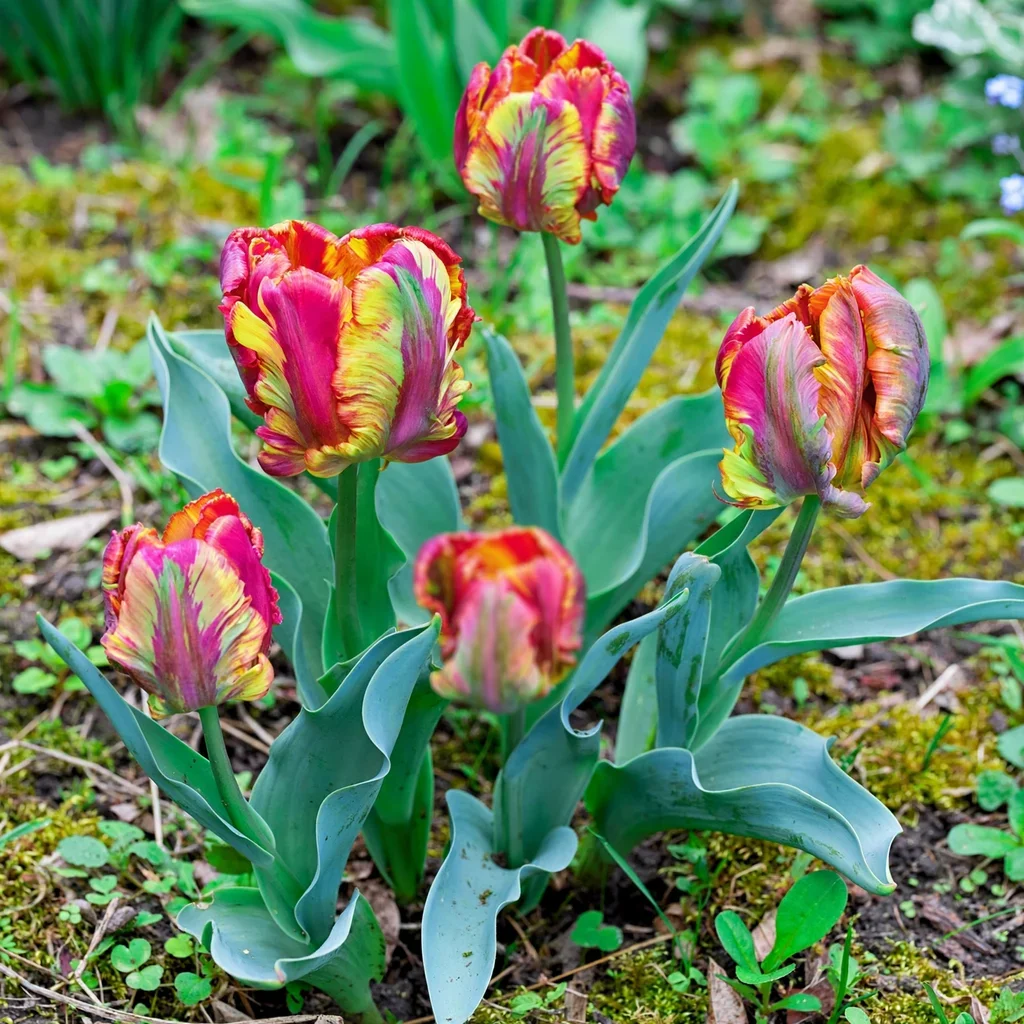
Blumex Parrot Tulip
Tulipa x hybrida 'Blumex Parrot'
Keep exploring
Explore the genus
Hardy in your zone?
Grow Eye Tulip with confidence
See it in a design of your actual yard, get zone-matched care reminders, and track it season by season in your garden journal.