The Story
Plant Bio
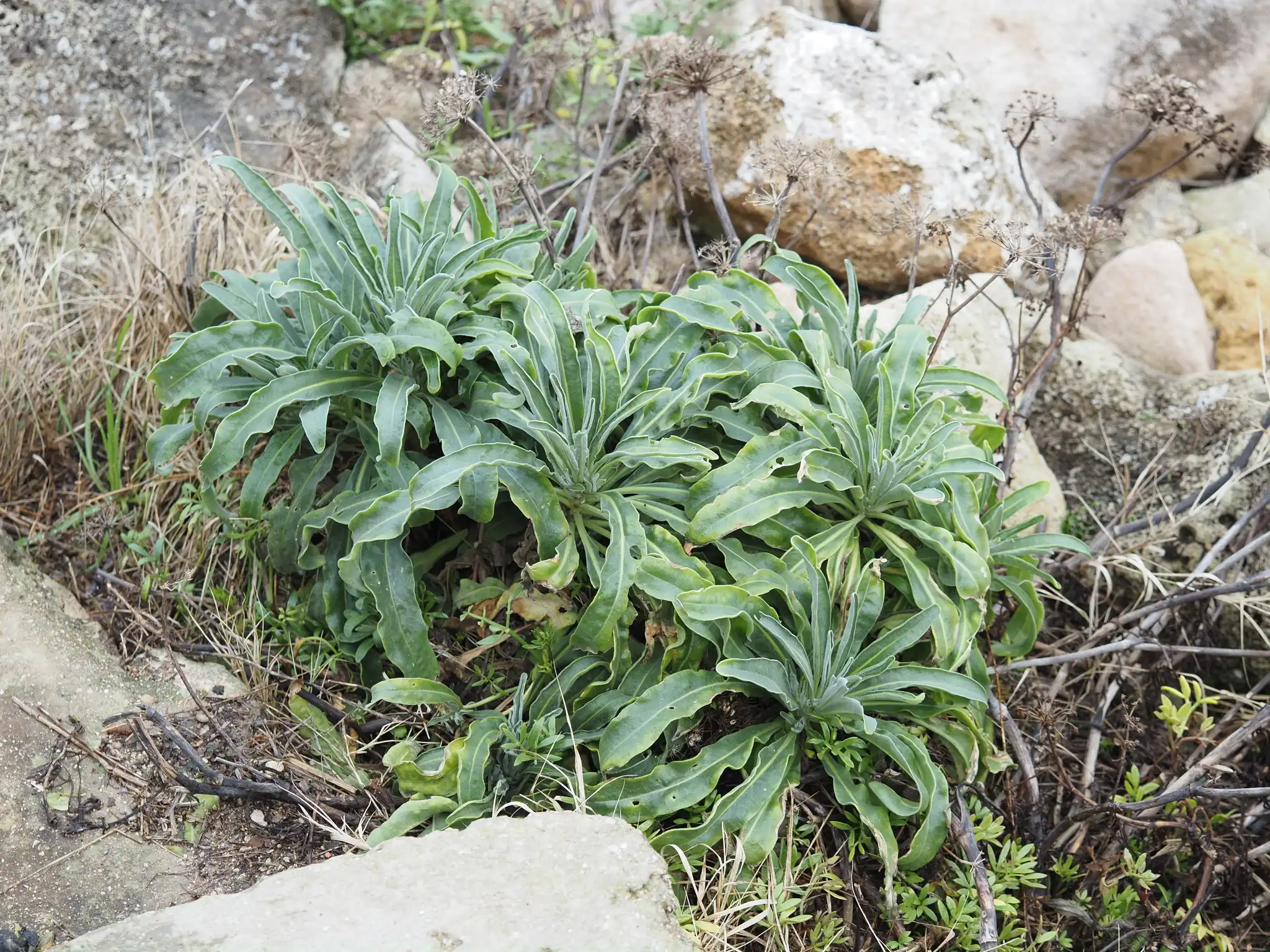
Matthiola incana is an upright, woody-based biennial or short-lived perennial grown primarily as a cool-season annual for its dense, highly fragrant flower spikes. The grey-green foliage is covered in fine, felt-like hairs, providing a soft texture that contrasts with the intense clove scent of the spring blooms.
This species is prized for its terminal racemes of single or double flowers in shades of purple, pink, lavender, and white. It performs exceptionally well in coastal gardens and temperate climates where summer nights remain cool.
Uses & Benefits:
Essentials
At a Glance
Plant Type
Annual
Height
36"
Width
18"
Light
Full Sun, Partial Sun
Zones
7, 8, 9, 10
Water
Medium
Humidity
Low to Moderate
Lifespan
Biennial / Short-lived Perennial
Native To
Southern and Western Europe
Toxicity
Non-toxic (contains goitrogens in large quantities)
Bloom period
Late spring – Summer
In flower about 4 months of the year
Planting
How to Grow
- Select a planting site in full sun to very light partial shade with excellent drainage.
- Amend the soil with organic matter to ensure a fertile, loam-based medium with a neutral to alkaline pH.
- Space plants 8 to 12 inches apart to allow adequate air circulation and prevent fungal issues.
- Water consistently to keep the soil evenly moist, avoiding waterlogged conditions that trigger root rot.
Pro Tip
This species is strictly a cool-season crop that collapses rapidly when daytime temperatures consistently exceed 80°F; professional growers select double-flowered seedlings by leaf color or vigor early on, as single-flowered variants are less desirable for cut-flower work.
Keep It Thriving
Care Guide
Do
- Deadhead spent flower spikes to encourage prolonged blooming in cool climates.
- Apply a balanced, slow-release fertilizer at planting to support steady growth.
- Provide protection or temporary cover during prolonged hard freezes.
Don't
- Do not prune heavily into old, leafless woody stems, as the plant will not regenerate from bare wood.
- Avoid over-fertilizing with nitrogen, which causes soft, disease-prone foliage and reduces flower quality.
- Do not plant in heavy, wet clay or poorly drained soils where water pools.
Seasonal Care Calendar
| Task | Jan | Feb | Mar | Apr | May | Jun | Jul | Aug | Sep | Oct | Nov | Dec |
|---|---|---|---|---|---|---|---|---|---|---|---|---|
| Deadhead | ||||||||||||
| Fertilize | ||||||||||||
| Pest Check | ||||||||||||
| Plant |
Watch Out For
Pests & Diseases
Common Pests
Common Diseases
In the Garden
Landscape Uses & Companions
Landscape Uses
Multiply
Propagation Methods
Good to Know
Common Questions
Stock questions
What zones can Stock grow in?
Stock is hardy in USDA Zones 7–10. Inside that range it survives winter in the ground; outside it, grow it as an annual or a container plant you protect.
Is Stock deer resistant?
Not reliably. Deer may browse Stock, especially tender spring growth — plan on repellents or fencing where pressure is high.
When does Stock bloom?
Stock typically blooms in late spring through summer. Exact timing shifts a week or two with your zone — Sow's bloom calendar maps it to your garden.
Does Stock need full sun?
Stock does best in full sun to part shade. In hot climates, afternoon shade keeps blooms fresher longer.
Keep exploring
Explore the genus
Hardy in your zone?
Grow Stock with confidence
See it in a design of your actual yard, get zone-matched care reminders, and track it season by season in your garden journal.