

The Story
Plant Bio
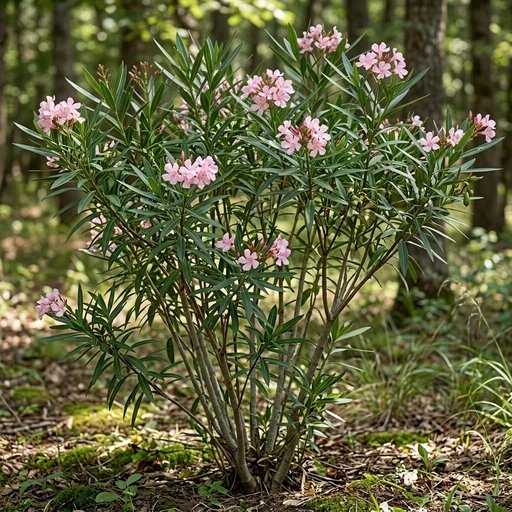
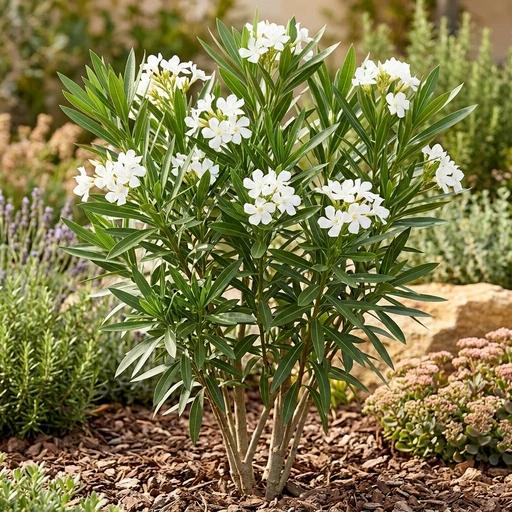
Nerium oleander is a tough, fast-growing evergreen shrub known for its showy flowers and tolerance of difficult conditions like heat, drought, and poor soil. All parts of the plant are highly toxic if ingested.
'Petite Pink' is a popular dwarf cultivar prized for its compact, mounding habit and a profuse, long-lasting display of soft pink, single flowers. Its smaller size makes it ideal for containers and smaller garden spaces.
Uses & Benefits:
Essentials
At a Glance
Plant Type
Shrub
Height
48"
Width
48"
Light
Full Sun, Partial Sun
Zones
8, 9, 10
Water
Low
Humidity
Low to moderate
Lifespan
Long-lived evergreen shrub
Native To
Mediterranean region
Toxicity
All parts are highly toxic to humans and pets
Bloom period
Late spring – Early fall
In flower about 5 months of the year
Planting
How to Grow
- Select a location receiving at least 6 hours of direct sun daily.
- Dig a hole twice as wide as the container but just as deep.
- Amend heavy clay soil with compost to improve drainage.
- Gently remove the plant and loosen any circling roots.
- Set the plant in the hole with the root crown at soil level.
- Water thoroughly after planting and mulch to conserve moisture.
Pro Tip
Plant in the sunniest, best-drained spot available; it thrives on neglect and resents wet feet more than anything else.
Keep It Thriving
Care Guide
Do
- Wear gloves and long sleeves when pruning to avoid skin irritation from sap.
- Water deeply but infrequently once the plant is established.
- Provide excellent drainage, especially in containers.
- Prune after flowering to encourage bushiness and more blooms.
Don't
- Do not plant near playgrounds or areas frequented by children or pets due to toxicity.
- Never burn oleander trimmings, as the smoke is toxic.
- Avoid overwatering, which can lead to root rot.
- Do not plant in shady locations, as this will severely reduce flowering.
Seasonal Care Calendar
| Task | Jan | Feb | Mar | Apr | May | Jun | Jul | Aug | Sep | Oct | Nov | Dec |
|---|---|---|---|---|---|---|---|---|---|---|---|---|
| Fertilize | ||||||||||||
| Pest Check | ||||||||||||
| Prune |
Watch Out For
Pests & Diseases
Common Pests
Common Diseases
In the Garden
Landscape Uses & Companions
Landscape Uses
Multiply
Propagation Methods
Good to Know
Common Questions
Petite Pink Oleander questions
What zones can Petite Pink Oleander grow in?
Petite Pink Oleander is hardy in USDA Zones 8–10. Inside that range it survives winter in the ground; outside it, grow it as an annual or a container plant you protect.
Is Petite Pink Oleander deer resistant?
Yes — Petite Pink Oleander is rated deer-resistant. Deer typically pass it over, though extreme hunger can override any plant's defenses.
When does Petite Pink Oleander bloom?
Petite Pink Oleander typically blooms in late spring through early fall. Exact timing shifts a week or two with your zone — Sow's bloom calendar maps it to your garden.
Does Petite Pink Oleander need full sun?
Petite Pink Oleander does best in full sun to part shade. In hot climates, afternoon shade keeps blooms fresher longer.
Is Petite Pink Oleander drought tolerant?
Yes — once established (usually after the first full season), Petite Pink Oleander handles dry spells with minimal watering. Water deeply its first year to build the root system that makes that possible.
More Nerium to compare
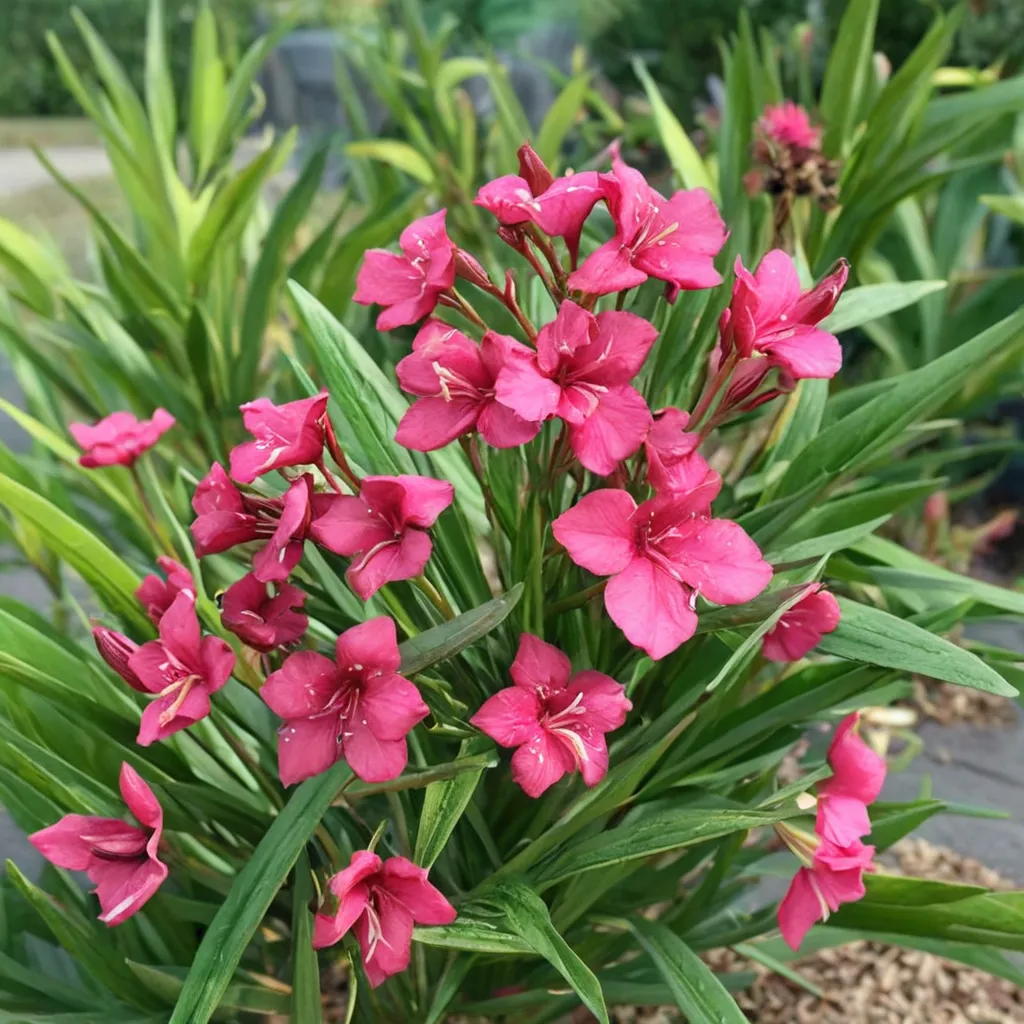
Oleander Pretty Limits
Nerium oleander 'Pretty Limits'
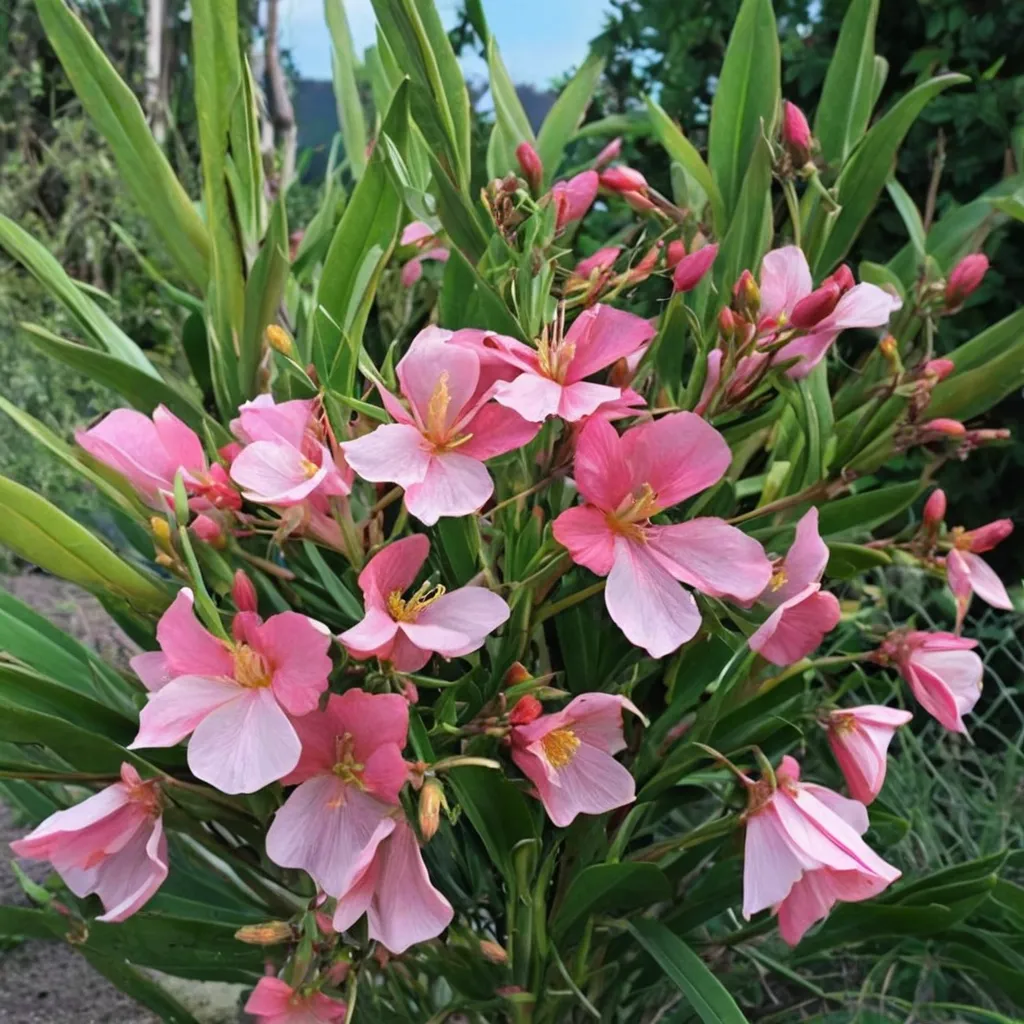
Nerium Oleander Hardy Pink
Nerium oleander 'Hardy Pink'
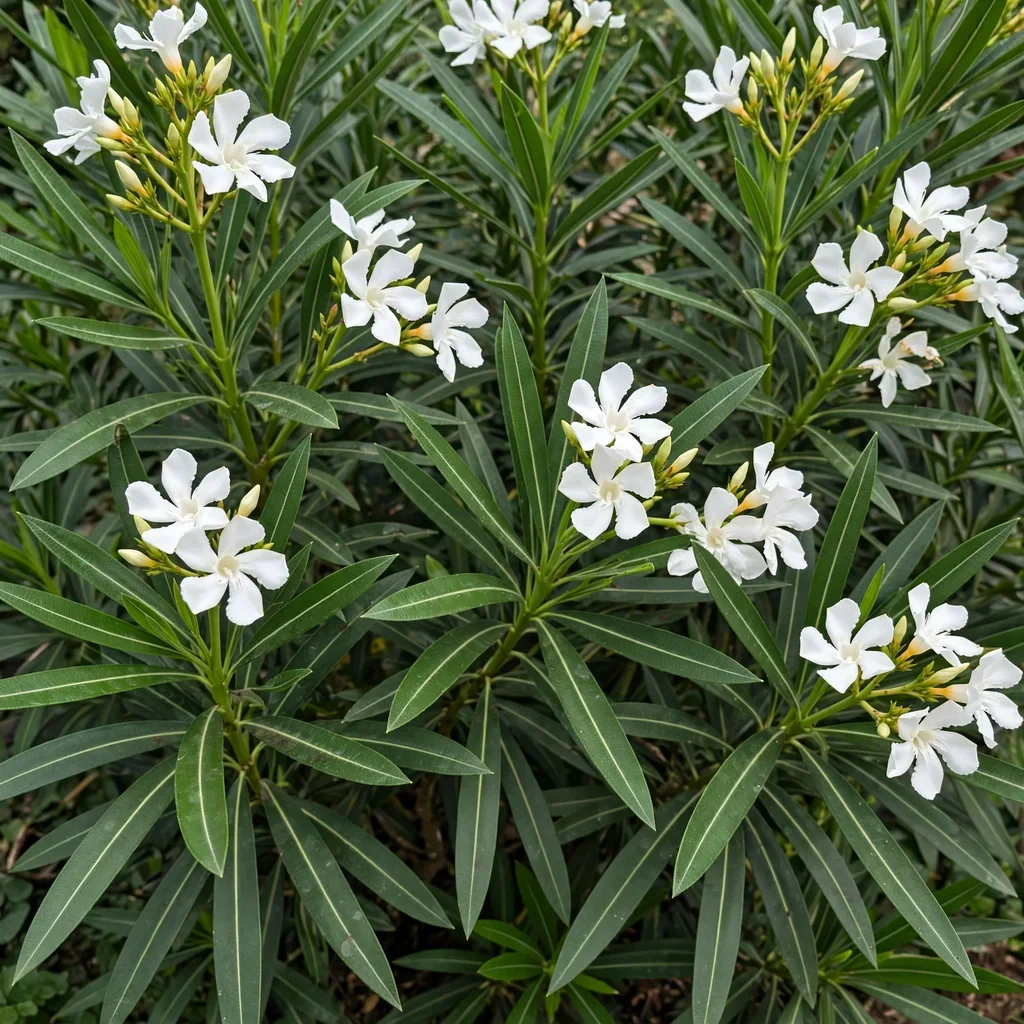
Nerium Oleander Hardy White
Nerium oleander 'Hardy White'
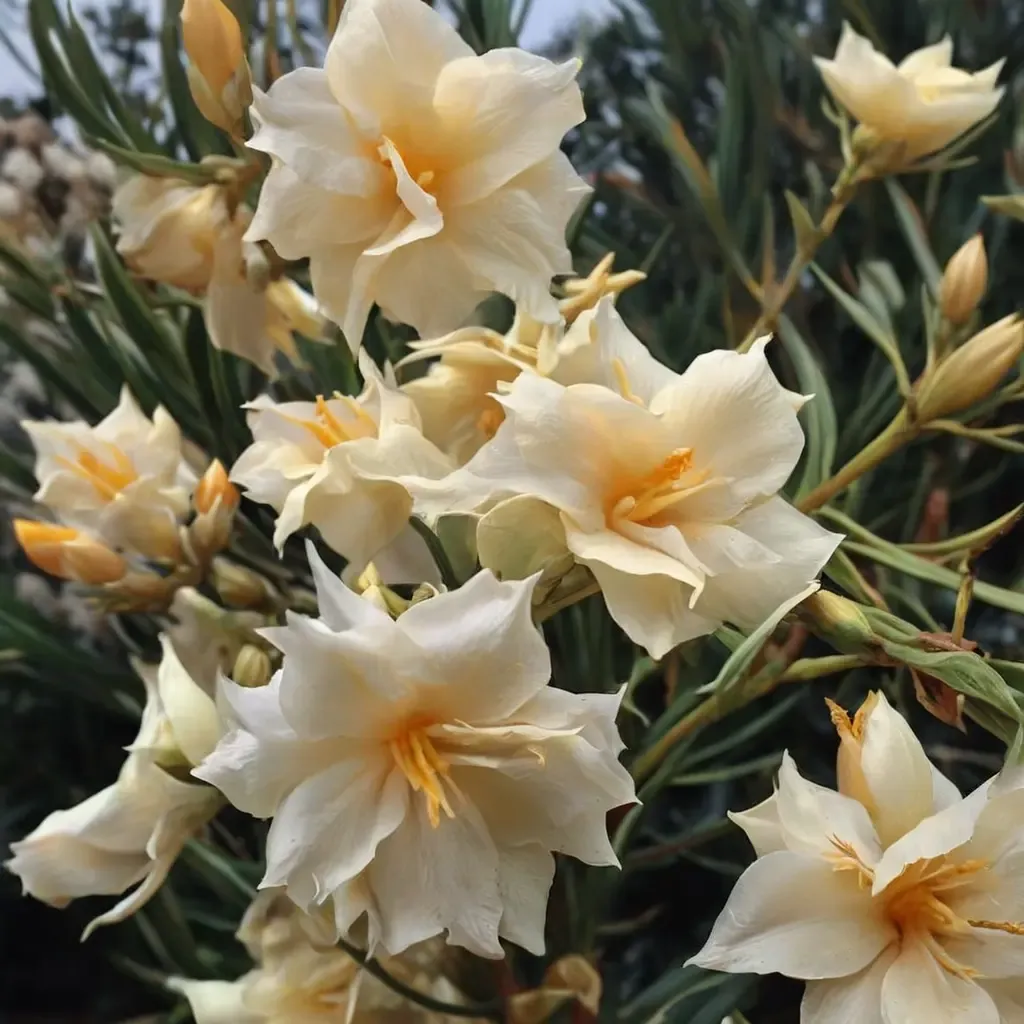
Mathilde Ferrier Oleander
Nerium oleander 'Mathilde Ferrier'
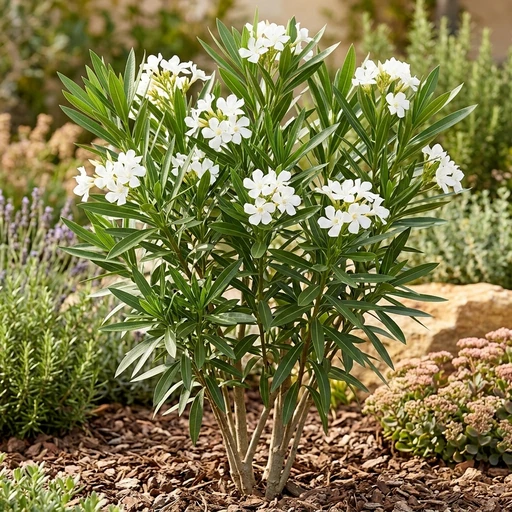
White Oleander
Nerium oleander 'White'
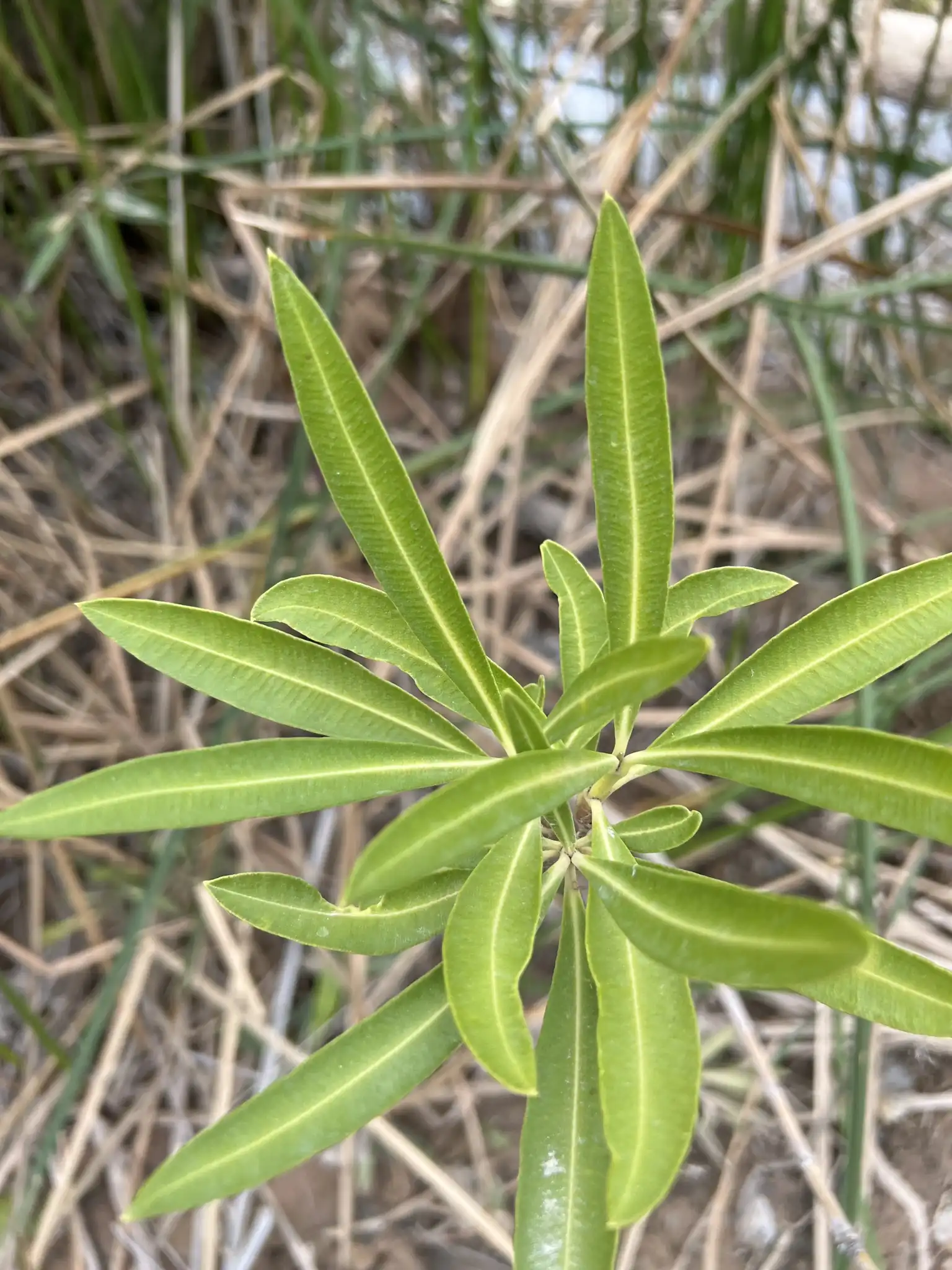
Oleander
Nerium oleander
Keep exploring
Explore the genus
Hardy in your zone?
Grow Petite Pink Oleander with confidence
See it in a design of your actual yard, get zone-matched care reminders, and track it season by season in your garden journal.