Also known as Oleander · 52 saves
Nerium
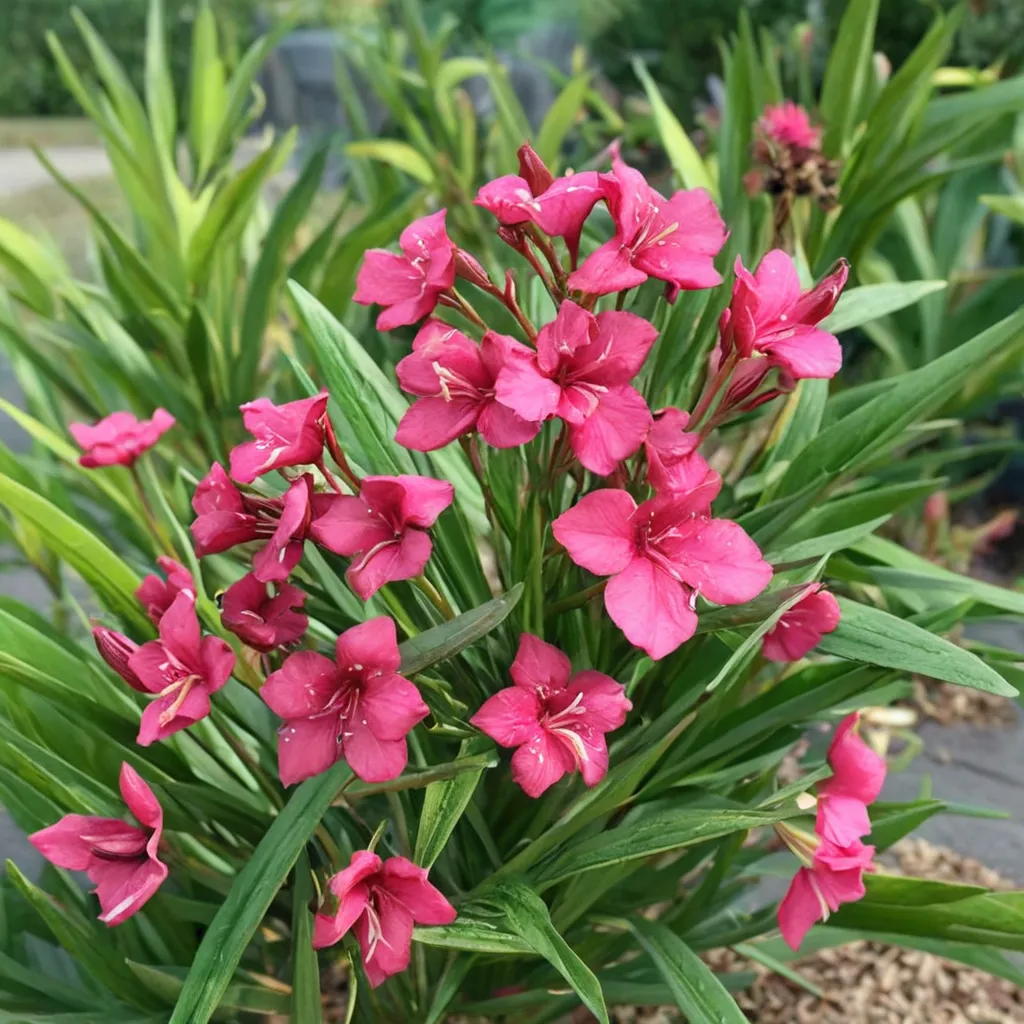
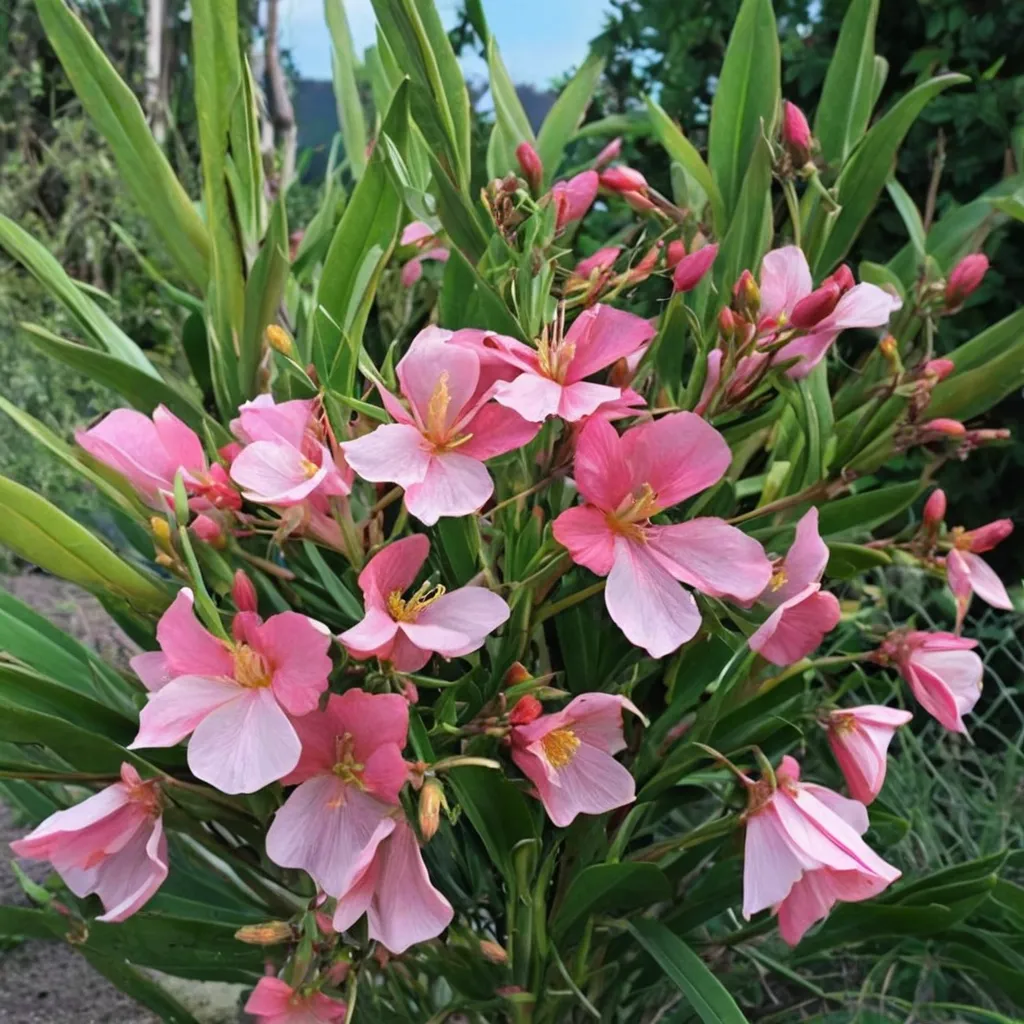
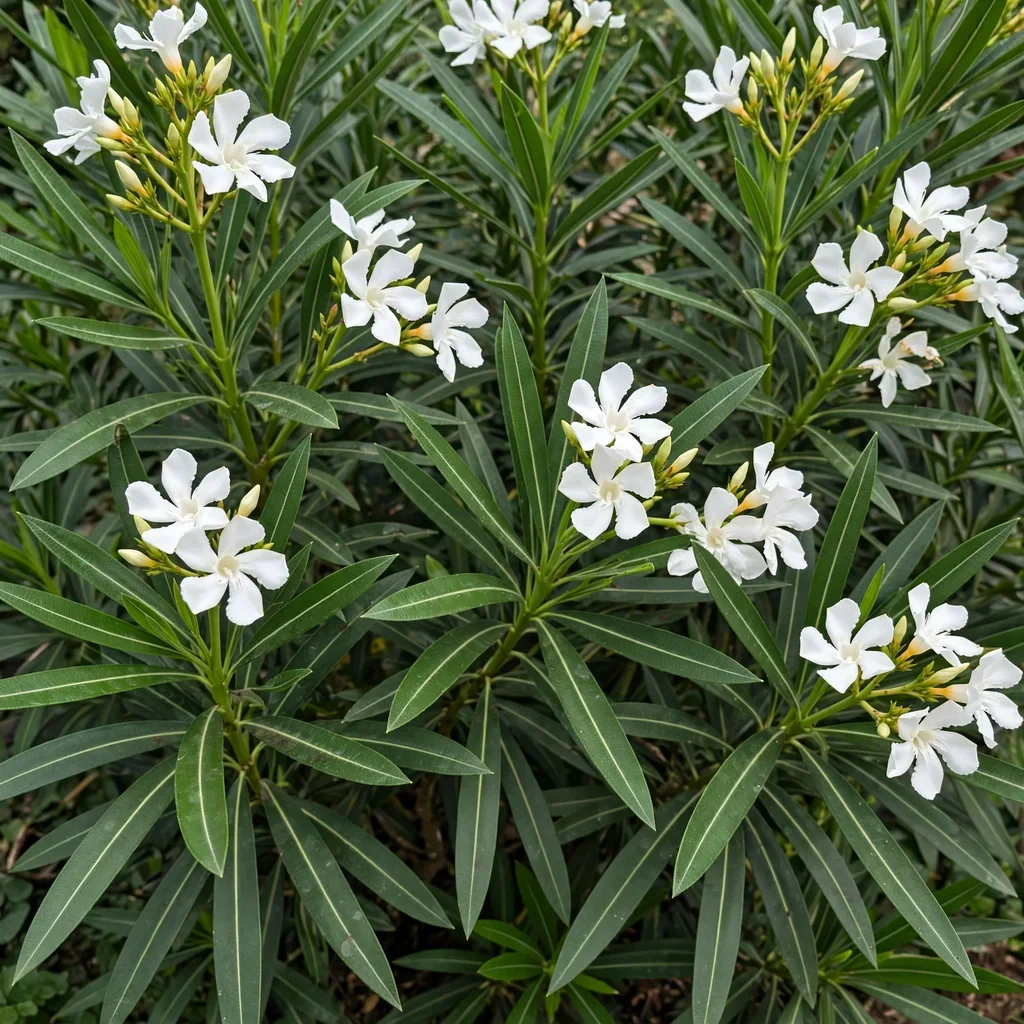
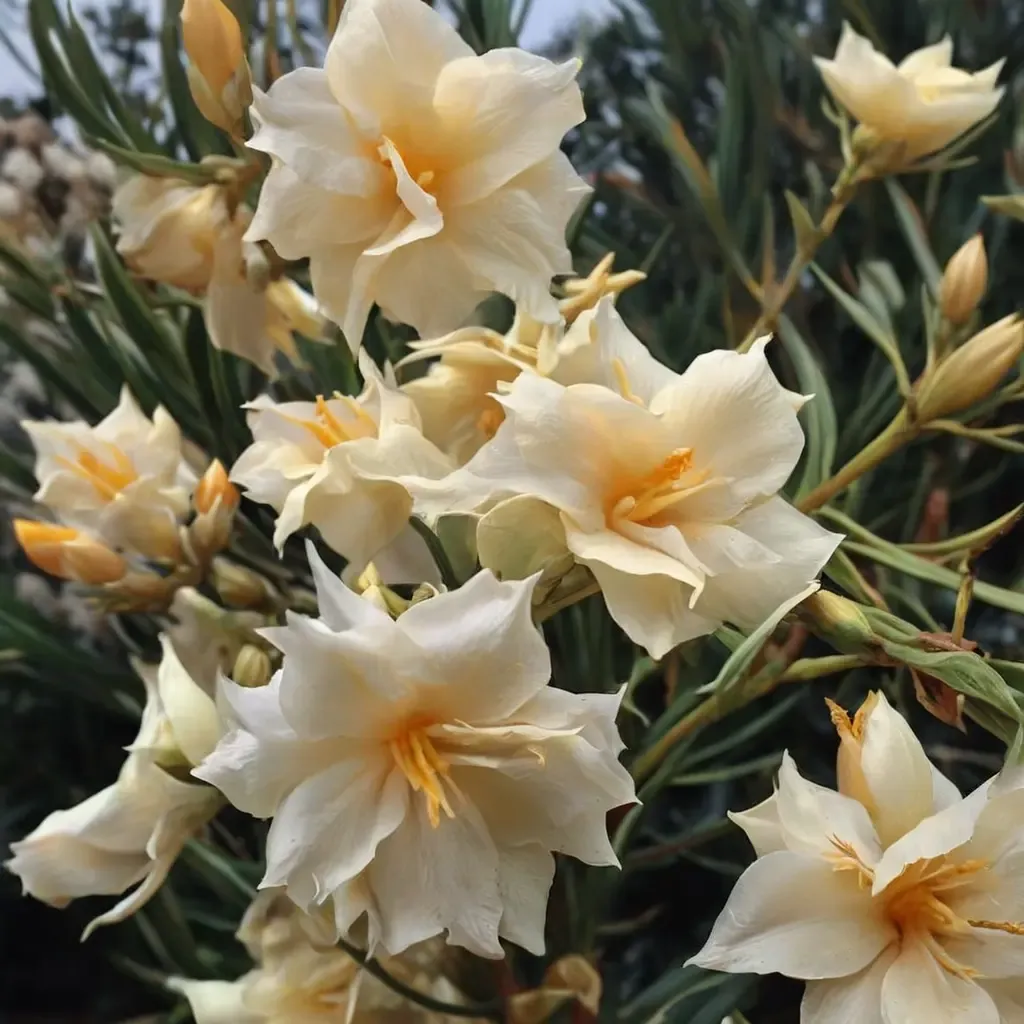
Nerium, the genus most gardeners know as oleander. We track 7 varieties; the ones most used by real gardeners.
The 7 most-saved Nerium varieties
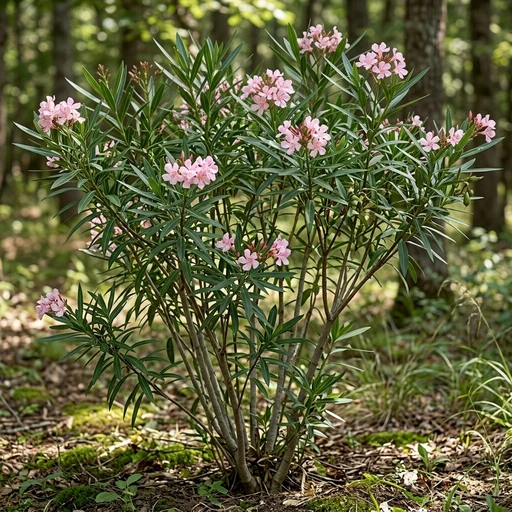
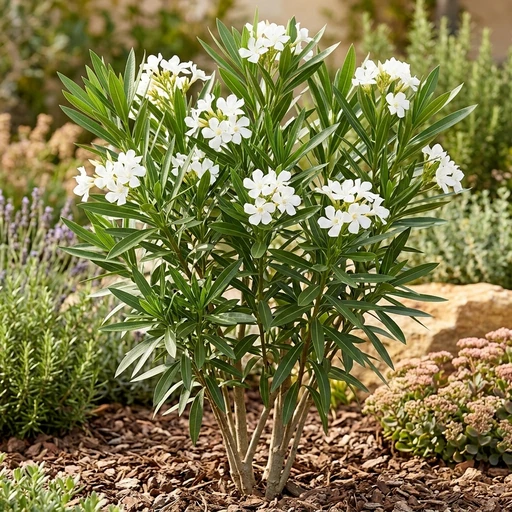
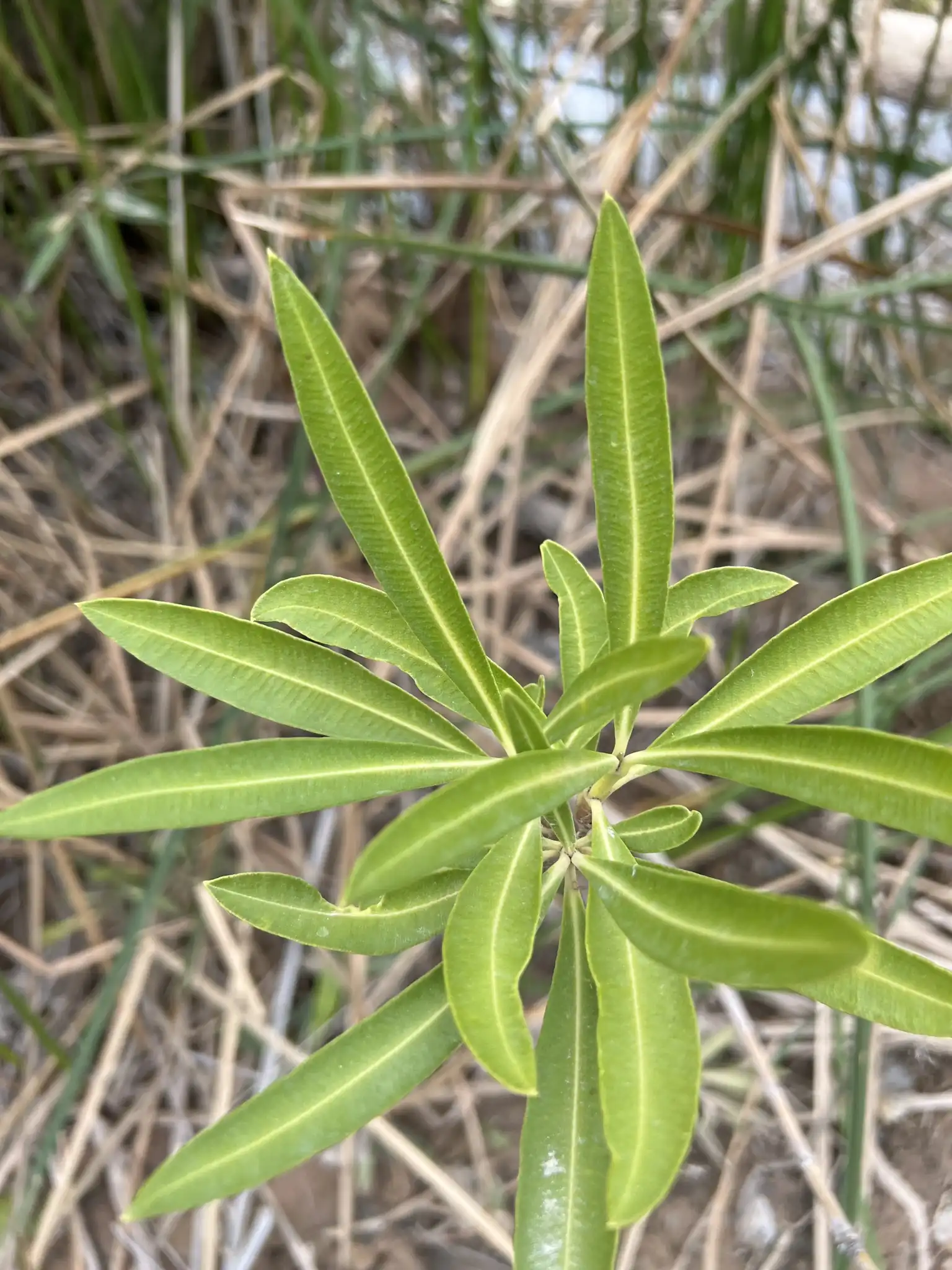
Species of Nerium
Each one is a parent of the varieties above.
Track your Nerium in Sow
Save the Nerium you grow and get care reminders timed to your zone.
How to grow Nerium
Whats common across all Nerium varieties in our catalog — drawn from the care records of the 7 most-grown of them.
The Nerium year
- PruneSeptember and October86% of varieties
Shape or cut back severely in late winter; remove dead or damaged wood
- FertilizeApril71% of varieties
Apply a balanced fertilizer in early spring to support heavy flowering
- Check for PestsMay–September71% of varieties
Watch for scale insects and oleander aphids
- Winter PrepDecember43% of varieties
Apply a thick layer of mulch around the base for root protection


Do
- Water deeply during dry spells 🌱
- Grow it in full sun and sharply drained soil ☀️
- Wear gloves and sleeves when pruning 🧤
- Use it where salt, heat and pollution defeat other shrubs 🌊
- Bag and bin all prunings safely 🗑️
Avoid
- Never burn oleander trimmings, as the smoke is toxic.
- Do not burn the prunings; the smoke is toxic ❌
- Do not plant it near livestock, children's play areas or vegetable beds ❌
- Do not use the stems as skewers, kindling or plant stakes ❌
What goes wrong with Nerium
| Problem | What you'll see | What to do |
|---|---|---|
| Aphids | Sticky residue on leaves, distorted growth | Use insecticidal soap or neem oil |
| Scale insects | Hardened shells on stems and leaves | Apply horticultural oil |
| Oleander Caterpillar | Bright orange, black-tufted caterpillars that feed in groups and can rapidly defoliate the plant. | Hand-pick for light infestations. Apply Bacillus thuringiensis (Bt) when caterpillars are small. A systemic insecticide can be used for severe cases. |
| Scale Insects | Hard or soft bumps on stems and leaves, leading to sooty mold from their sticky excretions. | Spray with horticultural oil. For heavy infestations, use a systemic insecticide containing dinotefuran. |
| Root rot | Wilting, yellowing leaves | Improve drainage, avoid overwatering |
| Oleander Leaf Scorch | A bacterial disease causing uniform yellowing or browning of leaf margins, progressing to kill entire branches. | There is no cure. Prune out affected branches well below the symptomatic tissue to slow its spread. Keep the plant healthy to improve resistance. |
| Oleander leaf scorch | Leaves brown from the tips and margins inwards on one branch at a time, spreading through the plant over two or three seasons until it dies | There is no cure. Remove and destroy affected plants, since the bacterium is spread by sharpshooter insects to healthy neighbours |
Making more Nerium
Cuttings
- Take semi-hardwood cuttings in late summer.
- Dip in rooting hormone and plant in moist soil.
- Mist regularly to maintain humidity.
- Keep in warm, bright location for 6 weeks to root.
Semi-ripe stem cuttings
- Take 6 in cuttings from firm current-season canes in summer, wearing gloves.
- Remove the lower leaves and insert in a gritty free-draining mix.
- Keep warm and humid; cuttings also root readily in plain water.
Nerium questions
How many types of Nerium are there?
The Sow catalog tracks 7 distinct Nerium varieties. The most popular — ranked by 52 real gardeners — are shown first above.
What zones does Nerium grow in?
Across its varieties, Nerium covers USDA Zones 8–10. Individual varieties differ — each plant page lists its exact range, and Sow filters the catalog to your zone automatically.
When does Nerium bloom?
Most Nerium varieties bloom in summer, fall, late spring, summer. Staggering early, mid, and late varieties extends the genus's season in one bed.
Which Nerium should I choose?
Start from the most-saved varieties above — popularity across thousands of gardens is a strong signal of reliability — then filter by your zone and sun. In the Sow app you can preview any of them in a photo of your actual yard before you buy.