The Story
Plant Bio
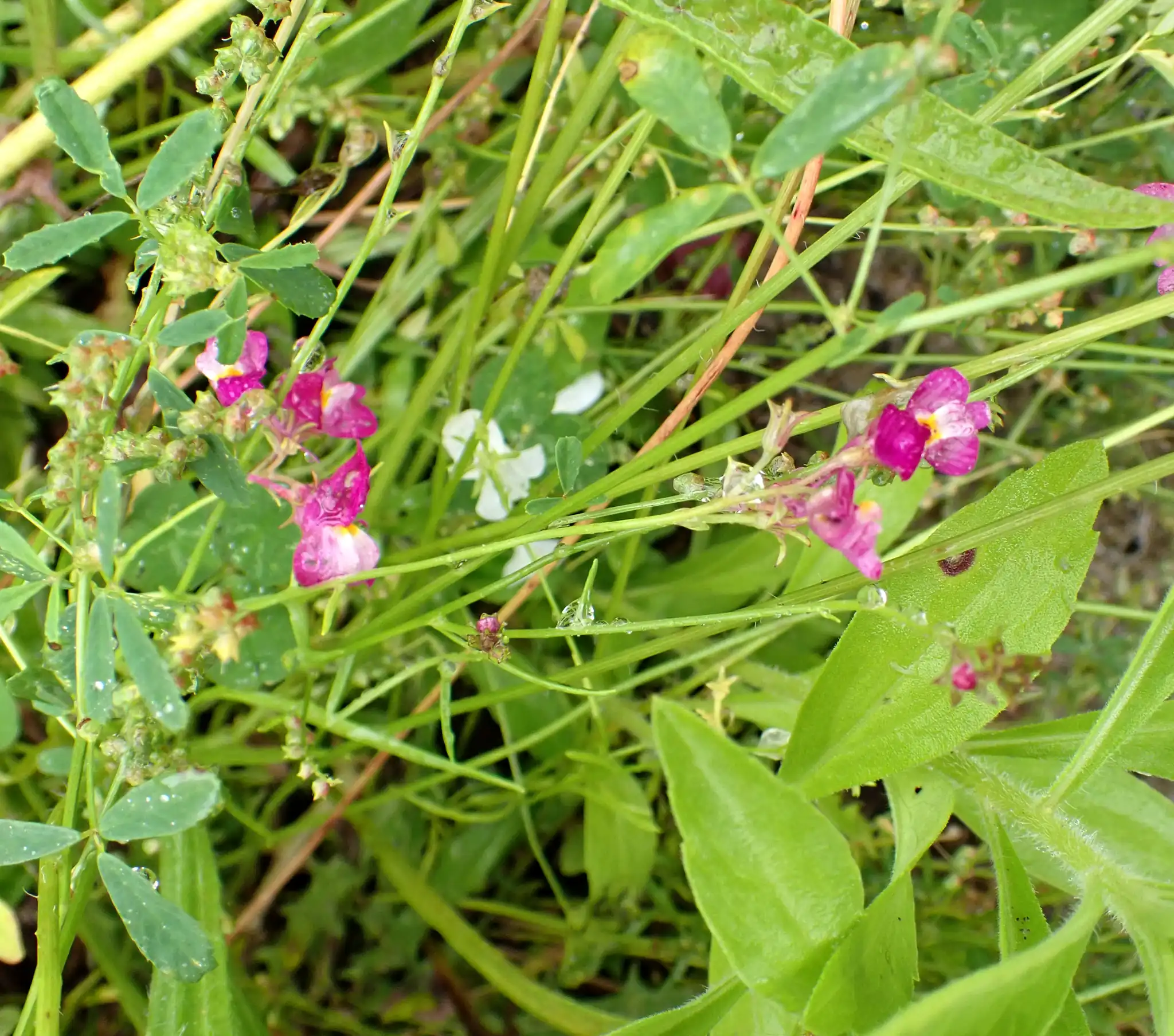
Linaria maroccana is an upright, slender annual herb native to Morocco, characterized by its fine texture and narrow, linear green leaves. The plant produces dense terminal clusters of miniature, two-lipped flowers resembling tiny snapdragons, each equipped with a distinct nectar spur.
While the wild species bears violet-purple flowers with a yellow or white palate blotch, cultivated selections expand the color range to include red, pink, yellow, orange, and white. The species serves as a transient, cool-season specialist that completes its lifecycle before the onset of intense summer heat.
Uses & Benefits:
Essentials
At a Glance
Plant Type
Annual
Height
18"
Width
12"
Light
Full Sun, Partial Sun
Zones
4, 5, 6, 7, 8, 9, 10
Water
Moderate
Humidity
Low
Lifespan
Annual
Native To
Morocco
Toxicity
Non-toxic
Bloom period
Spring – Early summer
In flower about 4 months of the year
Planting
How to Grow
- Sow seeds directly onto prepared, finely raked soil in early spring or late summer, pressing them lightly into the surface as they require light to germinate.
- Thin seedlings to stand six inches apart once they reach two inches in height to prevent overcrowding and encourage branching.
- Water regularly to maintain even soil moisture during the establishment phase, transitioning to moderate watering once the root systems develop.
- Apply a balanced, low-nitrogen fertilizer sparingly to prevent leggy, weak stems that flop under the weight of the flower spikes.
Pro Tip
Pull the plants completely once summer heat causes them to decline, as they will not recover, or cut them back lightly after the first spring flush to secure a brief secondary bloom in cooler maritime zones.
Keep It Thriving
Care Guide
Do
- Provide sharp, excellent soil drainage to prevent root rot.
- Deadhead or shear back lightly after the first heavy bloom to stimulate a second flush of flowers.
- Sow in successive batches every two weeks in early spring for an extended blooming window.
Don't
- Do not overwater or plant in heavy clay soils that retain standing water.
- Avoid heavy applications of nitrogen-rich fertilizers, which stimulate foliage at the expense of flowers.
- Do not attempt to keep the plants alive through hot, humid summer weather.
Seasonal Care Calendar
| Task | Jan | Feb | Mar | Apr | May | Jun | Jul | Aug | Sep | Oct | Nov | Dec |
|---|---|---|---|---|---|---|---|---|---|---|---|---|
| Fertilize | ||||||||||||
| Pest Check | ||||||||||||
| Plant | ||||||||||||
| Prune |
Watch Out For
Pests & Diseases
Common Pests
Common Diseases
In the Garden
Landscape Uses & Companions
Landscape Uses
Companion Plants
Multiply
Propagation Methods
Good to Know
Common Questions
Moroccan Toadflax questions
What zones can Moroccan Toadflax grow in?
Moroccan Toadflax is hardy in USDA Zones 4–10. Inside that range it survives winter in the ground; outside it, grow it as an annual or a container plant you protect.
When does Moroccan Toadflax bloom?
Moroccan Toadflax typically blooms in spring through early summer. Exact timing shifts a week or two with your zone — Sow's bloom calendar maps it to your garden.
Does Moroccan Toadflax need full sun?
Moroccan Toadflax does best in full sun to part shade. In hot climates, afternoon shade keeps blooms fresher longer.
Is Moroccan Toadflax drought tolerant?
Yes — once established (usually after the first full season), Moroccan Toadflax handles dry spells with minimal watering. Water deeply its first year to build the root system that makes that possible.
More Linaria to compare
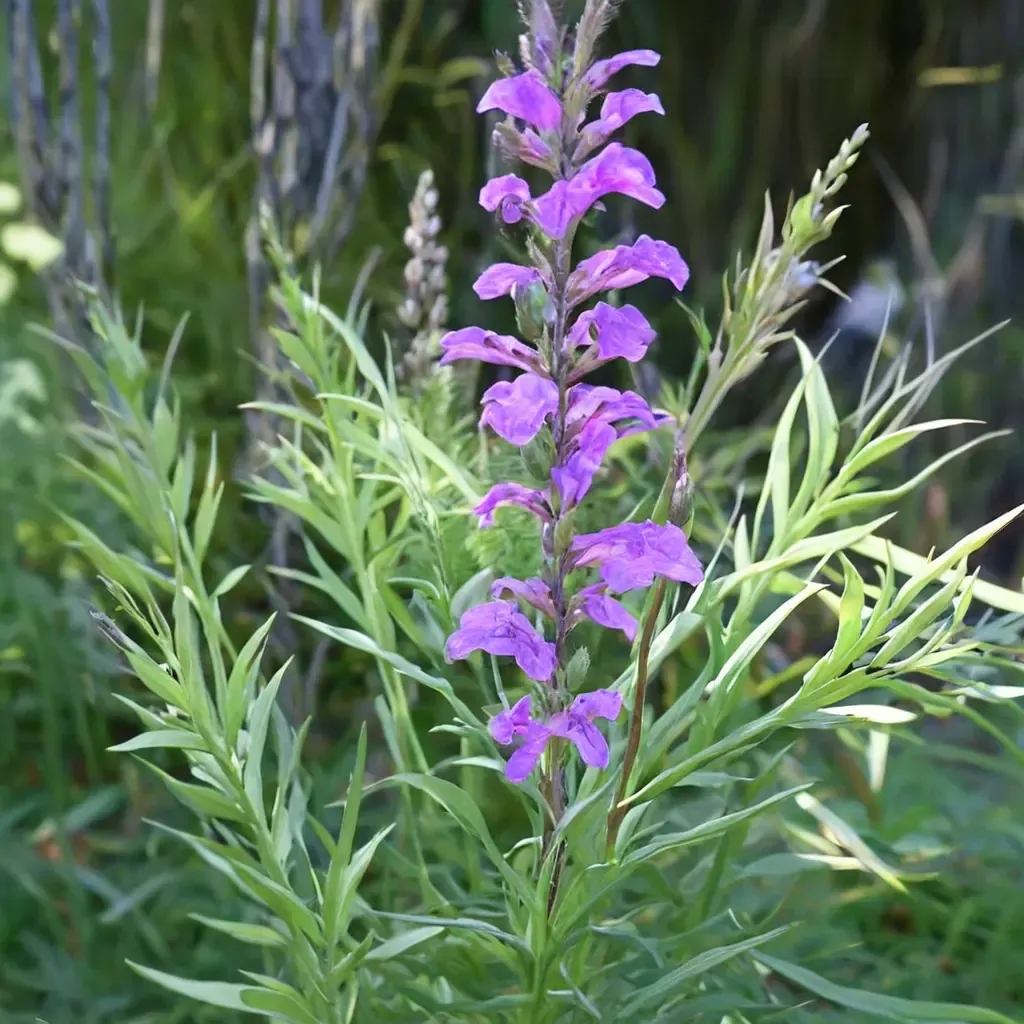
Purple Toadflax
Linaria purpurea
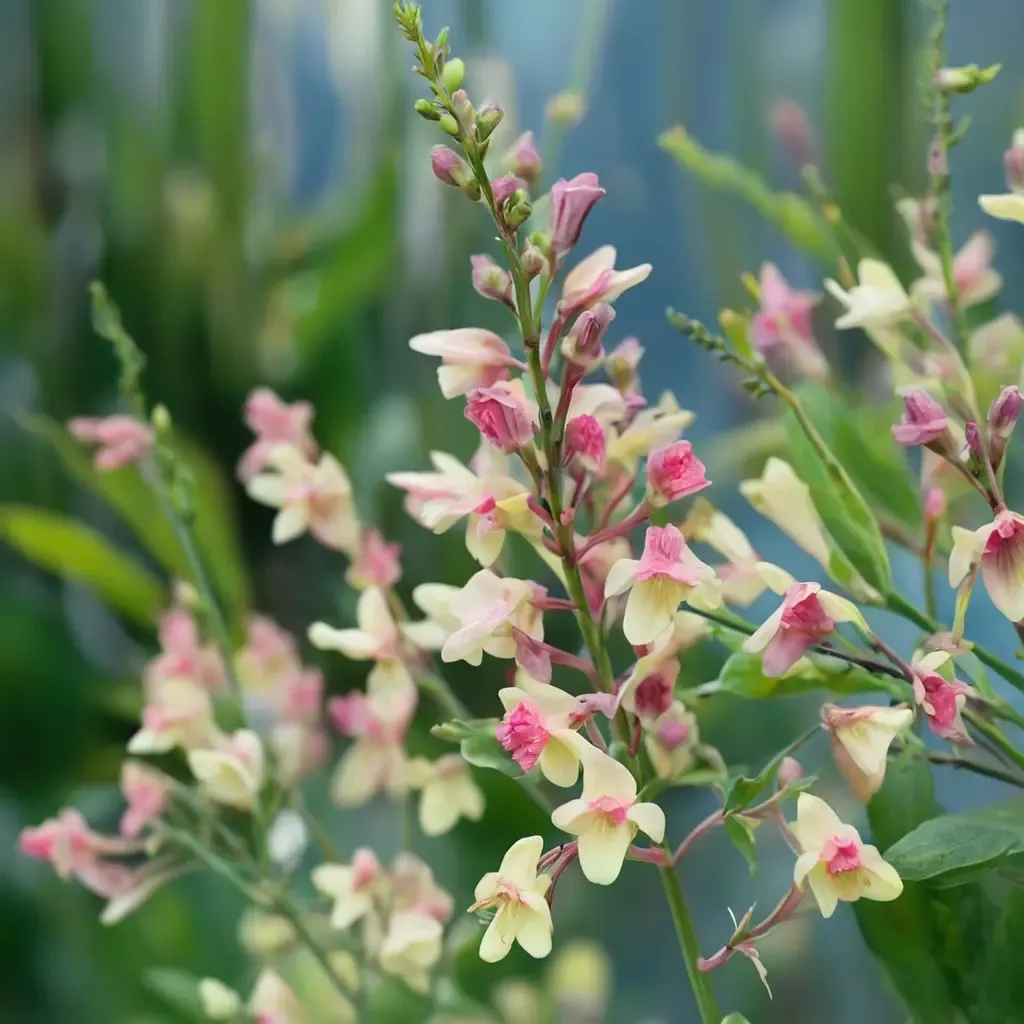
Peachy Purple Toadflax
Linaria purpurea 'Peachy'
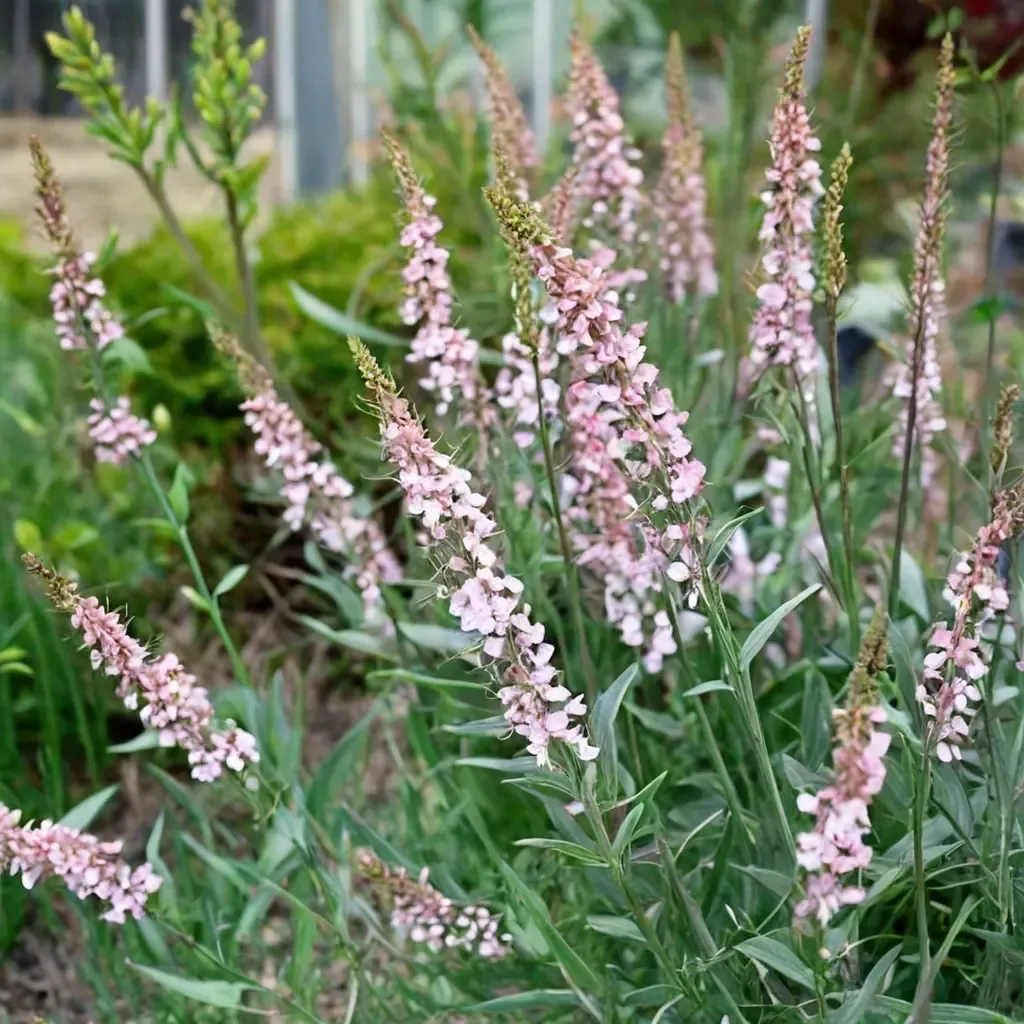
Canon Went Purple Toadflax
Linaria purpurea 'Canon Went'
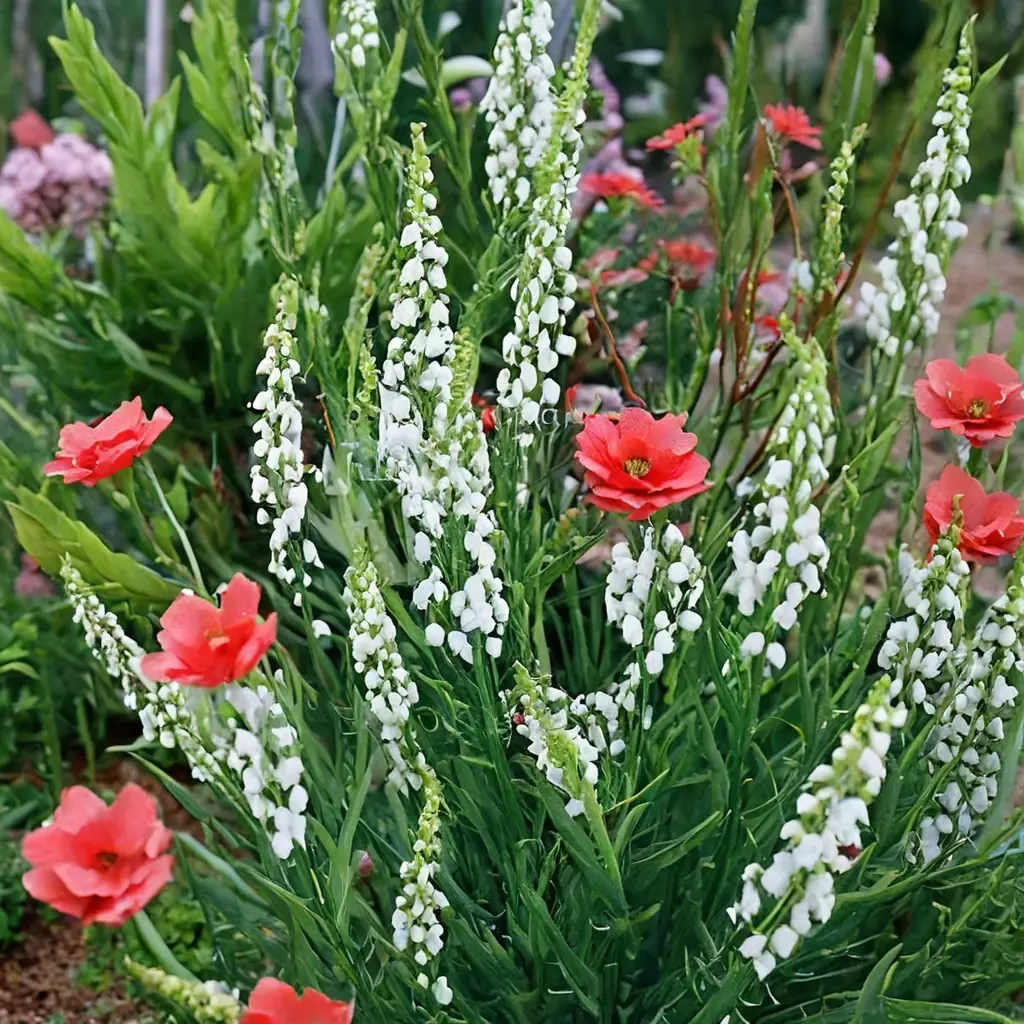
White Toadflax
Linaria purpurea 'Alba'
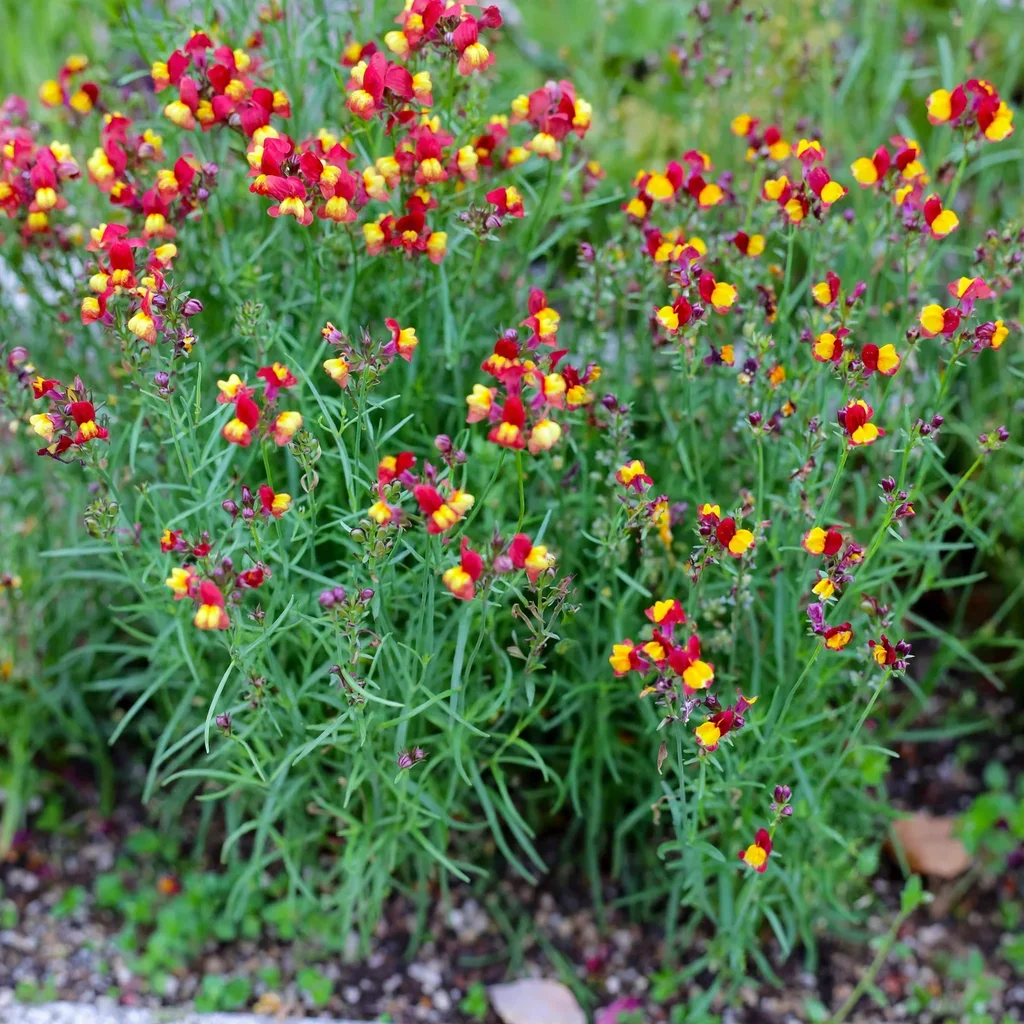
Flamenco Toadflax
Linaria reticulata 'Flamenco'
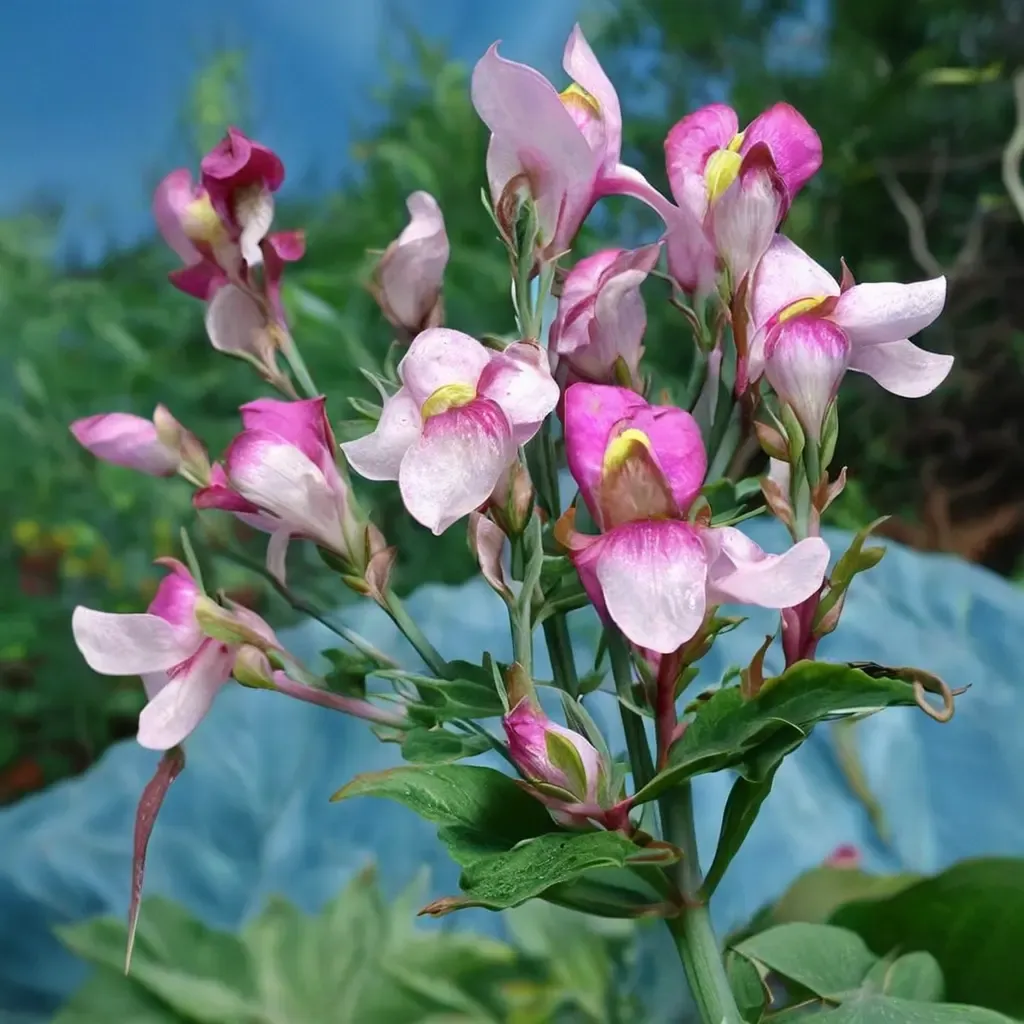
Three Birds Toadflax
Linaria triornithophora
Keep exploring
Explore the genus
Grow Moroccan Toadflax with confidence
See it in a design of your actual yard, get zone-matched care reminders, and track it season by season in your garden journal.