The Story
Plant Bio
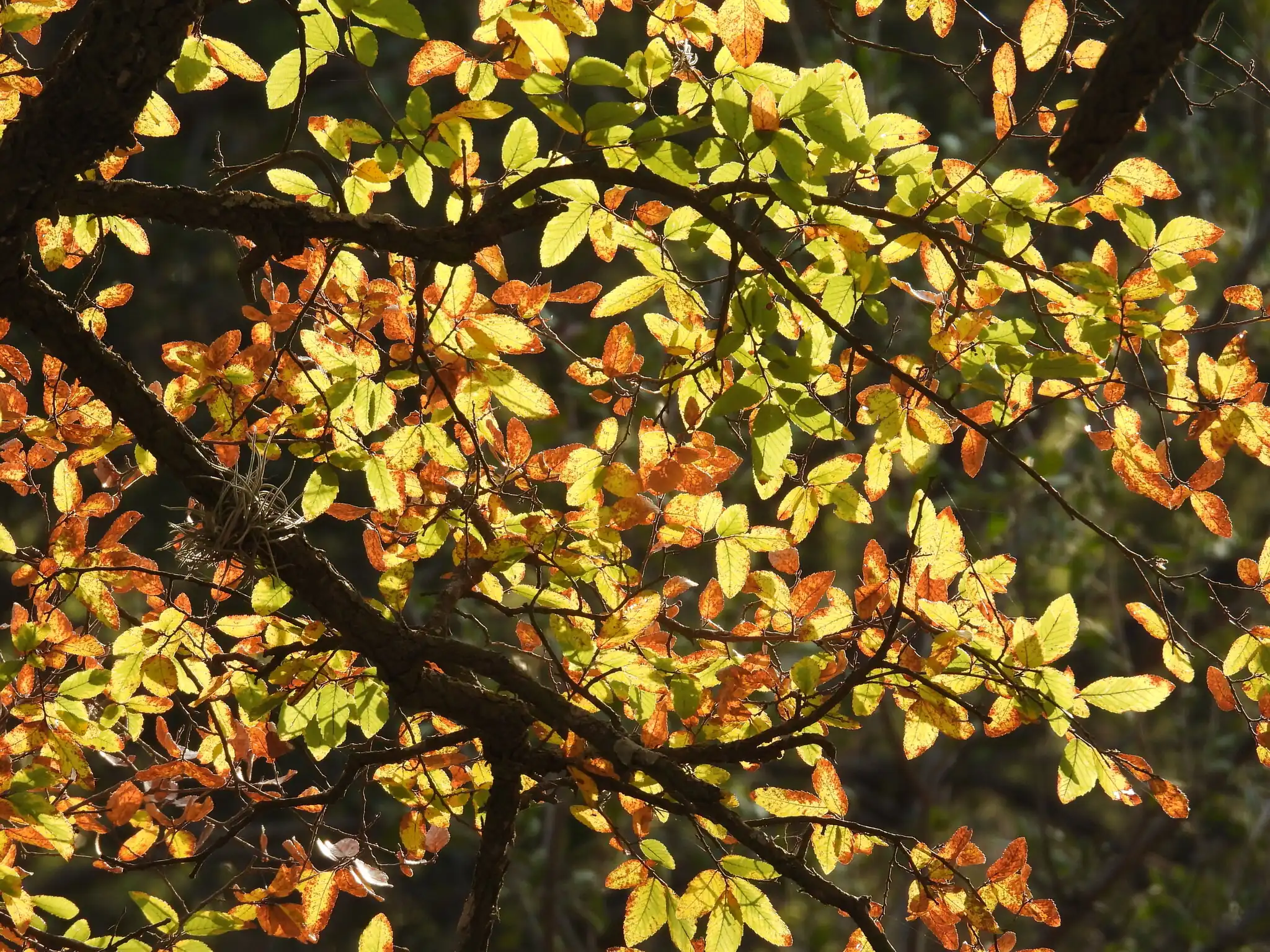
Ulmus crassifolia, the Cedar Elm, is a tough, medium to large deciduous tree native to the south-central United States. It is highly adaptable to various soils, including heavy clays and alkaline conditions, and is known for its small, rough leaves and corky wings on the branches.
Unlike most elms that flower in spring, the Cedar Elm is unique for flowering and setting seed in the fall. This characteristic, along with its exceptional drought and heat tolerance, makes it a resilient and valuable shade tree for challenging climates.
Uses & Benefits:
Essentials
At a Glance
Plant Type
Tree
Height
720"
Width
600"
Light
Full Sun
Zones
6, 7, 8, 9
Water
Low to medium
Humidity
Adaptable
Lifespan
Over 100 years
Native To
South-Central United States
Toxicity
Non-toxic
Bloom period
Late summer – Early fall
In flower about 2 months of the year
Planting
How to Grow
- Select a site in full sun with ample space for a large tree.
- Dig a planting hole two to three times wider than the root ball.
- Ensure the top of the root ball is slightly above the surrounding soil level.
- Backfill with native soil, breaking up any large clumps.
- Water thoroughly to eliminate air pockets and settle the soil.
- Apply a 3-inch layer of mulch over the root zone, avoiding the trunk.
Pro Tip
Water deeply and infrequently after establishment to encourage a deep, drought-resistant root system, making it even more resilient.
Keep It Thriving
Care Guide
Do
- Provide full sun for optimal growth.
- Water regularly during the first few years to establish.
- Prune in winter to develop a strong branch structure.
- Tolerate a wide range of soil types, from clay to sand.
Don't
- Don't plant too deep; keep the root flare visible.
- Avoid excessive fertilization, as it's not typically necessary.
- Don't overwater once the tree is established.
- Avoid major pruning during the growing season.
Seasonal Care Calendar
| Task | Jan | Feb | Mar | Apr | May | Jun | Jul | Aug | Sep | Oct | Nov | Dec |
|---|---|---|---|---|---|---|---|---|---|---|---|---|
| Pest Check | ||||||||||||
| Plant | ||||||||||||
| Prune |
Watch Out For
Pests & Diseases
Common Pests
Common Diseases
In the Garden
Landscape Uses & Companions
Landscape Uses
Multiply
Propagation Methods
Good to Know
Common Questions
Cedar Elm questions
What zones can Cedar Elm grow in?
Cedar Elm is hardy in USDA Zones 6–9. Inside that range it survives winter in the ground; outside it, grow it as an annual or a container plant you protect.
Is Cedar Elm deer resistant?
Yes — Cedar Elm is rated deer-resistant. Deer typically pass it over, though extreme hunger can override any plant's defenses.
When does Cedar Elm bloom?
Cedar Elm typically blooms in late summer through early fall. Exact timing shifts a week or two with your zone — Sow's bloom calendar maps it to your garden.
Does Cedar Elm need full sun?
Cedar Elm does best in full sun (6+ hours).
Is Cedar Elm drought tolerant?
Yes — once established (usually after the first full season), Cedar Elm handles dry spells with minimal watering. Water deeply its first year to build the root system that makes that possible.
More Ulmus to compare
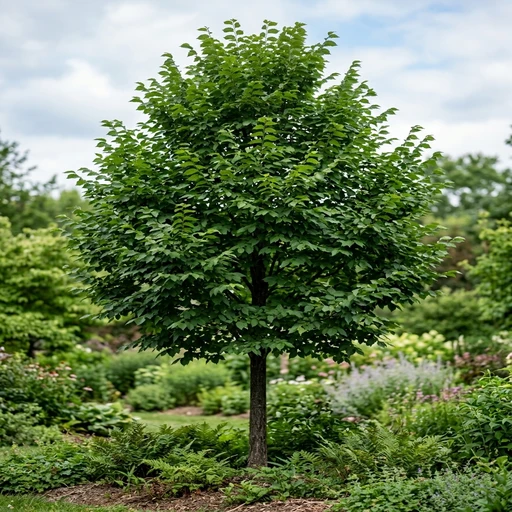
Princeton Elm
Ulmus americana 'Princeton'
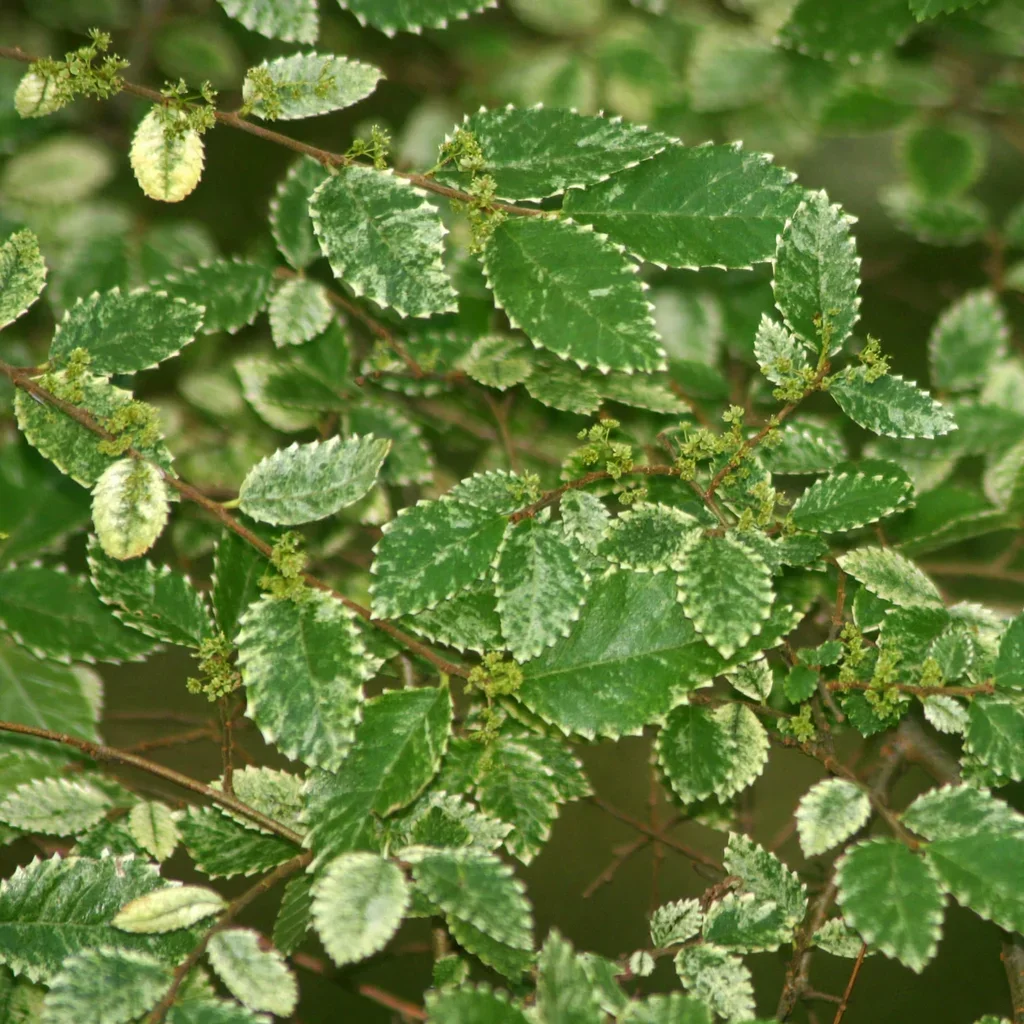
Variegated Chinese Elm
Ulmus parvifolia 'Variegata'
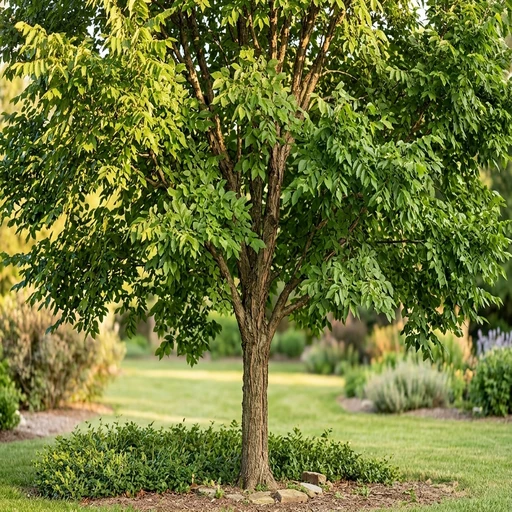
Winged Elm
Ulmus alata
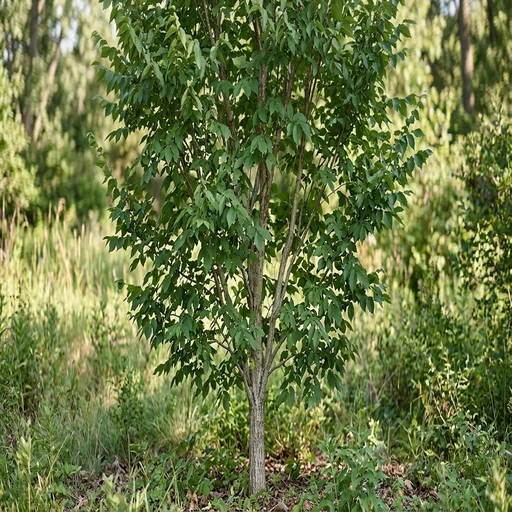
Colonial Spirit American Elm
Ulmus americana 'Colonial Spirit'
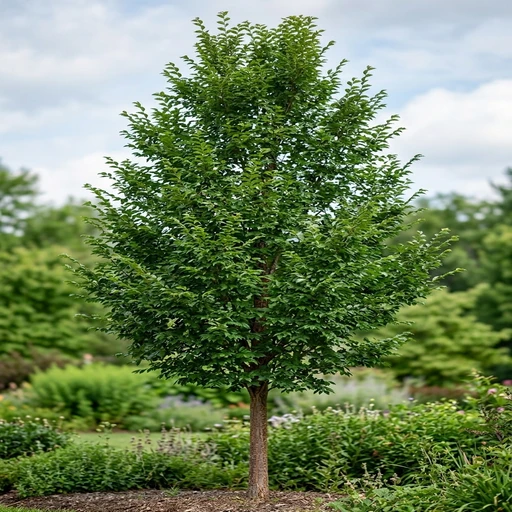
Everclear Lacebark Elm
Ulmus parvifolia 'Everclear'
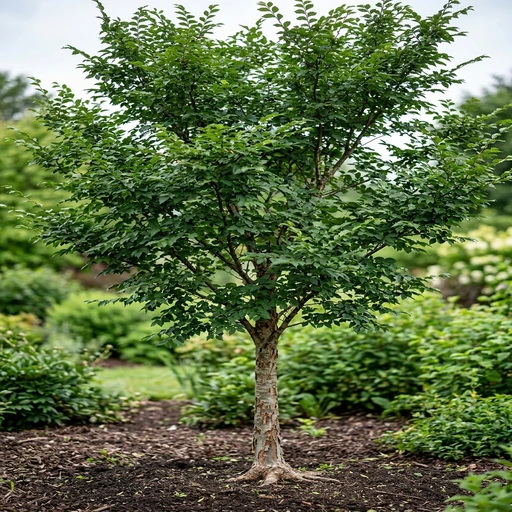
Allee Lacebark Elm
Ulmus parvifolia 'Emer Ii'
Keep exploring
Explore the genus
Hardy in your zone?
Grow Cedar Elm with confidence
See it in a design of your actual yard, get zone-matched care reminders, and track it season by season in your garden journal.