Also known as Elm · 598 saves
Ulmus
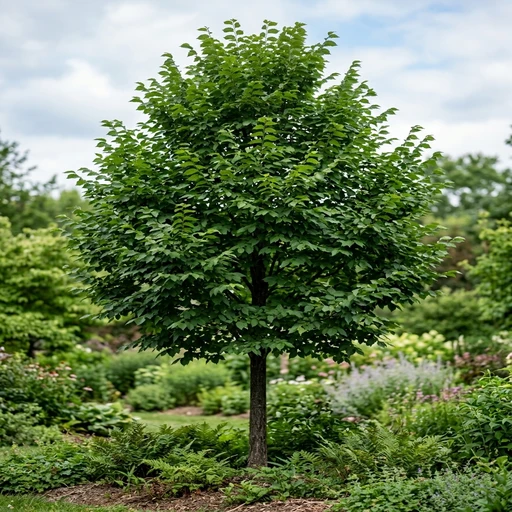
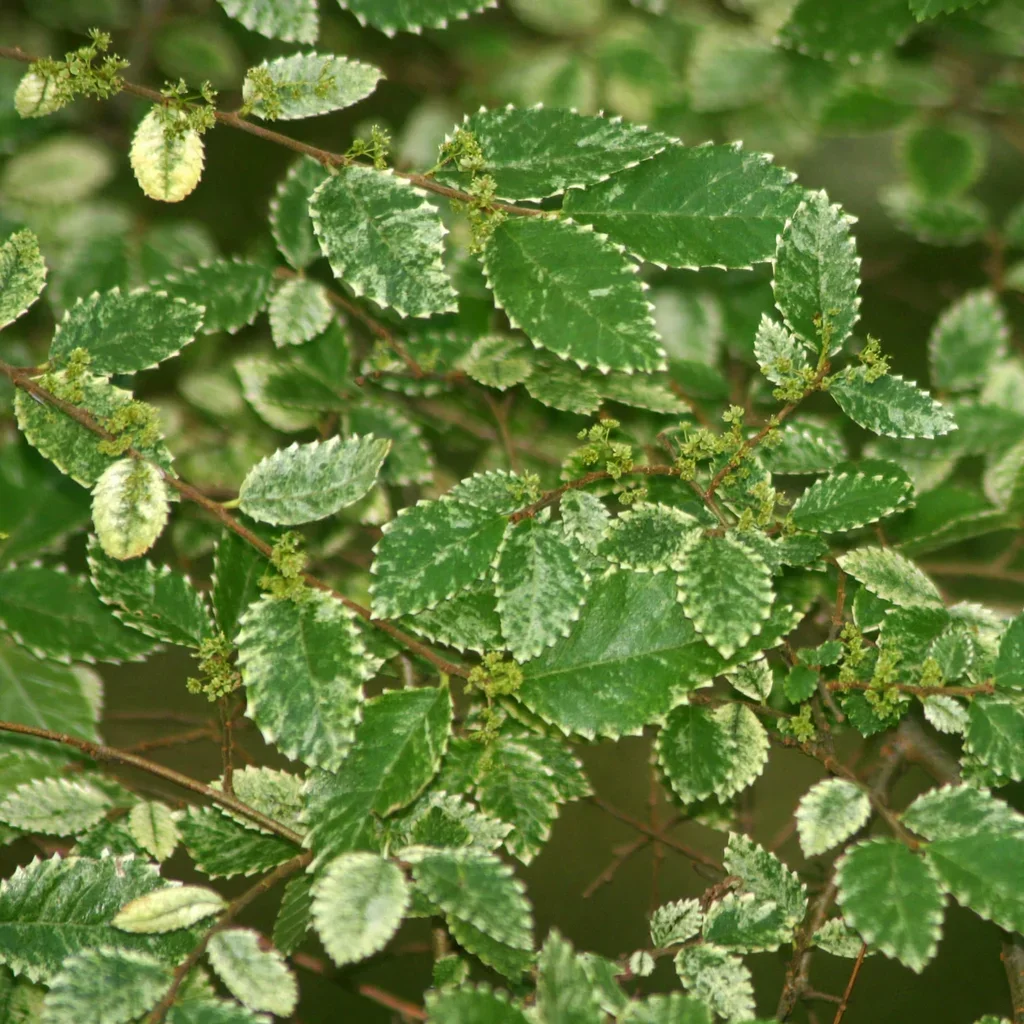
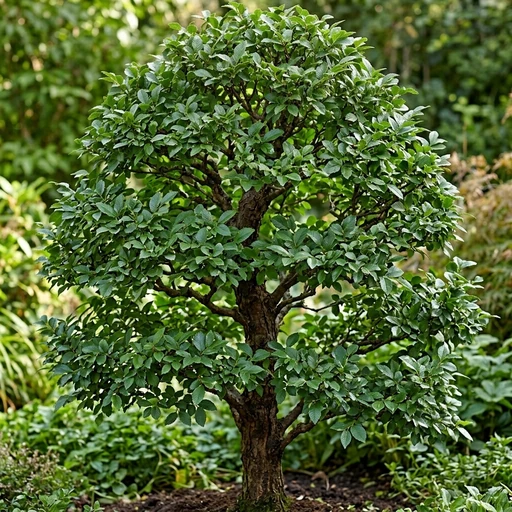
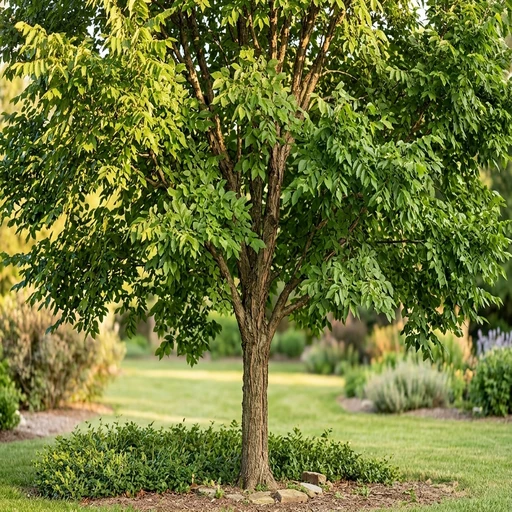
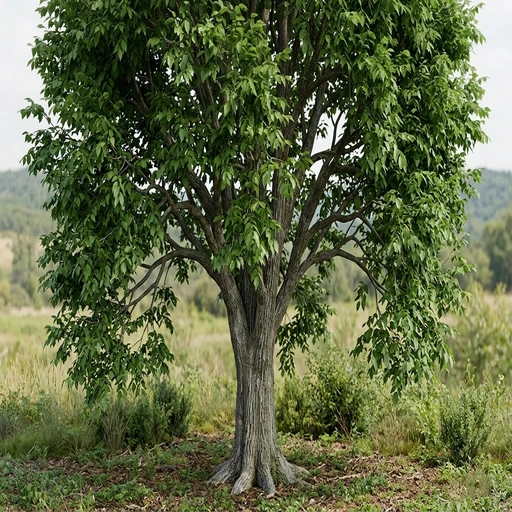
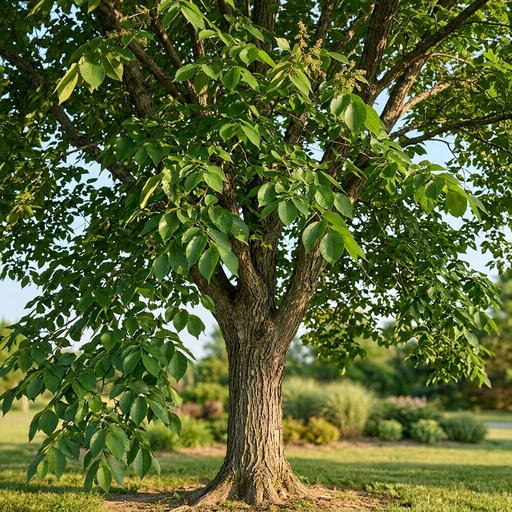
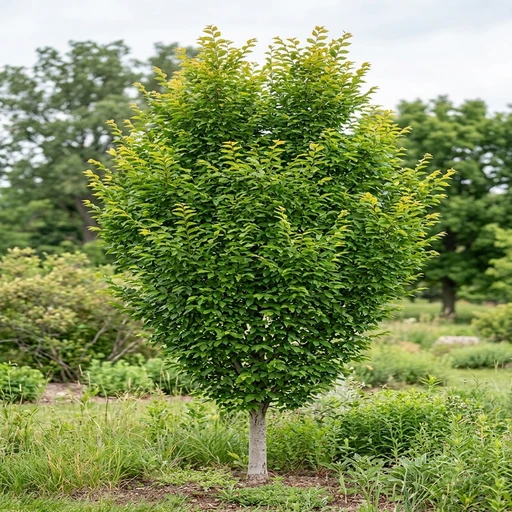
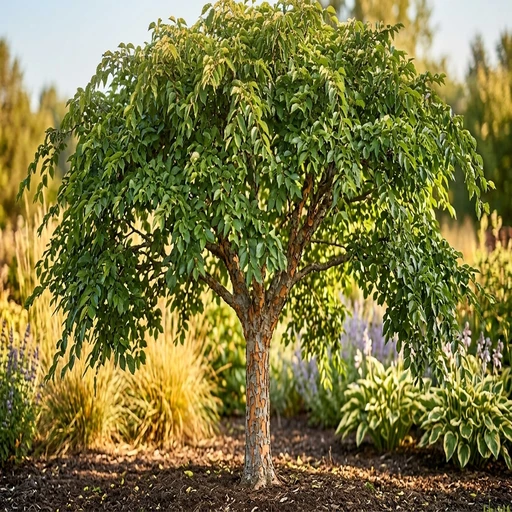
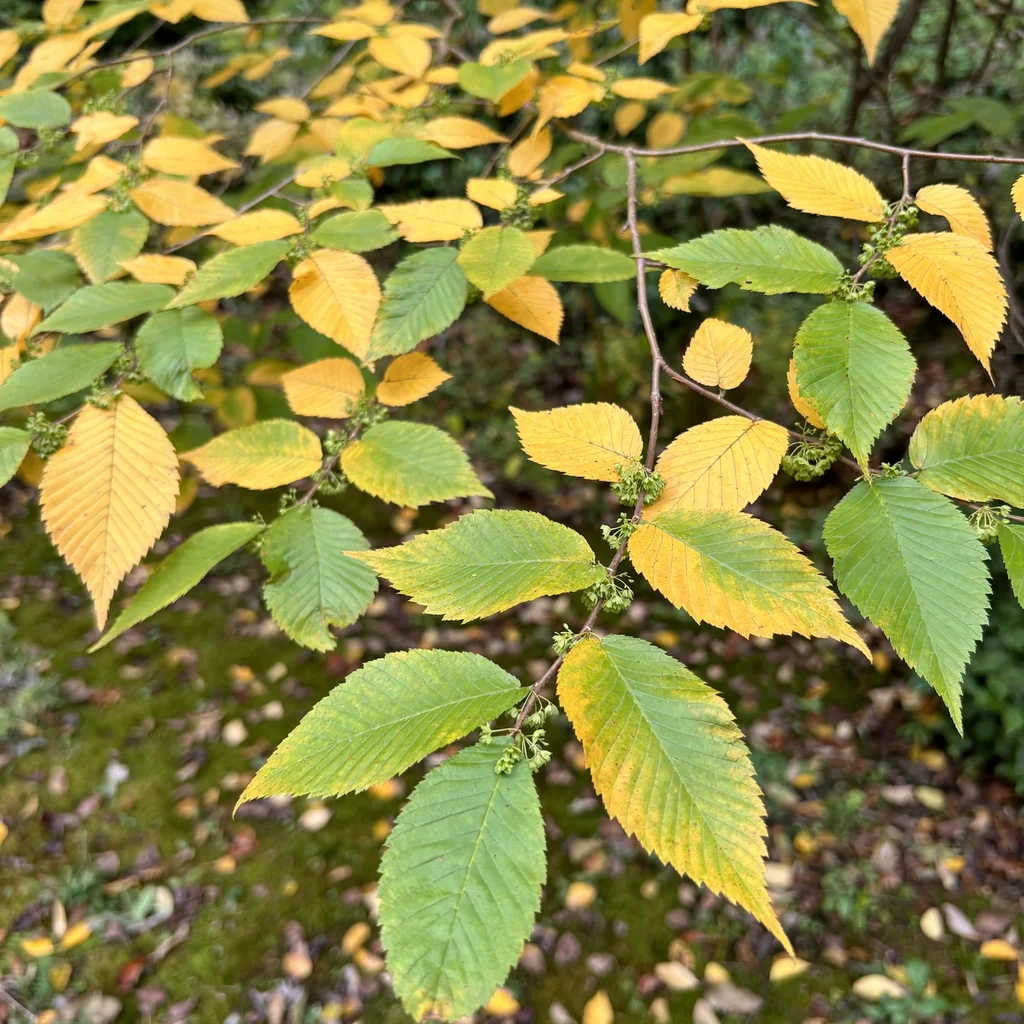
Ulmus, the genus most gardeners know as elm. We track 22 varieties; the ones most used by real gardeners.
The 21 most-saved Ulmus varieties
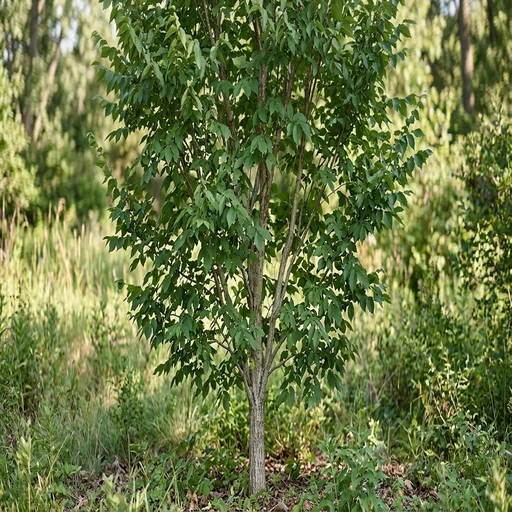
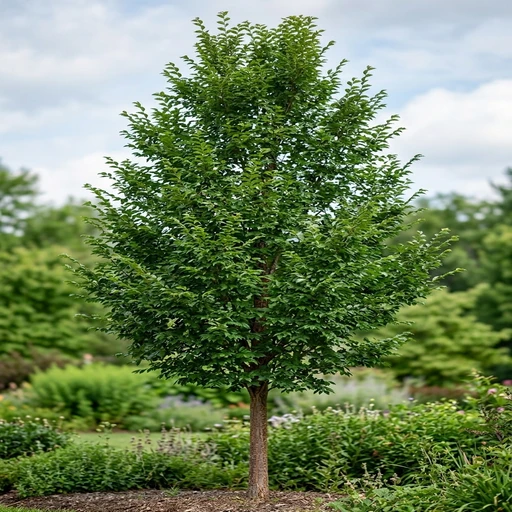
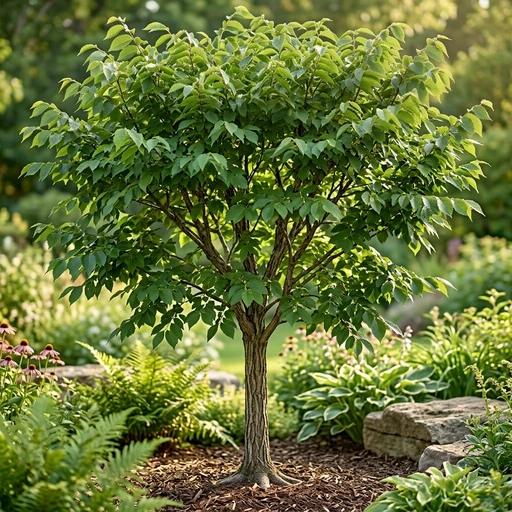
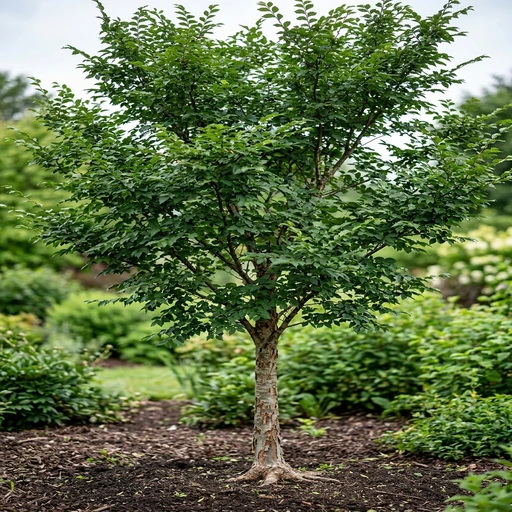
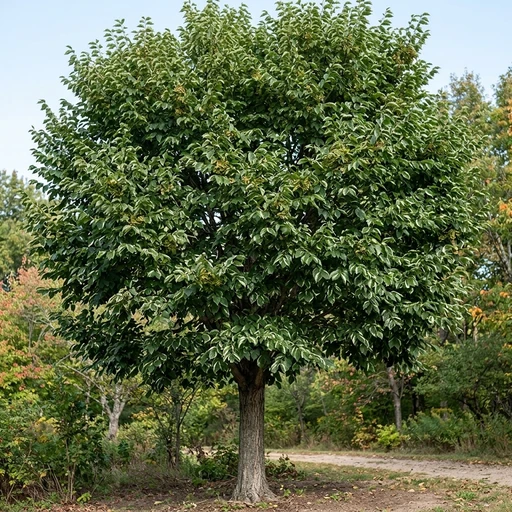
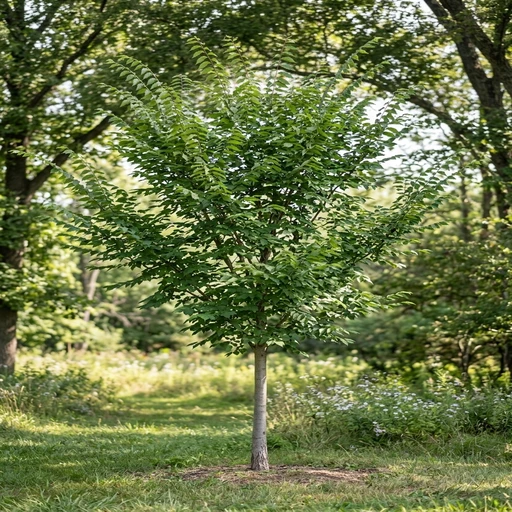
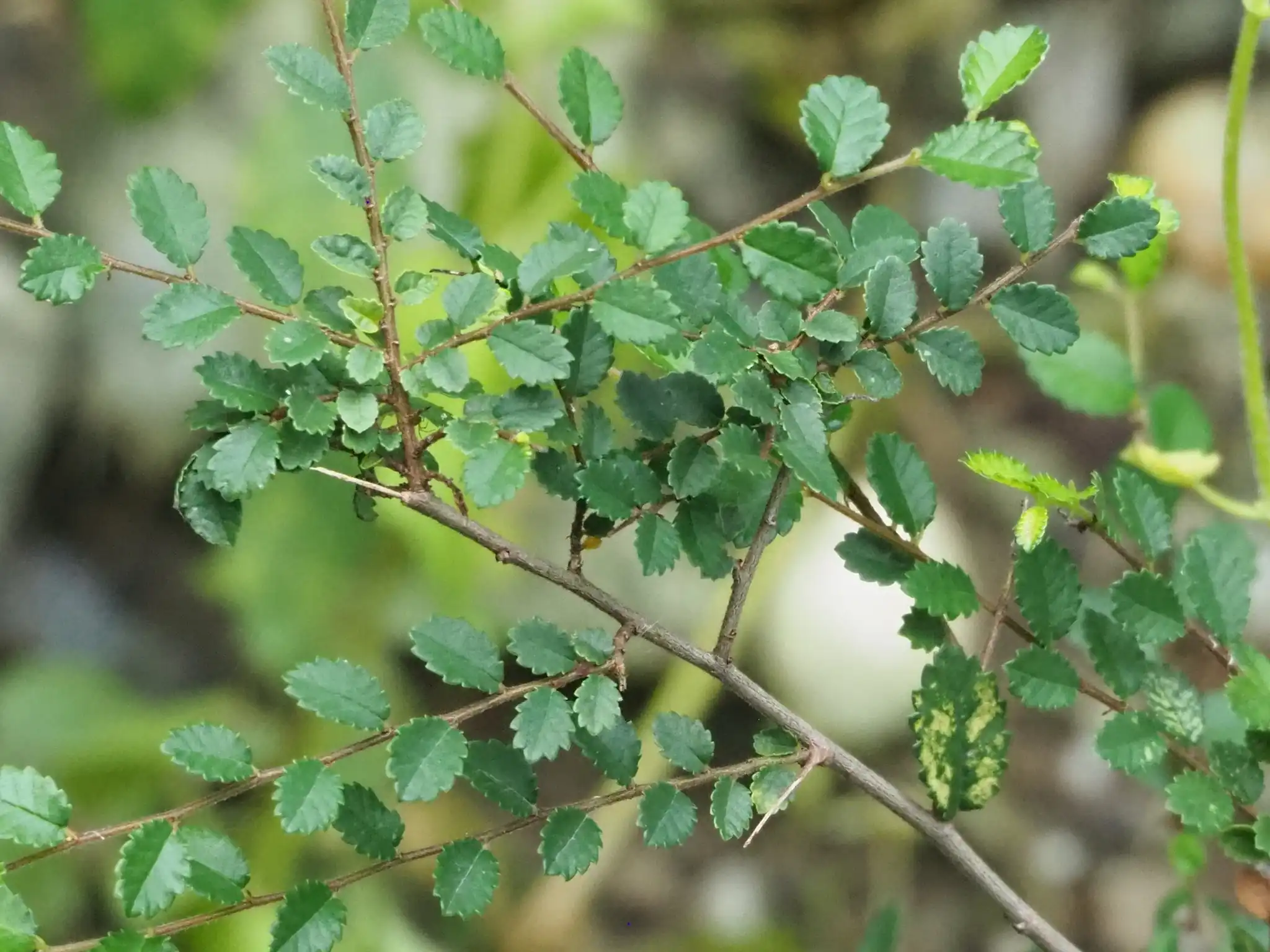
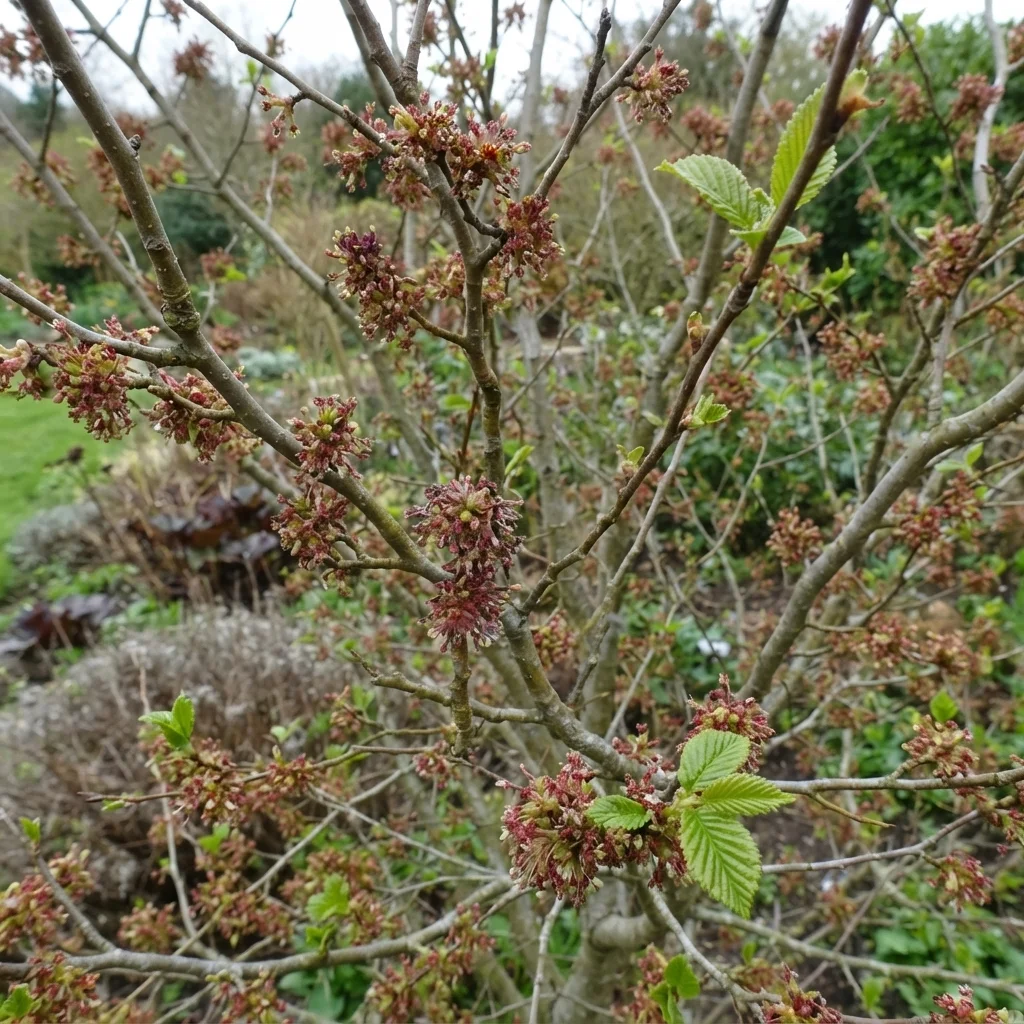
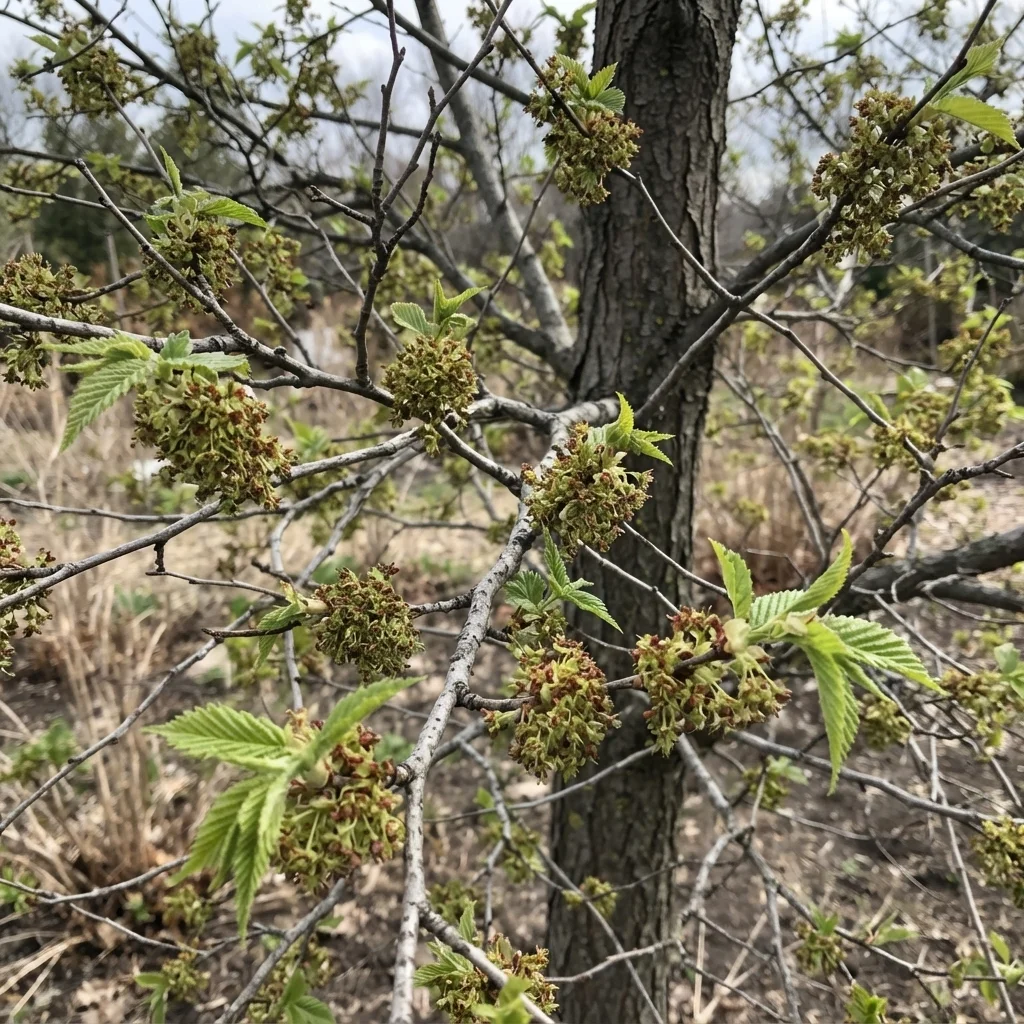
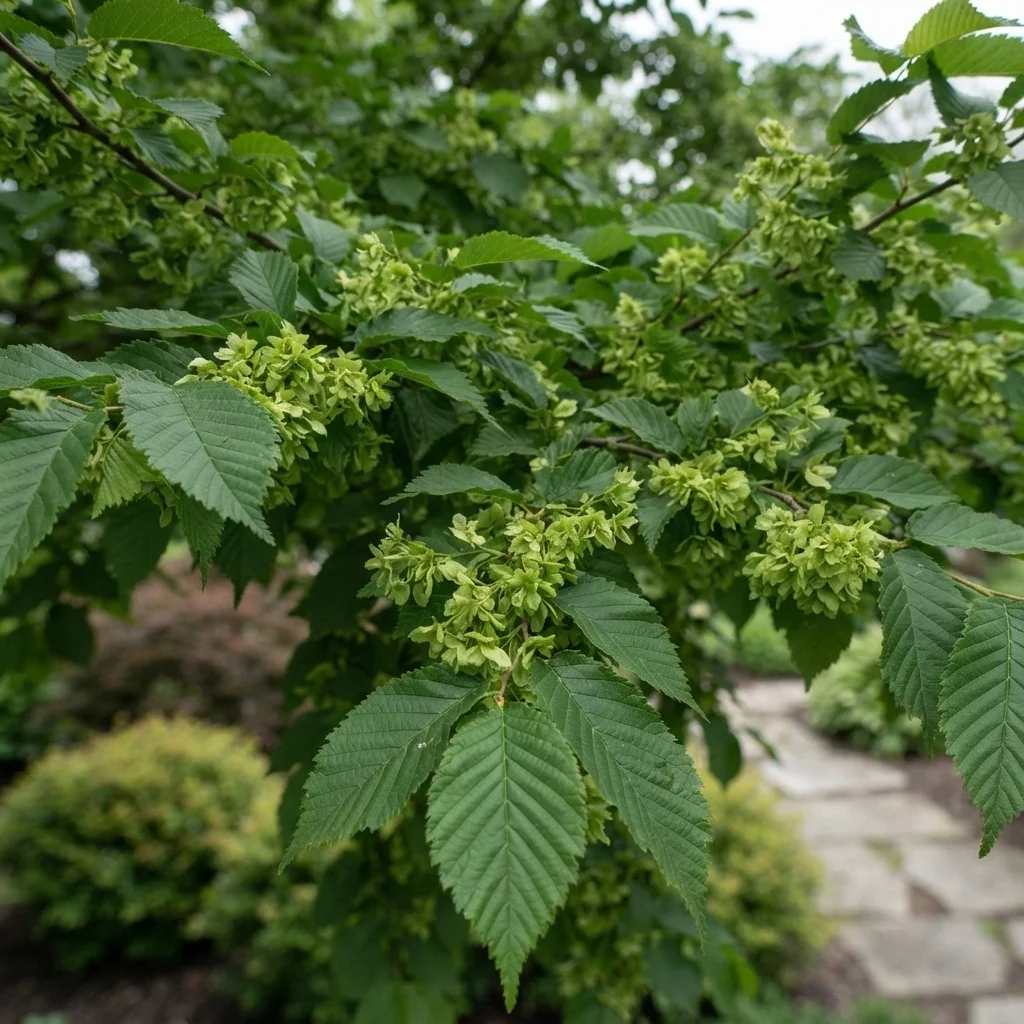
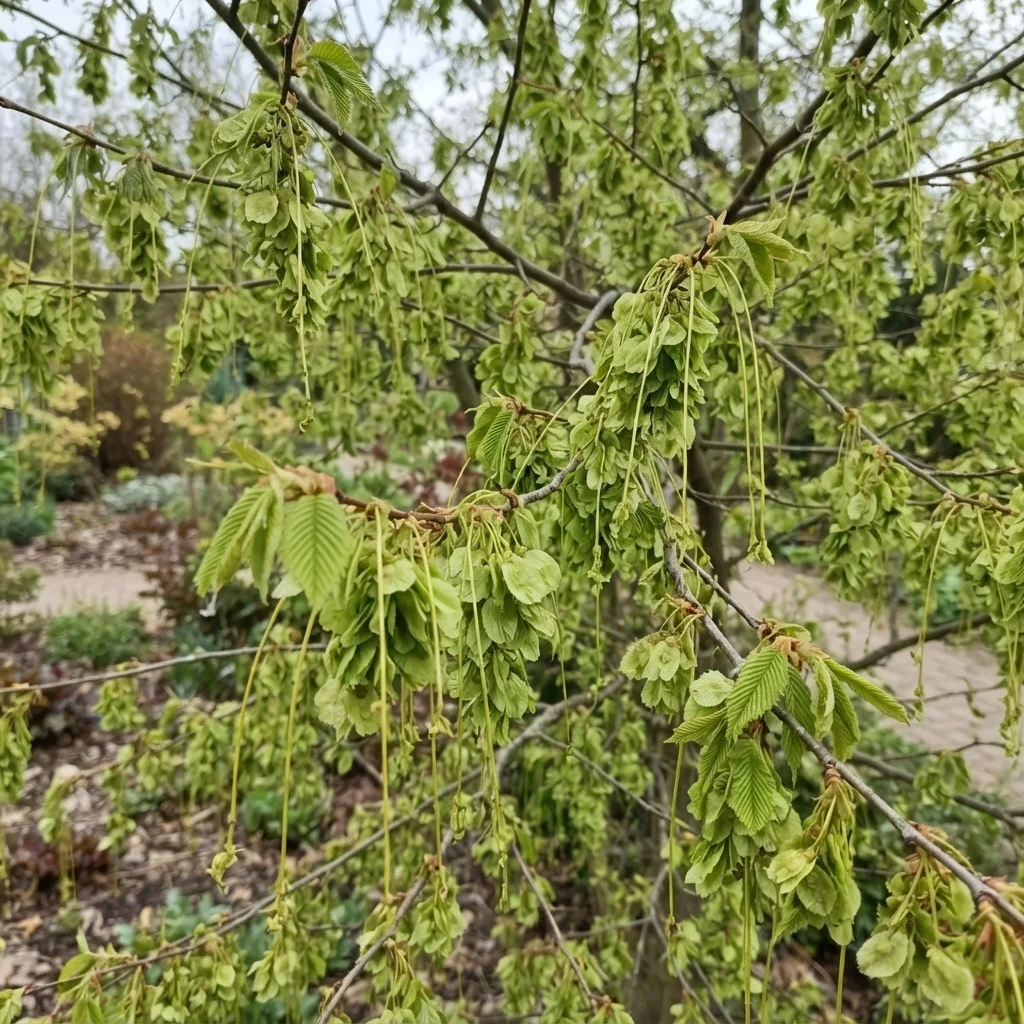
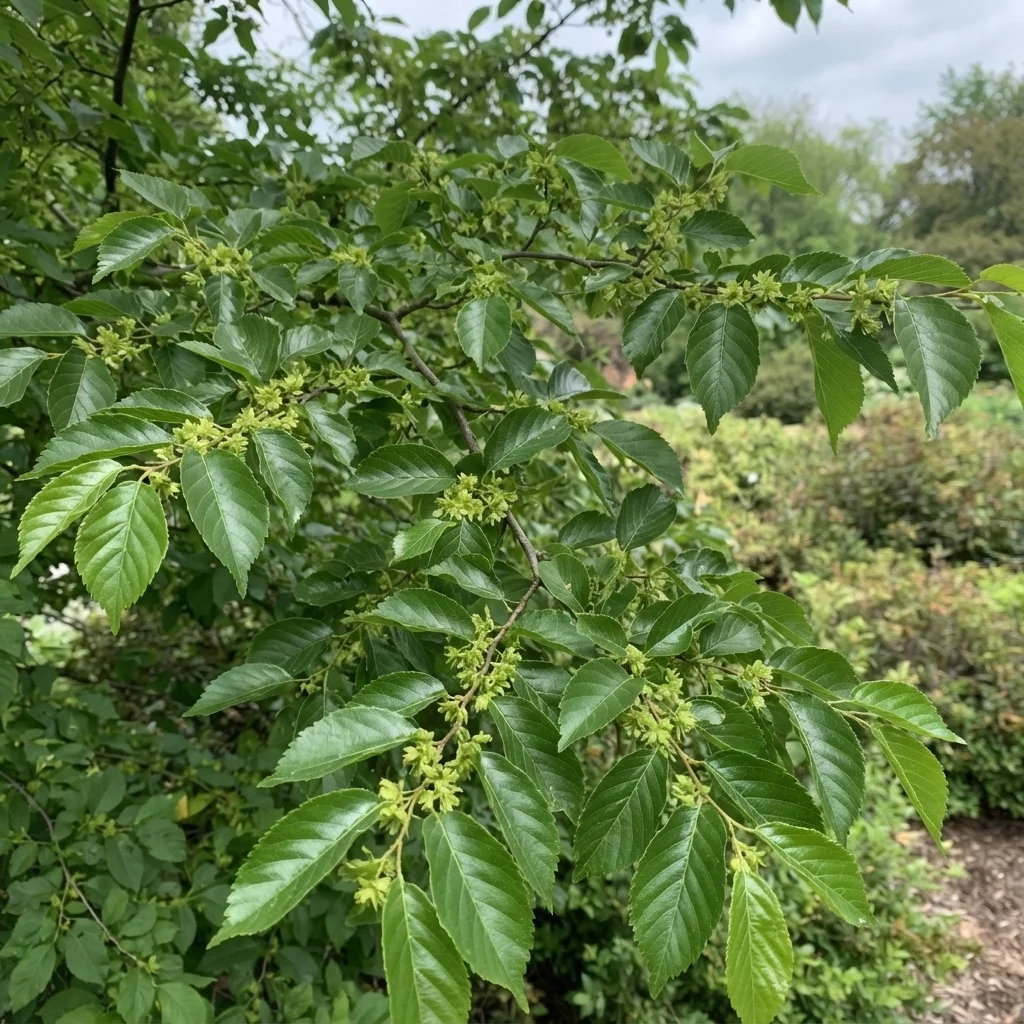
Browse all 22 Ulmus varieties →
5 species of Ulmus
Each one is a parent of the varieties above.
Track your Ulmus in Sow
Save the Ulmus you grow and get care reminders timed to your zone.
How to grow Ulmus
Whats common across all Ulmus varieties in our catalog — drawn from the care records of the 22 most-grown of them.
The Ulmus year
- PruneFebruary and March95% of varieties
Prune in late winter to establish good structure and remove dead wood.
- Check for PestsJune–August91% of varieties
Monitor for elm leaf beetles and Japanese beetles.
- FertilizeApril64% of varieties
Fertilize young trees in early spring if growth is slow.
- MulchApril and May41% of varieties
Apply organic mulch around the root zone to conserve soil moisture.
- PlantApril, October, November and December36% of varieties
Plant in early spring or fall to allow root establishment.


Do
- Prune during dormancy to maintain a strong structure.
- Provide ample space for its large mature size.
- Water regularly during its first few seasons to establish deep roots.
- Allow the beautiful bark to develop naturally without interference.
- Monitor for pests, though it is generally resilient.
Avoid
- Do not plant in poorly drained or constantly wet soils.
- Avoid excessive fertilization, which can lead to weak growth.
- Don't prune major branches during the growing season.
- Never top the tree; it ruins its natural form.
What goes wrong with Ulmus
| Problem | What you'll see | What to do |
|---|---|---|
| Elm Leaf Beetle | Skeletonized leaves (lacy appearance) caused by larvae and adults chewing. | Release beneficial insects like lacewings. Apply spinosad or carbaryl for heavy infestations. |
| Japanese Beetle | Adults skeletonize leaves, often feeding in groups. | Hand-pick beetles in the morning. Use pheromone traps away from the tree. Apply systemic insecticides containing imidacloprid as a soil drench. |
| Aphids | Clusters of small insects on new growth; sticky honeydew on leaves. | A strong spray of water can dislodge them. Use insecticidal soap or neem oil. Ladybugs are excellent natural predators. |
| Elm leaf beetle | Skeletonization and premature defoliation of the leaves. | Apply systemic insecticides or horticultural oils, or introduce biological controls. |
| Dutch Elm Disease (DED) | Sudden wilting and yellowing of leaves on one or more branches (flagging). | 'Patriot' has very high resistance and is unlikely to be affected. No cure exists for susceptible elms; prevention is key. |
| Dutch Elm Disease | Vascular wilting, yellowing leaves, branch dieback, and rapid tree death caused by Ophiostoma novo-ulmi. | Implement preventative sanitation, apply insecticides to control bark beetle vectors, and avoid pruning during active beetle periods. |
| Phloem Necrosis | Gradual decline, yellowing leaves, butterscotch-colored inner bark with wintergreen smell. | No cure. Control leafhopper vectors. Plant resistant cultivars. |
Making more Ulmus
Seed
- Collect mature samaras directly from the tree in late spring.
- Sow the fresh seeds immediately into a moist, well-draining seed-starting mix.
- Do not subject the seeds to cold stratification, as they do not require pretreatment.
- Keep the medium consistently moist until germination occurs within a few weeks.
Softwood Cuttings
- Take 6-inch cuttings of new growth in late spring.
- Wound the base and dip in a rooting hormone.
- Stick in a well-drained medium like perlite and peat.
- Keep under mist or in a humidity tent; rooting occurs in 8-10 weeks.
Ulmus questions
How many types of Ulmus are there?
The Sow catalog tracks 22 distinct Ulmus varieties. The most popular — ranked by 598 real gardeners — are shown first above.
What zones does Ulmus grow in?
Across its varieties, Ulmus covers USDA Zones 4–9. Individual varieties differ — each plant page lists its exact range, and Sow filters the catalog to your zone automatically.
When does Ulmus bloom?
Most Ulmus varieties bloom in early spring, late summer, late winter. Staggering early, mid, and late varieties extends the genus's season in one bed.
Which Ulmus should I choose?
Start from the most-saved varieties above — popularity across thousands of gardens is a strong signal of reliability — then filter by your zone and sun. In the Sow app you can preview any of them in a photo of your actual yard before you buy.