The Story
Plant Bio
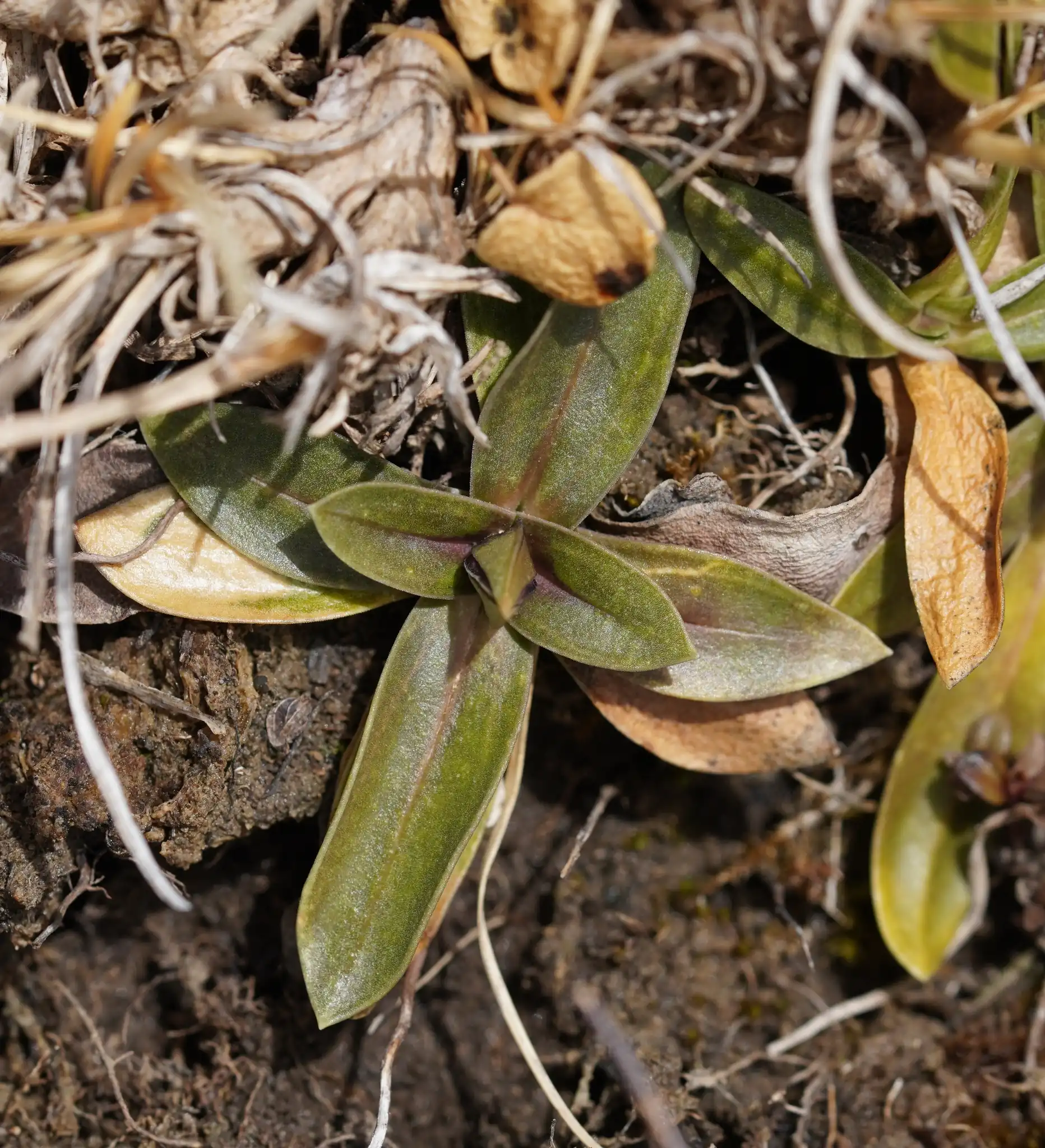
Gentiana clusii, known as Clusius' gentian, is a low-growing, mat-forming perennial herb native to the limestone formations of European mountain ranges. It forms tight basal rosettes of glossy green, broadly lanceolate leaves that remain attractive throughout the growing season.
This species is distinguished by its exceptionally large, solitary, deep blue trumpet-shaped flowers that sit directly above the foliage without any green stripes inside the corolla tube. It is highly adapted to harsh alpine conditions, showing extreme frost tolerance but requiring cool root runs and protection from intense heat.
Uses & Benefits:
Essentials
At a Glance
Plant Type
Perennial
Height
4"
Width
6"
Light
Partial Sun, Shade
Zones
4, 5, 6, 7
Water
Consistently moist
Humidity
Low
Lifespan
Perennial
Native To
Europe
Toxicity
Mild gastrointestinal upset if ingested
Bloom period
Spring – Early summer
In flower about 4 months of the year
Planting
How to Grow
- Select a planting site with light to partial shade, ensuring protection from intense midday sun in warmer climates.
- Prepare a gritty, well-draining substrate such as a rock scree, alpine potting mix, or neutral to slightly alkaline limestone-influenced soil.
- Plant the rosettes carefully without burying the crown, ensuring the surrounding soil allows rapid water percolation.
- Water consistently to keep the soil moist during the growing season, never allowing the substrate to dry out completely.
Pro Tip
Provide sharp, exceptional drainage using a gritty rock scree or alpine potting mix; planting in heavy clay or allowing standing water will quickly cause fatal root rot.
Keep It Thriving
Care Guide
Do
- Provide sharp, gritty drainage to prevent waterlogging.
- Keep the soil consistently moist but never soggy during active growth.
- Grow in cool, high-altitude or protected microclimates to avoid heat stress.
- Use limestone-derived or neutral to slightly alkaline soils.
Don't
- Do not plant in heavy clay or poorly drained garden loam.
- Do not allow the soil to dry out completely.
- Do not prune into old, leafless wood.
- Do not disturb the roots frequently or divide unnecessarily.
Seasonal Care Calendar
| Task | Jan | Feb | Mar | Apr | May | Jun | Jul | Aug | Sep | Oct | Nov | Dec |
|---|---|---|---|---|---|---|---|---|---|---|---|---|
| Deadhead | ||||||||||||
| Fertilize | ||||||||||||
| Propagate | ||||||||||||
| Spring Cleanup |
Watch Out For
Pests & Diseases
Common Pests
Common Diseases
In the Garden
Landscape Uses & Companions
Landscape Uses
Multiply
Propagation Methods
Good to Know
Common Questions
Clusius' Gentian questions
What zones can Clusius' Gentian grow in?
Clusius' Gentian is hardy in USDA Zones 4–7. Inside that range it survives winter in the ground; outside it, grow it as an annual or a container plant you protect.
When does Clusius' Gentian bloom?
Clusius' Gentian typically blooms in spring through early summer. Exact timing shifts a week or two with your zone — Sow's bloom calendar maps it to your garden.
Does Clusius' Gentian need full sun?
Clusius' Gentian does best in part shade.
More Gentiana to compare
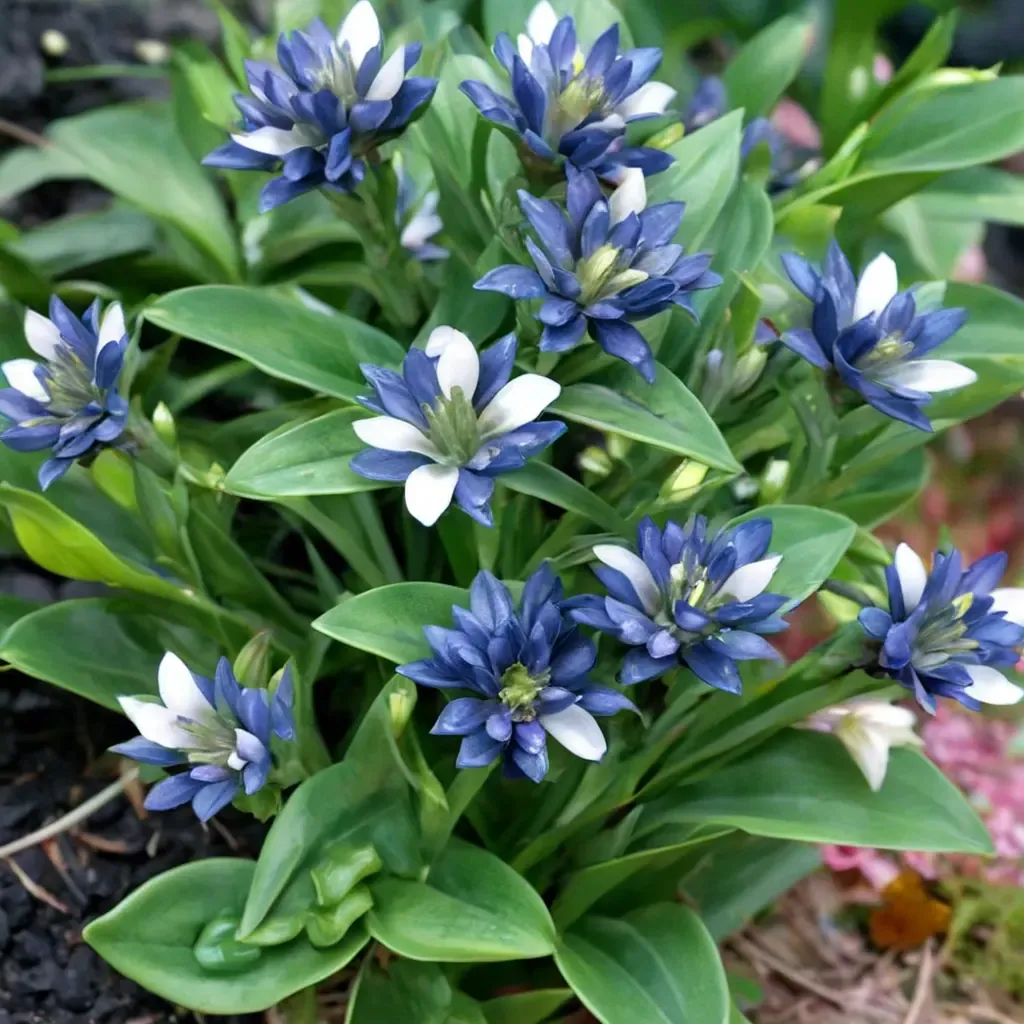
Cross Gentian
Gentiana cruciata 'Blue Cross Bottle Gentian'
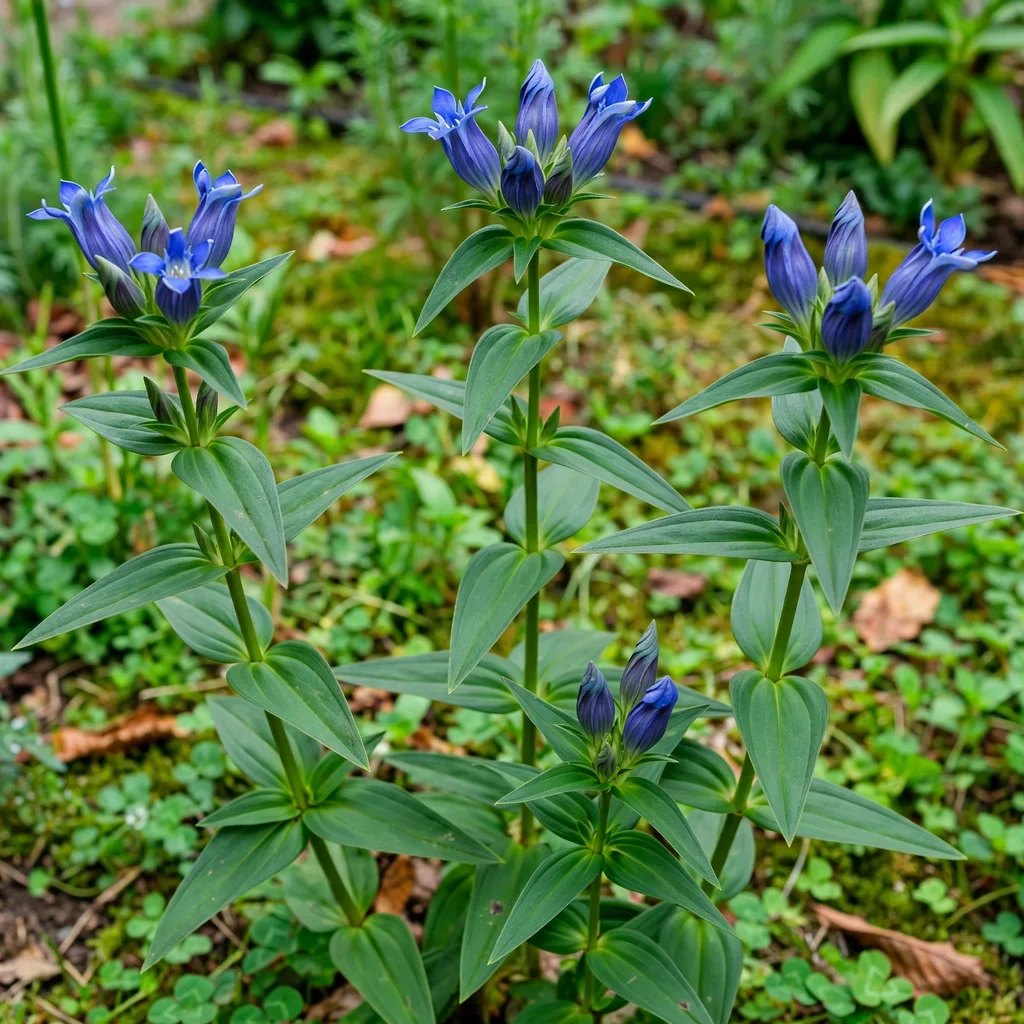
Soapwort Gentian
Gentiana saponaria
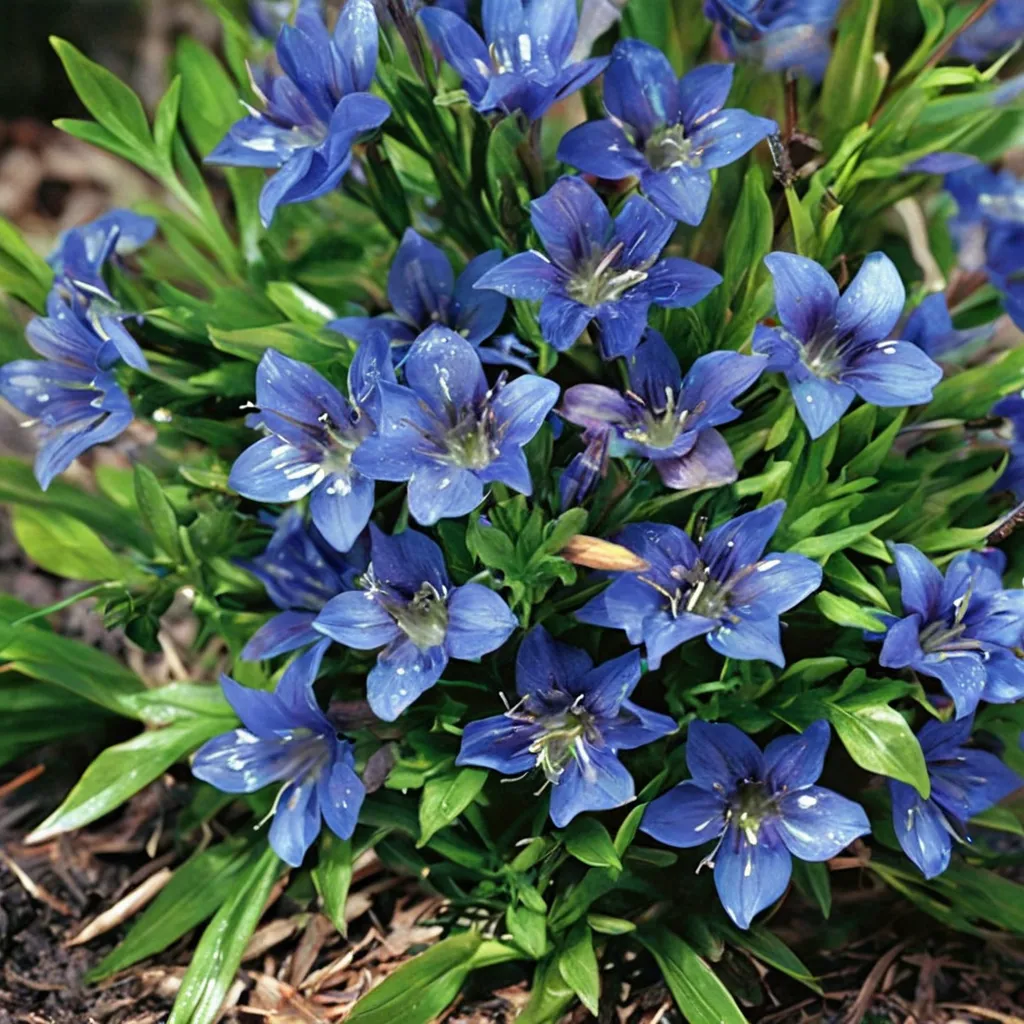
Crested Gentian
Gentiana septemfida 'lagodechiana'
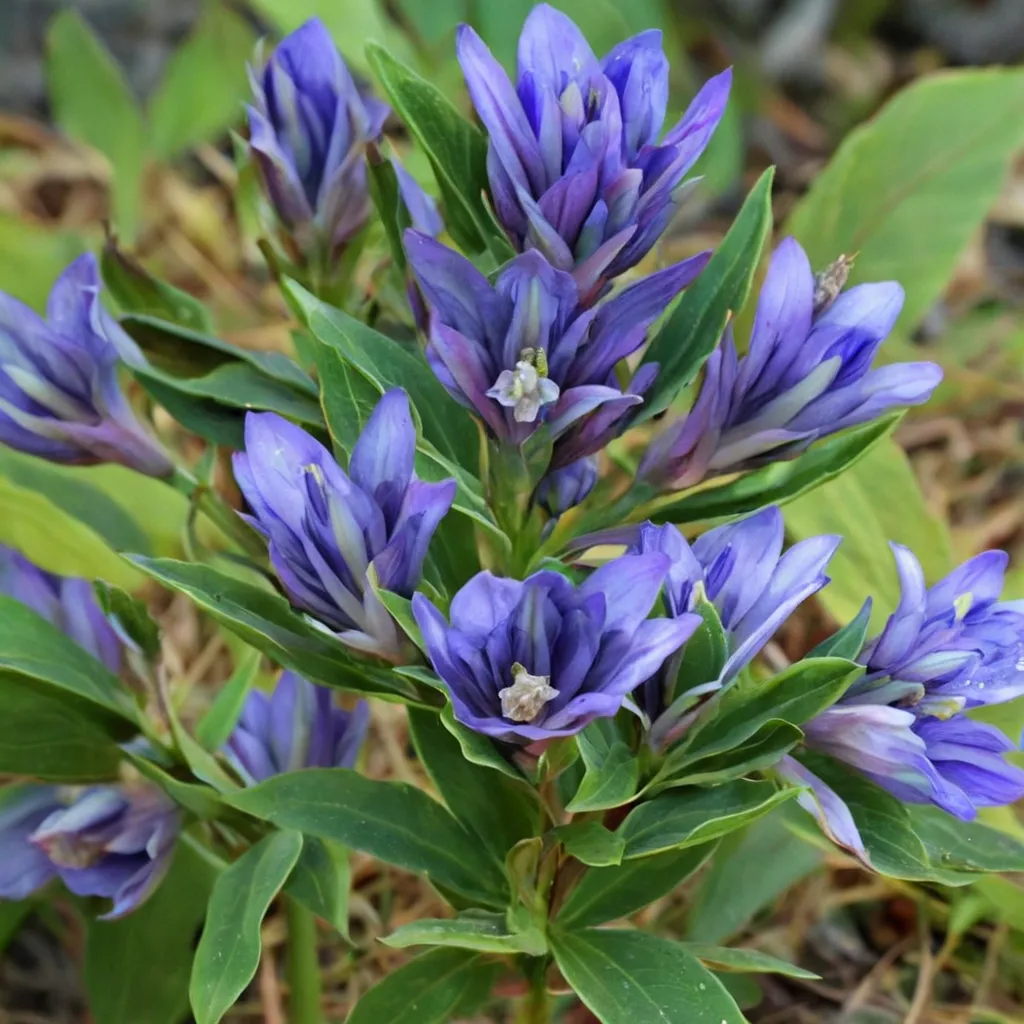
Catesby's Gentian
Gentiana catesbaei
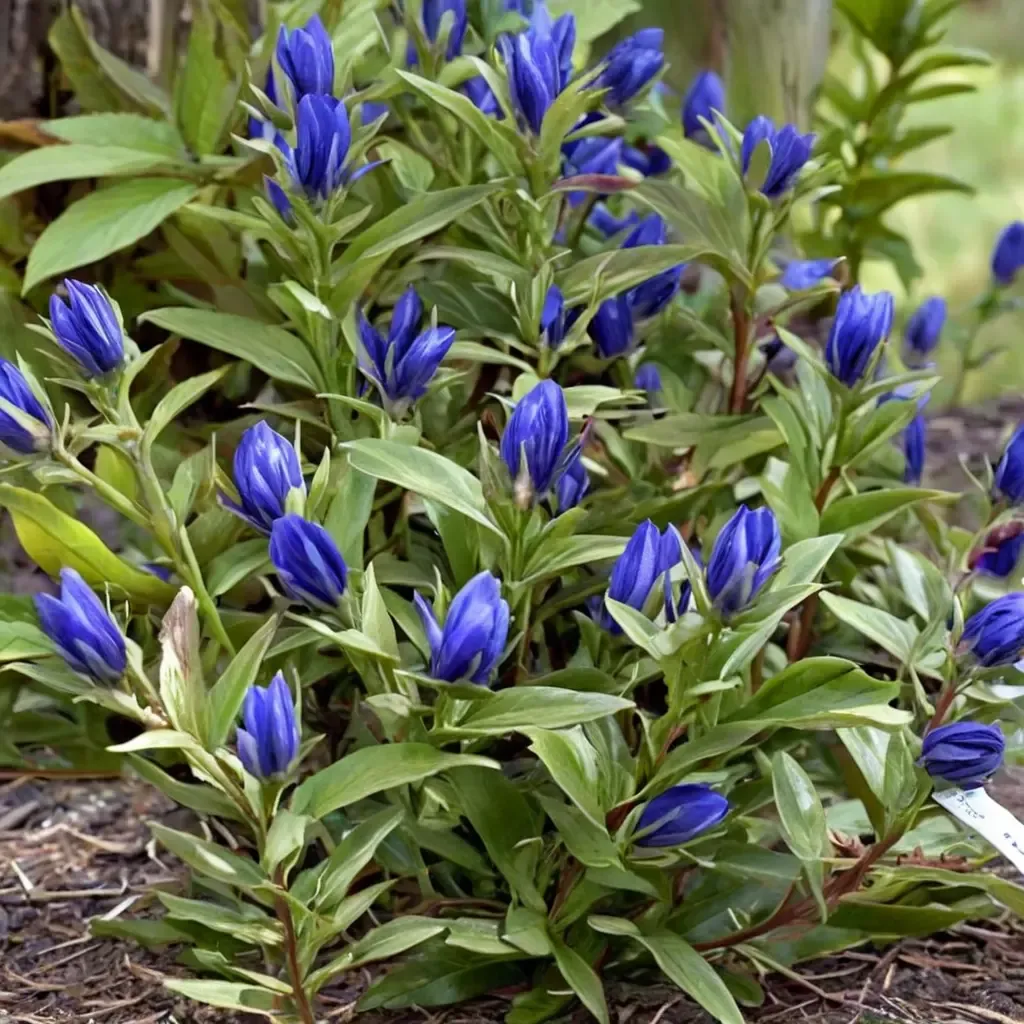
True Blue Gentian
Gentiana x hybrida 'True Blue'
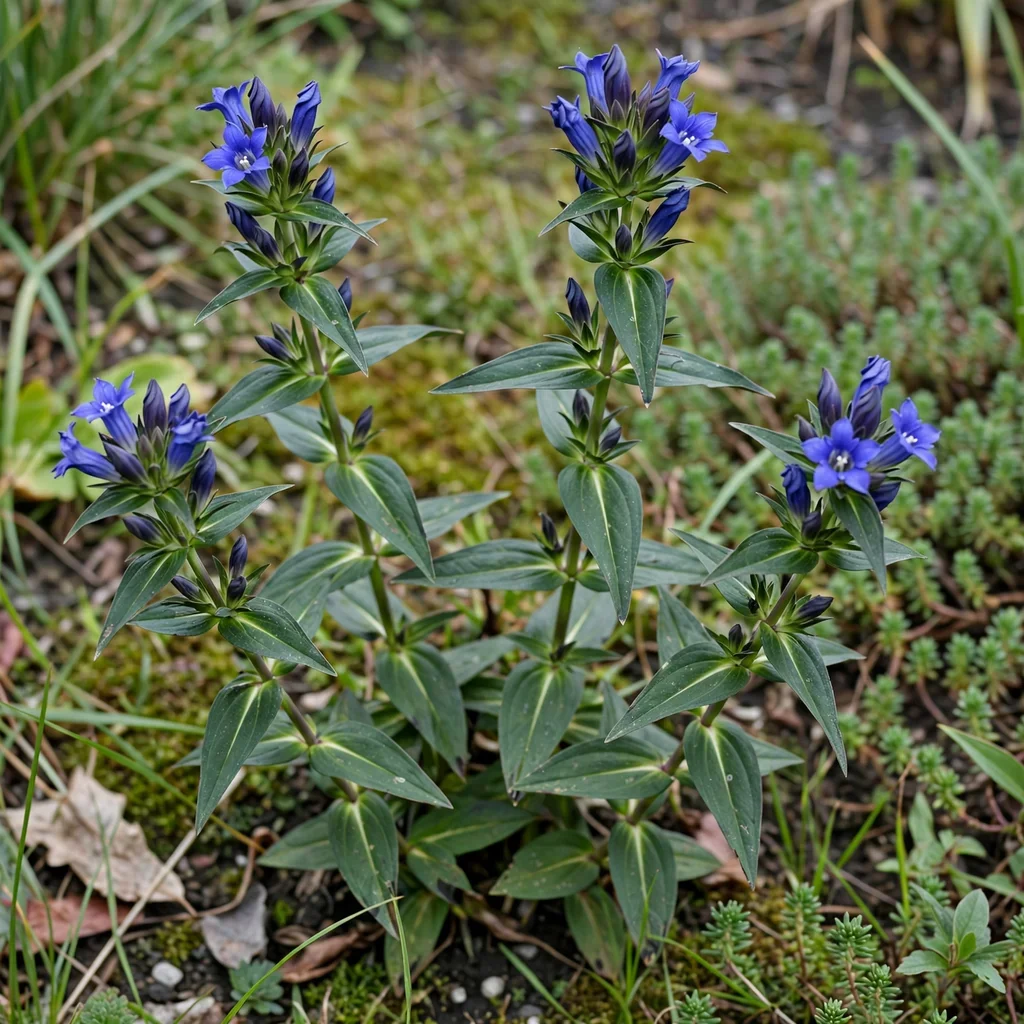
Japanese Gentian
Gentiana scabra
Keep exploring
Explore the genus
Hardy in your zone?
Grow Clusius' Gentian with confidence
See it in a design of your actual yard, get zone-matched care reminders, and track it season by season in your garden journal.