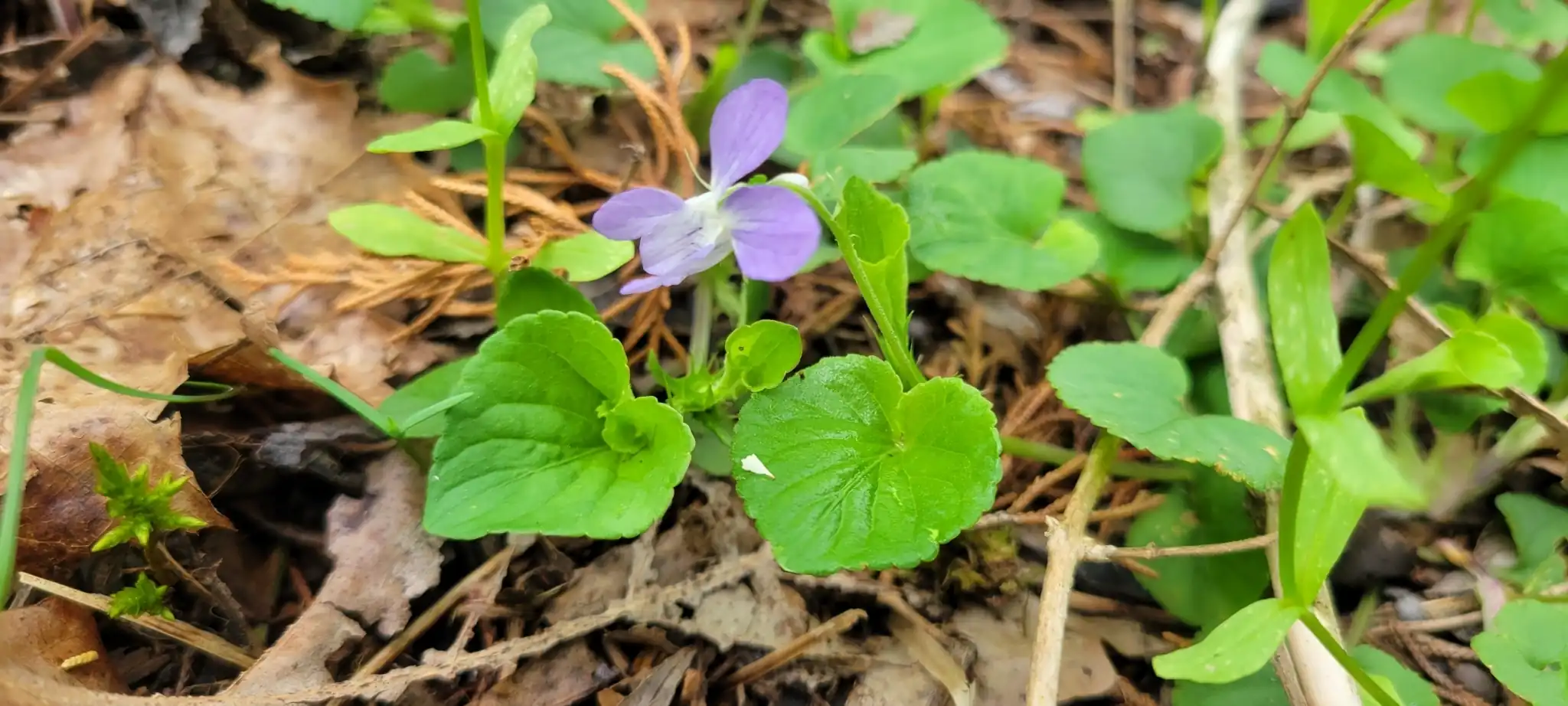
1 named cultivar
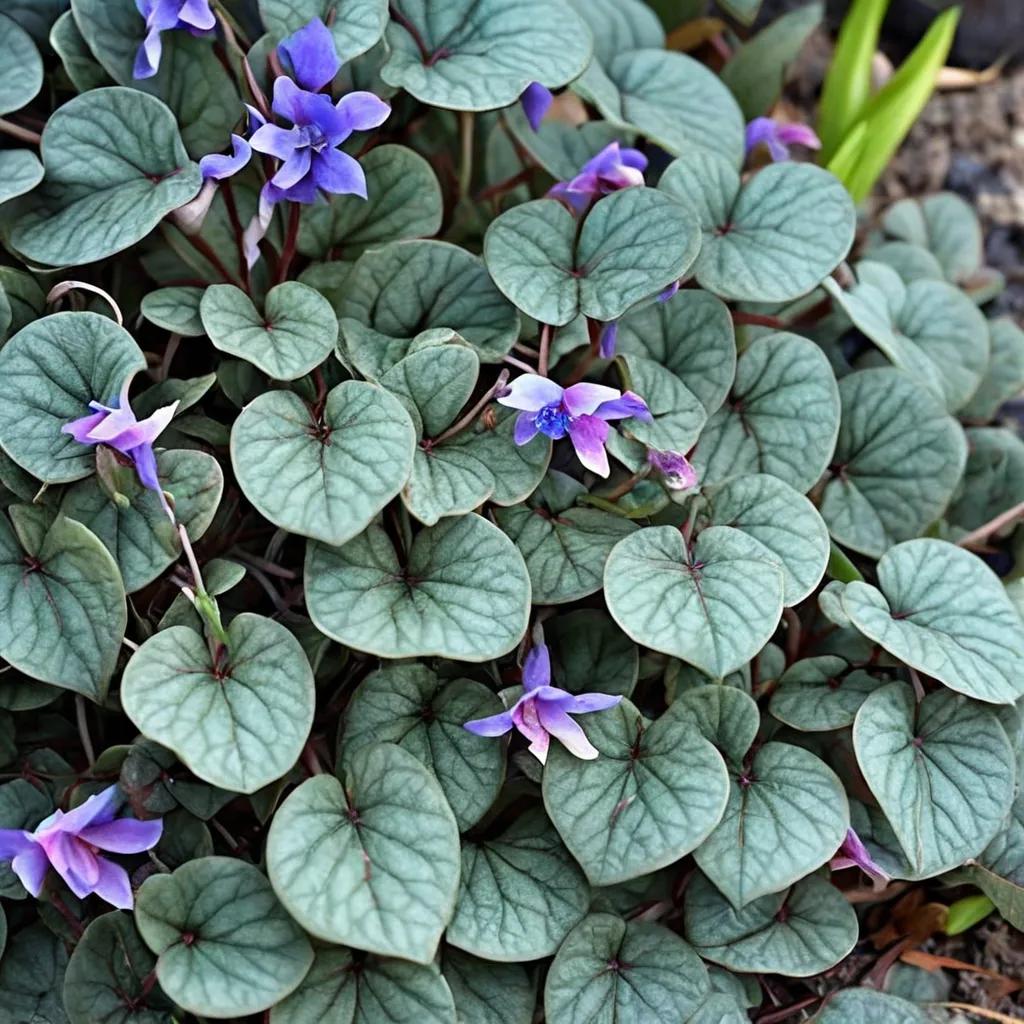
The Story
Plant Bio
Viola walteri, prostrate blue violet, is a low creeping perennial native to the southeastern United States, growing only one to six inches high and spreading to about a foot. Its light green rounded leaves are mottled and veined with silver, and inch-wide blue-violet flowers with bearded lateral petals open in spring above the mat.
The foliage is the reason to grow it — silver-veined and near-evergreen, holding through winter when most violets vanish, which is unusual in a native groundcover for shade. It supports fritillary butterfly larvae, which feed on violets and nothing else, so a patch is worth more to that butterfly than any nectar plant.
Uses & Benefits:
Essentials
At a Glance
Plant Type
Perennial
Height
6"
Width
12"
Light
Partial Sun, Shade
Zones
6, 7, 8, 9
Water
Moderate
Humidity
Moderate
Lifespan
Perennial
Native To
Southeastern United States
Toxicity
Non-toxic; violet flowers are edible
Planting
How to Grow
- Plant in partial to deep shade.
- Give it moist, freely draining woodland soil.
- Space plants a foot apart to knit into a mat.
- Water through the first season while establishing.
- Leave the foliage over winter; it is near-evergreen.
- Divide congested mats in early spring.
Pro Tip
Fritillary caterpillars eat violets and nothing else, so leave any chewed leaves — that damage is the plant doing its job.
Keep It Thriving
Care Guide
Do
- Plant it in shade under trees 🌳
- Keep the soil moist 💧
- Leave winter foliage in place 🍃
- Let fritillary caterpillars feed 🦋
Don't
- Plant it in hot full sun ❌
- Spray caterpillars on it ❌
- Let it dry out while establishing ❌
Seasonal Care Calendar
| Task | Jan | Feb | Mar | Apr | May | Jun | Jul | Aug | Sep | Oct | Nov | Dec |
|---|---|---|---|---|---|---|---|---|---|---|---|---|
| Divide | ||||||||||||
| Enjoy |
Watch Out For
Pests & Diseases
Common Pests
Common Diseases
In the Garden
Landscape Uses & Companions
Landscape Uses
Multiply
Propagation Methods
Good to Know
Common Questions
Violet questions
What zones can Violet grow in?
Violet is hardy in USDA Zones 6–9. Inside that range it survives winter in the ground; outside it, grow it as an annual or a container plant you protect.
Is Violet deer resistant?
Yes — Violet is rated deer-resistant. Deer typically pass it over, though extreme hunger can override any plant's defenses.
When does Violet bloom?
Violet typically blooms in spring through early summer. Exact timing shifts a week or two with your zone — Sow's bloom calendar maps it to your garden.
Does Violet need full sun?
Violet does best in part shade.
Is Violet drought tolerant?
Yes — once established (usually after the first full season), Violet handles dry spells with minimal watering. Water deeply its first year to build the root system that makes that possible.
More Viola to compare
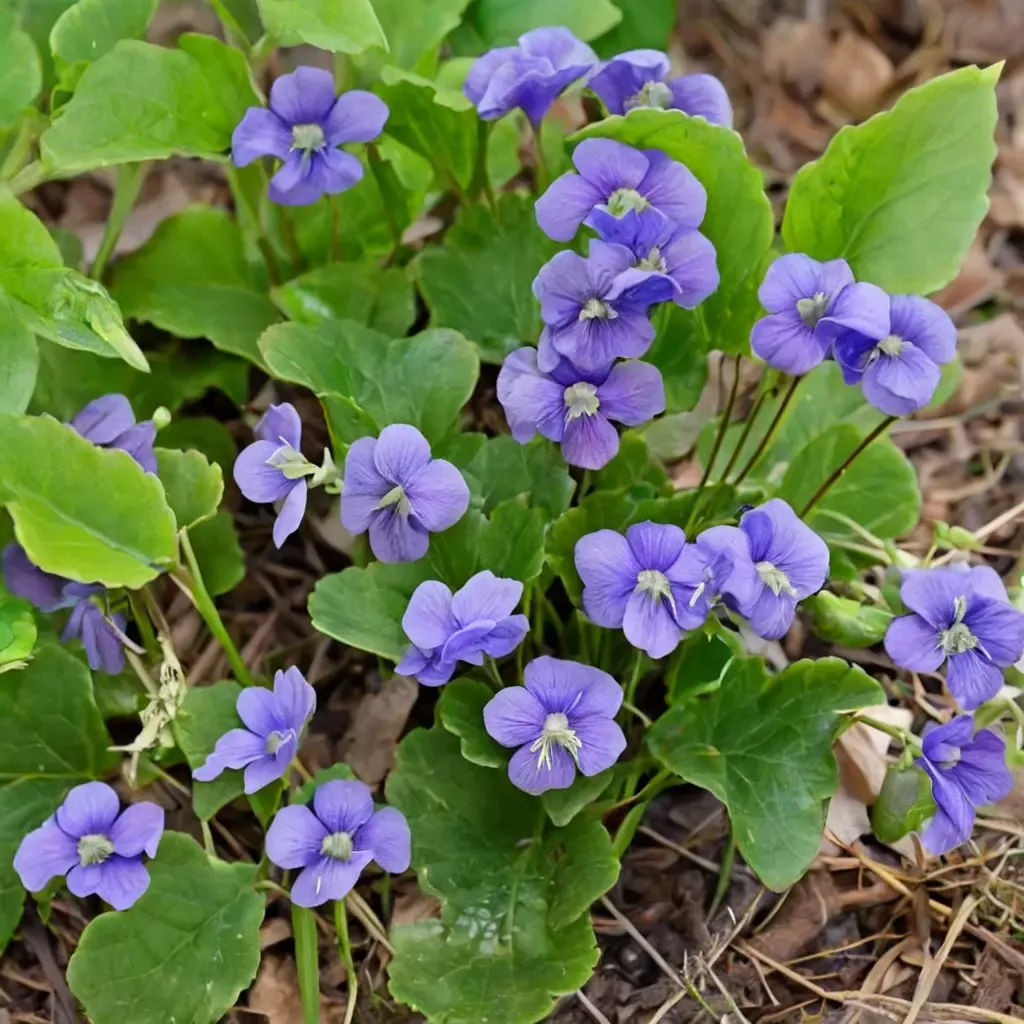
Common Blue Violet
Viola sororia
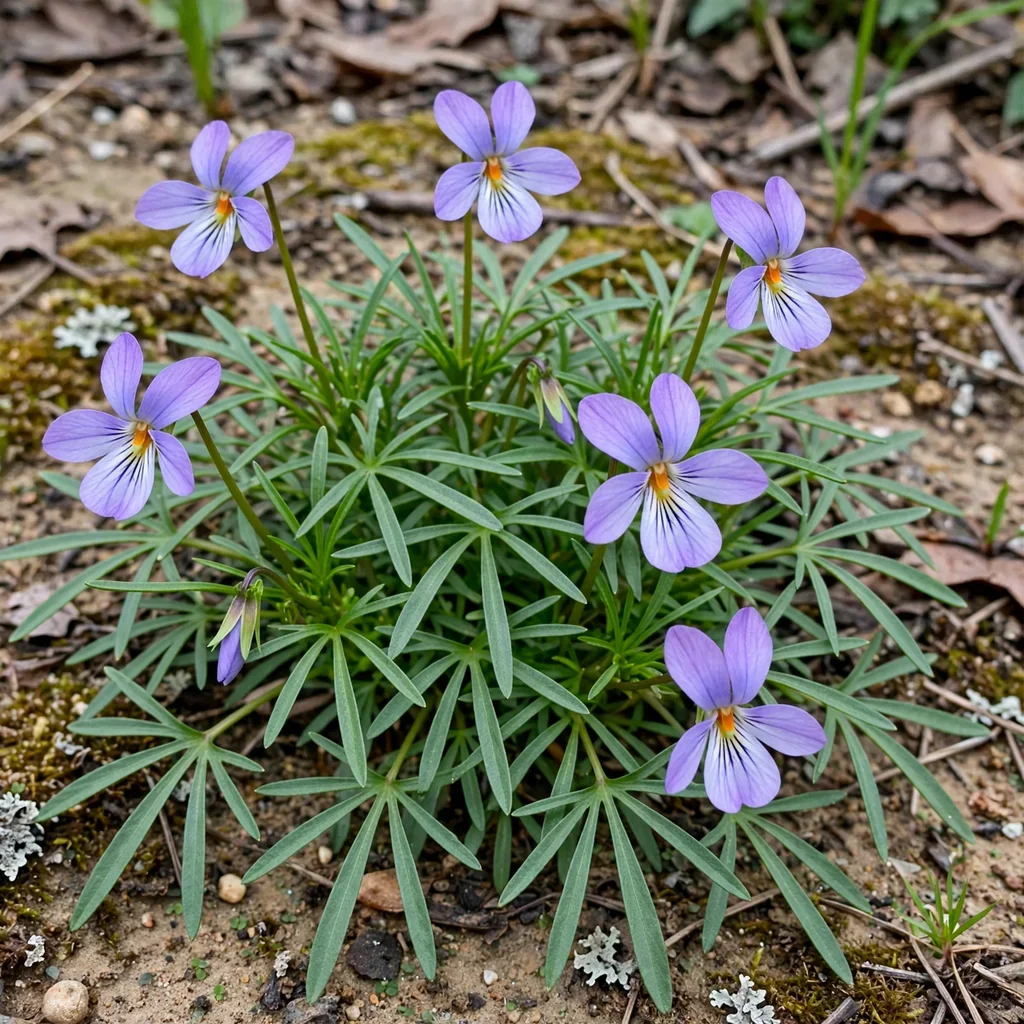
Bird's Foot Violet
Viola pedata
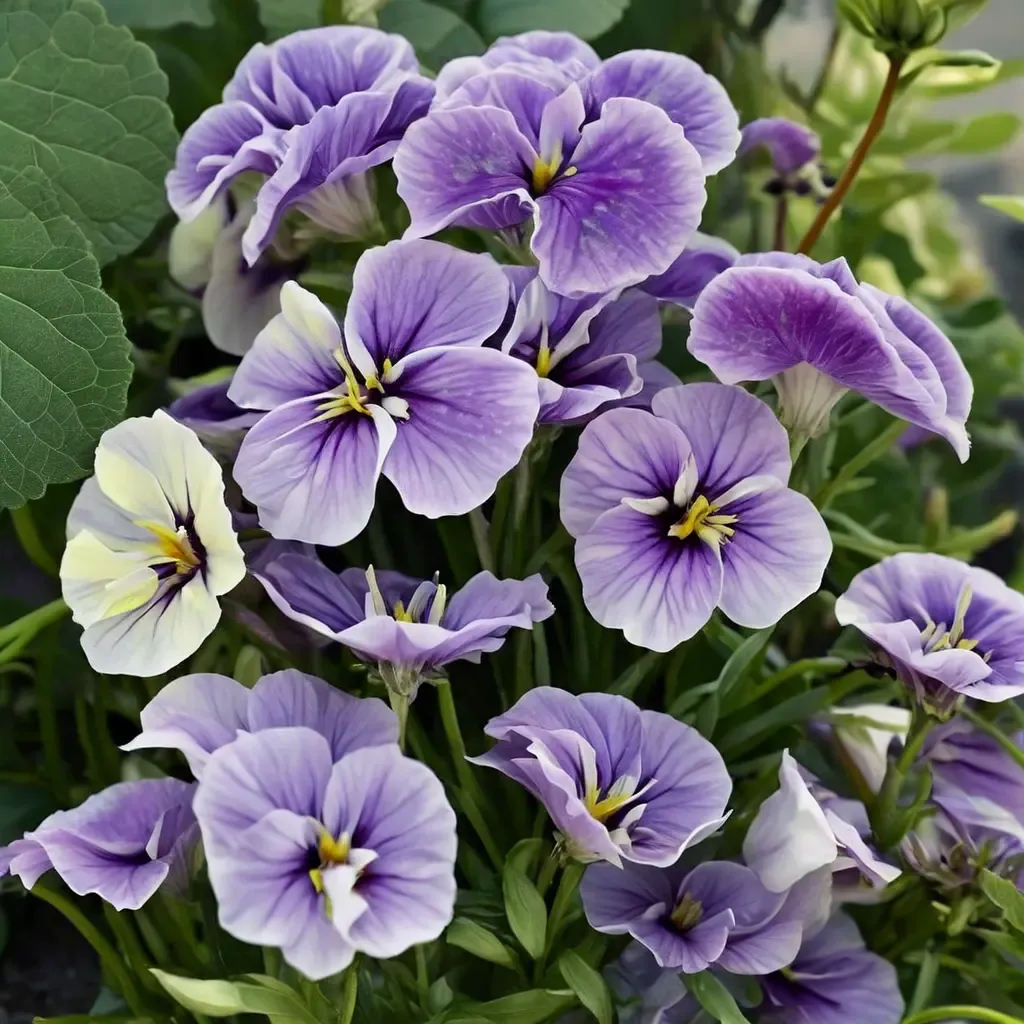
Painted Porcelain Pansy
Viola x wittrockiana 'Painted Porcelain'
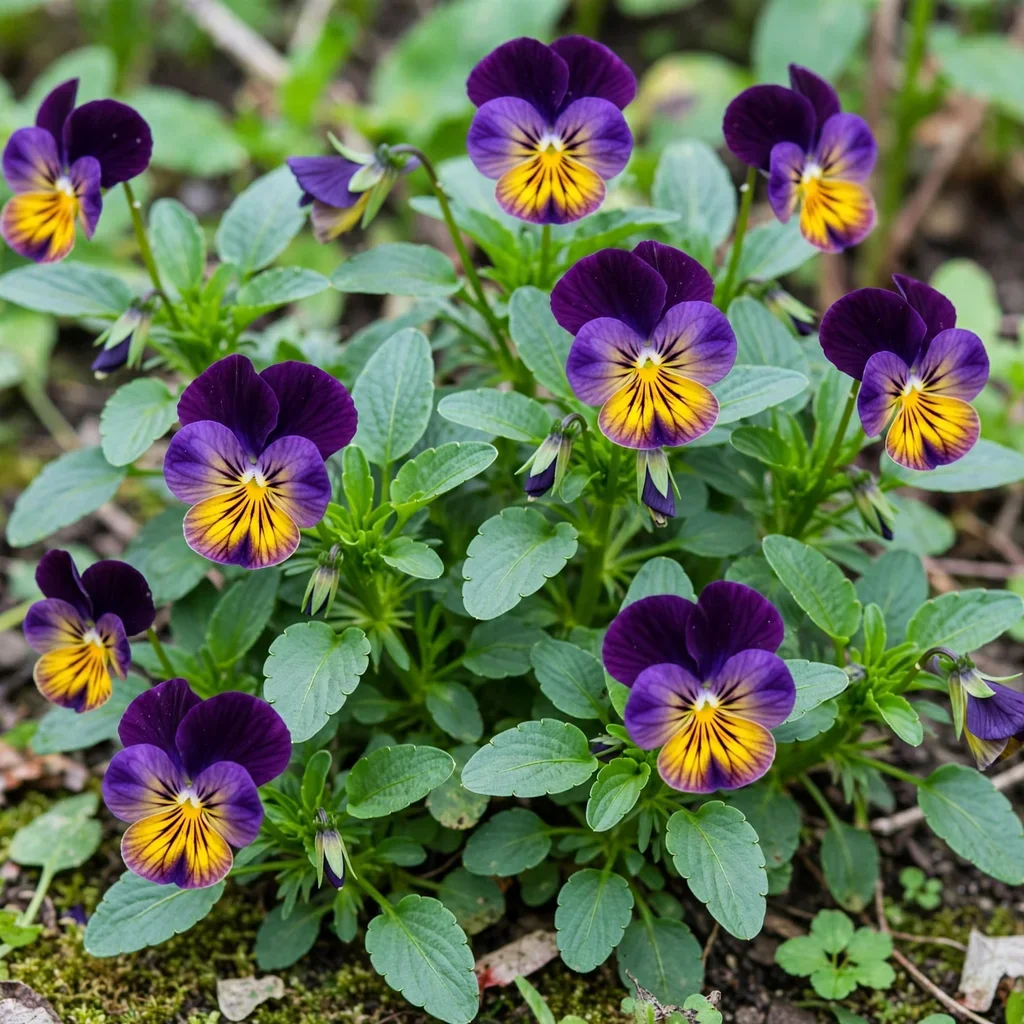
Northern Lights Horned Violet
Viola cornuta 'Northern Lights'
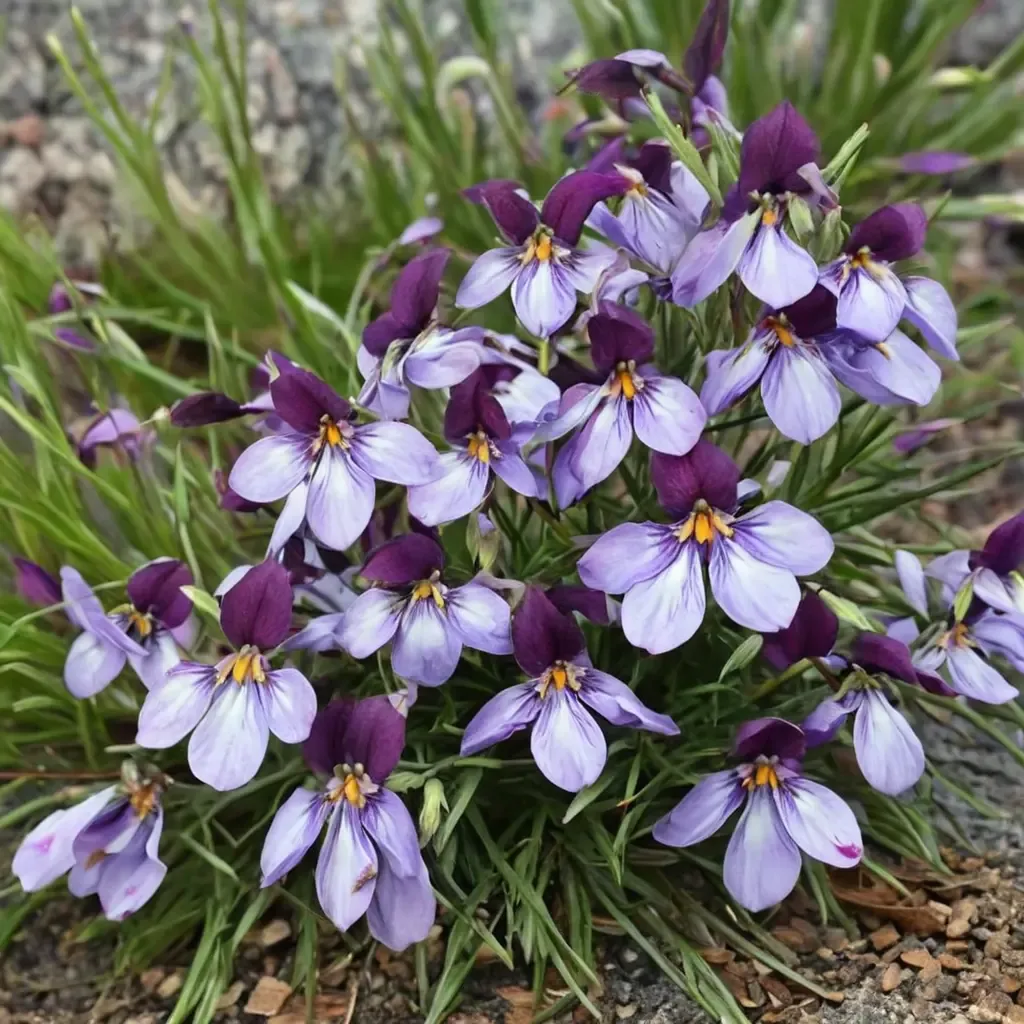
Birdfoot Violet
Viola pedata 'Eco Artist Palette'
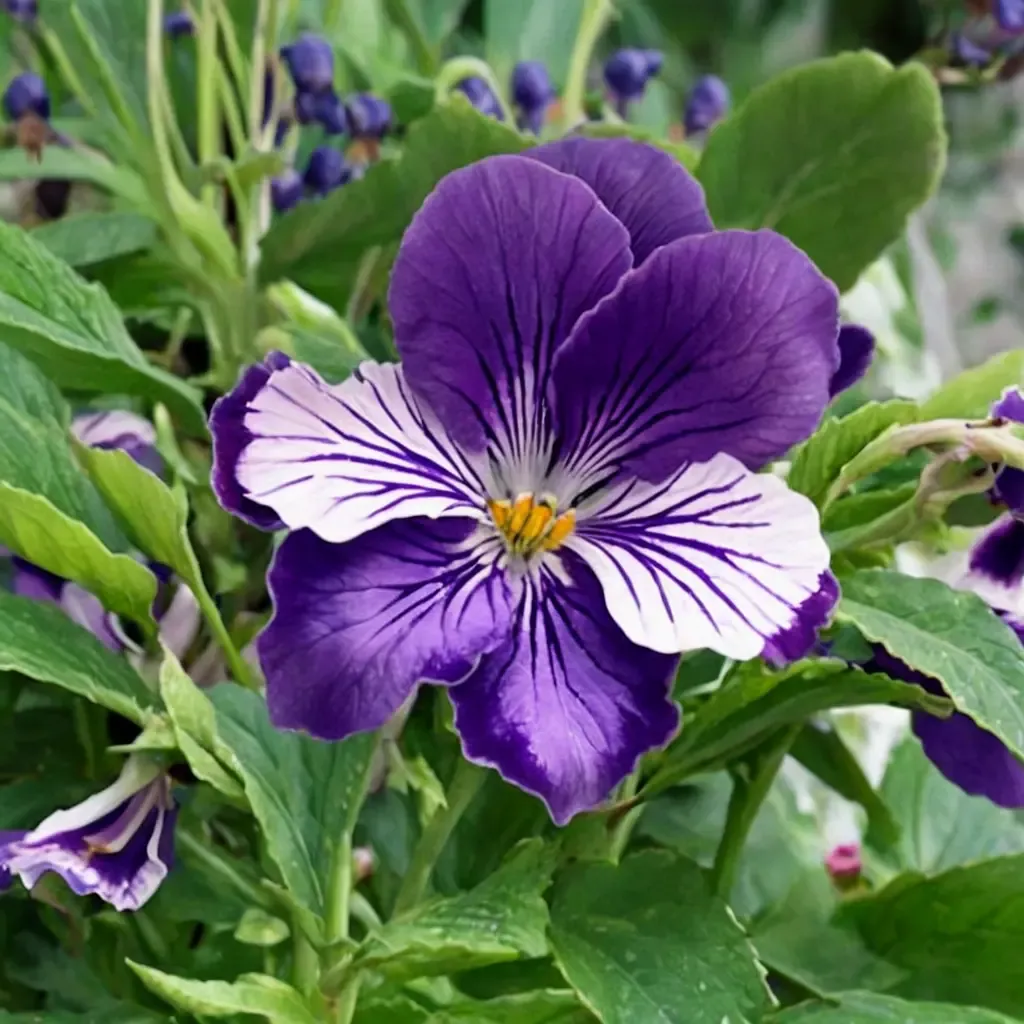
Whopping Purple Whiskers Pansy
Viola tricolor 'Whopping Purple Whiskers'
Keep exploring
Explore the genus
Hardy in your zone?
Grow Violet with confidence
See it in a design of your actual yard, get zone-matched care reminders, and track it season by season in your garden journal.