The Story
Plant Bio
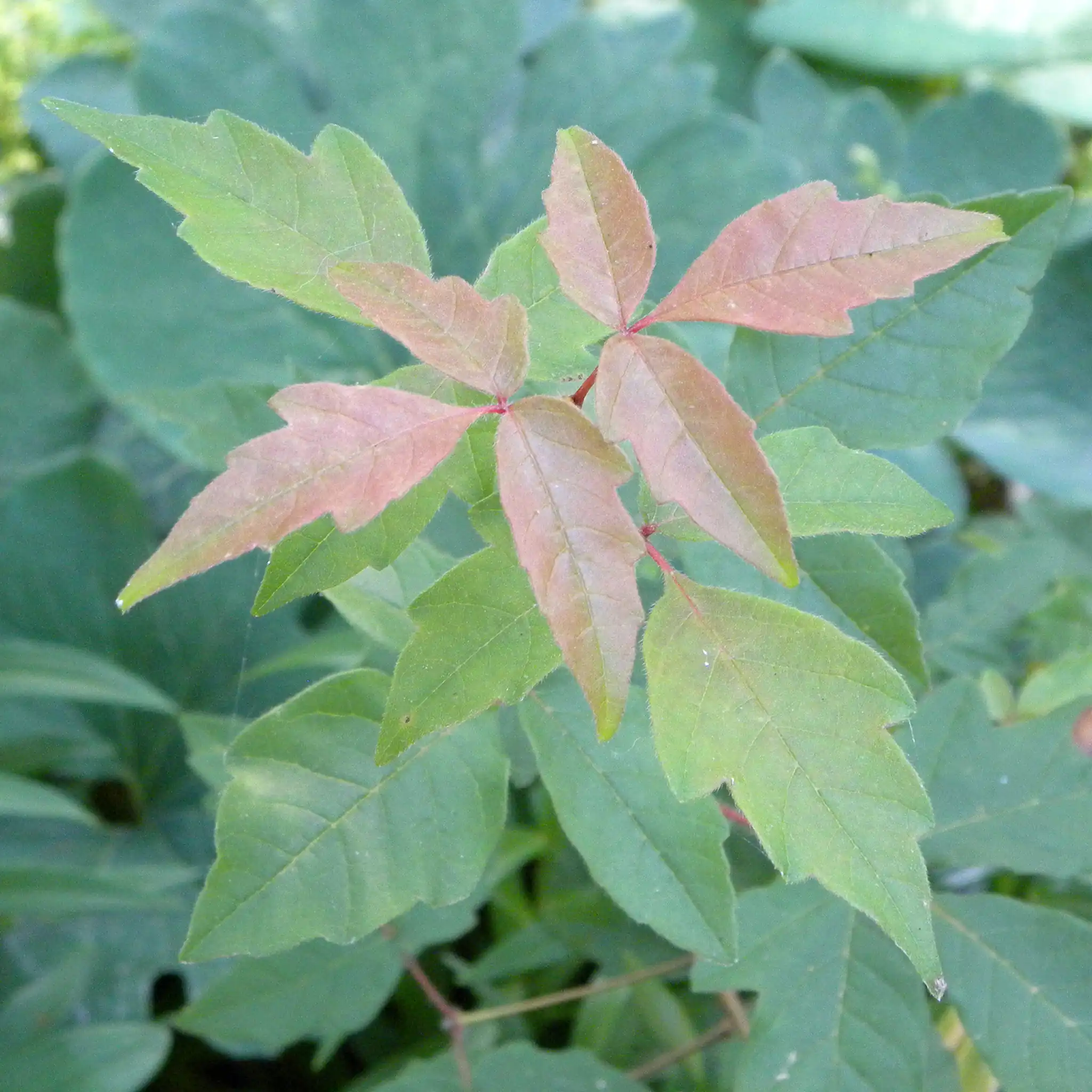
Acer griseum is a small, slow-growing deciduous tree, renowned for its unique, peeling cinnamon-brown bark that provides exceptional year-round interest. Its trifoliate leaves turn brilliant shades of red and orange in autumn.
The most outstanding feature is its exfoliating bark, which peels away in paper-thin sheets to reveal a smooth, lighter tan to orange-brown inner bark. This characteristic makes it a premier specimen tree, especially for winter landscapes.
Uses & Benefits:
Essentials
At a Glance
Plant Type
Tree
Height
300"
Width
240"
Light
Full Sun, Partial Sun
Zones
4, 5, 6, 7, 8
Water
Medium
Humidity
Average
Lifespan
Long-lived, over 50 years
Native To
Central China
Toxicity
Non-toxic to humans and pets
Bloom period
Early spring – Mid-spring
In flower about 2 months of the year
Marketplace
Where to Buy
Shipping costs Year-round shipping Free shipping
Planting
How to Grow
- Choose a site with full sun to part shade and well-drained soil.
- Dig a planting hole two to three times wider than the root ball.
- Position the tree so the root flare is level with the ground.
- Backfill the hole with the original soil, watering to settle.
- Water deeply and regularly during the first growing season to establish roots.
- Apply a 2-3 inch layer of mulch to conserve moisture and regulate soil temperature.
Pro Tip
Protect the trunk from sunscald in its youth with a commercial tree wrap, especially in regions with intense winter sun.
Keep It Thriving
Care Guide
Do
- Provide consistent moisture, especially during dry spells.
- Mulch annually to protect the shallow root system.
- Allow the tree to develop its natural form with minimal pruning.
- Test soil pH and amend if necessary to maintain a slightly acidic environment.
Don't
- Do not plant in poorly drained or waterlogged soils.
- Avoid piling mulch directly against the trunk, which can cause rot.
- Refrain from heavy fertilization, which is generally unnecessary.
- Don't prune in spring when maples 'bleed' sap.
Seasonal Care Calendar
| Task | Jan | Feb | Mar | Apr | May | Jun | Jul | Aug | Sep | Oct | Nov | Dec |
|---|---|---|---|---|---|---|---|---|---|---|---|---|
| Mulch | ||||||||||||
| Pest Check | ||||||||||||
| Plant | ||||||||||||
| Prune |
Watch Out For
Pests & Diseases
Common Pests
Common Diseases
In the Garden
Landscape Uses & Companions
Landscape Uses
Multiply
Propagation Methods
Good to Know
Common Questions
Paperbark Maple questions
What zones can Paperbark Maple grow in?
Paperbark Maple is hardy in USDA Zones 4–8. Inside that range it survives winter in the ground; outside it, grow it as an annual or a container plant you protect.
Is Paperbark Maple deer resistant?
Yes — Paperbark Maple is rated deer-resistant. Deer typically pass it over, though extreme hunger can override any plant's defenses.
When does Paperbark Maple bloom?
Paperbark Maple typically blooms in early spring through mid-spring. Exact timing shifts a week or two with your zone — Sow's bloom calendar maps it to your garden.
Does Paperbark Maple need full sun?
Paperbark Maple does best in full sun to part shade. In hot climates, afternoon shade keeps blooms fresher longer.
More Acer to compare
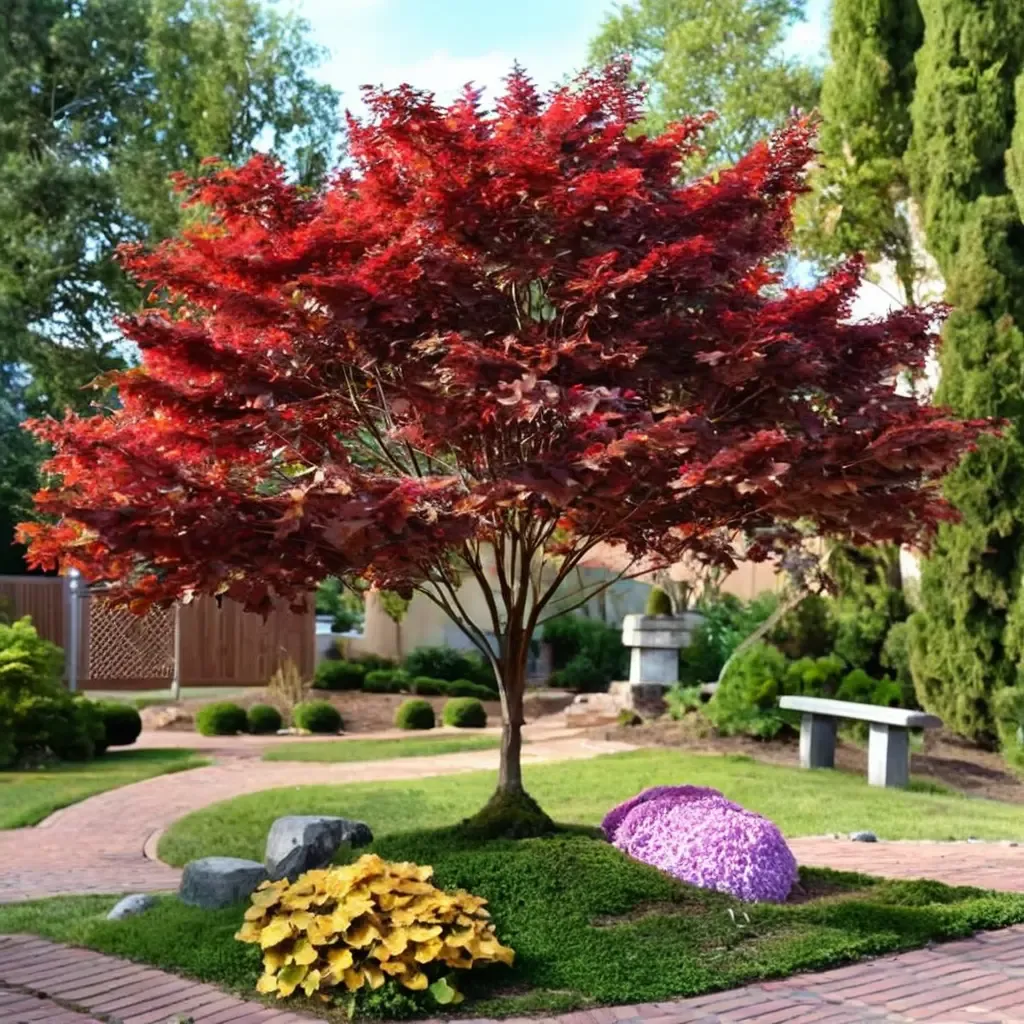
Bloodgood Japanese Maple
Acer palmatum 'Bloodgood'
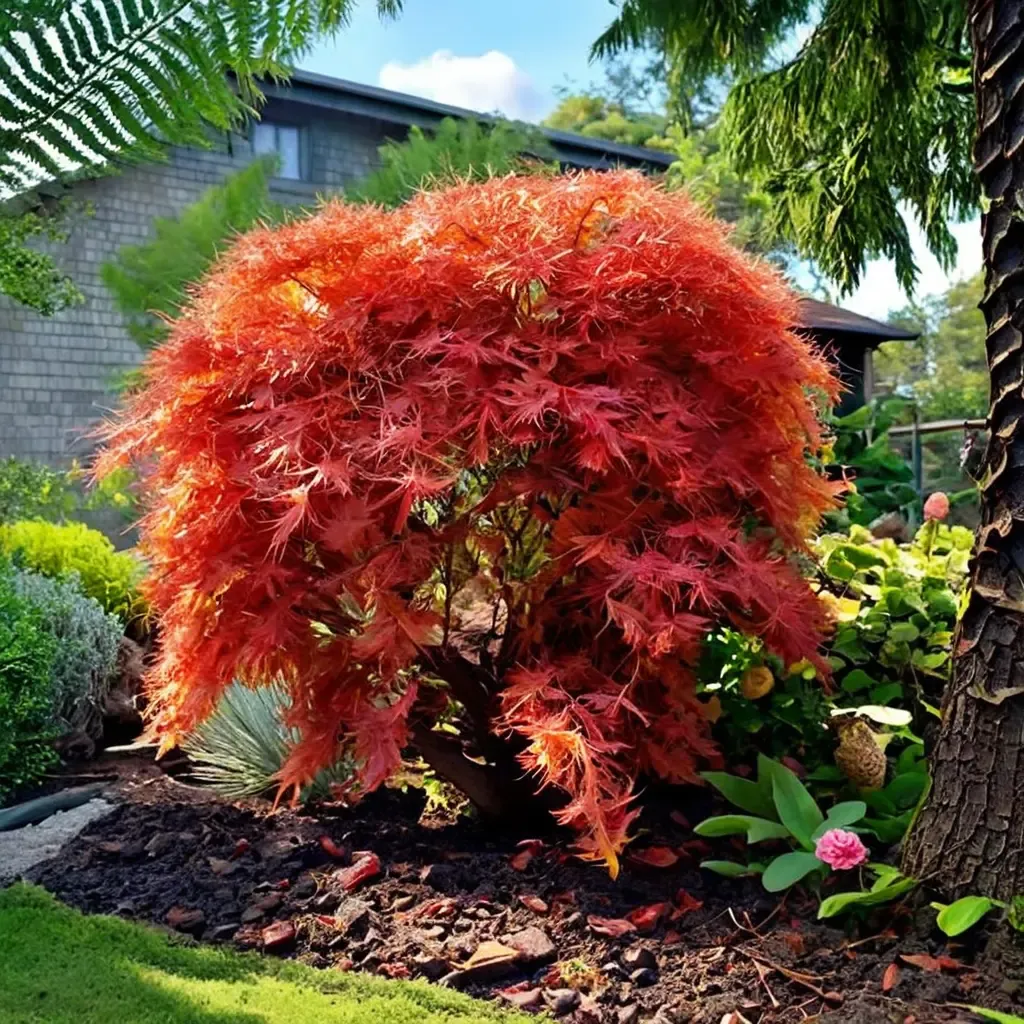
Orangeola Japanese Maple
Acer palmatum 'Orangeola'
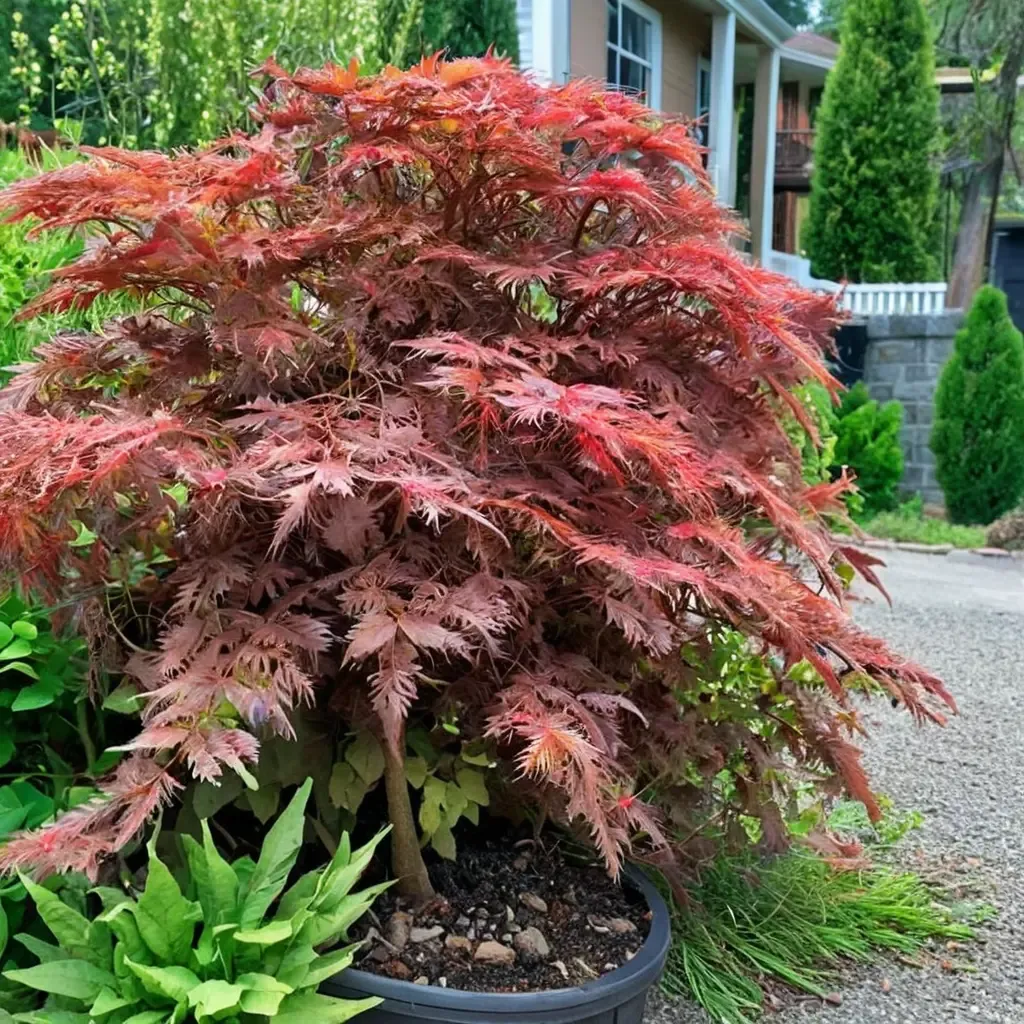
Crimson Queen Japanese Maple
Acer palmatum 'Crimson Queen'
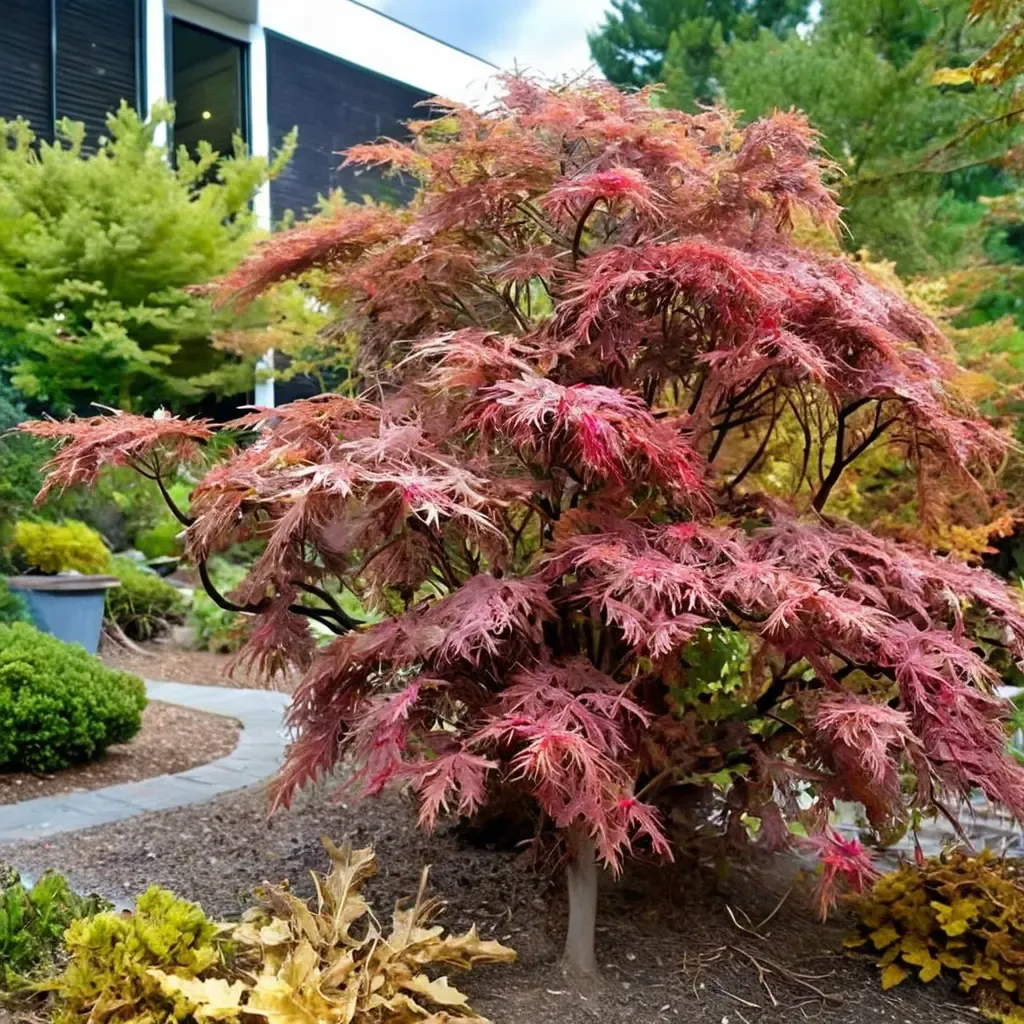
Weeping Japanese Maple
Acer palmatum 'Shidare'
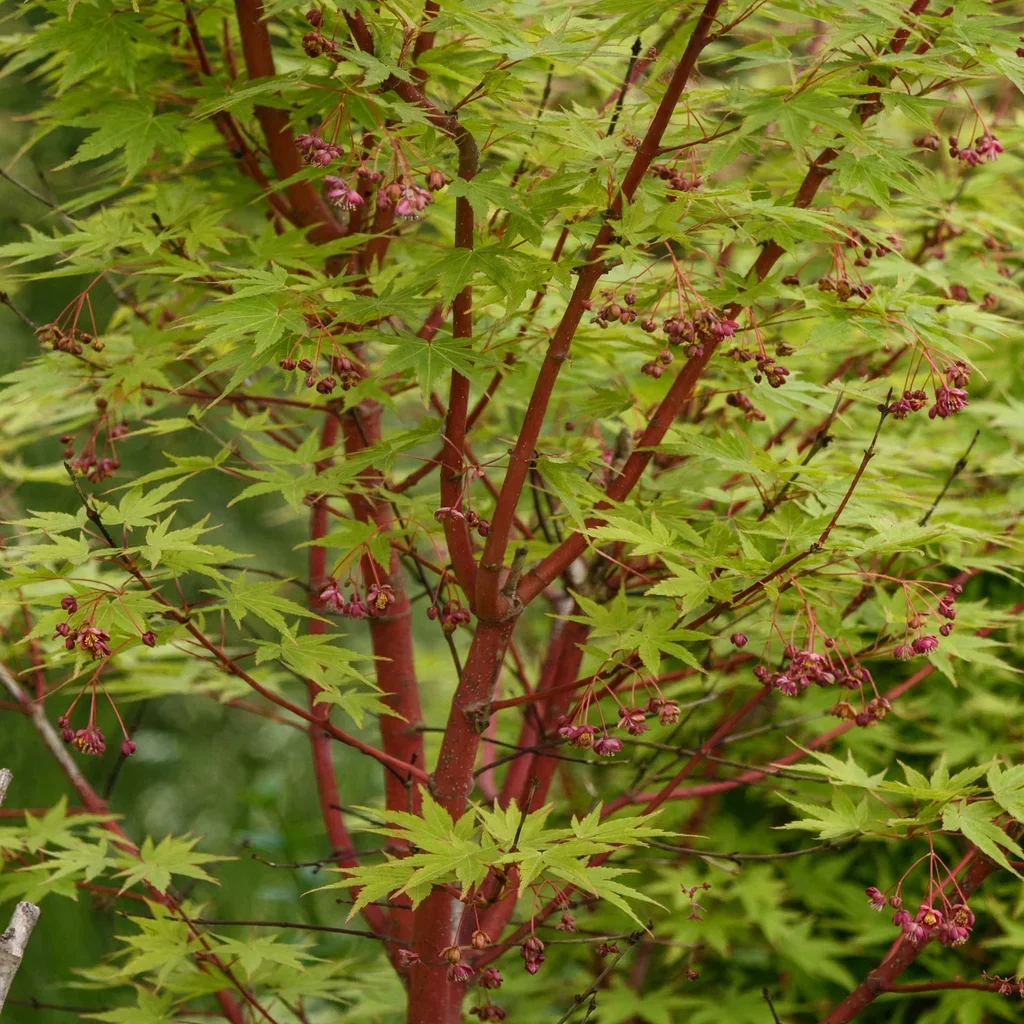
Coral Bark Maple
Acer palmatum 'Sango-Kaku'
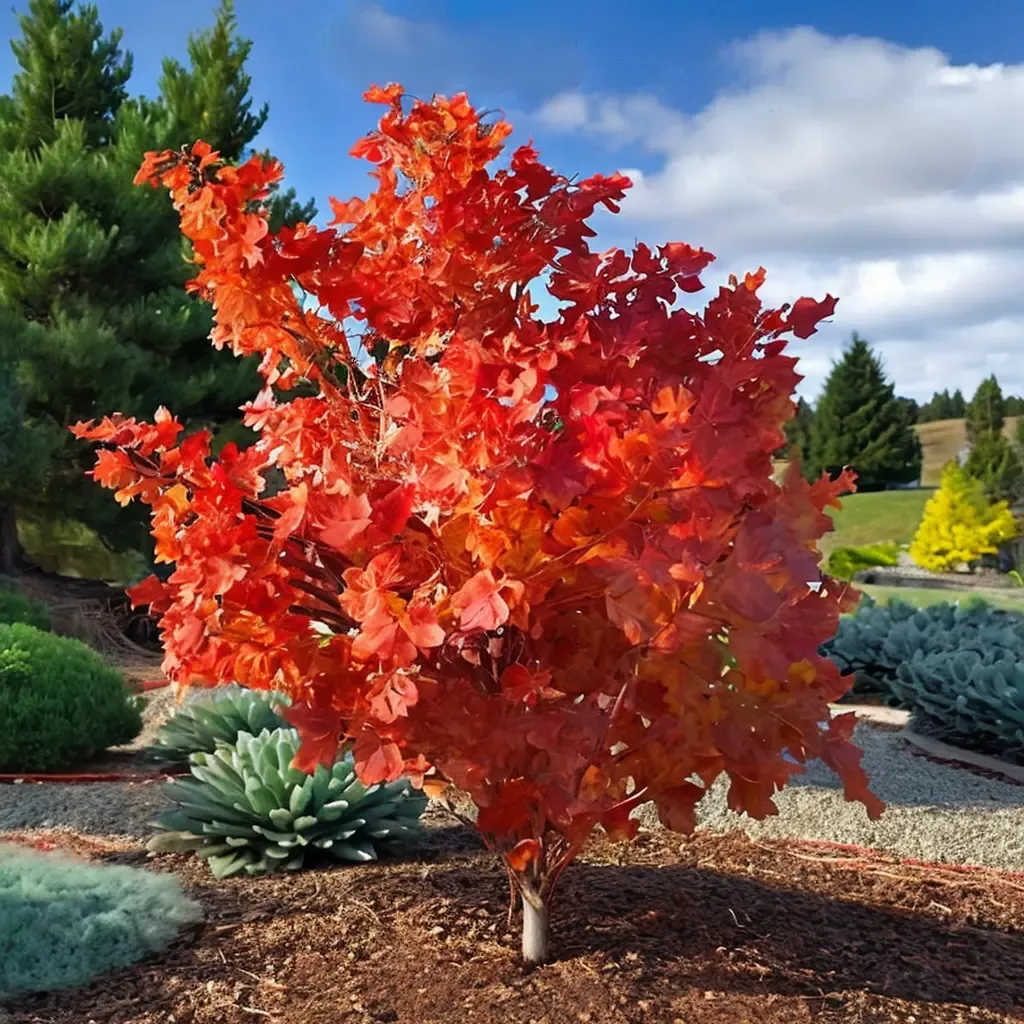
Final Fire Japanese Maple
Acer palmatum 'Final Fire'
Keep exploring
Explore the genus
Hardy in your zone?
Grow Paperbark Maple with confidence
See it in a design of your actual yard, get zone-matched care reminders, and track it season by season in your garden journal.