

The Story
Plant Bio
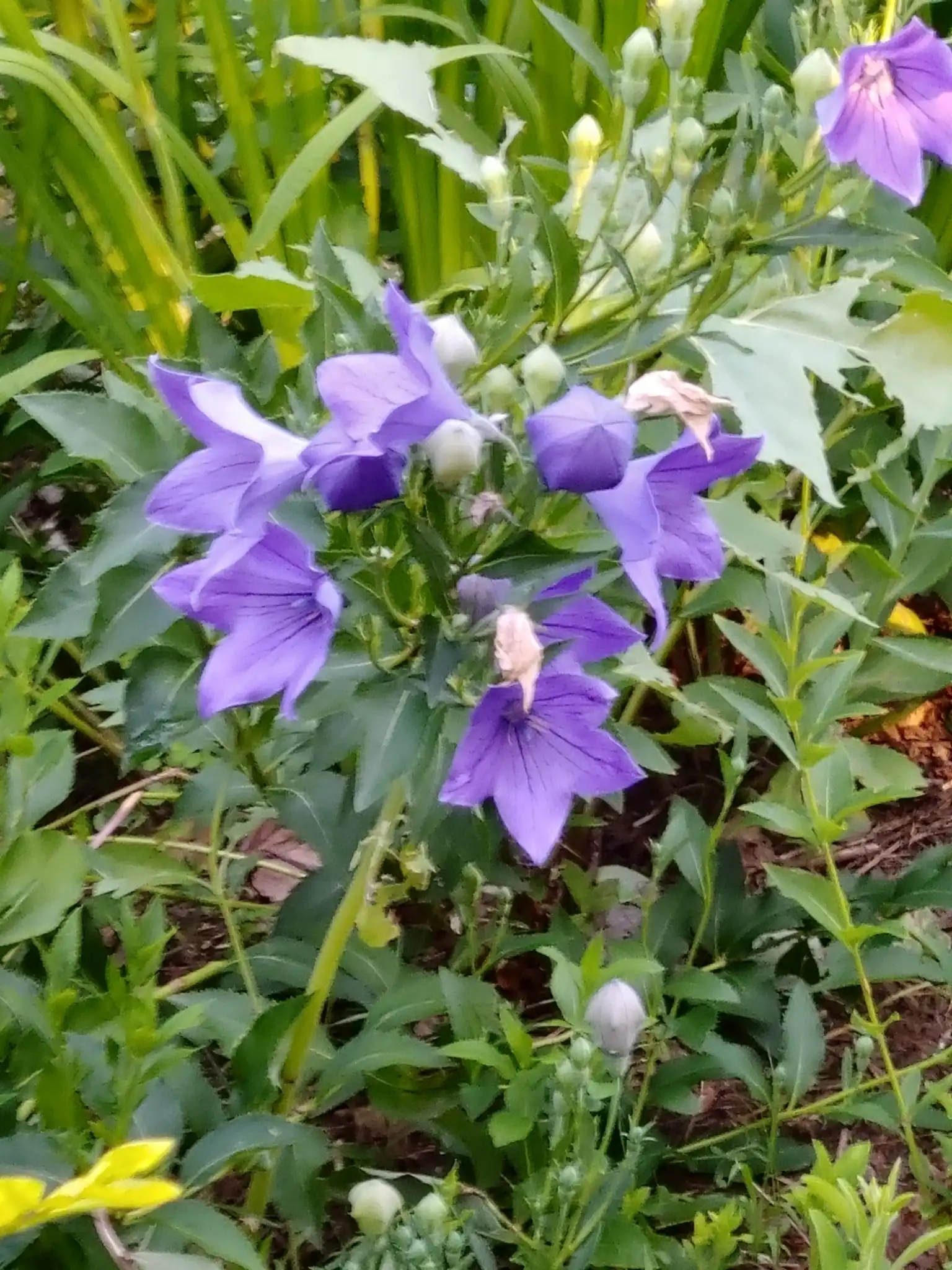
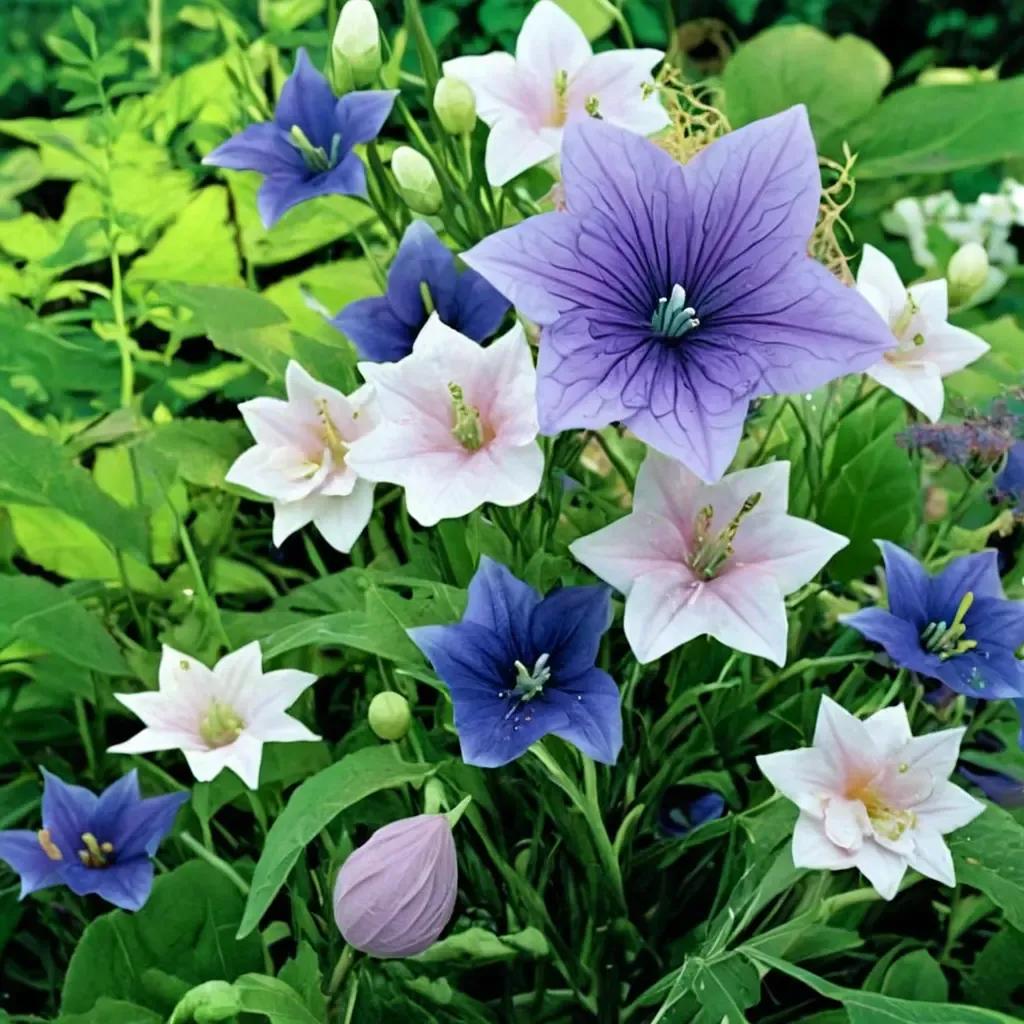
Platycodon grandiflorus, the balloon flower, is a clump-forming herbaceous perennial from China, Korea, Japan and eastern Russia. It makes a tidy mound 12 to 24 in tall and 12 to 18 in across, with toothed blue-green leaves on upright stems. Fat inflated buds open into broad five-pointed bells of violet-blue, white or pink through summer.
The buds swell like small paper balloons before splitting open along the seams, which is where the name comes from. It breaks dormancy very late in spring, so mark the crown to avoid digging it out by mistake. The thick fleshy taproot resents disturbance and the plant is best left undivided once settled.
Uses & Benefits:
Essentials
At a Glance
Plant Type
Perennial
Height
18"
Width
15"
Light
Full Sun, Partial Sun
Zones
4, 5, 6, 7, 8
Water
Moderate; must drain freely in winter
Humidity
Average
Lifespan
10 to 20 years undisturbed
Native To
China, Korea, Japan and eastern Russia
Toxicity
Non-toxic; the root is eaten as a vegetable in Korea
Planting
How to Grow
- Plant in full sun or light afternoon shade in well-drained loam.
- Set the crown level with the soil surface, never deeper.
- Mark the position with a label; growth appears very late.
- Water through dry spells but keep winter soil free-draining.
- Deadhead each spent bell to keep new buds coming.
- Cut stems to the ground after the first hard frost.
Pro Tip
Leave it where it is: the brittle taproot rarely survives a move, so plants are far better raised from seed than divided.
Keep It Thriving
Care Guide
Do
- Give it free-draining soil that stays dry in winter 🌱
- Mark the crown in autumn so you do not hoe it out 🏷️
- Deadhead individual flowers as they fade ✂️
- Support taller forms with a discreet ring early in the season 🪴
Don't
- Do not dig or divide it once established ❌
- Do not plant it in heavy soil that sits wet over winter ❌
- Do not give up on it in April; it is simply late to appear ❌
Seasonal Care Calendar
| Task | Jan | Feb | Mar | Apr | May | Jun | Jul | Aug | Sep | Oct | Nov | Dec |
|---|---|---|---|---|---|---|---|---|---|---|---|---|
| Deadhead And Cut Back | ||||||||||||
| Watch For Late Emergence |
Watch Out For
Pests & Diseases
Common Pests
Common Diseases
In the Garden
Landscape Uses & Companions
Landscape Uses
Companion Plants
Multiply
Propagation Methods
Good to Know
Common Questions
Balloon Flower questions
What zones can Balloon Flower grow in?
Balloon Flower is hardy in USDA Zones 4–8. Inside that range it survives winter in the ground; outside it, grow it as an annual or a container plant you protect.
Is Balloon Flower deer resistant?
Yes — Balloon Flower is rated deer-resistant. Deer typically pass it over, though extreme hunger can override any plant's defenses.
When does Balloon Flower bloom?
Balloon Flower typically blooms in mid to late summer through late summer. Exact timing shifts a week or two with your zone — Sow's bloom calendar maps it to your garden.
Does Balloon Flower need full sun?
Balloon Flower does best in full sun to part shade. In hot climates, afternoon shade keeps blooms fresher longer.
More Platycodon to compare
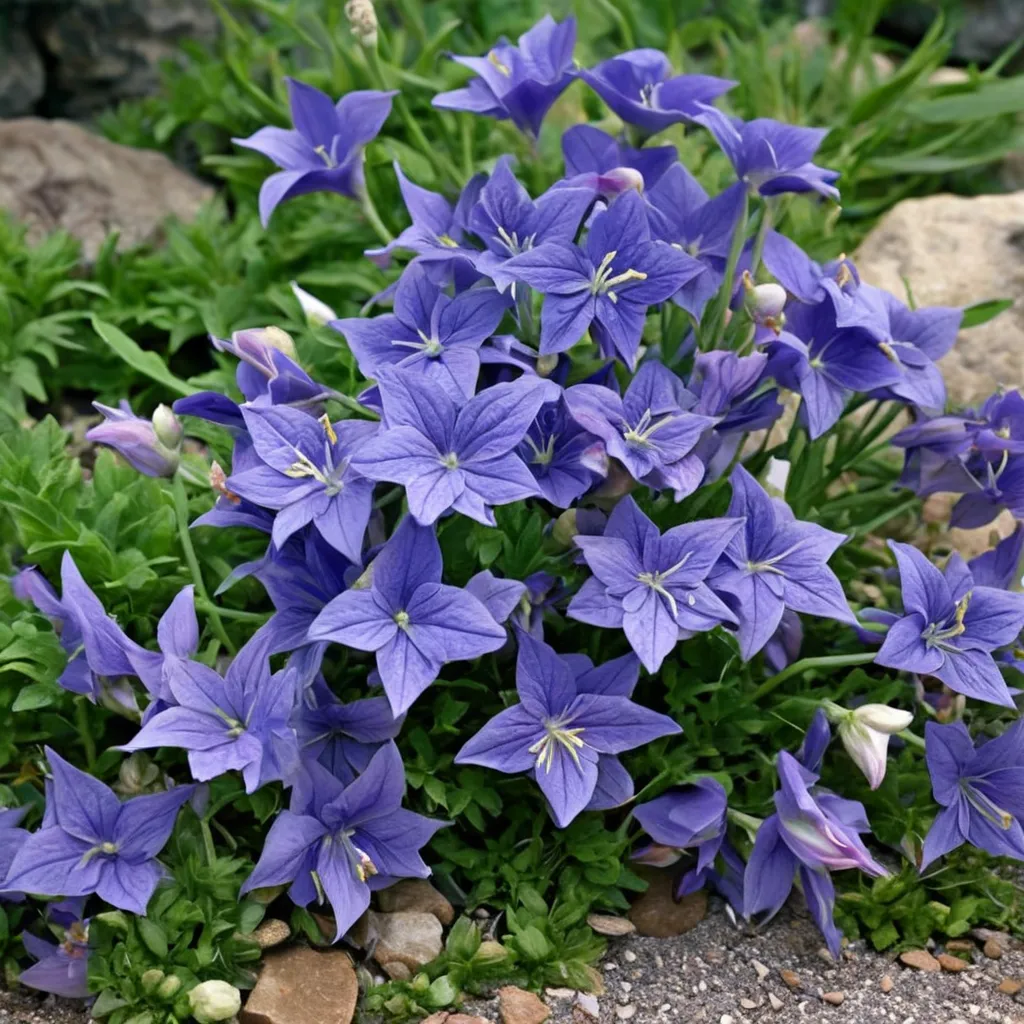
Balloon Flower 'Sentimental Blue'
Platycodon grandiflorus 'Sentimental Blue'
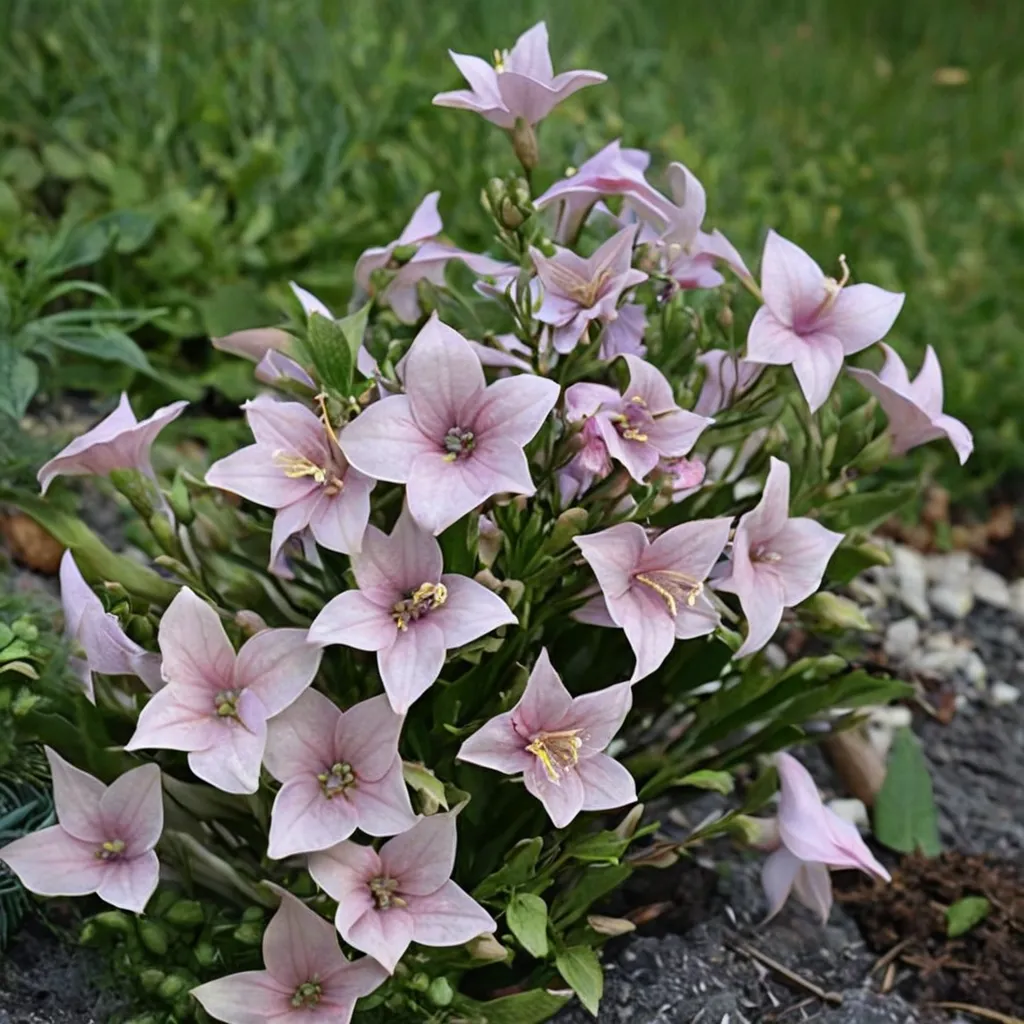
Astra Pink Balloon Flower
Platycodon grandiflorus 'Astra Pink'
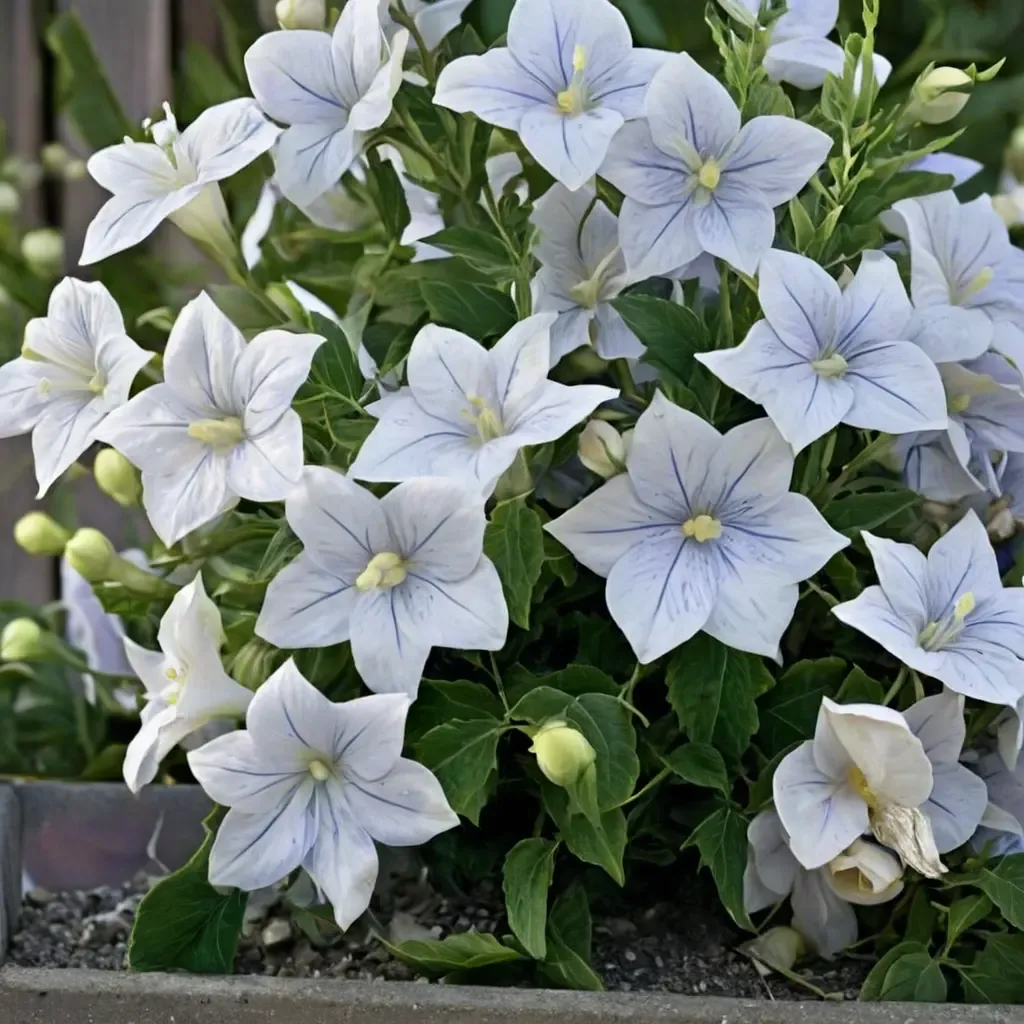
Fairy Snow Balloon Flower
Platycodon grandiflorus 'Fairy Snow'
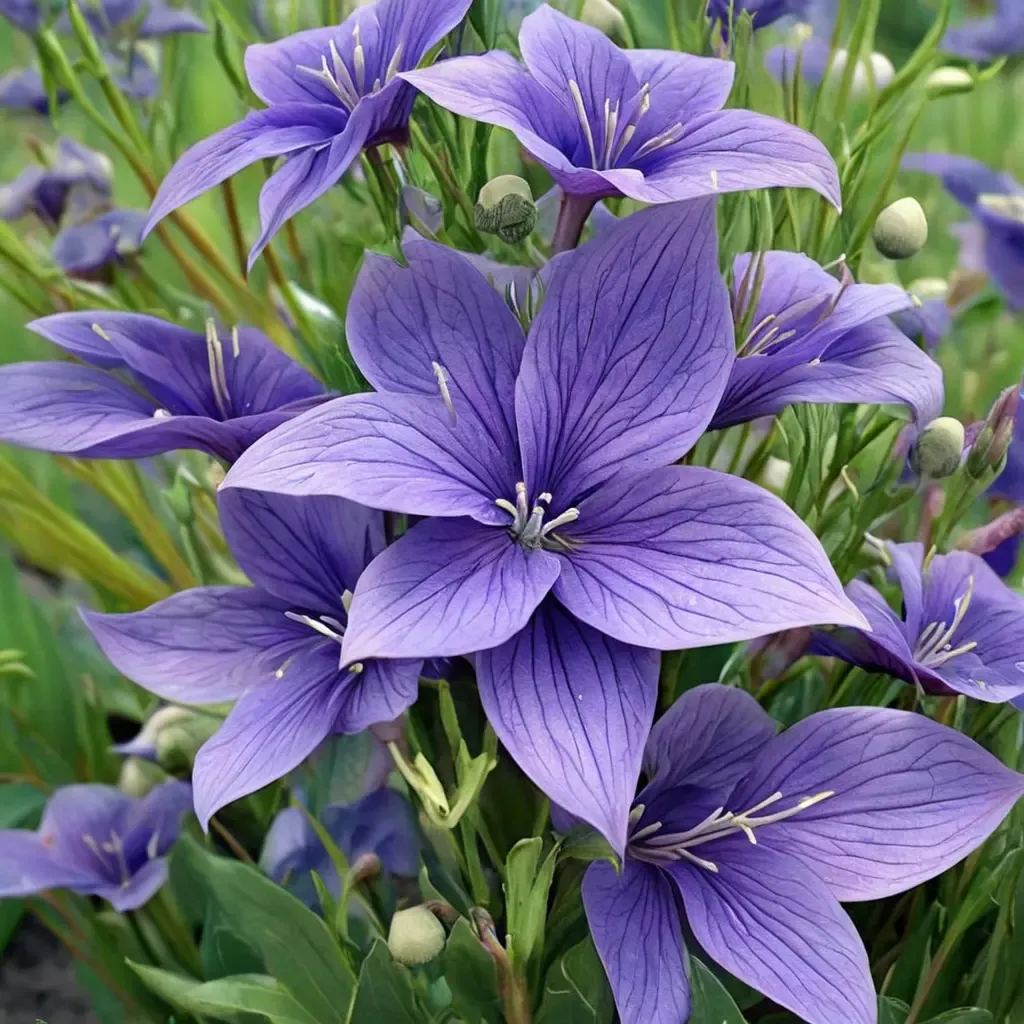
Fuji Blue Balloon Flower
Platycodon grandiflorus 'Fuji Blue'
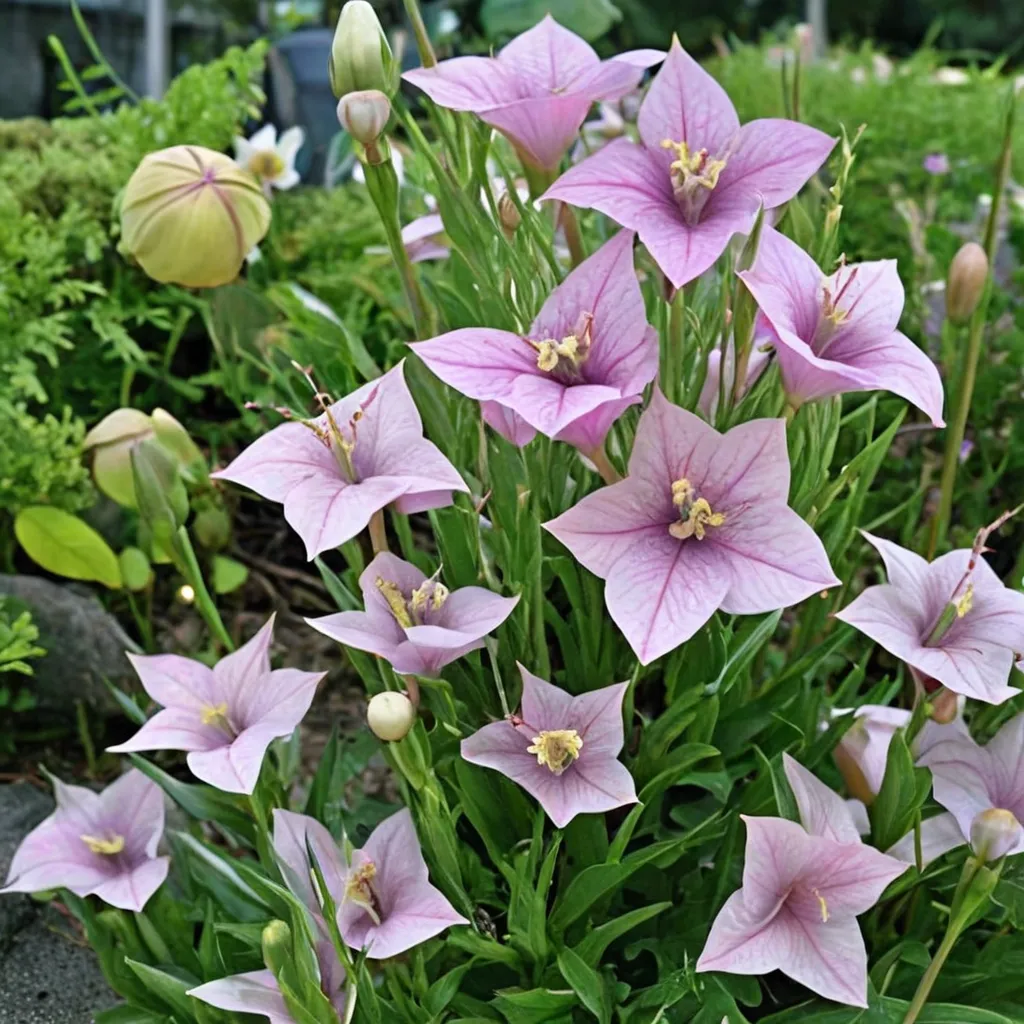
Balloon Flower Shell Pink
Platycodon grandiflorus 'Shell Pink'
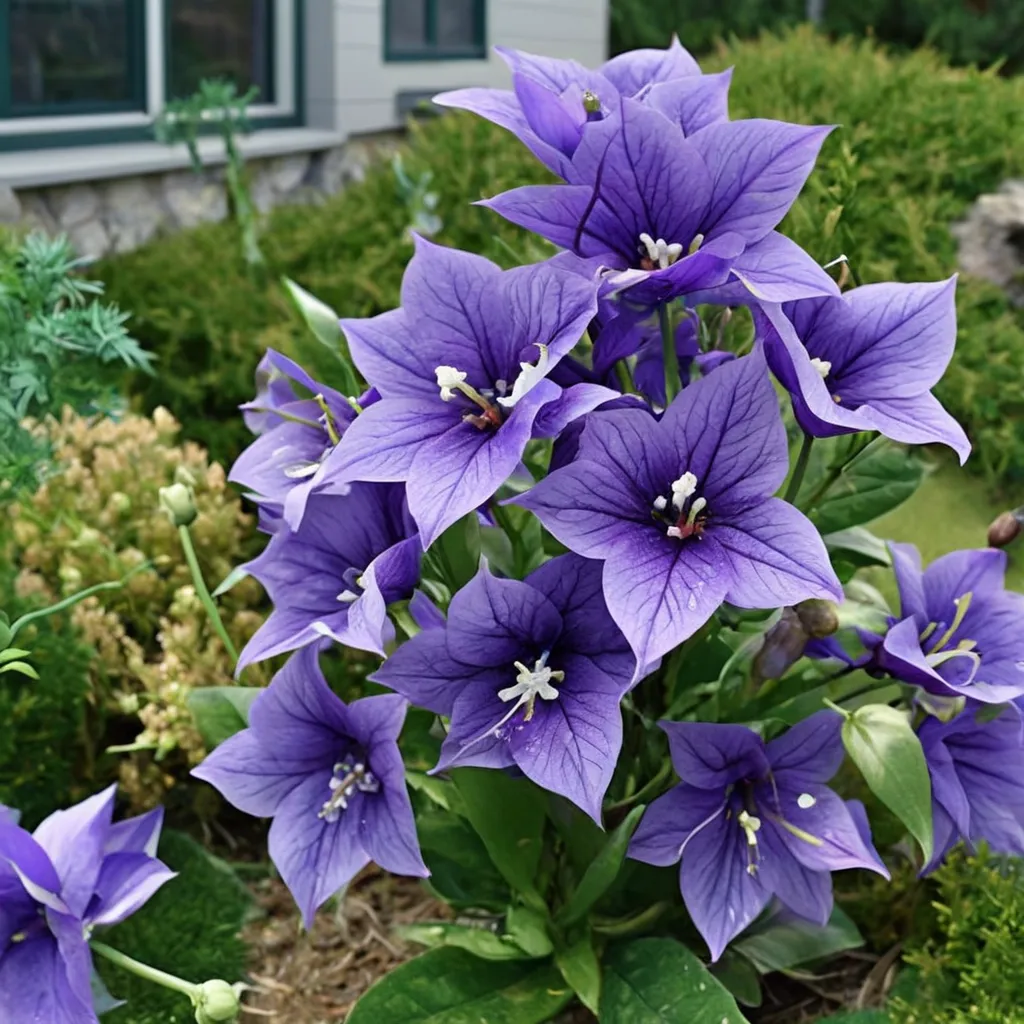
Astra Double Blue Balloon Flower
Platycodon grandiflorus 'Astra Double Blue'
Keep exploring
Explore the genus
Hardy in your zone?
Grow Balloon Flower with confidence
See it in a design of your actual yard, get zone-matched care reminders, and track it season by season in your garden journal.