The Story
Plant Bio
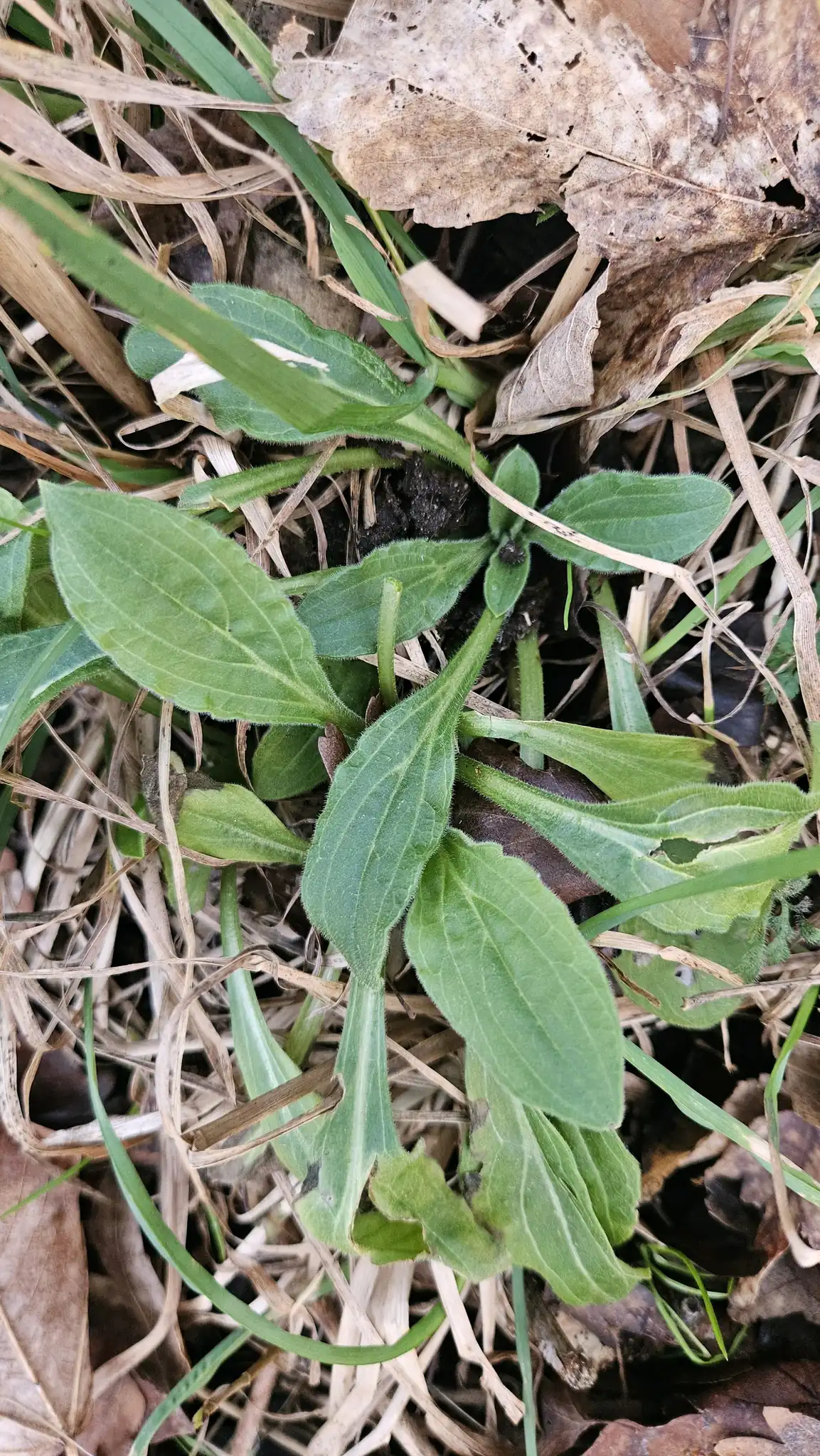
Silene latifolia is a short-lived perennial or biennial herb that forms a basal rosette of softly hairy, gray-green foliage before sending up erect, branched stems with swollen nodes. The species is dioecious, bearing deeply notched white flowers with inflated, balloon-like green calyxes that open in the evening to emit a light fragrance.
This species is distinguished by its highly inflated, 10- to 20-veined calyx and its evening-blooming habit adapted for moth pollination. Because male and female flowers occur on separate plants, isolated specimens will not produce viable seed.
Uses & Benefits:
Essentials
At a Glance
Plant Type
Perennial
Height
40"
Width
24"
Light
Full Sun, Partial Sun
Zones
4, 5, 6, 7, 8, 9
Water
Low to Moderate
Humidity
Moderate
Lifespan
Short-lived perennial
Native To
Europe, Western Asia, Northern Africa
Toxicity
Mildly toxic to livestock if ingested in large quantities; can cause minor skin irritation.
Bloom period
Late spring – Fall
In flower about 7 months of the year
Planting
How to Grow
- Sow seeds directly into well-drained, sandy or gravelly soil in full sun to partial shade during early spring.
- Water moderately until the fleshy taproot establishes, after which the plant exhibits reliable drought tolerance.
- Avoid applying high-nitrogen fertilizers, which promote weak, leggy stem growth at the expense of flowers.
- Monitor for aphids and spider mites, and ensure the soil remains free-draining to prevent root rot.
Pro Tip
Cut back spent flowering stems immediately after the main bloom period to prevent aggressive self-seeding and keep the plant from becoming a nuisance.
Keep It Thriving
Care Guide
Do
- Deadhead spent blooms to control self-seeding in home gardens.
- Grow in poor, sandy, or gravelly soils to maintain a compact growth habit.
- Wear gloves when handling the foliage if you have sensitive skin.
Don't
- Do not overwater or plant in heavy clay soils where water pools.
- Do not apply heavy fertilizer, as rich soils cause the stems to flop.
- Do not expect isolated single plants to produce viable seeds.
Seasonal Care Calendar
| Task | Jan | Feb | Mar | Apr | May | Jun | Jul | Aug | Sep | Oct | Nov | Dec |
|---|---|---|---|---|---|---|---|---|---|---|---|---|
| Pest Check | ||||||||||||
| Plant | ||||||||||||
| Prune | ||||||||||||
| Spring Cleanup |
Watch Out For
Pests & Diseases
Common Pests
Common Diseases
In the Garden
Landscape Uses & Companions
Landscape Uses
Companion Plants
Multiply
Propagation Methods
Good to Know
Common Questions
White Campion questions
What zones can White Campion grow in?
White Campion is hardy in USDA Zones 4–9. Inside that range it survives winter in the ground; outside it, grow it as an annual or a container plant you protect.
Is White Campion deer resistant?
Not reliably. Deer may browse White Campion, especially tender spring growth — plan on repellents or fencing where pressure is high.
When does White Campion bloom?
White Campion typically blooms in late spring through fall. Exact timing shifts a week or two with your zone — Sow's bloom calendar maps it to your garden.
Does White Campion need full sun?
White Campion does best in full sun to part shade. In hot climates, afternoon shade keeps blooms fresher longer.
Is White Campion drought tolerant?
Yes — once established (usually after the first full season), White Campion handles dry spells with minimal watering. Water deeply its first year to build the root system that makes that possible.
More Silene to compare
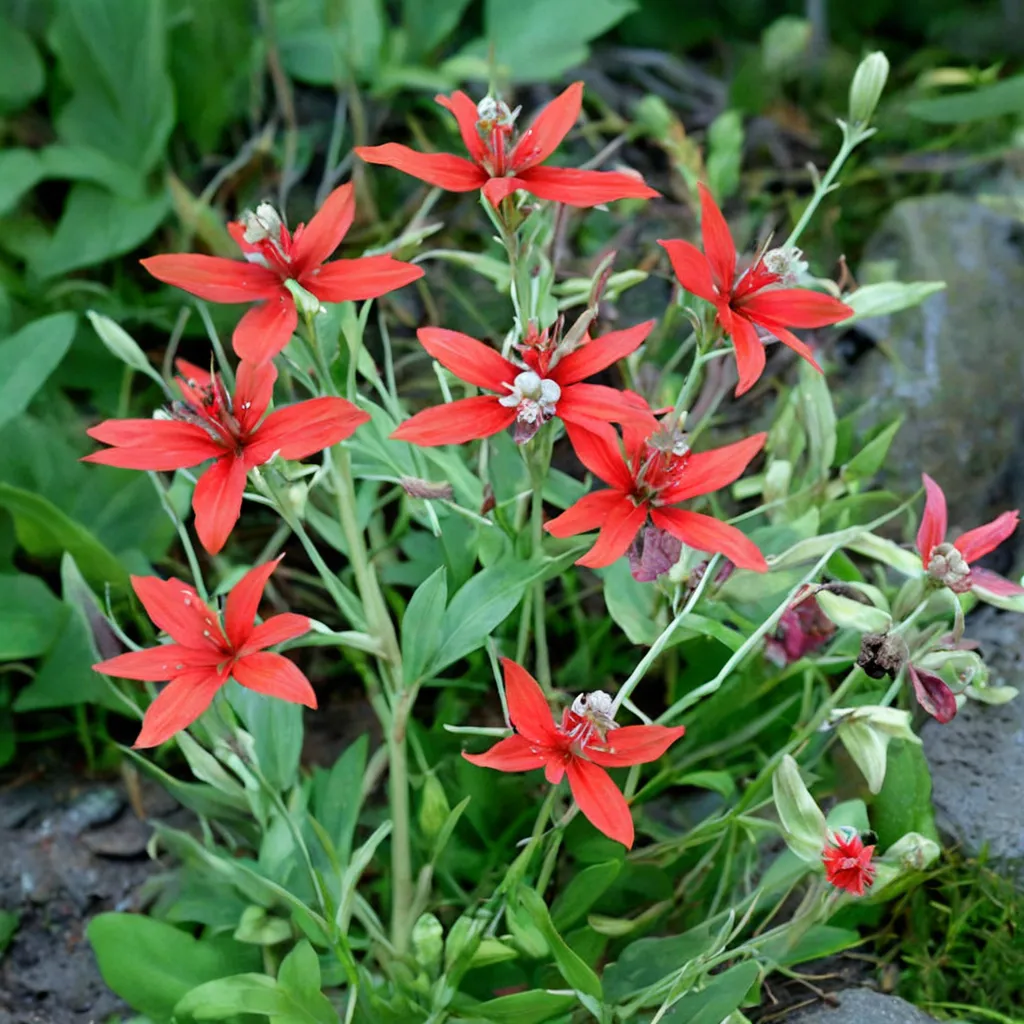
Fire Pink
Silene virginica 'Fire Pinks'
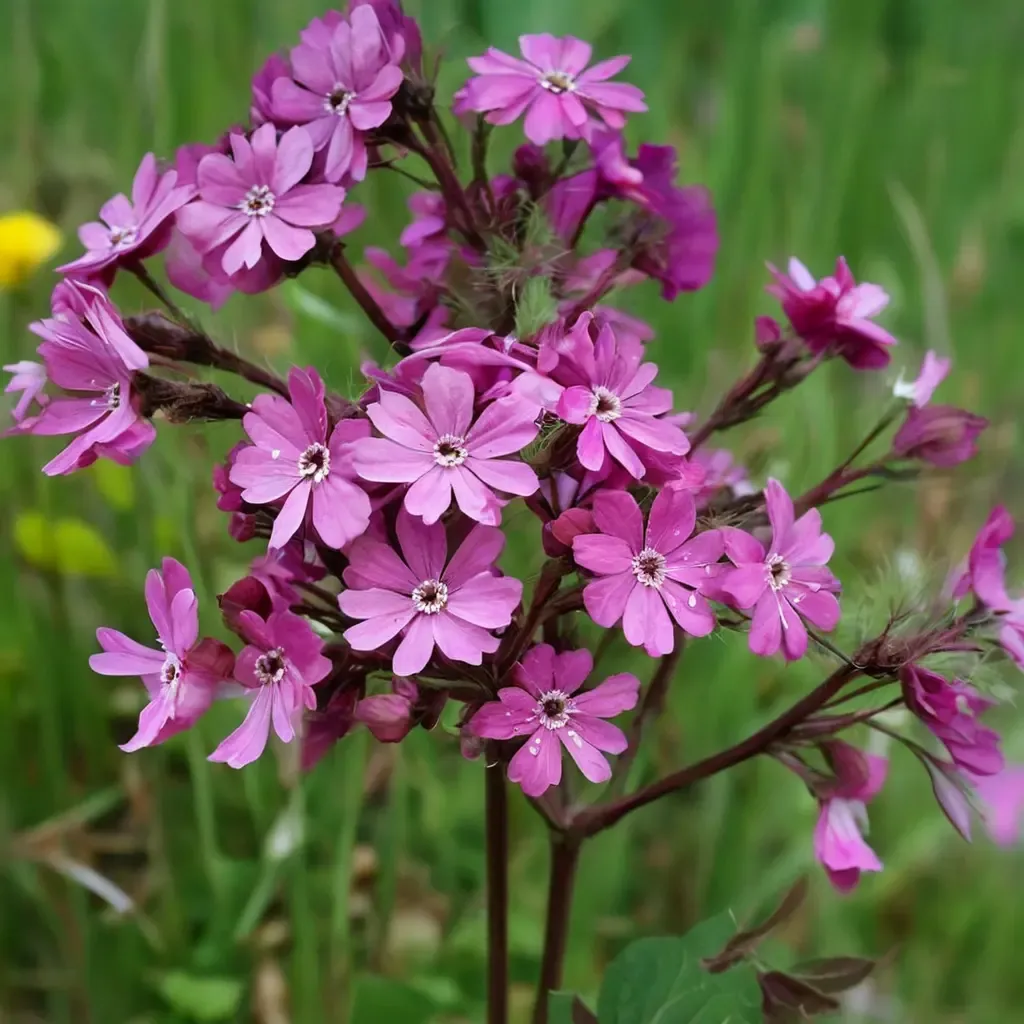
Red Campion
Silene dioica
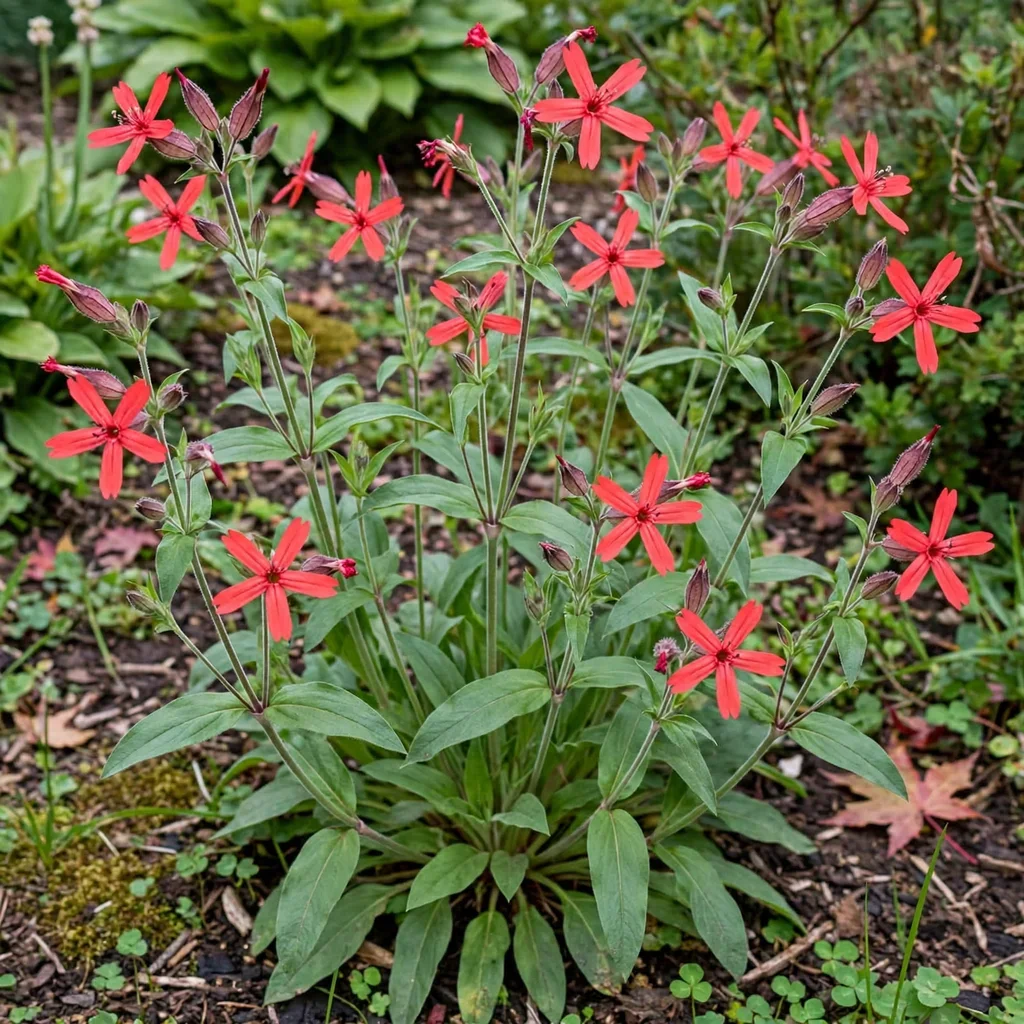
Jackson Valentine Fire Pink
Silene virginica 'Jackson Valentine'
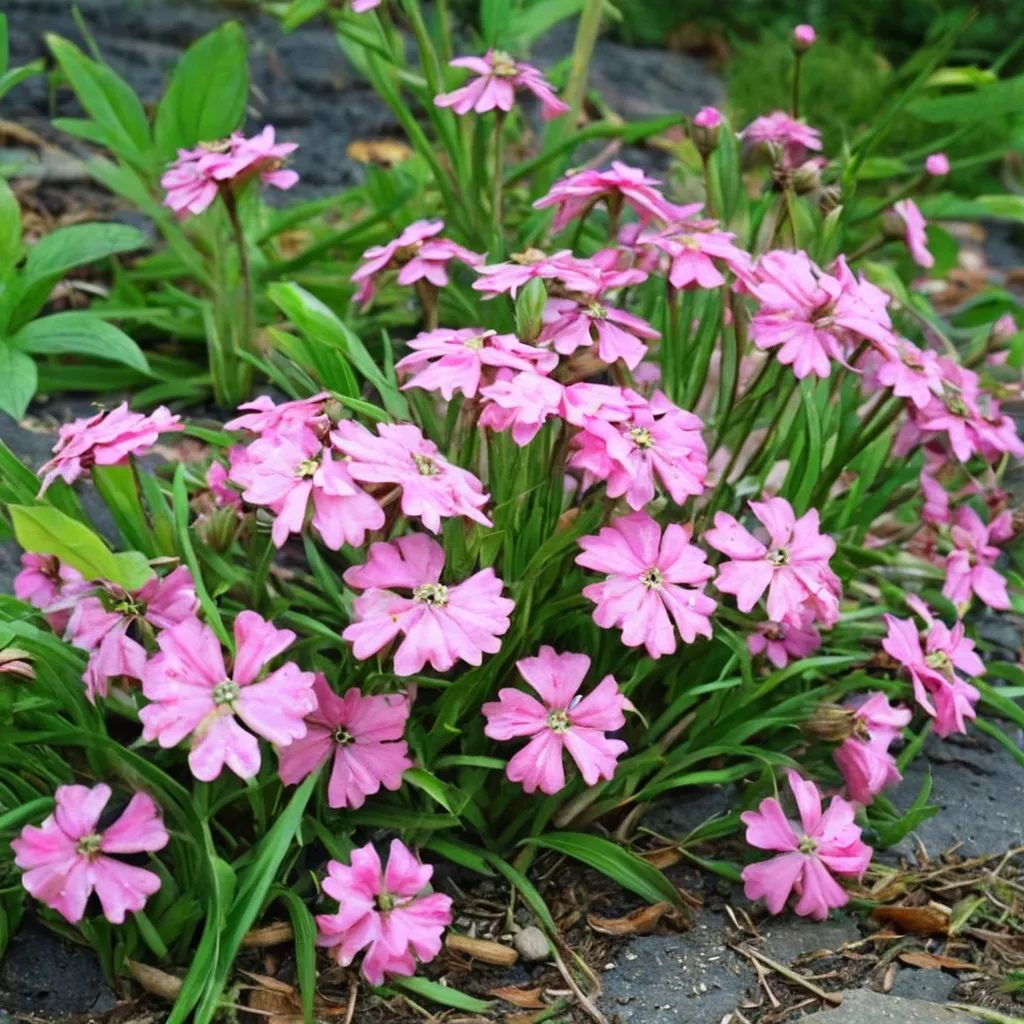
Wild Pink
Silene caroliniana 'Short and Sweet'
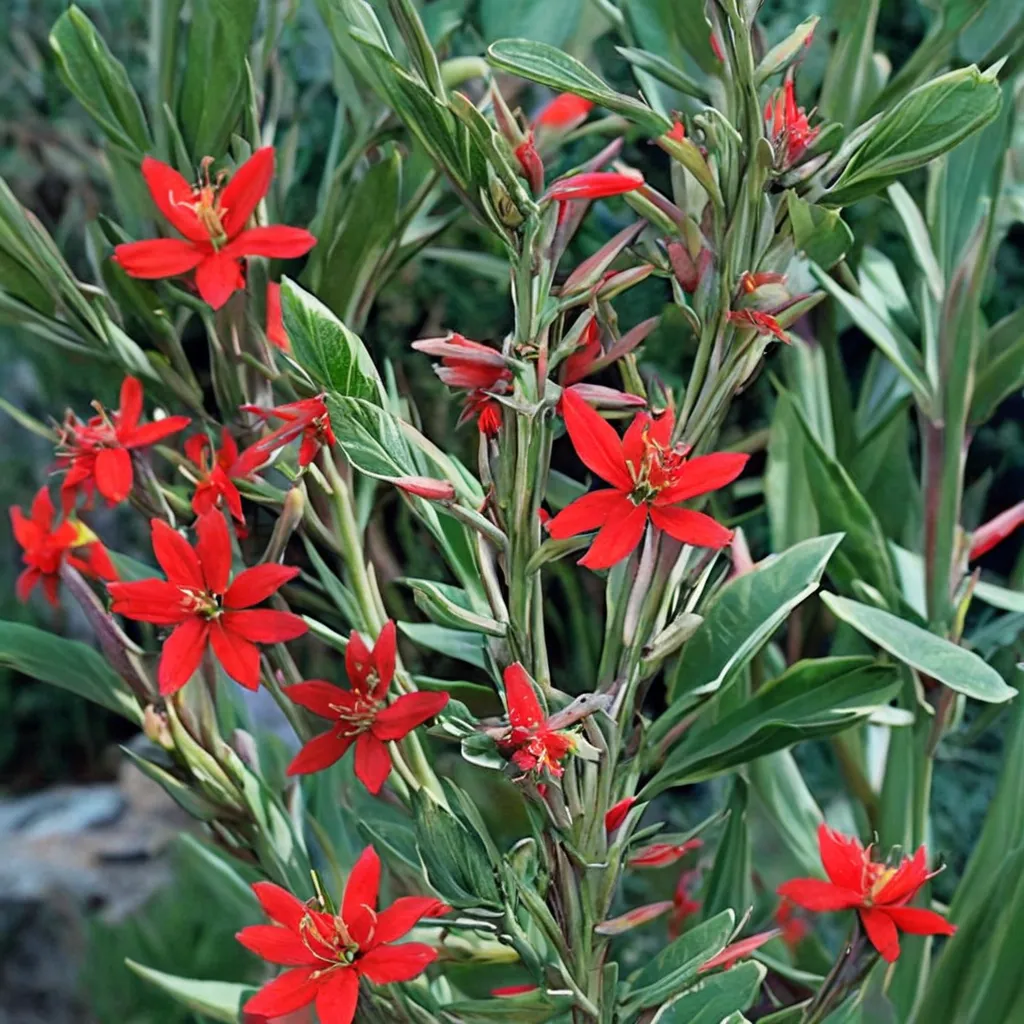
Prairie Fire Royal Catchfly
Silene regia 'Prairie Fire'
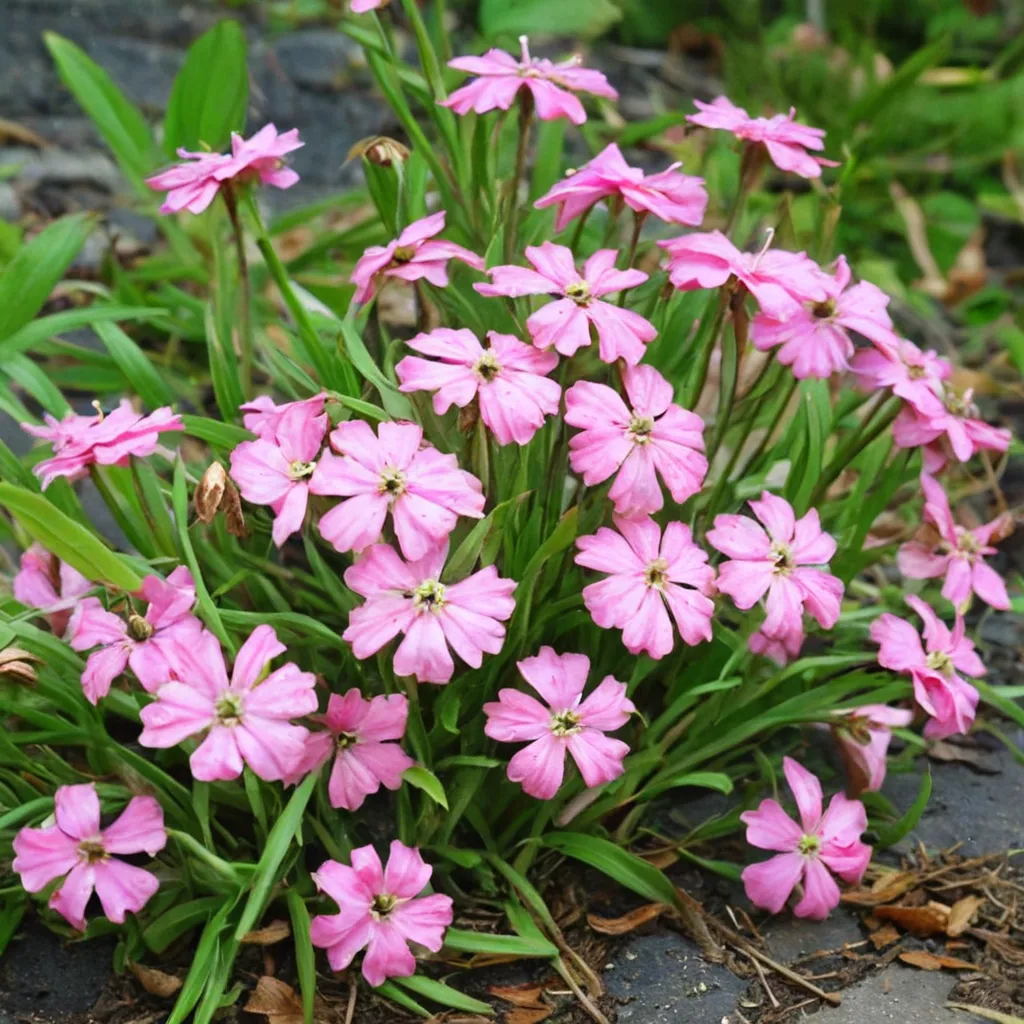
Short and Sweet Wild Pinks
Silene caroliniana 'Short Sweet'
Keep exploring
Explore the genus
Grow White Campion with confidence
See it in a design of your actual yard, get zone-matched care reminders, and track it season by season in your garden journal.