The Story
Plant Bio
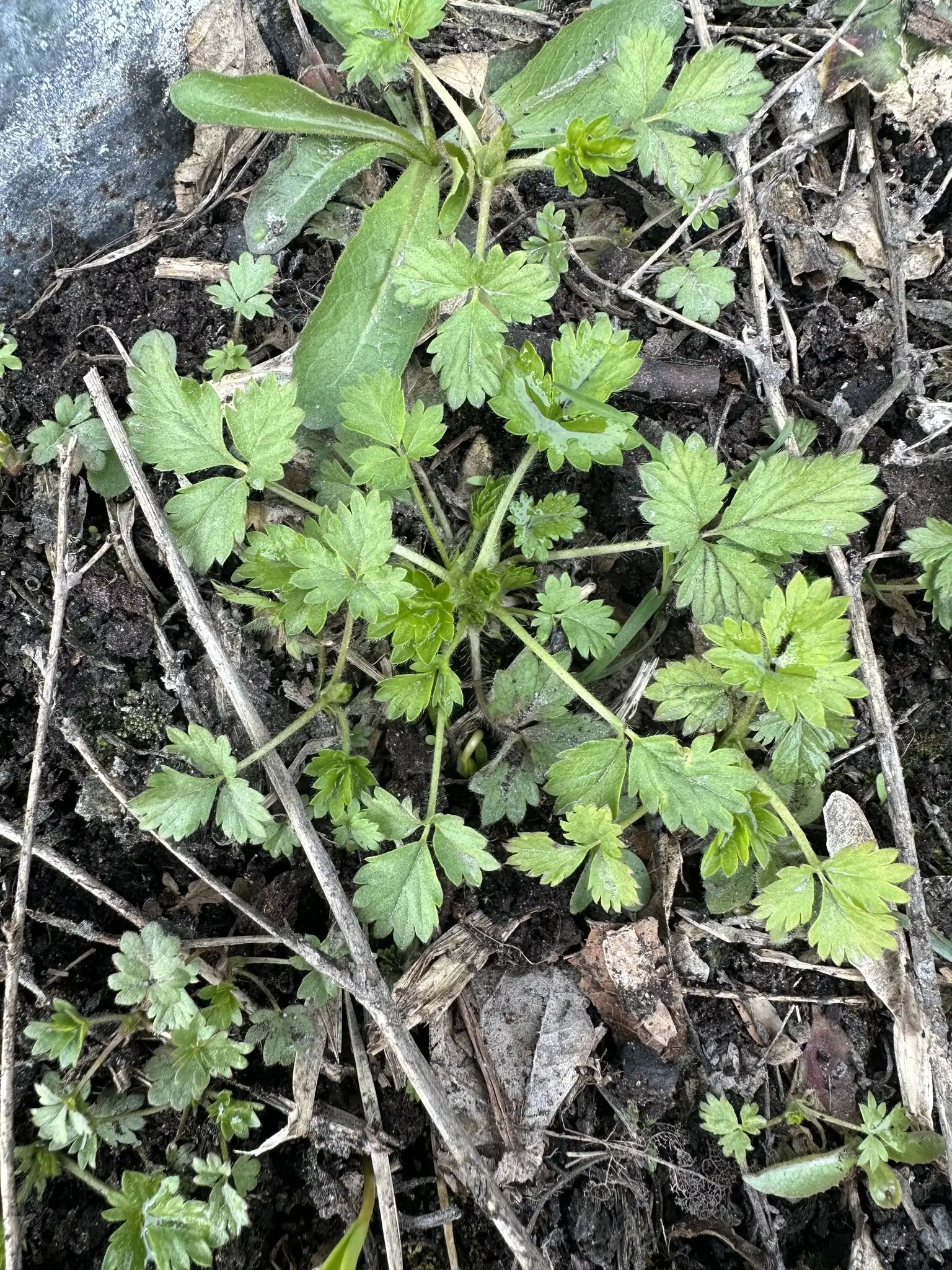
Potentilla norvegica is an upright, branching herbaceous forb native across North America, characterized by its hairy stems and ternate leaves. It produces flat-topped clusters of small, yellow flowers from early summer into mid-fall.
Unlike the woody, shrubby members of the genus, this species behaves as a short-lived annual, biennial, or perennial that colonizes disturbed ground. The foliage consists of three coarsely-toothed leaflets resembling wild strawberry leaves, covered in stiff, spreading hairs.
Uses & Benefits:
Essentials
At a Glance
Plant Type
Perennial
Height
35"
Width
20"
Light
Full Sun, Partial Sun
Zones
4, 5, 6, 7, 8
Water
Moderate
Humidity
Adaptable
Lifespan
Short-lived Perennial
Native To
North America, Europe, Asia
Toxicity
Non-toxic
Bloom period
Summer – Autumn
In flower about 6 months of the year
Planting
How to Grow
- Sow seeds directly onto prepared soil in spring or fall, pressing them lightly into the surface as they require light to germinate.
- Select a site in full sun to partial shade with moist, well-drained mineral soil of any texture from sand to clay.
- Water moderately during the first season to establish the root system, after which the plant tolerates dry spells.
- Leave the plant to grow in its natural loose form, avoiding heavy shearing or high-nitrogen fertilizers.
Pro Tip
Deadhead the spent flower clusters before they drop seed to prevent this opportunistic species from aggressively colonizing open garden beds.
Keep It Thriving
Care Guide
Do
- Deadhead spent flowers to control self-seeding in cultivated areas.
- Grow in lean, unamended soils to maintain a compact, upright habit.
- Provide full sun to maximize flower production and prevent floppy stems.
Don't
- Do not overwater or plant in poorly drained, waterlogged soils where root rot develops.
- Do not apply heavy fertilizers, which encourages excessive, weak vegetative growth.
- Do not shear the plant back repeatedly, as this ruins its natural wildflower form.
Seasonal Care Calendar
| Task | Jan | Feb | Mar | Apr | May | Jun | Jul | Aug | Sep | Oct | Nov | Dec |
|---|---|---|---|---|---|---|---|---|---|---|---|---|
| Deadhead | ||||||||||||
| Pest Check | ||||||||||||
| Plant | ||||||||||||
| Spring Cleanup |
Watch Out For
Pests & Diseases
Common Pests
Common Diseases
In the Garden
Landscape Uses & Companions
Landscape Uses
Companion Plants
Multiply
Propagation Methods
Good to Know
Common Questions
Norwegian Cinquefoil questions
What zones can Norwegian Cinquefoil grow in?
Norwegian Cinquefoil is hardy in USDA Zones 4–8. Inside that range it survives winter in the ground; outside it, grow it as an annual or a container plant you protect.
Is Norwegian Cinquefoil deer resistant?
Not reliably. Deer may browse Norwegian Cinquefoil, especially tender spring growth — plan on repellents or fencing where pressure is high.
When does Norwegian Cinquefoil bloom?
Norwegian Cinquefoil typically blooms in summer through autumn. Exact timing shifts a week or two with your zone — Sow's bloom calendar maps it to your garden.
Does Norwegian Cinquefoil need full sun?
Norwegian Cinquefoil does best in full sun to part shade. In hot climates, afternoon shade keeps blooms fresher longer.
Is Norwegian Cinquefoil drought tolerant?
Yes — once established (usually after the first full season), Norwegian Cinquefoil handles dry spells with minimal watering. Water deeply its first year to build the root system that makes that possible.
More Potentilla to compare
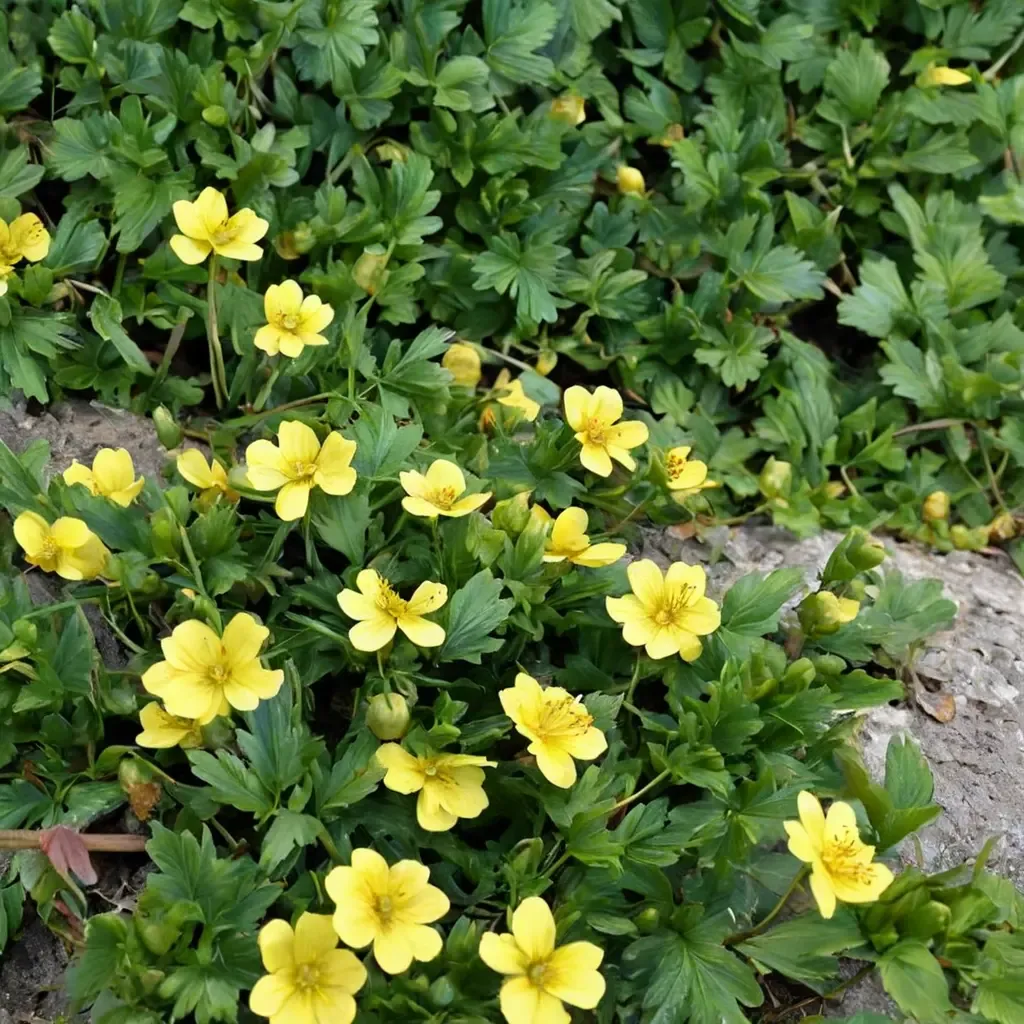
Spring Cinquefoil
Potentilla neumanniana
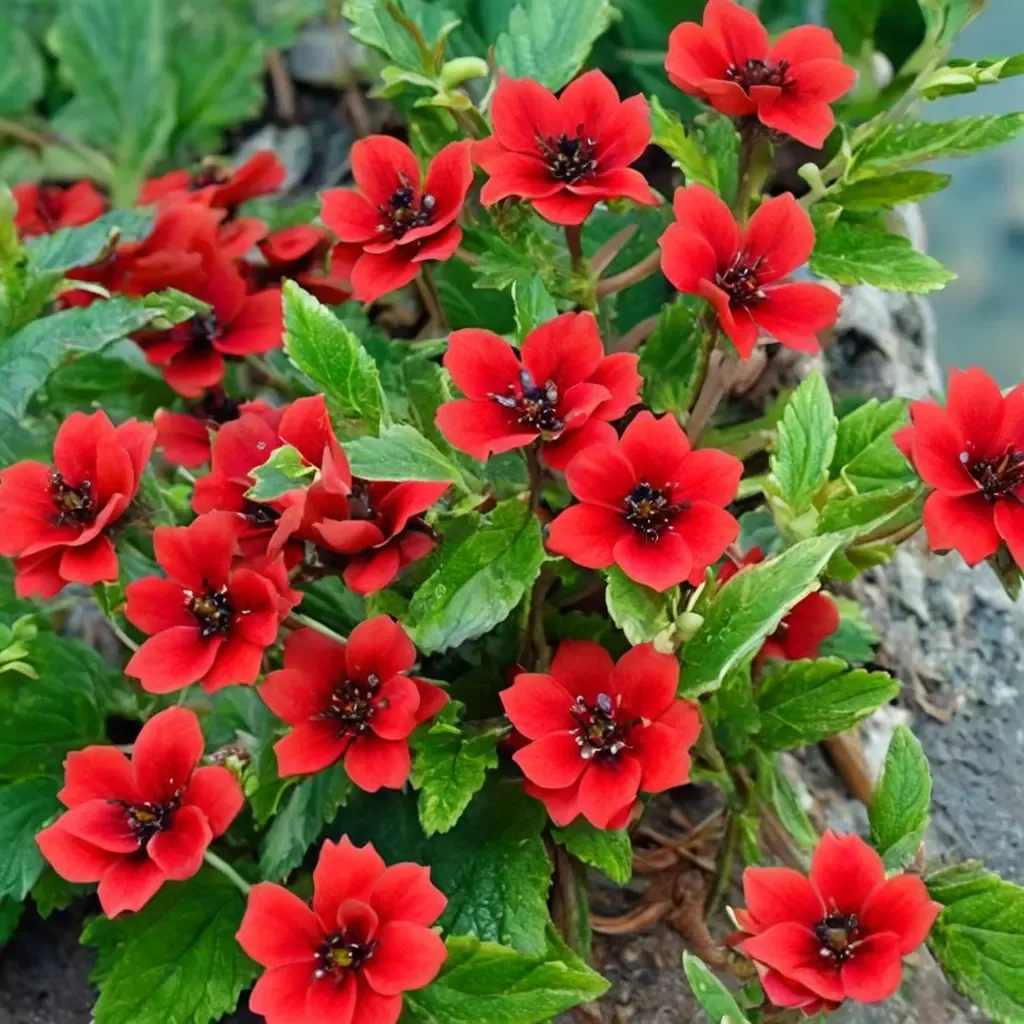
Scarlet Dreams Cinquefoil
Potentilla fruticosa 'Scarlet Dreams'
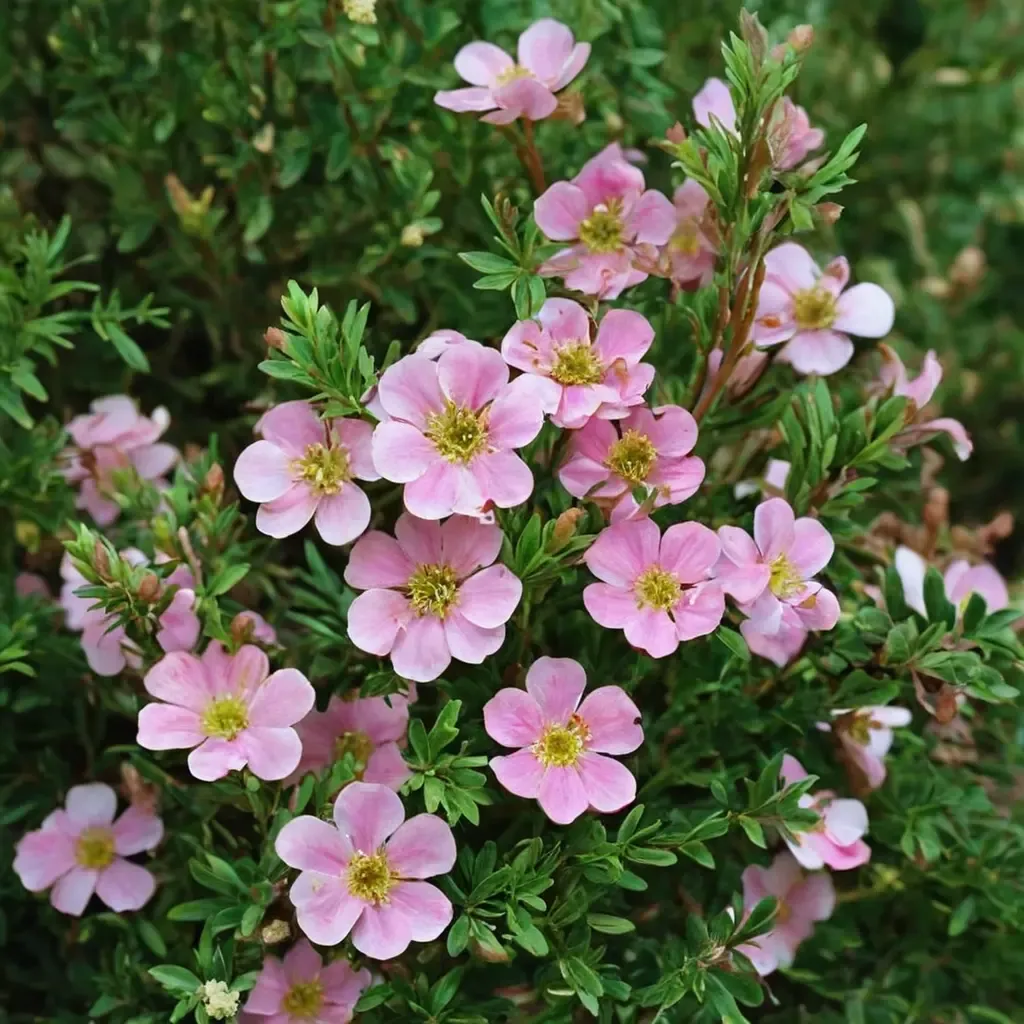
Pink Beauty Shrub Cinquefoil
Potentilla fruticosa 'Pink Beauty'
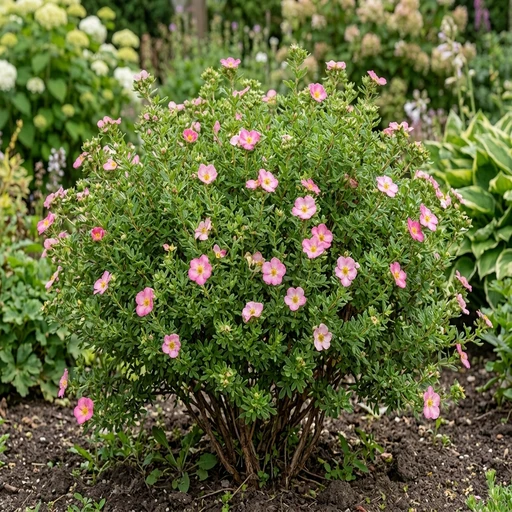
Happy Face Hearts Bush Cinquefoil
Potentilla fruticosa 'Happy Face Hearts'
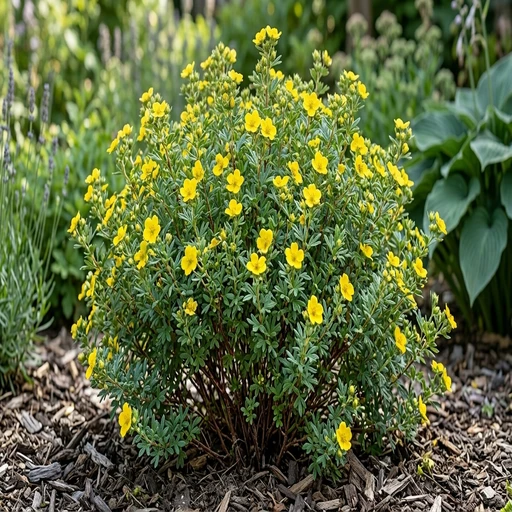
Gold Drop Bush Cinquefoil
Potentilla fruticosa 'Gold Drop'
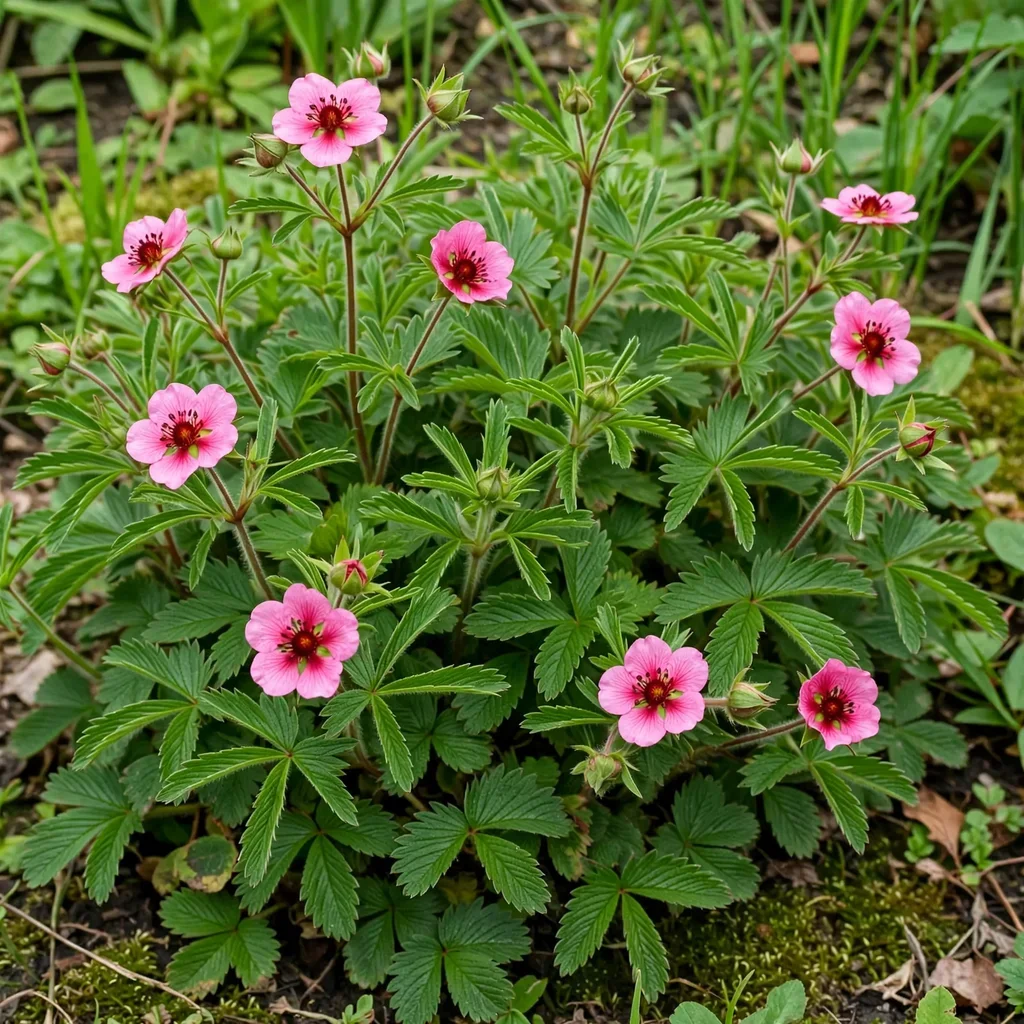
Shogran Cinquefoil
Potentilla nepalensis 'Shogran'
Keep exploring
Explore the genus
Hardy in your zone?
Grow Norwegian Cinquefoil with confidence
See it in a design of your actual yard, get zone-matched care reminders, and track it season by season in your garden journal.