The Story
Plant Bio
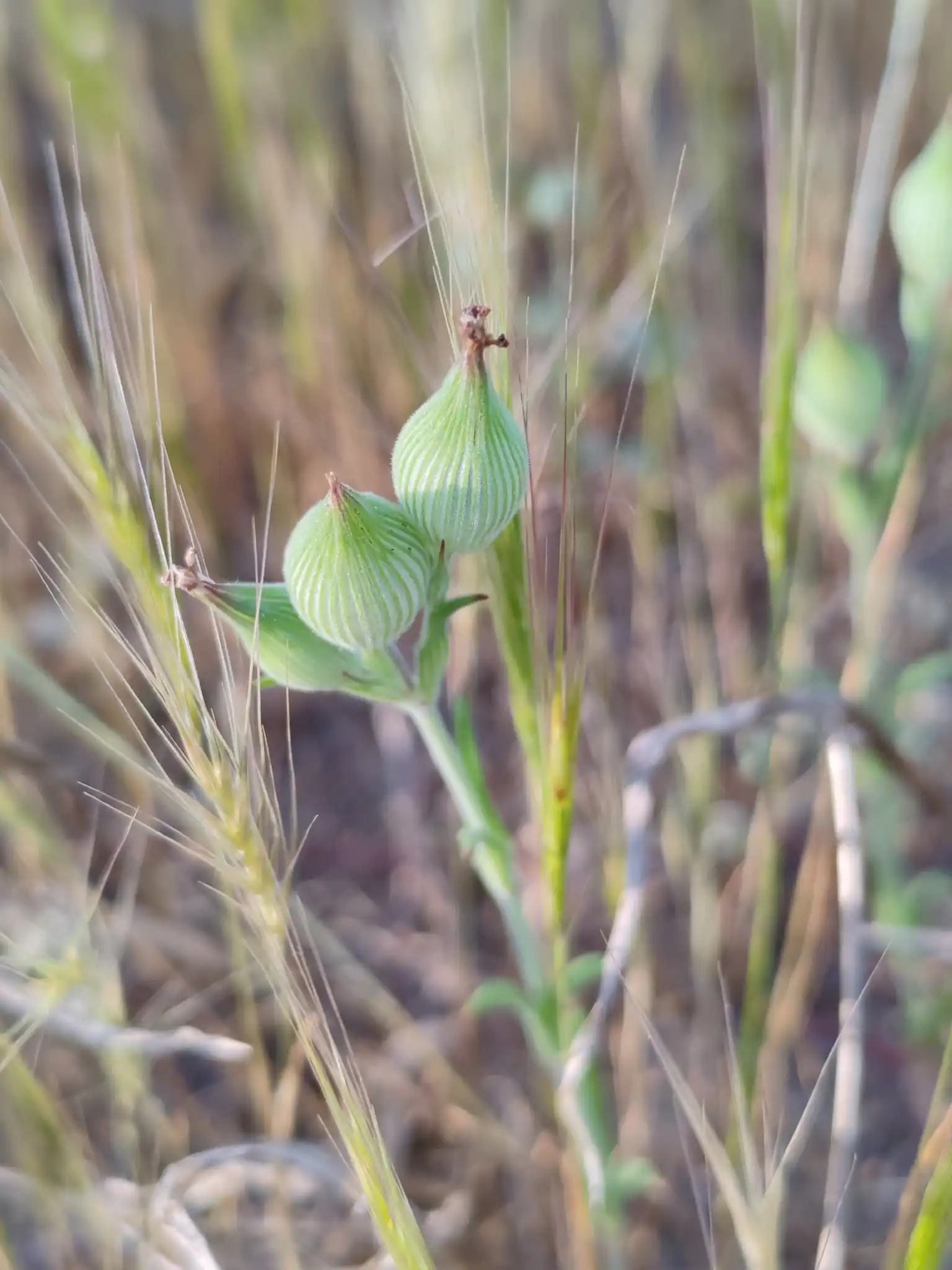
Silene conica is an erect, slender annual herb native to Eurasia, characterized by its grey-green, finely pubescent linear-lanceolate leaves. The small pink, purple, or white flowers are carried in loose terminal clusters, distinguished by prominent, 30-veined cylindrical calyces that swell as seeds mature.
This species is highly adapted to dry, sandy coastal dunes and calcareous soils where few other annuals persist. Its specialized ribbed calyx structure provides a distinct visual texture during the spring and summer blooming period.
Uses & Benefits:
Essentials
At a Glance
Plant Type
Annual
Height
10"
Width
6"
Light
Full Sun
Zones
4, 5, 6, 7, 8, 9
Water
Low
Humidity
Low to moderate
Lifespan
Annual
Native To
Eurasia
Toxicity
Skin irritant
Bloom period
Spring – Summer
In flower about 6 months of the year
Planting
How to Grow
- Select a site with full sun and exceptionally sharp-draining, sandy or gravelly soil.
- Sow seeds directly onto the soil surface in fall or early spring, pressing them lightly into the substrate without burying them deeply.
- Water sparingly during germination, then cease supplemental watering once seedlings establish.
- Allow the plants to flower, set seed, and die back naturally to ensure self-sowing for the following season.
Pro Tip
Establish this species in poor, highly calcareous sand under full sun, ensuring absolute dryness at the root crown to prevent rot.
Keep It Thriving
Care Guide
Do
- Provide full sun and sharp, sandy drainage.
- Allow the plant to set seed if naturalization is desired.
- Keep the root crown dry to prevent fungal decay.
Don't
- Do not apply fertilizers, as nutrient-rich soils cause leggy growth and rot.
- Do not plant in heavy clay or poorly draining loam.
- Do not overwater or crowd plants, which invites powdery mildew.
Seasonal Care Calendar
| Task | Jan | Feb | Mar | Apr | May | Jun | Jul | Aug | Sep | Oct | Nov | Dec |
|---|---|---|---|---|---|---|---|---|---|---|---|---|
| Deadhead | ||||||||||||
| Pest Check | ||||||||||||
| Plant | ||||||||||||
| Spring Cleanup |
Watch Out For
Pests & Diseases
Common Pests
Common Diseases
In the Garden
Landscape Uses & Companions
Landscape Uses
Companion Plants
Multiply
Propagation Methods
Good to Know
Common Questions
Striate Campion questions
What zones can Striate Campion grow in?
Striate Campion is hardy in USDA Zones 4–9. Inside that range it survives winter in the ground; outside it, grow it as an annual or a container plant you protect.
When does Striate Campion bloom?
Striate Campion typically blooms in spring through summer. Exact timing shifts a week or two with your zone — Sow's bloom calendar maps it to your garden.
Does Striate Campion need full sun?
Striate Campion does best in full sun (6+ hours).
Is Striate Campion drought tolerant?
Yes — once established (usually after the first full season), Striate Campion handles dry spells with minimal watering. Water deeply its first year to build the root system that makes that possible.
More Silene to compare
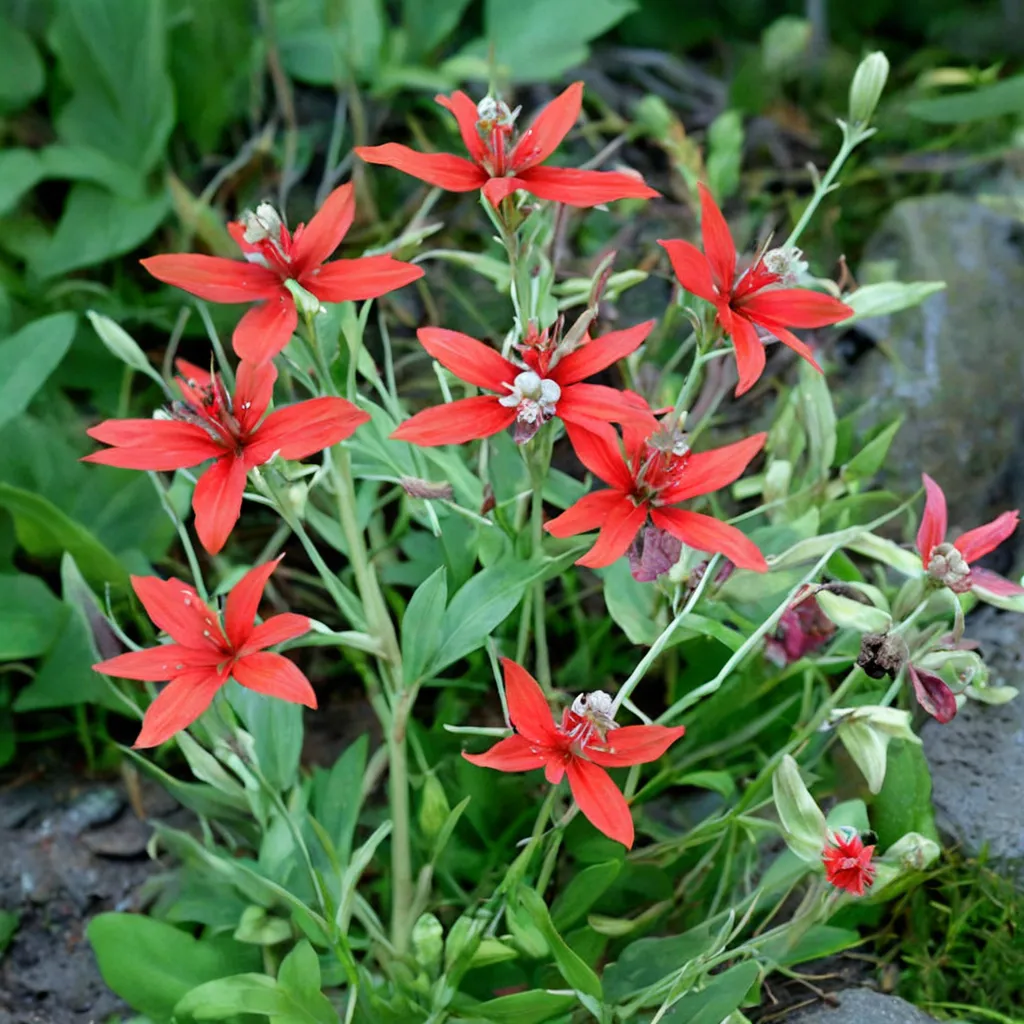
Fire Pink
Silene virginica 'Fire Pinks'
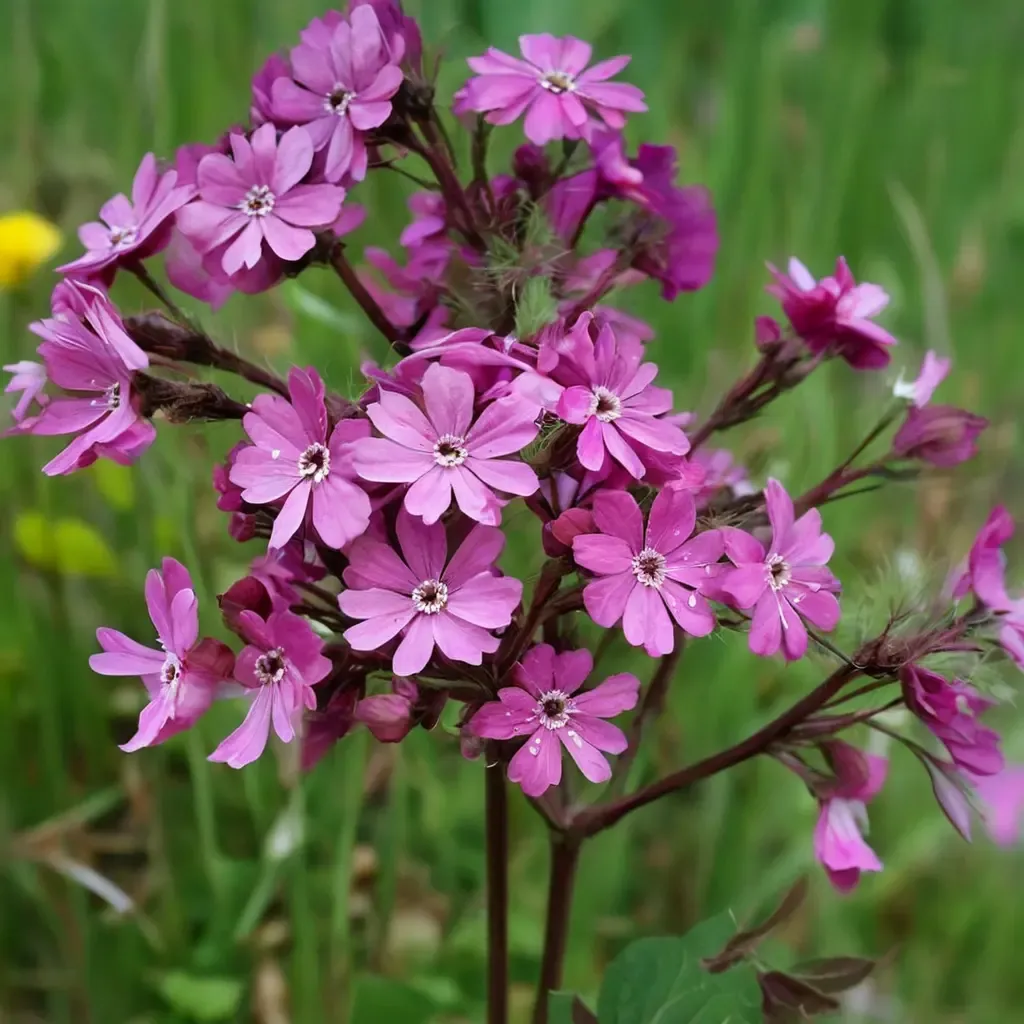
Red Campion
Silene dioica
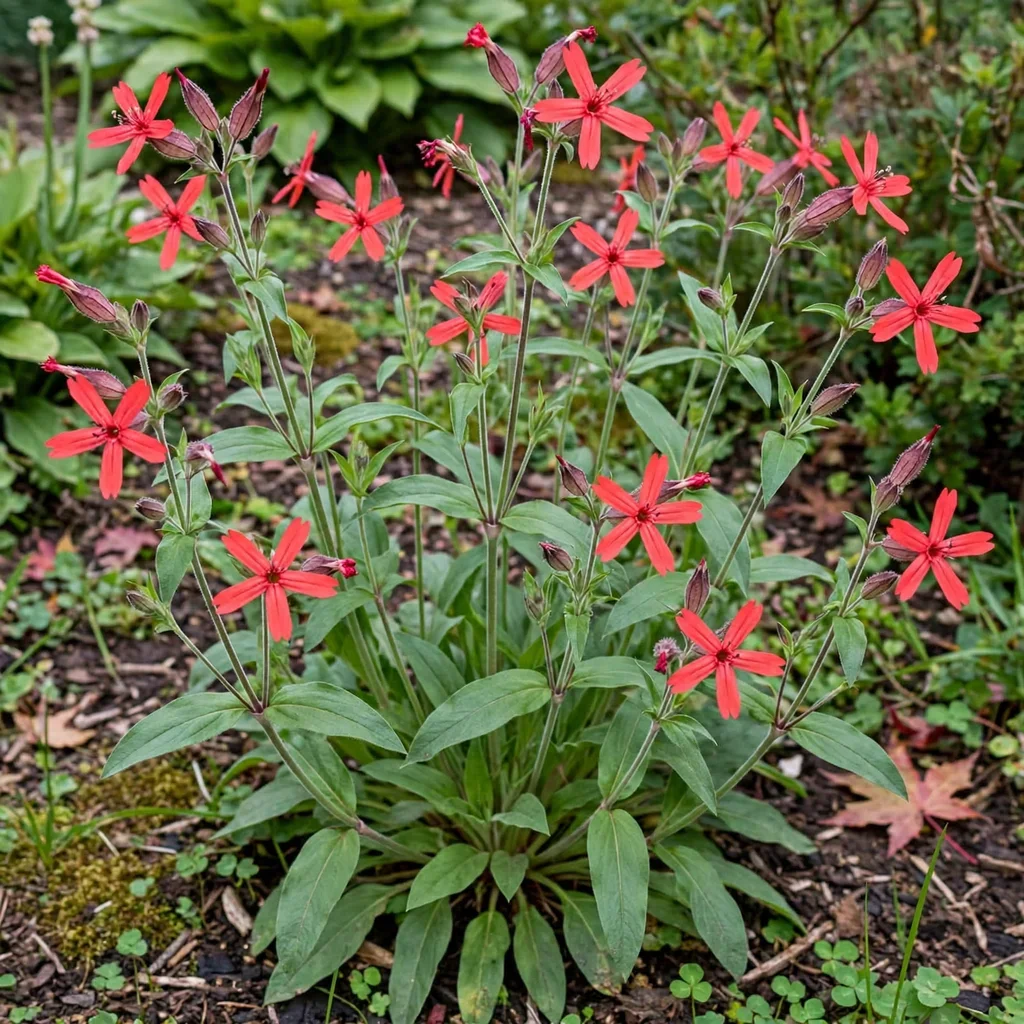
Jackson Valentine Fire Pink
Silene virginica 'Jackson Valentine'
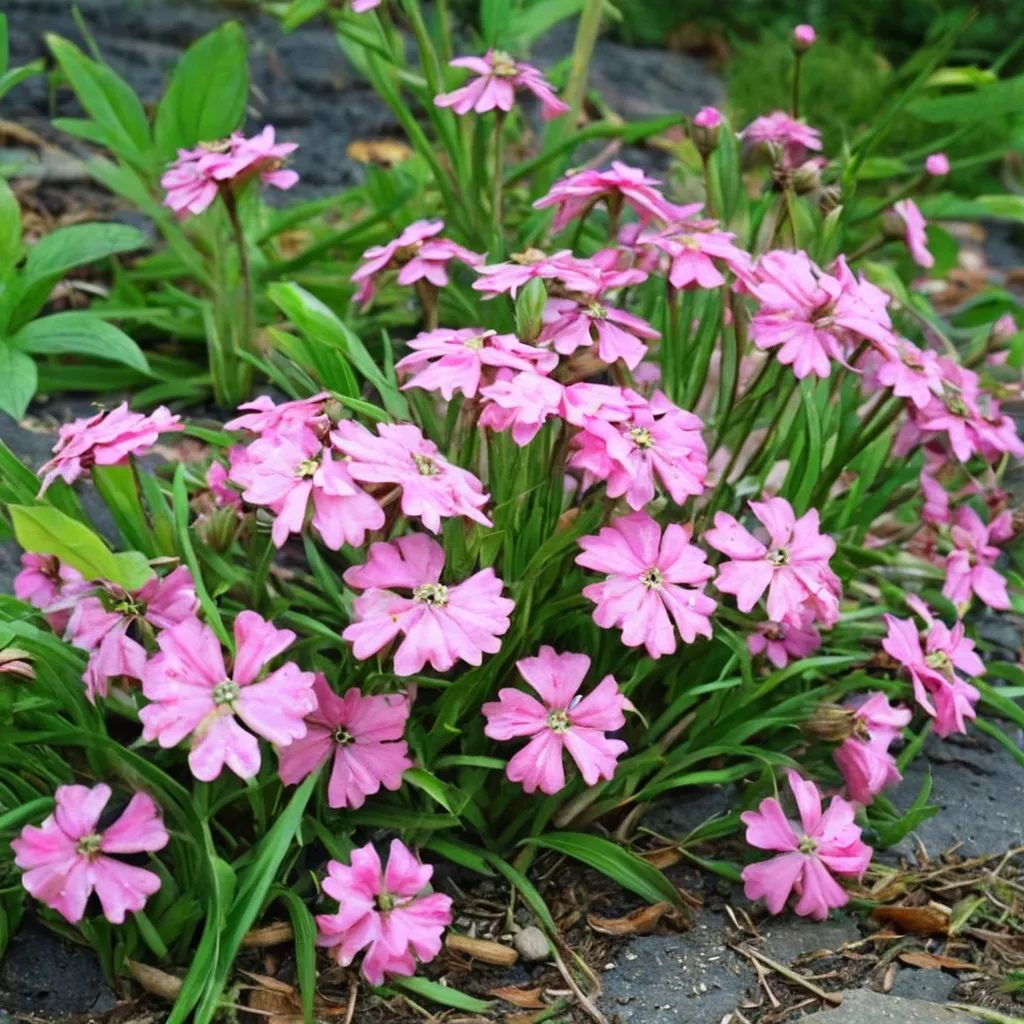
Wild Pink
Silene caroliniana 'Short and Sweet'
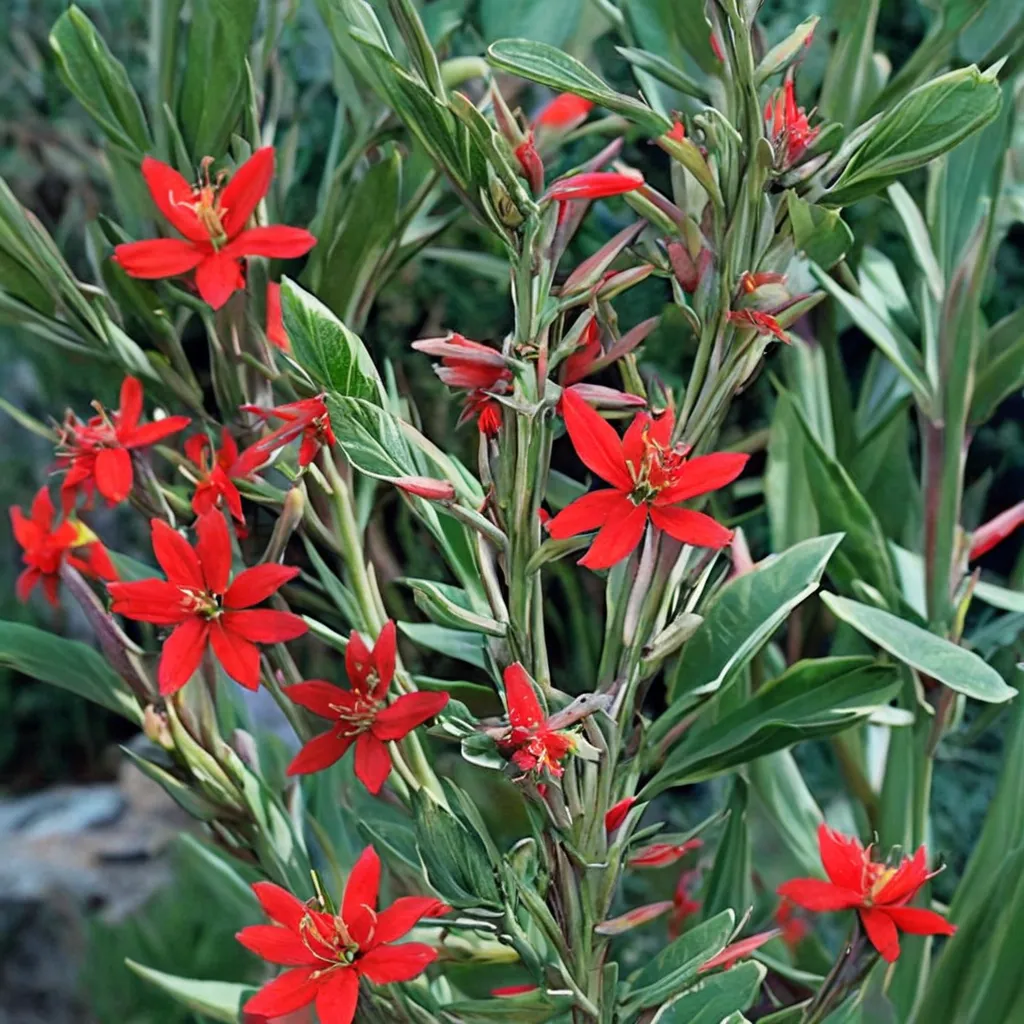
Prairie Fire Royal Catchfly
Silene regia 'Prairie Fire'
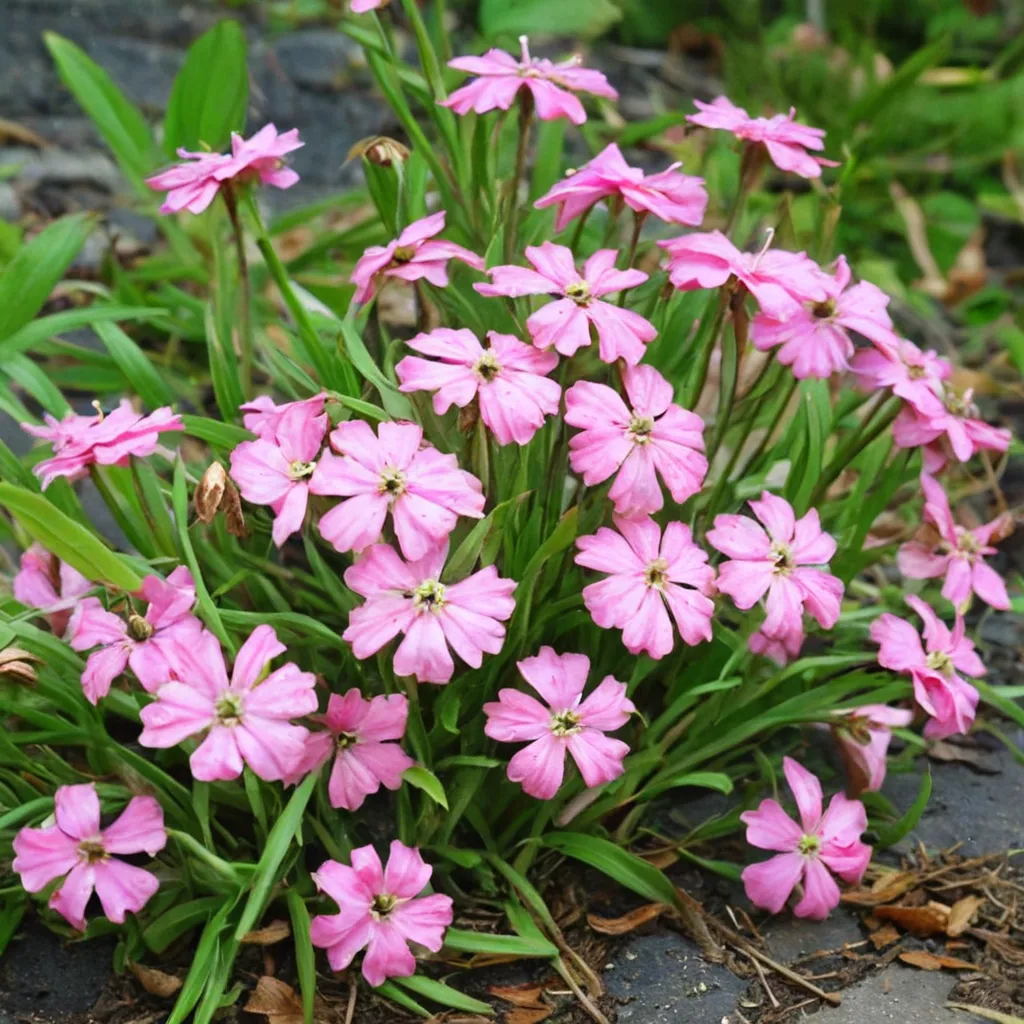
Short and Sweet Wild Pinks
Silene caroliniana 'Short Sweet'
Keep exploring
Explore the genus
Grow Striate Campion with confidence
See it in a design of your actual yard, get zone-matched care reminders, and track it season by season in your garden journal.