
The Story
Plant Bio
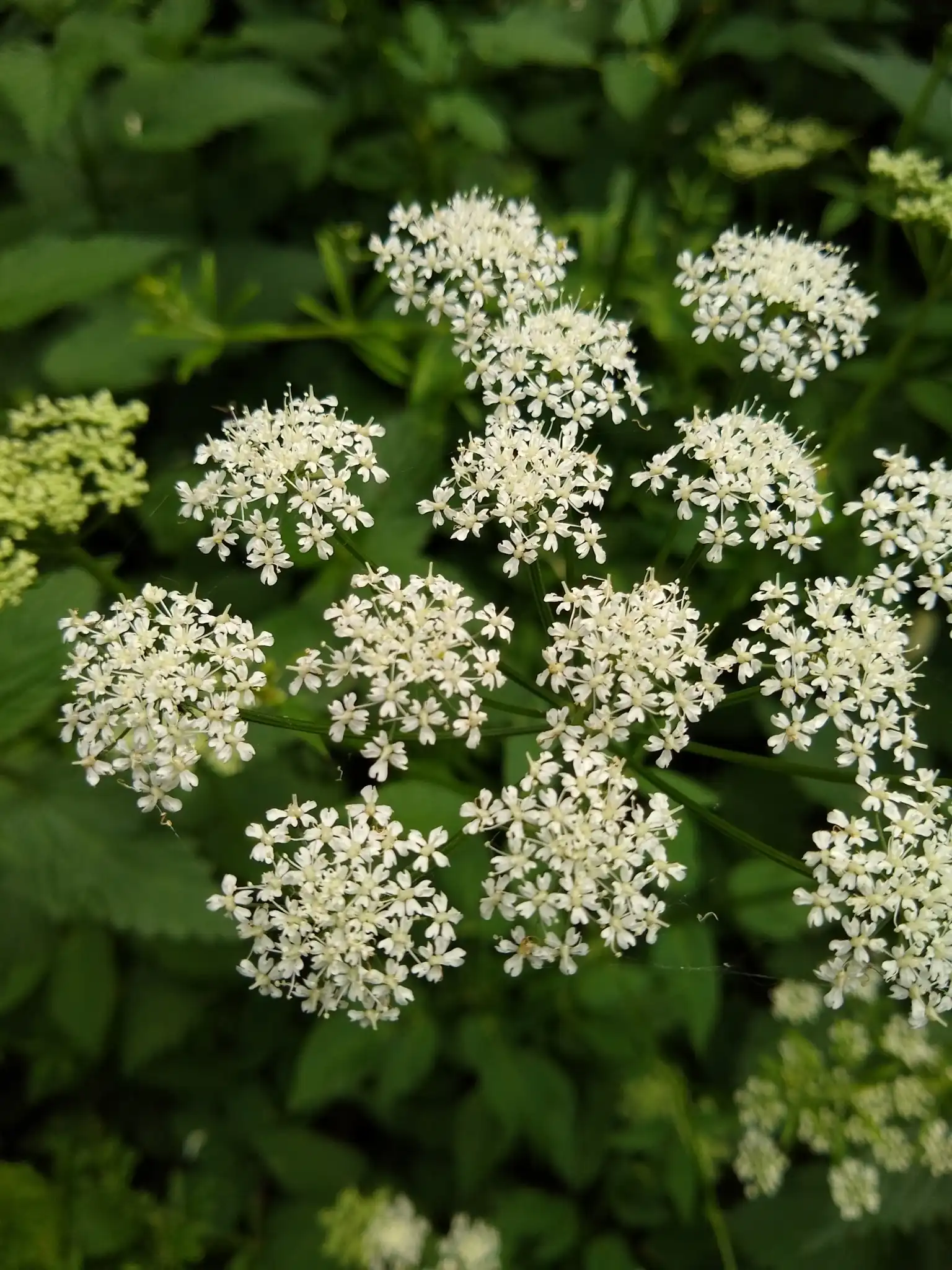
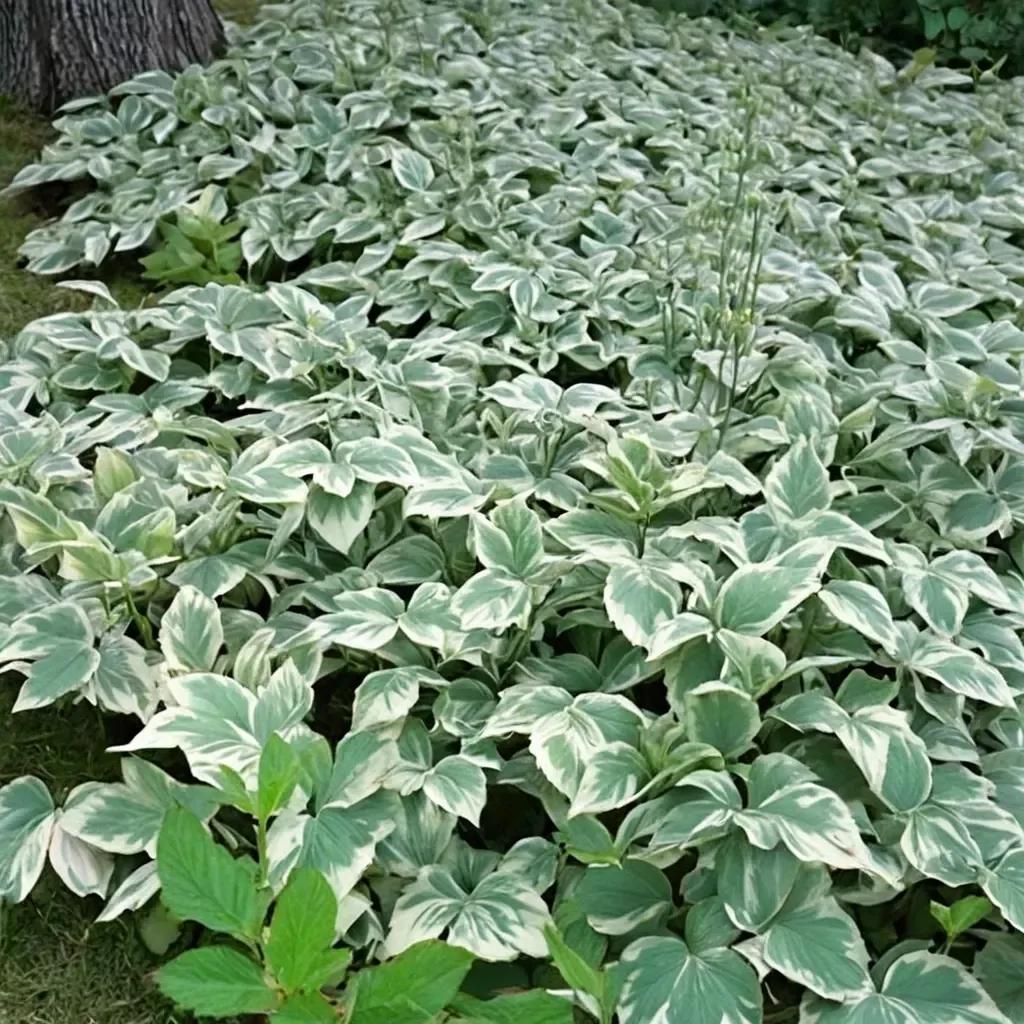
Aegopodium podagraria, ground elder or bishop's weed, is a fast creeping perennial from Europe and northern Asia, forming a dense mat of carrot-scented divided leaves on fleshy stalks, with flat white umbels of tiny flowers rising to three feet in early summer. The variegated form, with a white leaf margin, is the one usually sold as a groundcover.
It is among the most intractable weeds a garden can acquire: it spreads by brittle white rhizomes, every broken fragment regrows, and once it is threaded through the roots of perennials it cannot be dug out without lifting and washing every plant. Do not plant it. The variegated form also reverts to the plain green thug, which is far more vigorous.
Uses & Benefits:
Essentials
At a Glance
Plant Type
Groundcover
Height
10"
Width
15"
Light
Full Sun, Partial Sun, Shade
Zones
4, 5, 6, 7, 8, 9
Water
Moderate
Humidity
Moderate
Lifespan
Perennial
Native To
Europe and northern Asia
Toxicity
Non-toxic; young leaves are edible
Planting
How to Grow
- Do not plant it in open ground under any circumstances.
- Use a sealed container if you must grow it at all.
- Never dig or rotovate an infested area.
- Smother patches with light-excluding sheeting instead.
- Expect a full growing season of smothering to work.
- Bag all material for disposal, never compost it.
Pro Tip
Digging multiplies it — every snapped piece of white rhizome regrows, so smothering for a full season is the only reliable removal.
Keep It Thriving
Care Guide
Do
- Smother rather than dig 🛑
- Bag every fragment for disposal 🗑️
- Remove reverted green shoots at once ✂️
- Choose almost any other groundcover 🌱
Don't
- Plant it in a bed or border ❌
- Rotovate or hoe an infested area ❌
- Compost any part of it ❌
Seasonal Care Calendar
| Task | Jan | Feb | Mar | Apr | May | Jun | Jul | Aug | Sep | Oct | Nov | Dec |
|---|---|---|---|---|---|---|---|---|---|---|---|---|
| Check | ||||||||||||
| Smother |
Watch Out For
Pests & Diseases
Common Pests
Common Diseases
In the Garden
Landscape Uses & Companions
Landscape Uses
Multiply
Propagation Methods
Good to Know
Common Questions
Ground Elder questions
What zones can Ground Elder grow in?
Ground Elder is hardy in USDA Zones 4–9. Inside that range it survives winter in the ground; outside it, grow it as an annual or a container plant you protect.
Is Ground Elder deer resistant?
Yes — Ground Elder is rated deer-resistant. Deer typically pass it over, though extreme hunger can override any plant's defenses.
When does Ground Elder bloom?
Ground Elder typically blooms in late spring to summer through early summer. Exact timing shifts a week or two with your zone — Sow's bloom calendar maps it to your garden.
Does Ground Elder need full sun?
Ground Elder does best in full sun to part shade. In hot climates, afternoon shade keeps blooms fresher longer.
Is Ground Elder drought tolerant?
Yes — once established (usually after the first full season), Ground Elder handles dry spells with minimal watering. Water deeply its first year to build the root system that makes that possible.
More Aegopodium to compare
Keep exploring
Explore the genus
Grow Ground Elder with confidence
See it in a design of your actual yard, get zone-matched care reminders, and track it season by season in your garden journal.