The Story
Plant Bio
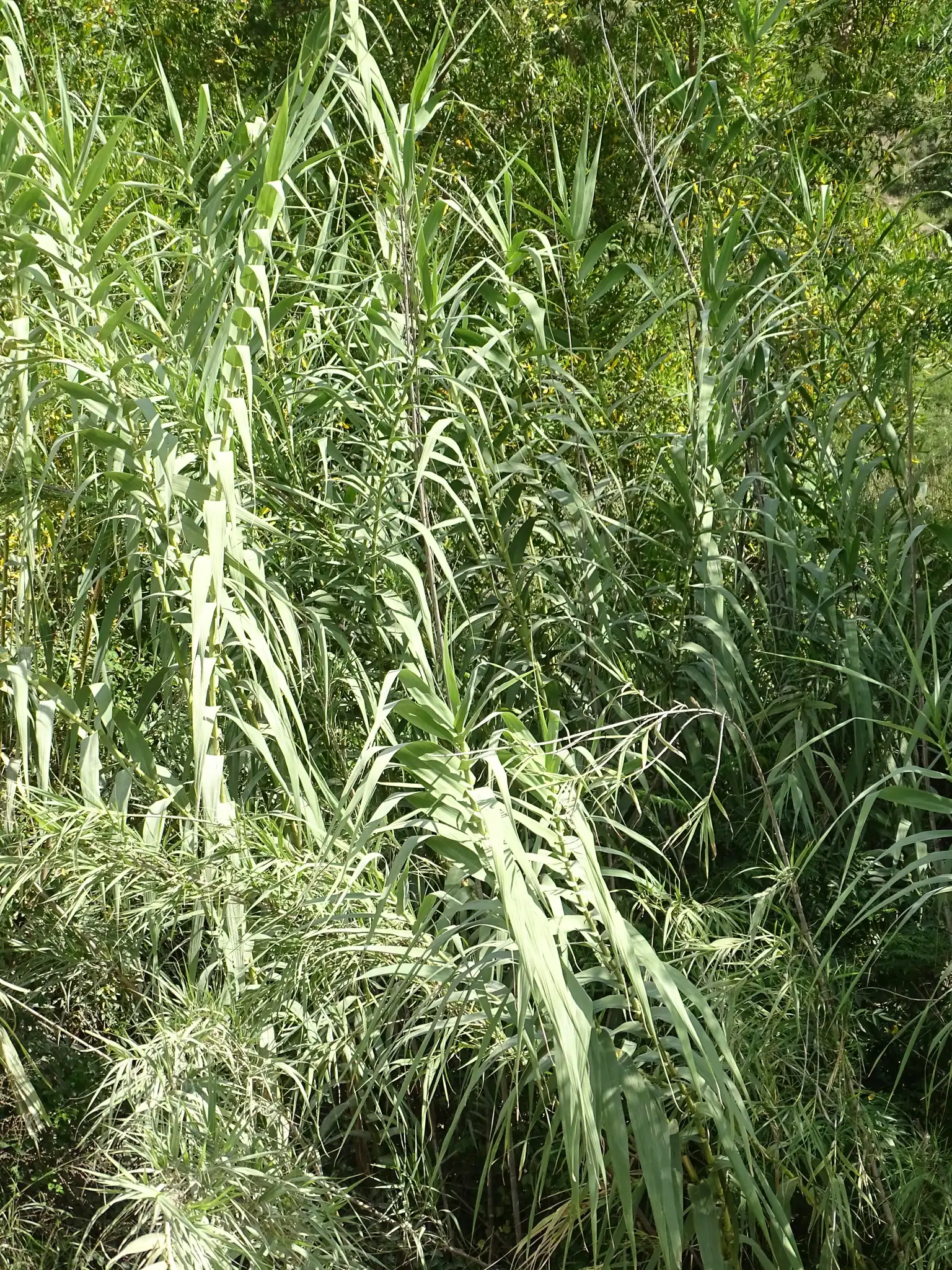
Arundo donax, giant reed, is an enormous clumping perennial grass from western Asia and the Mediterranean, reaching fourteen to thirty feet. Thick upright canes carry coarse grey-green leaves two feet long and three inches wide that clasp the stems, and large silvery plumes open in autumn on mature canes.
This is one of the most damaging invasive plants in the southwestern United States, where it forms impenetrable stands along waterways, consumes vast quantities of water, and burns fiercely enough to change fire regimes. It spreads from rhizome fragments carried by floods. Do not plant it near any watercourse; use native river cane or switchgrass instead.
Uses & Benefits:
Essentials
At a Glance
Plant Type
Grass
Height
264"
Width
84"
Light
Full Sun
Zones
6, 7, 8, 9, 10
Water
High
Humidity
Moderate
Lifespan
Perennial
Native To
Western Asia and the Mediterranean
Toxicity
Non-toxic
Planting
How to Grow
- Check your state noxious weed list before planting.
- Never plant it near a stream, ditch or floodplain.
- Confine the rhizomes absolutely if grown at all.
- Cut canes to the ground in late winter.
- Bag all rhizome material for disposal.
- Consider native river cane or switchgrass instead.
Pro Tip
It spreads from broken rhizome pieces washed downstream, which is why planting near water is the single worst thing you can do with it.
Keep It Thriving
Care Guide
Do
- Check local noxious weed listings ⚠️
- Keep it far from any watercourse 🚱
- Contain the rhizomes completely 🚧
- Bag rhizome material for disposal 🗑️
Don't
- Plant it beside water ❌
- Compost the rhizomes ❌
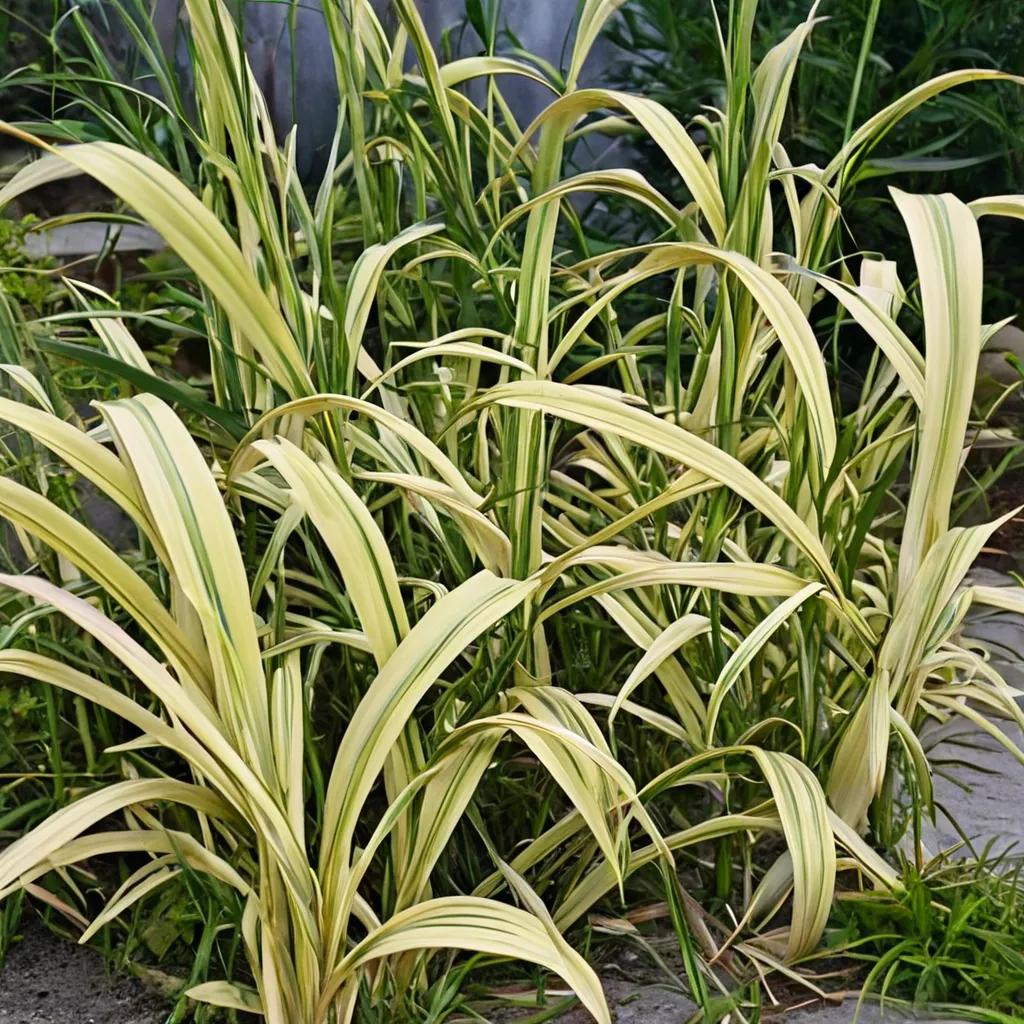
- Assume the variegated form is safe ❌
Seasonal Care Calendar
| Task | Jan | Feb | Mar | Apr | May | Jun | Jul | Aug | Sep | Oct | Nov | Dec |
|---|---|---|---|---|---|---|---|---|---|---|---|---|
| Check | ||||||||||||
| Cut Back |
Watch Out For
Pests & Diseases
Common Pests
Common Diseases
In the Garden
Landscape Uses & Companions
Landscape Uses
Multiply
Propagation Methods
Good to Know
Common Questions
Giant Reed questions
What zones can Giant Reed grow in?
Giant Reed is hardy in USDA Zones 6–10. Inside that range it survives winter in the ground; outside it, grow it as an annual or a container plant you protect.
Is Giant Reed deer resistant?
Not reliably. Deer may browse Giant Reed, especially tender spring growth — plan on repellents or fencing where pressure is high.
When does Giant Reed bloom?
Giant Reed typically blooms in late summer to fall through late summer. Exact timing shifts a week or two with your zone — Sow's bloom calendar maps it to your garden.
Does Giant Reed need full sun?
Giant Reed does best in full sun (6+ hours).
Is Giant Reed drought tolerant?
Yes — once established (usually after the first full season), Giant Reed handles dry spells with minimal watering. Water deeply its first year to build the root system that makes that possible.
More Arundo to compare
Keep exploring
Explore the genus
Hardy in your zone?
Grow Giant Reed with confidence
See it in a design of your actual yard, get zone-matched care reminders, and track it season by season in your garden journal.