The Story
Plant Bio
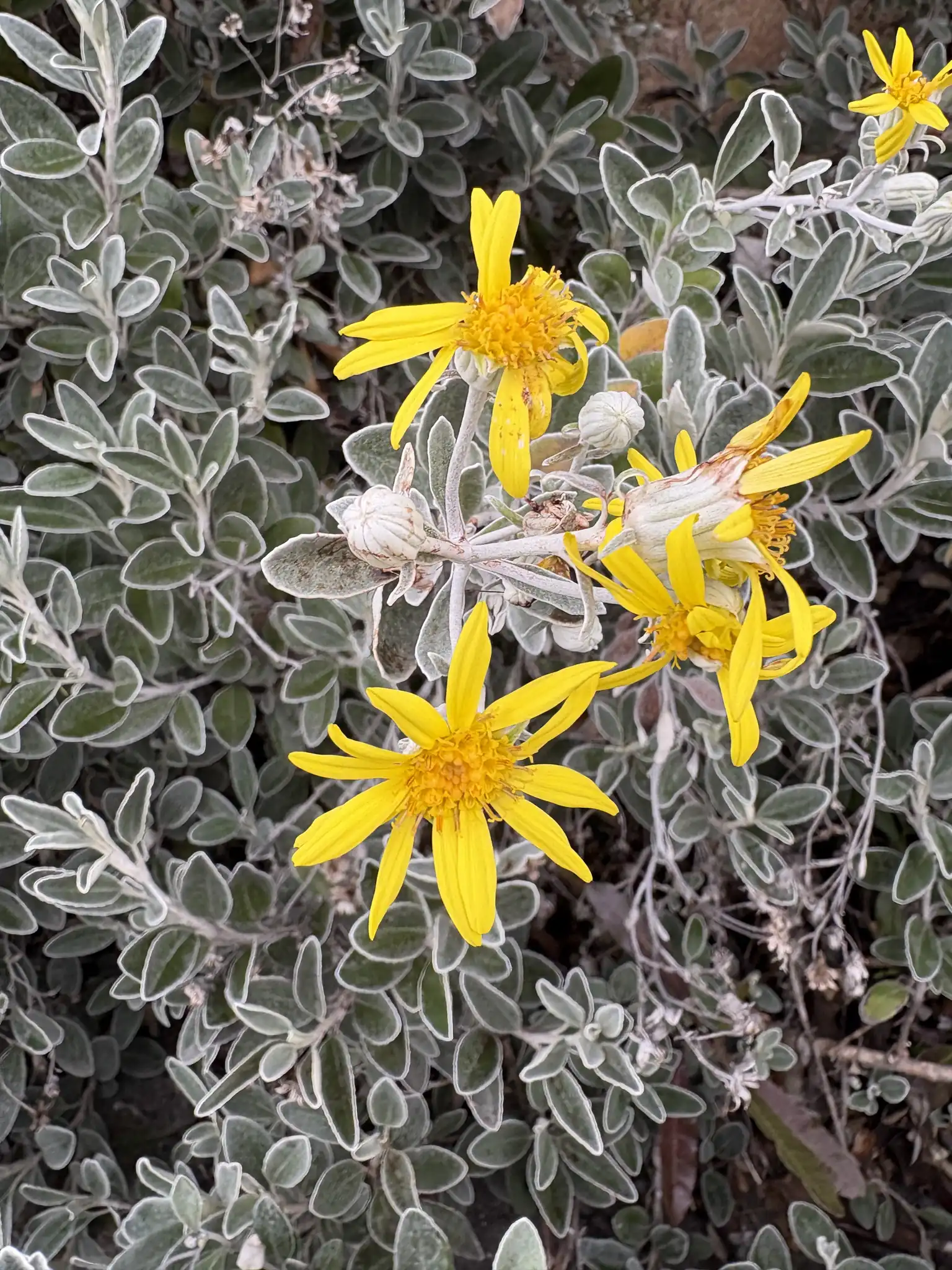
Brachyglottis greyi, commonly known as daisy bush, is a broadleaf evergreen shrub native to coastal cliffs and rocky gorges of New Zealand's North Island. It forms a dense, rounded mound of sprawling, white-downed stems clad in oblong leaves with distinctive wavy margins.
The foliage displays a striking contrast, with mature green upper surfaces offset by intensely silver-white, felted undersides and young shoots. In summer, the shrub produces broad terminal clusters of bright golden-yellow daisy flowers that cover the canopy.
Uses & Benefits:
Essentials
At a Glance
Plant Type
Shrub
Height
60"
Width
78"
Light
Full Sun
Zones
8, 9, 10
Water
Low
Humidity
Moderate
Lifespan
Moderate
Native To
New Zealand
Toxicity
Non-toxic
Bloom period
Summer
In flower about 3 months of the year
Marketplace
Where to Buy
Shipping costs Year-round shipping Free shipping
Planting
How to Grow
- Select a planting site in full sun with exceptionally well-drained, lean soil.
- Dig a hole twice as wide as the rootball but of equal depth, avoiding any soil amendments or fertilizers.
- Place the plant in the hole, backfill with native soil, and firm gently to secure.
- Water deeply once to settle the soil, then water only occasionally during the first summer until established.
Pro Tip
Prune the stems back by several inches immediately after flowering finishes in late summer; cutting deep into old, leafless wood prevents the plant from resprouting and leaves a permanent bare center.
Keep It Thriving
Care Guide
Do
- Plant in poor, gritty, or sandy soils to maintain compact growth and intense silver foliage color.
- Ensure the planting site has excellent air circulation and sharp drainage.
- Prune annually immediately after flowering to keep the center of the shrub dense.
Don't
- Do not apply nitrogen-rich fertilizers, which cause weak, floppy growth and green-out the silver leaves.
- Do not overwater or plant in heavy, wet soils where standing water triggers root rot.
- Do not cut back into old, woody, leafless stems during pruning.
Seasonal Care Calendar
| Task | Jan | Feb | Mar | Apr | May | Jun | Jul | Aug | Sep | Oct | Nov | Dec |
|---|---|---|---|---|---|---|---|---|---|---|---|---|
| Pest Check | ||||||||||||
| Propagate | ||||||||||||
| Prune | ||||||||||||
| Winter Prep |
Watch Out For
Pests & Diseases
Common Pests
Common Diseases
In the Garden
Landscape Uses & Companions
Landscape Uses
Multiply
Propagation Methods
Good to Know
Common Questions
Daisy Bush questions
What zones can Daisy Bush grow in?
Daisy Bush is hardy in USDA Zones 8–10. Inside that range it survives winter in the ground; outside it, grow it as an annual or a container plant you protect.
Is Daisy Bush deer resistant?
Yes — Daisy Bush is rated deer-resistant. Deer typically pass it over, though extreme hunger can override any plant's defenses.
When does Daisy Bush bloom?
Daisy Bush typically blooms in summer through summer. Exact timing shifts a week or two with your zone — Sow's bloom calendar maps it to your garden.
Does Daisy Bush need full sun?
Daisy Bush does best in full sun (6+ hours).
Is Daisy Bush drought tolerant?
Yes — once established (usually after the first full season), Daisy Bush handles dry spells with minimal watering. Water deeply its first year to build the root system that makes that possible.
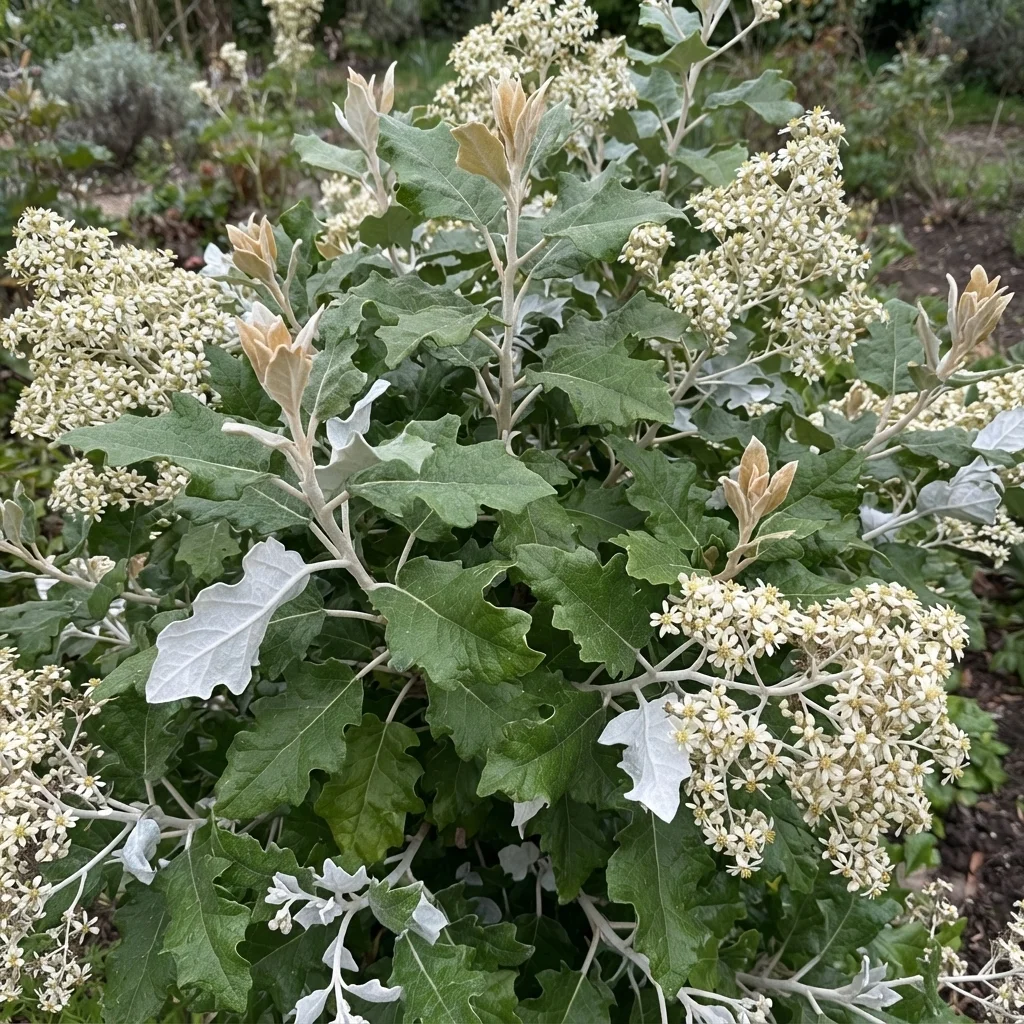
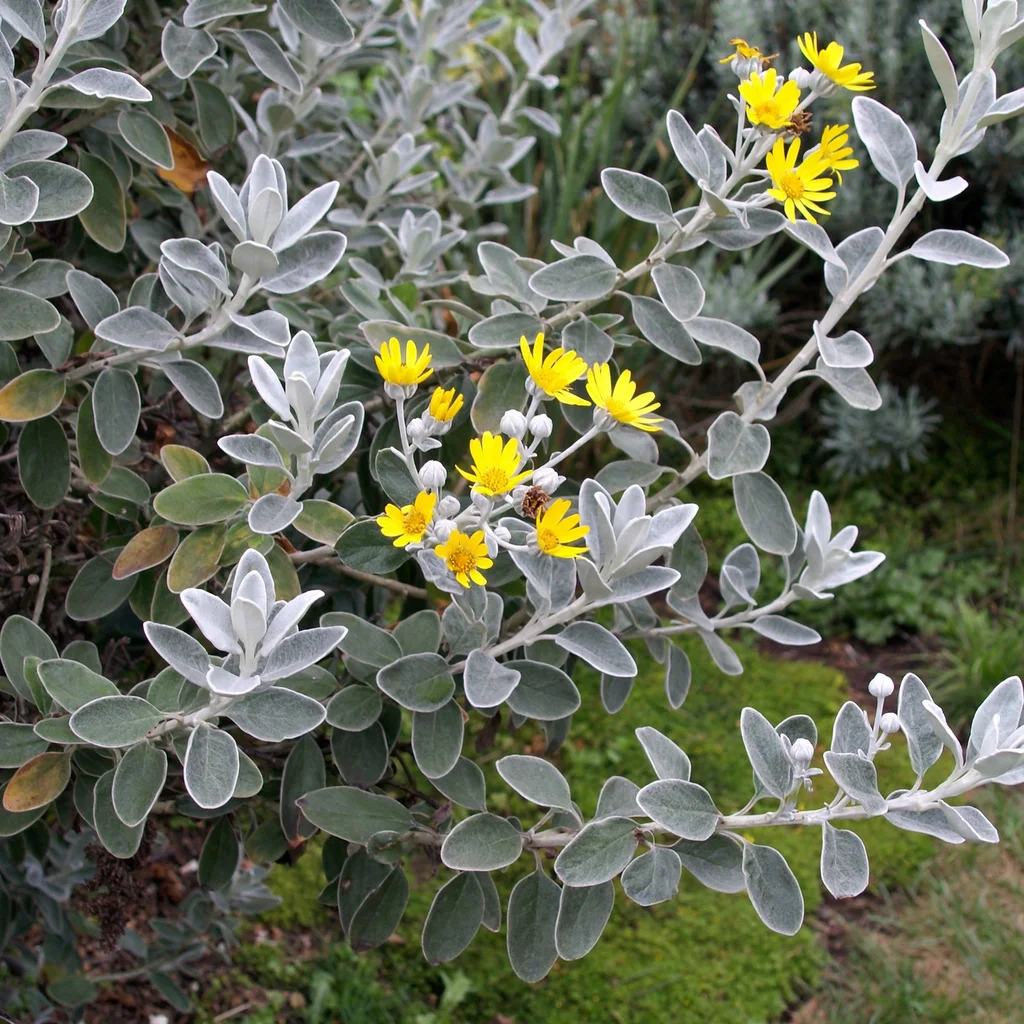
More Brachyglottis to compare
Keep exploring
Explore the genus
Hardy in your zone?
Grow Daisy Bush with confidence
See it in a design of your actual yard, get zone-matched care reminders, and track it season by season in your garden journal.