The Story
Plant Bio
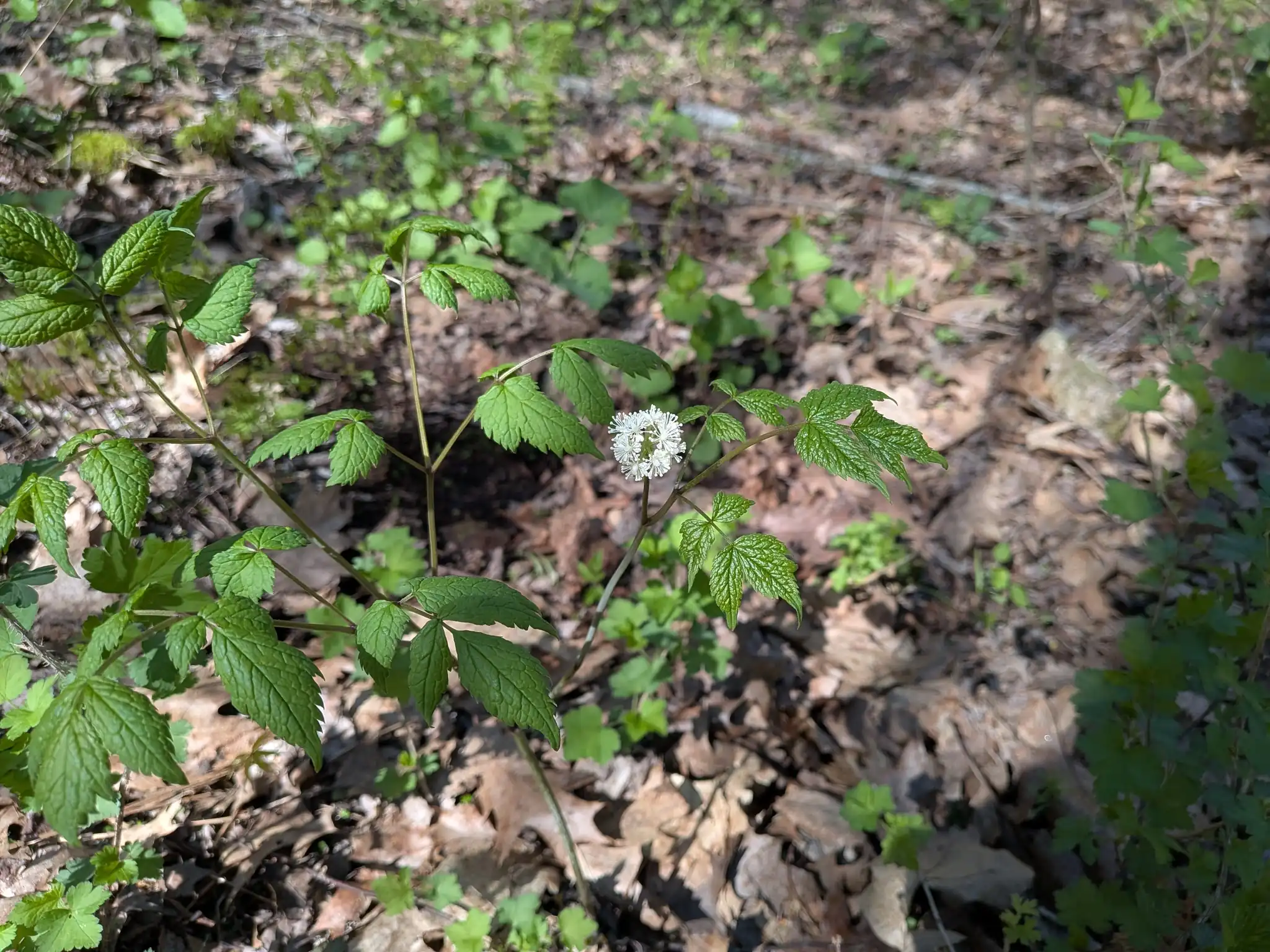
Actaea rubra, commonly called red baneberry, is an erect, clump-forming herbaceous perennial native to cool forest understories across northern North America. It produces bipinnately compound dark green foliage up to 18 inches long and fluffy terminal racemes of small white flowers with prominent stamens in spring.
Following flowering, slender green pedicels support clusters of glossy berries that ripen to bright red. All plant parts contain toxic protoanemonin and cardiotoxins, rendering the growth highly resistant to browsing deer and rabbits.
Uses & Benefits:
Essentials
At a Glance
Plant Type
Perennial
Height
35"
Width
18"
Light
Partial Sun, Shade
Zones
4, 5, 6, 7
Water
Moderate to high
Humidity
Moderate to high
Lifespan
Perennial
Native To
North America
Toxicity
High severity poison
Bloom period
Late spring – Early summer
In flower about 2 months of the year
Marketplace
Where to Buy
Shipping costs Year-round shipping Free shipping
Planting
How to Grow
- Select a deeply shaded or partially shaded site sheltered from intense direct afternoon sunlight.
- Incorporate leaf mold or well-rotted compost into the soil to ensure high organic content and moisture retention.
- Plant root crowns level with the surrounding soil surface and water thoroughly to settle.
- Maintain consistent soil moisture throughout the growing season using a thick organic mulch layer.
Pro Tip
Provide humus-rich, moisture-retentive soil in cool partial to full shade; dry soil or hot summer sun causes the foliage to collapse or go dormant early.
Keep It Thriving
Care Guide
Do
- Maintain consistent soil moisture through regular deep watering during dry spells.
- Apply an annual top-dressing of leaf mold or compost each spring.
- Plant in cool, protected woodland shade.
Don't
- Do not allow the soil to dry out completely during the heat of summer.
- Do not plant in full sun or hot, exposed microclimates.
- Do not ingest any part of the plant, including the berries.
Seasonal Care Calendar
| Task | Jan | Feb | Mar | Apr | May | Jun | Jul | Aug | Sep | Oct | Nov | Dec |
|---|---|---|---|---|---|---|---|---|---|---|---|---|
| Divide | ||||||||||||
| Mulch | ||||||||||||
| Pest Check | ||||||||||||
| Spring Cleanup |
Watch Out For
Pests & Diseases
Common Pests
Common Diseases
In the Garden
Landscape Uses & Companions
Landscape Uses
Companion Plants
Multiply
Propagation Methods
Good to Know
Common Questions
Red Baneberry questions
What zones can Red Baneberry grow in?
Red Baneberry is hardy in USDA Zones 4–7. Inside that range it survives winter in the ground; outside it, grow it as an annual or a container plant you protect.
Is Red Baneberry deer resistant?
Yes — Red Baneberry is rated deer-resistant. Deer typically pass it over, though extreme hunger can override any plant's defenses.
When does Red Baneberry bloom?
Red Baneberry typically blooms in late spring through early summer. Exact timing shifts a week or two with your zone — Sow's bloom calendar maps it to your garden.
Does Red Baneberry need full sun?
Red Baneberry does best in part shade.
More Actaea to compare
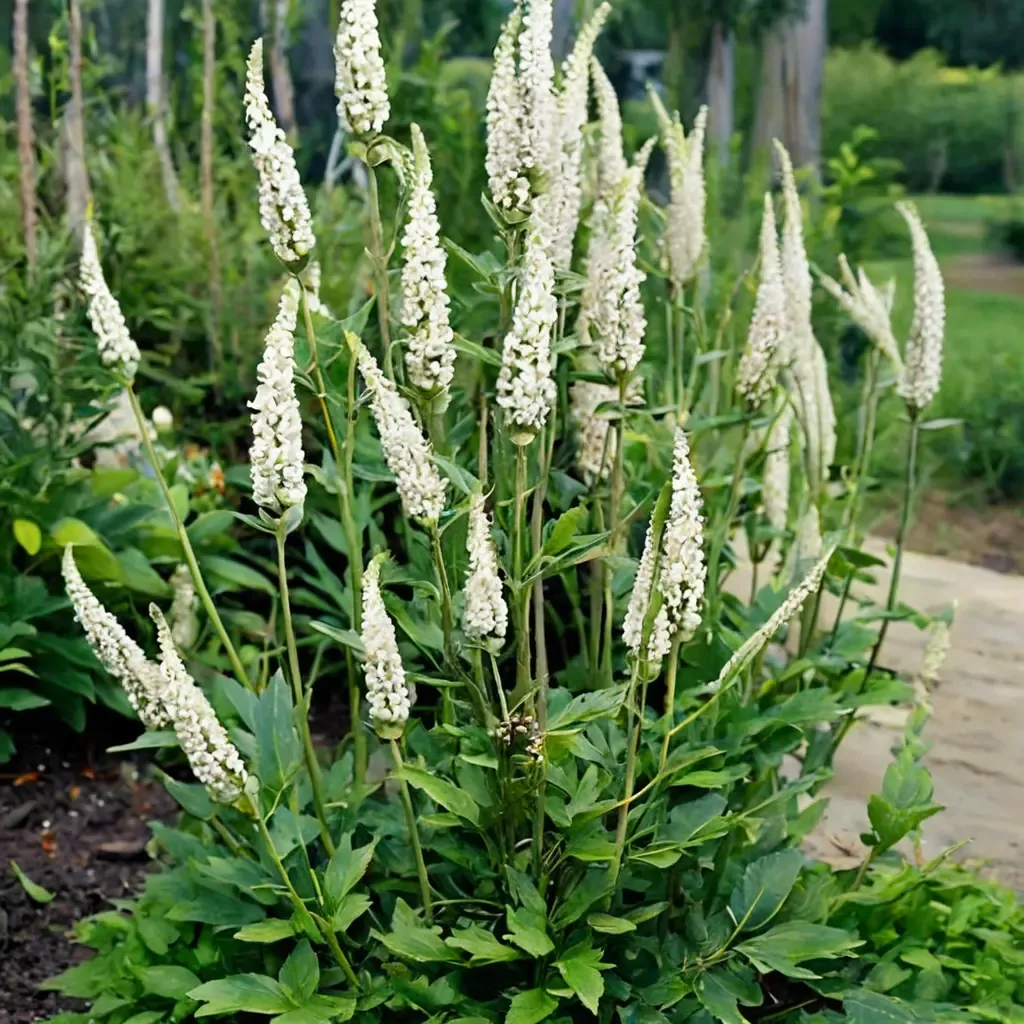
Black Cohosh
Actaea racemosa 'Cimicifuga Bugbane'
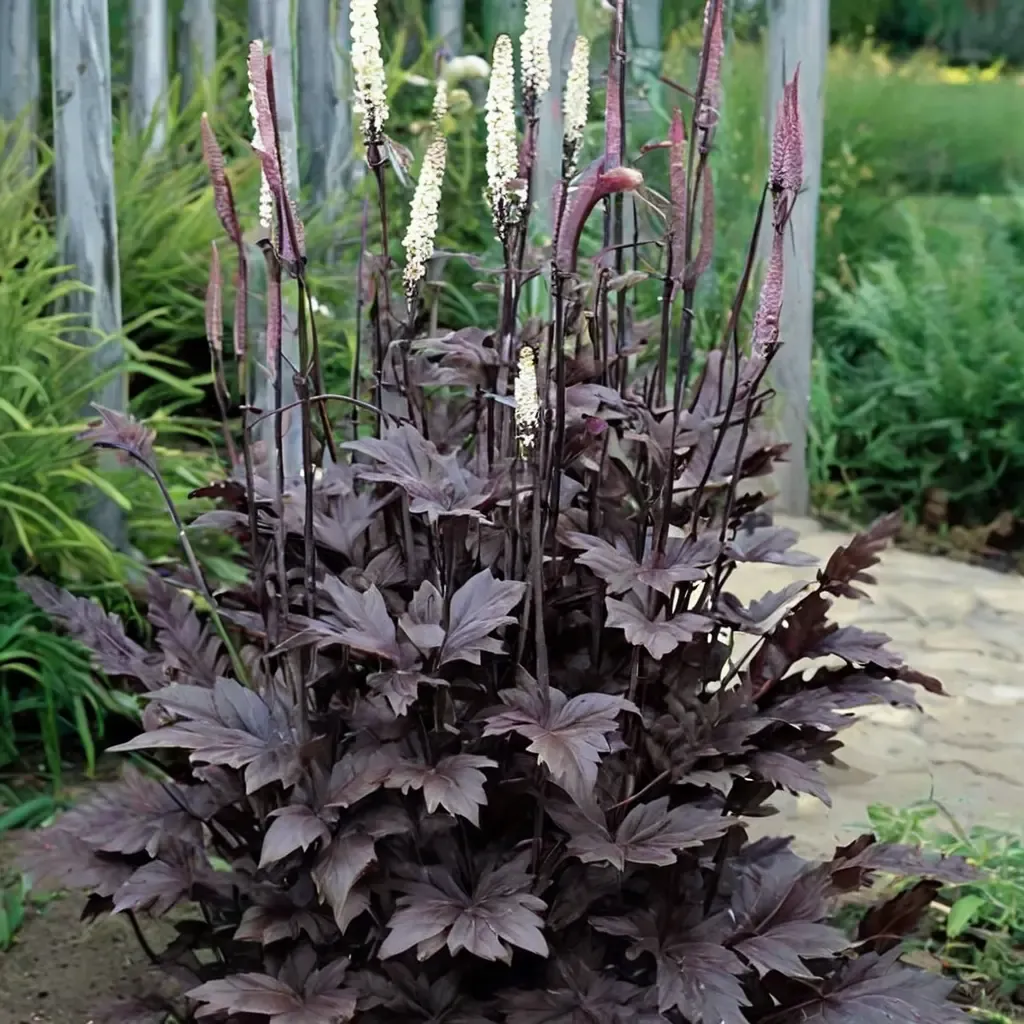
Bugbane 'Brunette'
Actaea racemosa 'Brunnette Black'
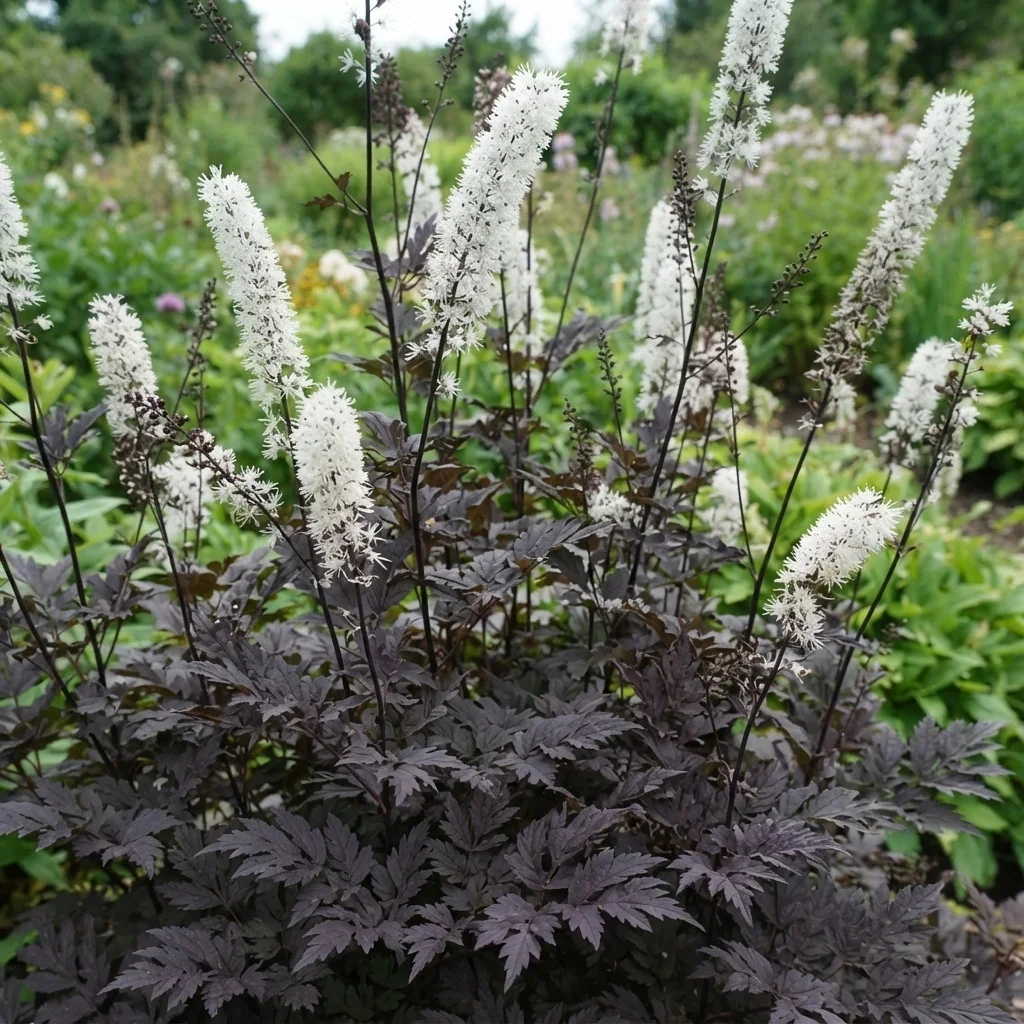
Hillside Black Beauty
Actaea simplex 'Hillside Black Beauty'
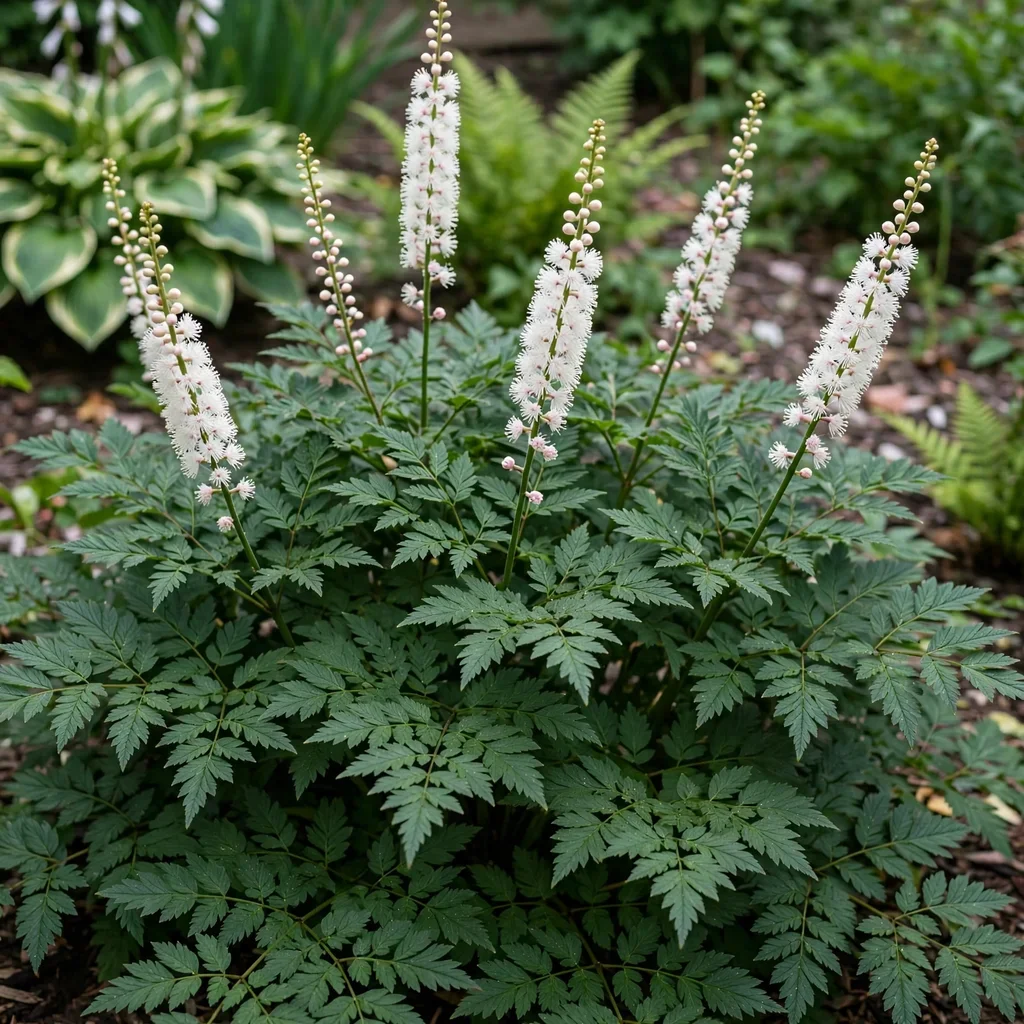
Japanese Bugbane
Actaea japonica
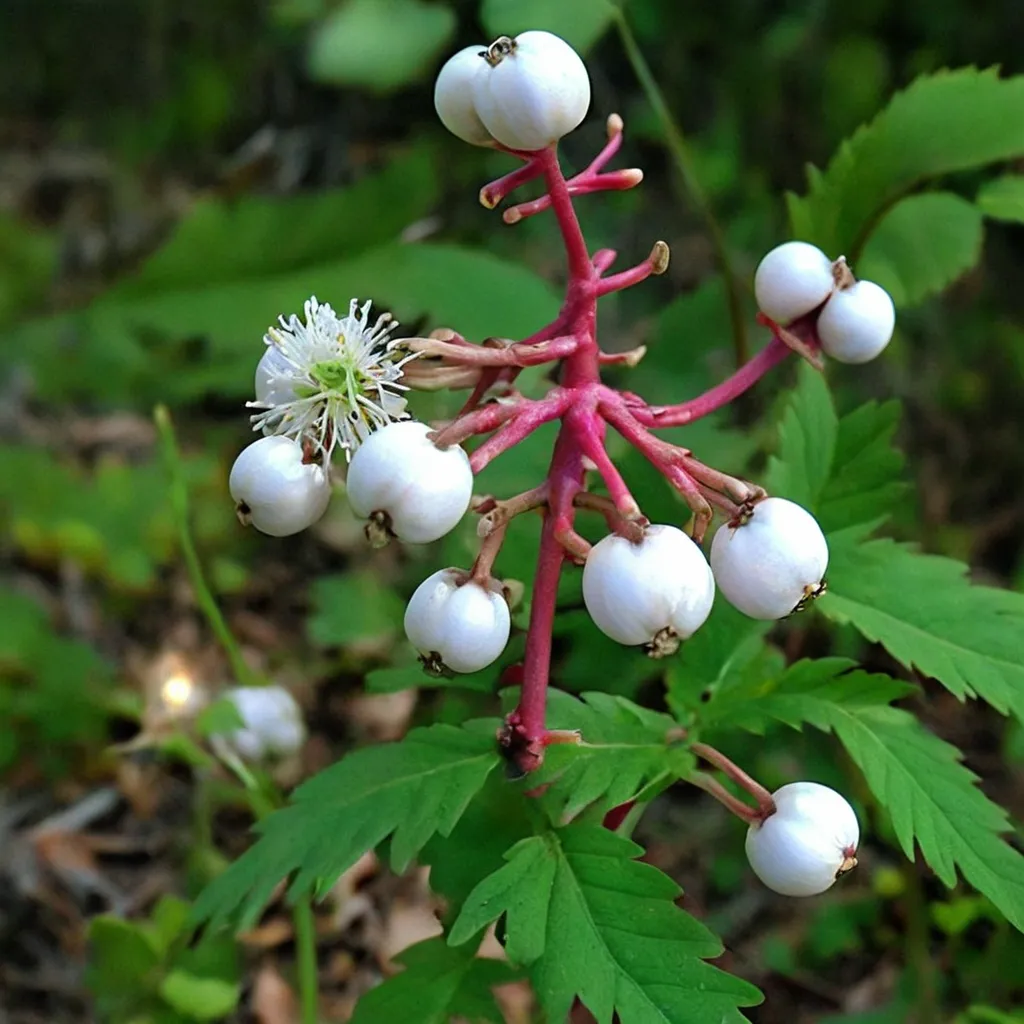
White Baneberry
Actaea pachypoda
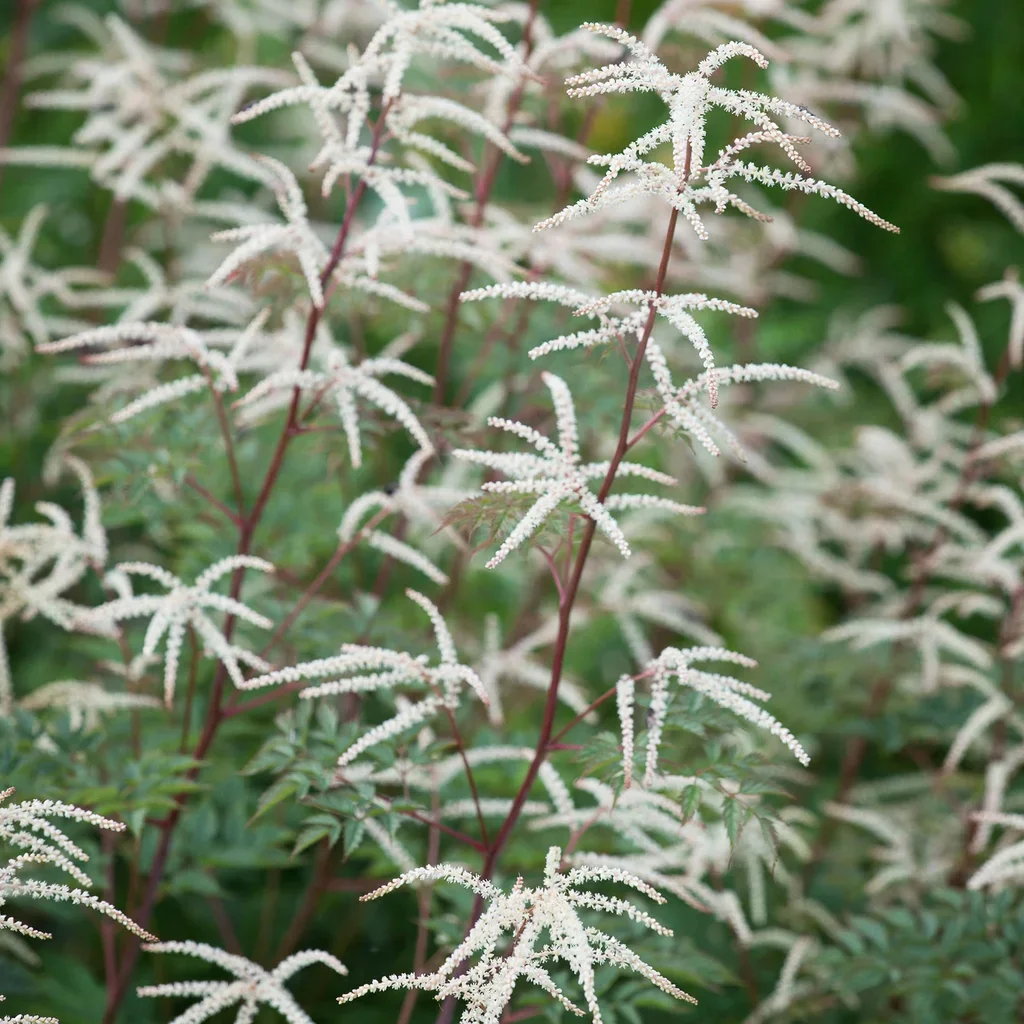
Silver Blush Bugbane
Actaea japonica 'Silver Blush'
Keep exploring
Explore the genus
Hardy in your zone?
Grow Red Baneberry with confidence
See it in a design of your actual yard, get zone-matched care reminders, and track it season by season in your garden journal.