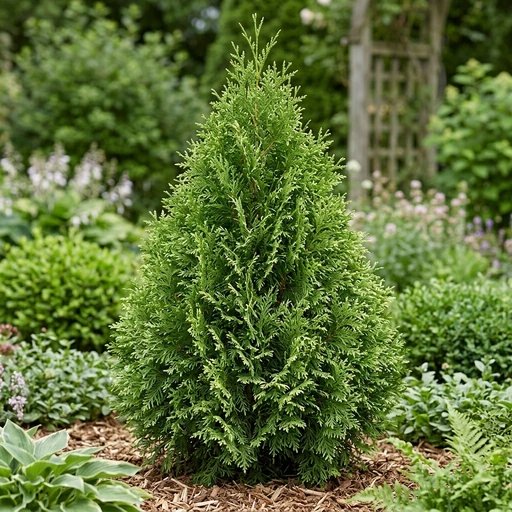
Garden hybrid
This is a garden hybrid, bred from more than one wild species, so it has no single species page of its own.
2 other cultivars


The Story
Plant Bio
This hybrid arborvitae combines the vigor of Western Redcedar (T. plicata) and the hardiness of Japanese Arborvitae (T. standishii). It typically exhibits a strong pyramidal form and lush, dense foliage.
'Virginian' is a fast-growing cultivar selected for its tight, narrow, columnar habit and excellent deer resistance. It maintains its rich green color throughout the winter without bronzing.
Uses & Benefits:
Bred from more than one wild species, so it has no species page of its own.
Essentials
At a Glance
Plant Type
Tree
Height
180"
Width
60"
Light
Full Sun, Partial Sun
Zones
5, 6, 7, 8
Water
Moderate
Humidity
Adaptable
Lifespan
Long-lived evergreen tree
Native To
Hybrid Origin
Toxicity
Mildly toxic if ingested
Bloom period
Late spring
In flower about 1 month of the year
Planting
How to Grow
- Select a location with at least 6 hours of sun and well-drained soil.
- Dig a hole twice as wide as the root ball but no deeper.
- Place the tree in the hole, ensuring the root flare is at or above soil level.
- Backfill with native soil, tamping down to remove air pockets.
- Water deeply and consistently, especially during the first two years.
- Apply a 2-3 inch layer of mulch around the base, avoiding the trunk.
Pro Tip
For a dense privacy screen, space plants 3-4 feet apart. Their narrow habit allows for tight spacing without overcrowding.
Keep It Thriving
Care Guide
Do
- Water regularly, especially in hot, dry weather and before winter freeze.
- Provide good air circulation.
- Mulch to retain soil moisture.
- Monitor for bagworms in late spring.
Don't
- Do not plant too deep; keep the root flare visible.
- Avoid letting the soil dry out completely, especially when young.
- Don't prune back into old wood with no foliage.
- Avoid planting in sites with poor drainage.
Seasonal Care Calendar
| Task | Jan | Feb | Mar | Apr | May | Jun | Jul | Aug | Sep | Oct | Nov | Dec |
|---|---|---|---|---|---|---|---|---|---|---|---|---|
| Fertilize | ||||||||||||
| Mulch | ||||||||||||
| Plant | ||||||||||||
| Prune |
Watch Out For
Pests & Diseases
Common Pests
Common Diseases
In the Garden
Landscape Uses & Companions
Landscape Uses
Multiply
Propagation Methods
Good to Know
Common Questions
Virginian Arborvitae questions
What zones can Virginian Arborvitae grow in?
Virginian Arborvitae is hardy in USDA Zones 5–8. Inside that range it survives winter in the ground; outside it, grow it as an annual or a container plant you protect.
Is Virginian Arborvitae deer resistant?
Yes — Virginian Arborvitae is rated deer-resistant. Deer typically pass it over, though extreme hunger can override any plant's defenses.
When does Virginian Arborvitae bloom?
Virginian Arborvitae typically blooms in late spring through late spring. Exact timing shifts a week or two with your zone — Sow's bloom calendar maps it to your garden.
Does Virginian Arborvitae need full sun?
Virginian Arborvitae does best in full sun to part shade. In hot climates, afternoon shade keeps blooms fresher longer.
More Thuja to compare
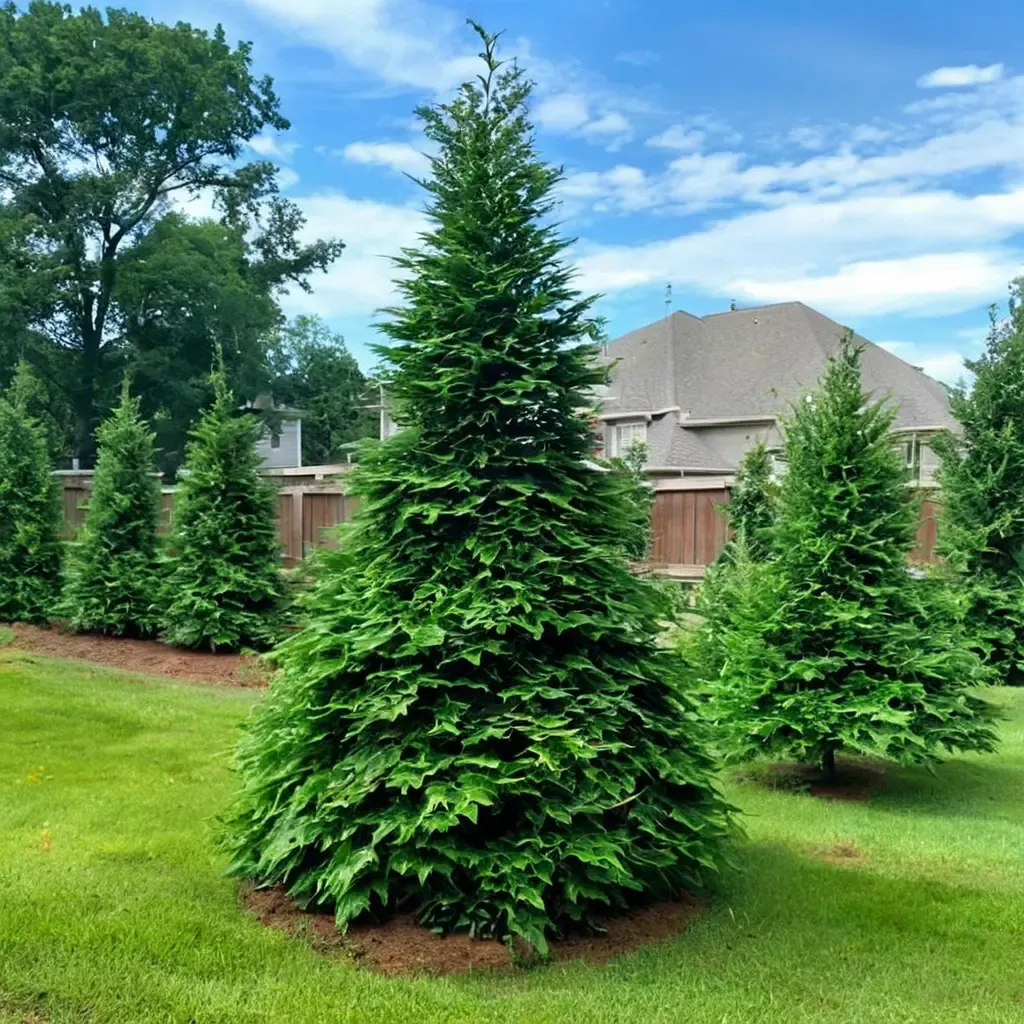
Green Giant Arborvitae
Thuja occidentalis 'Green Giant'
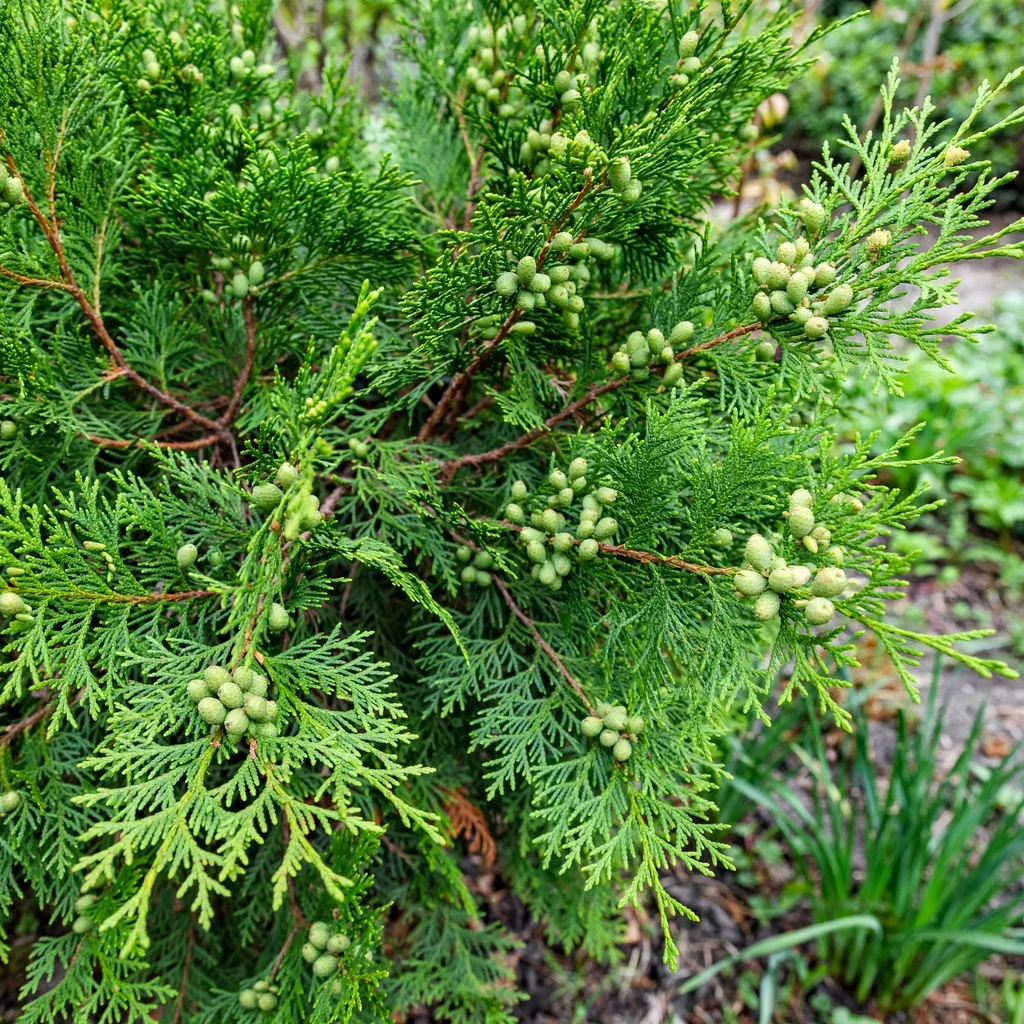
Emerald Green Arborvitae
Thuja occidentalis 'Emerald Green'
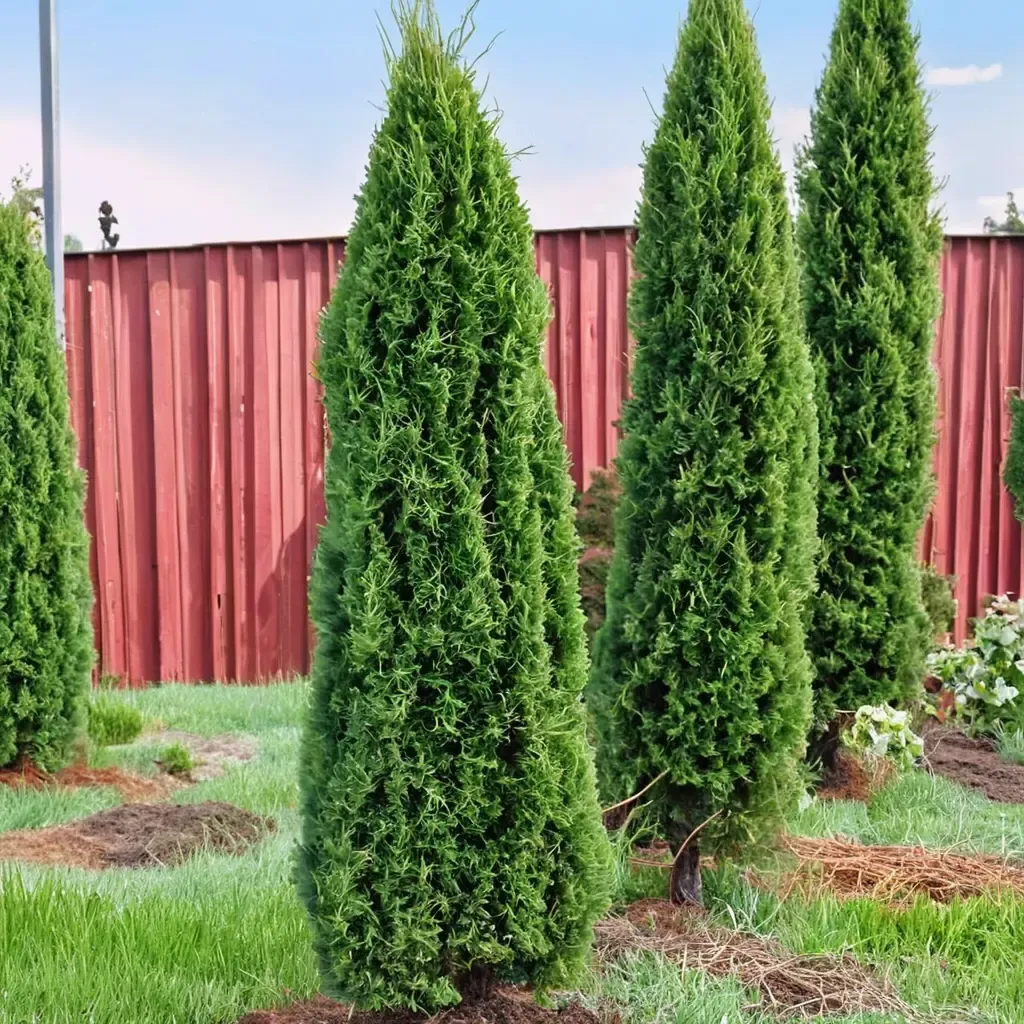
Degroot's Spire Arborvitae
Thuja occidentalis 'Degroot'
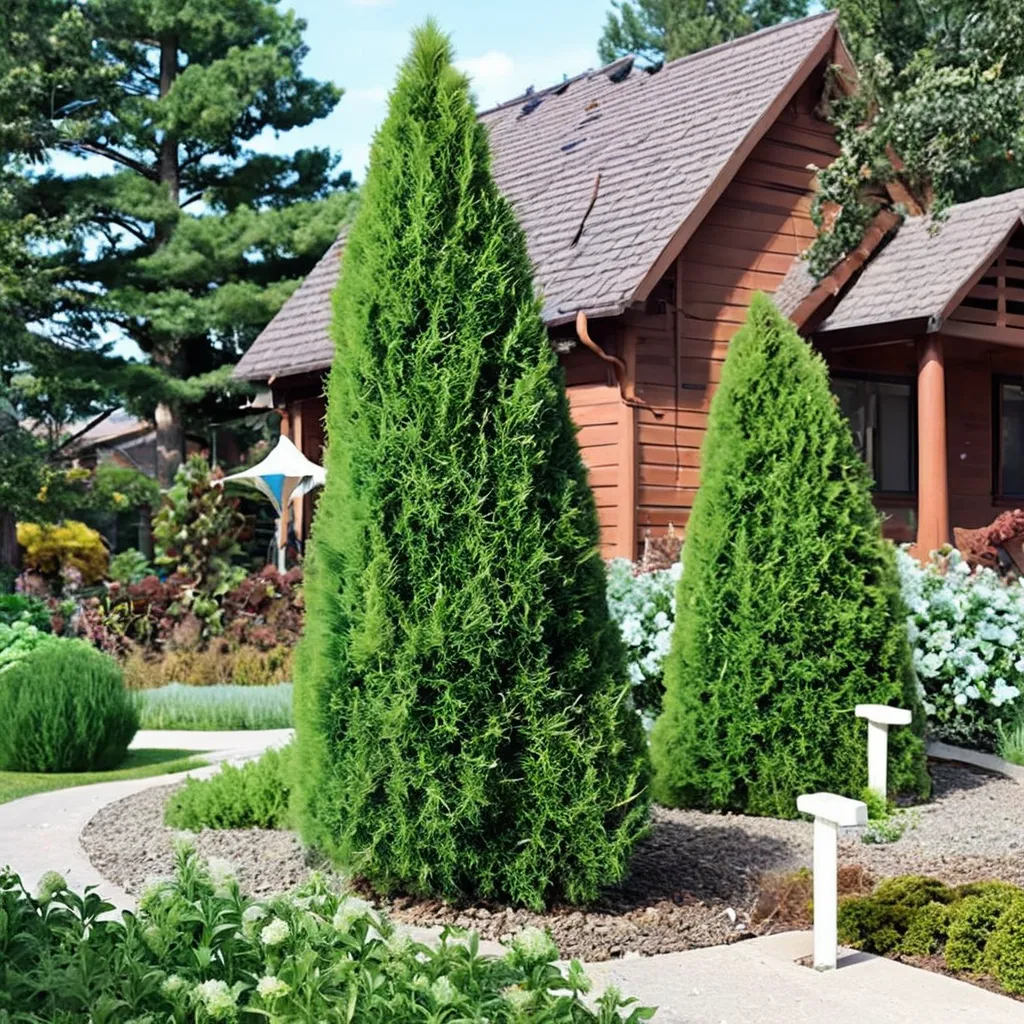
Smaragd Emerald Arborvitae
Thuja occidentalis 'Smaragd Emerald'
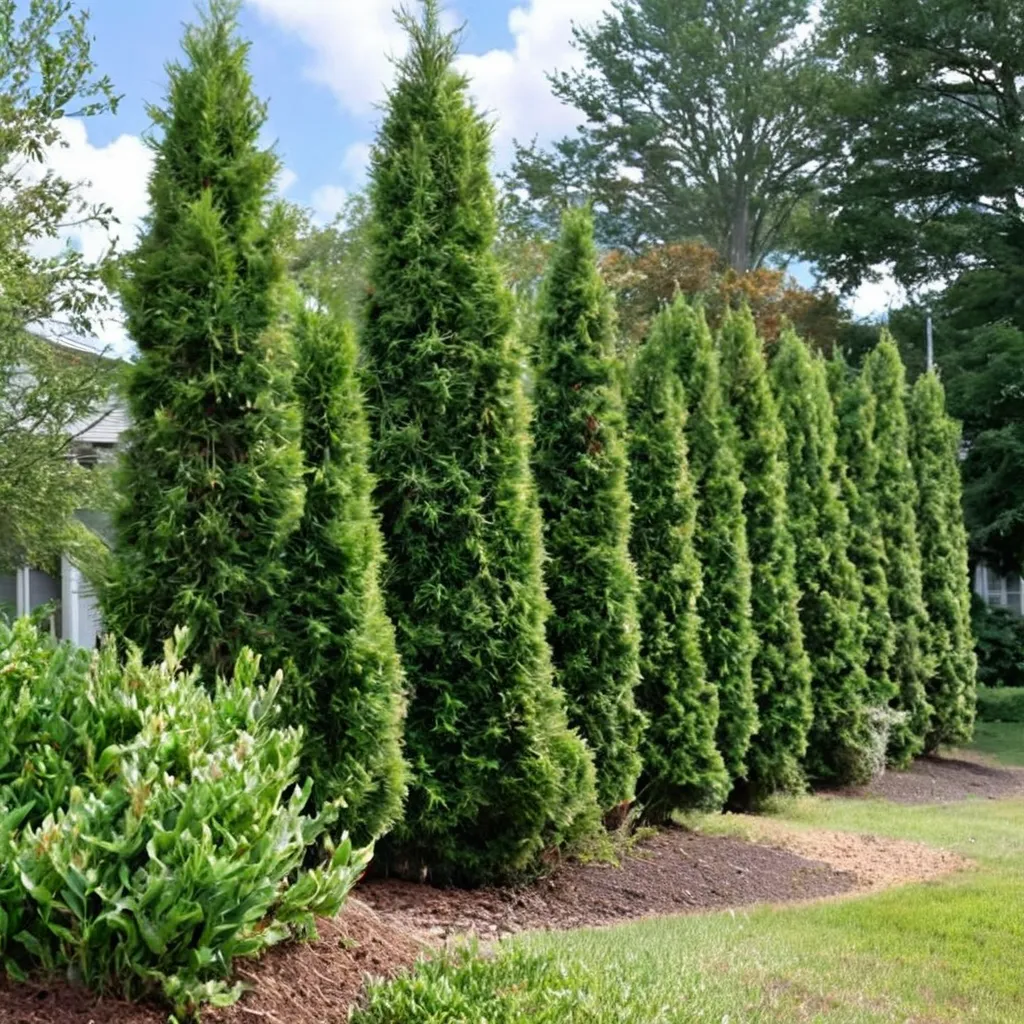
American Pillar Arborvitae
Thuja occidentalis 'American Pillar'
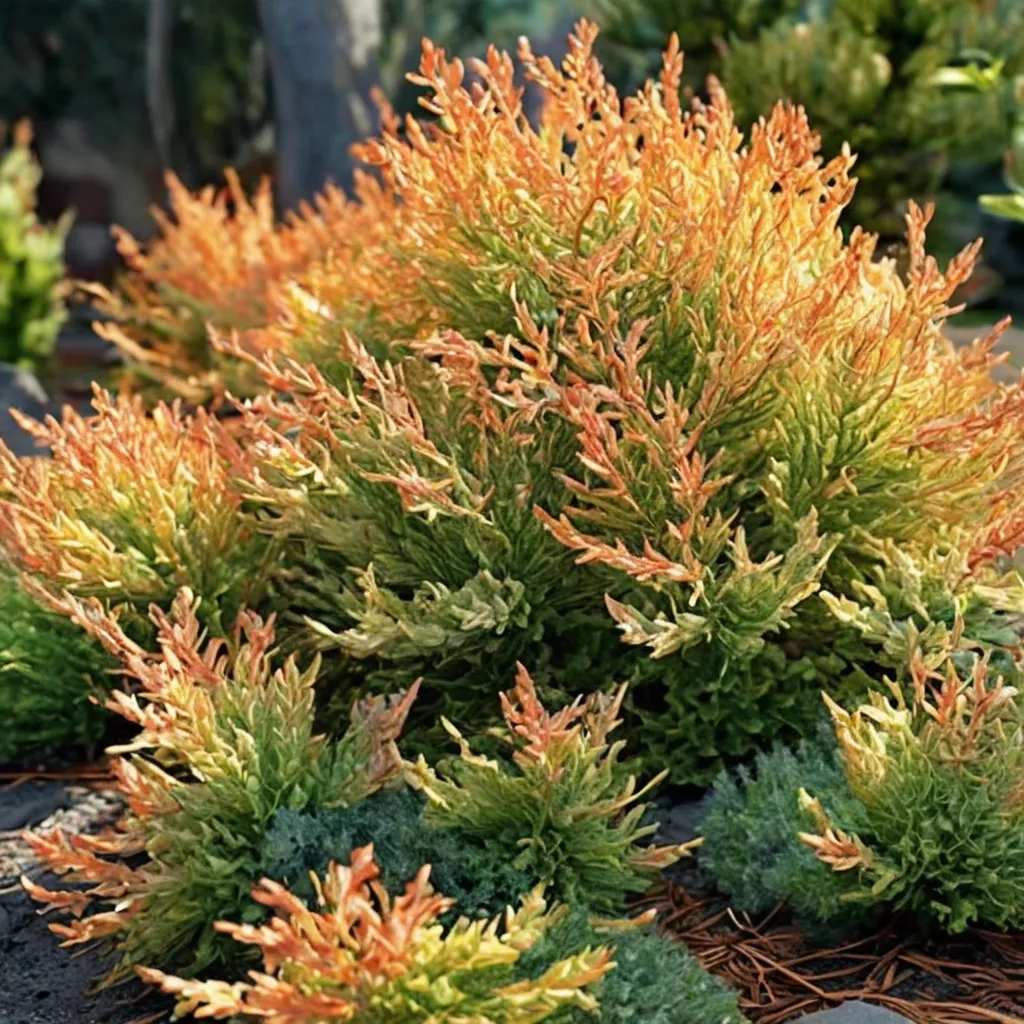
Fire Chief Arborvitae
Thuja occidentalis 'Fire Chief'
Keep exploring
Explore the genus
Hardy in your zone?
Grow Virginian Arborvitae with confidence
See it in a design of your actual yard, get zone-matched care reminders, and track it season by season in your garden journal.