Also known as Boxwood · 1.7k saves
Buxus
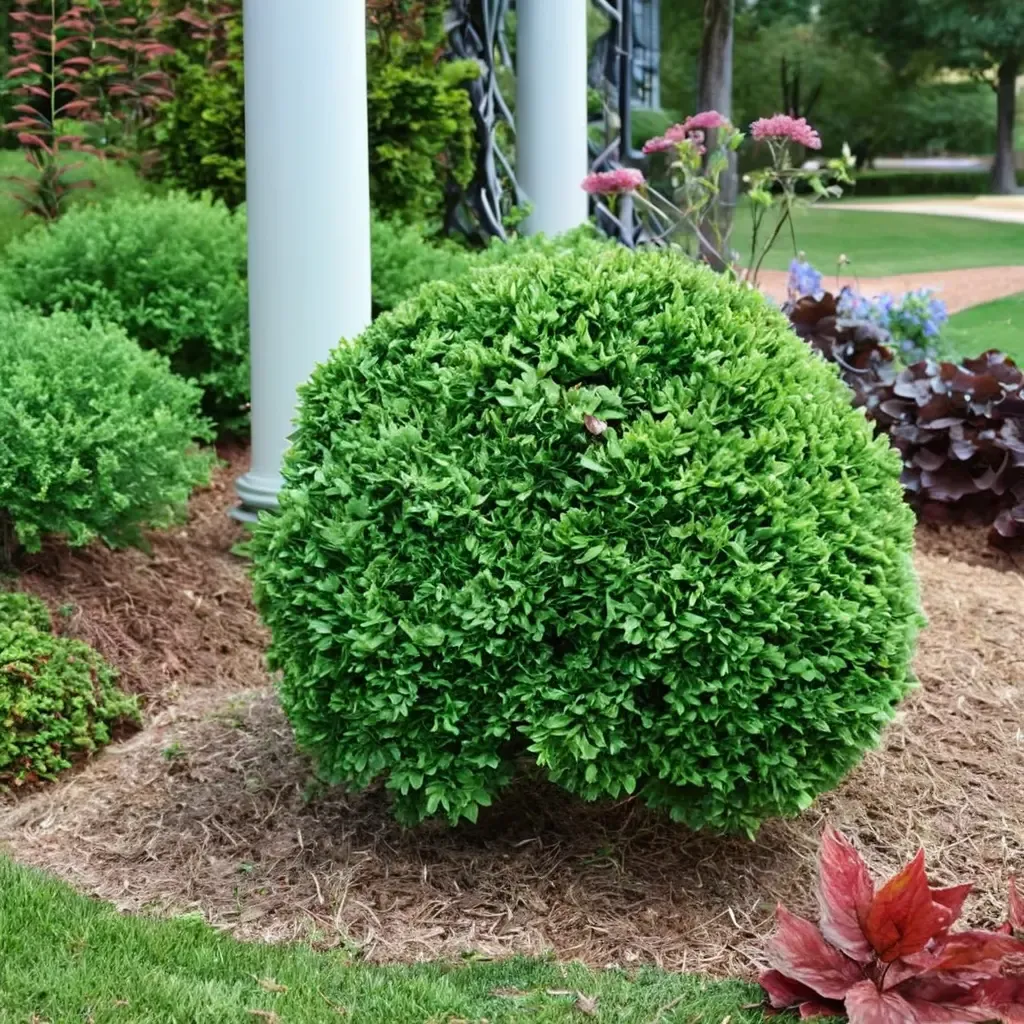
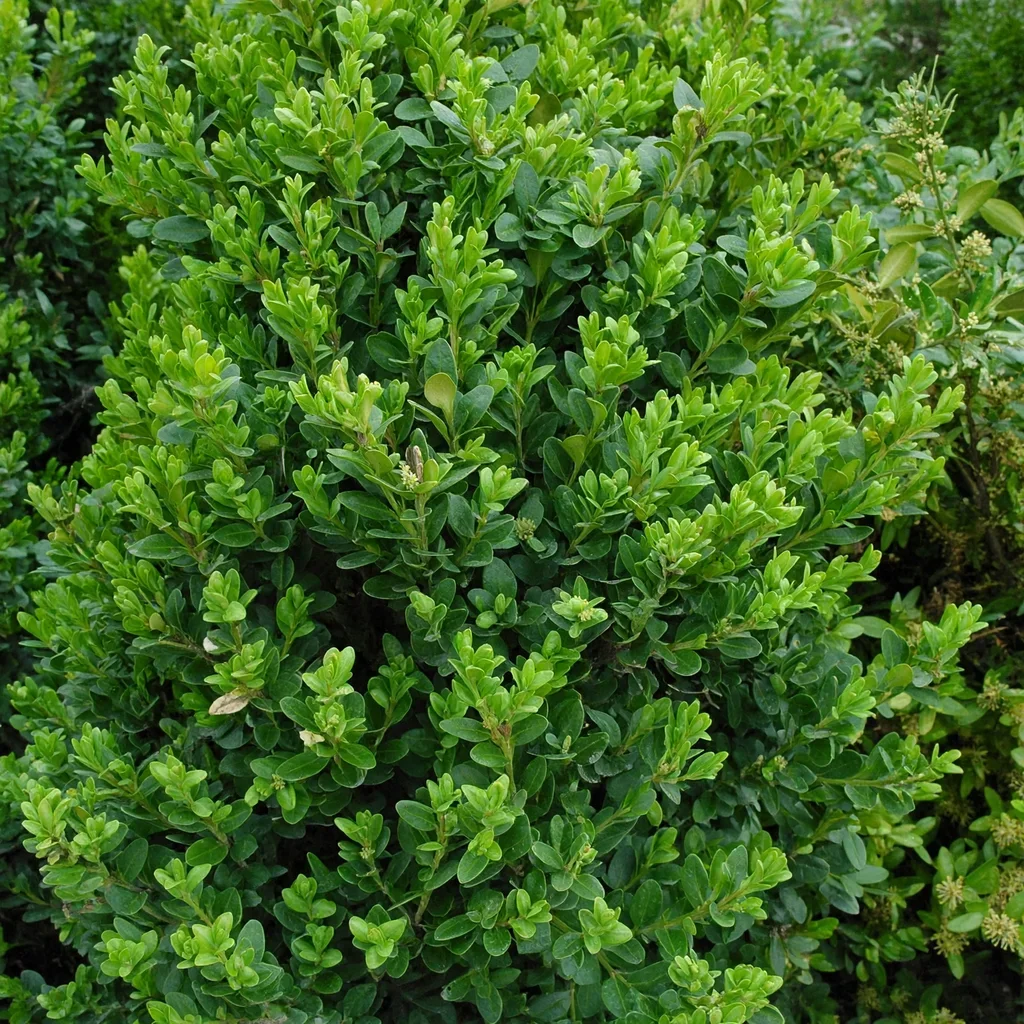
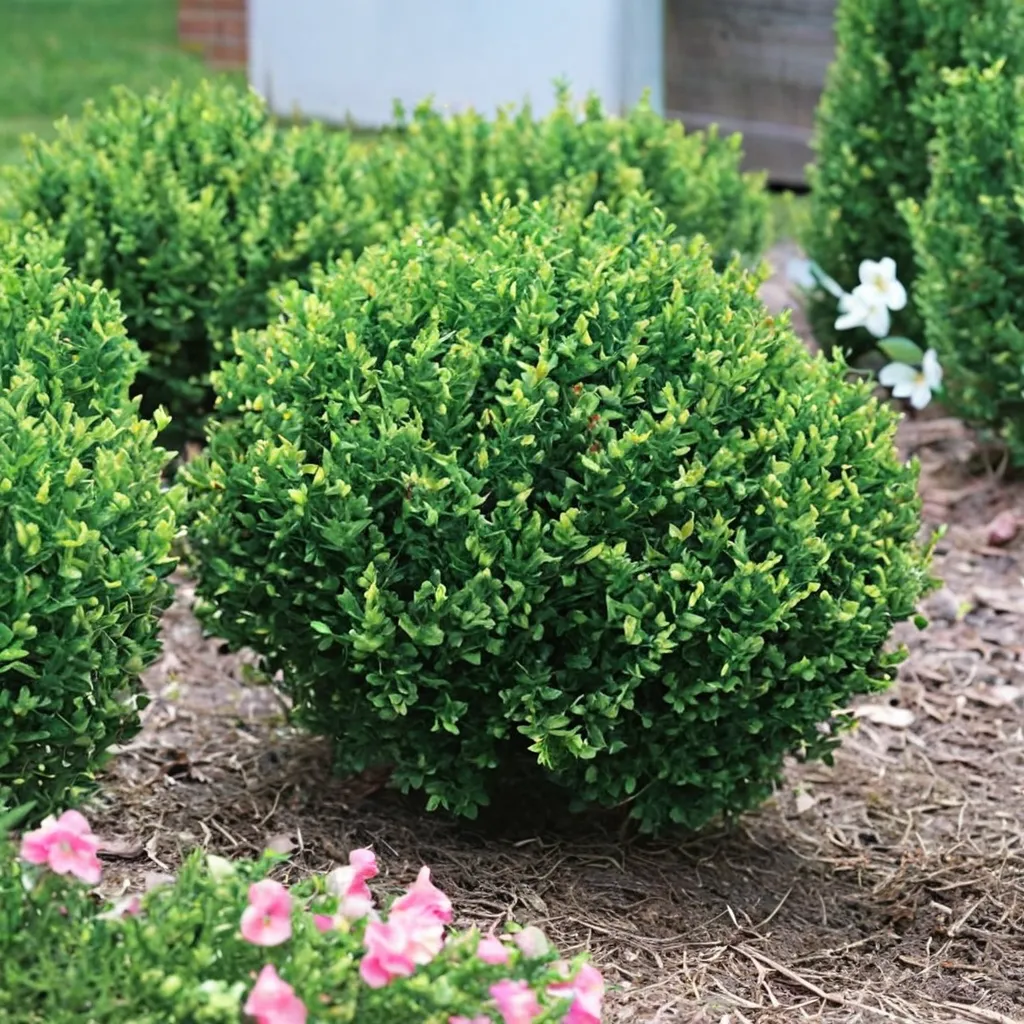
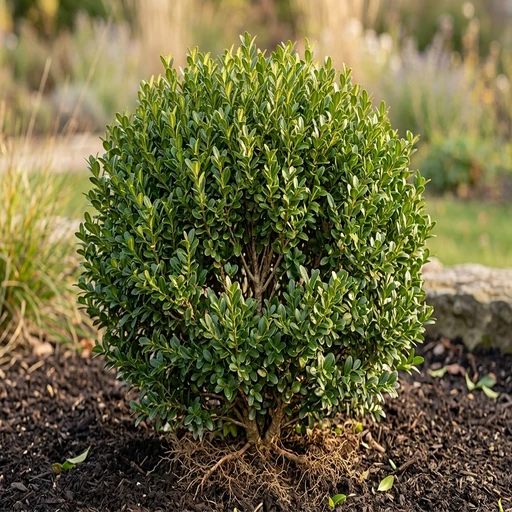
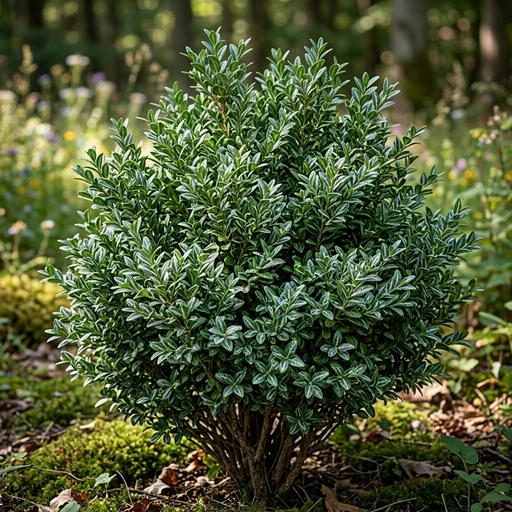
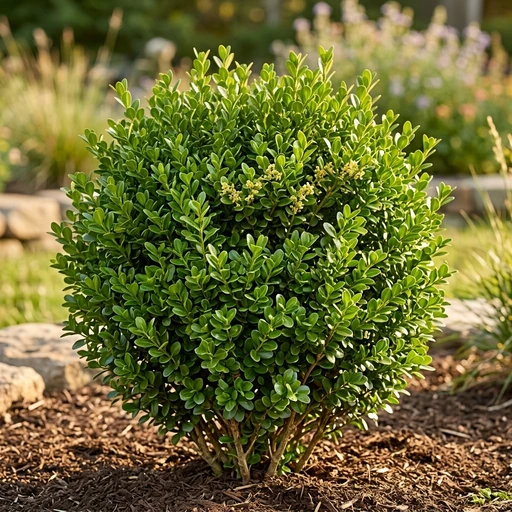
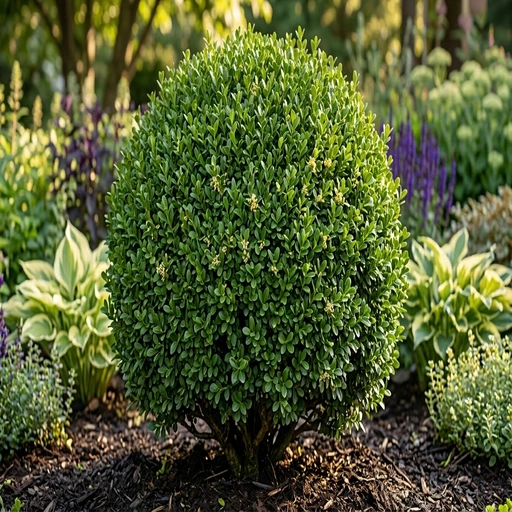
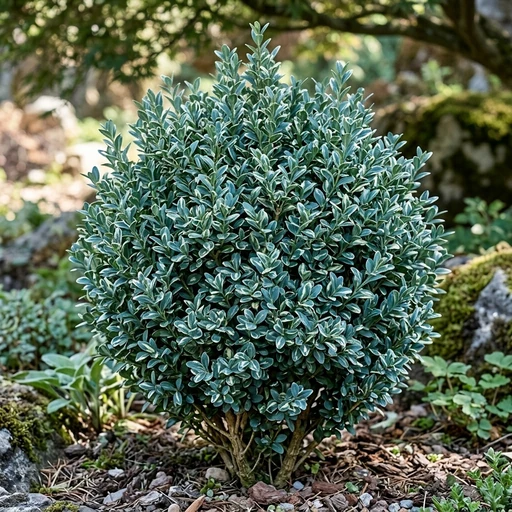
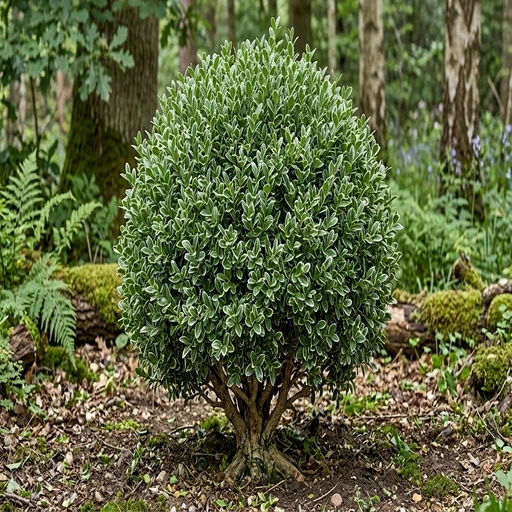
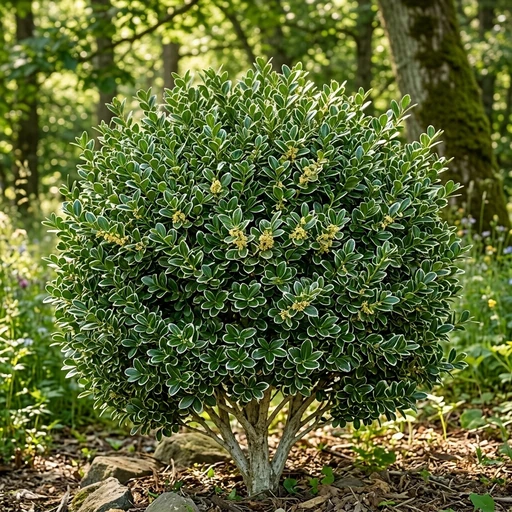
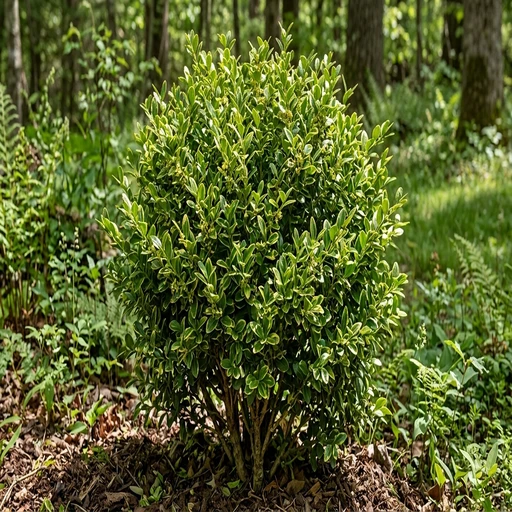
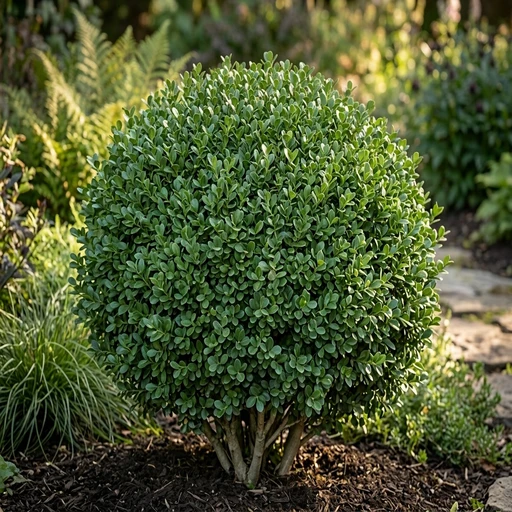
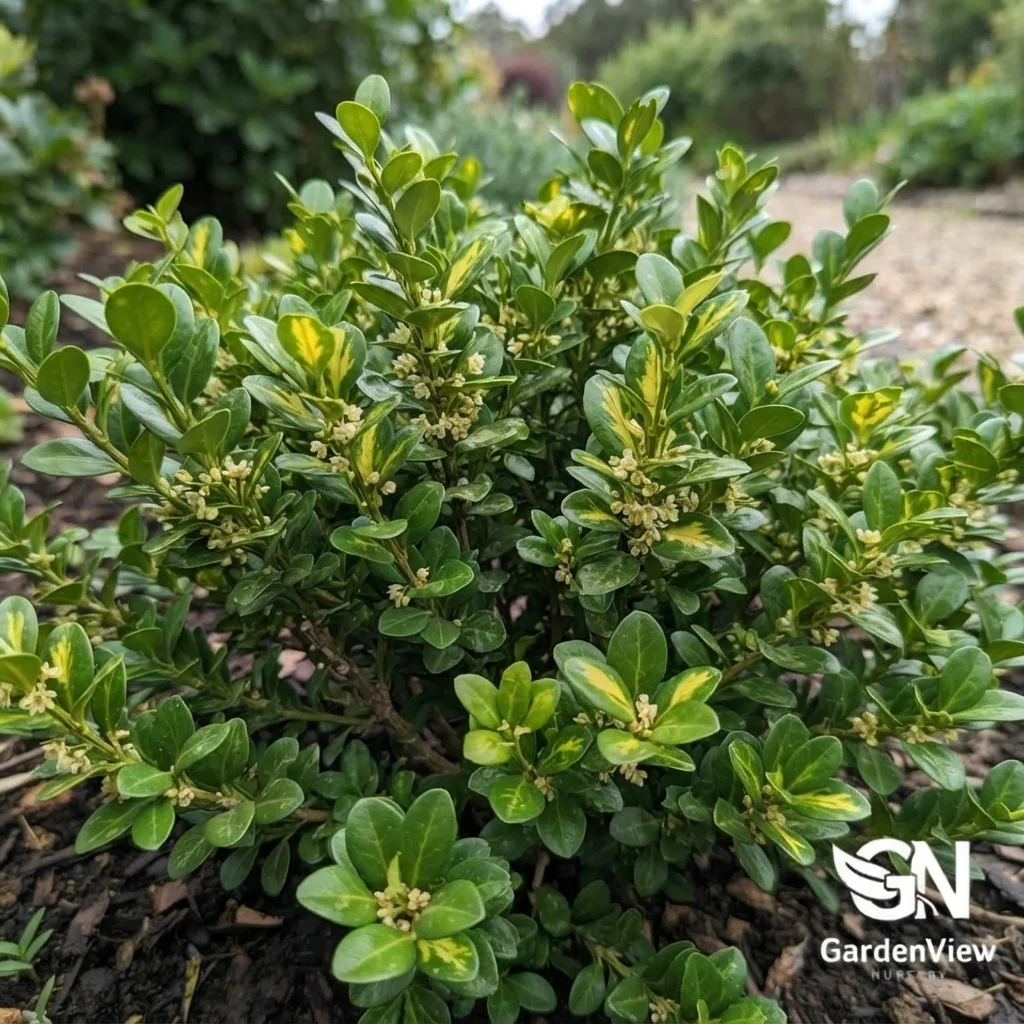
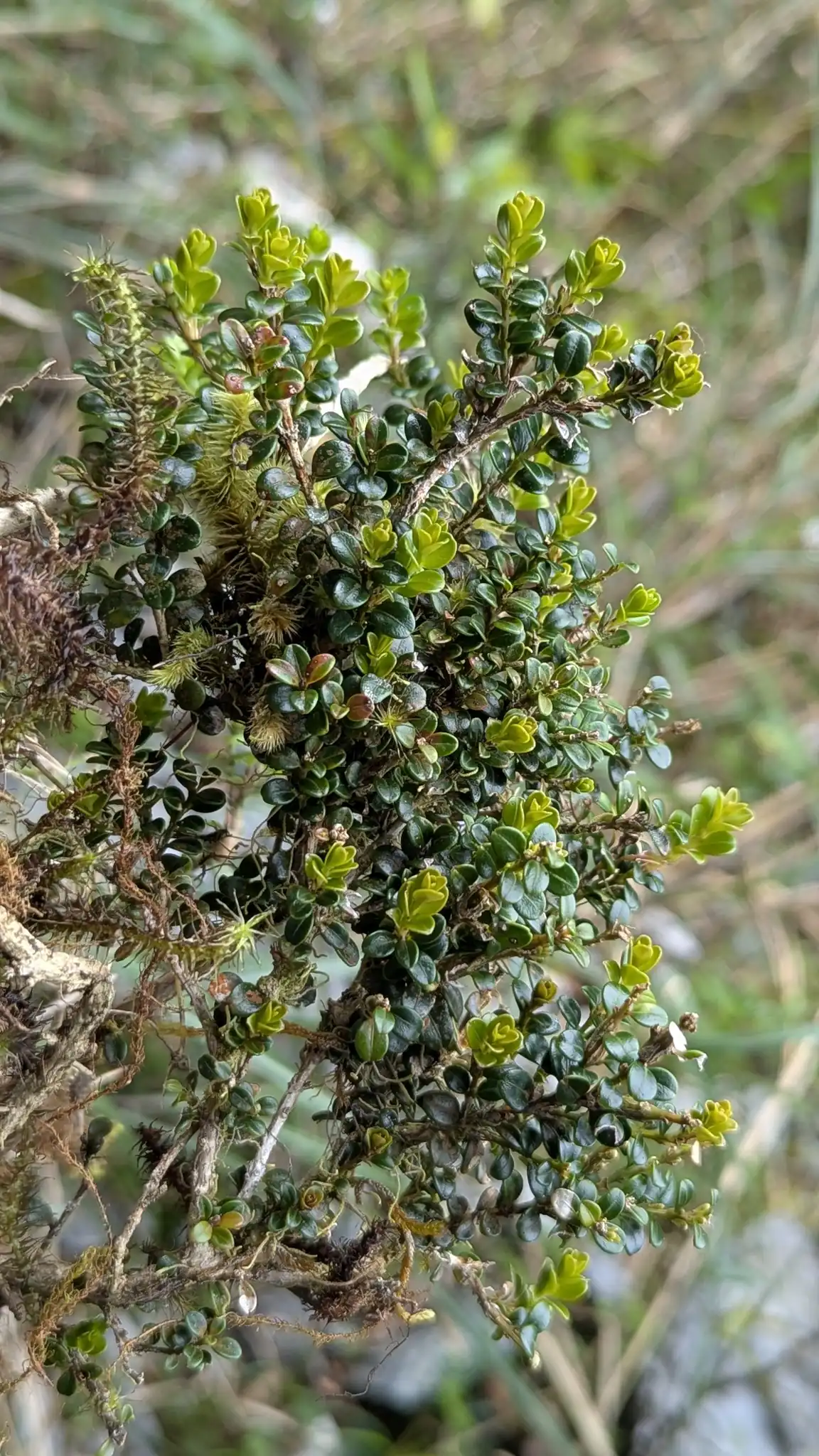
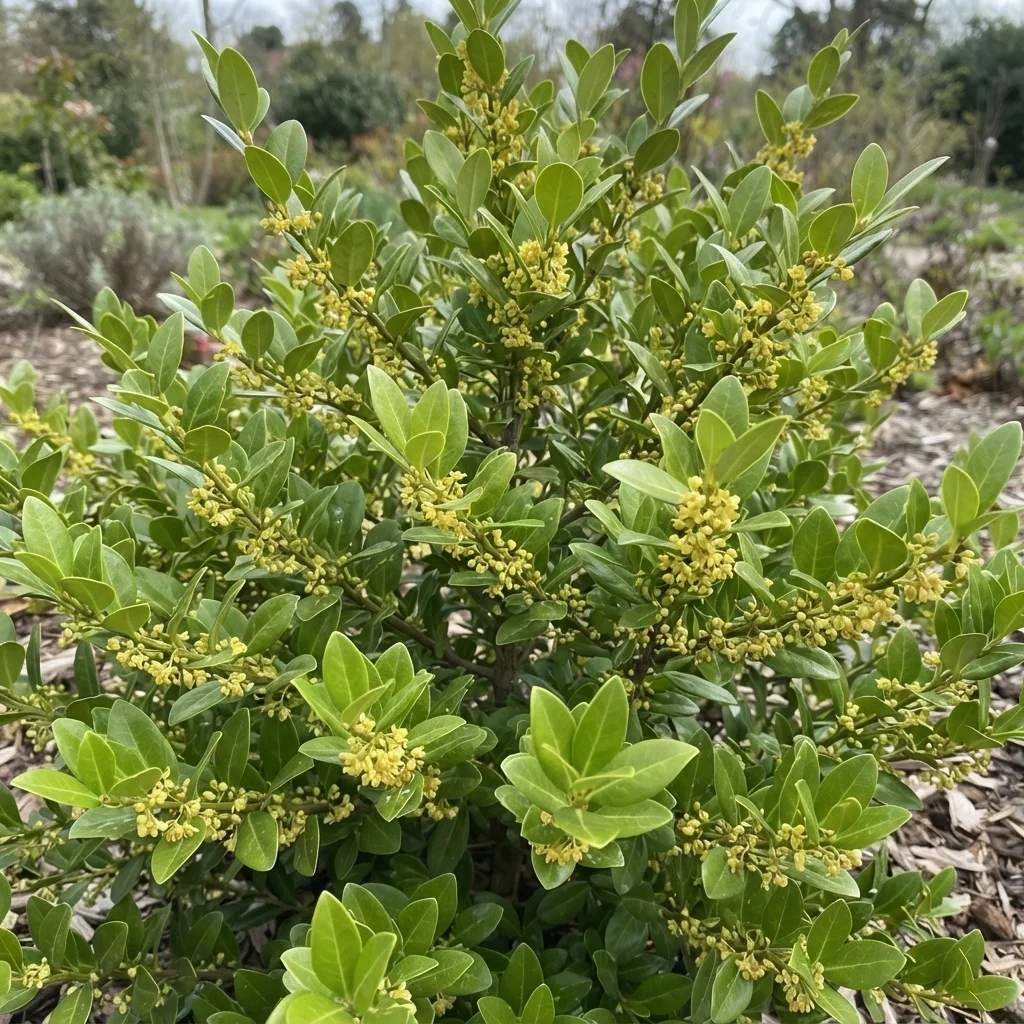
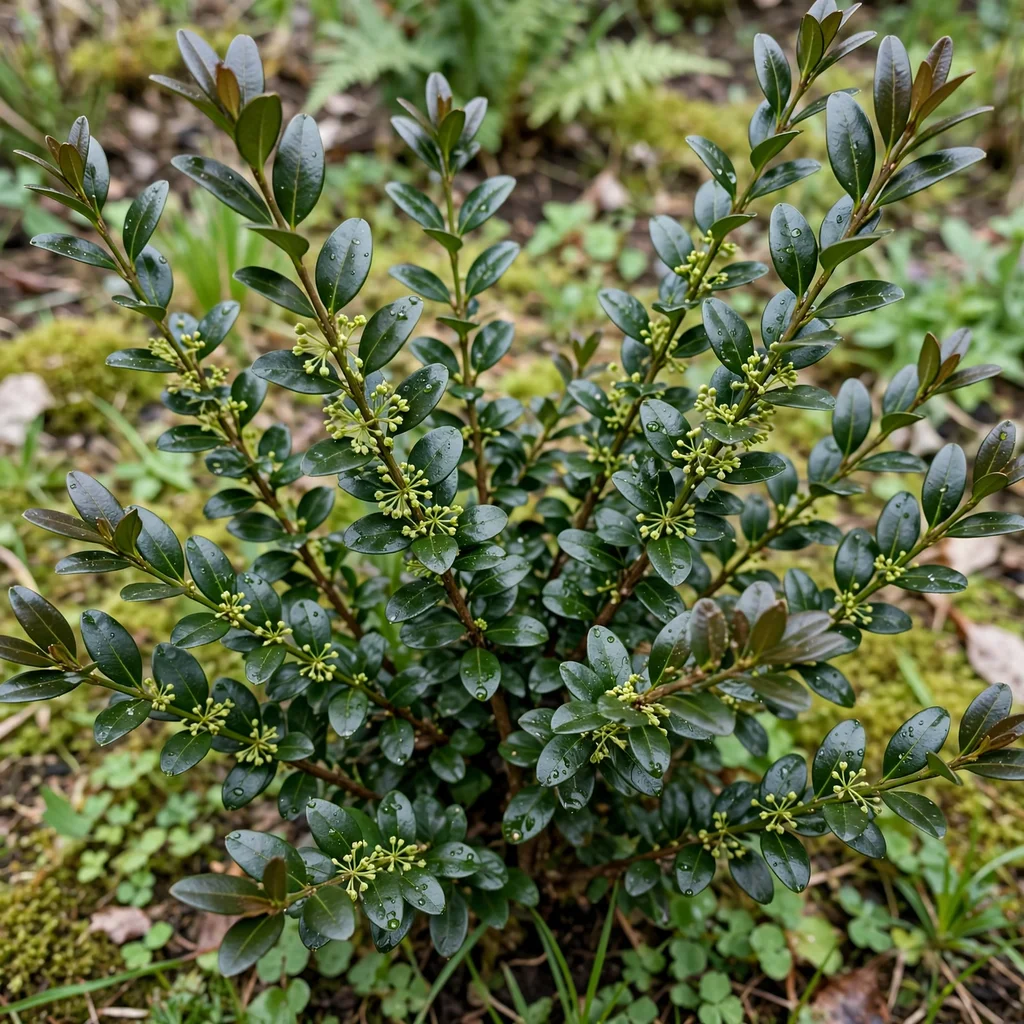
Buxus, the genus most gardeners know as boxwood. We track 31 varieties; the ones most used by real gardeners.
The 24 most-saved Buxus varieties
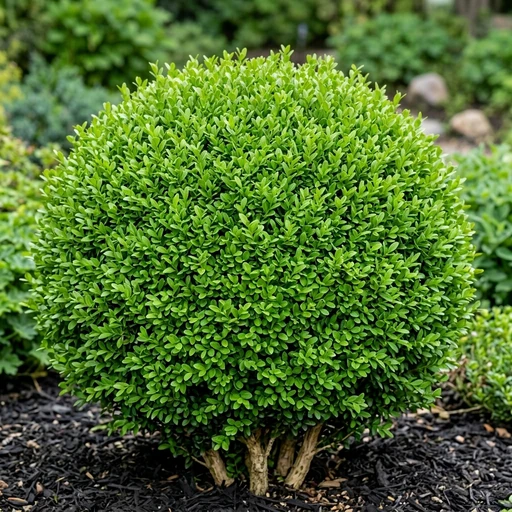
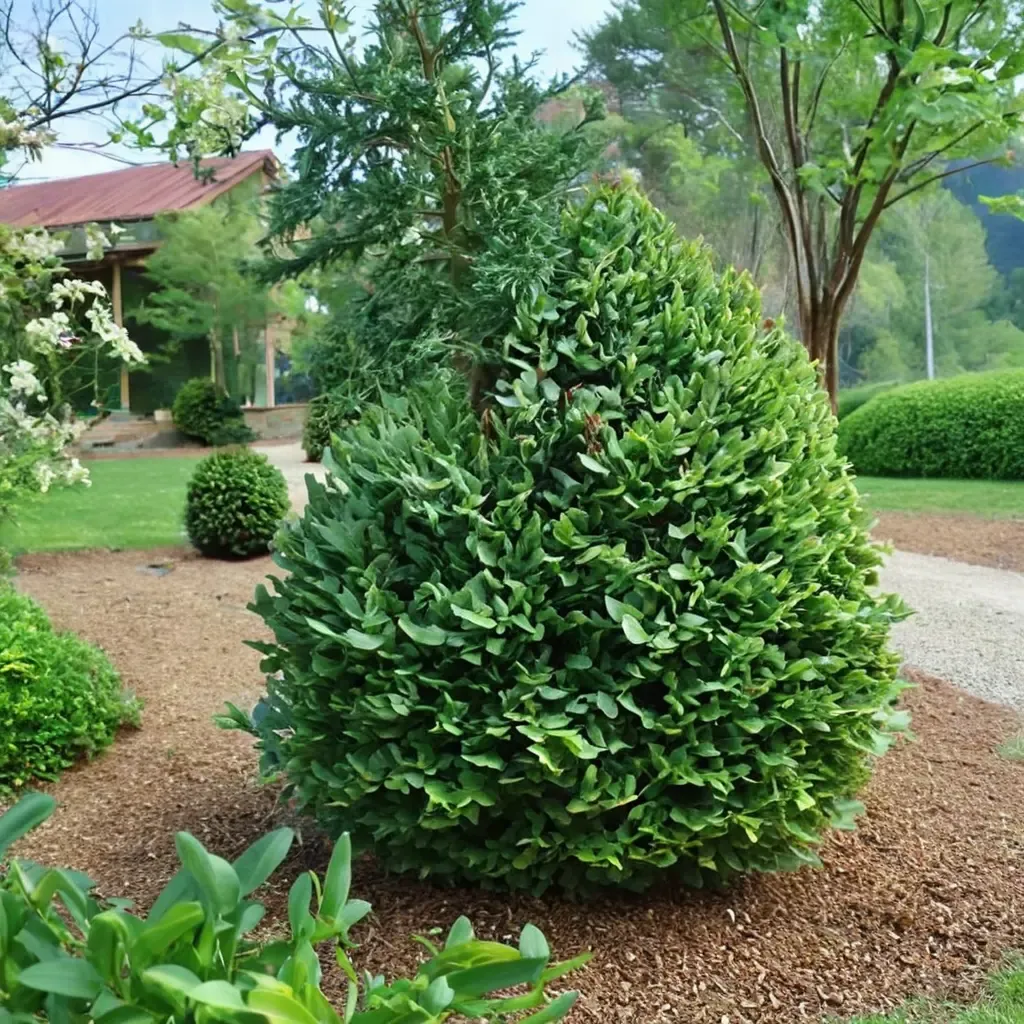
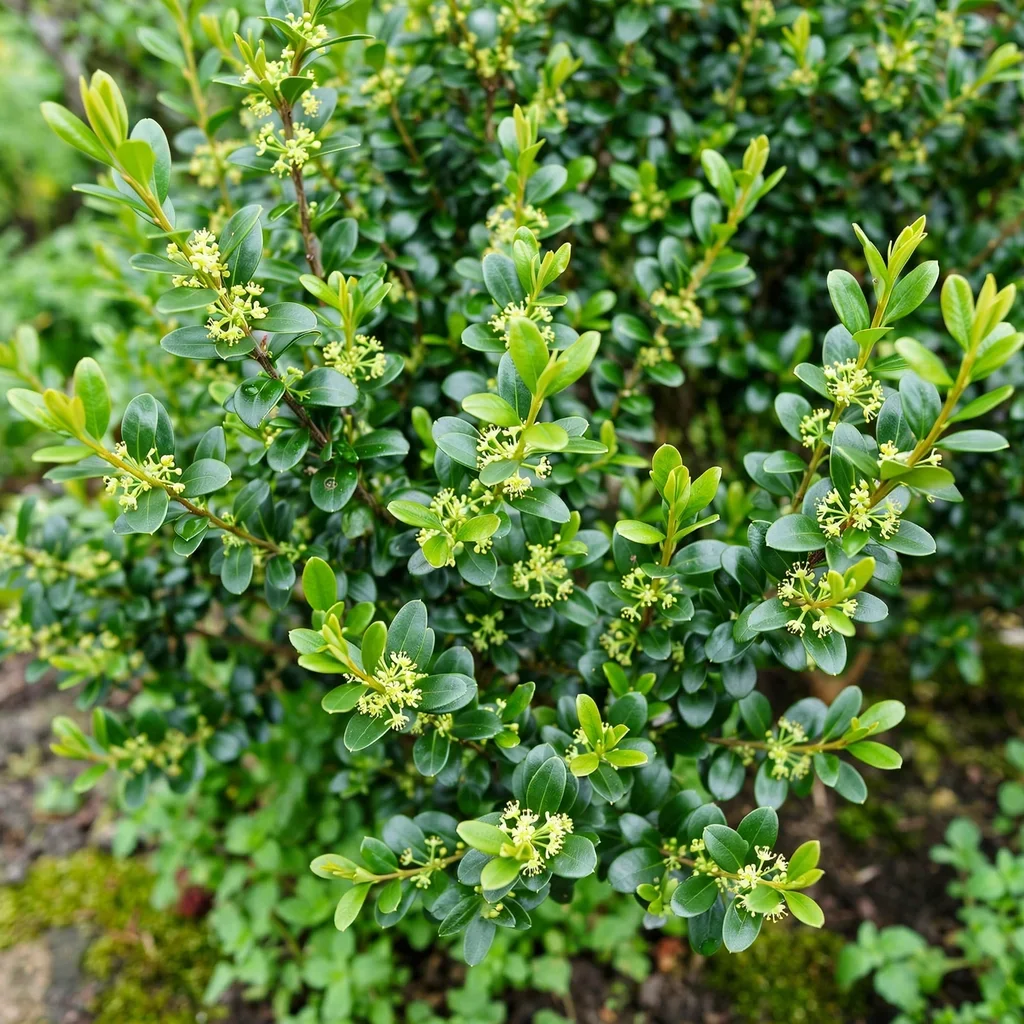
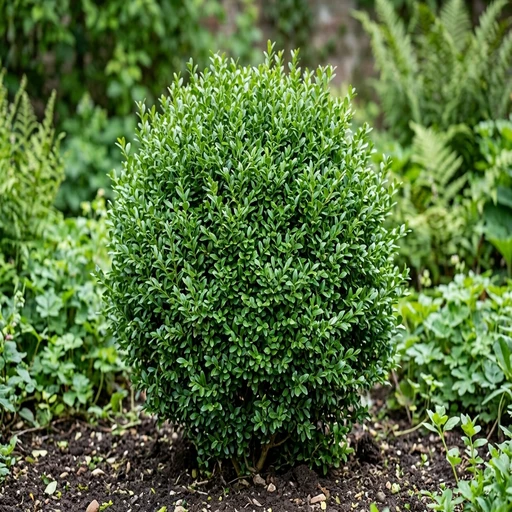
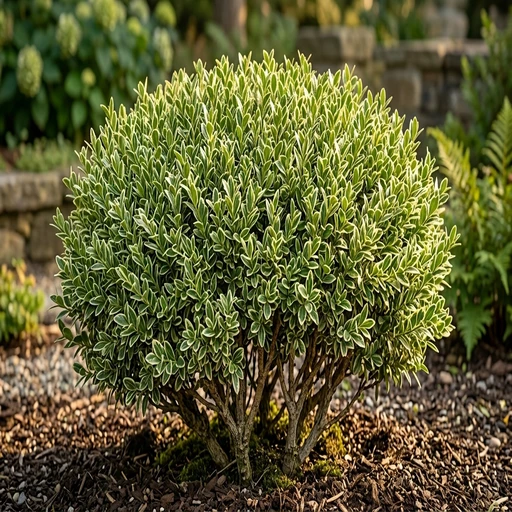
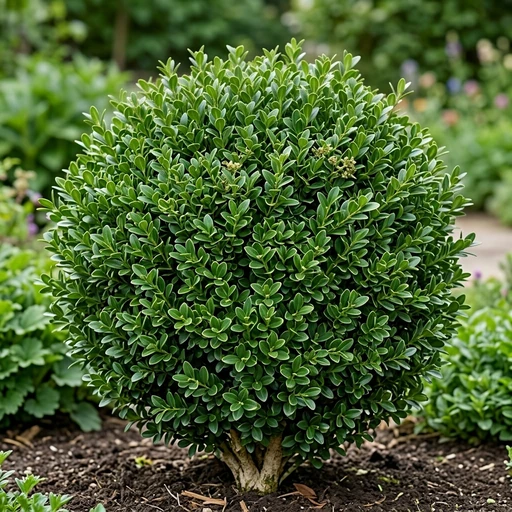
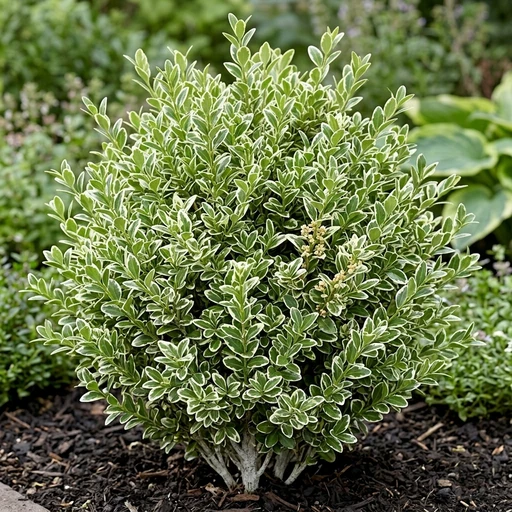
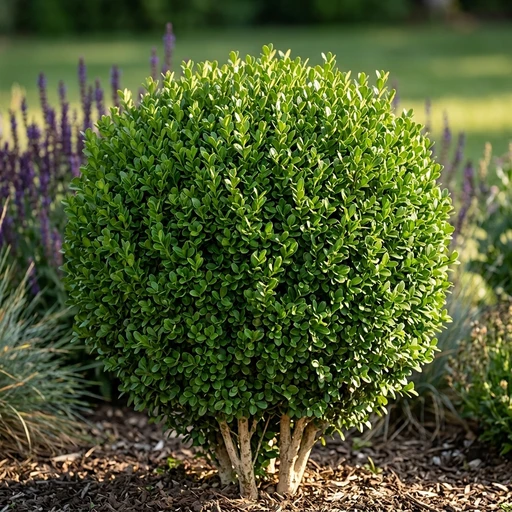
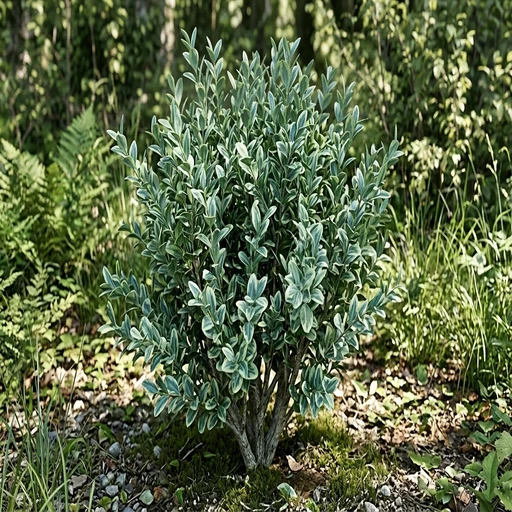
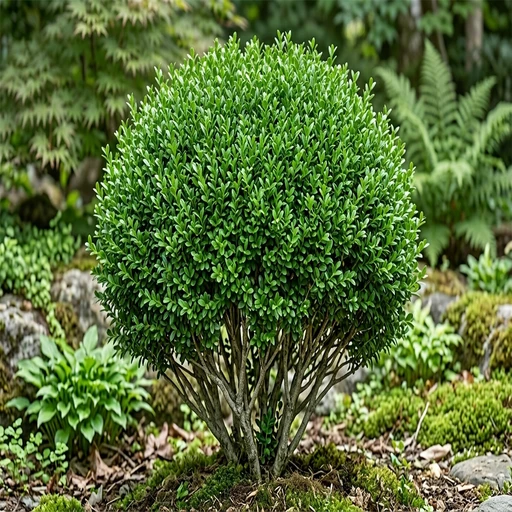
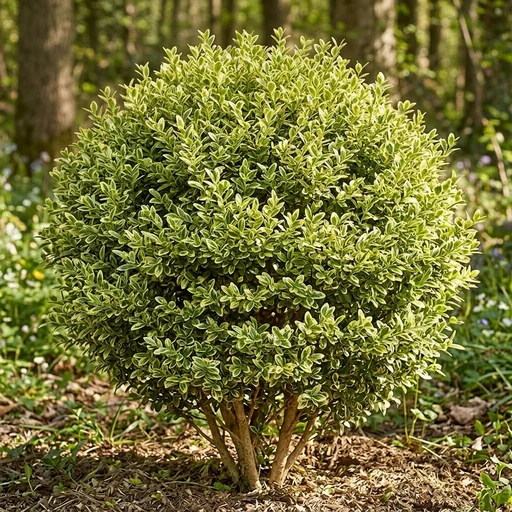
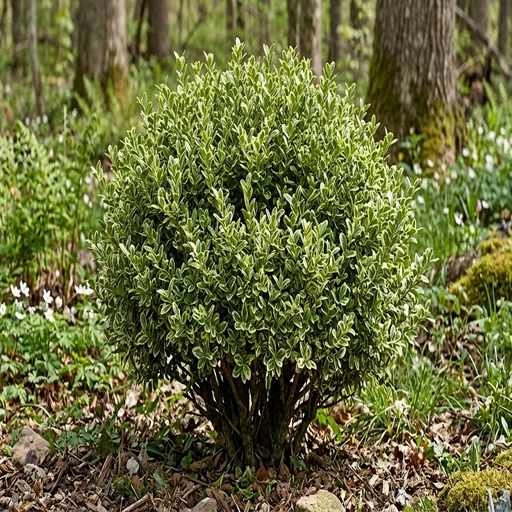
See all 31 Buxus varieties →Search this genus →
5 species of Buxus
Each one is a parent of the varieties above.
Track your Buxus in Sow
Save the Buxus you grow and get care reminders timed to your zone.
How to grow Buxus
Whats common across all Buxus varieties in our catalog — drawn from the care records of the 31 most-grown of them.
The Buxus year
- PruneJune and July97% of varieties
Shear or prune during the active growing season to maintain shape, avoiding late fall pruning.
- FertilizeApril97% of varieties
Apply a balanced, slow-release fertilizer once in early spring.
- Check for PestsMay–August84% of varieties
Check new growth for boxwood psyllid cupping and leafminer blisters.
- MulchApril, May and November52% of varieties
Apply a 2-3 inch layer of organic mulch to protect the shallow root system.


Do
- Ensure excellent soil drainage to prevent root rot.
- Water at the base of the plant to keep foliage dry.
- Prune with sharp, clean tools to create clean cuts.
- Provide consistent moisture, especially during dry spells.
- Water regularly during dry periods 🌱
Avoid
- Do not plant in poorly drained or waterlogged soils.
- Avoid overhead watering, which can encourage fungal diseases.
- Avoid overwatering to prevent root rot ❌
- Do not plant in poorly drained, wet soil.
What goes wrong with Buxus
| Problem | What you'll see | What to do |
|---|---|---|
| Boxwood Leafminer | Blisters or blotches on leaves, which turn yellow or brown. Small orange flies emerge in spring. | Prune and destroy infested foliage before adults emerge. Use sticky traps. Apply spinosad or a systemic insecticide in spring. |
| Boxwood Psyllid | Cupping of new leaves, which shelter the small, sap-sucking insects covered in a waxy secretion. | Damage is mostly cosmetic. Prune off affected tips. Spray with horticultural oil or insecticidal soap in spring. |
| Boxwood leafminer | Larvae mine inside the leaves, causing visible blistering and yellowing. | Apply systemic insecticides or select resistant cultivars. |
| Boxwood psyllid | Cupping of the terminal leaves on new spring growth. | Prune out affected tips or apply insecticidal soap. |
| Boxwood Blight | Rapid leaf drop, circular leaf spots with dark borders, and black streaks on stems. | Remove and destroy infected plants. Improve air circulation. Apply fungicides like chlorothalonil or mancozeb as a preventative. |
| Root Rot | Stunted growth, yellowing leaves, and decaying roots, often caused by poorly drained soil. | Improve soil drainage. Reduce watering. Drench with a fungicide labeled for Phytophthora. Prevention is key. |
| Boxwood blight | Severe defoliation and black lesions on the stems. | Space plants to improve air circulation and avoid overhead watering; this variety shows higher relative tolerance than European boxwood. |
Making more Buxus
Semi-hardwood cuttings
- Take semi-hardwood cuttings in summer or autumn from healthy, current-season growth.
- Dip the cut ends in a rooting hormone powder to encourage root development.
- Insert the cuttings into a moist, well-draining propagation mix of perlite and peat.
- Keep the cuttings in a humid, warm environment with indirect light until roots establish.
Semi-hardwood Cuttings
- Take 4-inch cuttings in late summer.
- Remove the leaves from the bottom two inches.
- Dip the cut end in rooting hormone.
- Stick in a mix of perlite and peat, and keep moist.
Buxus questions
How many types of Buxus are there?
The Sow catalog tracks 31 distinct Buxus varieties. The most popular — ranked by 1.7k real gardeners — are shown first above.
What zones does Buxus grow in?
Across its varieties, Buxus covers USDA Zones 4–10. Individual varieties differ — each plant page lists its exact range, and Sow filters the catalog to your zone automatically.
When does Buxus bloom?
Most Buxus varieties bloom in spring, early spring, late spring. Staggering early, mid, and late varieties extends the genus's season in one bed.
Which Buxus should I choose?
Start from the most-saved varieties above — popularity across thousands of gardens is a strong signal of reliability — then filter by your zone and sun. In the Sow app you can preview any of them in a photo of your actual yard before you buy.