The Story
Plant Bio
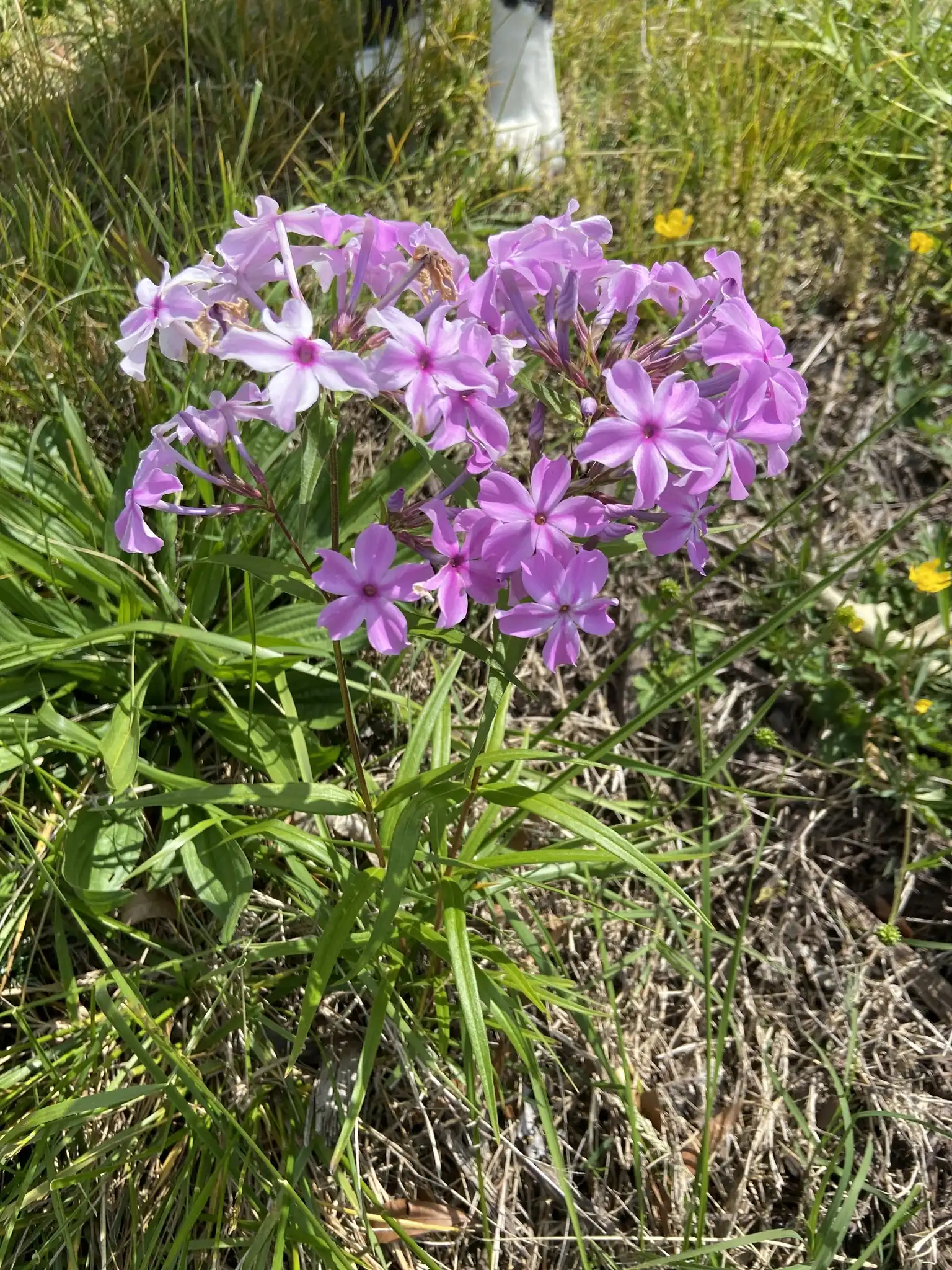
Phlox carolina, the thickleaf or Carolina phlox, is an upright clumping perennial of open woods and roadsides in the east-central and south-eastern United States. It stands 2 to 3 ft tall and 18 to 24 in across on stiff stems, with narrow, glossy, thick-textured leaves. Fragrant pink flowers open in domed panicles from late spring into summer.
It flowers several weeks earlier than border phlox and holds its foliage far better through humid summers, being much less troubled by mildew. The leaves are noticeably thicker and shinier than those of Phlox paniculata, which is the quickest way to tell the two apart in a border. Stems are strong enough to cut for the vase.
Uses & Benefits:
Essentials
At a Glance
Plant Type
Perennial
Height
30"
Width
21"
Light
Full Sun, Partial Sun
Zones
4, 5, 6, 7, 8, 9
Water
Moderate; keep evenly moist
Humidity
Handles humid summers well
Lifespan
Over 10 years with division
Native To
East-central and south-eastern USA
Toxicity
Non-toxic
Planting
How to Grow
- Plant in full sun or light dappled shade in rich, moist soil.
- Space clumps 18 to 24 in apart for airflow between them.
- Dig in compost at planting and mulch to keep roots cool.
- Water deeply in dry spells rather than sprinkling often.
- Deadhead spent panicles to encourage a second flush.
- Divide congested clumps every three or four years in spring.
Pro Tip
Water at the base and never over the leaves; wet foliage overnight is what tips even a mildew-resistant phlox over the edge.
Keep It Thriving
Care Guide
Do
- Give it moist, humus-rich soil that never dries out completely 💧
- Space plants for air movement between the clumps 🌬️
- Cut spent flower heads to prolong the display ✂️
- Divide every three or four years to keep it vigorous 🌱
Don't
- Do not crowd it against a wall or fence with no airflow ❌
- Do not water overhead in the evening ❌
- Do not let seedlings replace a named clone; they revert to muddy pink ❌
Seasonal Care Calendar
| Task | Jan | Feb | Mar | Apr | May | Jun | Jul | Aug | Sep | Oct | Nov | Dec |
|---|---|---|---|---|---|---|---|---|---|---|---|---|
| Deadhead And Tidy | ||||||||||||
| Divide And Mulch |
Watch Out For
Pests & Diseases
Common Pests
Common Diseases
In the Garden
Landscape Uses & Companions
Landscape Uses
Companion Plants
Multiply
Propagation Methods
Good to Know
Common Questions
Carolina Phlox questions
What zones can Carolina Phlox grow in?
Carolina Phlox is hardy in USDA Zones 4–9. Inside that range it survives winter in the ground; outside it, grow it as an annual or a container plant you protect.
Is Carolina Phlox deer resistant?
Yes — Carolina Phlox is rated deer-resistant. Deer typically pass it over, though extreme hunger can override any plant's defenses.
When does Carolina Phlox bloom?
Carolina Phlox typically blooms in late spring into summer through late summer. Exact timing shifts a week or two with your zone — Sow's bloom calendar maps it to your garden.
Does Carolina Phlox need full sun?
Carolina Phlox does best in full sun to part shade. In hot climates, afternoon shade keeps blooms fresher longer.
More Phlox to compare
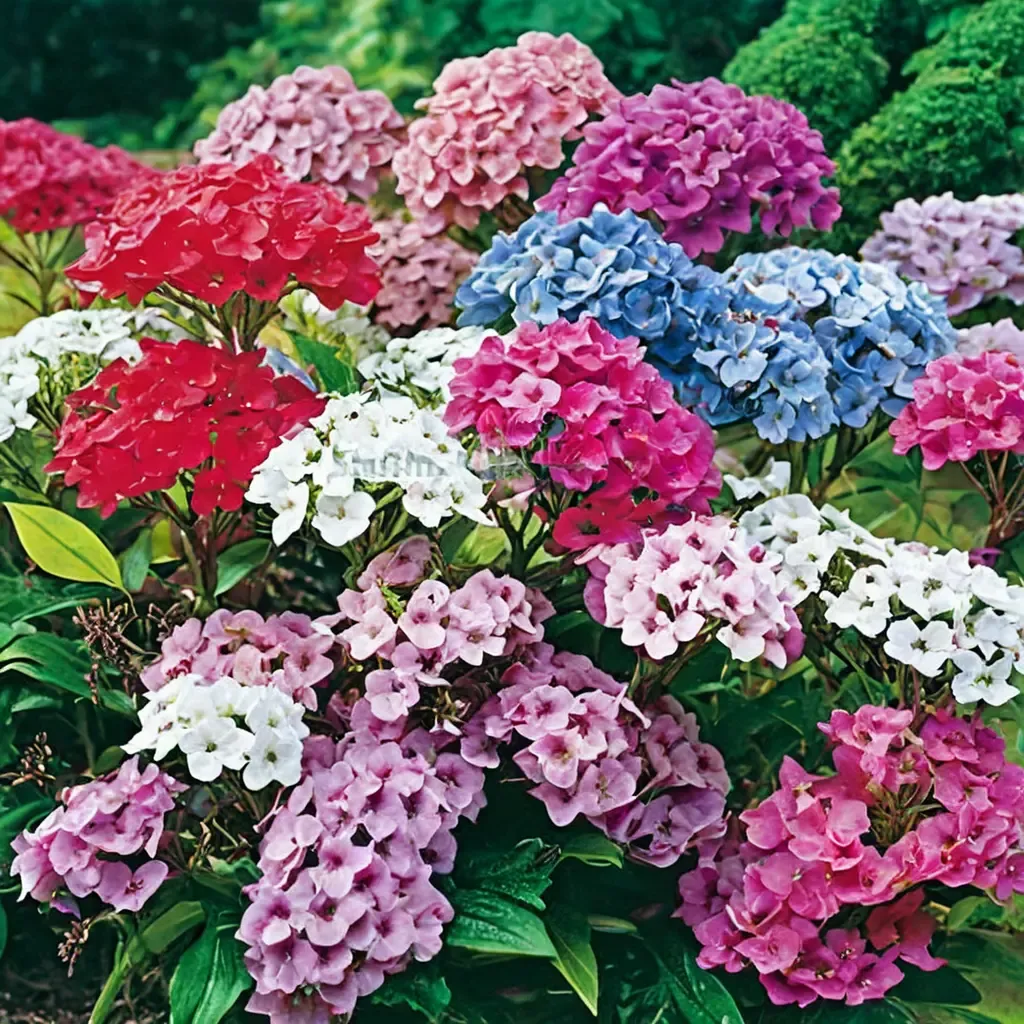
Garden Phlox
Phlox paniculata 'Mix'
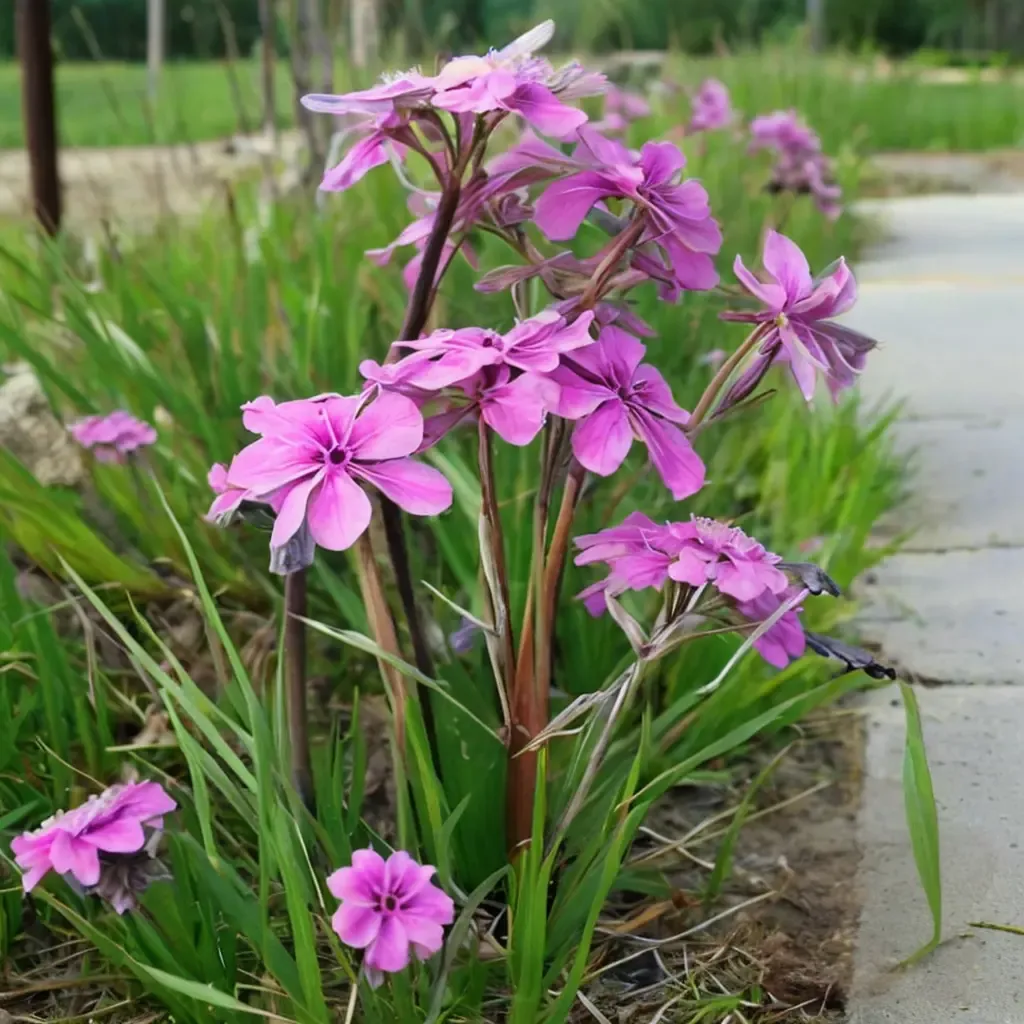
Prairie Phlox
Phlox pilosa
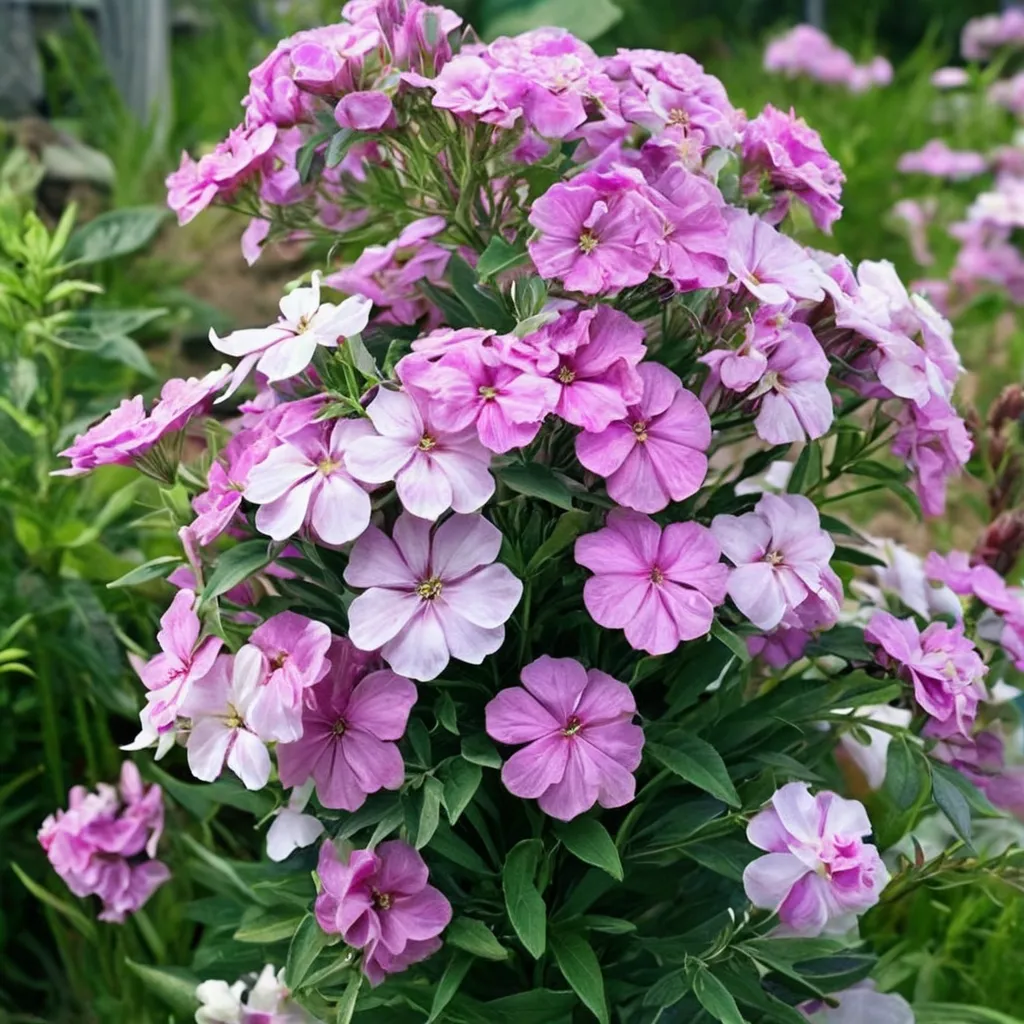
Garden Phlox 'Rene Duval'
Phlox paniculata 'Rene Duval'
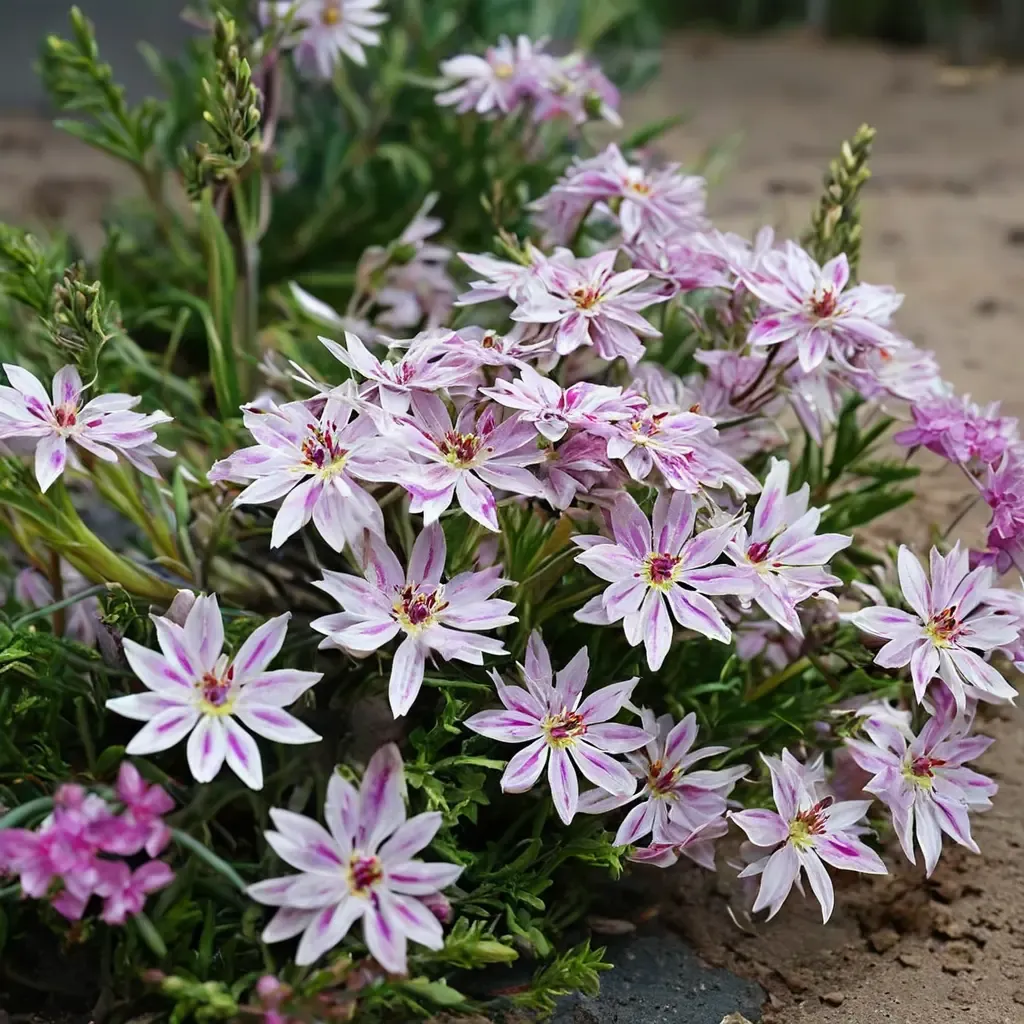
Candy Stripe Creeping Phlox
Phlox subulata 'Candy Stripe'
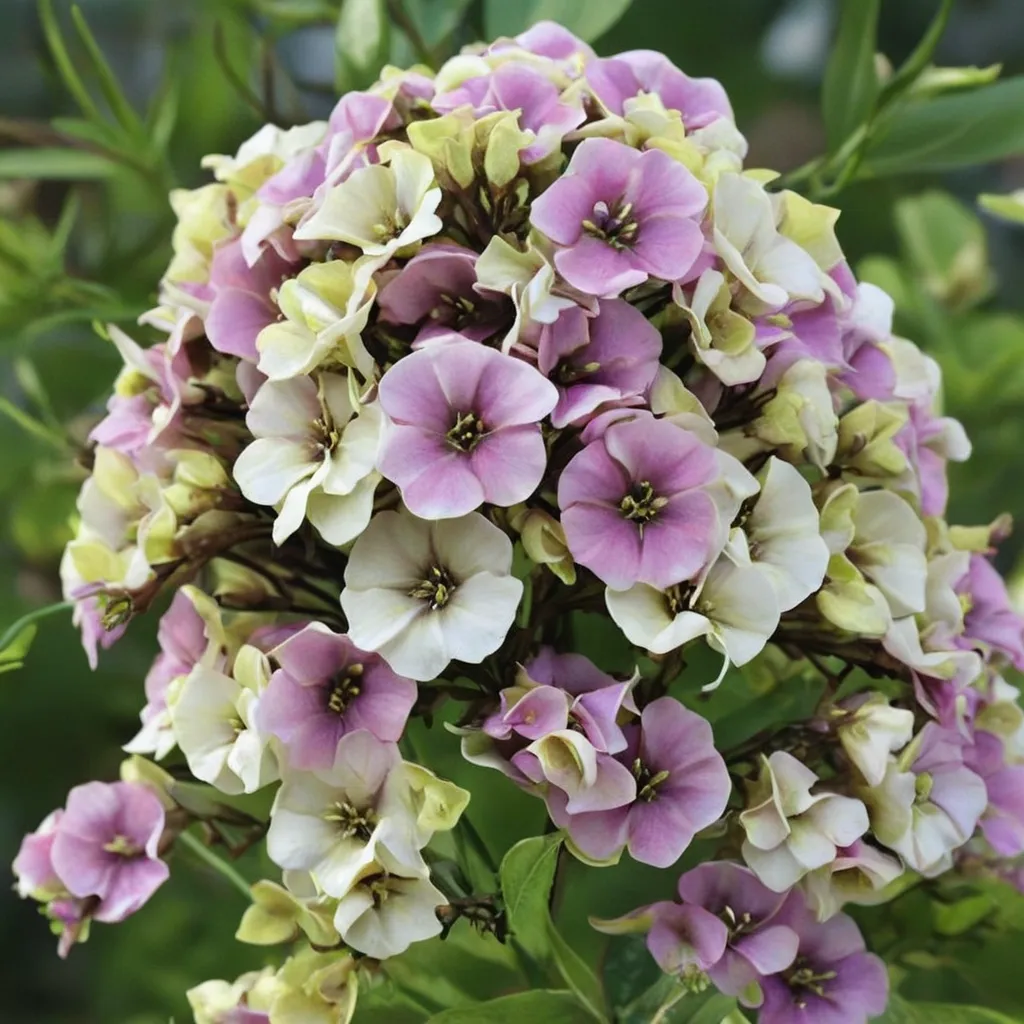
Sherbet Cocktail Garden Phlox
Phlox paniculata 'Sherbet Cocktail'
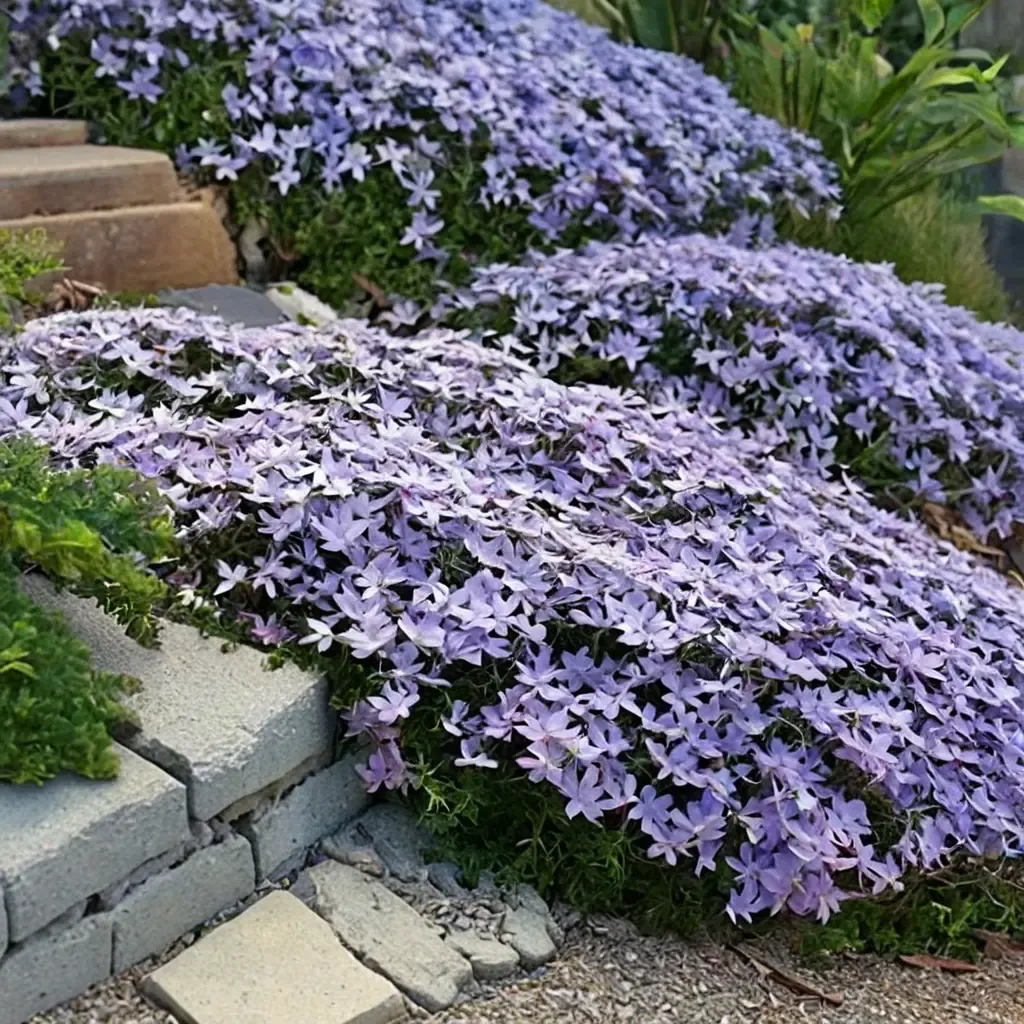
Emerald Blue Moss Phlox
Phlox subulata 'Emerald Blue'
Keep exploring
Explore the genus
Grow Carolina Phlox with confidence
See it in a design of your actual yard, get zone-matched care reminders, and track it season by season in your garden journal.