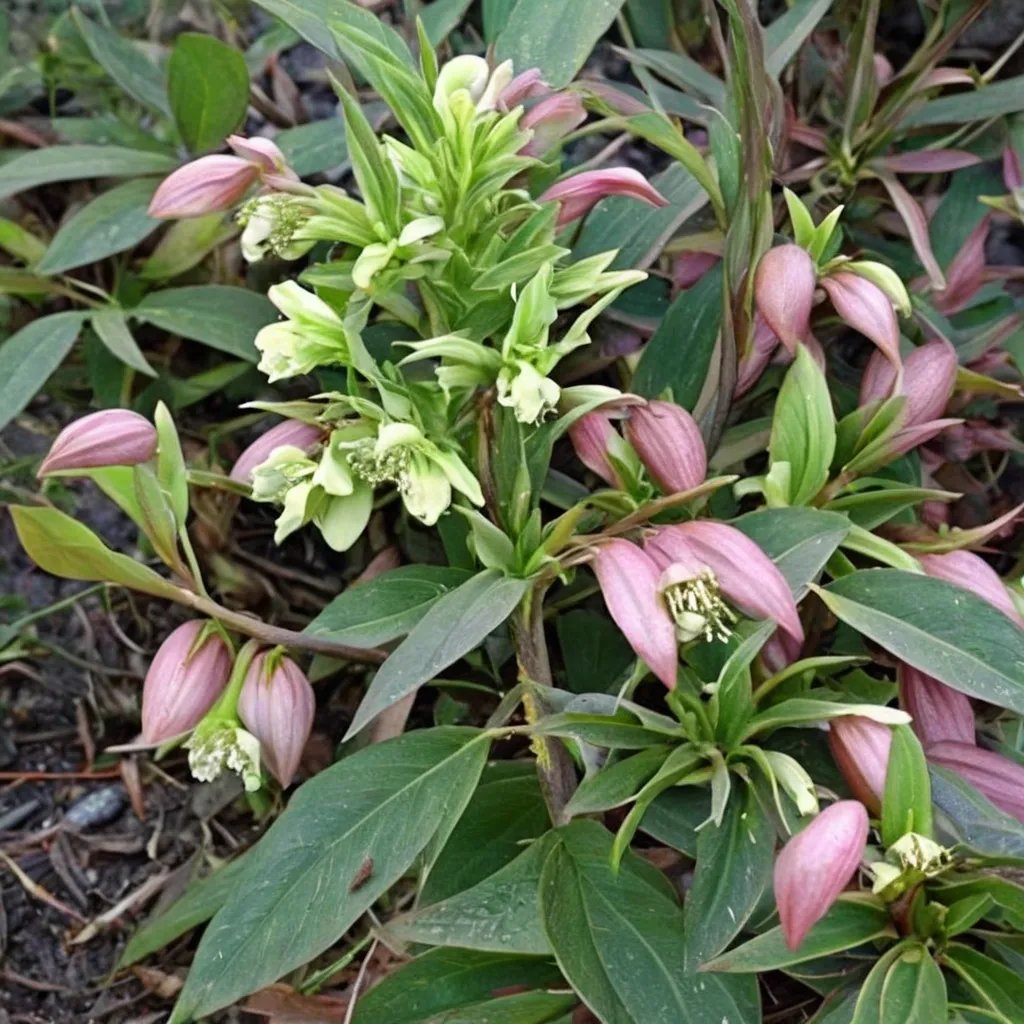
Species
 Helleborus foetidusStinking Hellebore
12 other cultivars
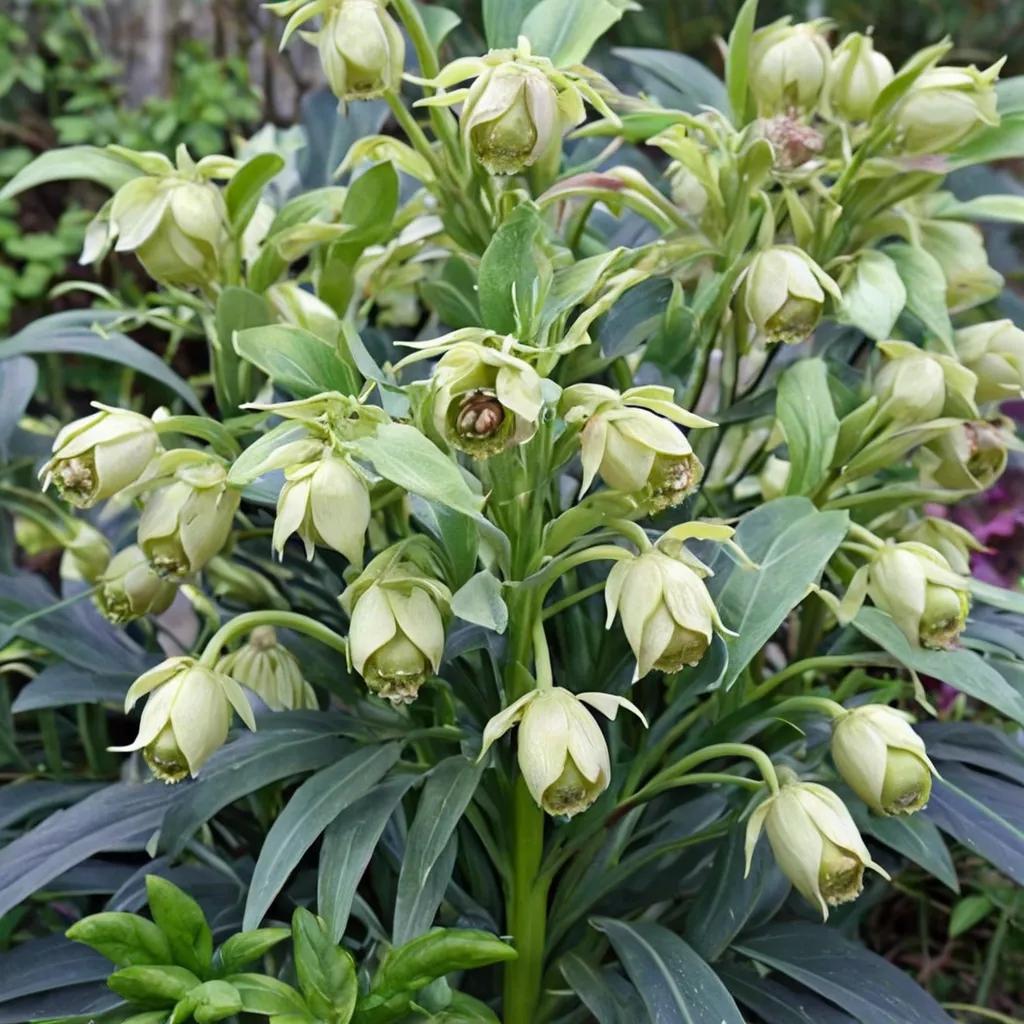 ‘Sopron’Sopron Stinking Hellebore
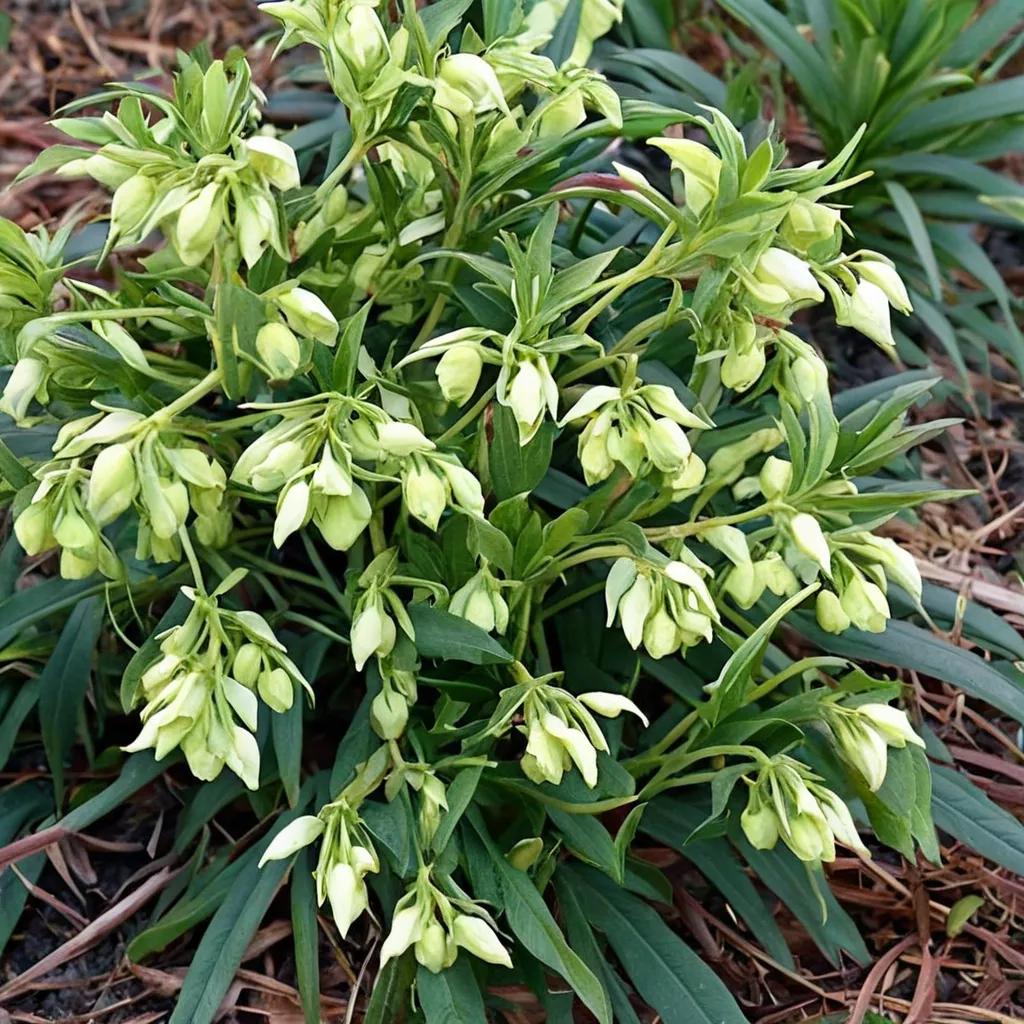 ‘Pontarlier’Pontarlier Stinking Hellebore
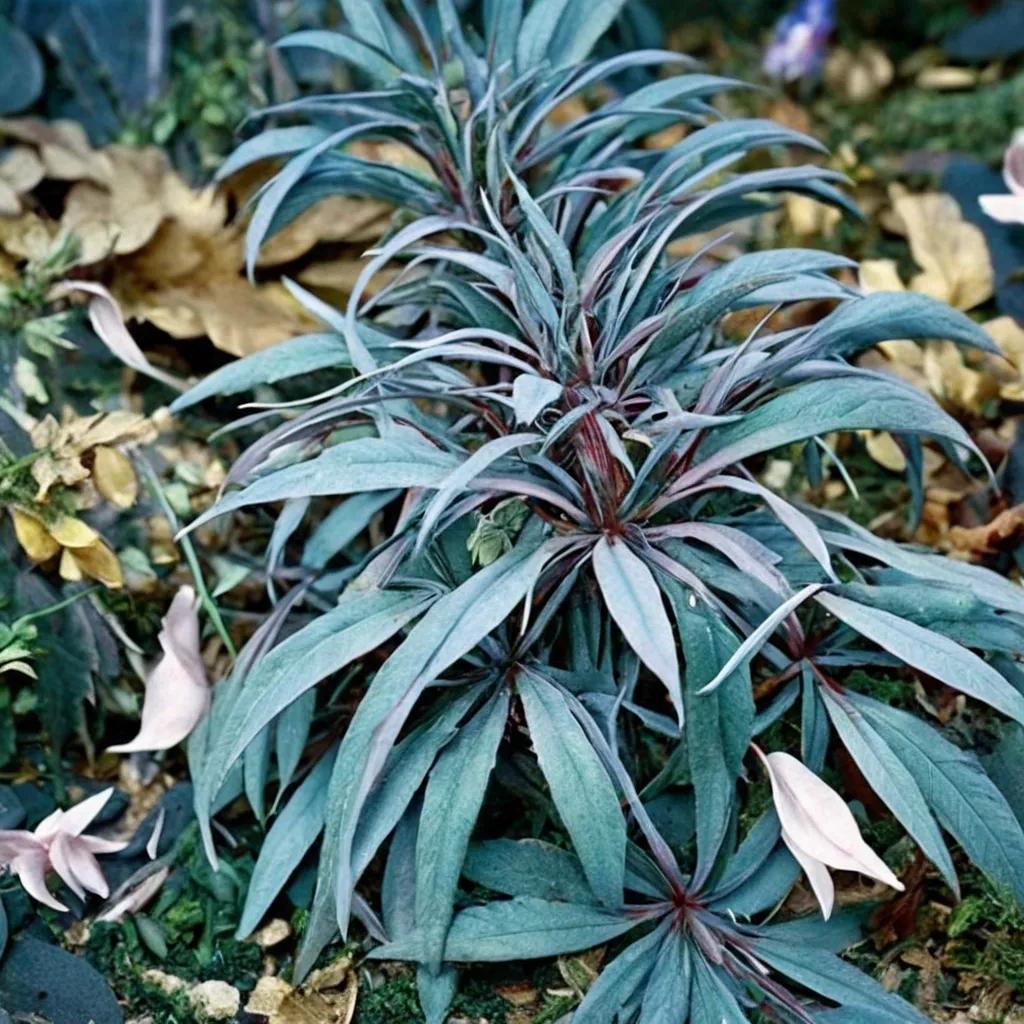 ‘Piccadilly’Piccadilly Stinking Hellebore
 ‘Autumn Moon’Stinking Hellebore
 ‘Dunham Narrow Leaf’Dunham Narrow Leaf Hellebore
 ‘Red Silver’Red Silver Lenten Rose
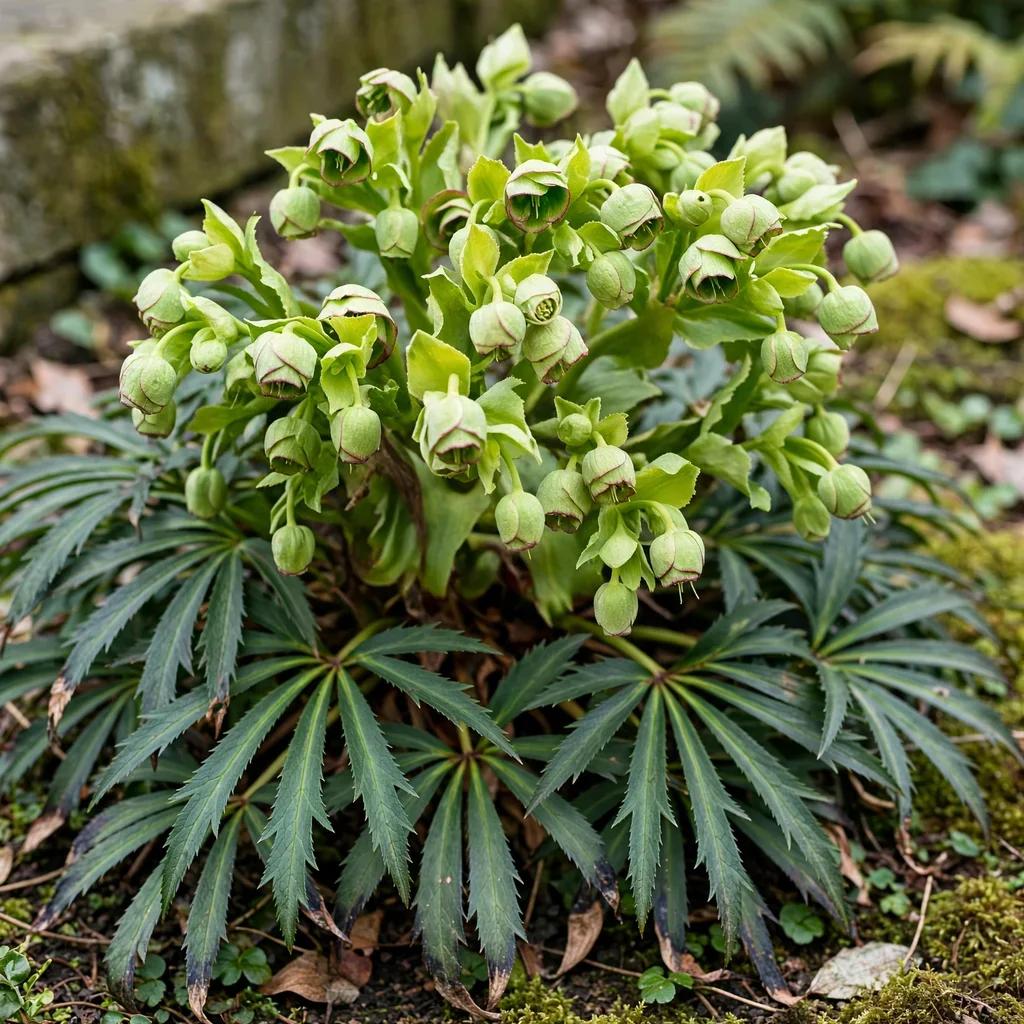 ‘Trossomontes’Trossomontes Stinking Hellebore
 ‘Green Giant’Green Giant Hellebore
 ‘Wester Flisk’Wester Flisk Stinking Hellebore
 ‘Sienna’Sienna Stinking Hellebore
 ‘Green Gnome’Stinking Hellebore Green Gnome
 ‘Golden Showers’Golden Showers Stinking Hellebore
The Story
Plant Bio
Helleborus foetidus, commonly known as the stinking hellebore, is a perennial evergreen shrub with clump-forming habit, featuring finely divided, serrated, dark green foliage and clusters of nodding, bell-shaped green flowers with reddish margins in late winter to early spring.
The Dunham cultivar is distinguished by its particularly robust flower stems and slightly larger, more intensely colored flowers, enhancing its ornamental appeal during the winter months.
Uses & Benefits:
Essentials
At a Glance
Plant Type
Perennial
Height
18"
Width
18"
Light
Partial Sun, Shade
Zones
5, 6, 7, 8, 9
Water
Medium
Humidity
Moderate to high
Lifespan
Long-lived perennial
Native To
Europe
Toxicity
All parts are toxic if ingested
Bloom period
Late winter – Early spring
In flower about 2 months of the year
Planting
How to Grow
- Tuck seeds into moist soil in late summer.
- Mist cuttings regularly to maintain humidity.
- Plant in partial shade with well-drained soil.
- Water consistently to keep soil moist, especially during dry periods.
- Apply mulch to retain moisture and suppress weeds.
- Divide clumps every 3-4 years in early spring.
Pro Tip
Plant in shaded areas with rich, moist soil for best results.
Keep It Thriving
Care Guide
Do
- Water regularly during dry spells 🌱
- Mulch to conserve soil moisture
- Remove dead or damaged leaves
Don't
- Avoid overwatering to prevent root rot ❌
- Don’t expose to full sun in hot climates
- Refrain from disturbing roots during dormancy
Seasonal Care Calendar
| Task | Jan | Feb | Mar | Apr | May | Jun | Jul | Aug | Sep | Oct | Nov | Dec |
|---|---|---|---|---|---|---|---|---|---|---|---|---|
| Fertilize | ||||||||||||
| Pest Check | ||||||||||||
| Prune |
Watch Out For
Pests & Diseases
Common Pests
Common Diseases
In the Garden
Landscape Uses & Companions
Landscape Uses
Multiply
Propagation Methods
Good to Know
Common Questions
Dunham Stinking Hellebore questions
What zones can Dunham Stinking Hellebore grow in?
Dunham Stinking Hellebore is hardy in USDA Zones 5–9. Inside that range it survives winter in the ground; outside it, grow it as an annual or a container plant you protect.
Is Dunham Stinking Hellebore deer resistant?
Yes — Dunham Stinking Hellebore is rated deer-resistant. Deer typically pass it over, though extreme hunger can override any plant's defenses.
When does Dunham Stinking Hellebore bloom?
Dunham Stinking Hellebore typically blooms in late winter through early spring. Exact timing shifts a week or two with your zone — Sow's bloom calendar maps it to your garden.
Does Dunham Stinking Hellebore need full sun?
Dunham Stinking Hellebore does best in part shade.
More Helleborus to compare
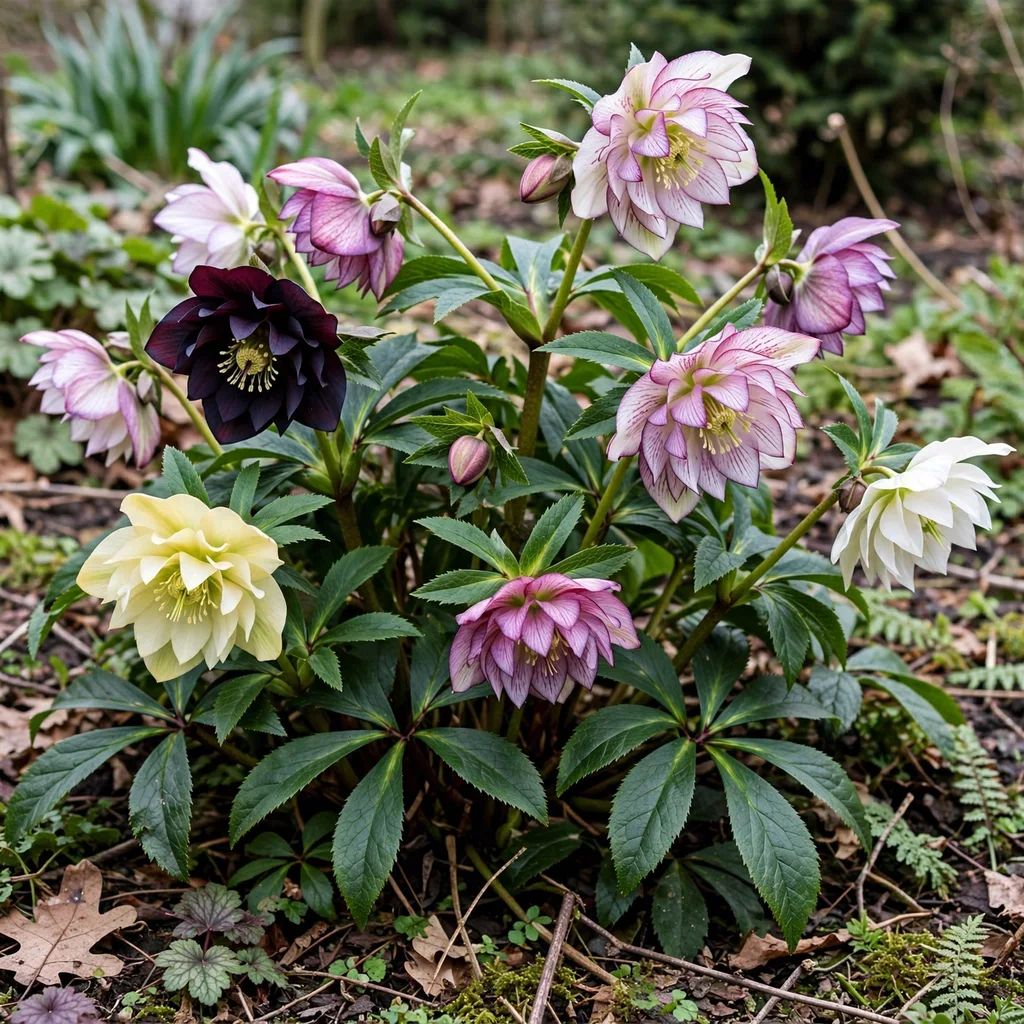
Hellebore Wedding Party Mix
Helleborus x hybrida 'Wedding Party Mix'
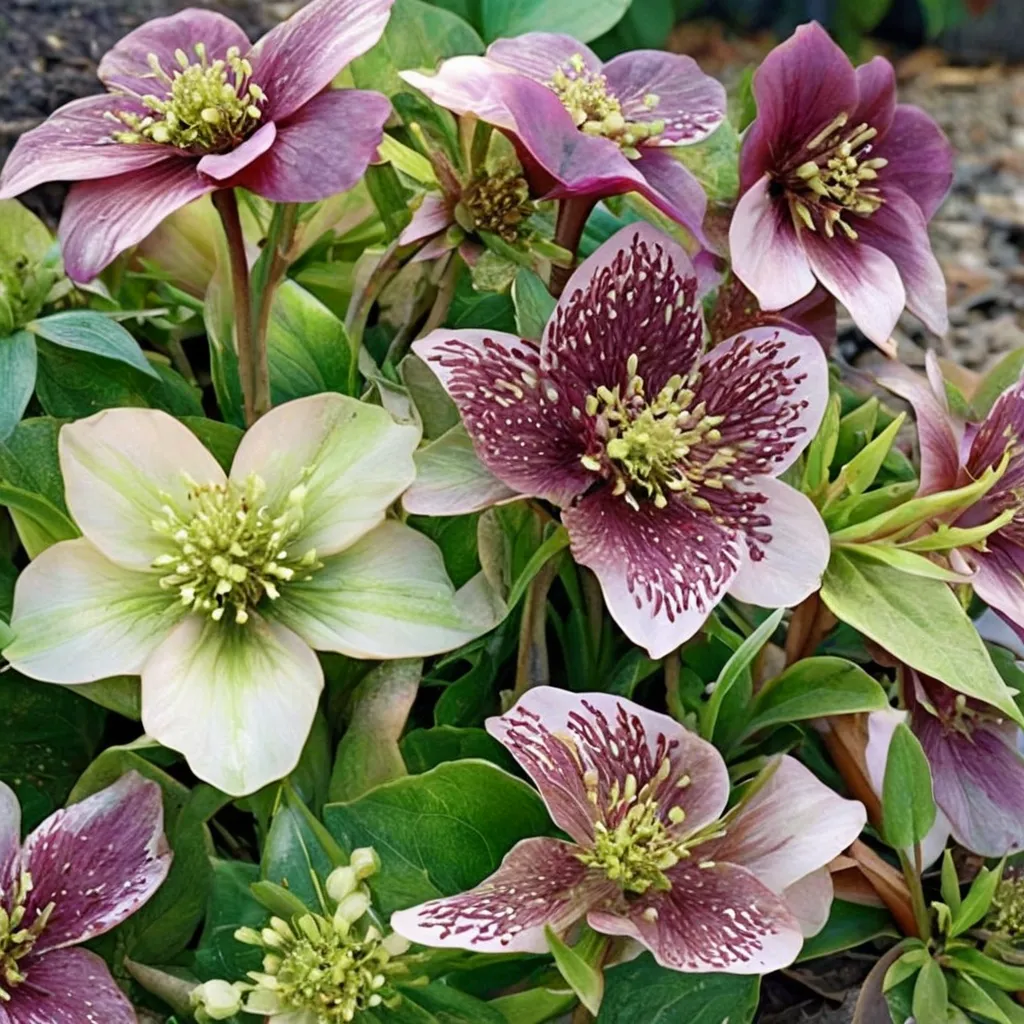
Lenten Rose Hybrid Mix
Helleborus x hybrida 'Mix'
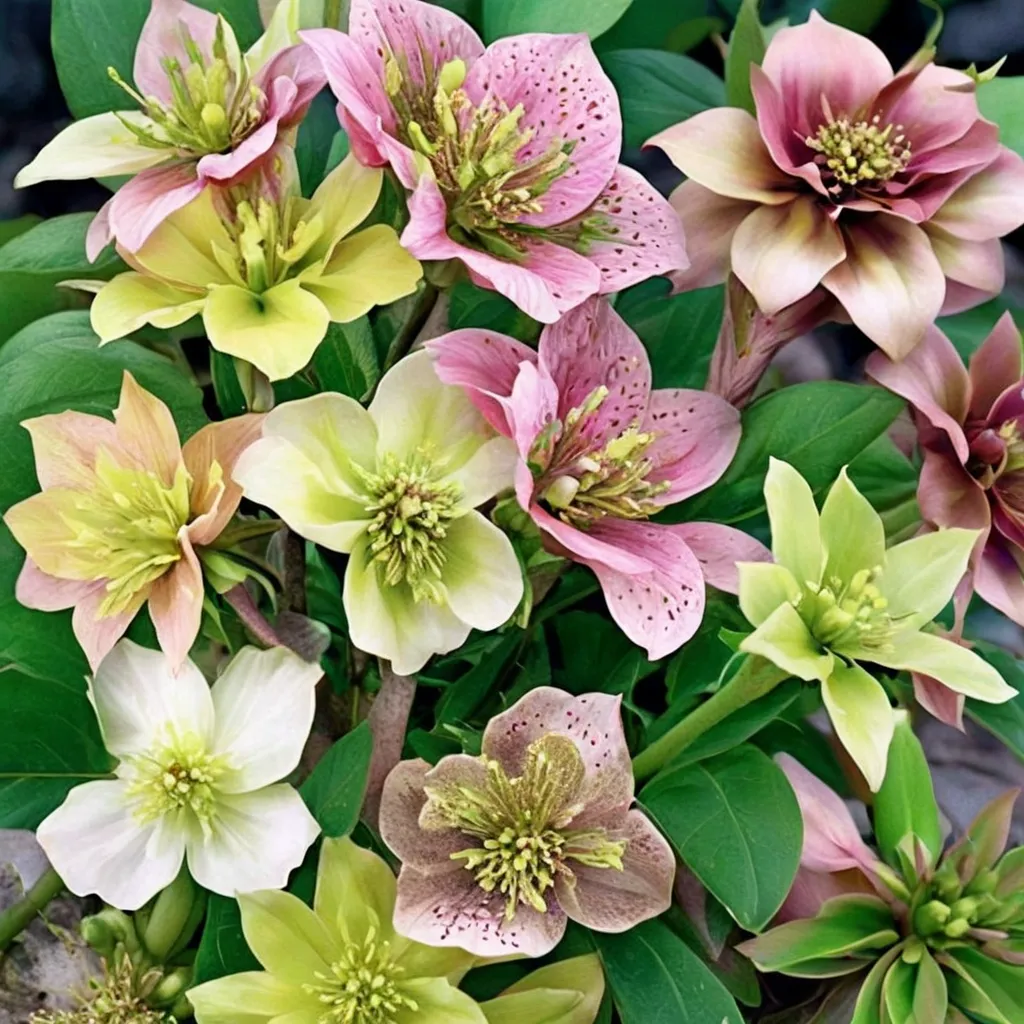
Lenten Rose Double Queen Strain
Helleborus x hybridus 'Double Queen Strain'
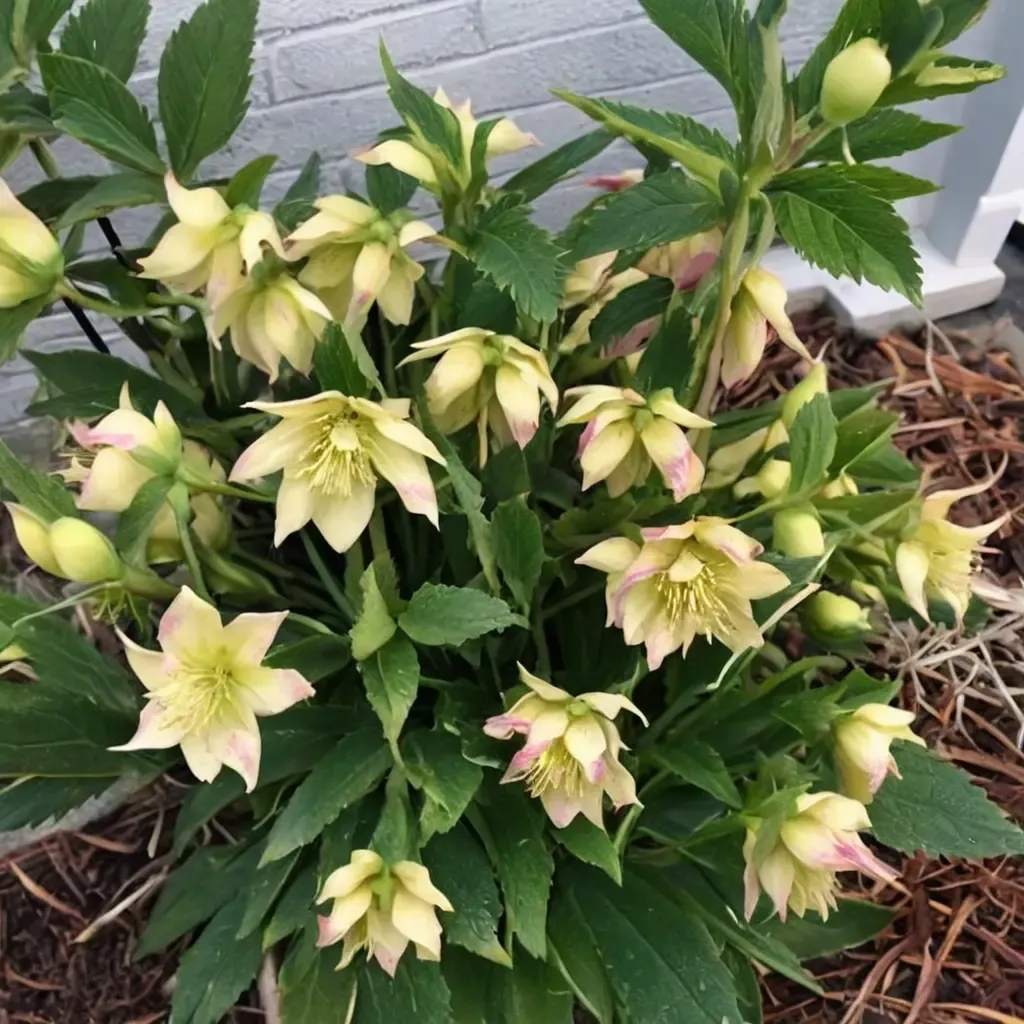
First Dance Lenten Rose Hellebore
Helleborus orientalis 'First Dance'
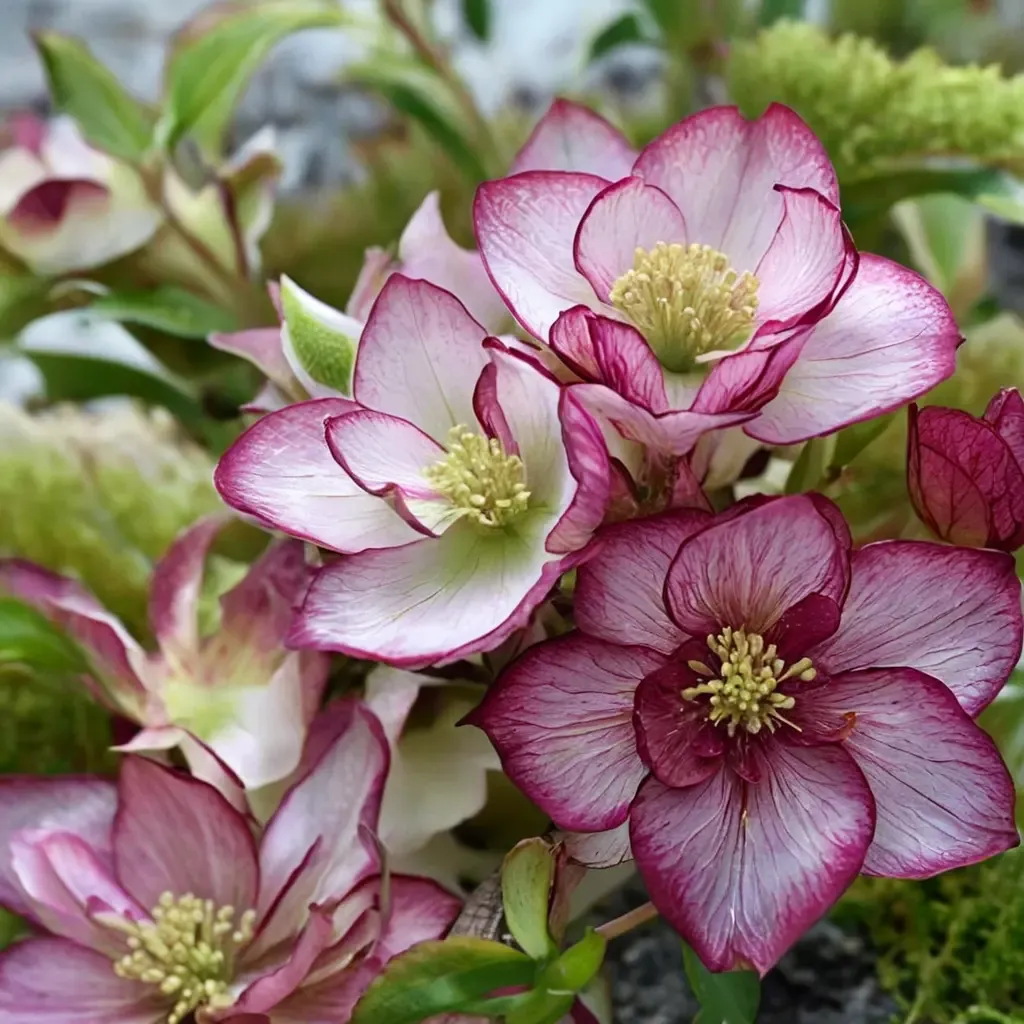
Peppermint Ice Lenten Rose
Helleborus x hybrida 'Peppermint Ice'
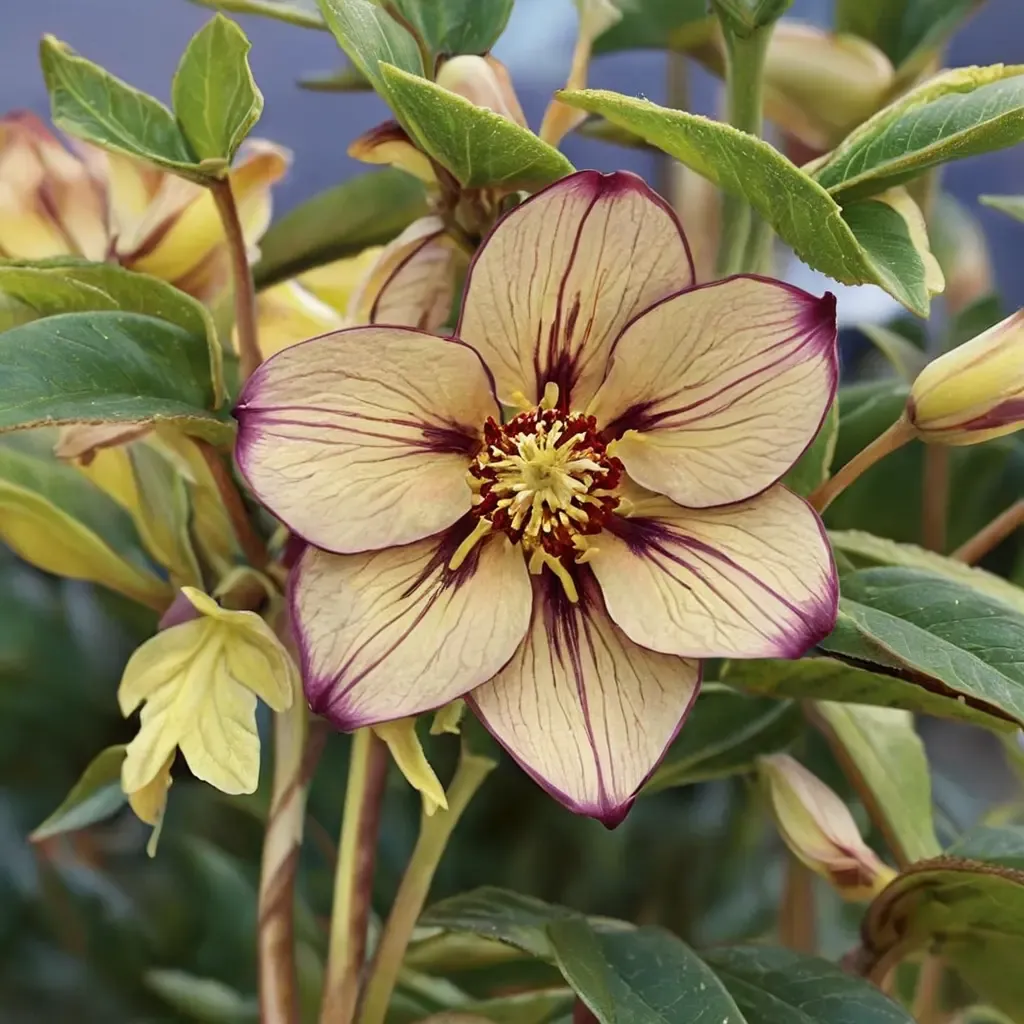
Tropical sunset Lenten Rose
Helleborus orientalis 'Tropical sunset'
Keep exploring
Explore the genus
Hardy in your zone?
Grow Dunham Stinking Hellebore with confidence
See it in a design of your actual yard, get zone-matched care reminders, and track it season by season in your garden journal.